For generations of American families, particularly those with a backyard garden or access to a farm, canning and preserving food at home each summer and fall was a genuinely essential household skill, one that shaped an entire season’s kitchen work and determined how well the family would eat through the coming winter. Here are ten things about how canning and preserving used to work, counted down one by one.
1. An Entire Week Set Aside Specifically for Canning Season
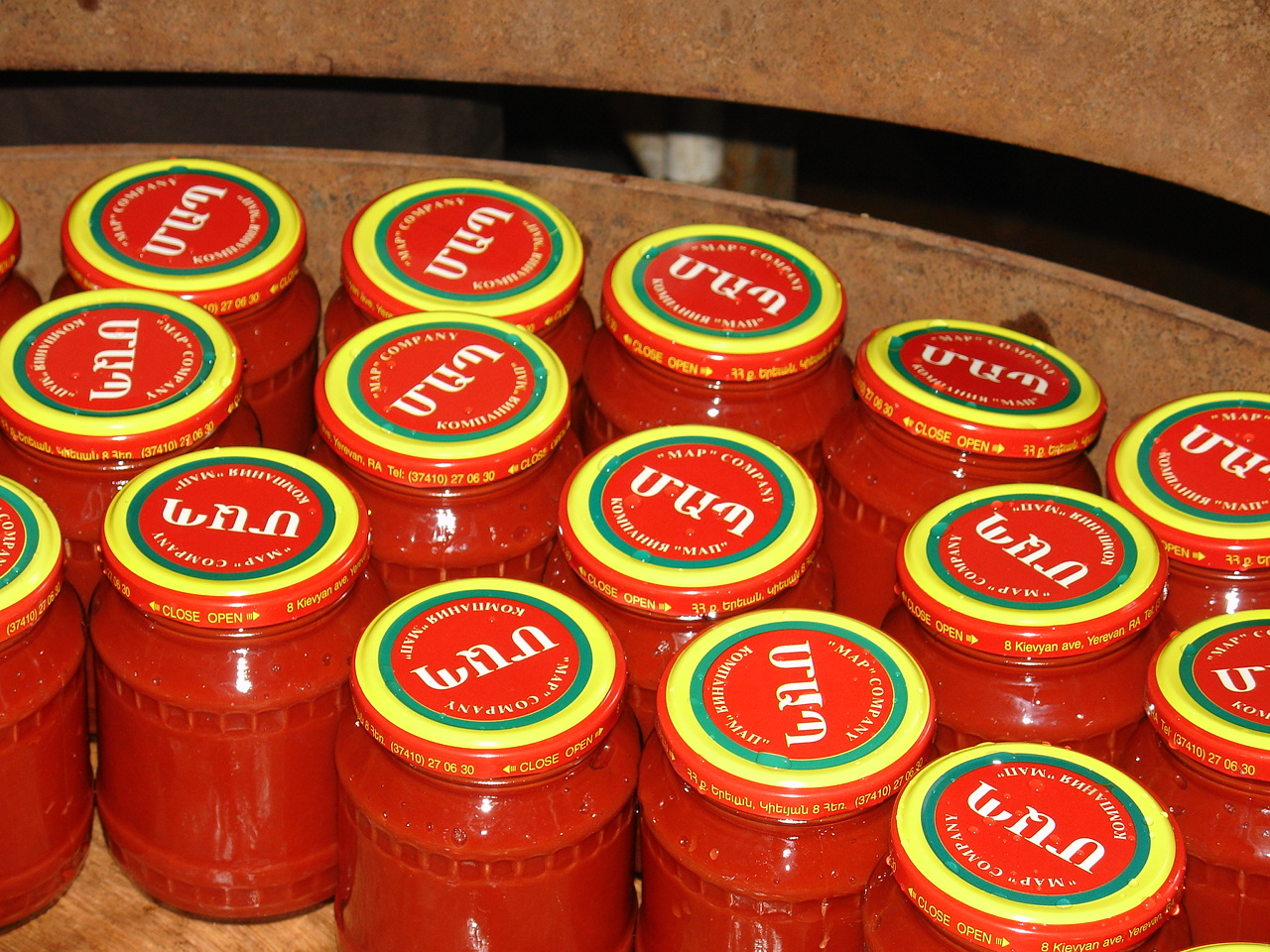
Preserving the harvest required real, dedicated time. Families planned their whole schedule around this annual undertaking.
Canning season meant setting aside an entire week or more, typically in late summer as the garden’s harvest peaked, dedicated almost entirely to processing vegetables and fruit before they spoiled. An entire week set aside specifically for canning season reflects the genuinely significant time commitment the whole process required, a household priority that shaped the family’s summer schedule around the practical necessity of preserving that year’s harvest.
Like our content? Follow us for more.
2. A Hot Water Bath or Pressure Canner Running for Hours
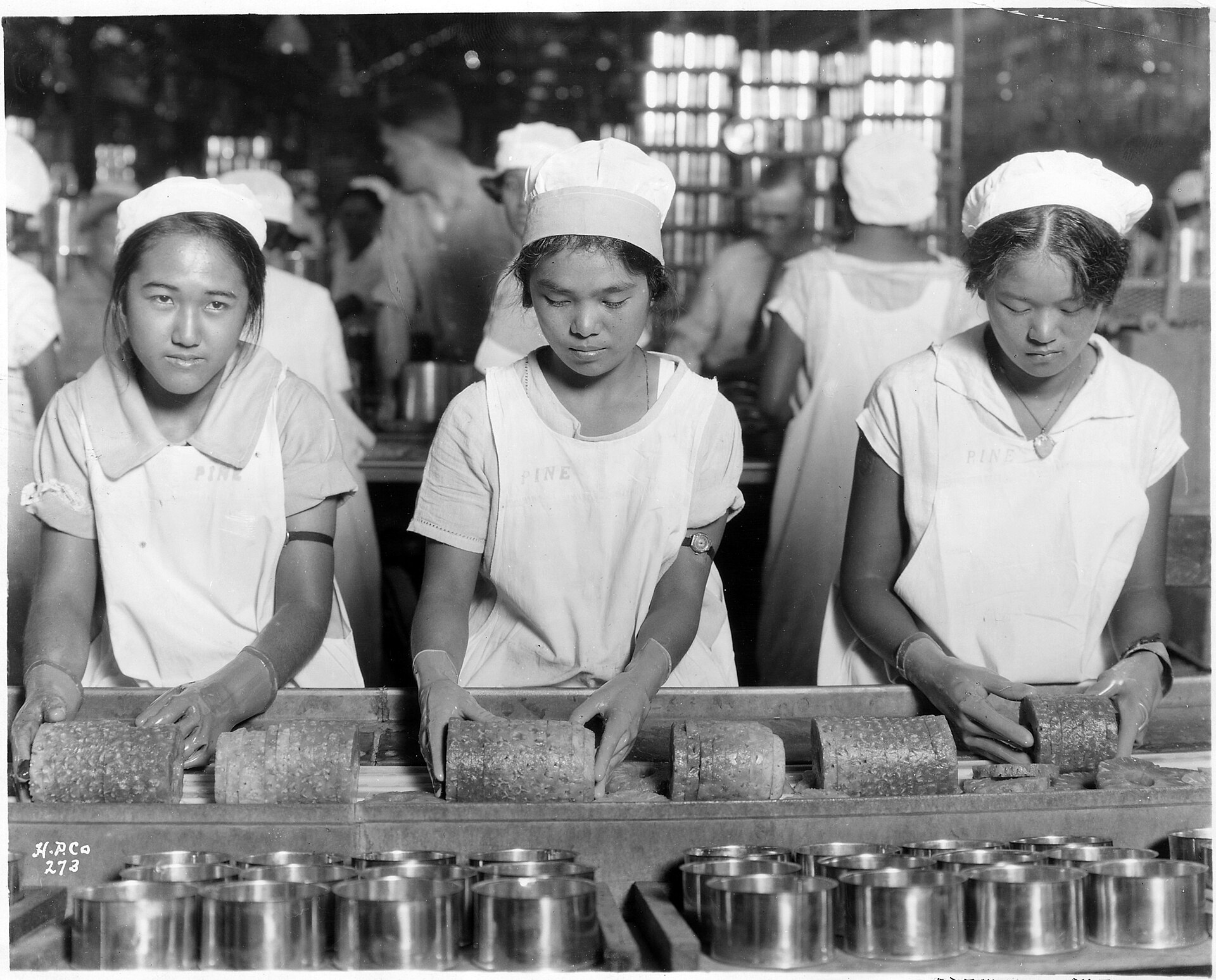
Sealing jars safely required sustained heat processing. The kitchen stayed genuinely hot throughout the entire canning day.
Properly sealing jars for safe long-term storage required either a hot water bath or a pressure canner running continuously for a set processing time, keeping the kitchen genuinely hot and steamy for hours at a stretch during what was often already the hottest part of summer. A hot water bath or pressure canner running for hours reflects the physically demanding reality behind the entire canning process, sustained heat that made canning day a genuinely uncomfortable but necessary part of the household’s food preservation routine.
3. Jars Reused Year After Year, Carefully Inspected for Cracks
Glass jars were a genuine long-term household investment. Each one was checked carefully before every reuse.
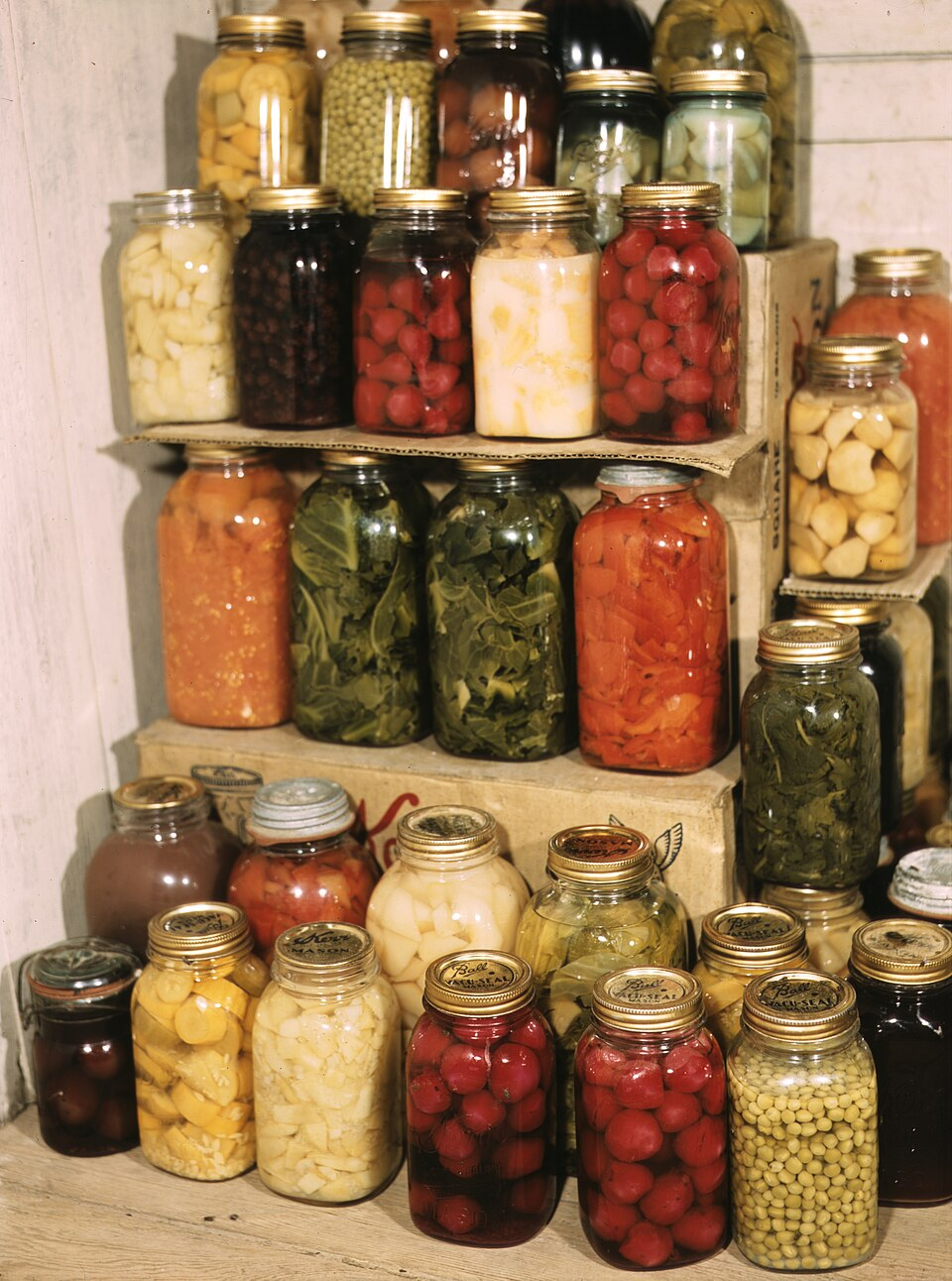
Canning jars represented a genuine, meaningful household investment, reused year after year rather than purchased fresh each season, with each jar carefully inspected for chips or cracks before every use, since a compromised jar could mean a failed seal or, worse, spoiled food. Jars reused year after year, carefully inspected for cracks, reflects the genuinely resourceful, cost-conscious nature of home canning, a practice built around careful maintenance of reusable equipment rather than routine replacement.
4. A Genuine Skill for Judging When a Seal Had Properly Set
Confirming a jar sealed correctly required real, practiced knowledge. The distinctive “pop” of a sealing lid was a satisfying, reassuring sound.
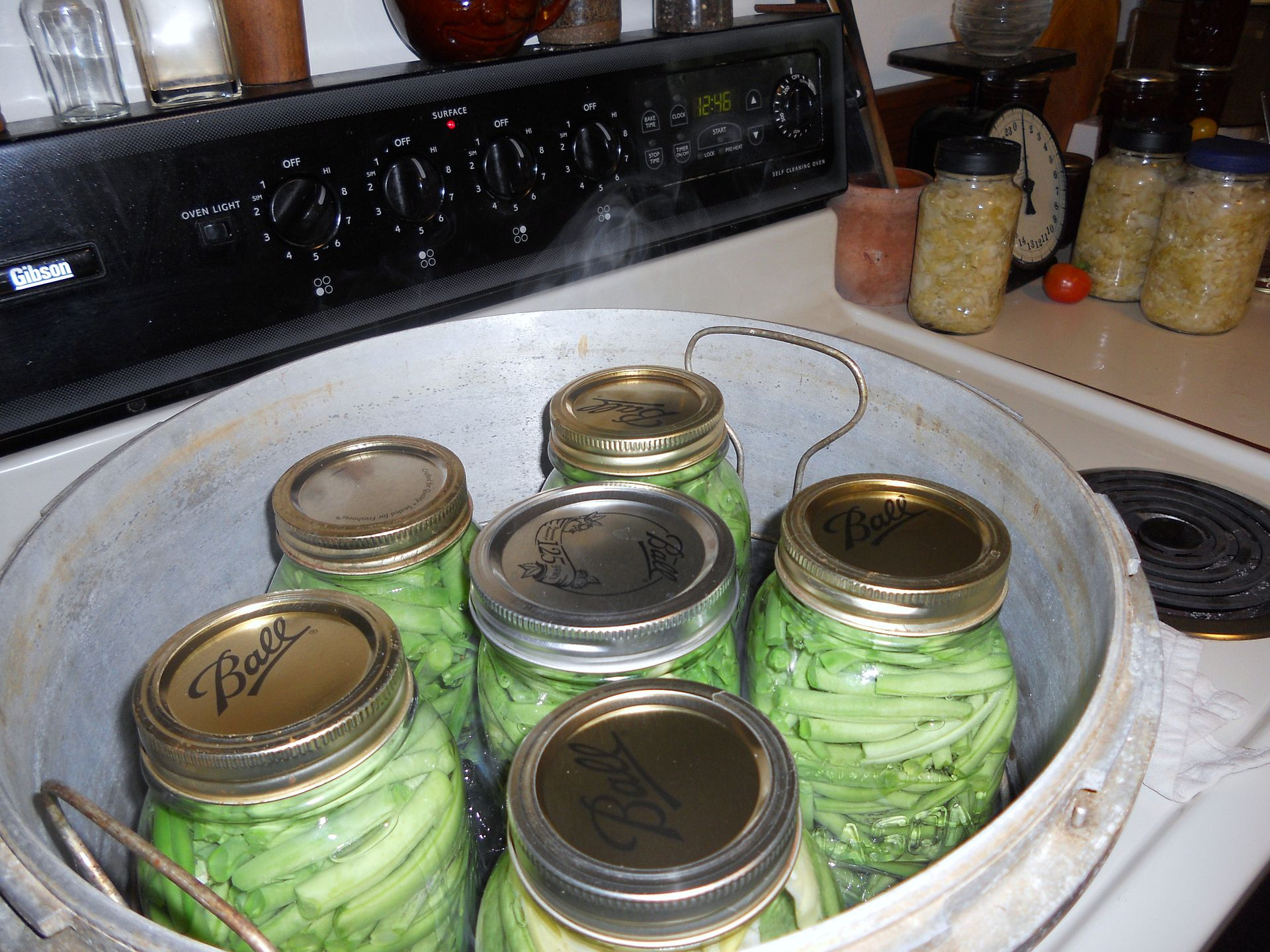
Experienced home canners developed a genuine, practiced skill for confirming a jar had sealed properly, listening for the distinctive metallic “pop” of the lid setting as it cooled, and later checking that the lid’s center stayed firmly concave rather than flexing under a light press. A genuine skill for judging when a seal had properly set reflects the real expertise home canning demanded, hands-on knowledge built through years of practice that determined whether months of stored food would actually stay safe to eat.
5. Handwritten Labels Recording the Exact Canning Date
Every jar was labeled by hand with contents and date. This simple system tracked freshness through the following months.
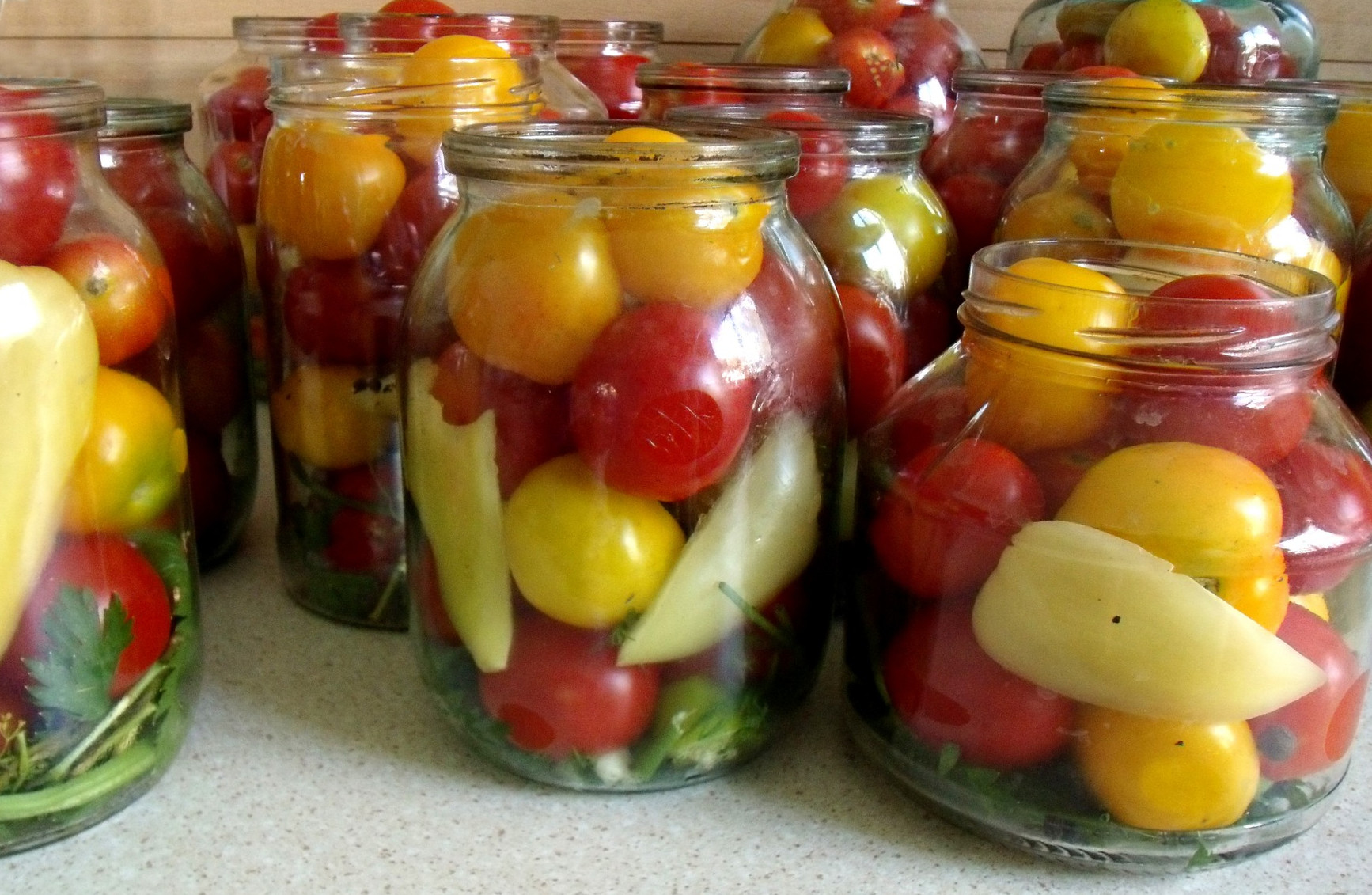
Every finished jar received a simple handwritten label noting its contents and the exact canning date, a low-tech but genuinely essential tracking system that helped families use their preserved food in a sensible order throughout the following months. Handwritten labels recording the exact canning date reflect the careful, organized approach families brought to managing their stored food supply, a simple system that made an entire pantry of identical-looking jars genuinely navigable.
6. A Root Cellar or Basement Shelf Dedicated Entirely to Storage
Preserved food needed a cool, dark, stable location. Many homes built dedicated storage space specifically for this purpose.
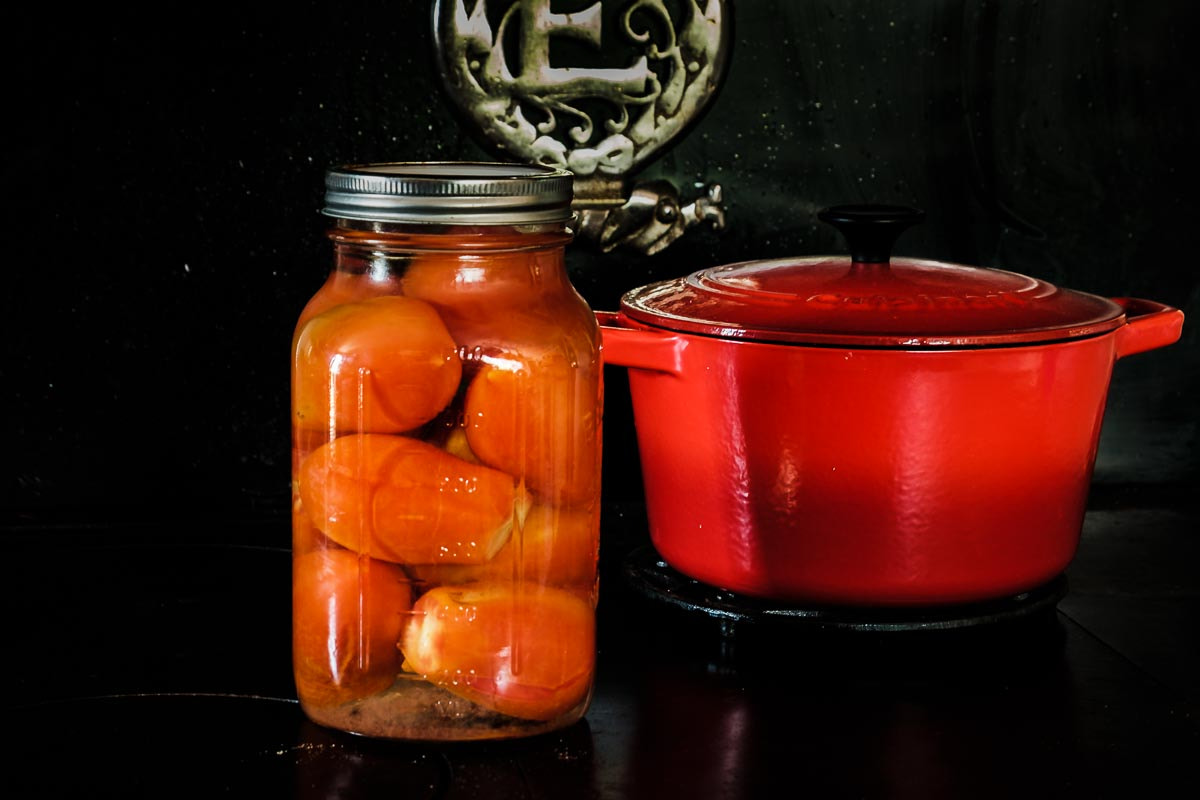
Properly storing a season’s worth of canned goods required a genuinely cool, dark, stable location, often a dedicated root cellar or a specific basement shelving area built or set aside entirely for this purpose. A root cellar or basement shelf dedicated entirely to storage reflects how central food preservation was to the household’s overall planning, dedicated physical space that made an entire section of the home function as the family’s own personal grocery reserve.
7. Extended Family Gathering Specifically to Help With the Harvest
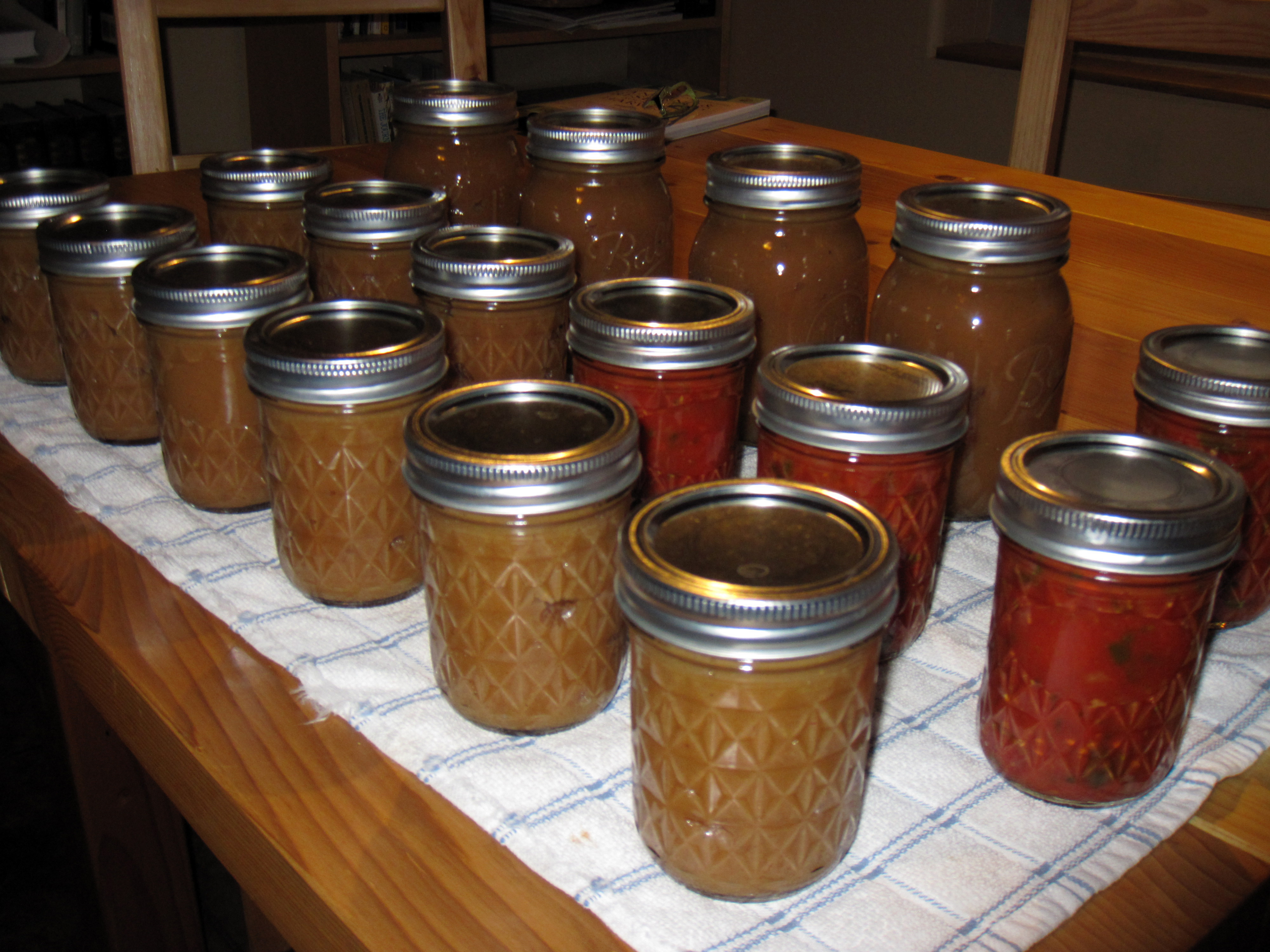
Canning was often a genuinely collaborative, multi-generational effort. Relatives pitched in together during the busiest processing days.
Given the sheer volume of work involved, canning season often became a genuinely collaborative, multi-generational effort, with extended family, grandmothers, aunts, cousins, gathering specifically to help process a large harvest together over the course of a busy, shared day. Extended family gathering specifically to help with the harvest reflects the genuinely social dimension of home canning, hard work that doubled as valuable family time and a real opportunity to pass down preservation skills between generations.
8. A Genuine Sense of Pride in a Fully Stocked Pantry
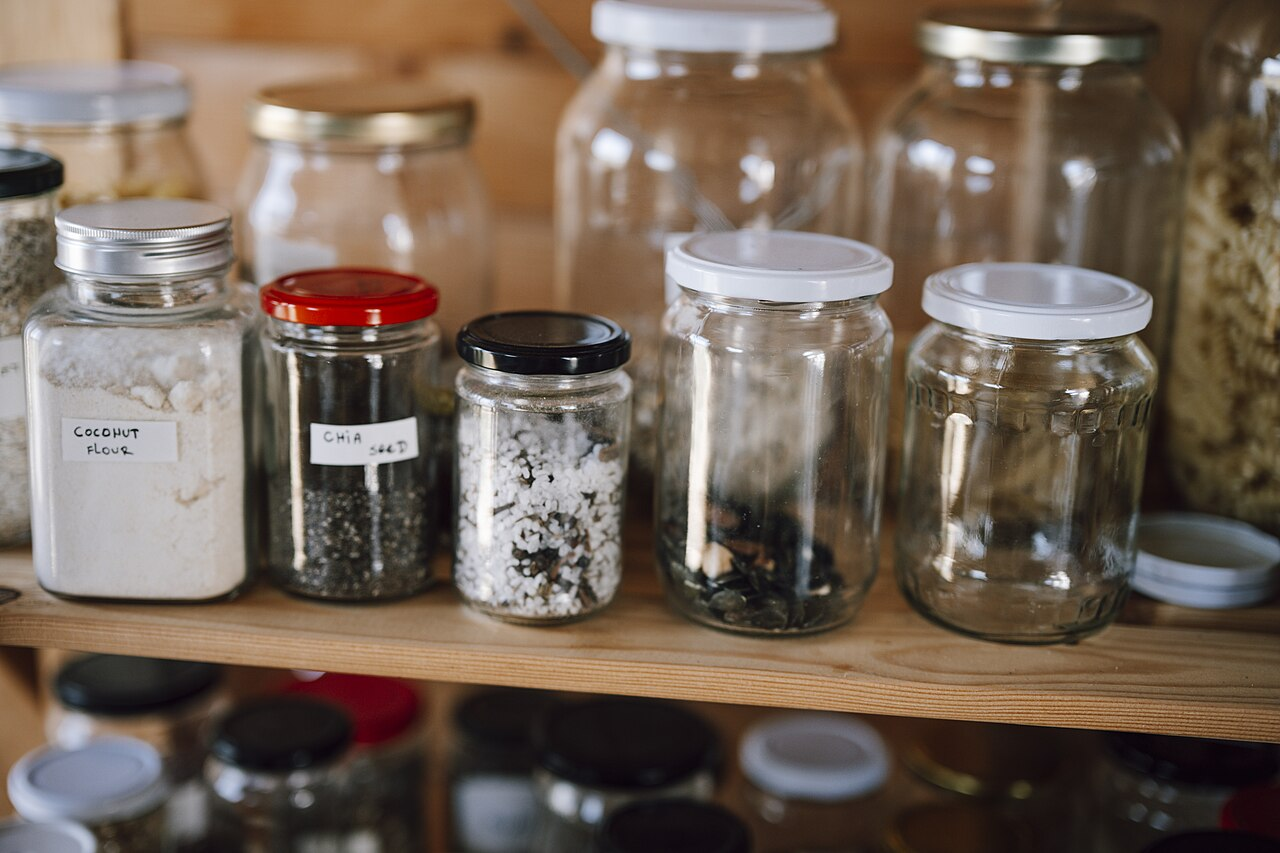
Seeing rows of filled jars brought real satisfaction. It represented tangible security for the coming winter months.
Surveying a pantry or cellar fully stocked with rows of colorful, carefully labeled jars brought genuine pride and a real sense of security, tangible proof of a successful season’s work that would help feed the family through the coming winter regardless of what the weather or budget brought. A genuine sense of pride in a fully stocked pantry reflects the real, practical significance canning held for many households, an achievement that meant considerably more than simple hobby satisfaction during an era when grocery budgets stretched further out of necessity.
9. Recipes Passed Down Entirely Through Handwritten Cards
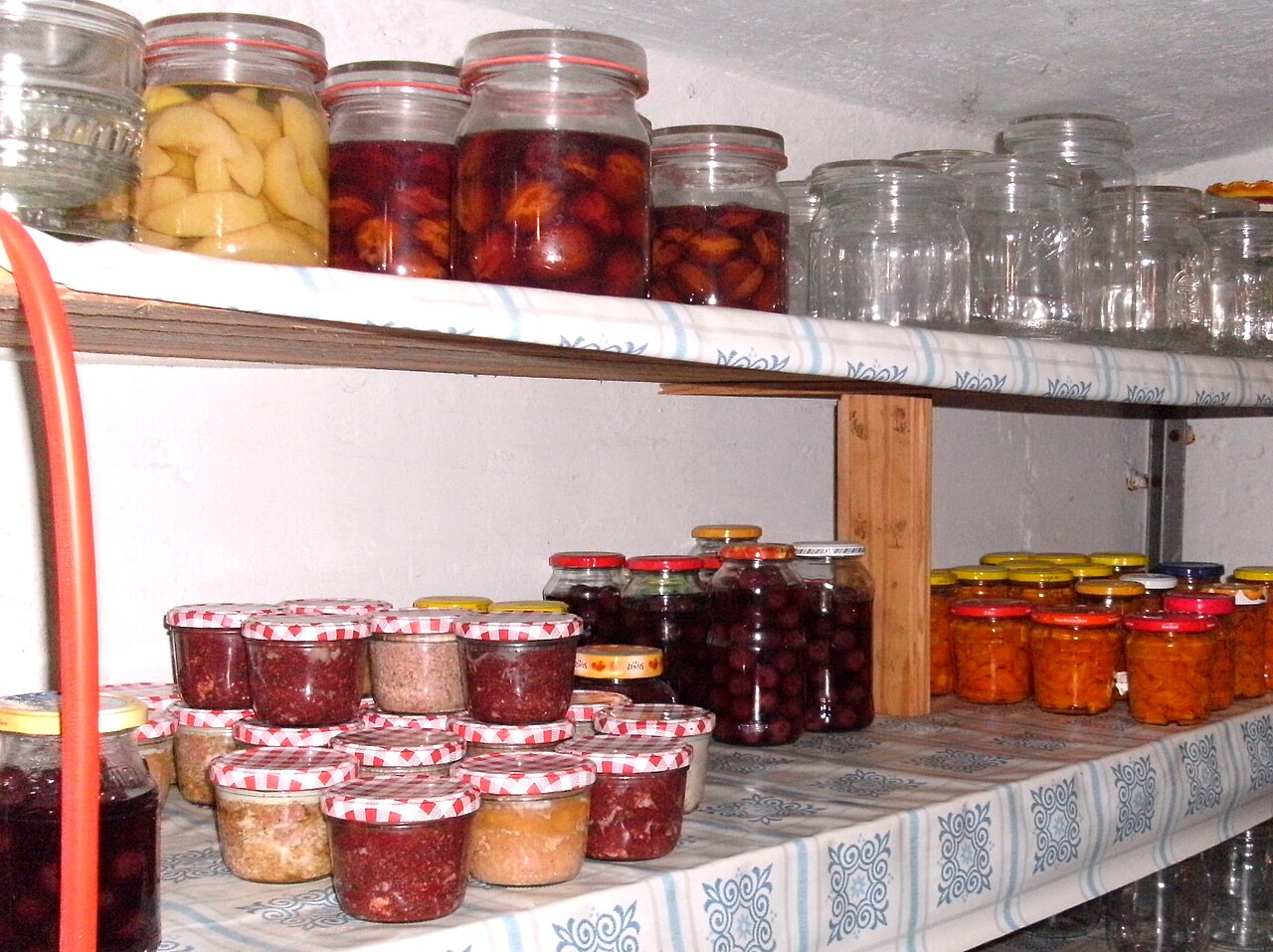
Canning techniques and specific recipes were rarely written in cookbooks. Family knowledge transferred through personal notes instead.
Specific canning recipes and techniques were often passed down entirely through handwritten recipe cards, notes copied from a mother or grandmother rather than sourced from a published cookbook, preserving each family’s own particular methods and preferred flavor combinations. Recipes passed down entirely through handwritten cards reflect the deeply personal, generational nature of home canning knowledge, a system of oral and written tradition that kept specific family techniques alive across many decades.
10. A Genuine Reduction in This Skill as Grocery Stores Expanded
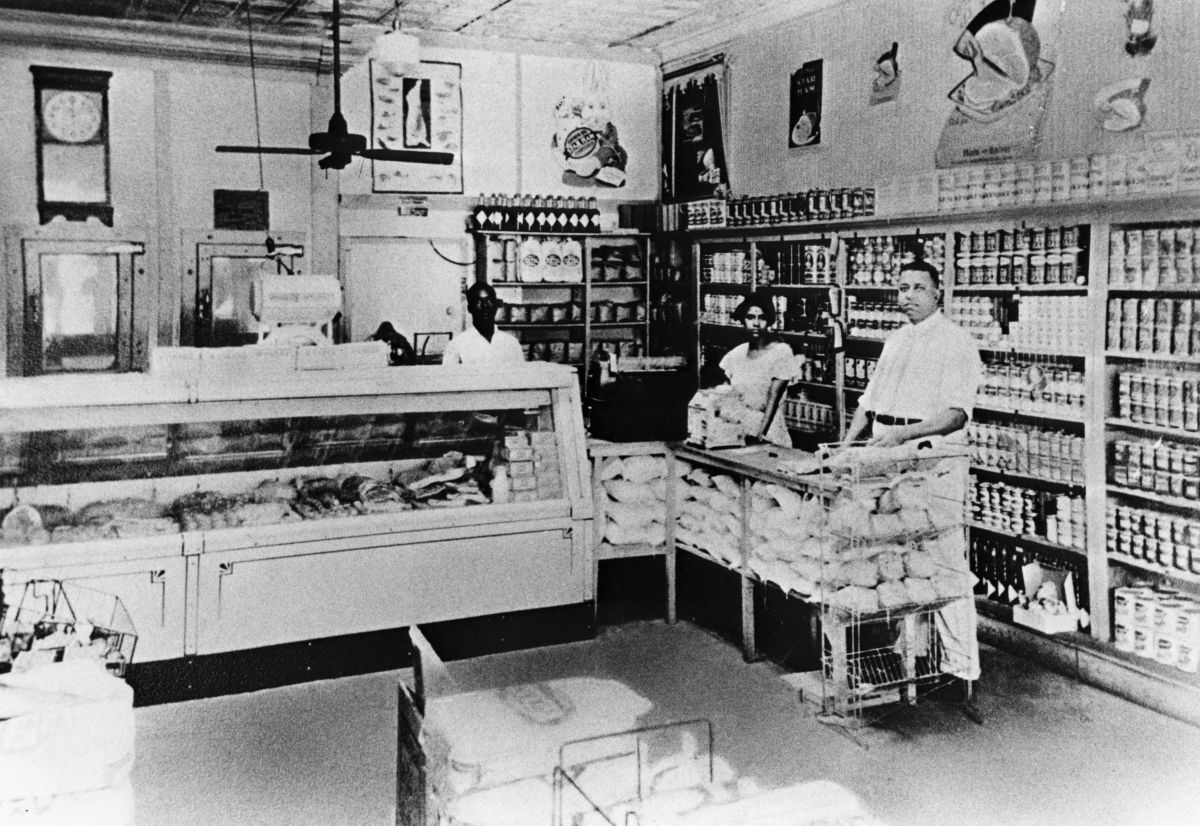
Fewer families can and preserve food at home today. Year-round grocery availability made the practice less of a genuine necessity.
As grocery stores expanded to offer fresh and frozen produce year-round at increasingly affordable prices, the genuine necessity behind home canning gradually diminished for most American families, though the practice never fully disappeared and has seen a real resurgence among home gardeners and food enthusiasts in recent years. A genuine reduction in this skill as grocery stores expanded reflects broader changes in American food access and household priorities, a shift that transformed canning from a widespread necessity into more of a specialized, intentional hobby today.
A Genuinely Significant Household Skill
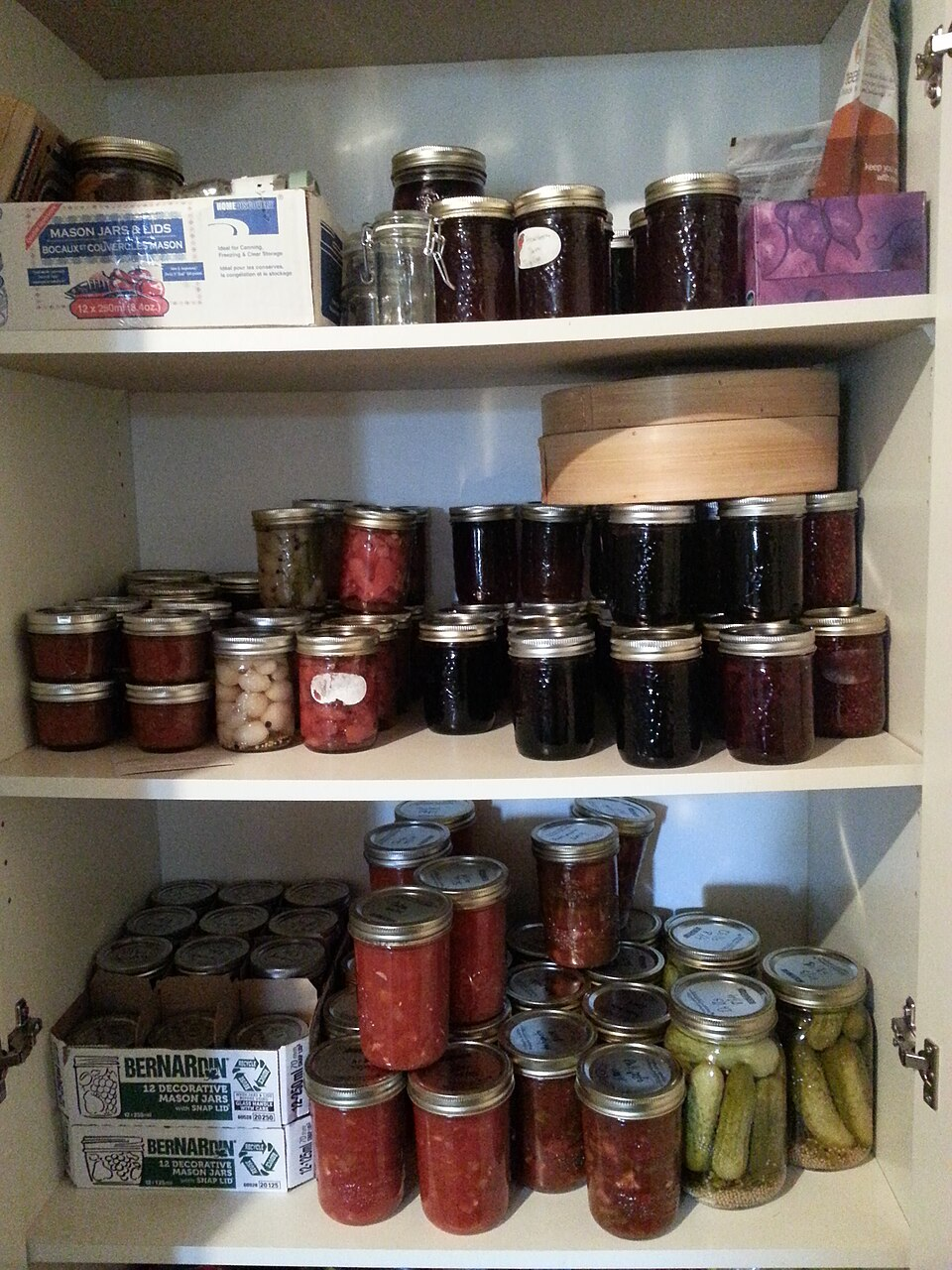
Taken together, these ten things capture what it meant to can and preserve food at home decades ago, from the dedicated canning week and the hours-long processing to the handwritten labels and the genuine pride in a fully stocked pantry. It was a significant, skill-intensive household practice built around real necessity and generational knowledge.
Modern grocery access and food preservation technology have made home canning considerably less essential for most American families than it once was, even as a genuine resurgence of interest among home gardeners and food enthusiasts keeps the tradition alive in a more intentional, hobby-focused form today. The change reflects broader shifts in how Americans access and think about food security. For those who remember a summer kitchen filled with steam and rows of cooling jars, these details bring it all back: the satisfying pop of a sealing lid, the handwritten labels, the genuine pride of a fully stocked pantry heading into winter. Looking back at how canning and preserving used to work is a nostalgic reminder of just how much this essential household skill has changed.
Like our content? Follow us for more.