

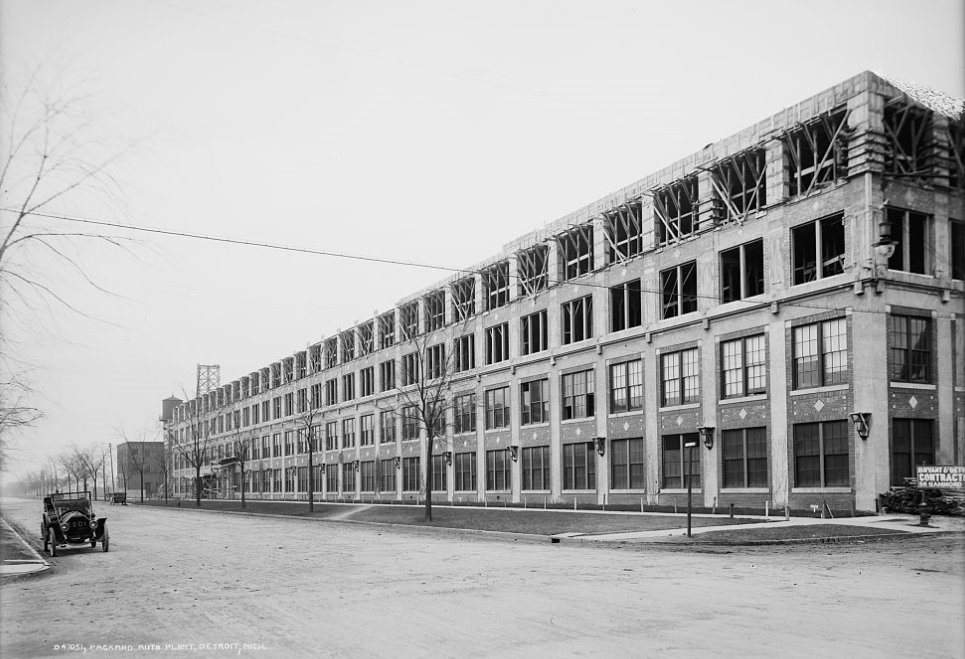
For decades, the Packard Automotive Plant on Detroit’s east side stood as perhaps the most photographed abandoned building in America, a sprawling, crumbling monument to the city’s industrial rise and fall. Its story is finally approaching a genuine conclusion, though not the one anyone originally imagined.
A Factory Built to Change an Industry
The Packard Motor Car Company, founded in 1899 by brothers James and William Packard in Warren, Ohio, moved its operations to Detroit as demand for its luxury automobiles grew. In 1903, the company commissioned architect Albert Kahn to design a new factory complex on East Grand Boulevard, and Kahn’s design became genuinely groundbreaking, the first automotive industrial facility in the United States to use reinforced concrete construction, a technique that allowed for open floor plans and large windows that flooded the workspace with natural light. By 1910, the sprawling 3.5-million-square-foot complex had become the largest auto plant in the country, employing more than 40,000 workers at its peak and helping cement Detroit’s identity as America’s automotive capital.
Like our content? Follow us for more.
A Slow Decline Spanning Decades
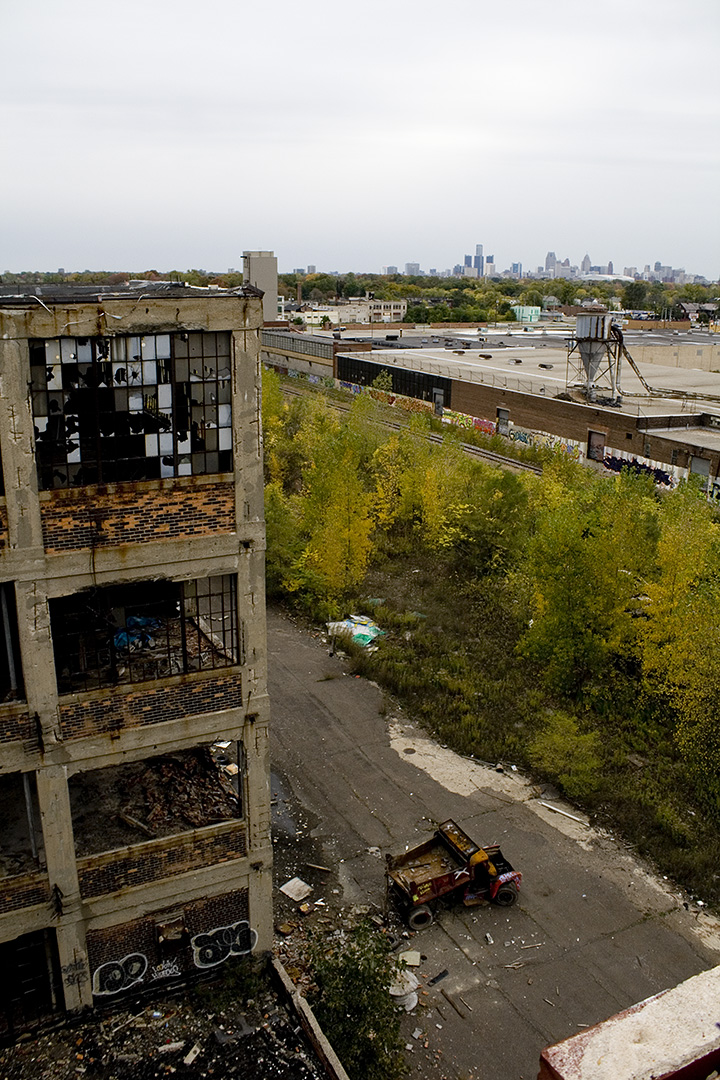
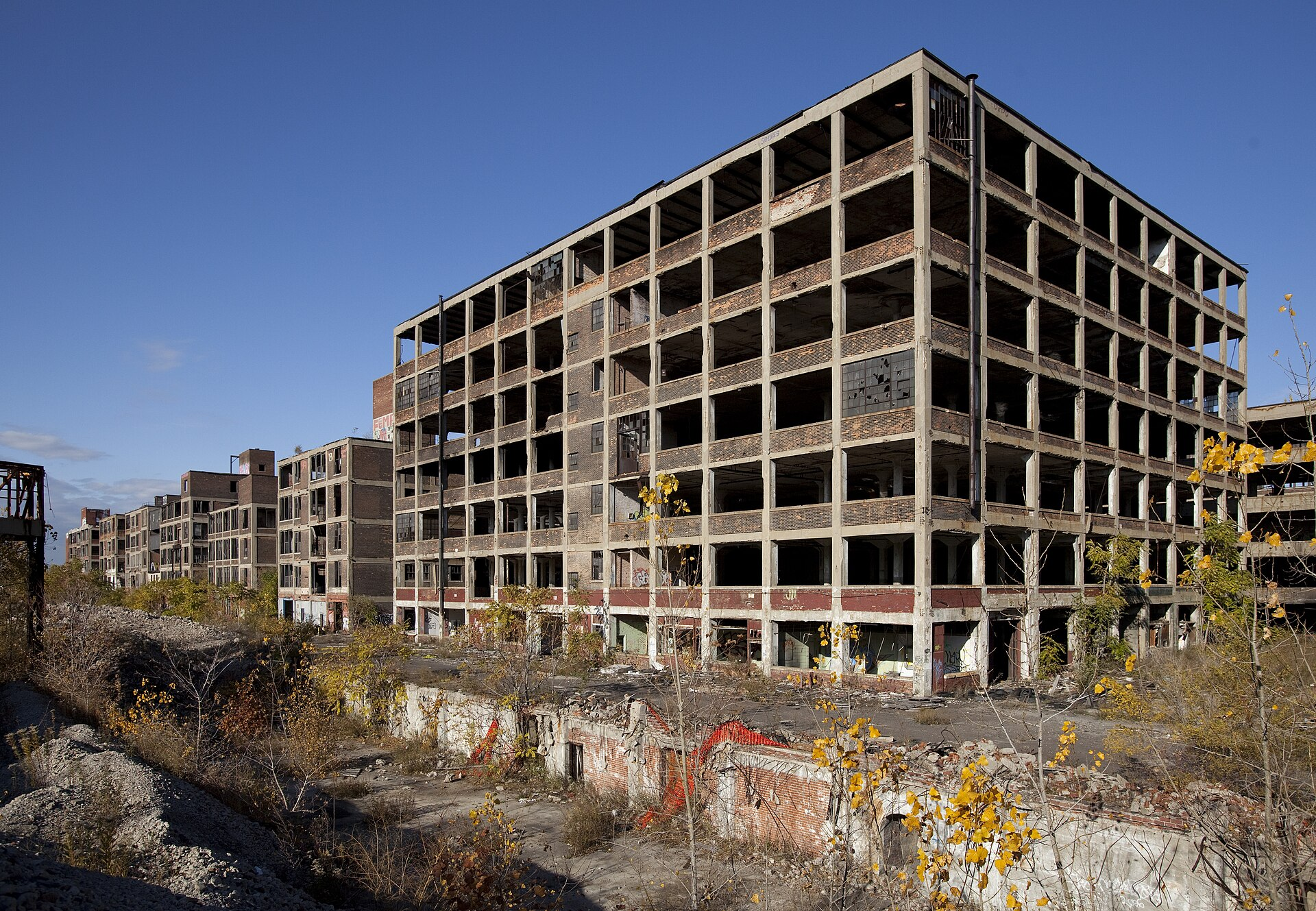
Packard’s fortunes began fading after World War II, and the company merged with Studebaker in 1954 before ceasing American production entirely by 1958. The plant continued operating under various tenants for decades afterward, with the last, a metal finishing company that had moved in back in 1958, finally departing in 2010. By the 1990s and 2000s, the abandoned complex had become internationally infamous, drawn to by urban explorers, photographers, and documentary filmmakers who turned its crumbling concrete and graffiti-covered walls into one of the most widely circulated images of post-industrial American decline anywhere in the world.
A Purchase, a Vision, and Another Disappointment
In 2013, Peruvian developer Fernando Palazuelo purchased the entire property at a Wayne County tax foreclosure auction for just $405,000, unveiling an ambitious $350 million plan to transform the ruins into a mixed-use district with offices, housing, and creative space over 15 years. For a time, the plan generated real optimism, architectural renderings circulated, public tours began in 2017, and portions of the administration building saw genuine renovation work begin. But progress slowed dramatically in the years that followed, and the property eventually fell back into tax foreclosure, leaving the site’s future uncertain once again.
The City Finally Steps In
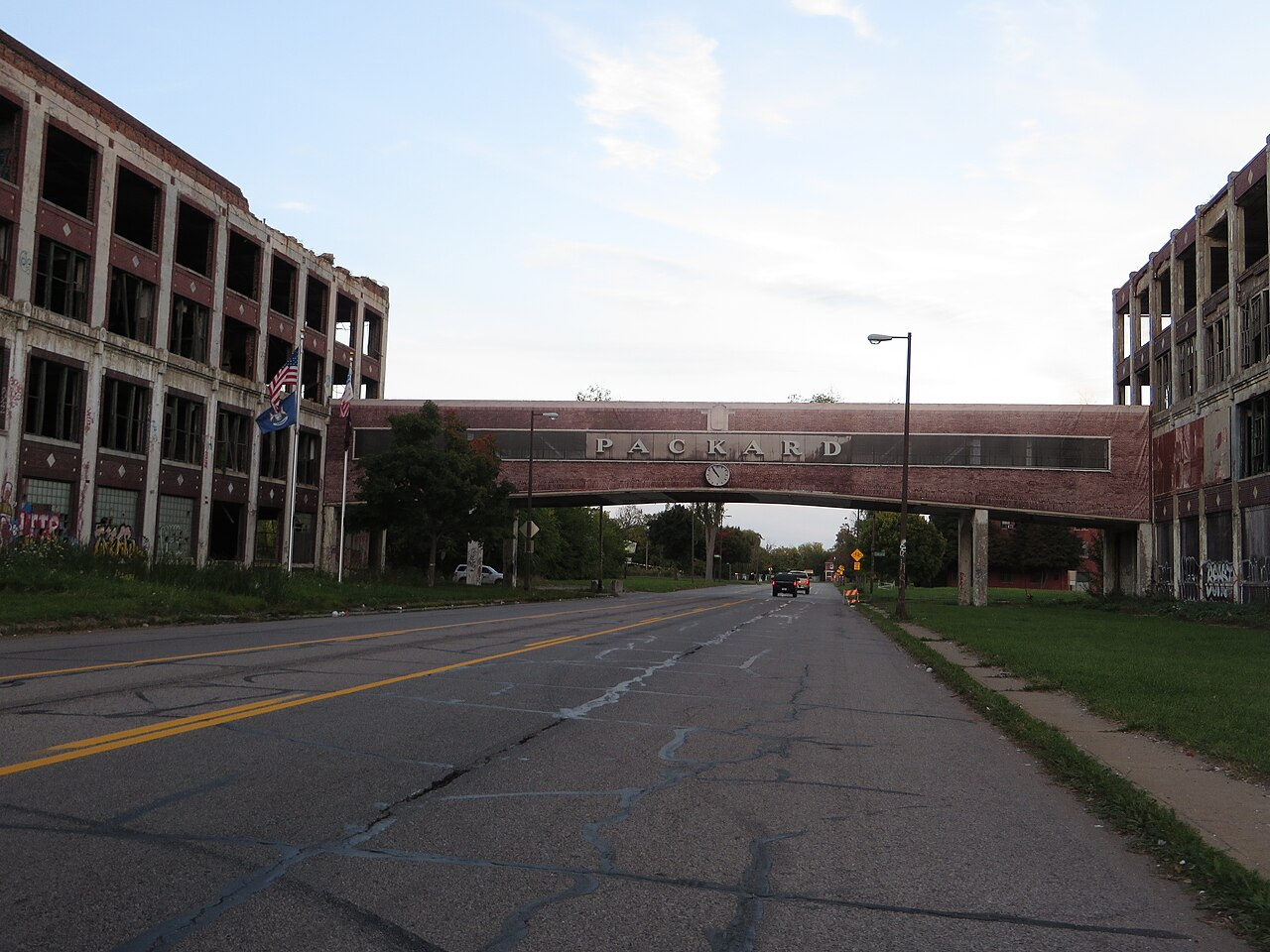
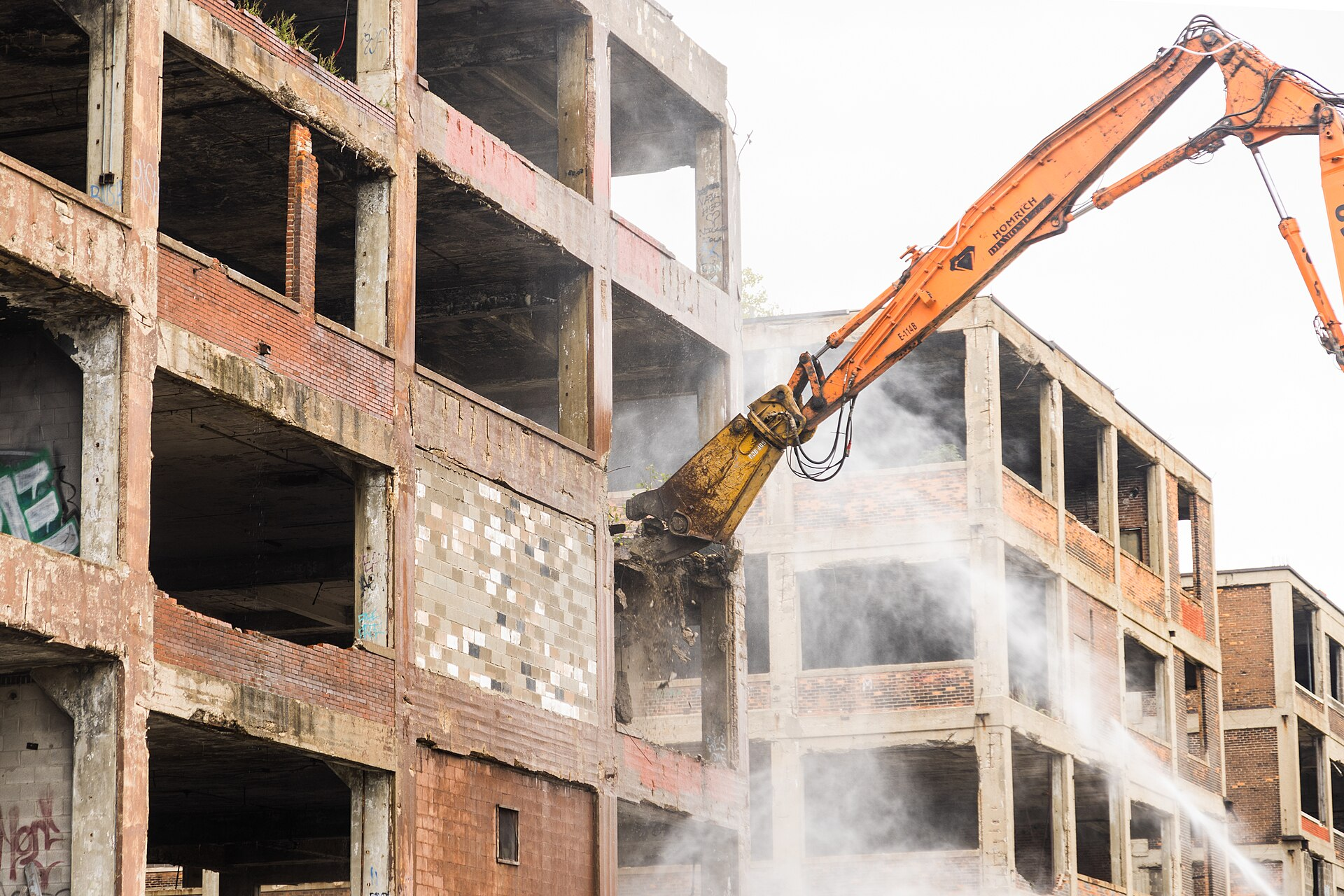
In April 2022, a Wayne County judge ordered the plant demolished after finding it had become a public nuisance, and the City of Detroit began a two-year demolition campaign funded in part by $26 million in American Rescue Plan Act money and additional state funding approved by Governor Gretchen Whitmer. At a 2024 press conference announcing an accelerated demolition timeline, Mayor Mike Duggan called the ruins “a source of national embarrassment” for the city, acknowledging the emotional weight the site had carried for the surrounding community for decades. By December 2024, the vast majority of the 3.5-million-square-foot complex had been reduced to rubble, with only two structures deliberately spared, the historic administration building and a smaller service building, both owned by the city and considered worth preserving.
A New Plan, Then a New Collapse
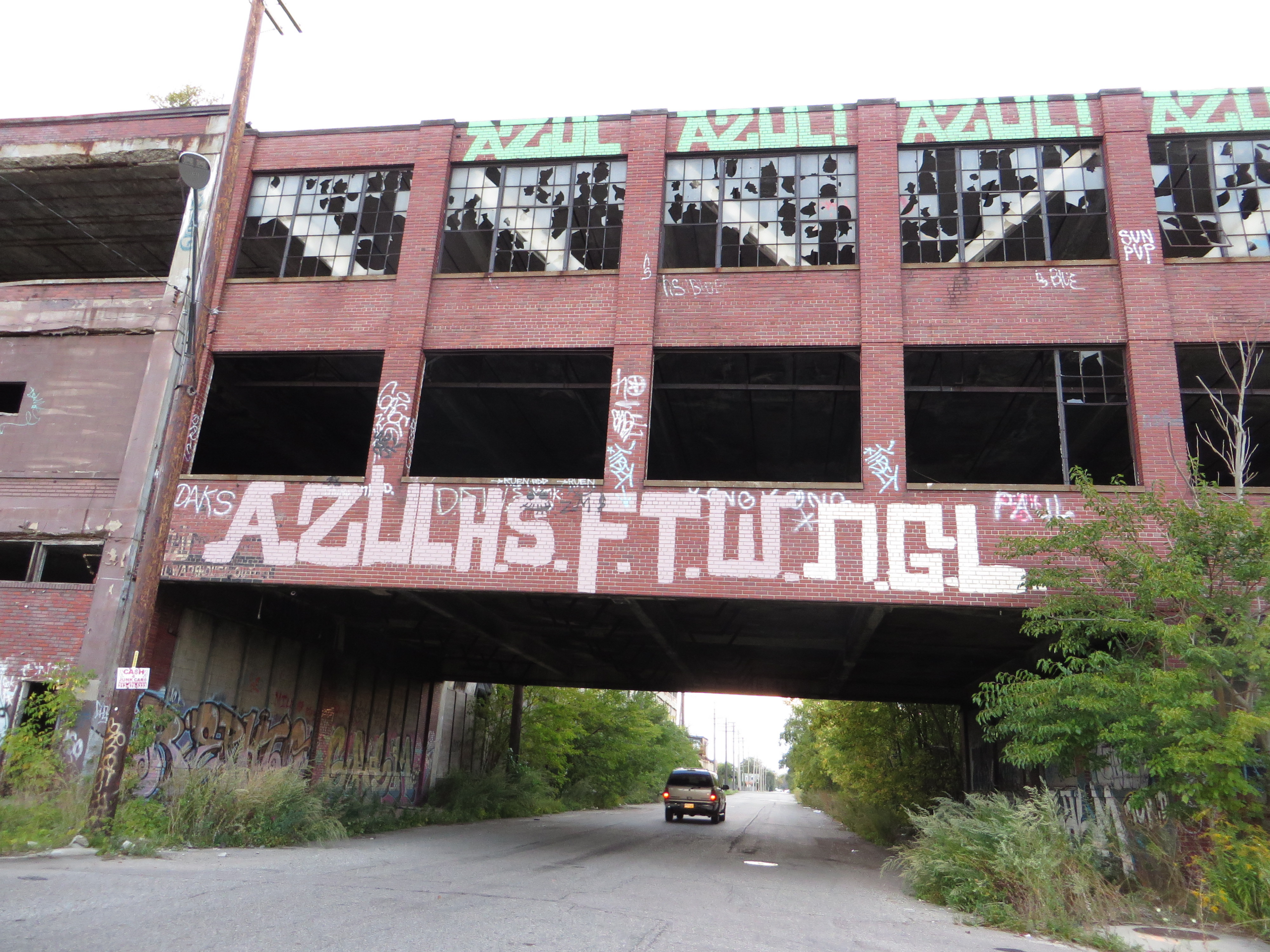
With demolition largely complete, attention turned to what might finally replace the ruins. In December 2025, outgoing Mayor Duggan announced a more than $50 million redevelopment plan called Packard Park, envisioning 42 affordable housing units, a skate park, and an electronic music museum across 28 of the site’s 40 acres. The optimism proved short-lived. After Mary Sheffield became Detroit’s new mayor in January 2026, her administration allowed the developers’ letter of intent to expire in February and formally terminated negotiations in March 2026, without publicly explaining the decision. As of mid-2026, the future of the largely cleared 40-acre site remains genuinely unresolved.
What Remains Today
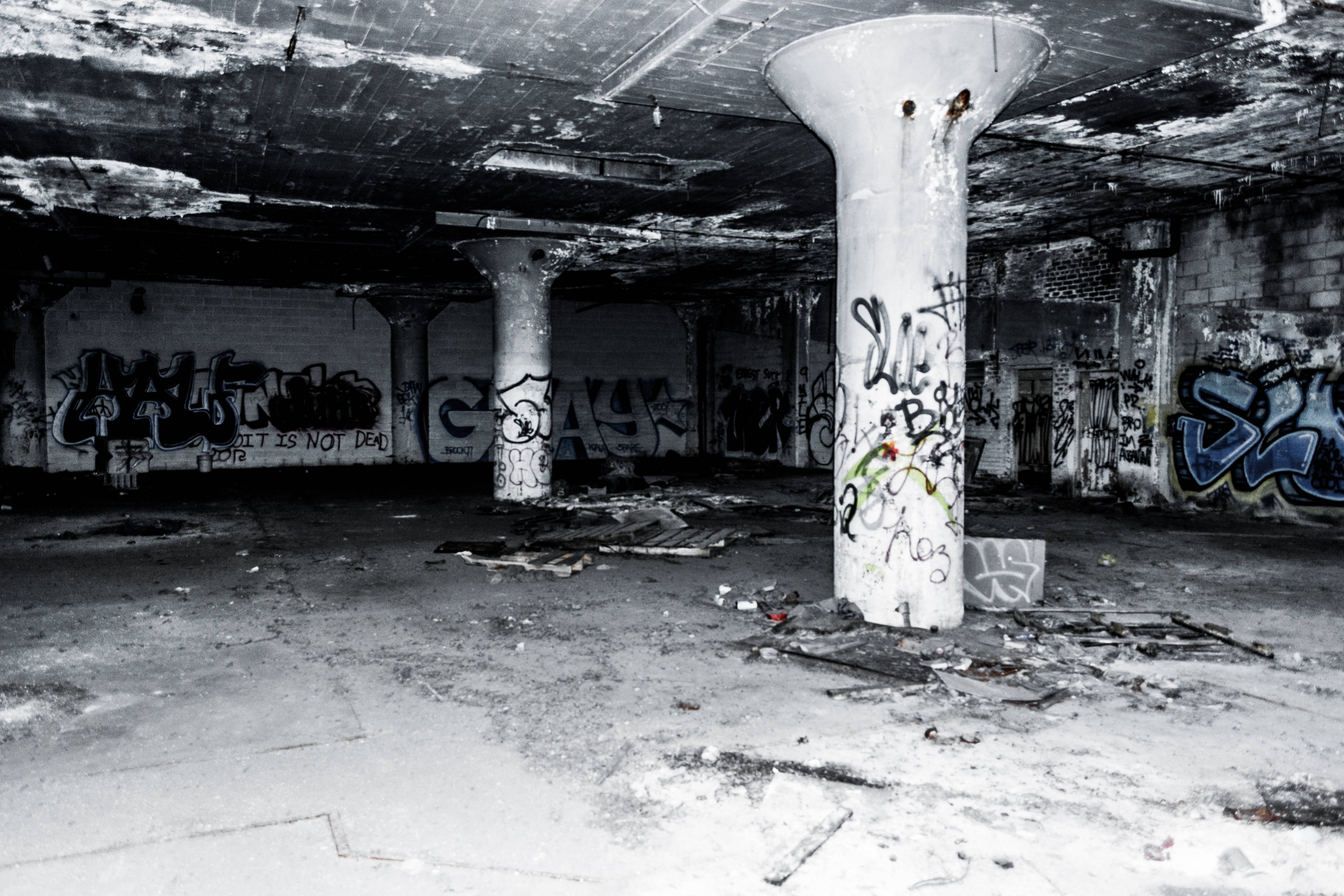
Today, the Packard Plant site consists mostly of open, cleared land where a legendary ruin once stood, with the preserved administration building and adjacent structure still standing along East Grand Boulevard as the most recognizable remnants of the original complex. The site remains private property, actively monitored by security, and is not open for casual visits or exploration, a marked change from the era when the ruins drew urban explorers from around the world. Visitors can view the remaining structures from the public street, and the site occasionally offers a striking, if now considerably diminished, glimpse of what was once called the largest abandoned factory in the world.
An Unfinished Chapter in Detroit’s Story
The Packard Plant’s story captures something larger than a single building’s fate, it traces the arc of American industrial ambition, decades of decline, and the genuine difficulty of transforming a legendary ruin into something new. Whether Detroit’s new leadership ultimately settles on housing, industry, or something else entirely for the cleared 40 acres, the site remains a genuinely significant marker of the city’s ongoing effort to write the next chapter after one of the most storied factories in American automotive history.
Like our content? Follow us for more.
