The American home of the 1950s was a world of warm wood, gleaming chrome, and brand-new postwar conveniences. It was an era of optimism, when families filled their houses with the latest gadgets and a distinctive style that has since become the very picture of mid-century nostalgia. From the kitchen to the living room, the 1950s home was full of items and features that have long since disappeared or transformed beyond recognition. Looking back at them paints a vivid portrait of daily life seventy years ago. Here are thirteen things nearly every American home had in the 1950s, counted down one by one, for a fond visit to the past.
1. The Rotary Telephone
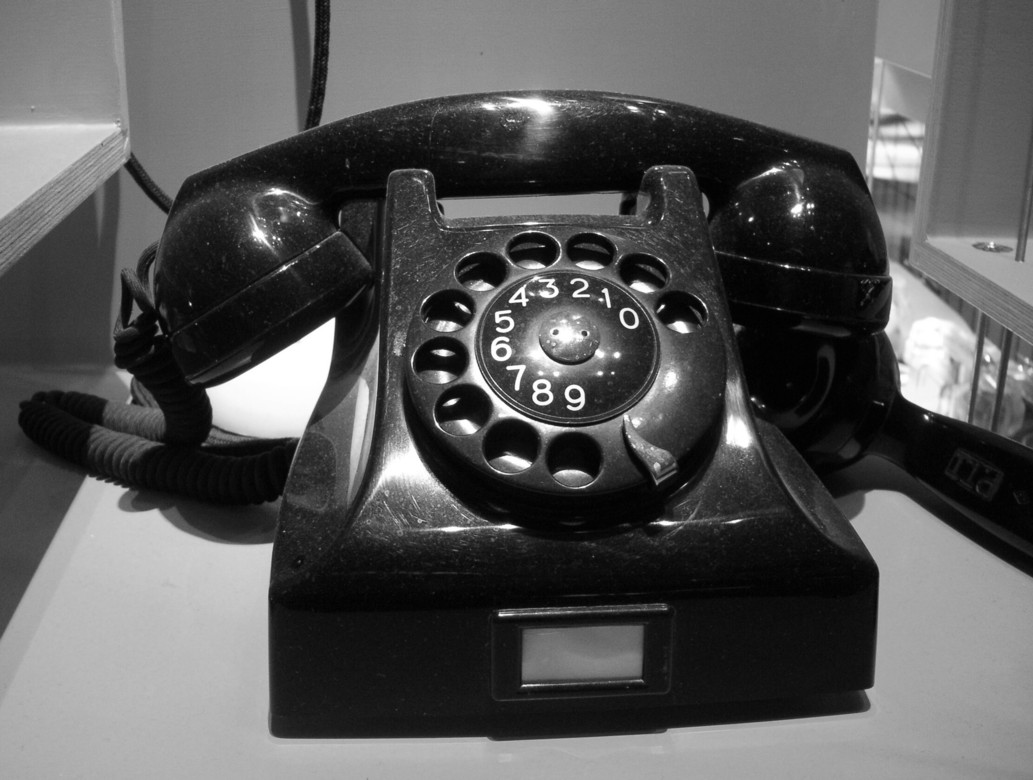
A heavy rotary-dial phone, often in the hall, was the household’s single line. You dialed each number with a spin.
The 1950s home typically had a single, heavy rotary telephone, often mounted on the wall or sitting on a hall table, serving the entire household. You dialed by spinning the rotary dial for each digit and waiting for it to whir back. There was no caller ID, no voicemail, and often a shared “party line” with neighbors. The rotary telephone is an iconic feature of the 1950s home, a sturdy, communal device that connected families to the world one carefully dialed number at a time.
Like our content? Follow us for more.
2. The Console Radio and Early TV
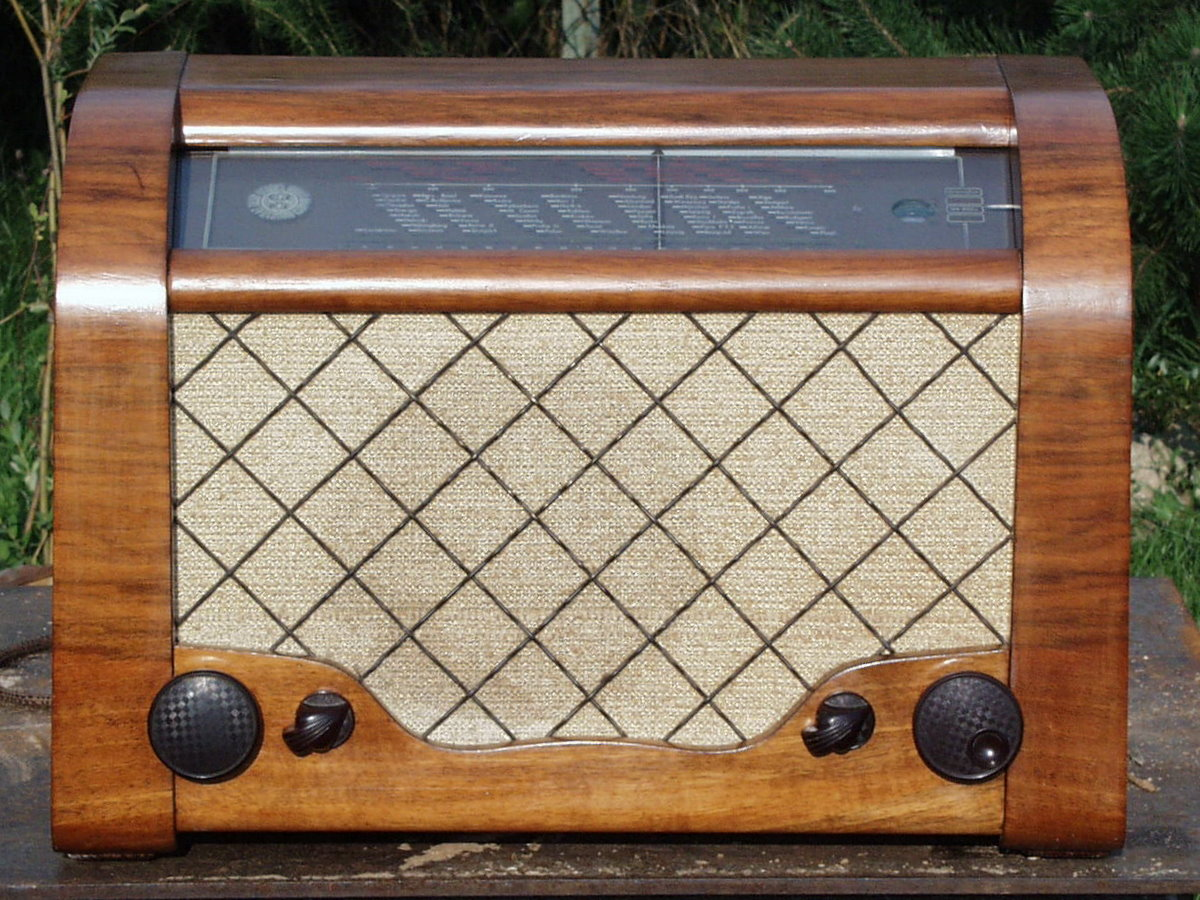
A large wooden console radio anchored the living room, with a new television just arriving. Families gathered around to listen and watch.
The living room of the 1950s home centered on a large wooden console radio, a piece of furniture as much as an appliance, around which the family gathered for programs and music. As the decade went on, the television set, often in a similar wooden cabinet, arrived and increasingly took center stage. These big console units were the family’s window to entertainment and news. The console radio and early TV are defining features of the 1950s home, the gathering point where families came together each evening to listen and, soon, to watch.
3. The Chrome-and-Formica Dinette Set
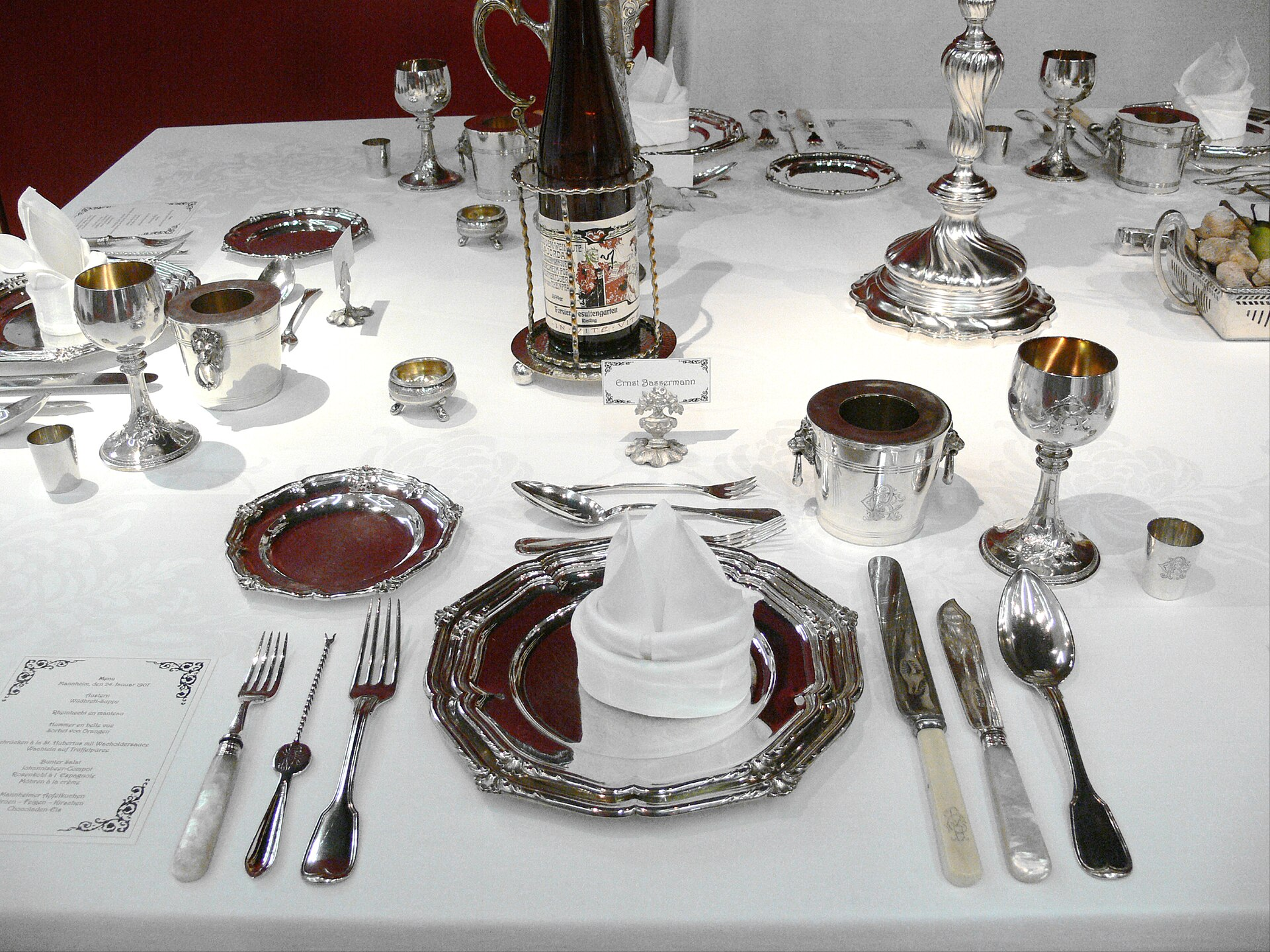
A kitchen table with a Formica top and chrome legs, paired with vinyl chairs, was a 1950s staple. It was the heart of family meals.
A hallmark of the 1950s kitchen was the dinette set, a table with a colorful Formica top and shiny chrome legs, surrounded by chairs upholstered in coordinating vinyl. Durable, wipeable, and cheerfully styled in pastels or bold patterns, it was where families ate breakfast and gathered for meals. The look was unmistakably mid-century. The chrome-and-Formica dinette set is a beloved icon of the 1950s home, the practical and stylish centerpiece of the kitchen that has become one of the most recognizable symbols of the era’s design.
4. The Coffee Percolator
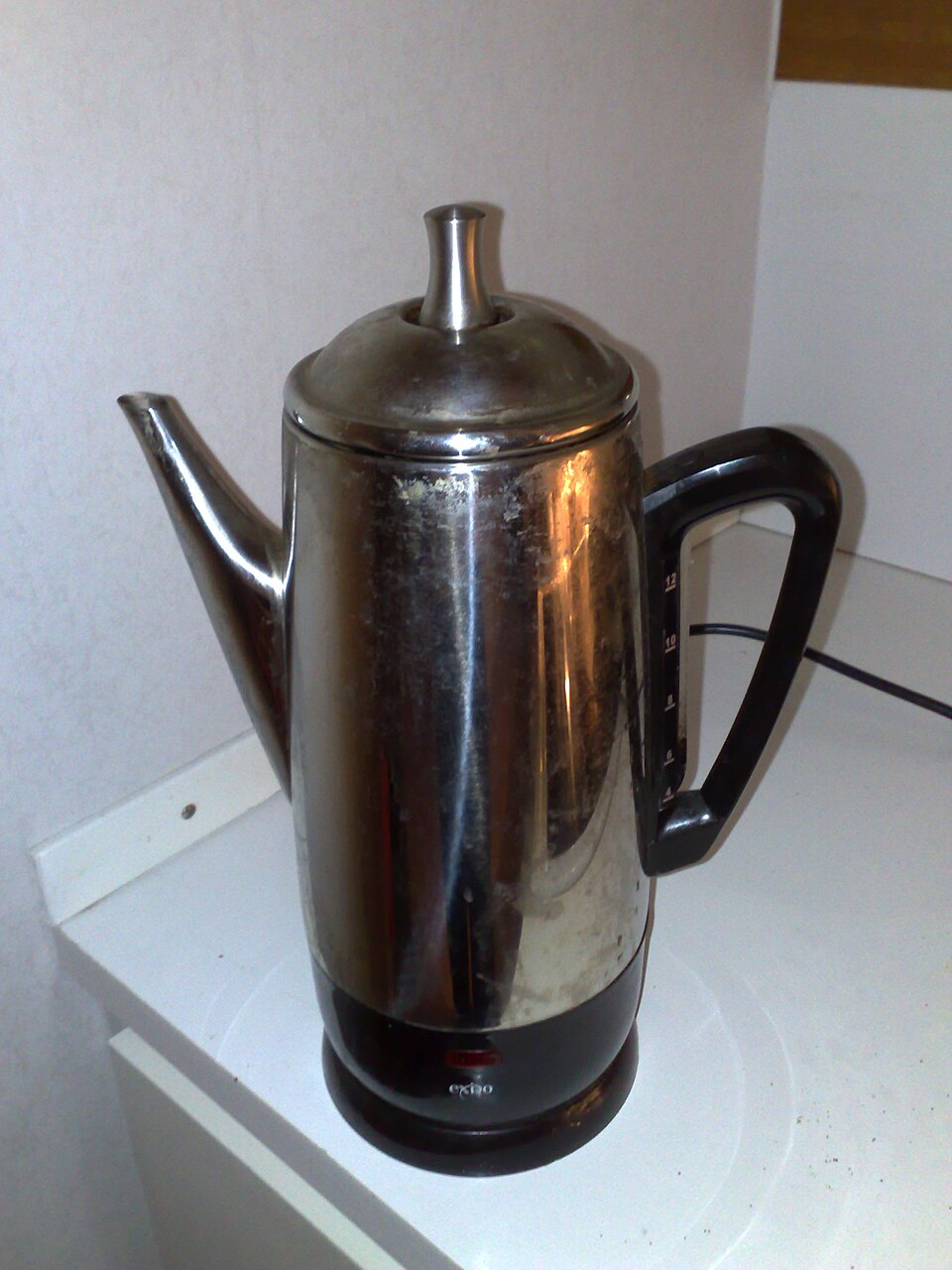
A stovetop or electric percolator brewed the family coffee, bubbling away in its glass top. Its gurgle was a morning sound.
Coffee in the 1950s home was brewed in a percolator, either on the stovetop or in a new electric model, which cycled hot water up through the grounds, bubbling visibly in the little glass knob on top. The percolator’s gurgling and the aroma of brewing coffee were a familiar part of the morning routine. It produced a strong, hot pot. The coffee percolator is a nostalgic fixture of the 1950s kitchen, the standard coffee-maker of its day whose distinctive bubbling and rich smell defined countless American mornings before the drip machine took over.
5. The Milk Box by the Door
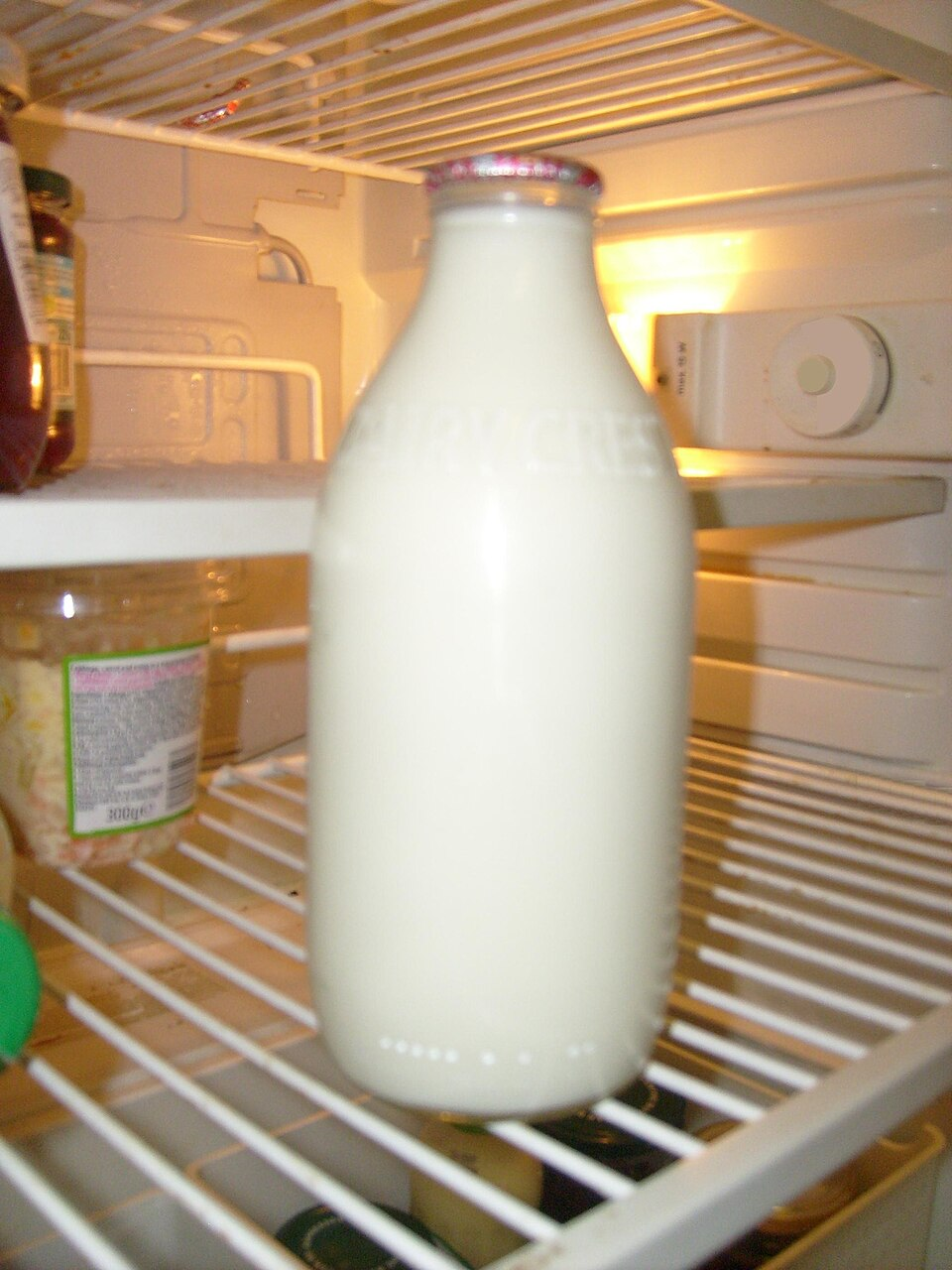
An insulated box on the porch held the milkman’s deliveries. Fresh bottles appeared at the door each morning.
Many 1950s homes had a milk box on the porch or by the back door, an insulated metal container where the milkman left fresh glass bottles of milk and took away the empties. Home milk delivery was still common, and the clink of bottles being delivered was a familiar early-morning sound. Families left notes for extra cream or butter. The milk box and milkman delivery are a charming feature of the 1950s home, a daily service that brought fresh dairy right to the doorstep in an era before the supermarket run replaced it.
6. Venetian Blinds and Heavy Drapes
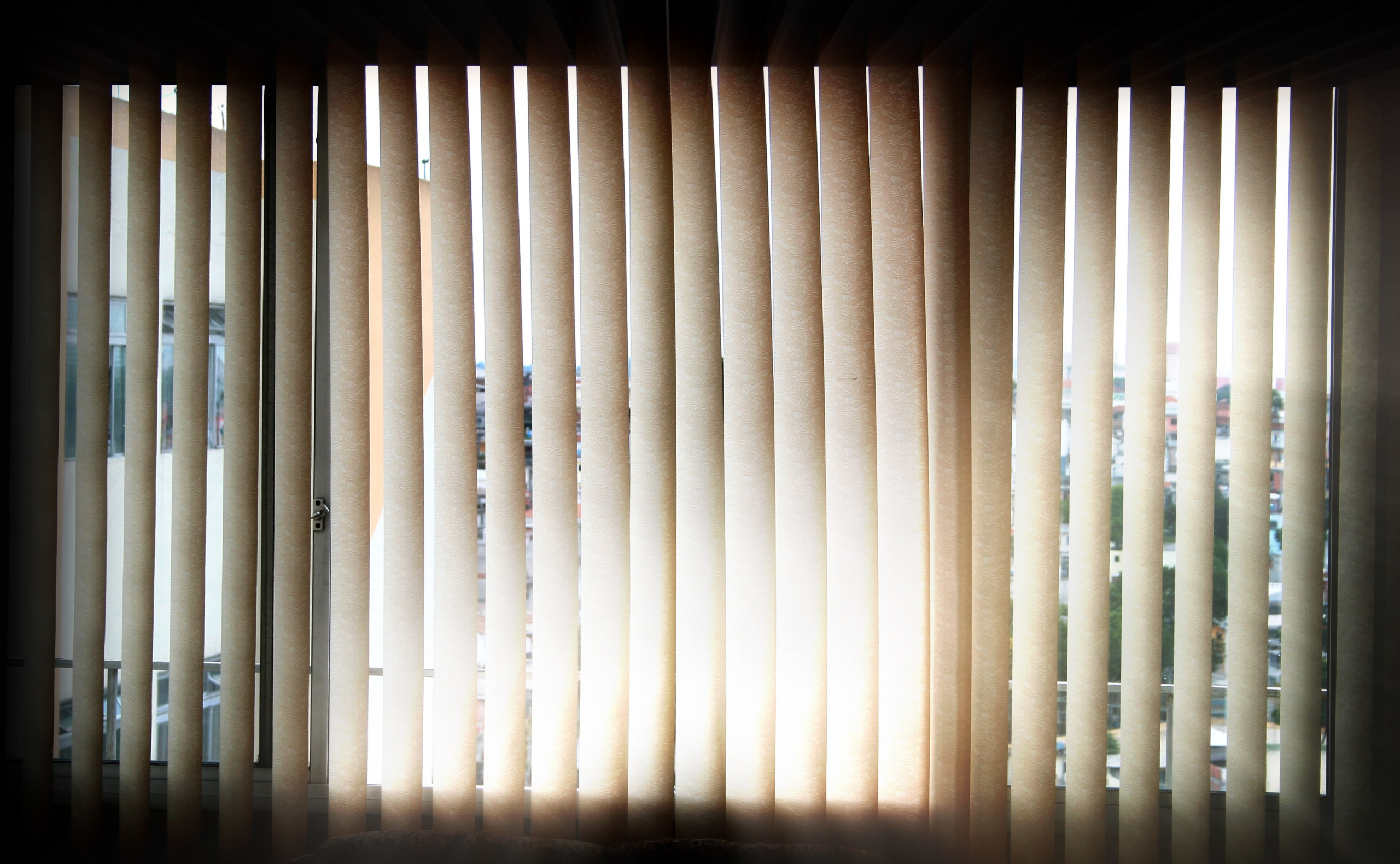
Metal venetian blinds paired with substantial drapes dressed the windows. They controlled light and added formality.
The windows of the 1950s home were typically dressed with metal venetian blinds, whose tilting slats controlled light and privacy, often layered with heavy fabric drapes for a more formal look. Dusting the many slats was a tedious chore, but the combination was both practical and stylish. The window treatments framed the room. Venetian blinds and heavy drapes are a familiar detail of the 1950s home, the standard window dressing of the era that combined function and mid-century formality in living rooms and bedrooms alike.
7. The Telephone Table or Nook
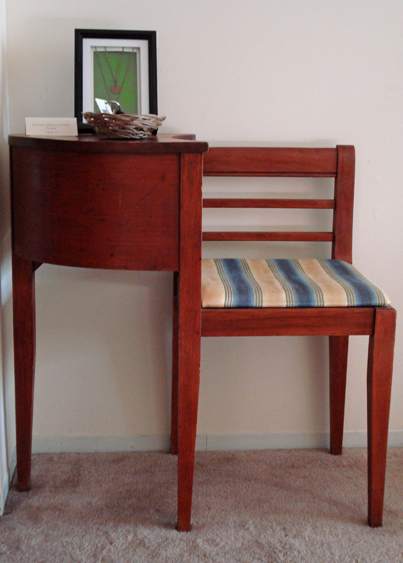
A small table or built-in nook held the phone, a seat, and a directory. It was a dedicated spot for taking calls.
Because the household phone was tethered by its cord, many 1950s homes featured a telephone table, a small piece of furniture with a seat, a surface for the phone, and a shelf for the directory, or a built-in “telephone nook” in the hallway. It gave callers a comfortable, dedicated spot to settle in for a conversation. The whole household used it. The telephone table or nook is a quaint feature of the 1950s home, a thoughtful little station built around the family phone in the days when taking a call meant staying put.
8. Pastel Bathroom Fixtures
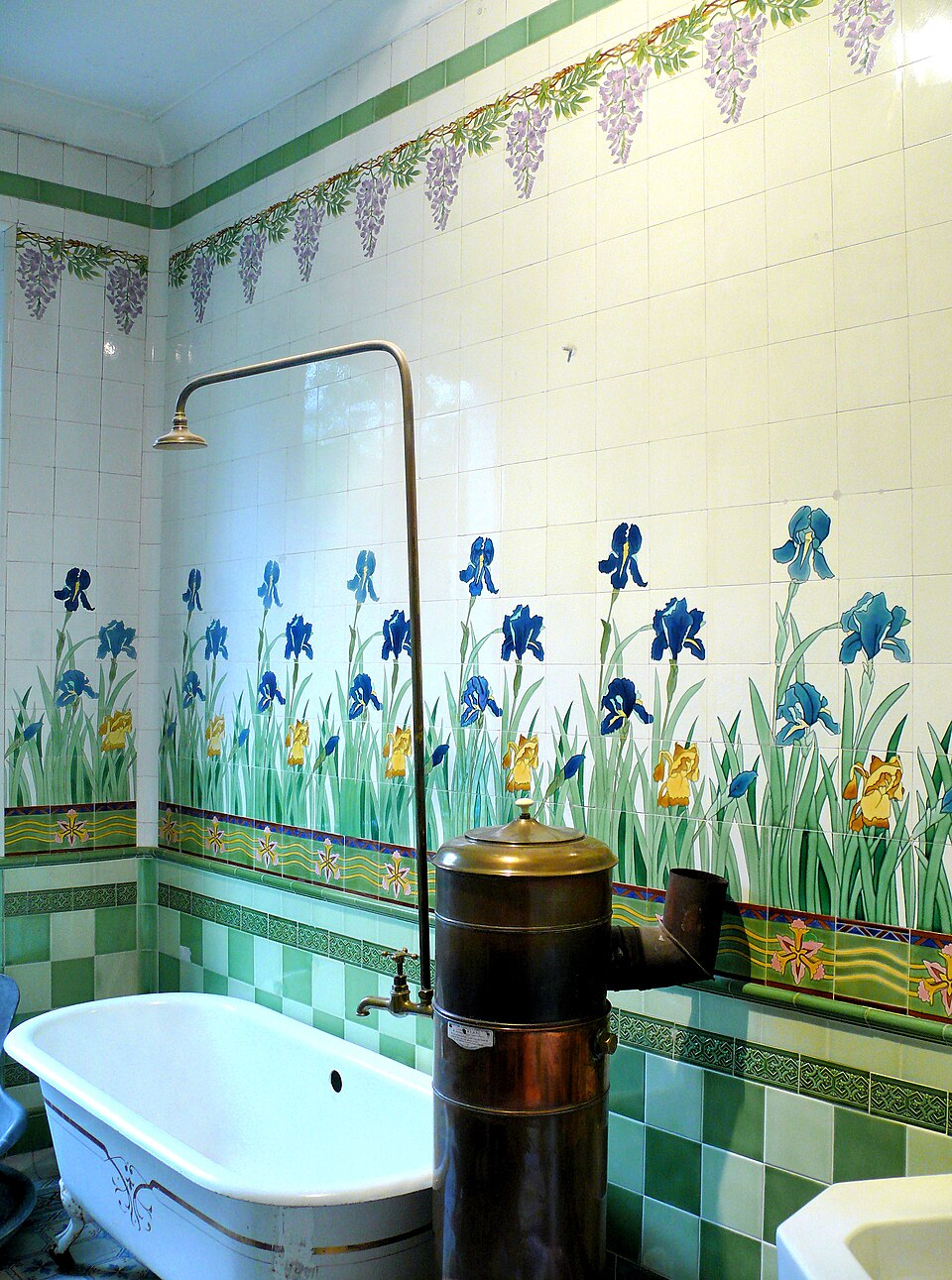
Bathrooms came in pastel colors, pink, mint, or yellow tile and matching fixtures. The color-coordinated look was very 1950s.
A signature of the 1950s home was the color-coordinated bathroom, decked out in cheerful pastels like pink, mint green, or buttery yellow, with matching tile, sink, tub, and toilet. The bold commitment to a single color scheme was the height of postwar style and remains instantly recognizable. These bathrooms were a point of pride. The pastel bathroom is a beloved hallmark of the 1950s home, a colorful, fully coordinated design statement that captures the era’s optimism and is fondly remembered, and sometimes lovingly preserved, to this day.
9. The Hi-Fi and Record Player
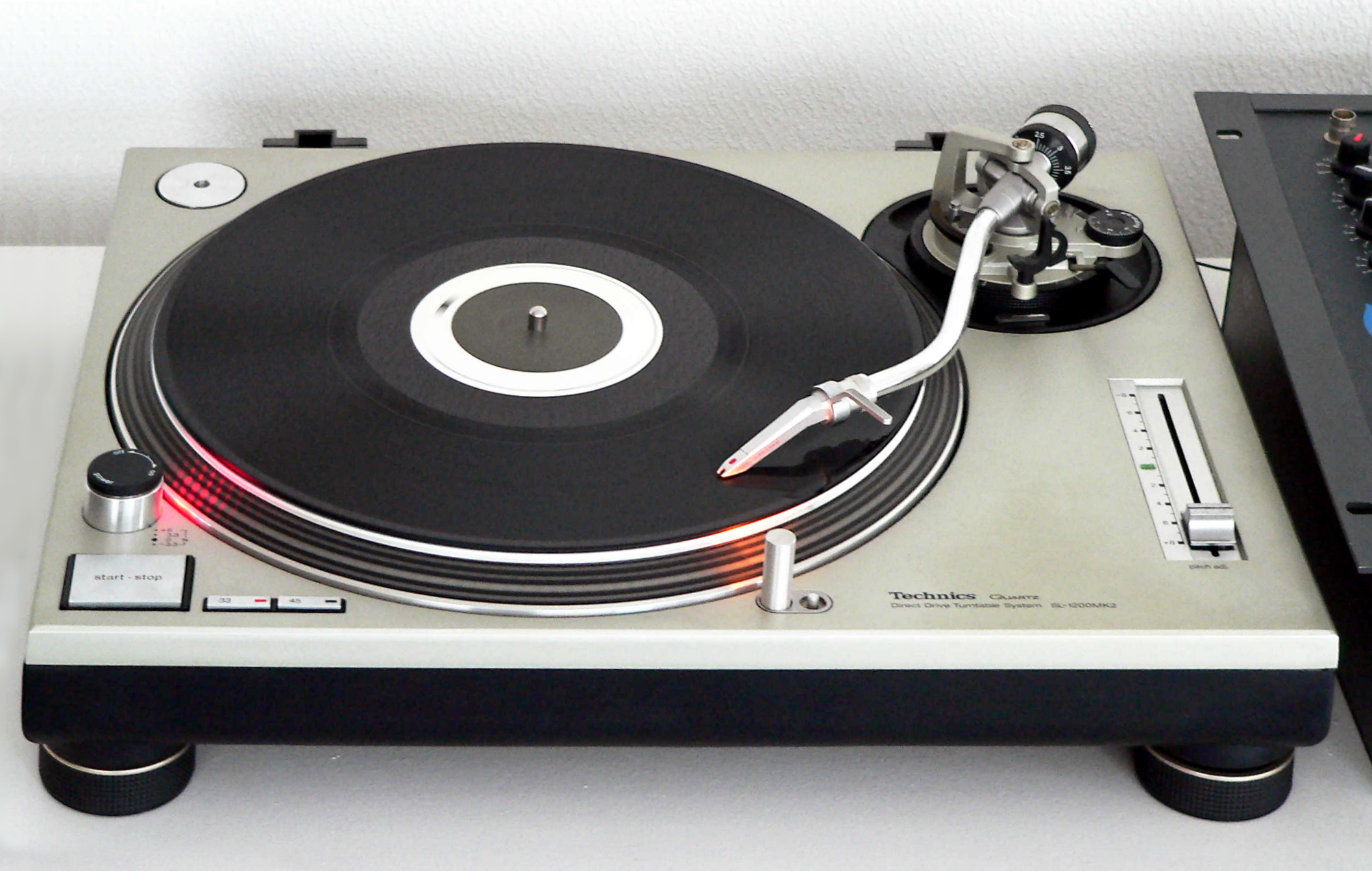
A high-fidelity record player, often in a wooden cabinet, brought music into the home. Spinning records was prime entertainment.
Music in the 1950s home came from the “hi-fi,” a high-fidelity record player often housed in a handsome wooden console or cabinet, on which families played their collection of vinyl records. Gathering to listen to music was a popular pastime, and a good hi-fi was a prized possession. The warm sound filled the living room. The hi-fi and record player are a nostalgic feature of the 1950s home, the centerpiece of family music listening that turned the living room into a place to relax and enjoy the latest records.
10. Linoleum Floors
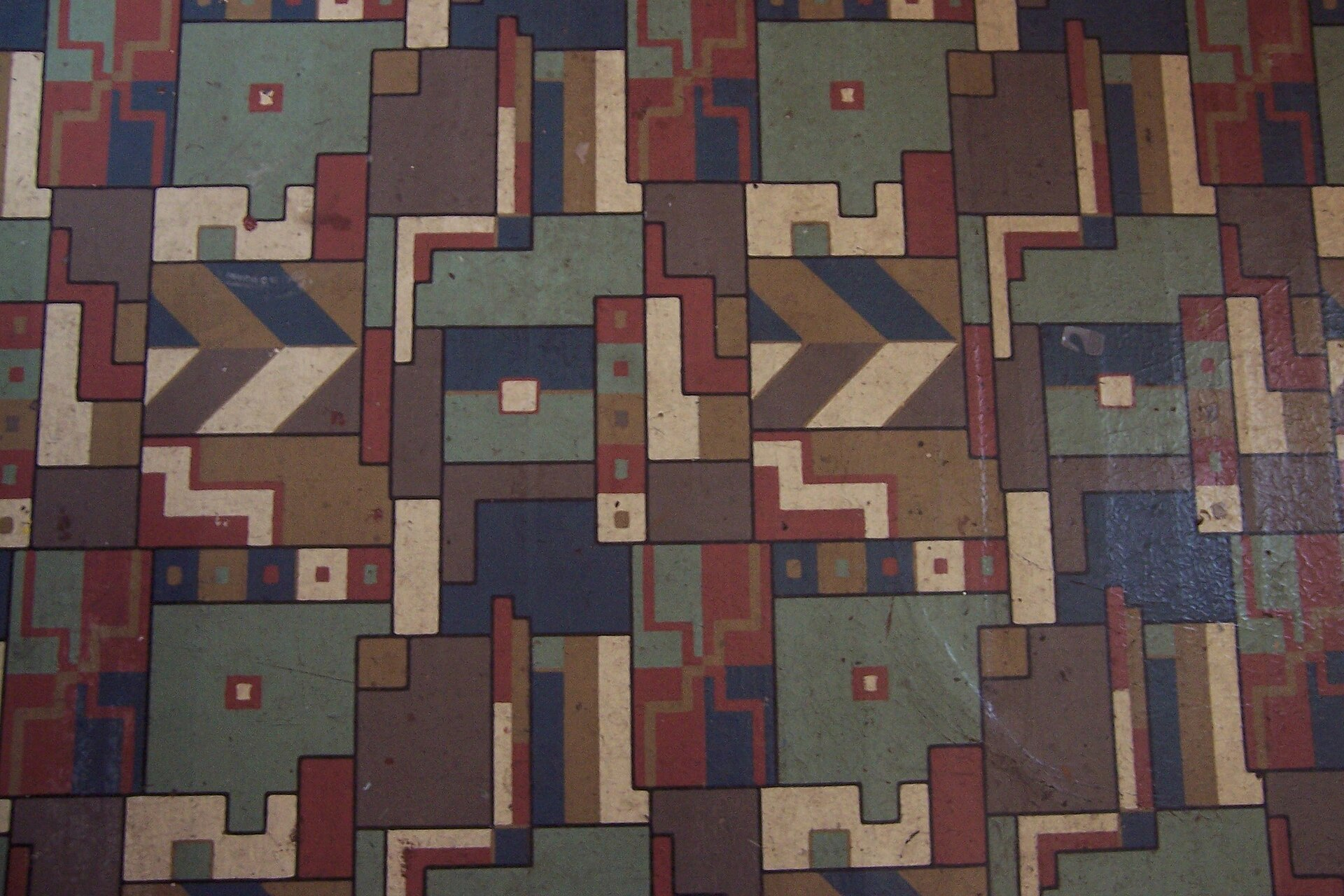
Durable, patterned linoleum covered kitchen and bathroom floors. It was practical, colorful, and everywhere.
The kitchens and bathrooms of the 1950s home were floored in linoleum, a durable, easy-to-clean material that came in a huge range of colors and patterns, from checkerboard to floral and speckled designs. Affordable and practical, it stood up to heavy family use and added cheerful style underfoot. The patterns were boldly mid-century. Linoleum flooring is a classic feature of the 1950s home, the hard-wearing, colorful surface that covered busy kitchens and baths across the country and contributed to the era’s distinctive look.
11. The Hope Chest and Solid Wood Furniture
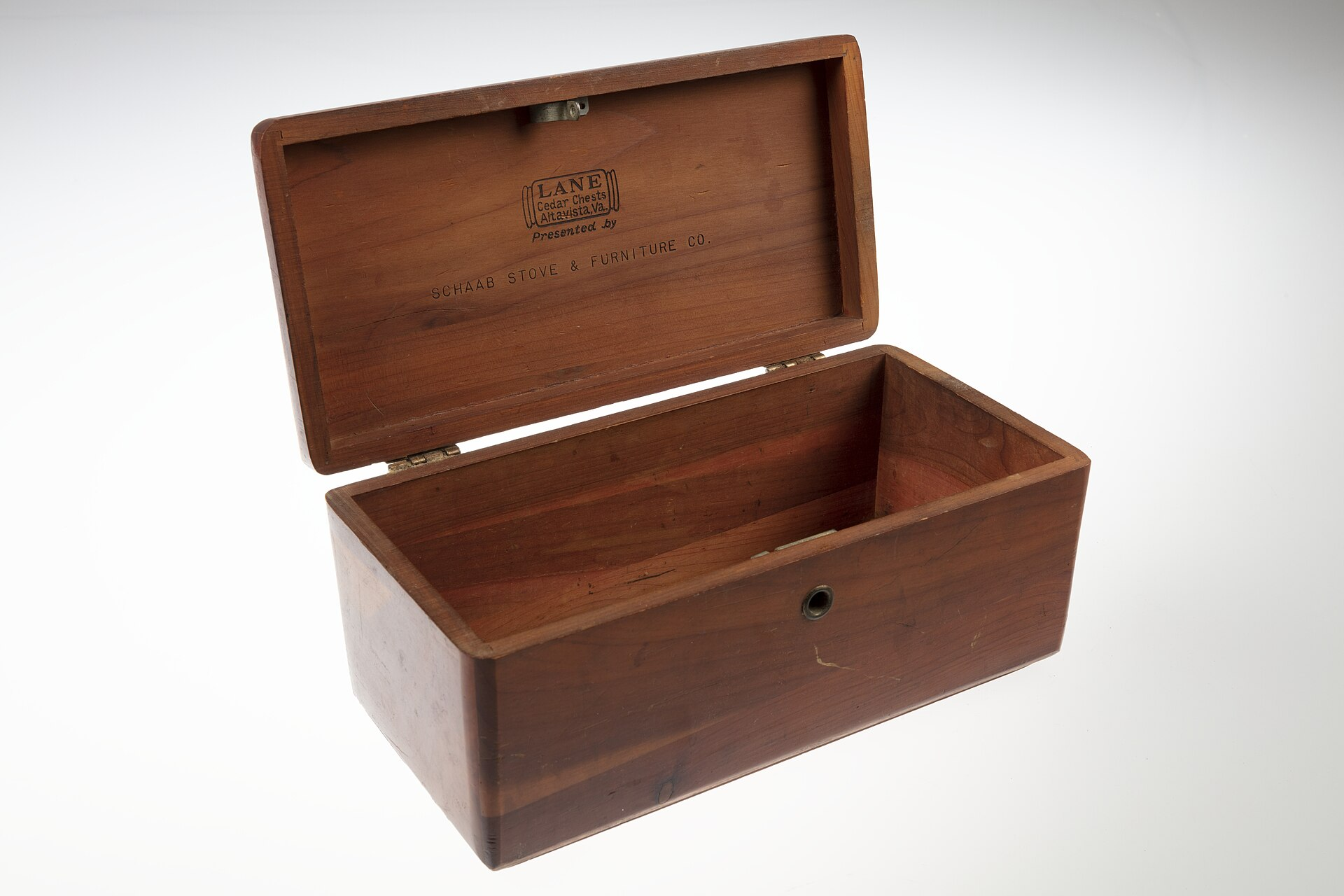
A wooden hope chest and sturdy, solid furniture filled the bedrooms. These pieces were built to last a lifetime.
The 1950s home was furnished with solid, well-built wooden furniture meant to last for decades, including the traditional hope chest, a wooden trunk at the foot of the bed where linens and keepsakes were stored. Bedroom suites of matching dressers and headboards were common, often passed down through families. Quality and durability were valued. The hope chest and solid wood furniture are a fondly remembered part of the 1950s home, the sturdy, lasting pieces that furnished bedrooms and held a family’s treasured belongings for generations.
12. Knickknacks and Doilies
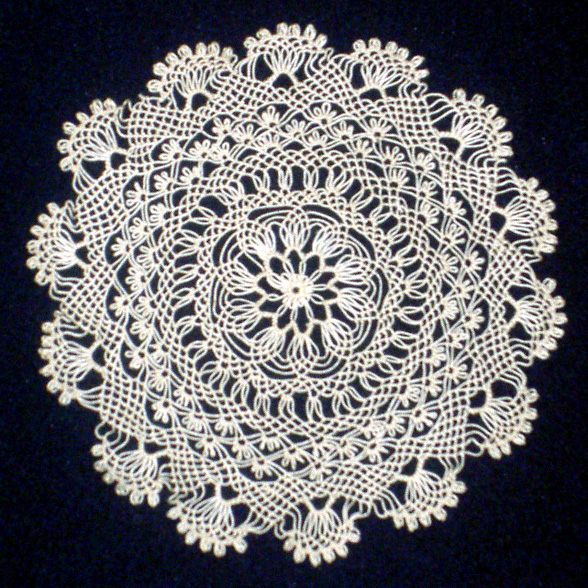
Shelves and tables were decorated with figurines, knickknacks, and crocheted doilies. Every surface had its little treasures.
The 1950s home was lovingly decorated with knickknacks, ceramic figurines, decorative plates, family photos in frames, and delicate crocheted doilies placed under lamps and on the backs of chairs. These small touches added personality and warmth, and many were handmade or passed down. Dusting them all was a regular chore. Knickknacks and doilies are a cozy detail of the 1950s home, the personal little decorations that filled shelves and tabletops and gave each house its own homey, well-tended character.
13. The Incinerator and Old Furnace
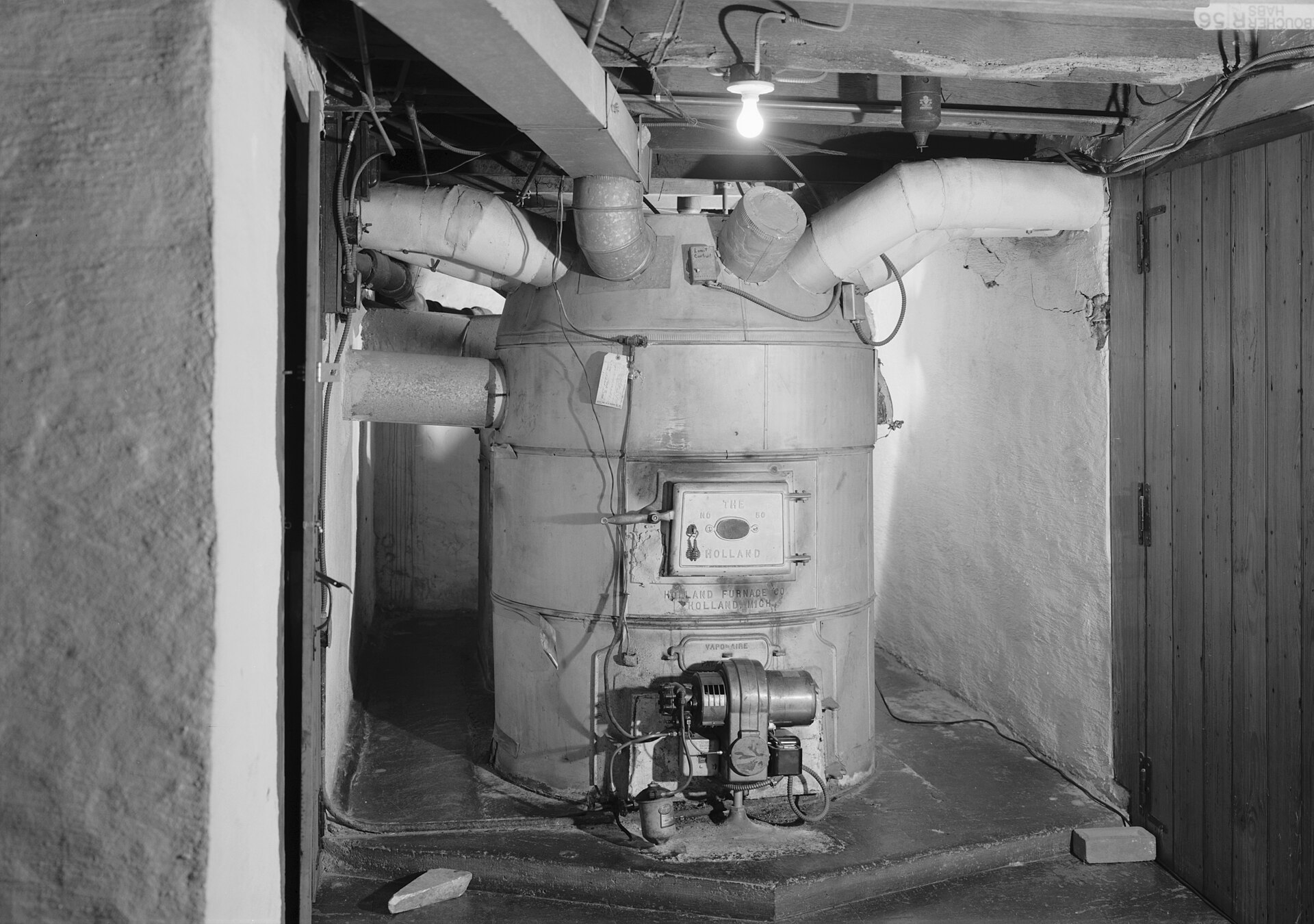
Many homes had a way to burn trash, an incinerator or ash can, and a coal or oil furnace to tend. Heating and waste were hands-on.
In the 1950s, dealing with trash and heating was a hands-on affair. Many homes had a backyard incinerator or ash can for burning refuse, and the house was often heated by a coal or oil furnace in the basement that had to be tended and fueled. These systems required regular attention and effort from the family. The incinerator and the old furnace are a telling detail of the 1950s home, a reminder of how much more physical work went into the everyday routines of heating the house and disposing of waste in that era.
A Portrait of the Postwar Home
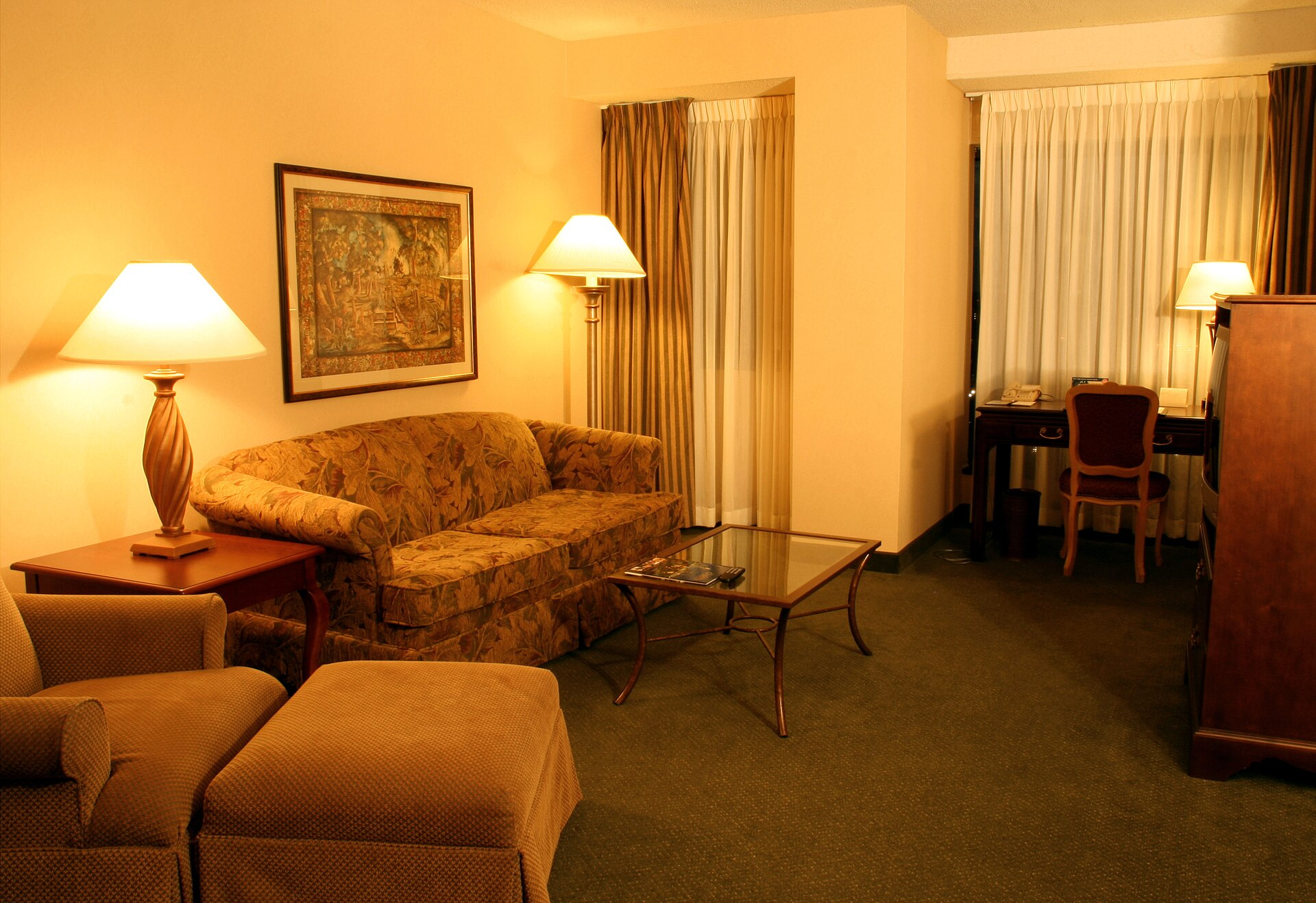
Taken together, these thirteen things capture the look and feel of the American home in the 1950s, from the rotary phone and console radio to the Formica dinette, the milk box, and the pastel bathroom. It was a house full of postwar optimism, new conveniences, and a distinctive style that has become the very definition of mid-century nostalgia.
The decades since have transformed the American home almost beyond recognition, swapping rotary phones for smartphones, milkmen for supermarkets, and percolators for pod machines. Yet the 1950s home holds a powerful place in our collective memory and continues to inspire design and decor today. For those who remember it, and those charmed by its style, these details bring the era vividly to life. Looking back at the 1950s home is a warm portrait of postwar America, a time and a place captured in chrome, Formica, and pastel tile.
Like our content? Follow us for more.