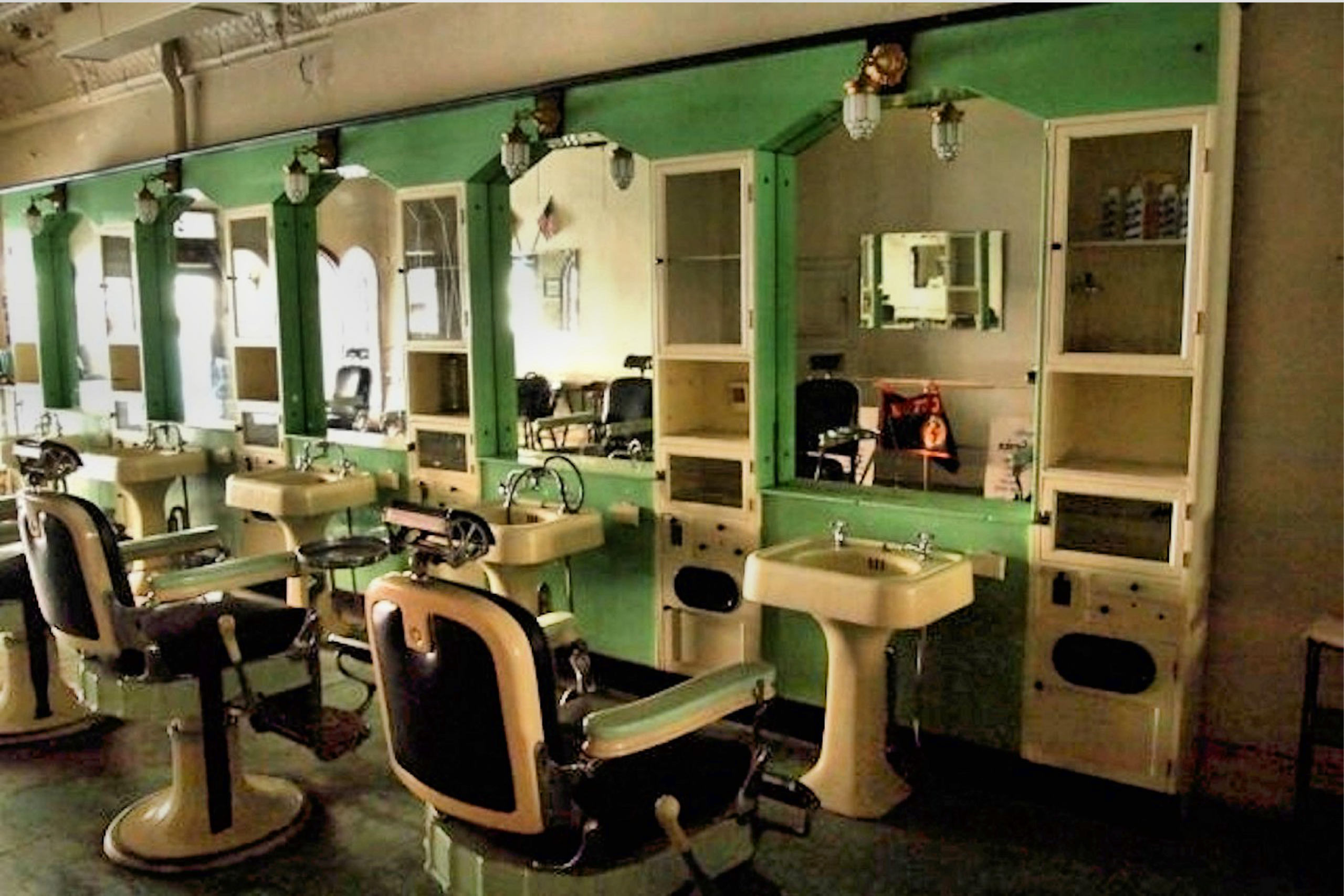
For generations, the neighborhood barbershop was more than a place to get a haircut, it was a community hub where men gathered to talk, read the paper, and catch up on local news. The classic shop had a look, a smell, and a set of fixtures all its own, from the iconic spinning pole outside to the hot-towel shave inside. Many of these details have faded as styles and grooming habits changed, but they remain vivid in the memories of anyone who sat in that big chair. Here are twelve things nearly every American barbershop used to have, counted down one by one.
1. The Spinning Barber Pole
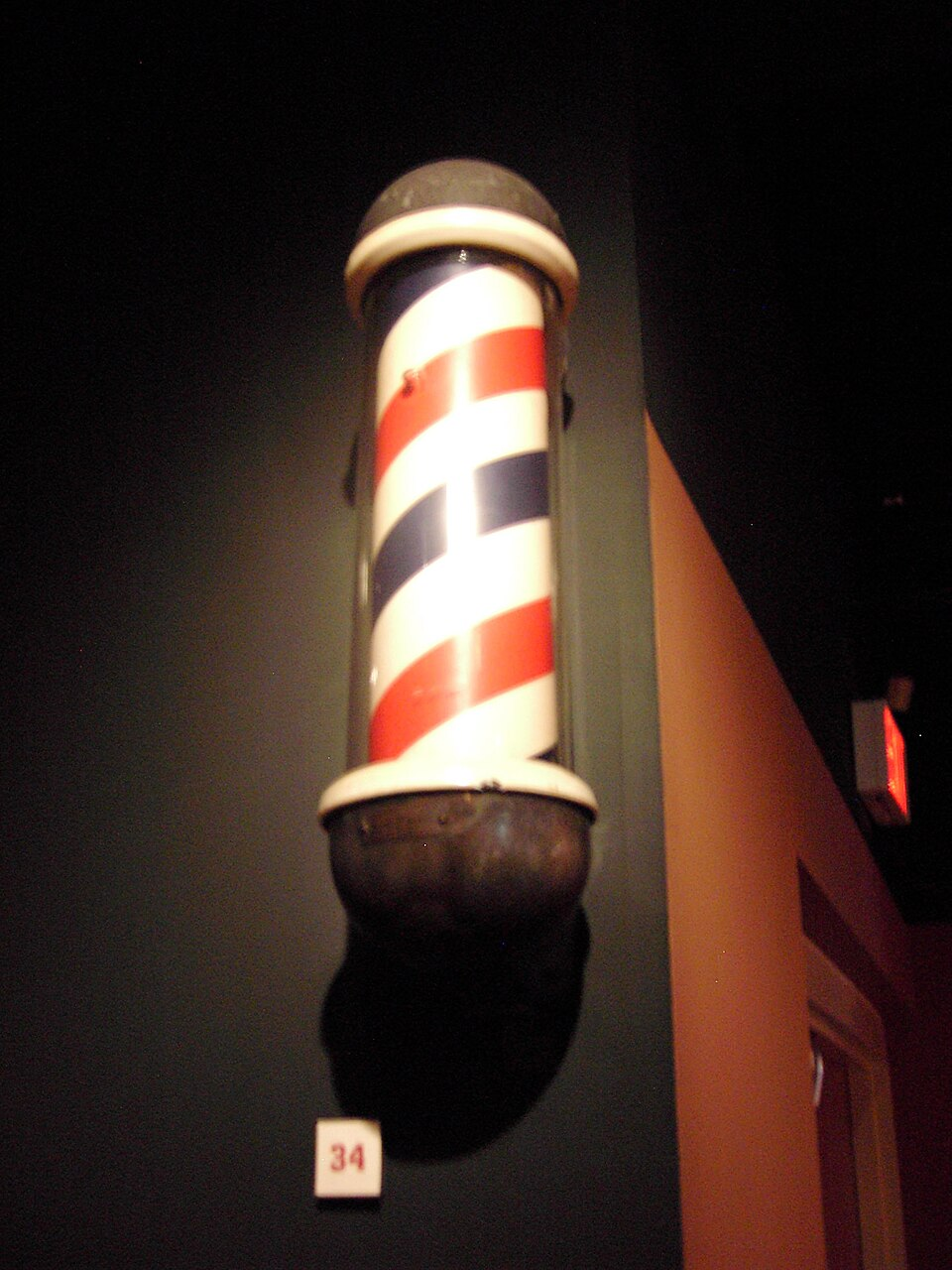
The red-, white-, and blue-striped pole spun outside, marking the shop for all to see. It was the universal sign of a barber.
The unmistakable symbol of the barbershop was the spinning pole mounted by the door, its red, white, and blue stripes rotating in a hypnotic spiral. The pole’s striped design has roots reaching back centuries, and it served as a clear, wordless sign that haircuts and shaves were offered inside. Spotting one meant you’d found the barber. The spinning pole is the most iconic emblem of the classic shop, a beloved fixture that still marks traditional barbershops and instantly conjures the old-fashioned experience for anyone who passes by.
Like our content? Follow us for more.
2. The Heavy Reclining Barber Chair
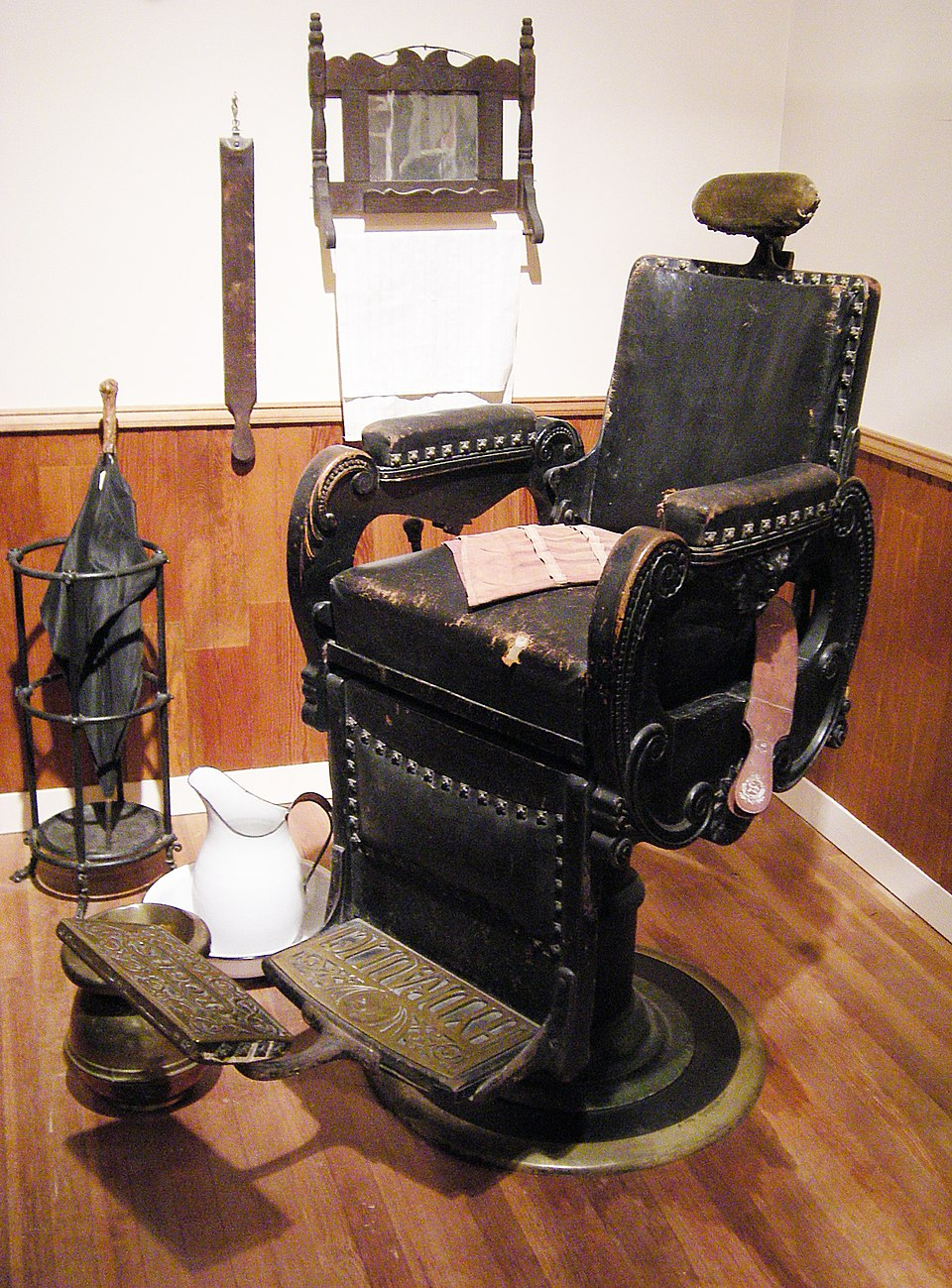
A big, sturdy chair of leather and chrome reclined and swiveled for the perfect cut or shave. It was the throne of the shop.
At the center of every barbershop stood the substantial barber chair, a heavy, handsome piece of leather and gleaming chrome that could recline for a shave, swivel to any angle, and pump up or down to the right height. Built to last for decades, these chairs were both functional and impressive. Climbing into one felt like settling into a throne. The classic barber chair is an icon of the old shop, a sturdy, beautifully made fixture, and many vintage examples have outlived the shops they once served.
3. Hot Lather and the Shaving Mug
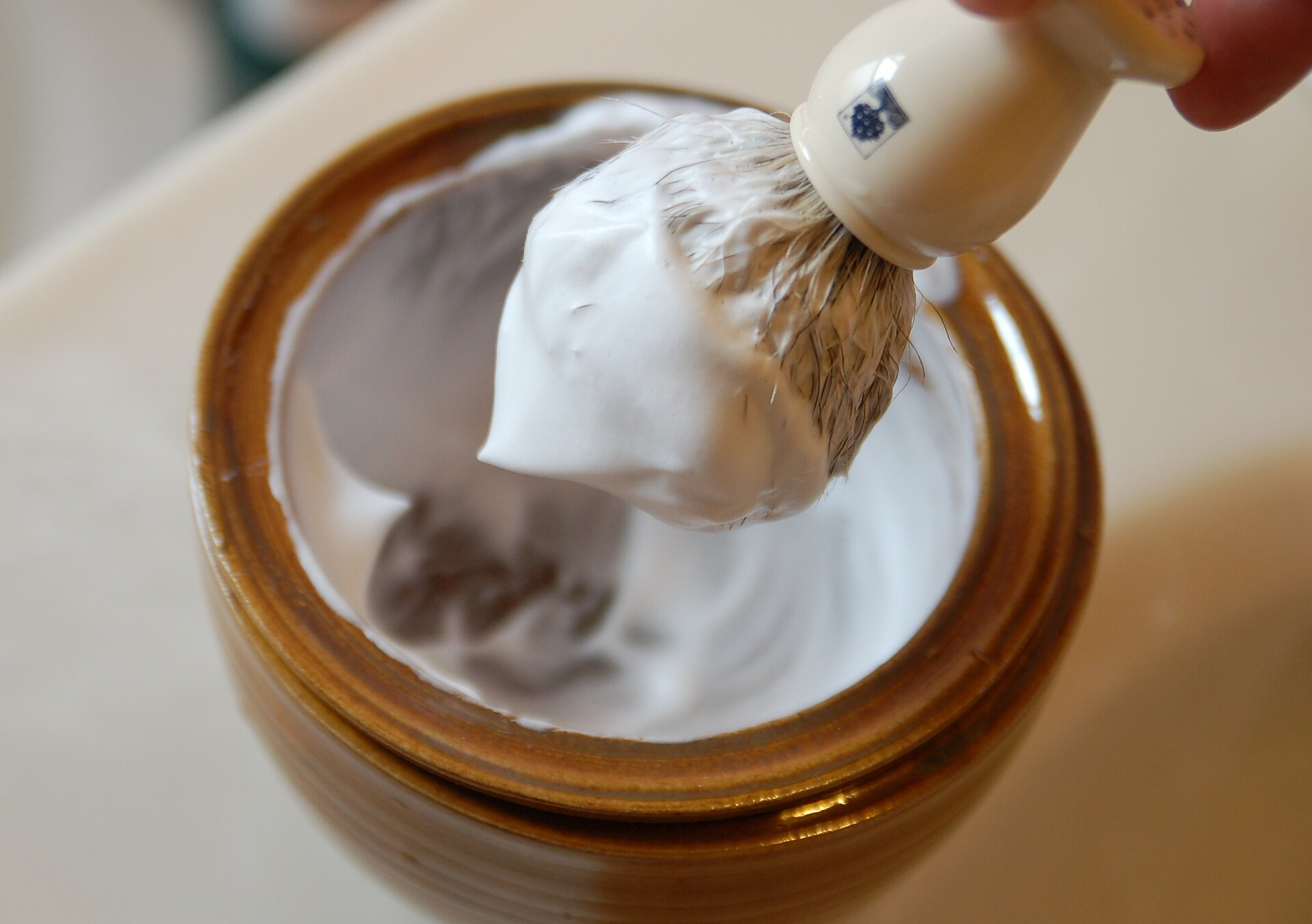
A steaming dollop of lather, worked up in a mug with a brush, prepared the face for a close shave. The ritual was part of the pleasure.
The classic barbershop shave began with hot lather, worked into a rich foam in a shaving mug with a soft brush and applied warm to the face. The warmth softened the beard and relaxed the customer, turning a simple shave into a soothing ritual. Some men even kept their own personalized mug at the shop. The hot lather and shaving mug are nostalgic hallmarks of the traditional barbershop, the start of a classic wet shave that was as much about relaxation as grooming.
4. The Straight Razor and Leather Strop
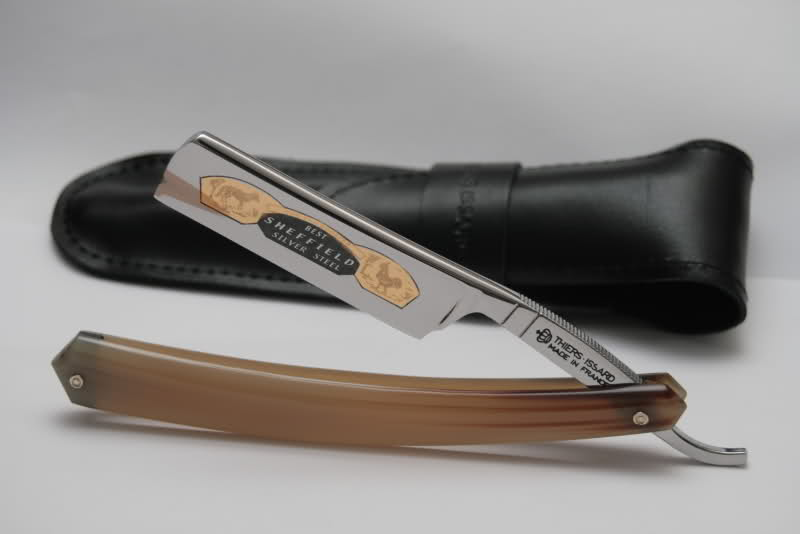
A gleaming straight razor, sharpened on a hanging leather strop, gave the closest of shaves. The strop’s snap was a familiar sound.
The traditional barber shaved with a straight razor, honed to a keen edge on a leather strop that hung from the chair. The rhythmic slap of the blade against the strop was a signature sound of the shop. In skilled hands, the straight razor delivered an exceptionally close, smooth shave. The straight razor and its leather strop are quintessential tools of the classic barbershop, symbols of a craft and a level of service that made the old-fashioned shave a genuine luxury.
5. The Hot Towel
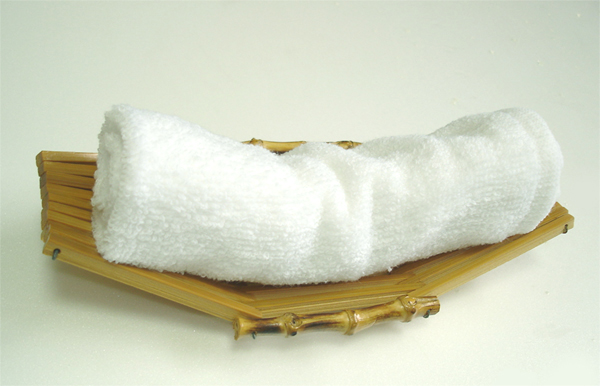
A steaming towel wrapped around the face opened the pores and relaxed the customer. It was the height of barbershop pampering.
A key part of the classic shave was the hot towel, a steaming cloth laid over the face to soften the beard, open the pores, and relax the customer before and after the razor work. The warmth was wonderfully soothing, and the whole treatment felt indulgent. It elevated the barbershop visit into a small spa-like escape. The hot towel is a beloved feature of the traditional barbershop, a touch of pampering that turned a routine shave into a memorable, restorative ritual.
6. A Stack of Well-Worn Magazines
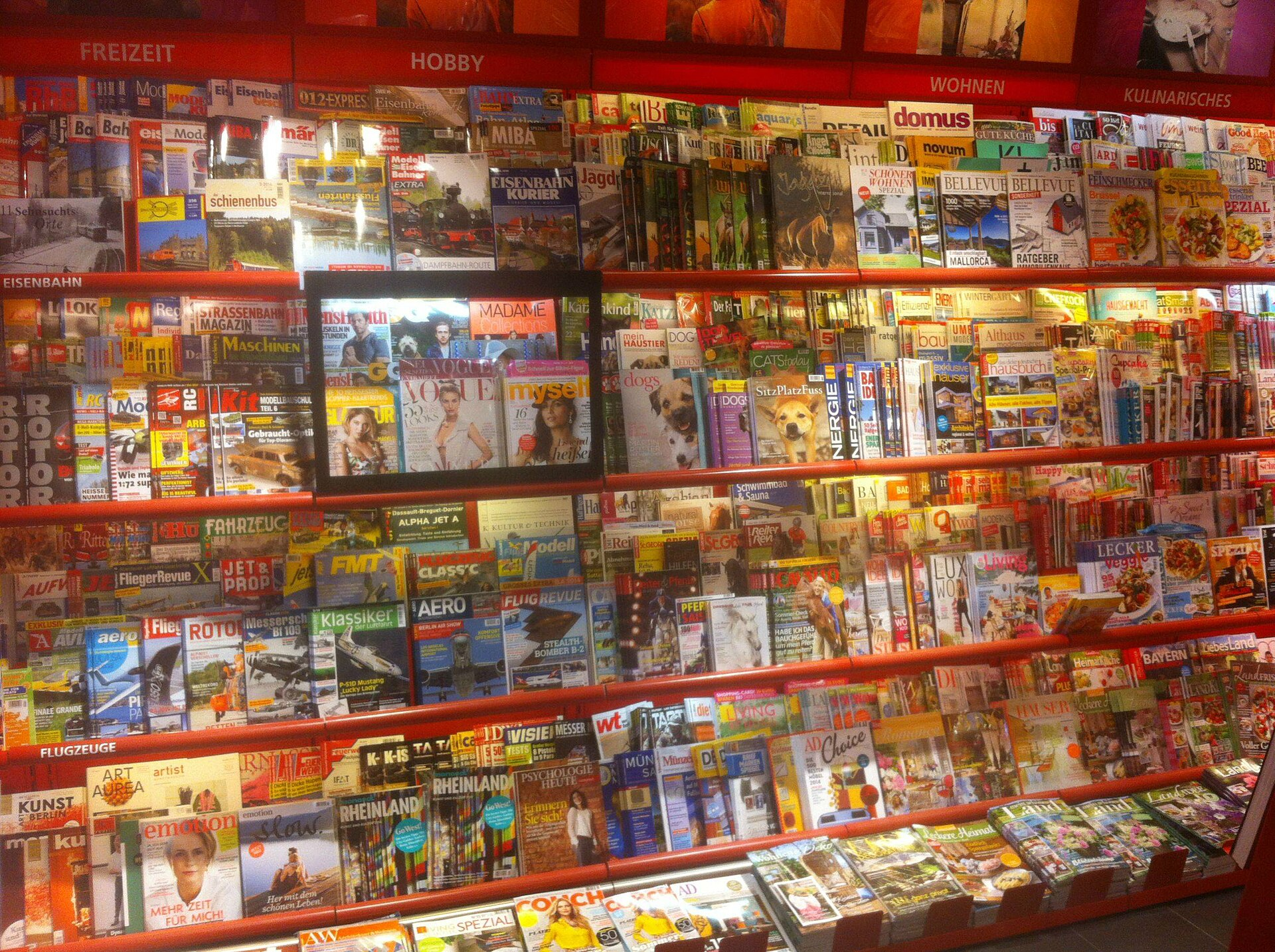
A pile of dog-eared magazines and newspapers kept waiting customers occupied. They were read cover to cover over the years.
Every barbershop had its stack of well-thumbed magazines and newspapers piled on a side table, giving waiting customers something to read, sports, news, and the like, while they waited their turn. The same issues often hung around for ages, growing soft and dog-eared. Flipping through them was part of the wait. The pile of worn magazines is a familiar, homey detail of the classic barbershop, a small comfort that kept the conversation going and the waiting bearable in the days before everyone stared at a phone.
7. The Comb-and-Scissor Jar of Blue Liquid
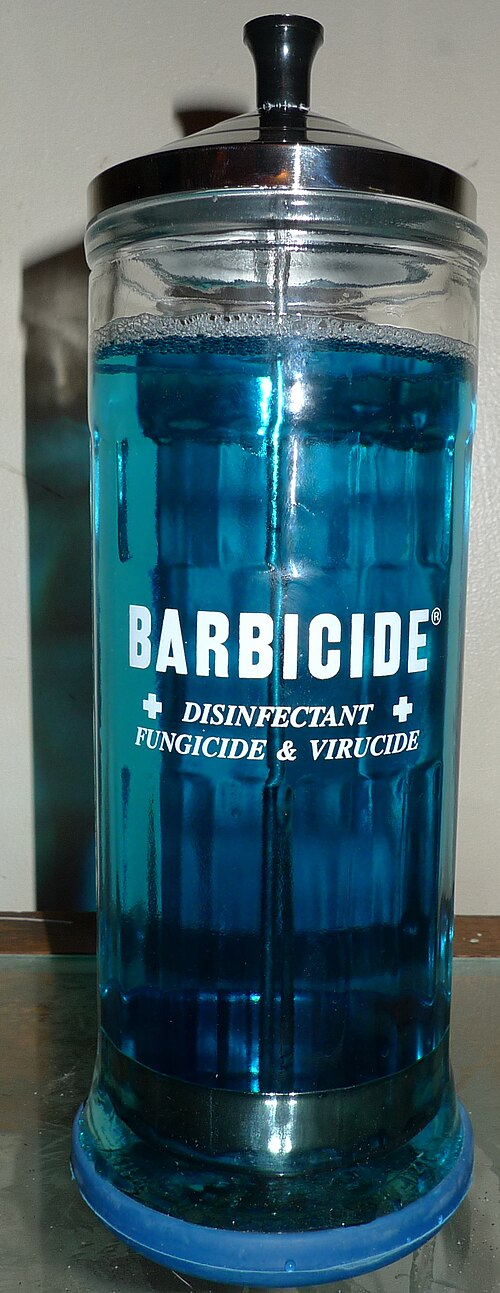
Combs and tools soaked in a jar of blue disinfectant on the counter. The bright blue liquid was a fixture of every shop.
On the barber’s counter stood a tall glass jar filled with a distinctive blue disinfectant liquid, holding combs and other tools to keep them sanitized between customers. That jar of bright blue solution was a universal sight in barbershops, a small but reassuring sign of cleanliness. Its vivid color made it instantly recognizable. The blue disinfectant jar is a classic detail of the traditional barbershop, one of those small, ever-present fixtures that anyone who frequented the old shops remembers at a glance.
8. Hair Tonics, Powders, and Aftershave
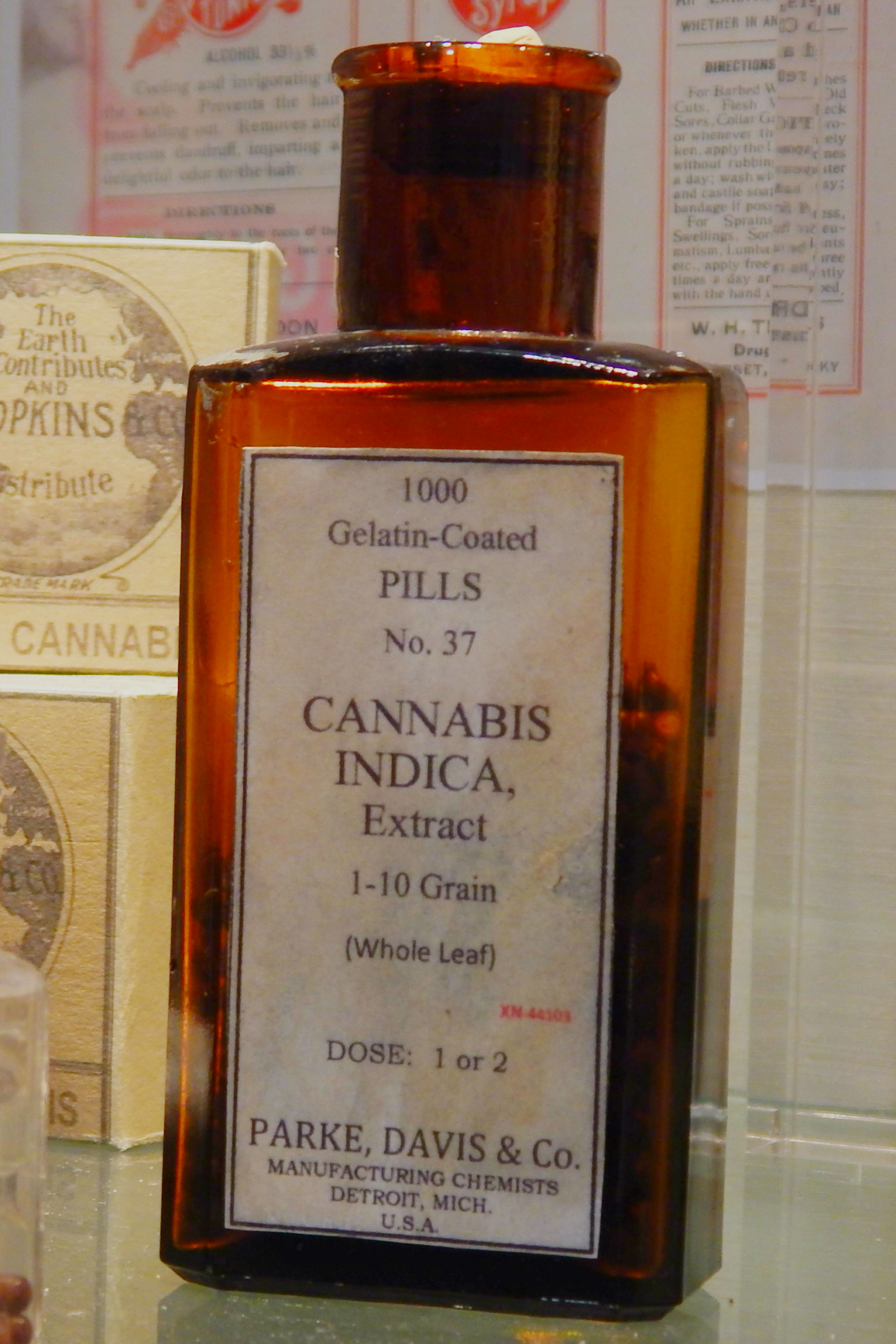
Shelves of tonics, talcum powder, and aftershave finished off every cut. Their scents defined the barbershop smell.
The classic barbershop was lined with bottles of hair tonics, jars of pomade, talcum powder, and bracing aftershaves, all used to finish a cut or shave. A splash of aftershave and a dusting of powder on the neck were the traditional finishing touches, and their mingled scents created the unmistakable barbershop smell. The shelves of tonics and aftershaves are a sensory hallmark of the old shop, the products and fragrances that sent every customer out feeling, and smelling, freshly groomed.
9. The Footrest and the Shoeshine
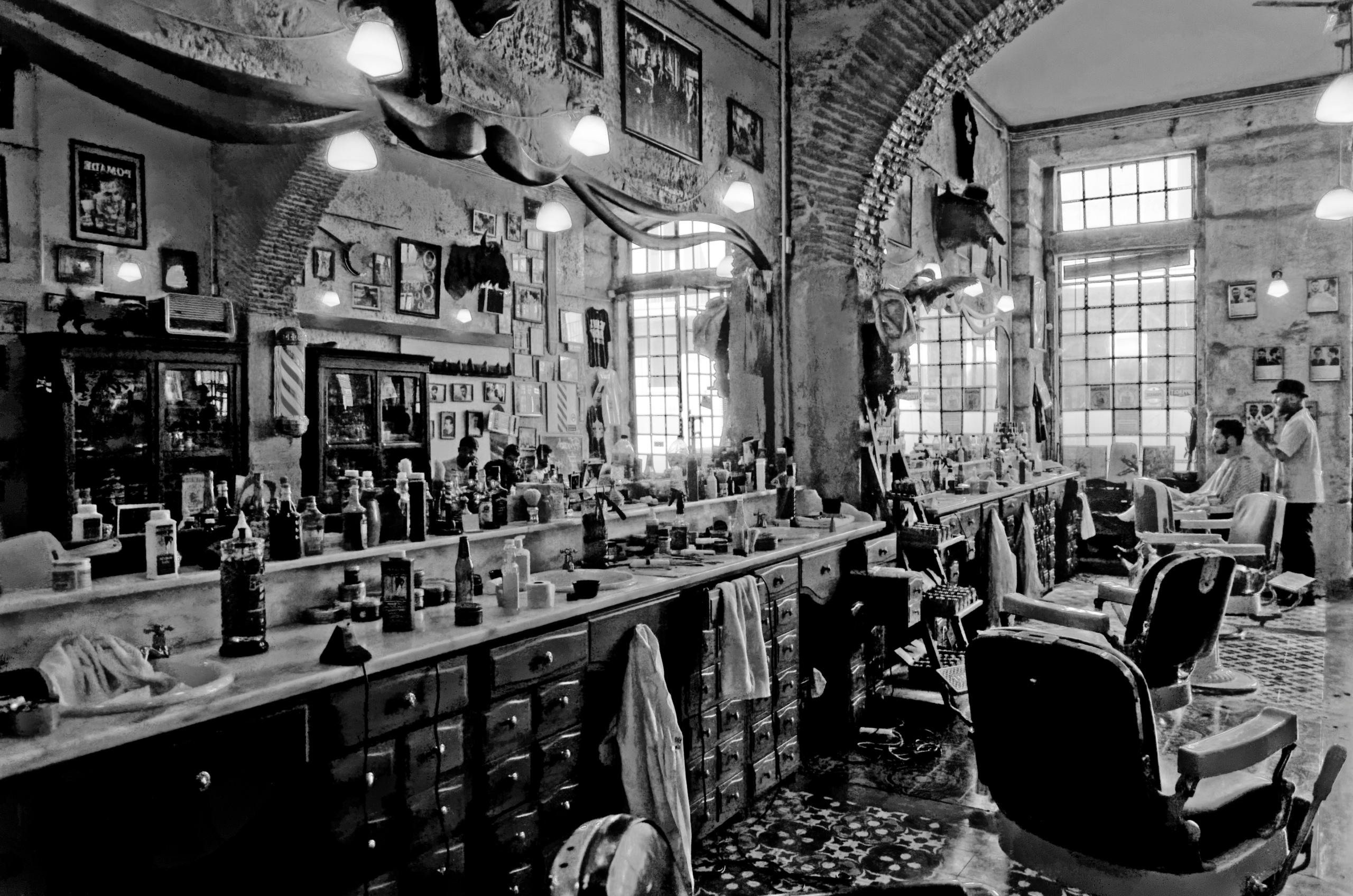
A footrest on the chair, and sometimes a shoeshine stand, rounded out the service. Some shops offered a full grooming stop.
The barber chair came with a footrest, and many larger shops also featured a shoeshine stand, often staffed by a dedicated shoeshiner, so a man could get a haircut, a shave, and a shine all in one visit. It made the barbershop a one-stop grooming destination. The shoeshine corner added to the shop’s social, gentlemanly atmosphere. The footrest and shoeshine stand are nostalgic features of the fuller-service classic barbershop, where looking sharp from head to toe was all part of the experience.
10. The Cash Register and Penny Candy
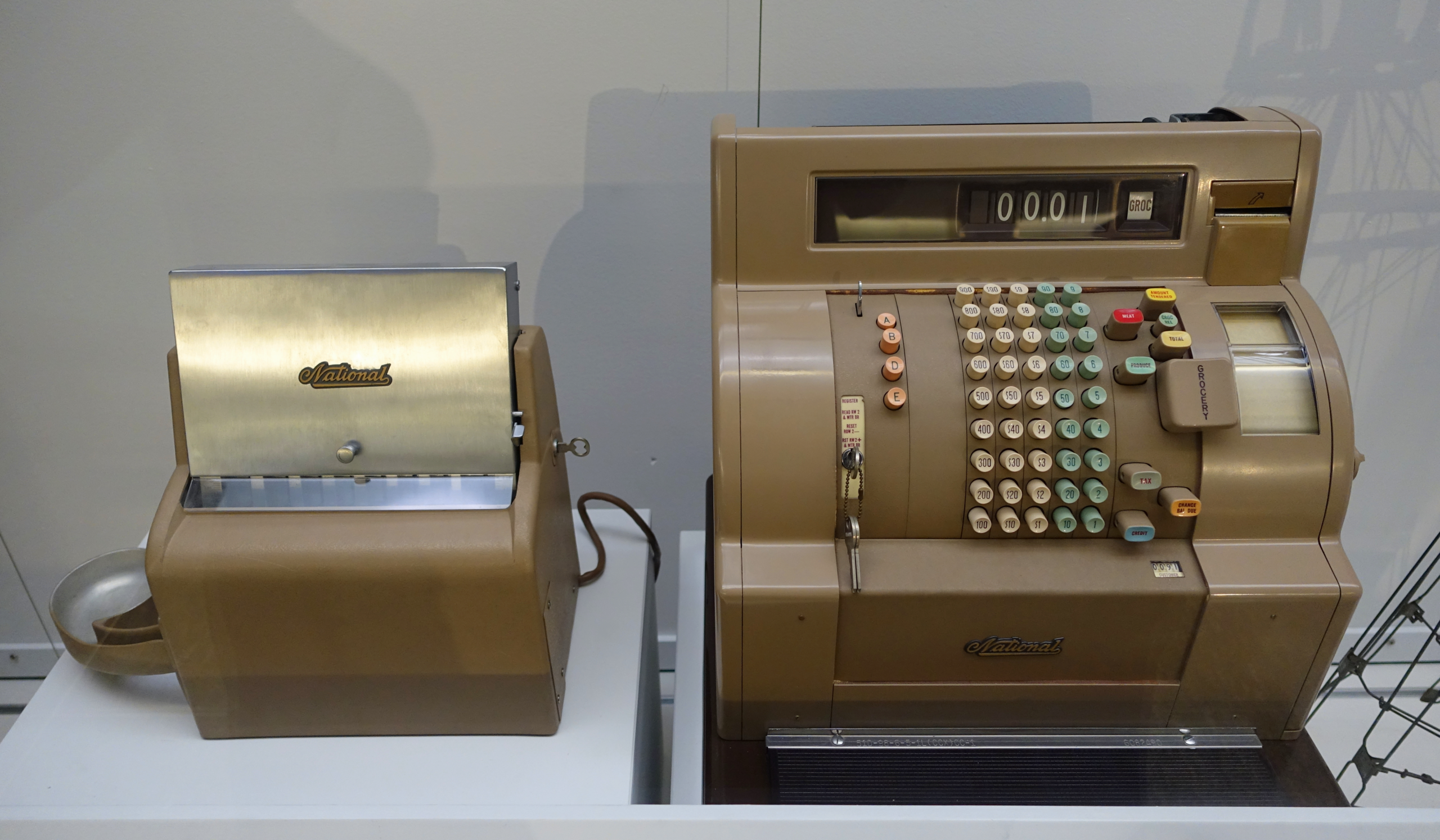
An old-fashioned cash register rang up the cut, and a dish of candy waited for the kids. Small touches made customers feel welcome.
The barbershop counter held an old-fashioned mechanical cash register that rang up each haircut with a satisfying ding, and many shops kept a dish of candy or lollipops on hand, especially to reward kids for sitting still through their trims. These small touches made the shop feel friendly and welcoming. The ringing register and the candy dish are charming details of the classic barbershop, the kind of personal, homey touches that turned a simple haircut into a pleasant little ritual for customers young and old.
11. The Conversation and Community
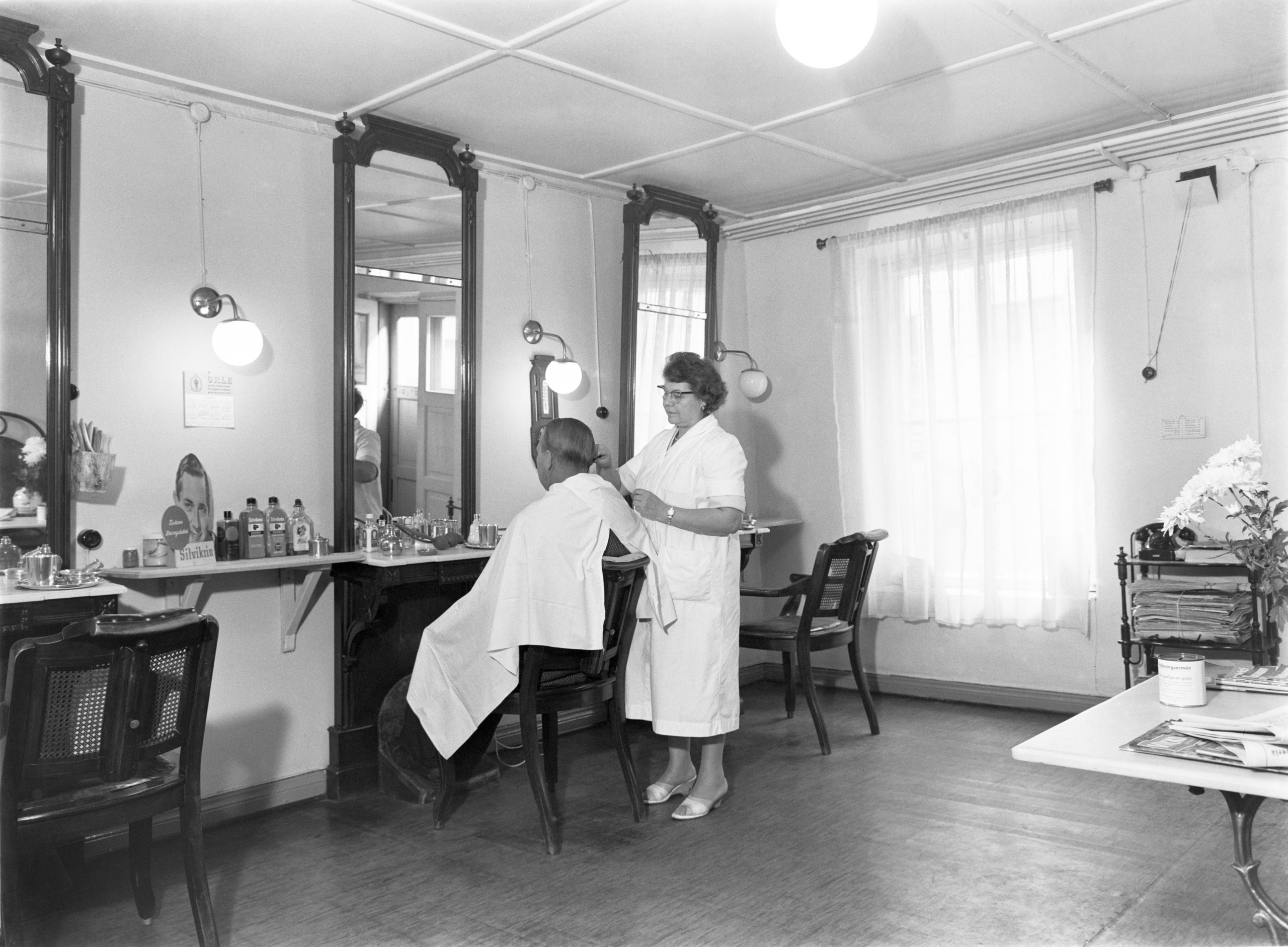
The barbershop buzzed with talk of sports, news, and local gossip. It was a gathering place as much as a grooming spot.
More than anything, the classic barbershop was a place of conversation and community. Men gathered to talk sports, debate the news, swap local gossip, and simply pass the time, whether they were getting a cut or just stopping in. The barber knew everyone and everything happening in the neighborhood. This role as a social hub is perhaps the most cherished aspect of the traditional barbershop, a welcoming gathering place where the talk was as valued as the haircut and everyone felt at home.
12. The Kids’ Booster Board
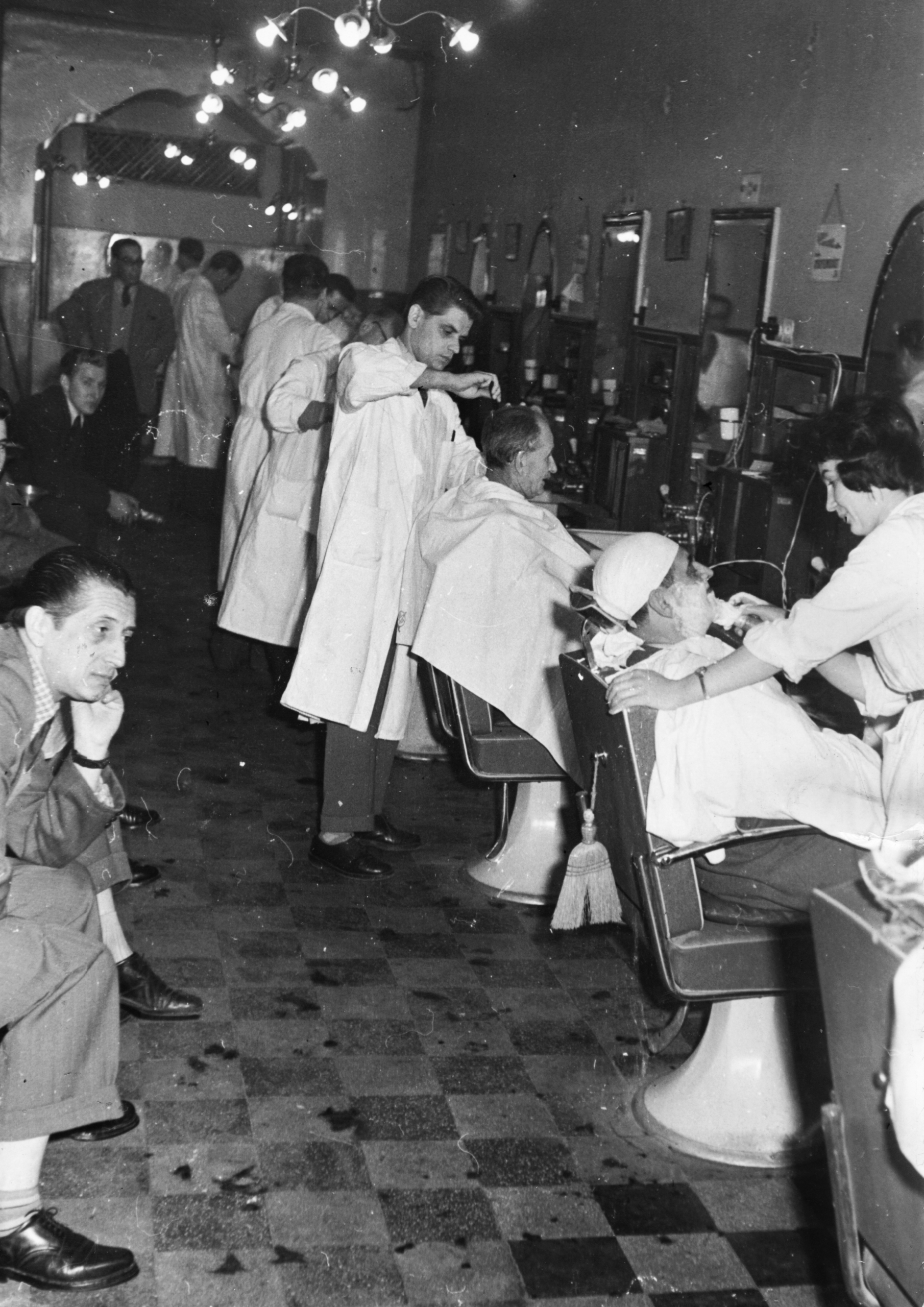
A board laid across the chair’s arms boosted little customers up to the right height. Many a first haircut happened on it.
For young customers, the barber kept a special board that laid across the arms of the big chair, boosting children up to the proper height for a trim. Many a child’s very first haircut took place perched on that board, sometimes with a few nervous tears and a piece of candy as a reward. It was a small rite of passage. The kids’ booster board is a sweet, memorable detail of the classic barbershop, a simple touch tied to one of childhood’s little milestones in the big chair.
A Neighborhood Institution
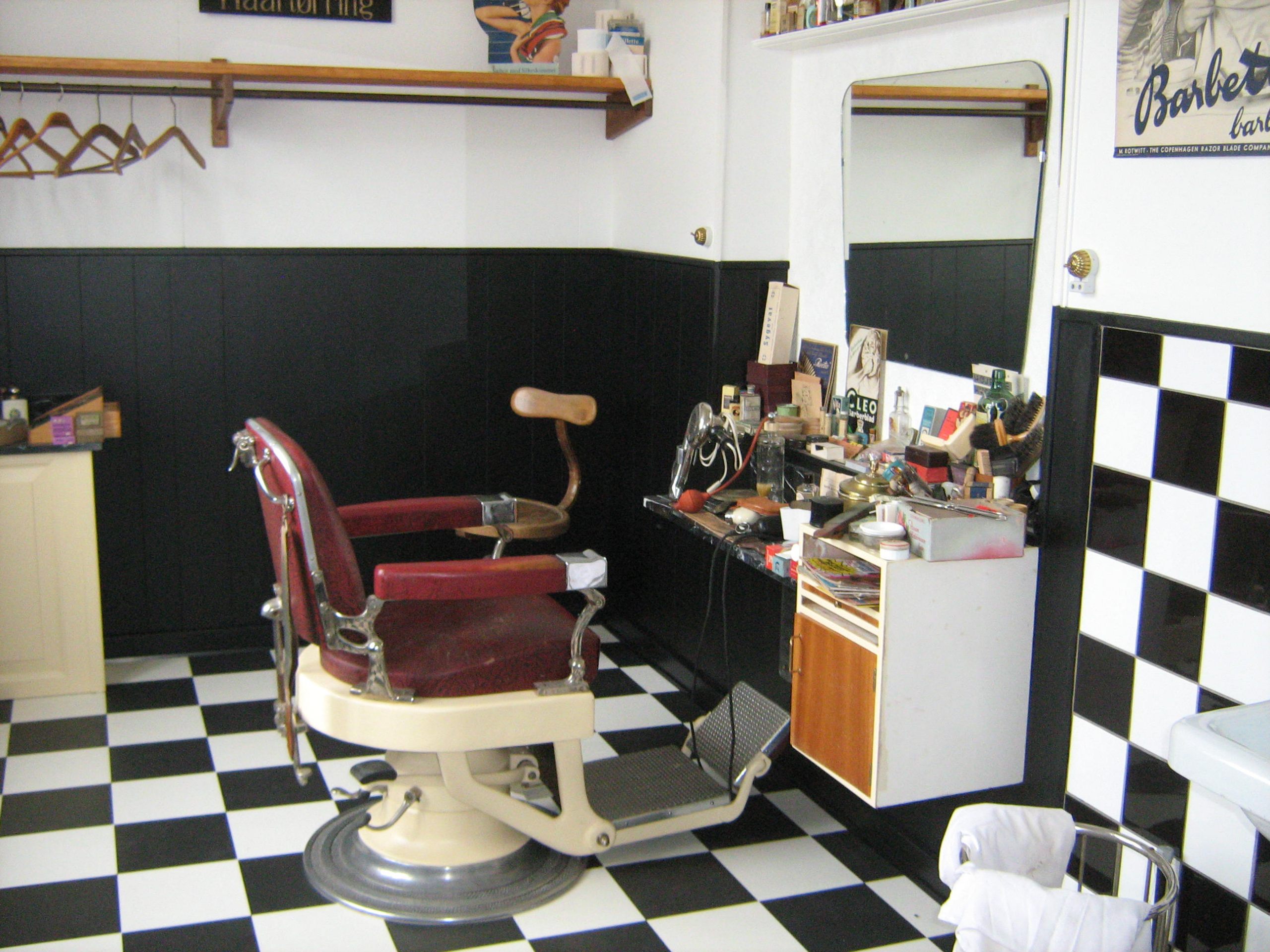
Taken together, these twelve things capture the warm, distinctive character of the American barbershop of decades past, from the spinning pole and the heavy chair to the hot-towel shave, the blue jar of combs, and the buzz of neighborly conversation. It was a place of craft, ritual, and community, where a man could get a great cut and a good talk in equal measure.
As grooming habits and styles changed, and chain salons spread, many of these traditional touches faded, though a wave of revived classic barbershops has brought some of them back in recent years. For those who remember the old shops, these details bring back the snip of the scissors, the snap of the strop, and the easy talk among neighbors. Looking back at the classic barbershop is a fond tribute to a neighborhood institution, a place that offered far more than a haircut and held a special spot in the heart of the community.
Like our content? Follow us for more.