Before jet planes made crossing the ocean a matter of hours, traveling between continents meant boarding a great ocean liner for a voyage of several days, an experience of elegance, leisure, and adventure on the high seas. The golden age of ocean travel was a world of grand dining rooms, festive send-offs, and long, relaxing days at sea, where the journey itself was a glamorous event. As air travel took over, this way of crossing the ocean faded into history, making it a rich source of nostalgia. Looking back at it recalls a more gracious era of travel. Here are twelve things a voyage on a classic ocean liner used to involve, counted down one by one.
1. The Grand Send-Off
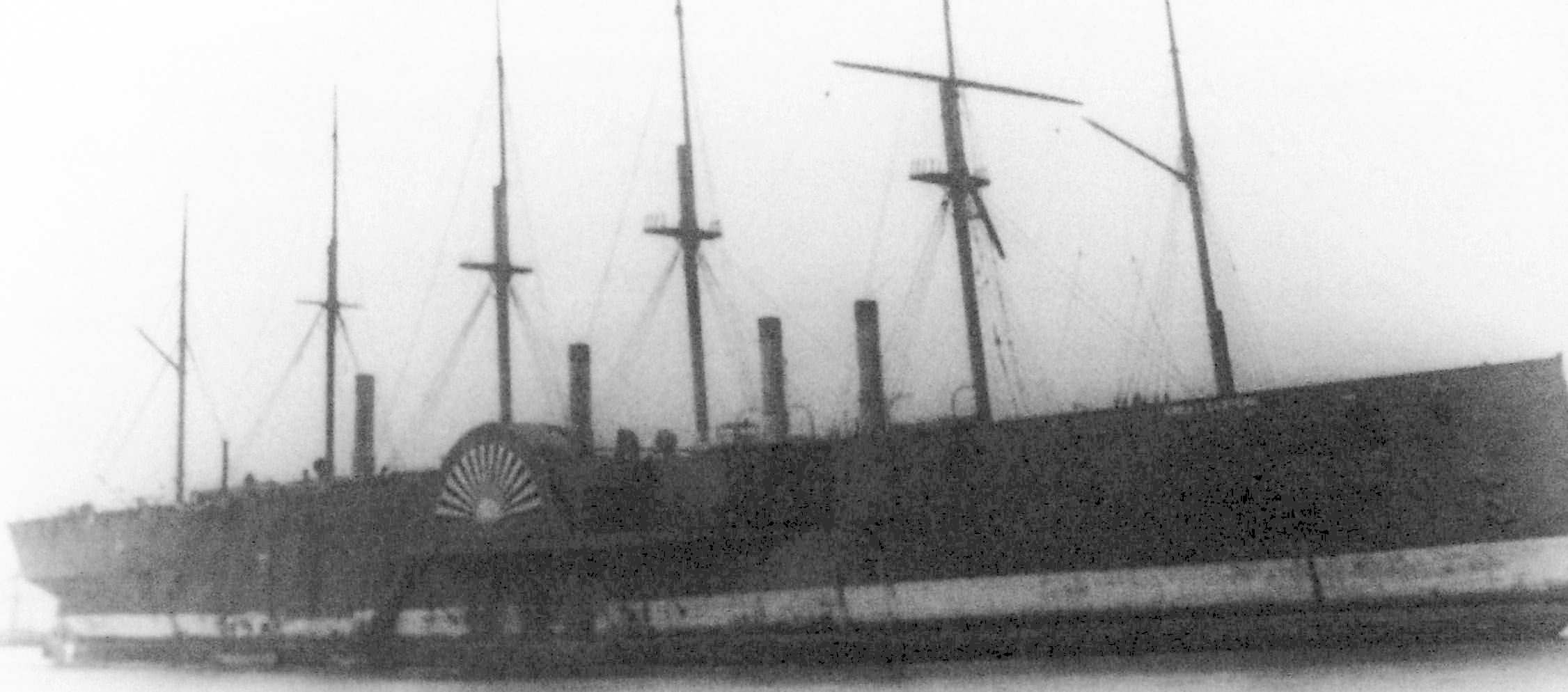
Departures were festive events with streamers and crowds. A band often played as the ship pulled away.
A voyage began with a grand send-off at the dock, a festive scene of crowds, waving handkerchiefs, and paper streamers tossed from the ship to friends and family below as a band played. The excitement of departure, with the great ship’s horn sounding as it pulled away, set the tone for the adventure ahead. Bon-voyage parties were common. The grand send-off is an iconic part of classic ocean travel, the festive, emotional departure scene of streamers and well-wishers that made setting sail feel like a momentous occasion and launched the voyage in a spirit of celebration.
Like our content? Follow us for more.
2. The Steamer Trunk and Lots of Luggage
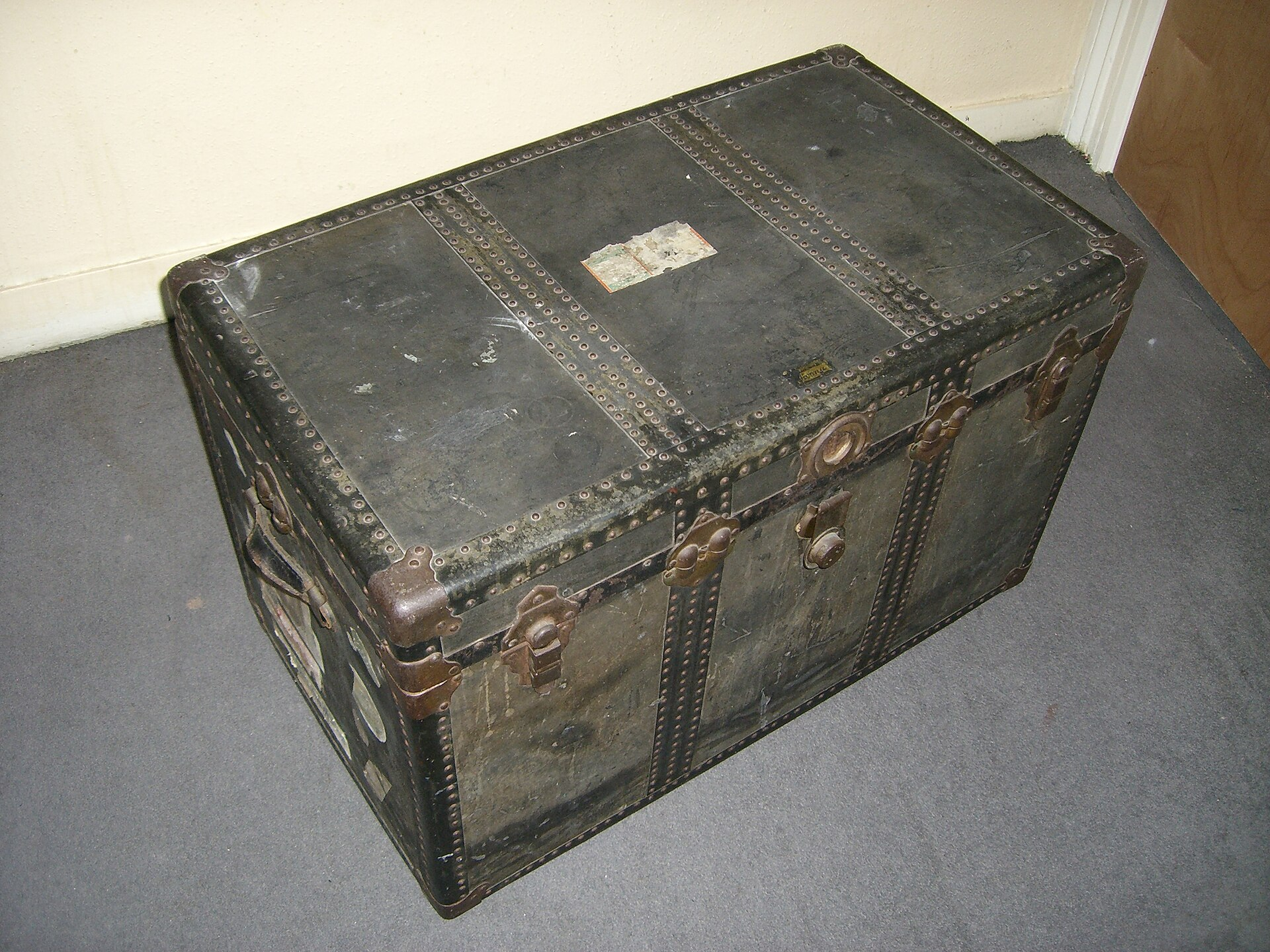
Travelers packed heavy steamer trunks for the long voyage. Porters handled the mountains of luggage.
Because a voyage lasted days and travelers often stayed abroad for extended periods, they packed heavily, in large steamer trunks designed to stand upright and open like a wardrobe, along with numerous suitcases and hatboxes. Porters managed the mountains of luggage, some of which was stored and some kept in the cabin. Packing was a major undertaking. The steamer trunk and abundant luggage are a classic feature of ocean liner travel, the substantial baggage that reflected the length and grandeur of the voyage and gave rise to the sturdy, upright trunks that have become a beloved symbol of vintage travel.
3. The Grand Dining Saloon
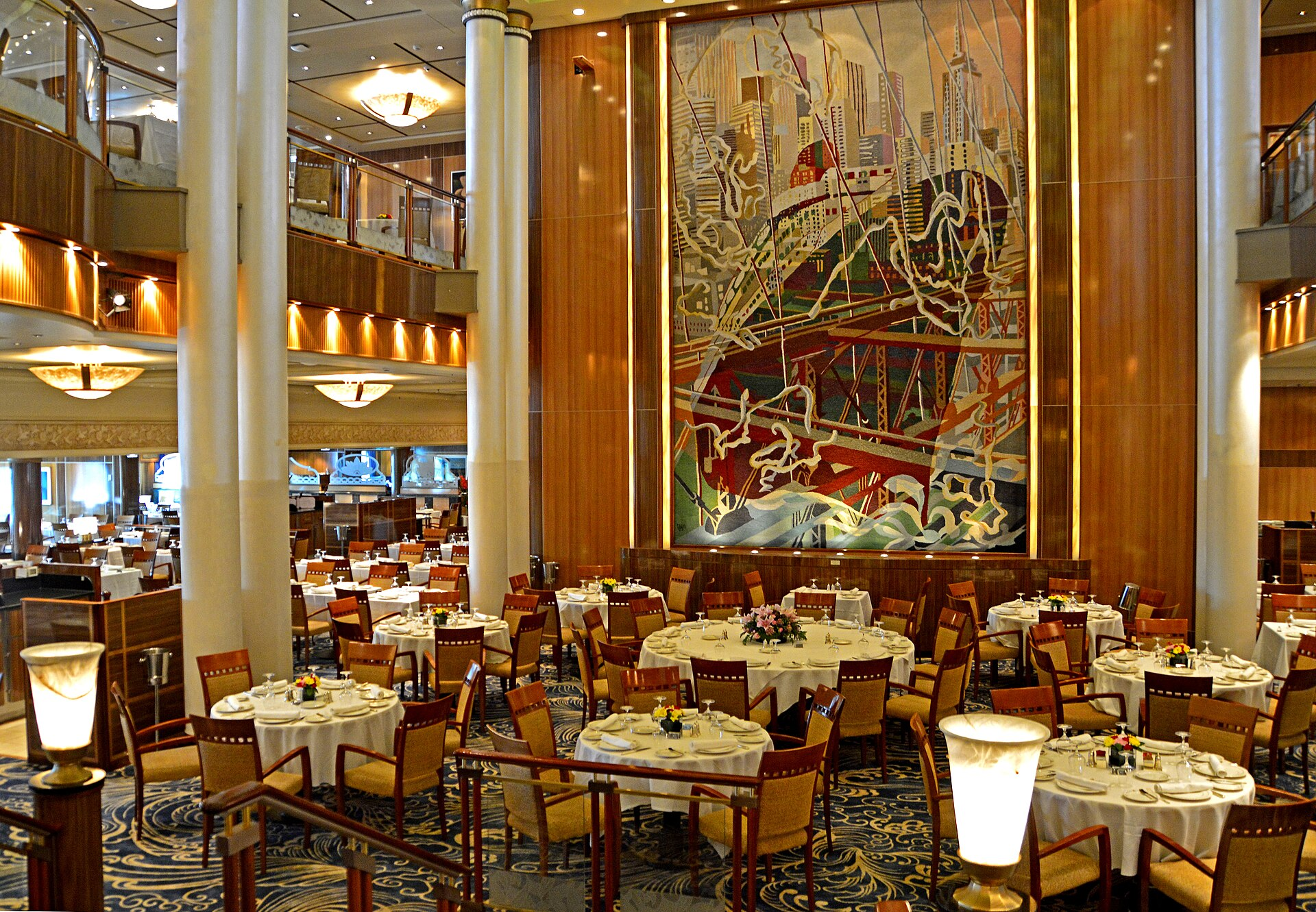
Meals were served in an elegant dining room with fine cuisine. Dinner was a formal, multi-course affair.
Dining aboard a classic liner was a highlight, with passengers gathering in a grand dining saloon for elegant, multi-course meals prepared by skilled chefs and served by attentive waiters amid fine linens, china, and crystal. Dinner was a formal affair, an occasion to dress and dine in style. The cuisine was a point of pride for the great shipping lines. The grand dining saloon is a cherished feature of ocean liner travel, the elegant restaurant at sea where multi-course meals were served with white-glove service and dining became one of the most refined and memorable pleasures of the voyage.
4. Dressing for Dinner
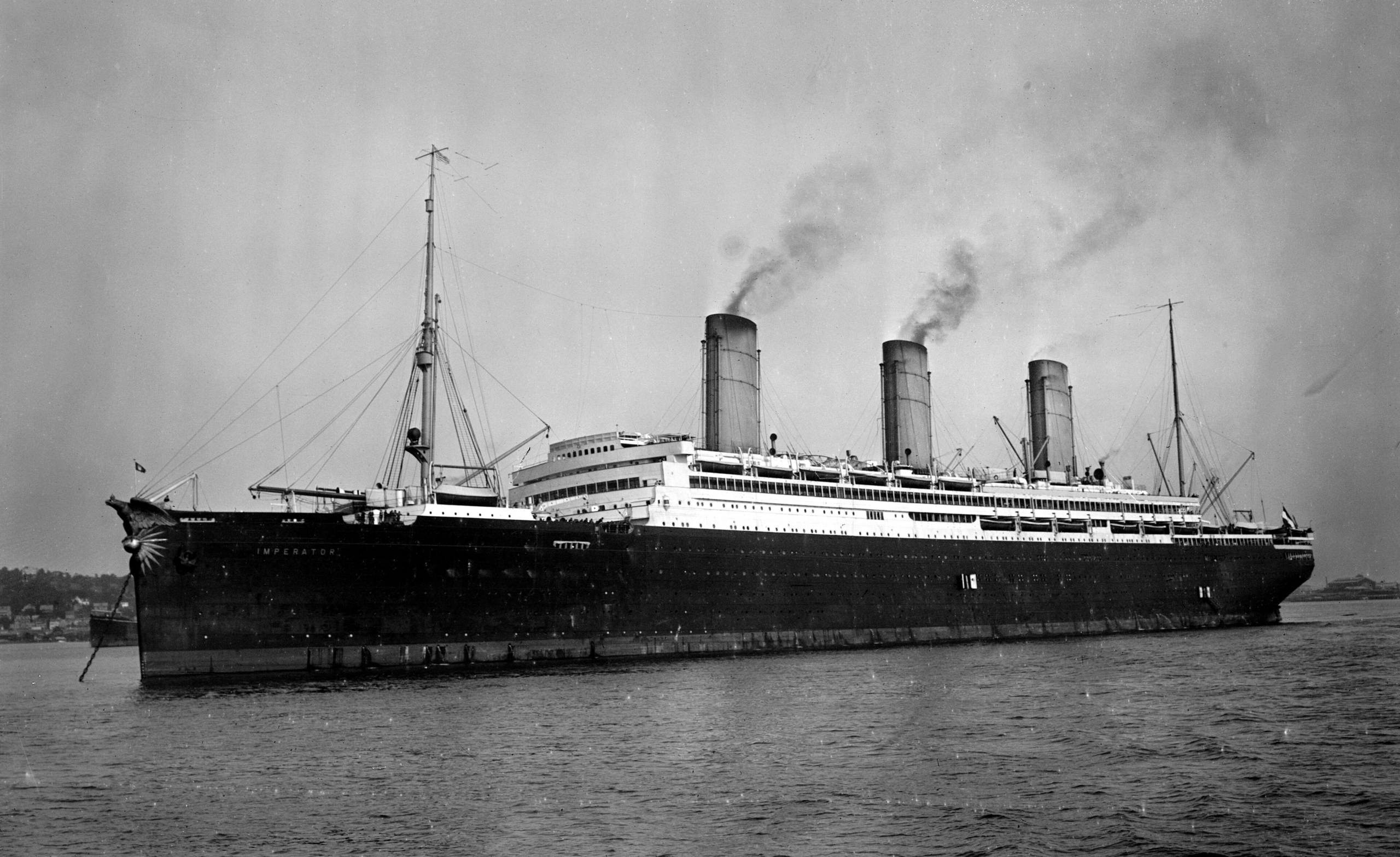
Passengers dressed formally for evening meals. Gowns and tuxedos made dinner an elegant event.
In the grand tradition of ocean travel, passengers, at least in the upper classes, dressed formally for dinner, with gowns, jewels, and tuxedos transforming the evening meal into an elegant social event. Dressing for dinner was part of the glamour and ritual of the voyage, and the dining saloon glittered with finery. It was a chance to see and be seen. Dressing for dinner is a glamorous feature of classic ocean liner travel, the formal evening attire that turned dinner into a sophisticated occasion and embodied the elegance and social ritual that defined the golden age of crossing the sea in style.
5. The Promenade Deck
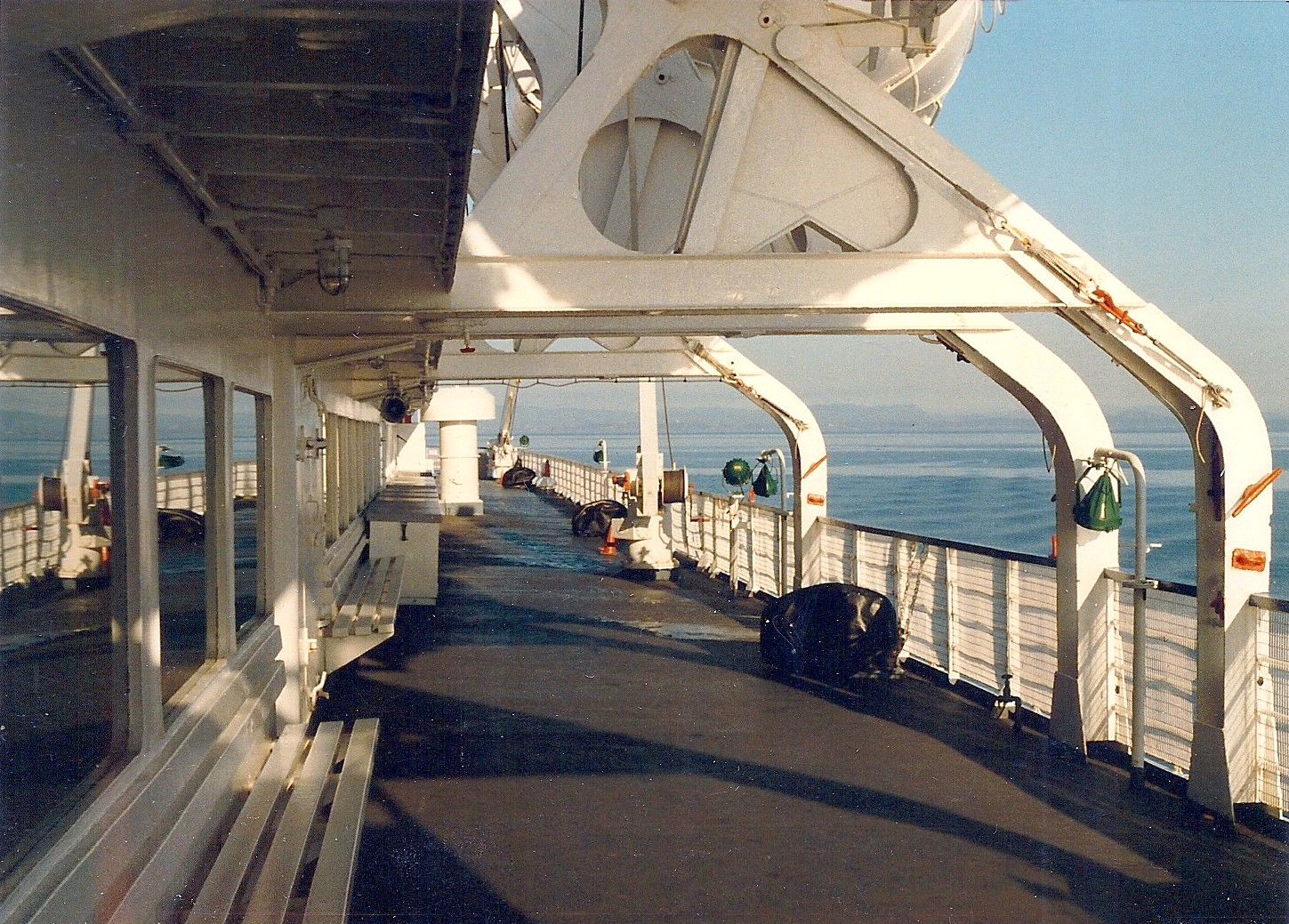
Passengers strolled and lounged on the open promenade deck. It was the place to take the sea air.
The promenade deck was a favorite spot aboard the liner, an open deck where passengers strolled, took the sea air, and relaxed in rows of wooden deck chairs, often wrapped in blankets, gazing out at the ocean. Walking laps around the deck was popular exercise, and the deck chairs were prime spots for reading and napping. The sea breeze and ocean view were the appeal. The promenade deck is a beloved feature of ocean liner travel, the open-air deck where passengers strolled and lounged in deck chairs taking in the sea, a relaxing and quintessential part of life aboard the great ships.
6. Days at Sea with Nothing to Do
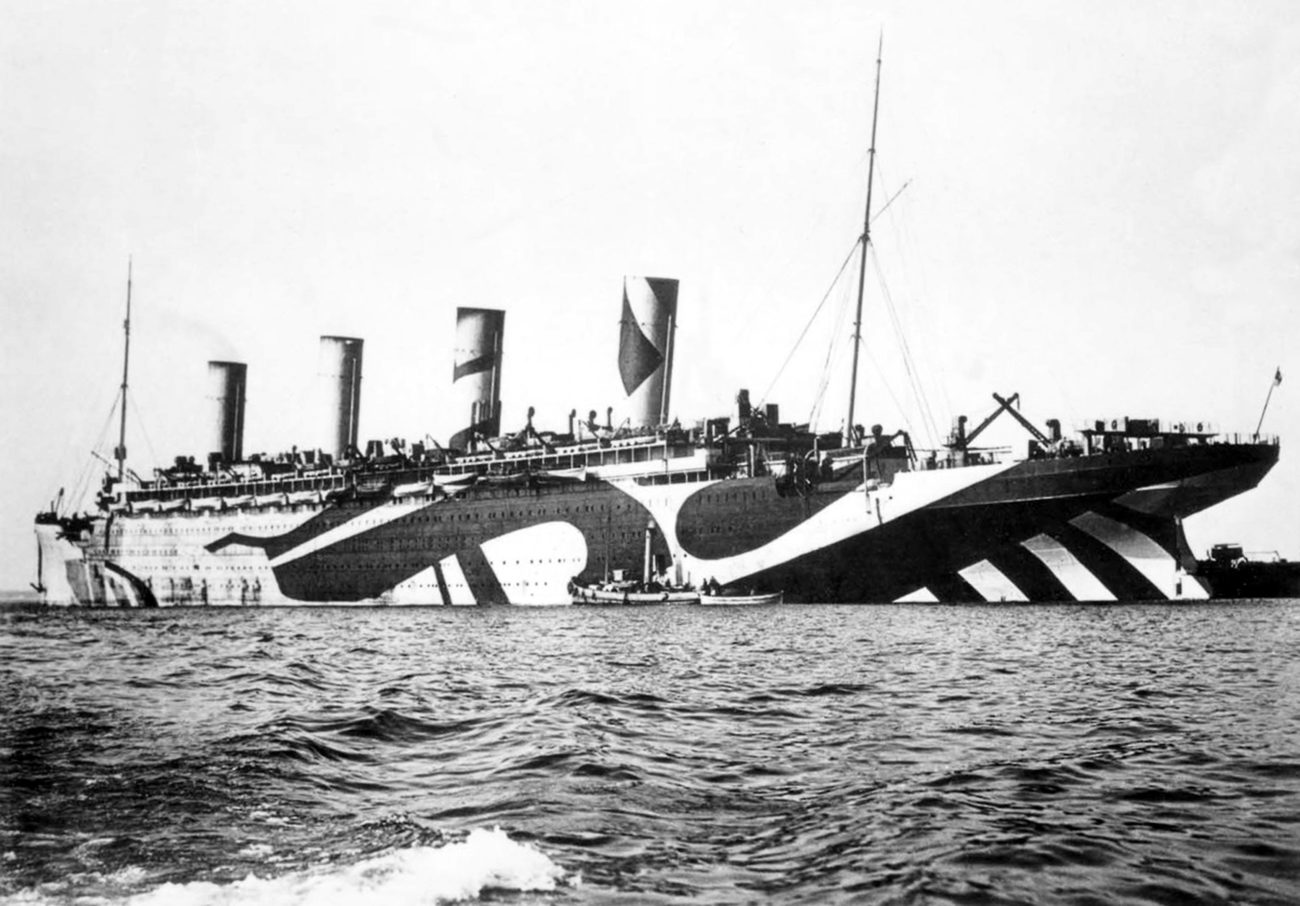
Long, leisurely days at sea invited rest and relaxation. There was nowhere to be but aboard.
A defining feature of the voyage was the long, unhurried days at sea, with nothing pressing to do but relax, read, socialize, and watch the ocean roll by. Cut off from the demands of daily life, passengers enjoyed a rare stretch of pure leisure, the journey itself a restful retreat. Time slowed down on the open water. The days at sea with nothing to do are a cherished feature of ocean liner travel, the leisurely, unhurried pace that turned the voyage into a relaxing escape and let passengers truly unwind in a way that the speed of modern travel rarely allows.
7. The Shipboard Activities and Entertainment
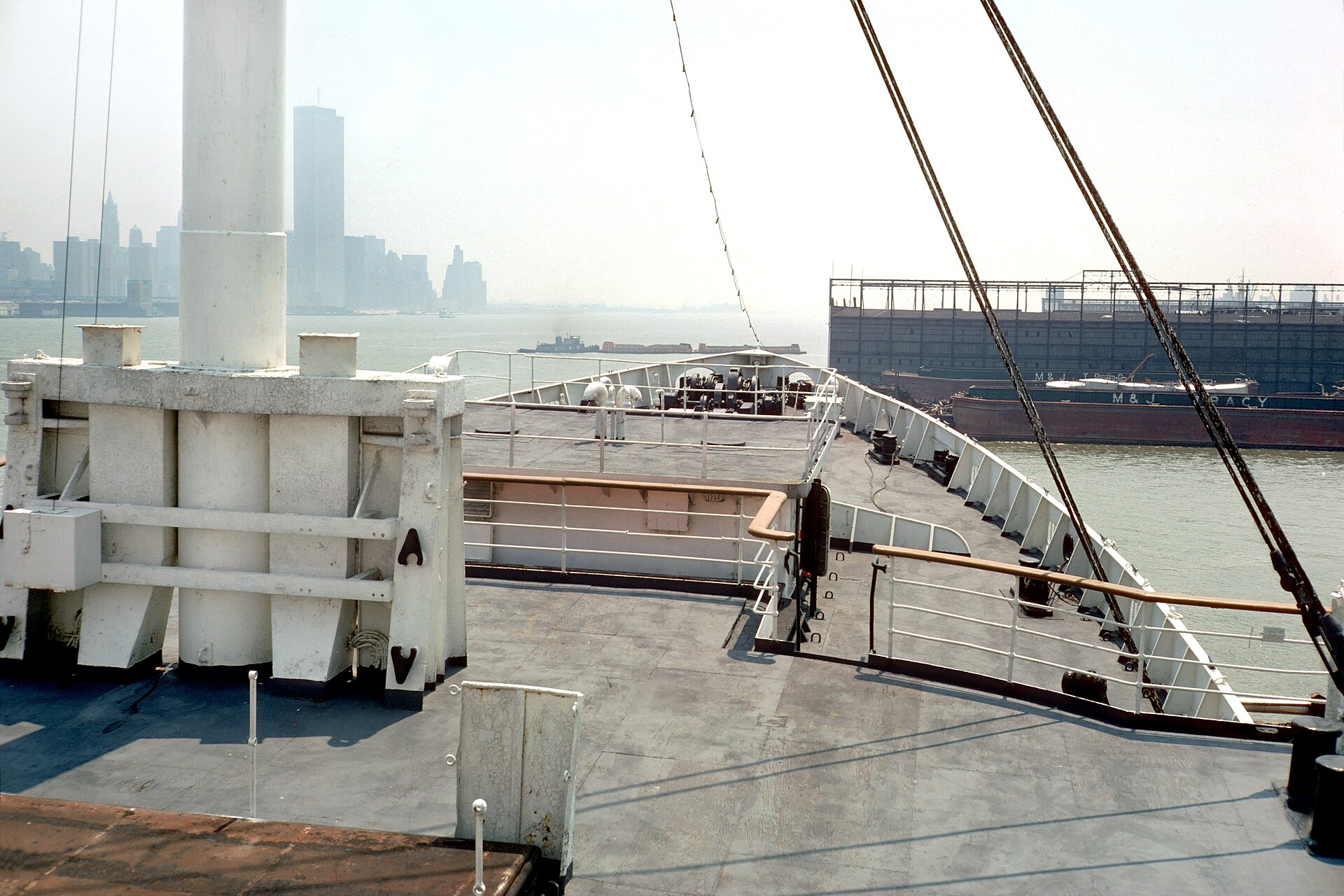
The liner offered games, music, and entertainment to fill the days. There was fun to be had at sea.
To fill the days at sea, the liner offered a range of activities and entertainment, deck games like shuffleboard and quoits, swimming pools, libraries, music and dancing in the evening, and social events. Passengers found plenty to do, or could simply relax, and new friendships formed easily among fellow travelers. The ship was a floating resort. The shipboard activities and entertainment are a fun feature of ocean liner travel, the games, music, and amusements that filled the days at sea and made the voyage a sociable, lively experience as well as a relaxing one, a true floating resort on the ocean.
8. The Different Classes of Travel
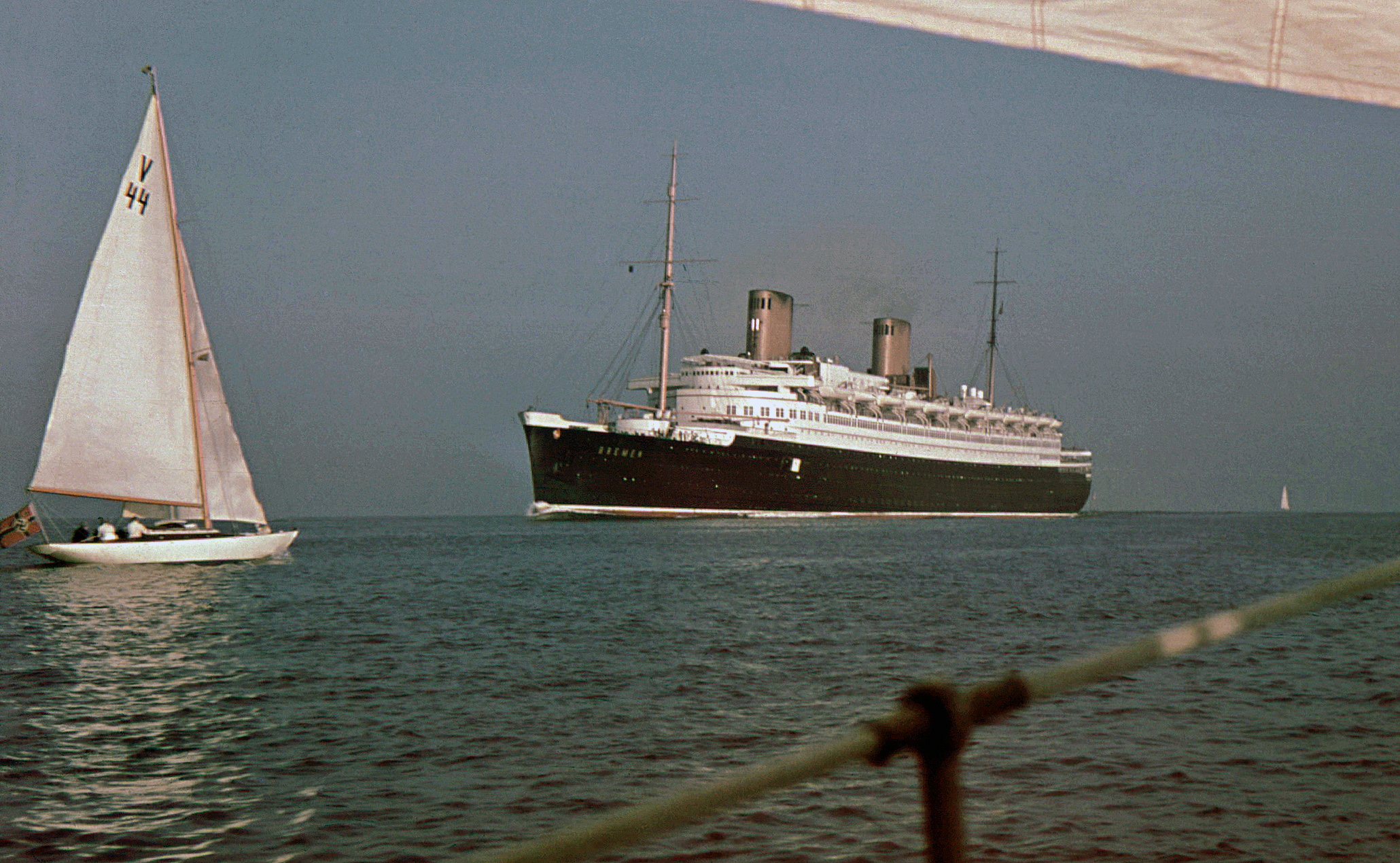
The ship was divided into classes, from luxurious first to modest steerage. Your fare set the experience.
The classic liner was divided into classes of travel, from opulent first-class suites with every luxury, to comfortable second class, to the modest, crowded steerage or third class that carried many immigrants and budget travelers. Your fare determined your cabin, your dining, and your run of the ship. The classes reflected the social order of the era. The different classes of travel are a notable feature of ocean liner history, the tiered accommodations that ranged from grand luxury to spartan steerage and reflected both the social divisions of the time and the liner’s role in carrying everyone from the wealthy to immigrants seeking new lives.
9. The Captain’s Table and Social Scene
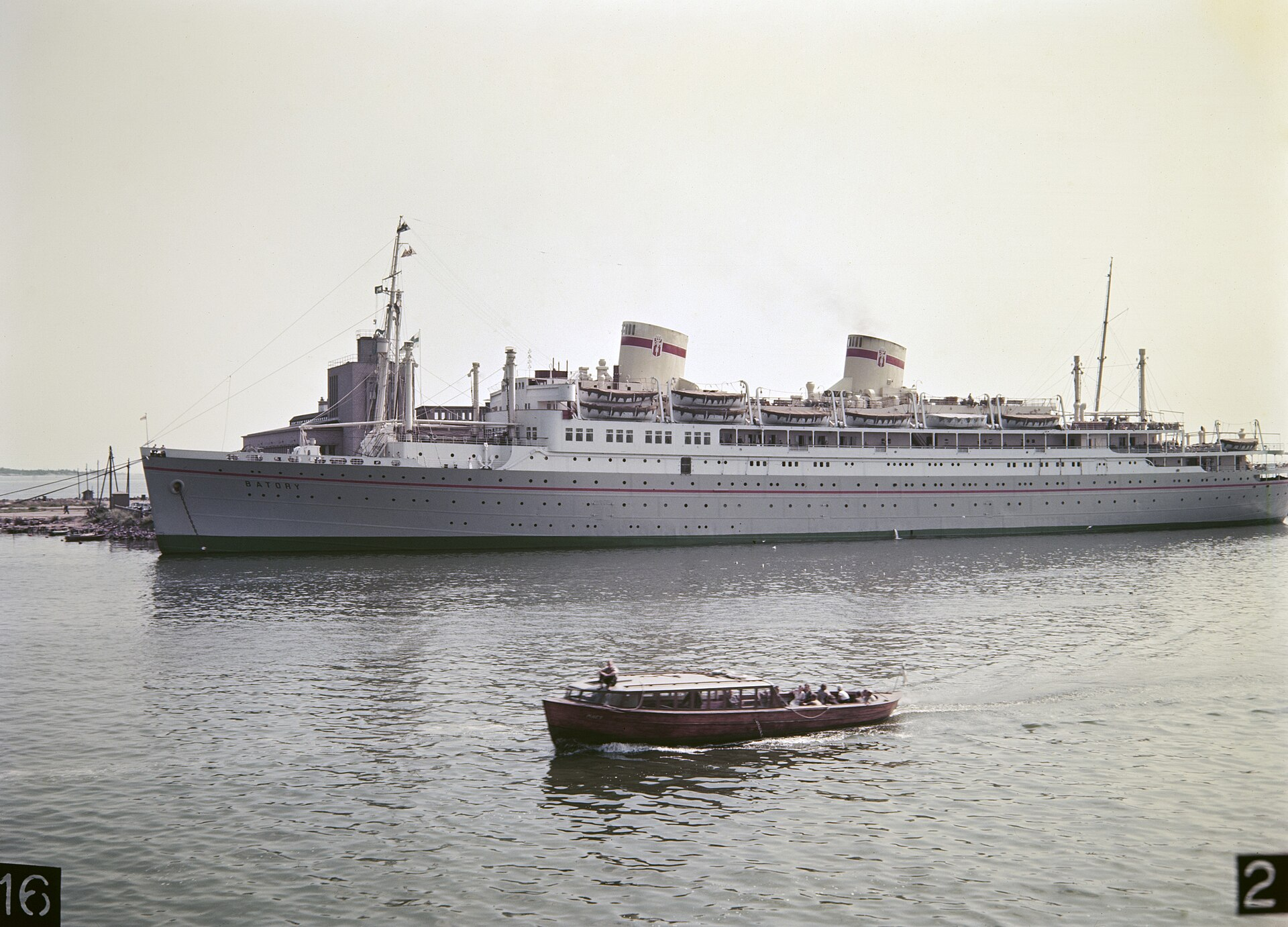
Dining at the captain’s table was a coveted honor. The voyage had a lively social scene.
The voyage had a rich social scene, especially in first class, where being invited to dine at the captain’s table was a coveted honor and a mark of status. Passengers mingled at dinners, dances, and deck gatherings, and the days at sea fostered conversation and new acquaintances. The ship’s social life was part of the appeal. The captain’s table and the social scene are a glamorous feature of classic ocean travel, the lively shipboard society and the prestige of dining with the captain that made the voyage a sociable, status-conscious affair and added to the romance of crossing the sea.
10. Seasickness and the Rolling Sea
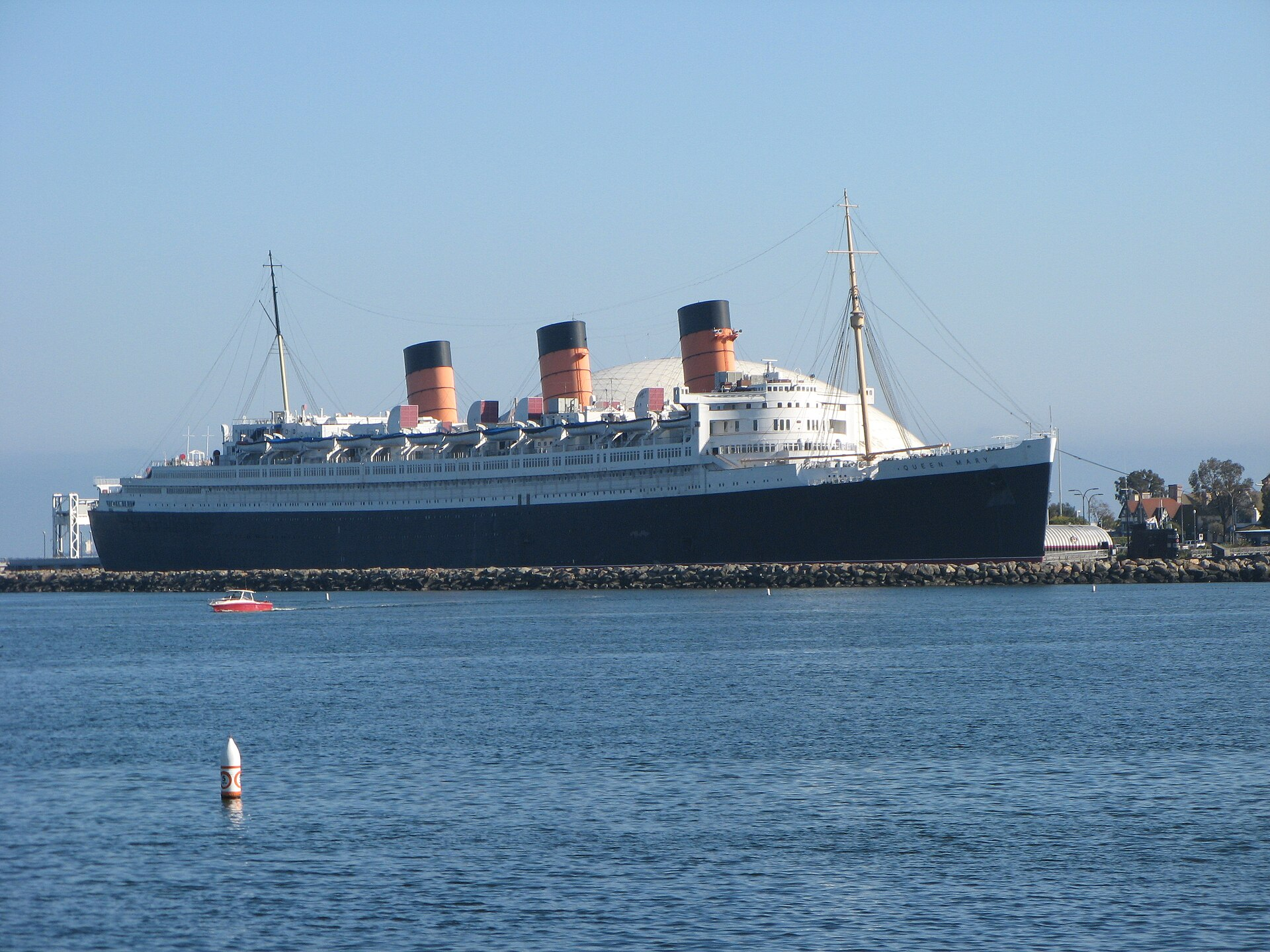
The rolling of the ship could bring on seasickness. Passengers coped with the motion of the ocean.
Not every moment was glamorous, the rolling and pitching of the ship in heavy seas could bring on seasickness, sending some passengers to their cabins or the rail. Travelers coped with the motion as best they could, and rough weather was simply part of an ocean crossing. Calm seas were a blessing. Seasickness and the rolling sea are a real feature of ocean liner travel, the motion of the ship that was an inescapable part of any ocean crossing and a reminder that, for all its elegance, a voyage was still at the mercy of the sea and the weather.
11. The Arrival in a New Land
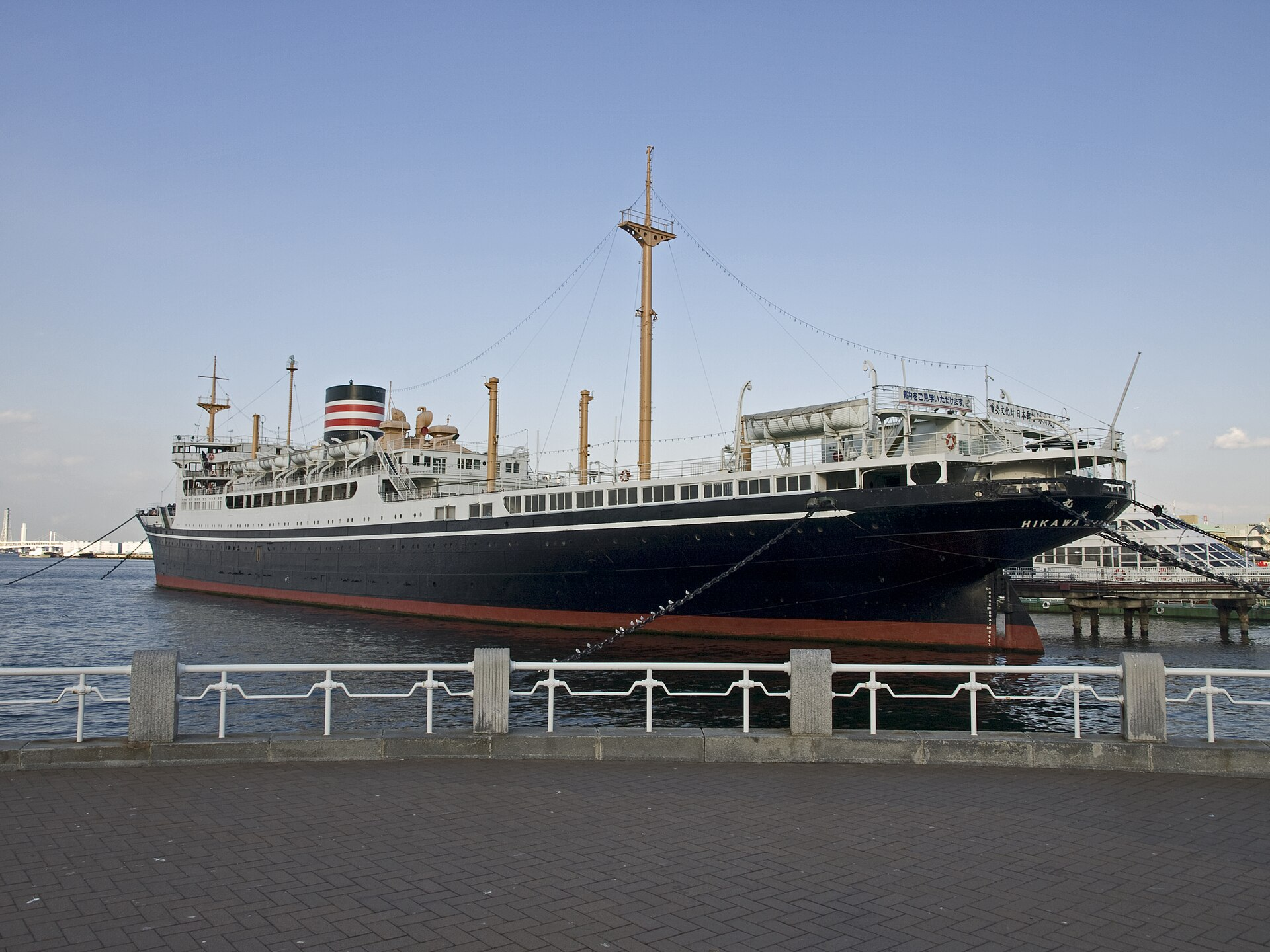
Reaching port after days at sea was a thrilling moment. The skyline rising ahead signaled journey’s end.
After days at sea, the arrival was a thrilling climax to the voyage, passengers crowding the deck to catch the first glimpse of land and the harbor, a city’s skyline or a famous landmark rising ahead. For immigrants especially, the sight of their destination was deeply emotional, the gateway to a new life. The ship’s arrival was a moment of anticipation and joy. The arrival in a new land is a memorable feature of ocean liner travel, the exciting, often emotional climax of the voyage when the destination came into view after days at sea, marking the end of the journey and, for many, the beginning of a new chapter.
12. The Romance and Glamour of the Sea
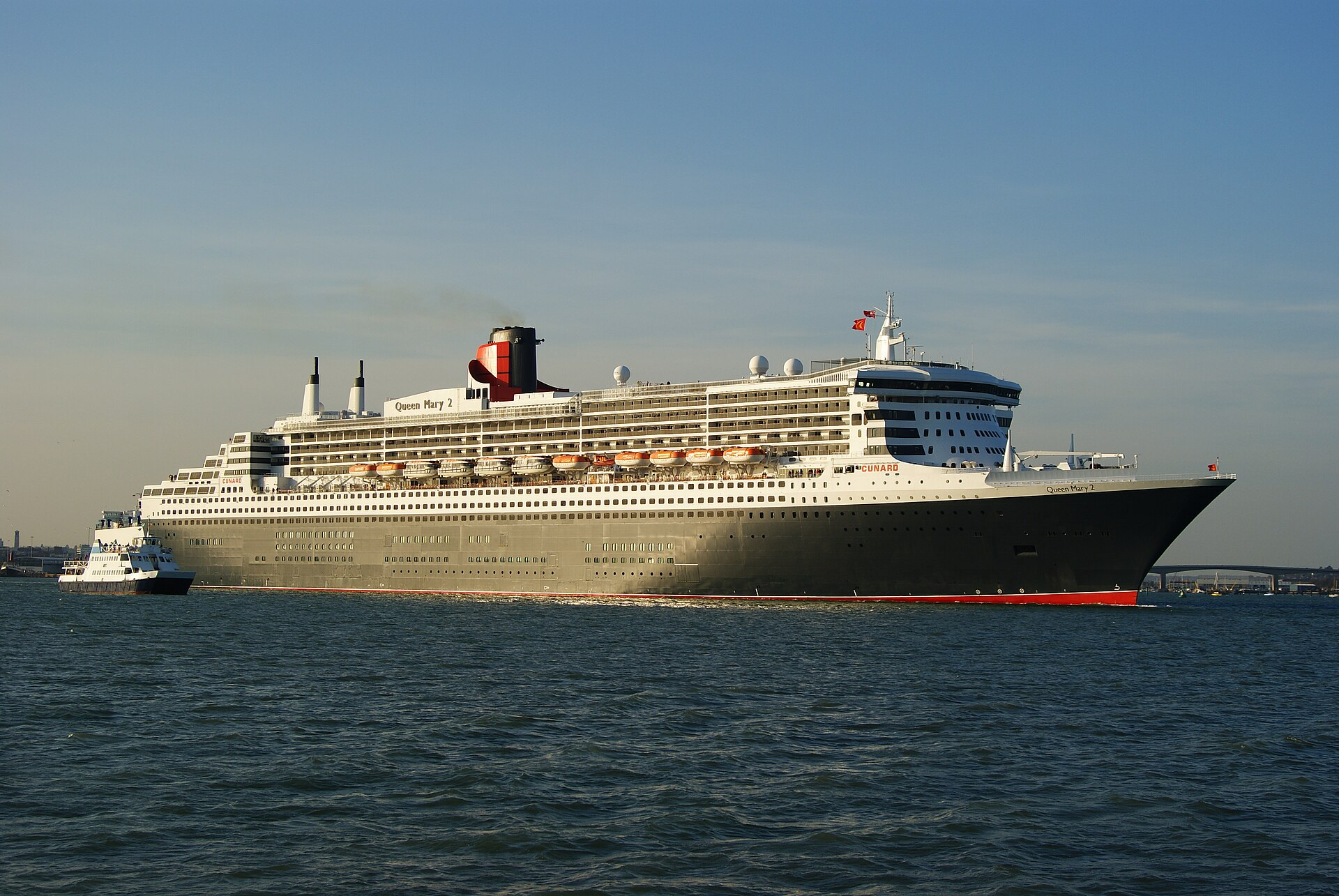
Above all, ocean travel carried an air of romance and glamour. The voyage was an adventure in itself.
More than any single feature, a voyage on a classic ocean liner carried an unmistakable air of romance and glamour, the great ship gliding across the sea, the elegance of the dining saloon, the leisurely days, and the sense of embarking on a grand adventure. Ocean travel captured the imagination like nothing else. The journey was the destination. The romance and glamour of the sea are the heart of classic ocean liner travel, the intangible sense of elegance and adventure that made crossing the ocean by liner one of the most glamorous experiences in the history of travel and continues to captivate the imagination today.
A Grander Way to Cross the Sea
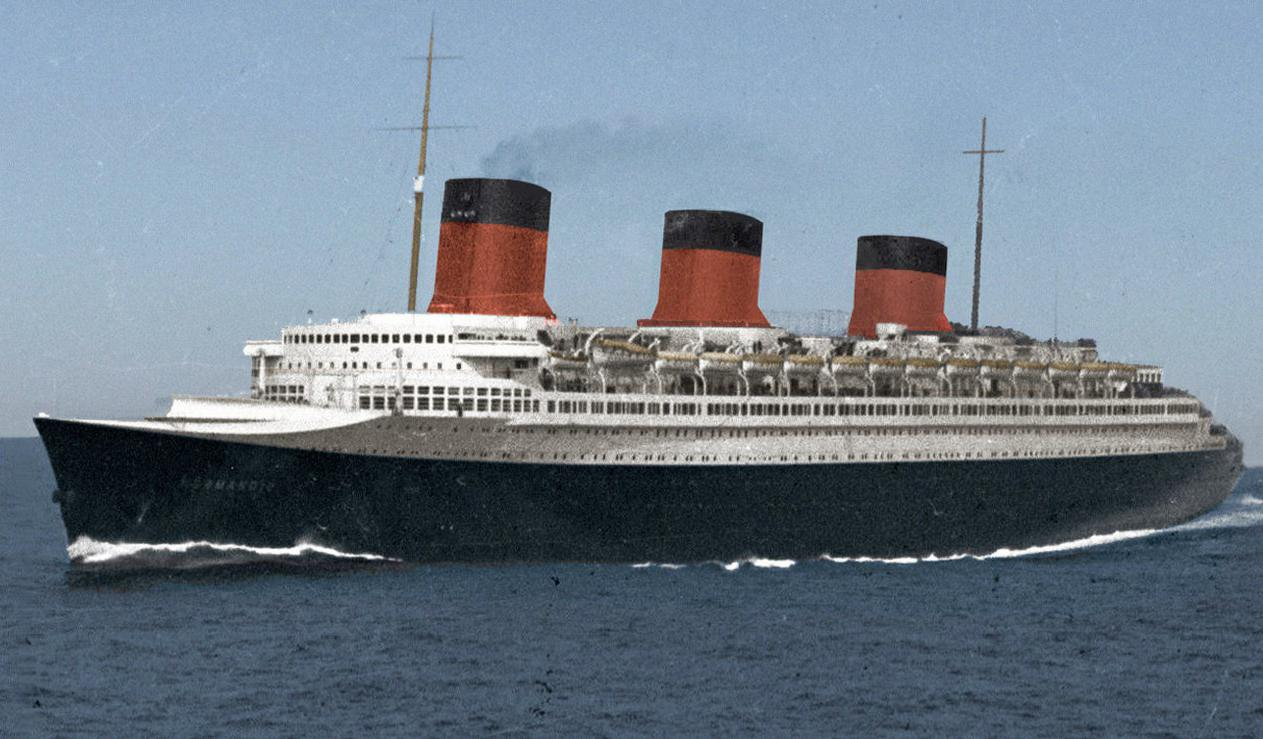
Taken together, these twelve things capture the elegance of the golden age of ocean liner travel, from the grand send-off and the steamer trunks to the dining saloon, the promenade deck, and the romance of the sea. It was a grander, more leisurely way to cross the ocean, where the voyage itself was a glamorous adventure to be savored.
The rise of jet air travel, which shrank an ocean crossing from days to hours, brought the golden age of the ocean liner to a close, ending an era when the journey was as memorable as the destination. Yet the romance of ocean travel endures, kept alive in memory and in the cruise voyages that echo its traditions. For those who recall, or dream of, crossing the sea by liner, these details bring it all back: the send-off, the deck chairs, the elegant dinners. Looking back at the classic ocean liner is a fond tribute to a grander way to cross the sea, when travel was an unhurried, elegant adventure on the open water.
Like our content? Follow us for more.