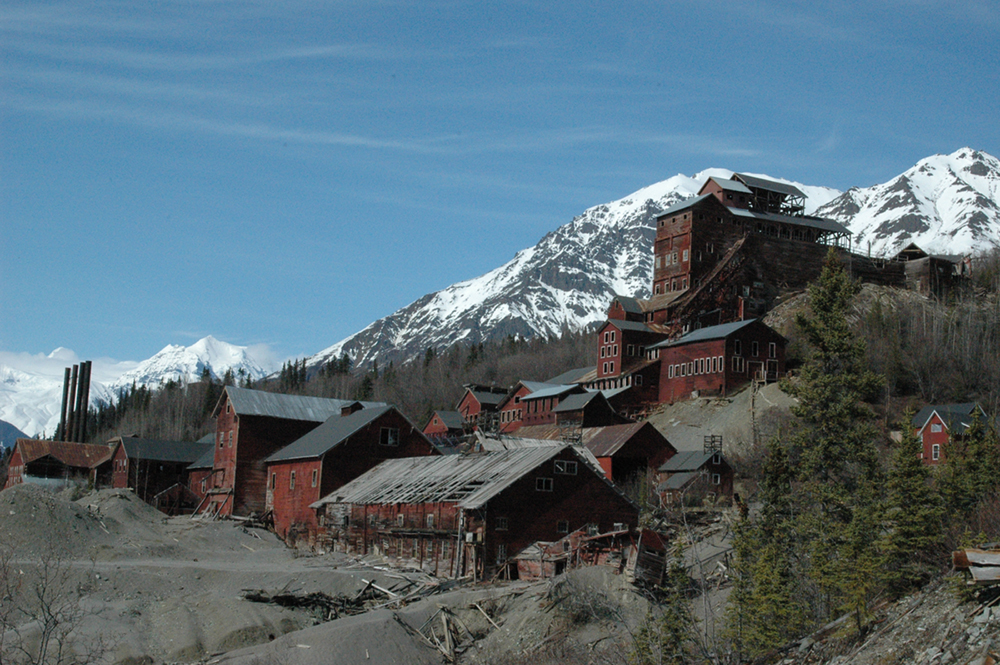
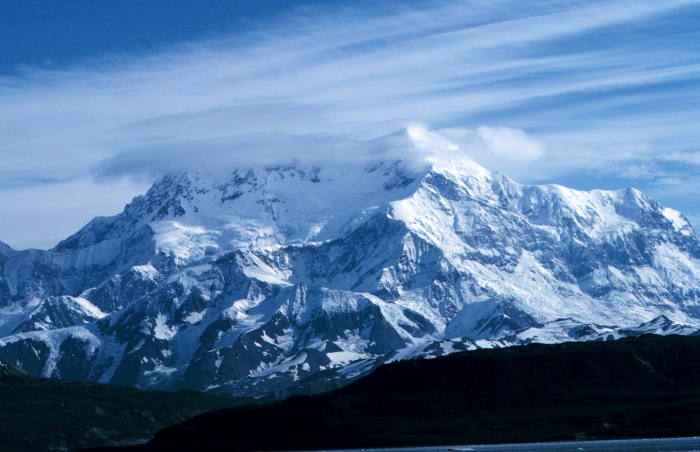
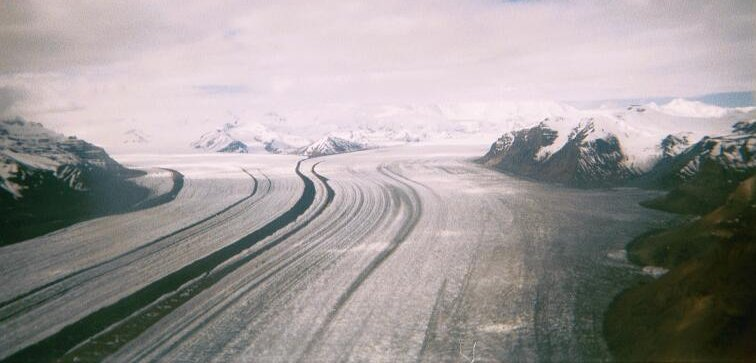
Deep in the rugged wilderness of southern Alaska, surrounded by glaciers and soaring peaks, stands one of the most striking ghost towns in North America: Kennecott, a cluster of weathered red buildings that once formed the heart of an enormously rich copper-mining operation. For a few remarkable decades in the early twentieth century, this remote camp pulled a fortune in copper out of the mountains, helping to electrify a growing nation, before the ore ran out and the town was abandoned. Today, preserved within the largest national park in the United States, Kennecott offers an unforgettable window into Alaska’s mining past. Its story is one of discovery, ambition, and the wilderness reclaiming its own.
A Green Patch That Turned Out to Be Copper
The story of Kennecott began in the summer of 1900, when two prospectors, “Tarantula” Jack Smith and Clarence Warner, exploring near the Kennicott Glacier, spotted what looked like a green meadow high on a hillside in an unlikely spot. On closer inspection, the green turned out not to be grass but exposed copper ore, malachite and chalcocite, in one of the richest concentrations ever discovered, with some samples reportedly running up to around 70 percent pure copper. They filed their claim, the Bonanza, on July 4, 1900.
The find came at the perfect moment. The dawn of electricity, the telephone, and the automobile had sent demand for copper soaring, and a deposit this rich was impossible to ignore, even in such a remote and forbidding location. Wealthy investors, organized as the “Alaska Syndicate” and backed by some of the era’s most powerful financial names, moved in to develop the mines, and the operation eventually took shape under the Kennecott Copper Corporation. (A clerical misspelling of the nearby Kennicott Glacier, named for a naturalist, is how the company and town came to be spelled with an “e.”)
Like our content? Follow us for more.
Building a Mine in the Wilderness
Turning a remote Alaskan mountainside into a working mine was a staggering undertaking. To carry the ore to the coast, crews built a roughly 196-mile railroad through extraordinarily difficult terrain, including dozens of miles of bridges and trestles, completed in 1911. A young engineer, Stephen Birch, oversaw the development, reportedly even hauling disassembled steamships overland to move equipment before the railroad was finished.
The result was, for its time, a state-of-the-art operation. The mines, with names like Bonanza, Jumbo, Mother Lode, Erie, and Glacier, sat high on the ridge above, connected to the mill by miles of aerial tramways that carried ore down the mountain. The ore moved through some 77 miles of underground tunnels. Towering over the camp was the iconic mill building, a 14-story timber-frame structure, painted the distinctive red that still defines the site, where the copper ore was processed. At its peak, Kennecott employed 500 to 600 workers on three shifts around the clock.
A Company Town at the Edge of Nowhere
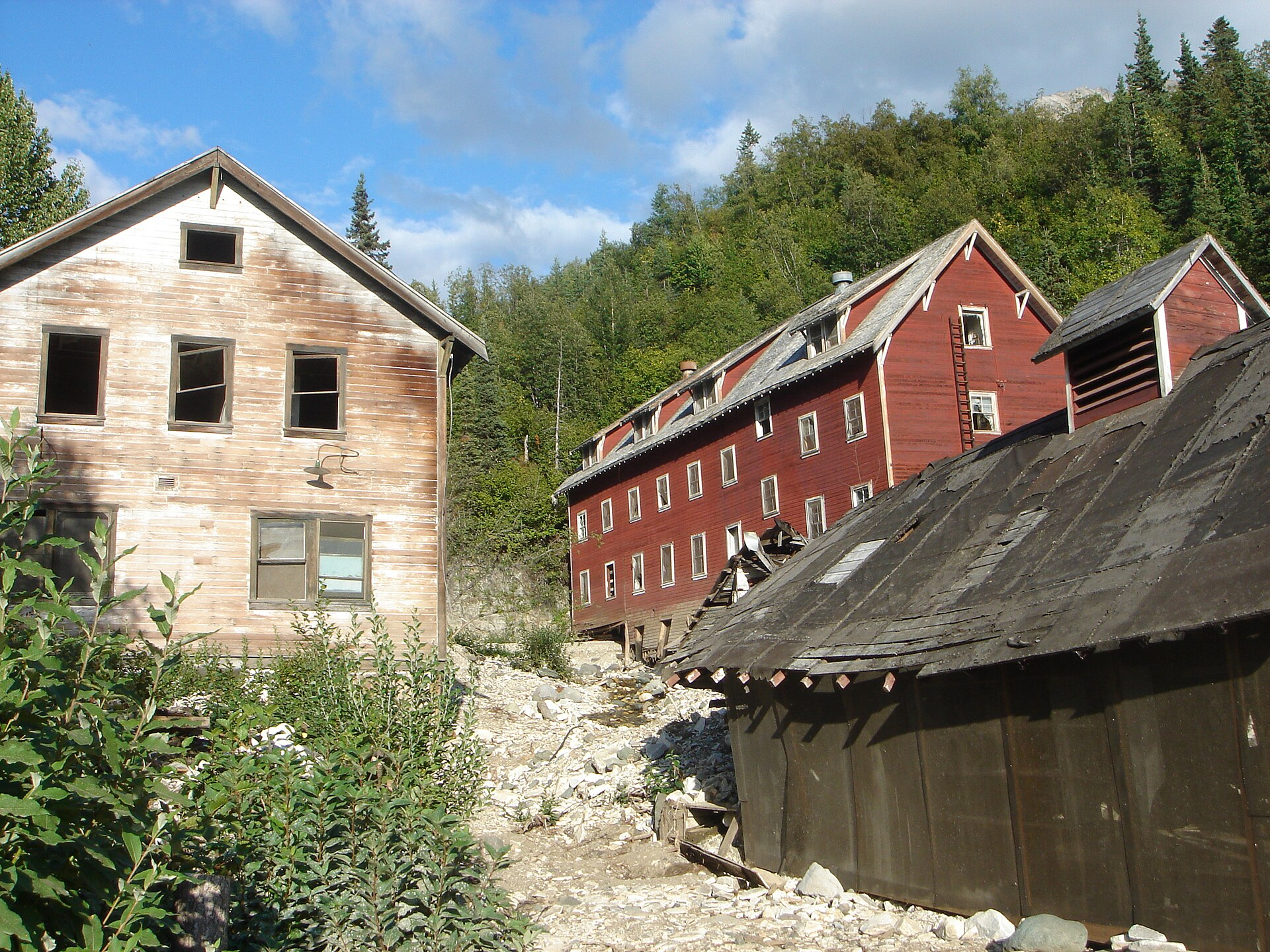
Kennecott was more than a mine, it was a self-contained company town built to sustain workers and their families in one of the most isolated places imaginable. The Kennecott Copper Corporation lured workers north with some of the highest mining wages in the country. Around the industrial buildings grew a community with a hospital, a company store and post office, a school, bunkhouses, a power plant, and a residential area along a street nicknamed “Silk Stocking Loop” where company officials lived. There was even a tennis court.
For nearly three decades, the operation thrived, producing an enormous quantity of copper, hundreds of thousands of tons, valued at roughly $200 million in 1938 dollars, making it one of the most lucrative copper operations in the world and a genuine contributor to the electrification of America.
The End of the Boom
Like all mining booms, Kennecott’s could not last. By the 1920s, geologists were already predicting the rich ore would eventually run out, and the low copper prices of the Great Depression added to the pressure. By 1938, with the known high-grade ore largely depleted, the company closed the operation. The mines shut down, the railroad ceased running, and Kennecott emptied out almost as quickly as it had grown, becoming a ghost town.
From 1939 into the mid-1950s, the town sat essentially deserted, watched over for a time only by a small caretaker family. A later attempt to reprocess the leftover tailings proved unprofitable. At one point the company even ordered the town demolished to limit liability, but the job was never finished, and most of the buildings were left standing. Over the decades, visitors stripped away many of the smaller artifacts, but the bones of the town, and that great red mill, endured against the harsh Alaskan elements.
Preserved in a Vast National Park
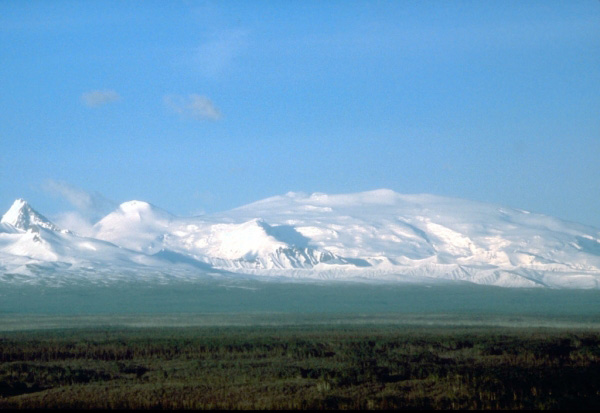
Kennecott’s fortunes turned again with the rise of conservation. The site was listed on the National Register of Historic Places in 1978, and in 1980 the surrounding region became Wrangell-St. Elias National Park and Preserve, at 13.2 million acres the largest national park in the United States, larger than several Yellowstones combined. Kennecott was designated a National Historic Landmark in 1986, and in 1998 the National Park Service acquired many of the buildings and has been stabilizing and restoring them ever since.
Thanks to the dry, cold climate and these preservation efforts, the town remains remarkably intact, almost eerily so. The old machinery still sits in place, furniture remains in some rooms, and the drafting office reportedly still holds maps and charts. Visitors can explore the general store and post office, the manager’s office, the Blackburn School, the railroad depot, the power plant, and, of course, the towering red mill.
Visiting the Ghost Town Today
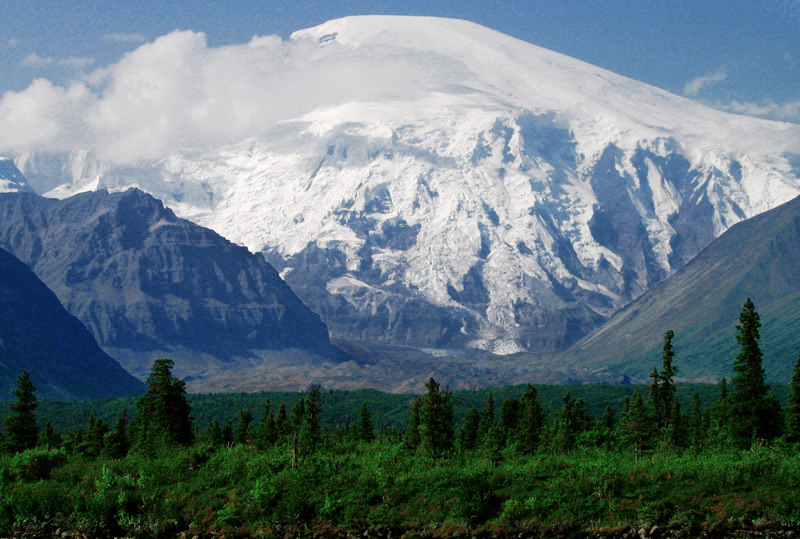
Reaching Kennecott is an adventure that rewards the effort. The site sits deep in the wilderness, and the journey from Anchorage takes the better part of a day, ending with a drive down the long, gravel McCarthy Road. The road stops at the Kennicott River, where visitors cross a footbridge on foot and then take a shuttle or walk the remaining few miles to the historic town, passing through the small former frontier settlement of McCarthy along the way.
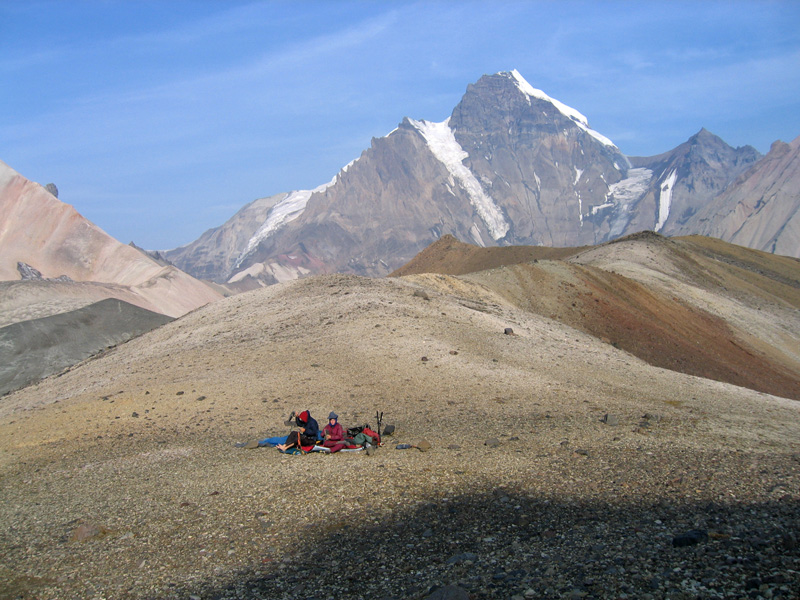
Once there, visitors can tour the ghost town on their own with a National Park Service map, or join a guided tour, with a local guide service granted special permission to take visitors inside the mill building itself. The surrounding park offers spectacular scenery and activities, including hiking out onto the nearby Root Glacier, best done with an experienced guide. As with any remote wilderness and historic site, visitors should come prepared, respect the fragile structures and the preservation work underway, and follow park guidance to stay safe.
A Monument to a Vanished Boom
Kennecott endures as one of the best-preserved examples of early twentieth-century copper mining anywhere, a red ghost town frozen against a backdrop of glaciers and mountains. It tells a vivid story of discovery, ingenuity, and ambition in an unforgiving land, of the workers and families who built a community at the edge of nowhere, and of the boom-and-bust rhythm that has shaped so much of the American West and North.
For travelers drawn to history, ghost towns, and genuine wilderness, Kennecott offers a rare and powerful experience: the chance to walk the streets of a town that copper built and time forgot, where the great red mill still rises against the ice and the silence of the Alaskan wild. Approached with preparation, care, and respect for its history and its setting, this remote ghost town stands as an unforgettable monument to a vanished boom in one of the most beautiful corners of America.
Like our content? Follow us for more.