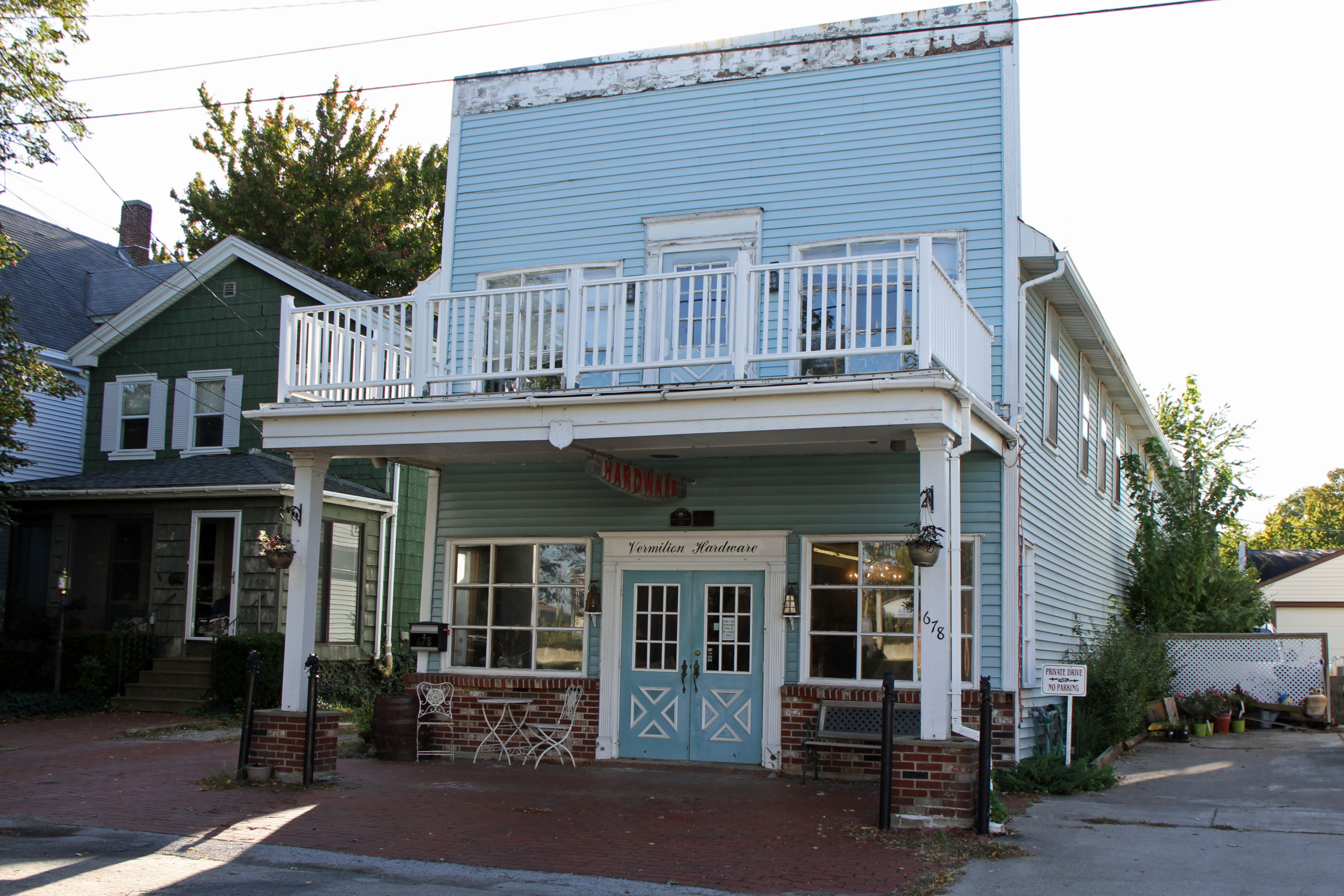
Before the era of big-box home-improvement warehouses, the neighborhood hardware store was where you went to fix, build, and tinker. Packed floor to ceiling with tools, parts, and gadgets, and staffed by knowledgeable clerks who could solve any household problem, the old hardware store was an institution for homeowners and handy folks alike. Its narrow aisles held a remarkable inventory, and its helpful service was unmatched. As the chains rose, many of these family-run shops faded, making them a warm source of nostalgia. Looking back at the old hardware store brings the whole place to life. Here are thirteen things nearly every old neighborhood hardware store had, counted down one by one.
1. Bins of Loose Nails and Screws
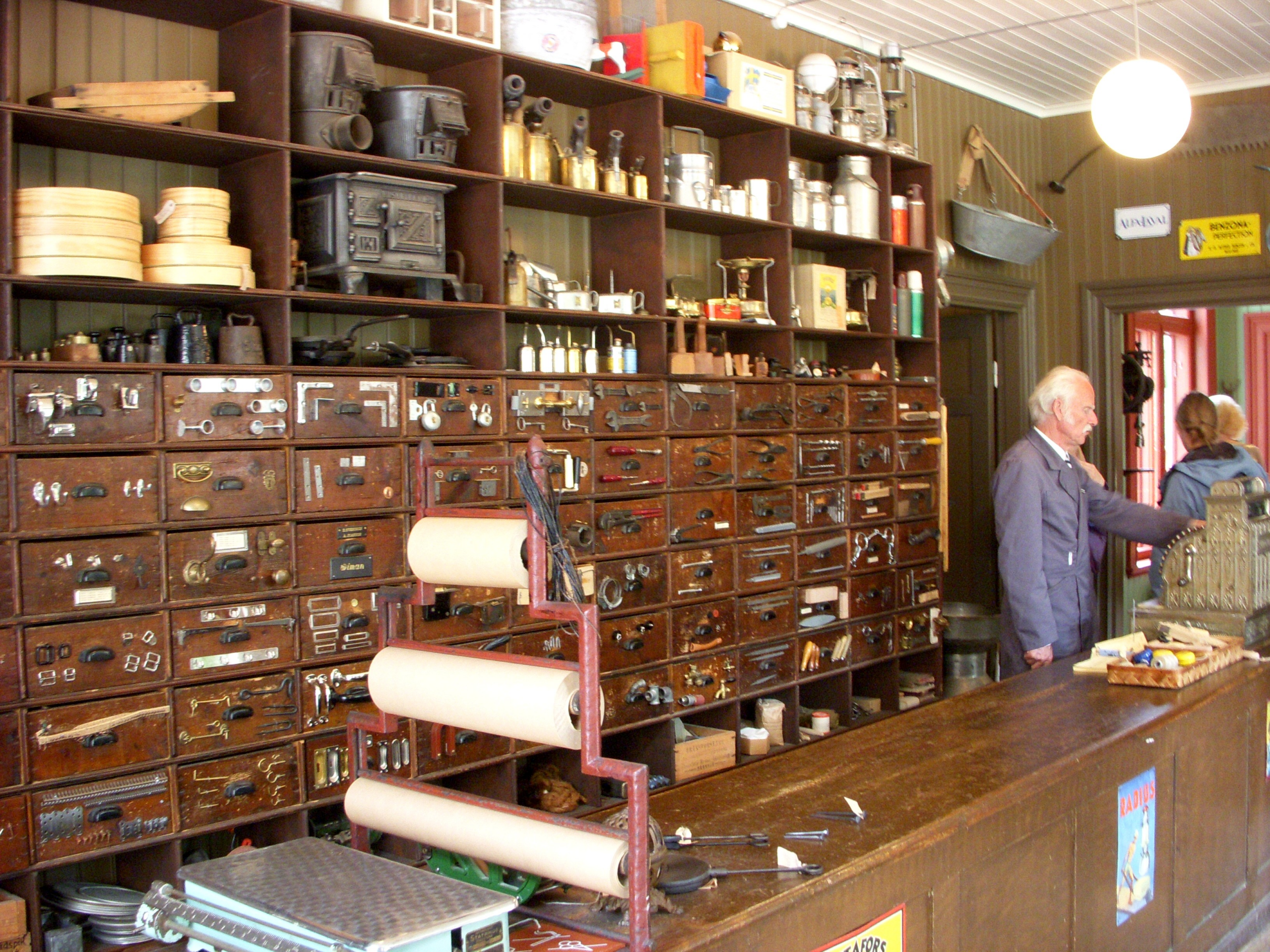
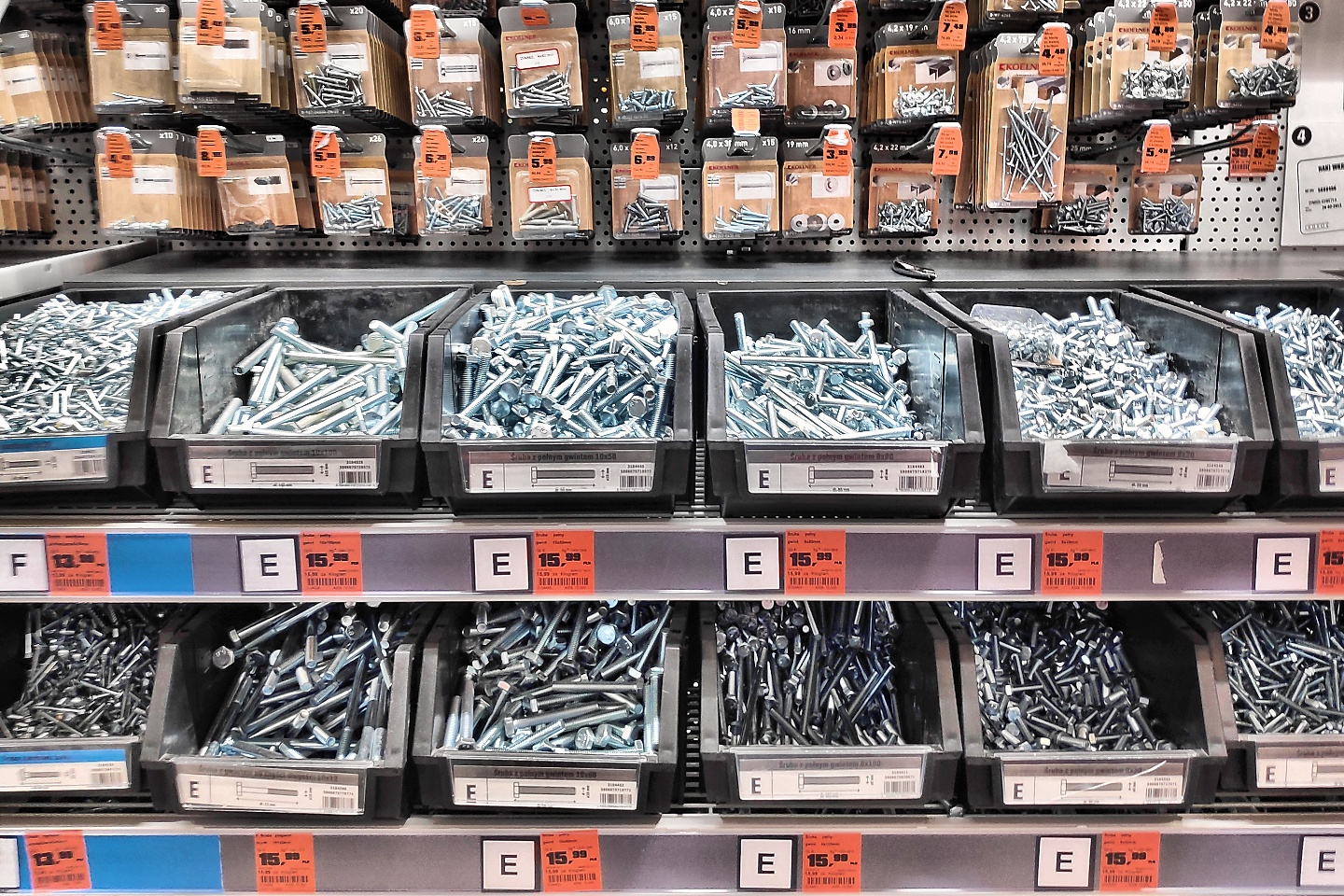
Nails, screws, and bolts were sold loose by the pound from bins. You scooped out just what you needed.
A hallmark of the old hardware store was the bins of loose fasteners, rows of compartments holding nails, screws, bolts, nuts, and washers in every size, sold by the pound or the piece. You scooped out exactly the number you needed into a little paper bag, and the clerk weighed it up. No buying a whole box for a single screw. The bins of loose nails and screws are a classic feature of the old hardware store, the buy-just-what-you-need system that let customers get the exact fasteners for their project and reflected the practical, no-waste spirit of the neighborhood shop.
Like our content? Follow us for more.
2. Narrow Aisles Packed to the Ceiling
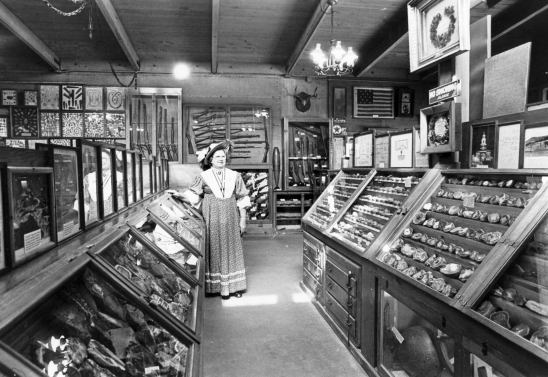
Tight aisles were crammed with merchandise up to the rafters. The store held an amazing amount of stuff.
The old hardware store was famously crammed, with narrow aisles winding between shelves packed to the ceiling with tools, parts, and gadgets of every description. The dense, almost overwhelming inventory meant the store seemed to stock everything, if you could find it, and a ladder was often needed to reach the top shelves. There was treasure in every corner. The narrow, packed aisles are a defining feature of the old hardware store, the crammed-to-the-rafters layout that held an astonishing variety of goods and made browsing the shop a treasure hunt for whatever obscure part or tool you needed.
3. The Key-Cutting Machine
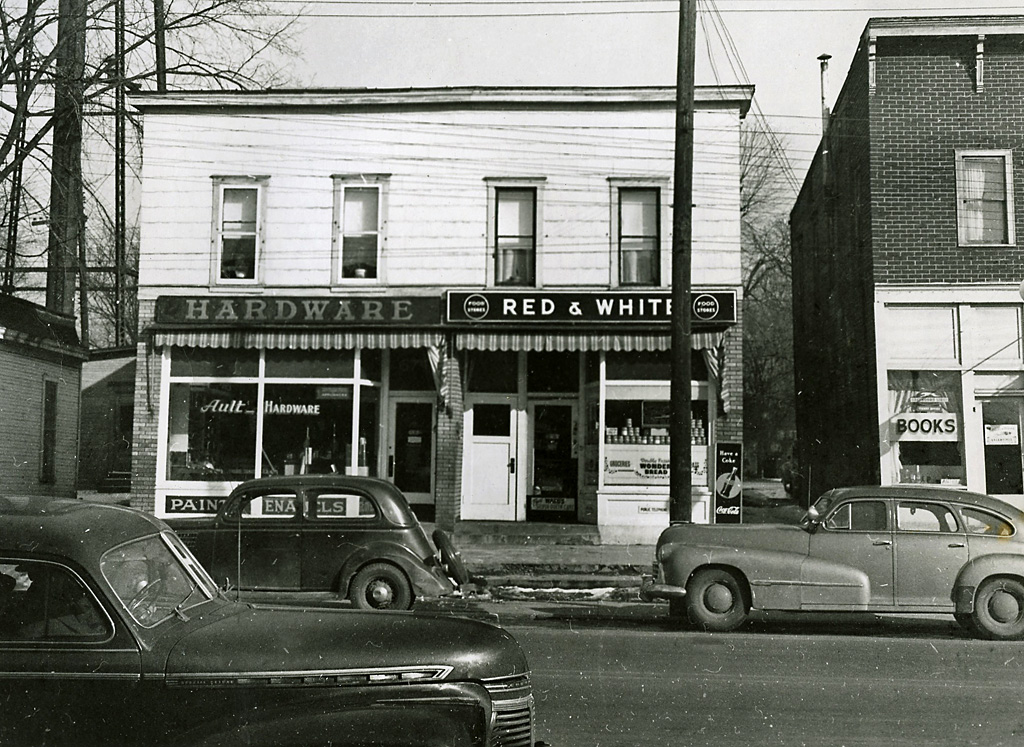
A key-cutting machine duplicated keys while you waited. It was a go-to service of the store.
A familiar fixture was the key-cutting machine, where the clerk clamped your key alongside a blank and ground out a duplicate while you waited, the rack of key blanks hanging on the wall behind. Getting a spare house or car key made was a common errand, and the whir of the machine was a signature sound. It was fast and handy. The key-cutting machine is a beloved feature of the old hardware store, the handy service that duplicated keys on the spot and made the neighborhood shop the go-to place for a spare set, one of the many small services that kept customers coming back.
4. The Knowledgeable Clerk
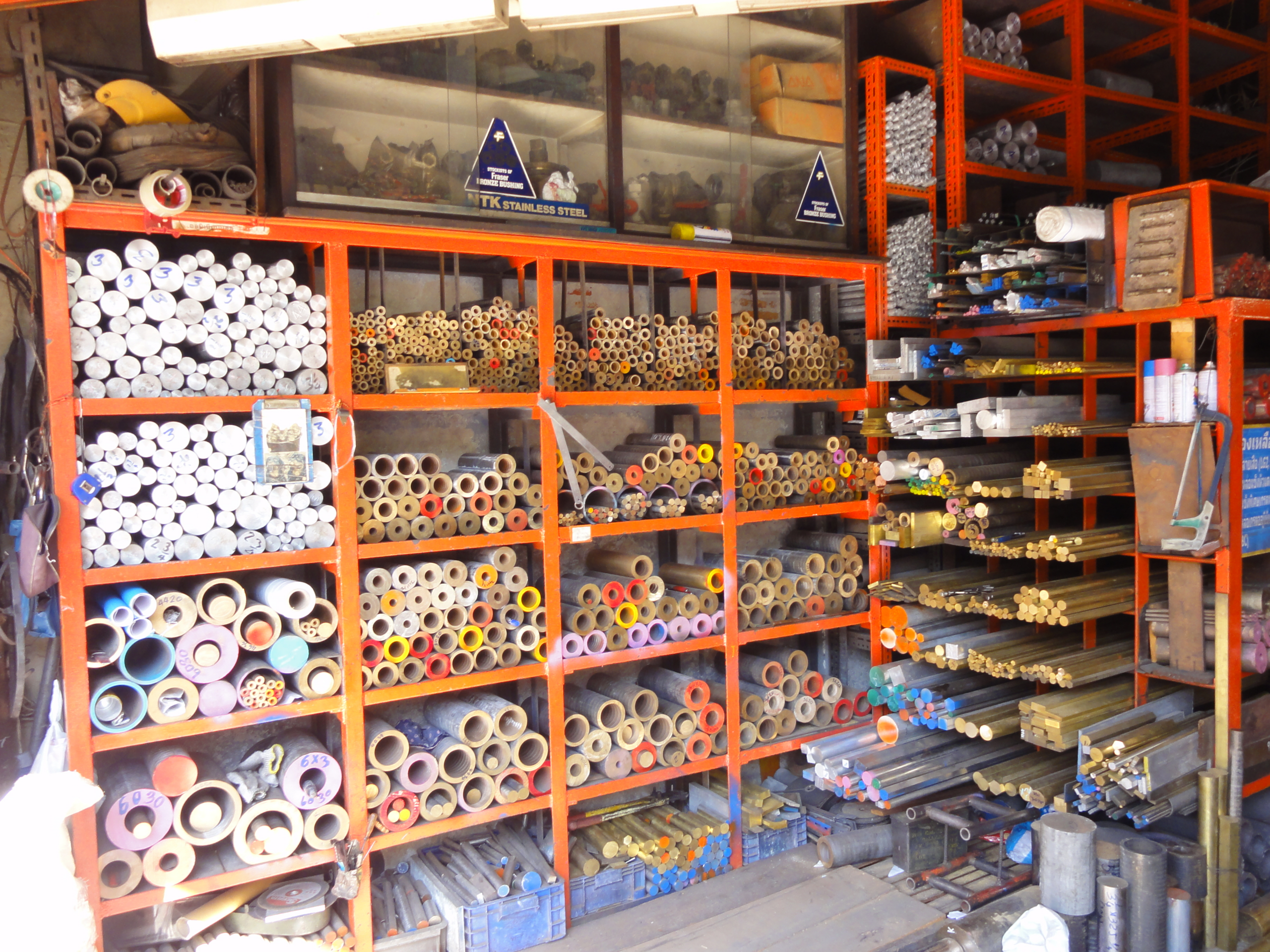
A clerk who knew tools and repairs offered expert advice. He could solve any household problem.
The heart of the old hardware store was the knowledgeable clerk, often the owner, who knew the inventory inside out and could advise on any project, recommend the right tool, diagnose a household problem, and explain exactly how to fix it. This expert, personal help was the store’s greatest asset, and customers trusted the clerk’s know-how completely. He had an answer for everything. The knowledgeable clerk is the soul of the old hardware store, the expert problem-solver whose hands-on advice and deep know-how guided countless repairs and projects and made the neighborhood shop a place of genuine service, not just sales.
5. The Smell of Sawdust, Oil, and Rubber
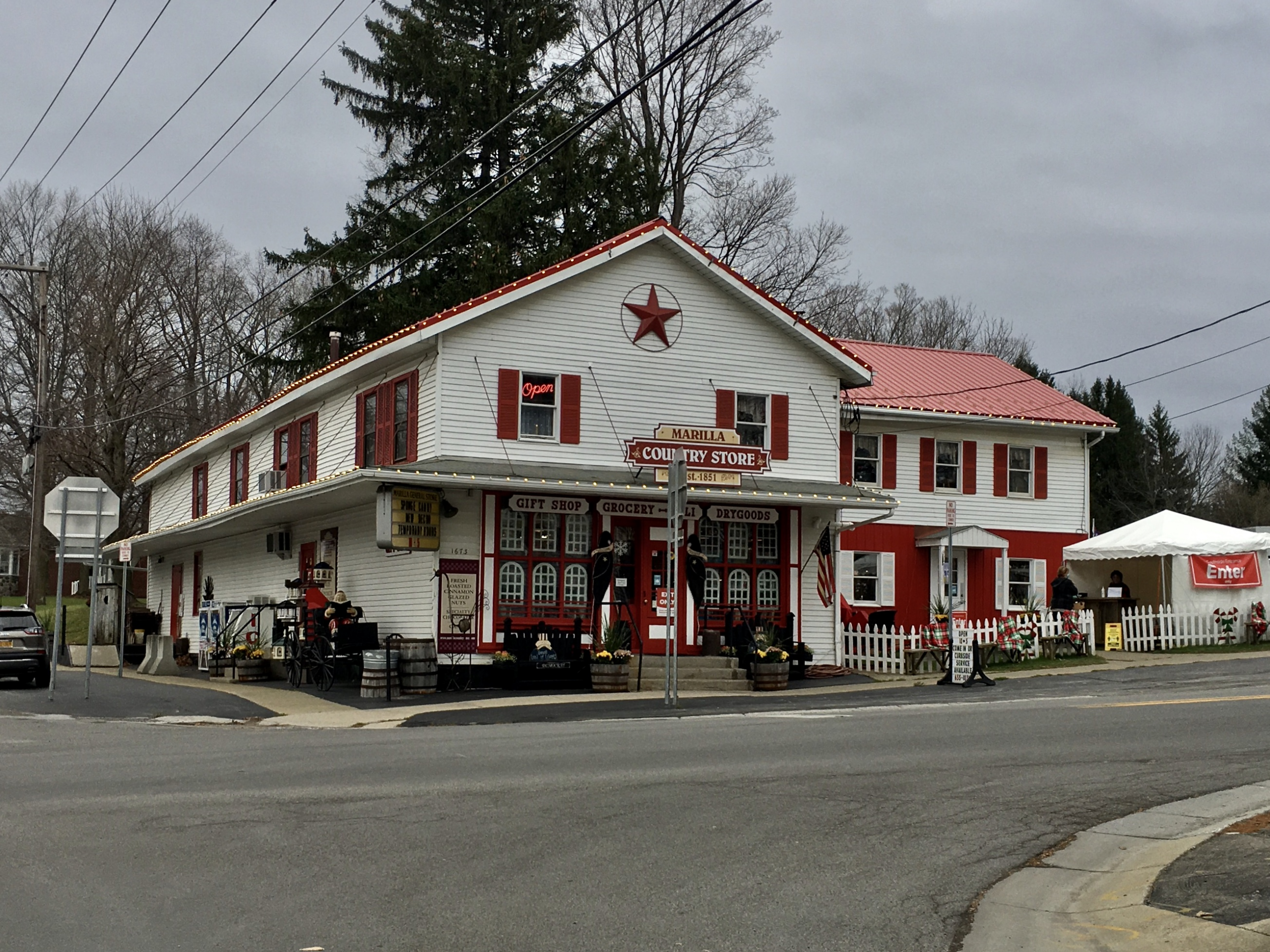
The store had a distinctive smell of wood, oil, and metal. It was the scent of fixing things.
The old hardware store had a distinctive smell, a mix of sawdust, machine oil, rubber, fertilizer, and metal that hit you the moment you walked in. That earthy, industrious aroma was the scent of fixing and building things, and it lingered in memory long after. It was the smell of the workshop and the project. The smell of sawdust, oil, and rubber is an evocative feature of the old hardware store, the distinctive aroma that instantly transports anyone who shopped there back to the crowded aisles and captures the hands-on, get-it-done spirit of the place.
6. The Paint Mixing Station
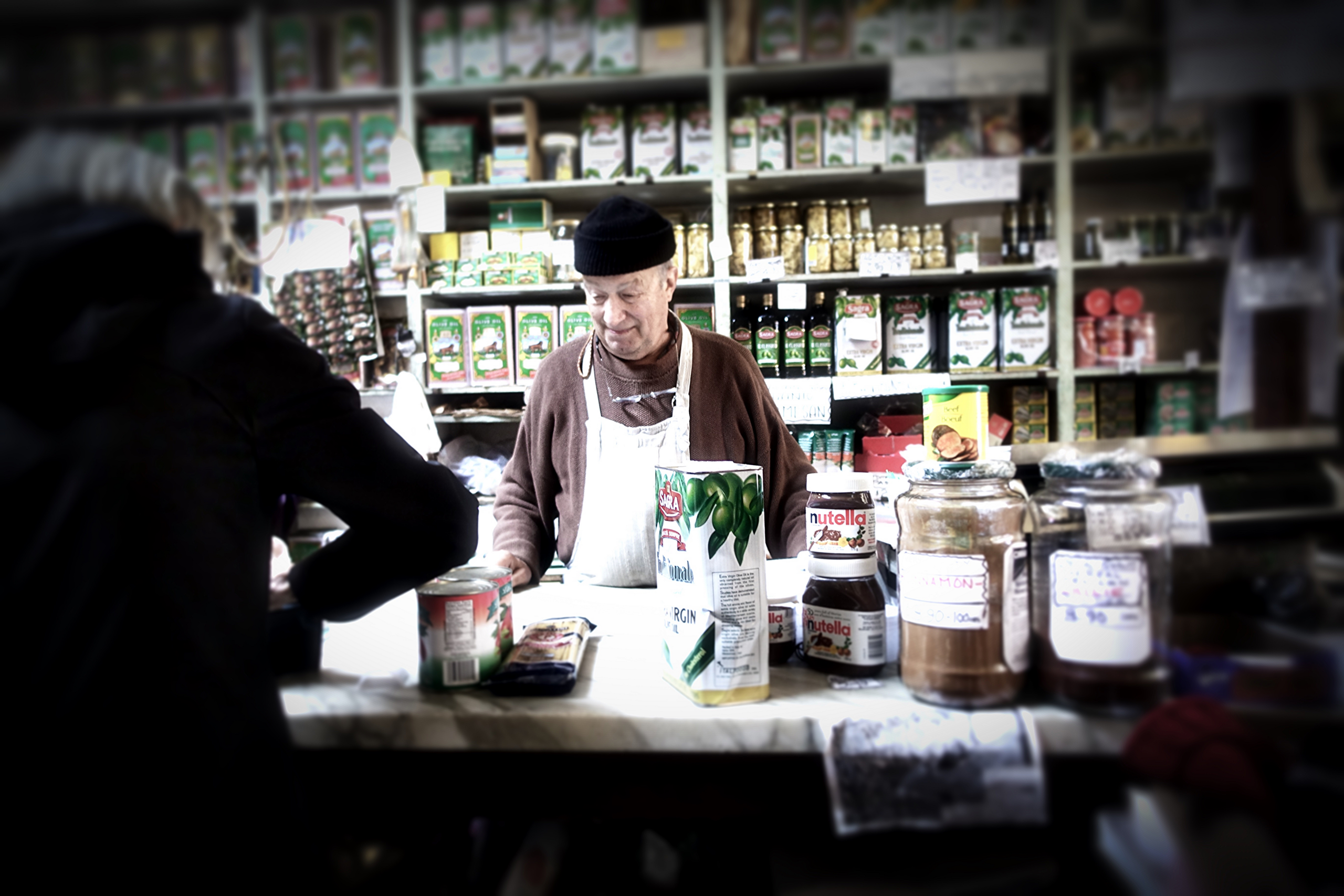
Paint was mixed and shaken to the customer’s chosen color. The shaker rattled the can to blend it.
The hardware store had a paint section with racks of color chips, where the clerk would mix a custom shade and then clamp the can into a paint shaker that rattled and shook it to blend the color thoroughly. Choosing a color from the chips and watching the can get shaken was part of any painting project. The fresh paint was ready to go. The paint mixing station is a classic feature of the old hardware store, the color-matching and can-shaking service that helped customers tackle their painting projects and added the rattling shake of the mixer to the familiar sounds of the shop.
7. The Tool Wall
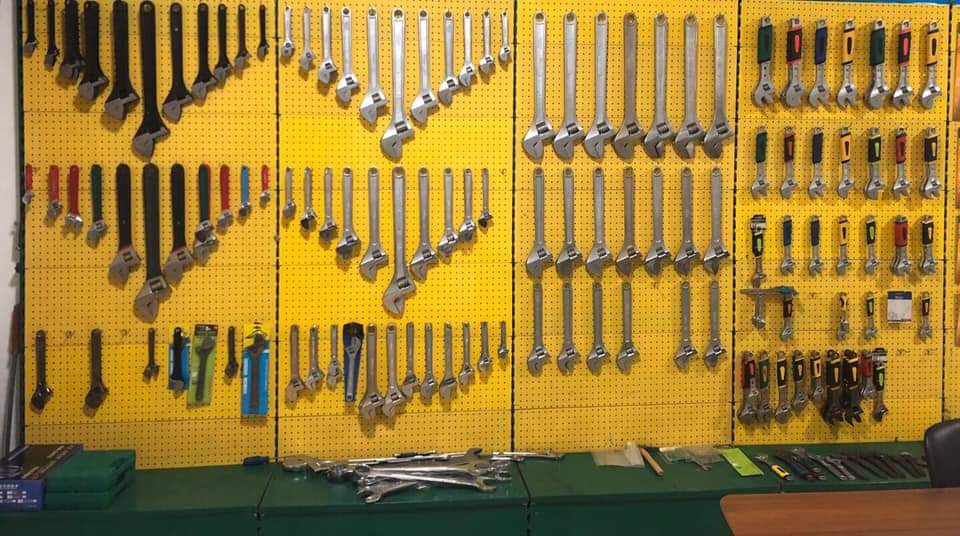
A wall of hammers, saws, and tools displayed the trade. It was a handy person’s dream.
A glorious sight in the old hardware store was the tool wall, an array of hammers, saws, wrenches, screwdrivers, pliers, and every other implement hung in neat rows for browsing. For handy folks, it was a dream display, full of quality tools built to last a lifetime. Picking out the right tool for the job was a real pleasure. The tool wall is a beloved feature of the old hardware store, the impressive display of quality tools that delighted handy customers and reflected an era when tools were chosen carefully and expected to last for decades of use.
8. The Plumbing and Electrical Parts
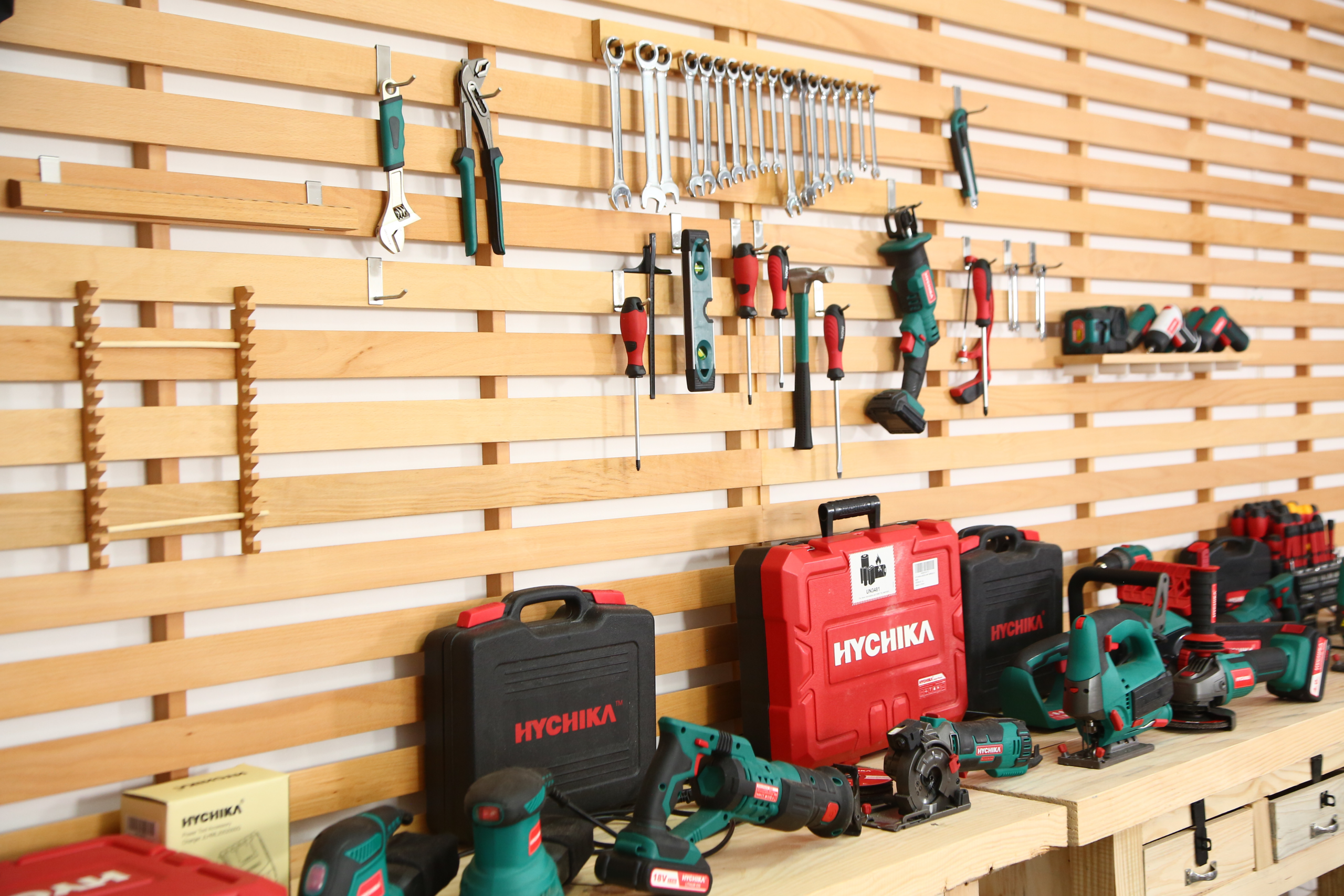
Bins held washers, fittings, fuses, and parts for repairs. The store had the exact piece you needed.
The hardware store stocked a deep inventory of plumbing and electrical parts, washers, fittings, valves, fuses, switches, and the small components needed for home repairs. The clerk could match the worn-out washer or odd fitting you brought in, sending you home with the exact piece to fix a leaky faucet or a dead outlet. The store saved many a repair. The plumbing and electrical parts are a practical feature of the old hardware store, the deep stock of small components that made the shop the place to find the exact part for any home repair and kept countless households’ faucets, fixtures, and wiring working.
9. The Seasonal Goods
The store stocked seasonal items as the year turned. From garden seeds to snow shovels, it kept up.
The hardware store changed with the seasons, stocking garden seeds, tools, and fertilizer in spring; sprinklers and screens in summer; rakes in fall; and snow shovels, ice melt, and sleds in winter. The shifting seasonal goods reflected the rhythms of home and yard work through the year. There was always something timely on display. The seasonal goods are a familiar feature of the old hardware store, the rotating stock of garden, lawn, and weather supplies that kept pace with the year and made the neighborhood shop the go-to source for whatever the season’s chores and projects required.
10. The Houseware and Kitchen Gadgets
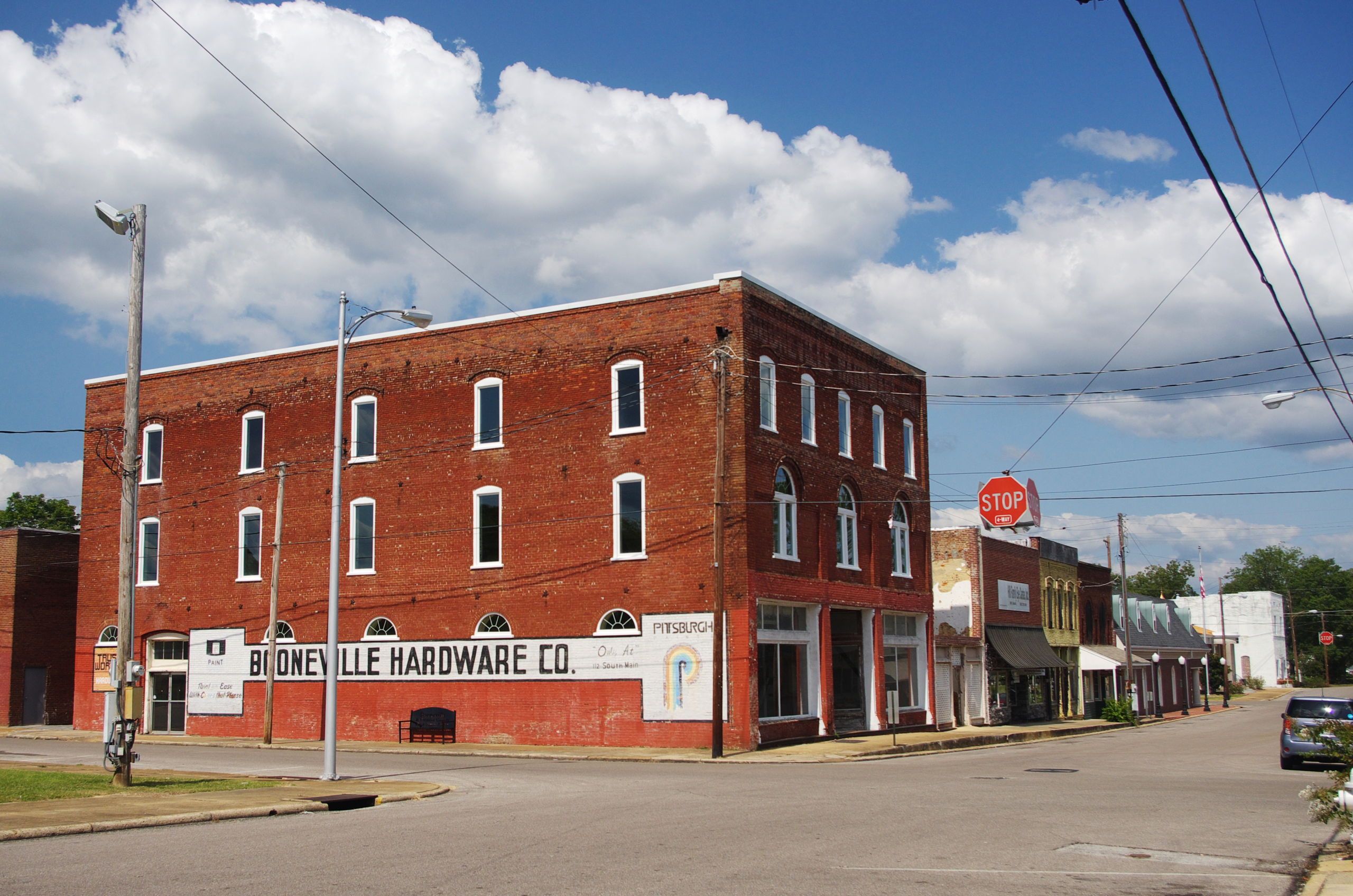
The store carried housewares, gadgets, and odds and ends. It was more than just tools.
Beyond tools and parts, the old hardware store often carried housewares and kitchen gadgets, pots and pans, can openers, light bulbs, brooms, mousetraps, and all manner of household odds and ends. This made the store a handy stop for far more than repairs, and you never quite knew what useful item you might find. It stocked a bit of everything. The housewares and kitchen gadgets are a charming feature of the old hardware store, the array of household goods beyond the tools that made the shop a versatile neighborhood resource and ensured customers could pick up everyday necessities along with their nails and screws.
11. The Glass Display Cases
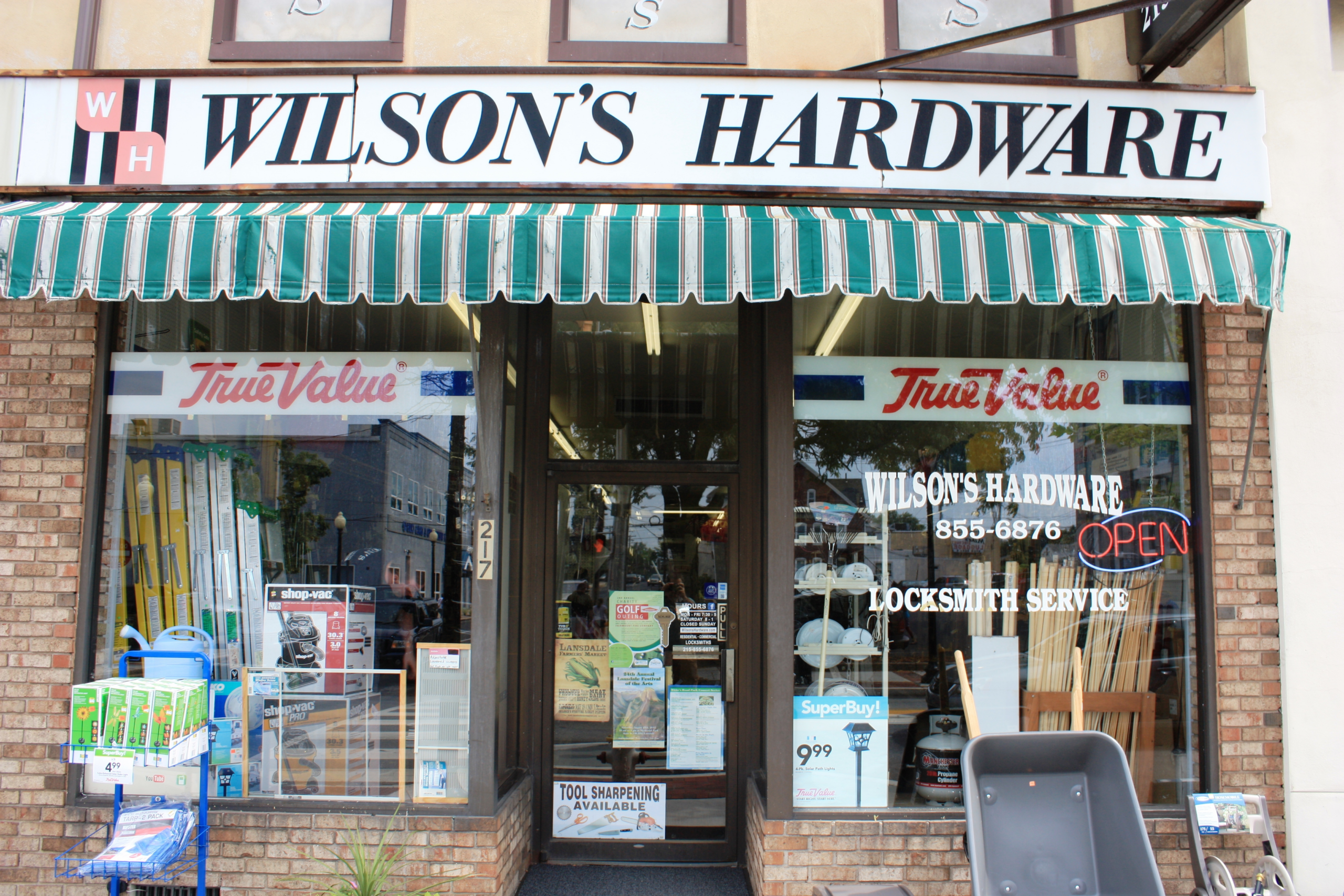
Glass cases held pocketknives, gadgets, and small treasures. They invited a closer look.
Near the counter, the hardware store often had glass display cases holding the smaller, finer items, pocketknives, precision tools, gadgets, and specialty hardware, kept secure and on view. Browsing the cases and asking the clerk to take out an item for a closer look was part of the experience. They held the store’s little treasures. The glass display cases are a nice detail of the old hardware store, the cases of pocketknives and fine tools that invited a closer look and added a touch of specialness to the shopping trip, showcasing the quality goods the shop took pride in stocking.
12. The Wooden Floors and Counter
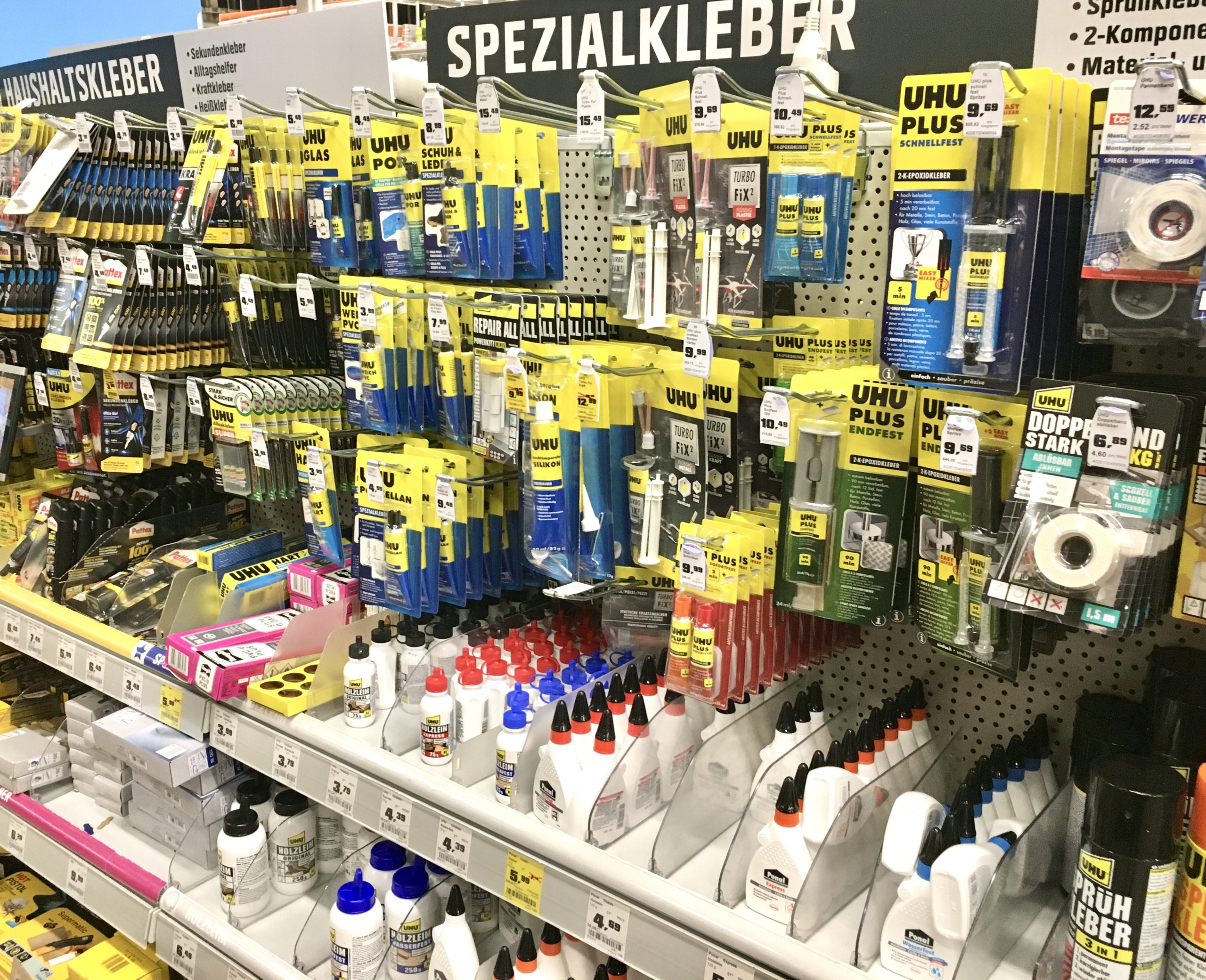
Worn wooden floors creaked underfoot near the old counter. The shop had a well-used, homey feel.
The old hardware store often had wooden floors, worn and creaky from years of foot traffic, and an old wooden counter where the clerk rang up sales and dispensed advice. The well-used surfaces gave the shop a homey, lived-in character that the sleek chains never matched. The creak of the floor was part of its charm. The wooden floors and counter are a fond detail of the old hardware store, the worn, homey surfaces that gave the neighborhood shop its character and reflected its long history of service to generations of customers and their household projects.
13. The Free Advice and How-To Help
The store offered free advice on how to do any job. The help was worth as much as the parts.
Perhaps the most valuable thing the old hardware store offered was free advice, the clerk patiently explaining how to tackle a repair, which tool to use, and how to avoid common mistakes, often sketching out the steps right there at the counter. This how-to help, given freely and expertly, was worth as much as anything on the shelves. It turned customers into confident do-it-yourselfers. The free advice and how-to help are the crowning feature of the old hardware store, the generous, expert guidance that empowered customers to fix and build things themselves and made the neighborhood shop an invaluable community resource far beyond the goods it sold.
A Handy Person’s Paradise
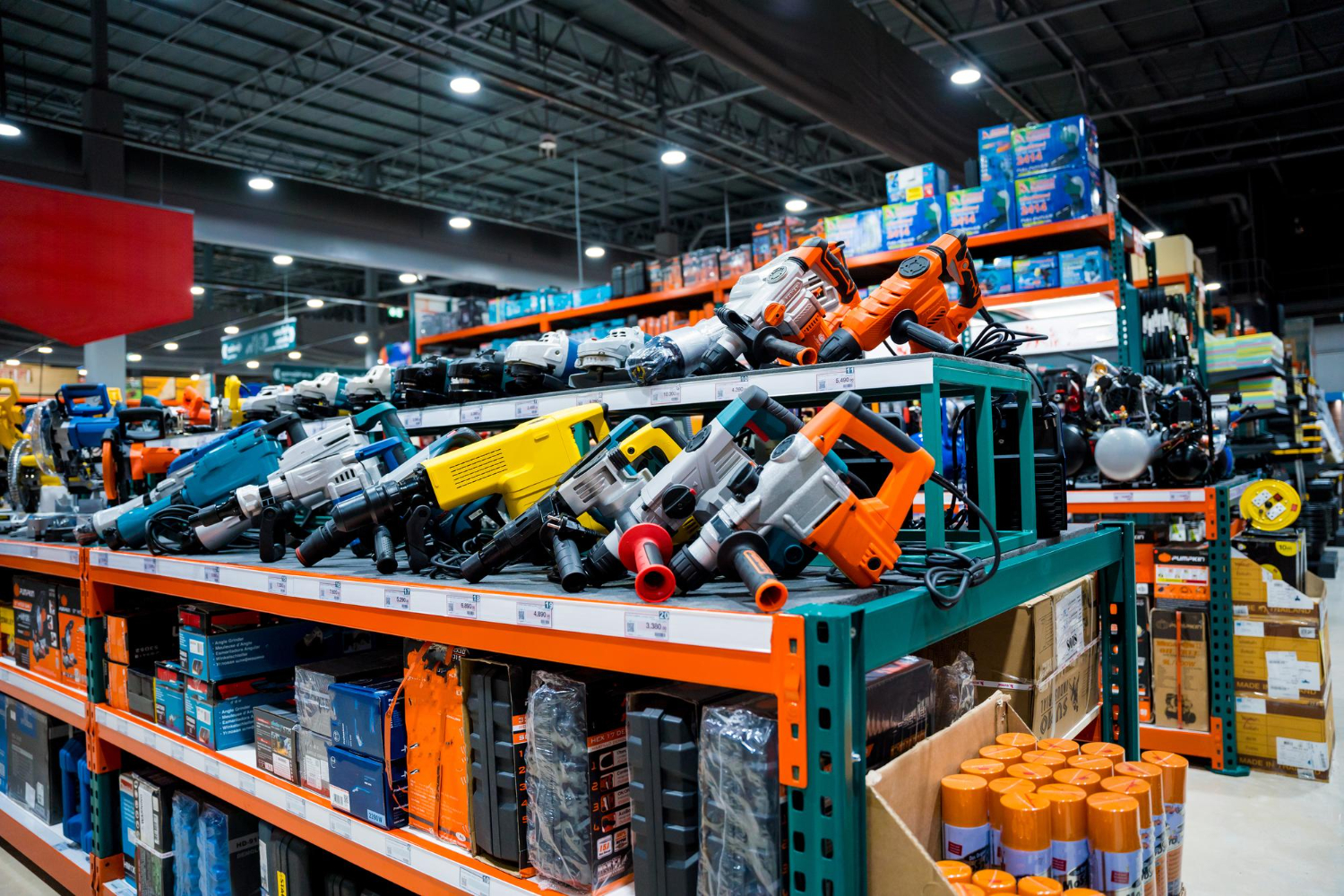
Taken together, these thirteen things capture the appeal of the old neighborhood hardware store, from the bins of loose nails and the key-cutting machine to the knowledgeable clerk, the tool wall, and the free how-to advice. It was a handy person’s paradise, a crammed, characterful shop where you could find any part and get the help to use it.
The rise of big-box home-improvement warehouses, with their vast selection and low prices, led many small family-run hardware stores to close, ending an era of personal, expert service. Yet the old hardware store holds a warm place in memory, the crammed aisles, the loose-nail bins, the helpful clerk who could fix anything. For those who remember it, these details bring it all back. Looking back at the old neighborhood hardware store is a fond tribute to a handy person’s paradise, where the right part and the right advice were always close at hand.
Like our content? Follow us for more.