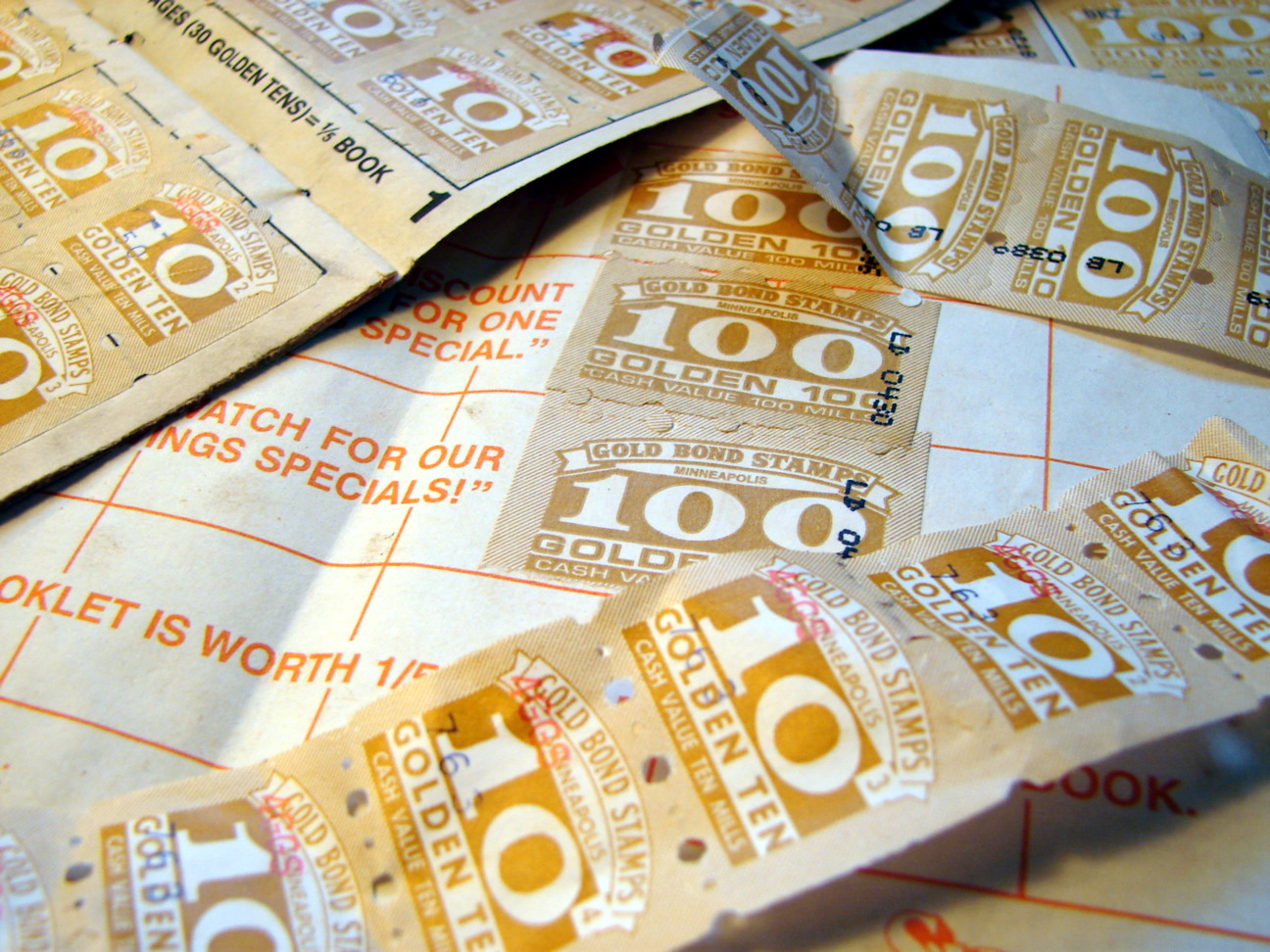
For decades, American shoppers were rewarded for their loyalty with trading stamps, little adhesive stamps handed out at grocery stores, gas stations, and other shops based on how much you spent. Families saved them, pasted them into collector books, and redeemed full books for merchandise from a catalog or a special redemption store. It was an early loyalty-rewards program and a household ritual rolled into one, complete with the tedious-but-satisfying task of sticking in the stamps. As shopping changed, trading stamps faded away, leaving a wave of nostalgia. Here are twelve things everyone remembers about collecting trading stamps, counted down one by one.
1. Getting Stamps at the Checkout
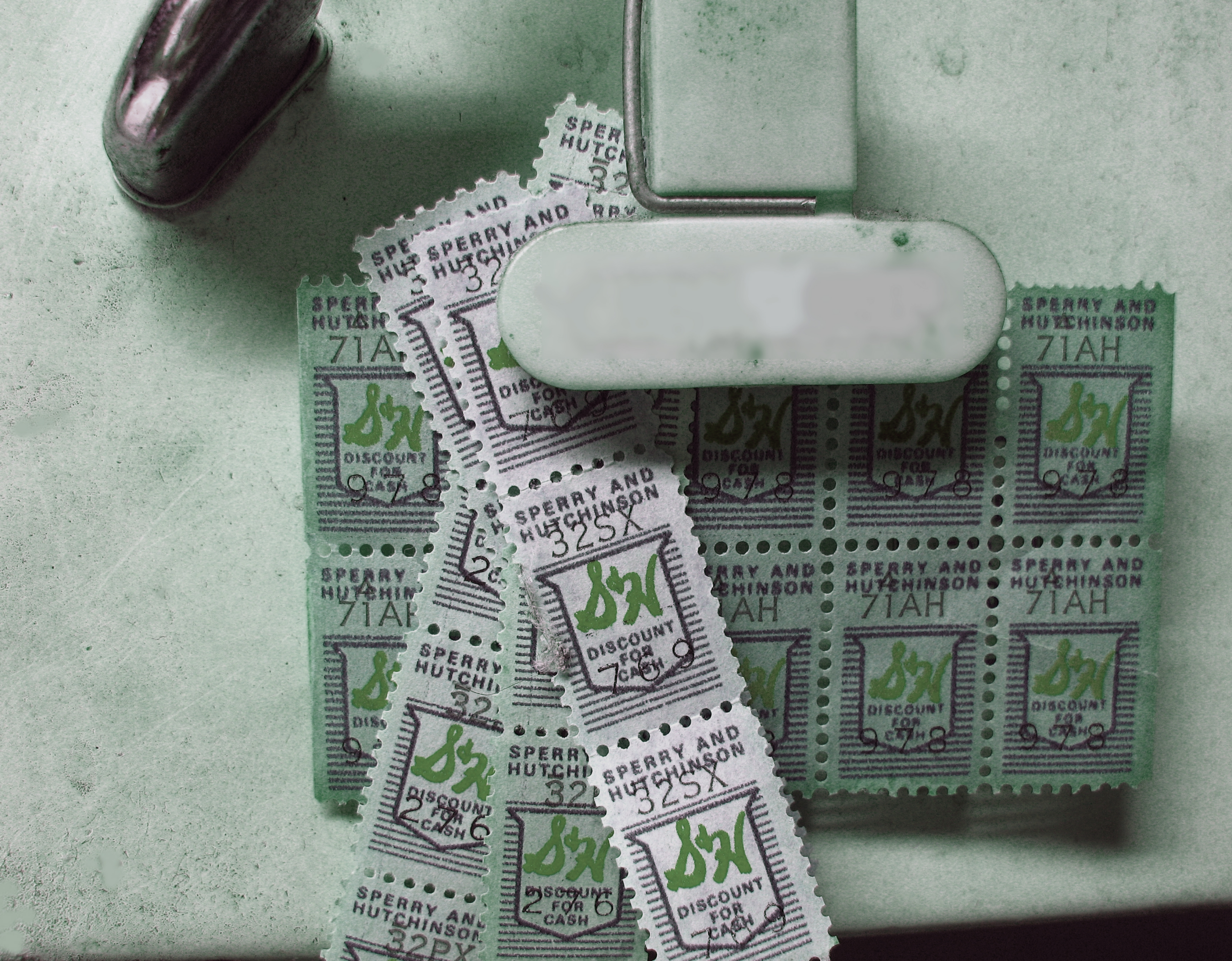
Cashiers handed out stamps based on how much you spent. They came off a big roll at the register.
The whole ritual began at the checkout, where the cashier tore off a strip of trading stamps from a big roll and handed them over based on the amount of your purchase, often one stamp for every dime spent. Grocery stores, gas stations, and other shops gave them out to reward loyalty. Collecting your stamps was the satisfying finish to every shopping trip. Getting stamps at the checkout is the starting point of the trading-stamp ritual, the reward handed out with every purchase that turned ordinary shopping into a chance to build toward something and made the strip of stamps a familiar part of the grocery run.
Like our content? Follow us for more.
2. Licking and Sticking Them in Books
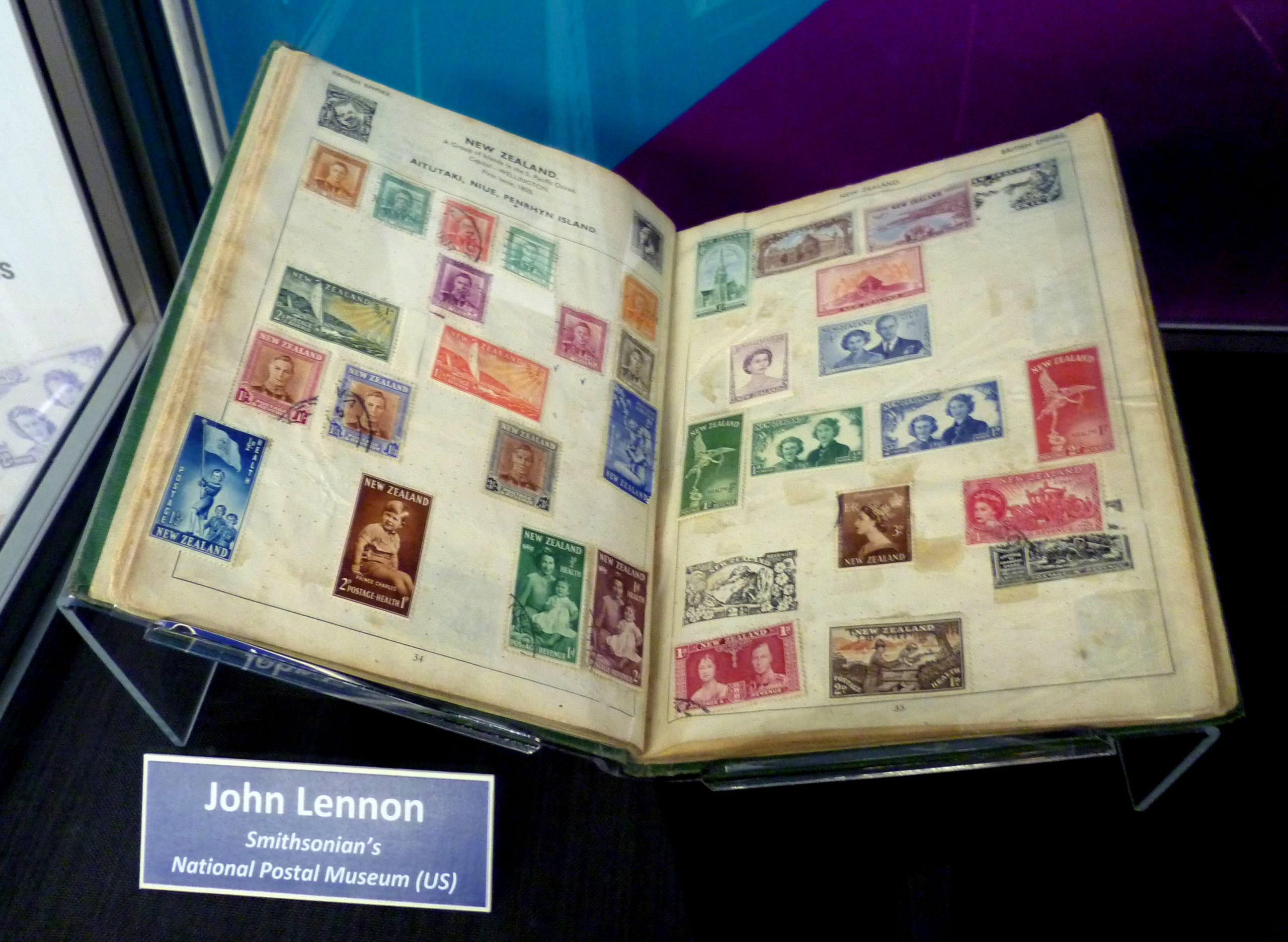
Stamps had to be licked and pasted into collector books. Filling a book was a tedious labor of love.
The defining chore of the trading-stamp era was licking and sticking the stamps into special collector books, page after page of little squares to fill. The stamps had a gummed back you moistened, often with a wet sponge or, less pleasantly, your tongue, before pressing them in. Filling a book was tedious but satisfying. Licking and sticking the stamps into books is the most-remembered part of the trading-stamp experience, the painstaking labor of pasting in stamp after stamp that families often did together at the kitchen table, slowly filling the books toward a coveted reward.
3. The Redemption Catalog
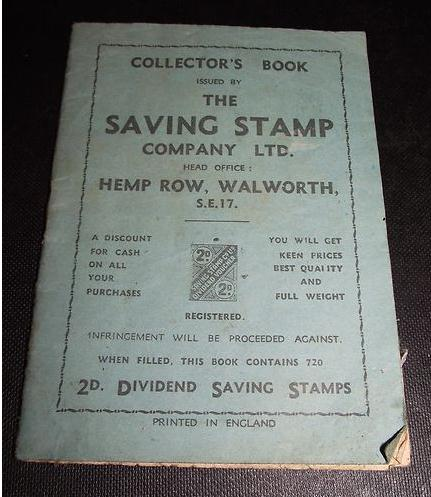
A catalog showed all the goods you could redeem stamps for. Browsing it was a favorite pastime.
Each stamp company published a redemption catalog, a wish book showing all the merchandise you could get in exchange for filled books of stamps, from toasters and lamps to toys, tools, and furniture. Families pored over the catalog, dreaming about what to save for and calculating how many books they’d need. The catalog fueled the whole pursuit. The redemption catalog is a beloved feature of the trading-stamp era, the wish book of “free” merchandise that gave families a goal to save toward and made browsing its pages, dreaming of the next reward, a favorite household pastime.
4. Saving Up for a “Free” Prize
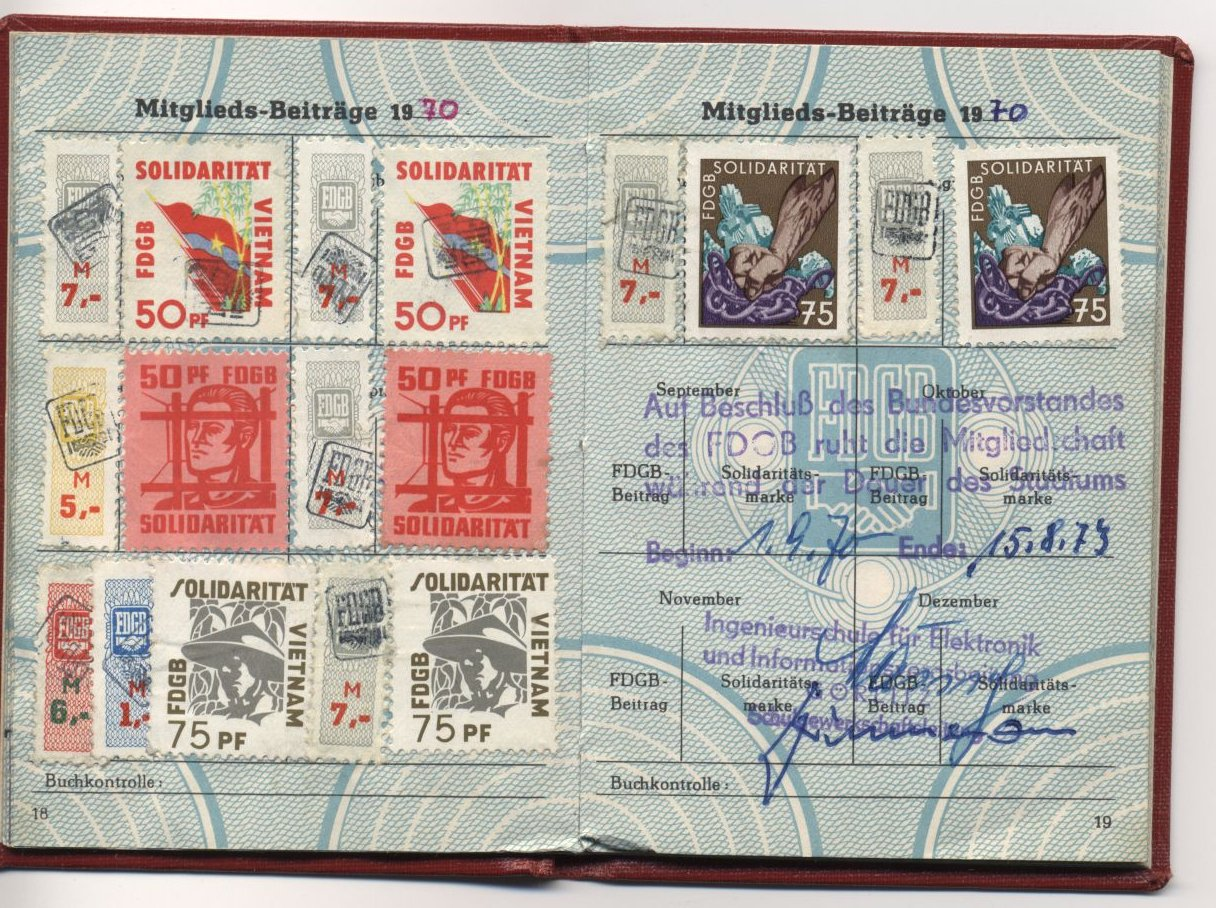
Families saved books toward a desired item. The reward felt free, even though it took effort.
The goal of all that collecting was to save up enough filled books to redeem for a desired prize, a small appliance, a toy, or a household item that felt wonderfully “free,” even though it had taken many shopping trips and much licking and sticking to earn. Reaching the goal and claiming the reward was deeply satisfying. The prize felt like a gift. Saving up for a “free” prize is the heart of the trading-stamp ritual, the rewarding goal that motivated all the collecting and pasting and delivered the satisfying payoff of merchandise that felt like a bonus for shopping the family was already doing.
5. The Redemption Store
Special stores let you exchange filled books for goods in person. A trip there was the exciting payoff.
Many stamp companies operated redemption stores or centers, where you could bring your filled books and exchange them in person for the merchandise on display, rather than ordering from the catalog. A trip to the redemption store to claim your hard-earned reward was an exciting outing, with shelves of goods to choose from. Seeing the prizes in person made it even better. The redemption store is a fondly remembered feature of the trading-stamp era, the special shop where families exchanged their filled books for goods and which made claiming a reward a tangible, exciting destination at the end of all the collecting.
6. The Whole Family Pitching In
Everyone helped lick, stick, and sort the stamps. It was a shared household project.
Collecting trading stamps was often a family affair, with parents and kids gathered around the table to lick, stick, and sort the stamps into books. Children were frequently enlisted for the sticky task, and the shared effort, however tedious, turned saving stamps into a household project everyone took part in. Many hands made the books fill faster. The whole family pitching in is a warm memory of the trading-stamp era, the shared household project of pasting stamps into books that brought families together at the table and made everyone a stakeholder in the eventual reward.
7. The Competition Among Stamp Brands
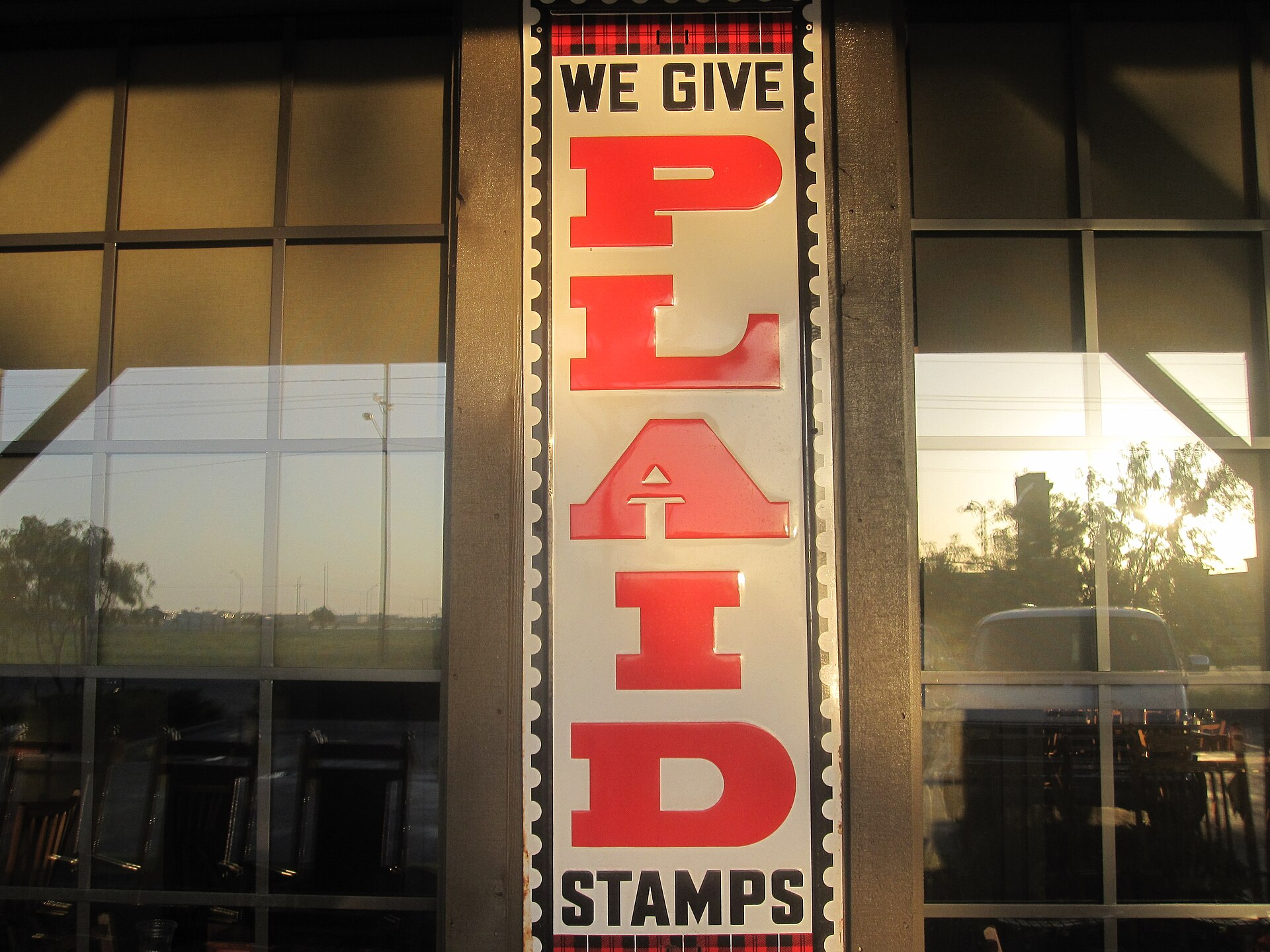
Different stores offered different brands of stamps. Loyal shoppers stuck with their favorite.
There were competing brands of trading stamps, each in its own color, offered by different stores and chains. Shoppers often chose where to shop partly based on which stamps a store gave out, staying loyal to the brand they were collecting so their books would all match. The rivalry among stamp companies was fierce. The competition among stamp brands is a notable feature of the trading-stamp era, the rival programs that competed for shoppers’ loyalty and influenced where families chose to shop, all to keep collecting the particular stamps they were saving toward a reward.
8. The Sticky Fingers and Dry Tongues
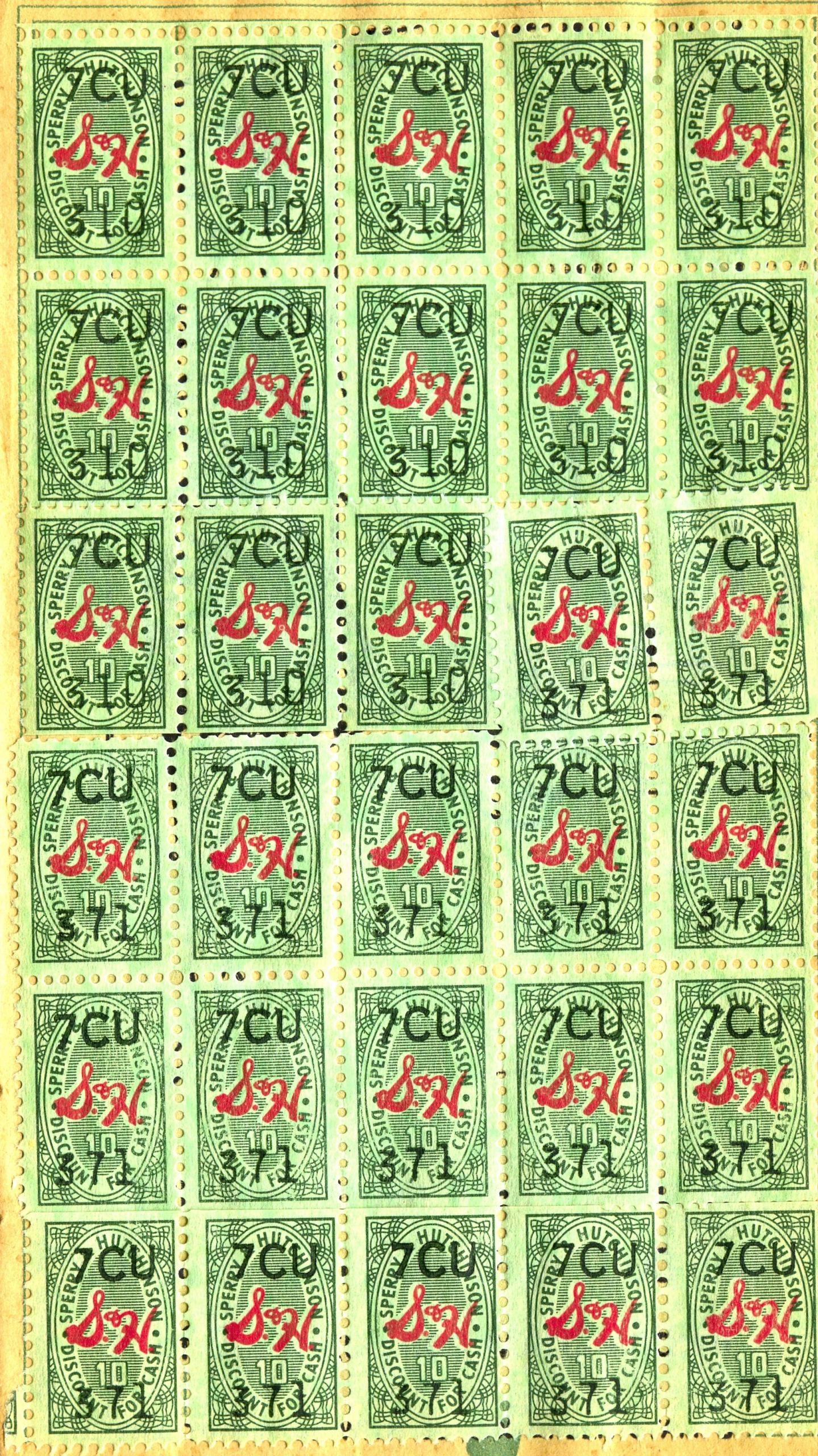
All that licking left sticky fingers and dry tongues. It was the unglamorous side of saving.
The less glamorous side of stamp collecting was the physical toll of all that licking, sticky fingers, a dry tongue, and the faintly unpleasant taste of the stamp adhesive. Wetting a sponge helped, but plenty of stamps got the tongue treatment. It was a small price to pay for the rewards, but everyone who did it remembers the taste. The sticky fingers and dry tongues are a vivid, slightly comical memory of the trading-stamp era, the unglamorous physical reality of pasting in hundreds of stamps that anyone who collected them recalls, adhesive taste and all.
9. The Stamps Stashed in a Drawer
Loose stamps piled up in drawers and jars awaiting pasting. Many never made it into the books.
Keeping up with the stamps was a challenge, and loose, un-pasted stamps tended to pile up in kitchen drawers, jars, and shoeboxes, waiting for someone to get around to sticking them in. Many families had a stash of stamps they never quite finished pasting, found loose for years afterward. The backlog was a familiar sight. The stamps stashed in a drawer are a relatable memory of the trading-stamp era, the loose stamps that accumulated faster than anyone could paste them and the household stash that lingered, a reminder of good intentions and the endless task of filling the books.
10. The Math of How Many Books You Needed
Families calculated how many books a prize required. Reaching the total took planning and patience.
Part of the fun was the math, figuring out how many filled books a desired prize required and how long it would take to collect that many. Families tracked their progress, calculated their shopping, and exercised patience as the books slowly added up toward the goal. Reaching the target took real planning. The math of how many books you needed is a characteristic part of the trading-stamp experience, the planning and calculating that went into saving toward a reward and the patience required to collect, paste, and fill enough books to claim the prize you had your eye on.
11. The Loyalty-Reward Concept
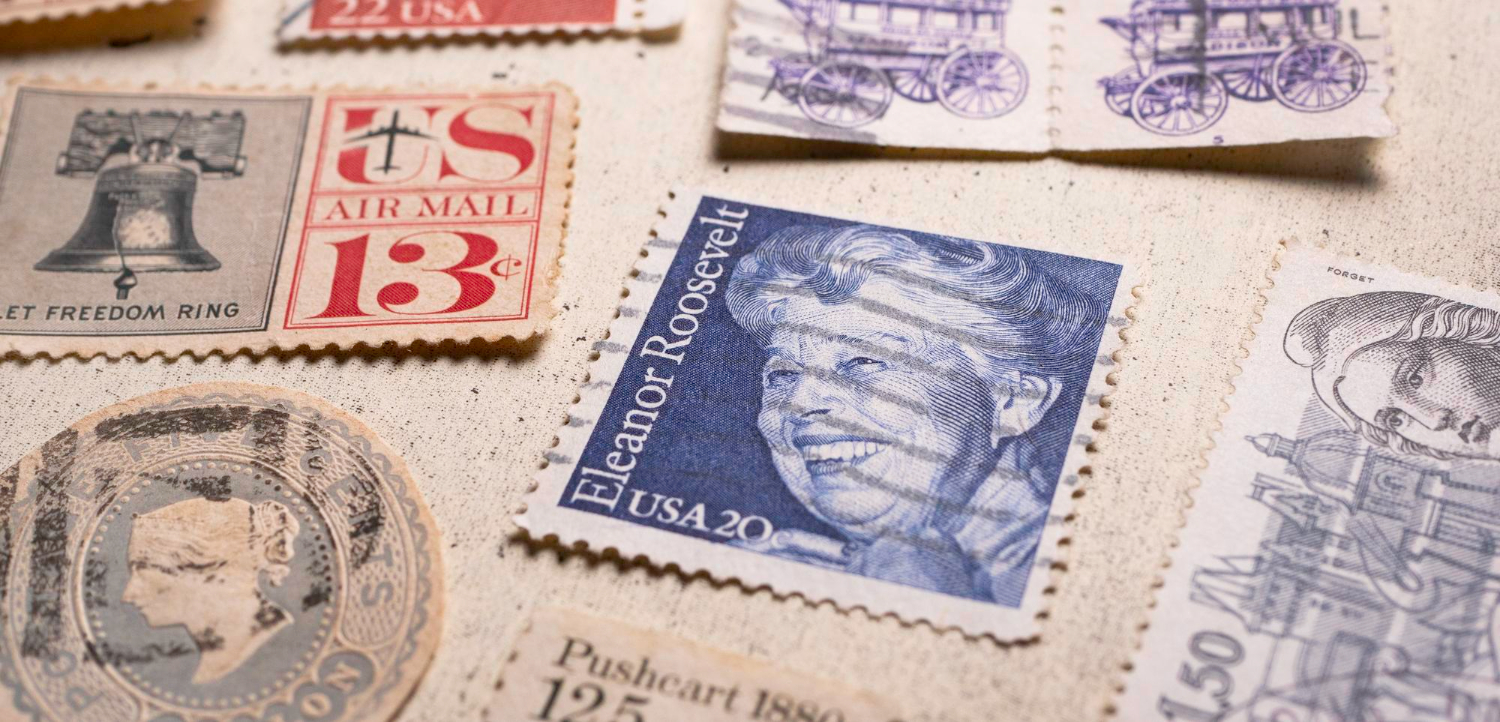
Trading stamps were an early customer-loyalty program. They pioneered rewarding repeat shoppers.
In hindsight, trading stamps were an early form of the customer-loyalty rewards we know today, rewarding repeat shoppers with points, in the form of stamps, that could be redeemed for merchandise. The concept of earning rewards for loyalty, now familiar from points cards and apps, was pioneered by these humble stamps. They were ahead of their time. The loyalty-reward concept is an interesting legacy of the trading-stamp era, the early rewards-for-shopping idea that foreshadowed today’s loyalty programs and shows how the simple trading stamp pioneered a marketing concept that remains everywhere in modern retail.
12. The Satisfaction of a Full Book
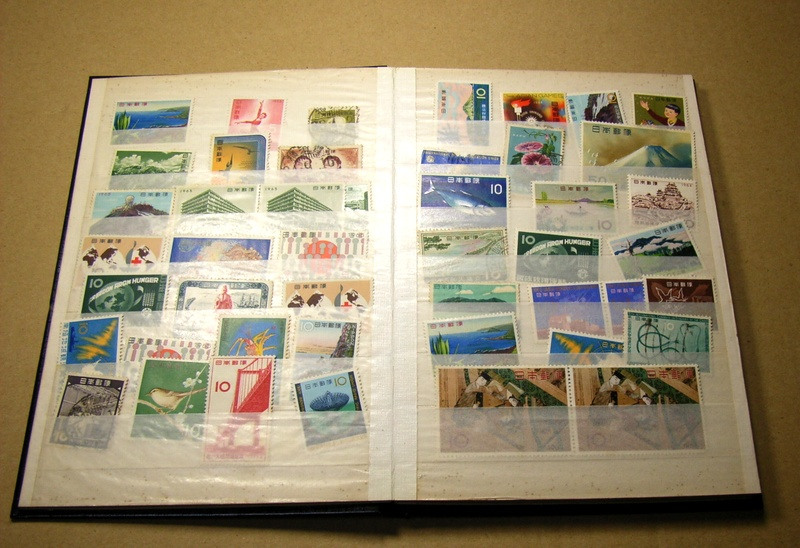
Completing a book of stamps was deeply satisfying. The finished books were a small triumph.
After all the licking, sticking, and saving, there was a real satisfaction in completing a book, every page filled, every square stamped, ready to be redeemed. Stacking up the finished books and knowing you were closer to your prize was a small but genuine triumph. The full book represented effort rewarded. The satisfaction of a full book is the quiet reward of the trading-stamp ritual, the sense of accomplishment that came with filling every page and the tangible proof of patience and loyalty that brought a coveted prize within reach, one completed book at a time.
A Sticky, Satisfying Ritual
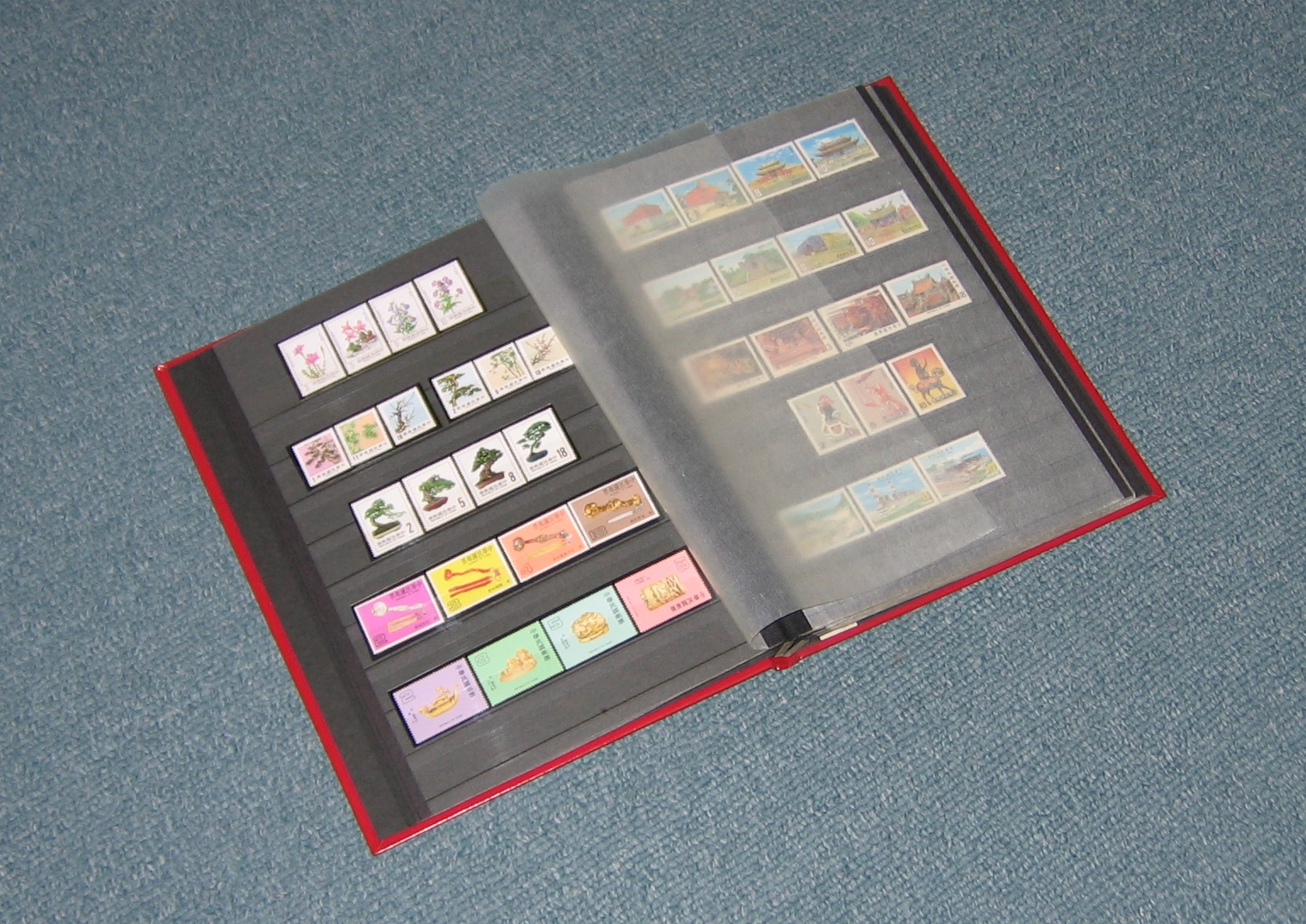
Taken together, these twelve things capture the beloved ritual of collecting trading stamps, from getting them at the checkout and licking them into books to poring over the redemption catalog and claiming a “free” prize. It was a sticky, satisfying household tradition, an early loyalty program that turned everyday shopping into a long-term treasure hunt.
Changing shopping habits, the rise of discount stores, and new forms of marketing gradually brought the era of trading stamps to a close, ending a chapter of household life built around saver books and redemption catalogs. Yet the memory remains vivid for those who collected them, the licking and sticking, the family table sessions, the dream of a “free” reward. For those who saved them, these details bring it all back. Looking back at collecting trading stamps is a fond tribute to a sticky, satisfying ritual that rewarded loyalty and brought families together around the kitchen table.
Like our content? Follow us for more.