
After years of surging visitor numbers, many of the world’s most popular destinations are pushing back against overtourism in 2026. Governments and cities are rolling out entry fees, visitor caps, cruise levies, and rental crackdowns to ease the strain on infrastructure, housing, and heritage sites, reshaping how, and how affordably, travelers can visit. For anyone planning a trip, knowing about these measures is now part of smart travel planning. Here are ten popular destinations cracking down on tourists in 2026, counted down one by one. (Details reflect the situation as of mid-2026 and change often; always confirm current rules and fees before booking.)
1. Venice, Italy
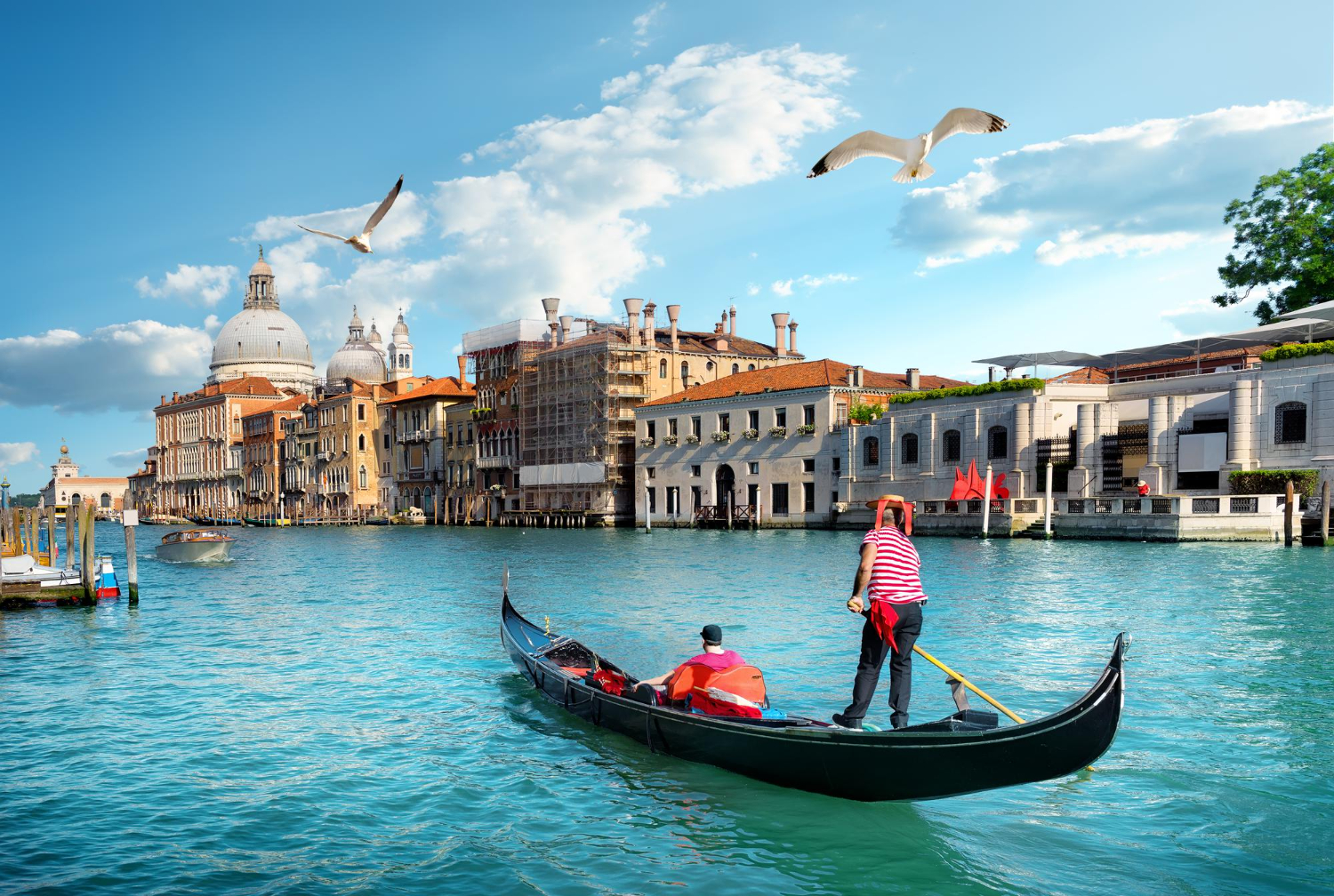
Venice charges day-trippers an access fee on busy days. Booking ahead is required.
Venice has become a symbol of the fight against overtourism. The city charges day visitors an access fee, reported in the range of roughly €5 to €10, on designated high-traffic days, requiring travelers to register and obtain a QR code in advance. Overnight guests, who already pay accommodation taxes, and young children are generally exempt. Venice charging day-trippers an access fee is one of the most prominent overtourism measures, the pioneering entry-fee system that aims to curb day-trip congestion in the fragile lagoon city and signals that, on busy days, a spontaneous visit now comes with a cost and a booking requirement.
Like our content? Follow us for more.
2. Mount Fuji, Japan

Climbing Mount Fuji now costs a fee with caps. Reservations and gate cutoffs apply.
Japan, which has seen record visitor numbers, has made Mount Fuji a focal point of crowd control. Climbers now face a fee reported around 4,000 yen, along with daily caps, an afternoon gate cutoff for those without hut reservations, and a reservation process. The measures aim to ease congestion and protect the mountain. Mount Fuji introducing a climbing fee and caps is a concrete example of Japan’s response, the combination of a fee, visitor limits, and reservation requirements that has replaced the old free-for-all on the iconic peak, reflecting a broader push to manage the country’s tourism boom.
3. The Greek Islands (Santorini and Mykonos)
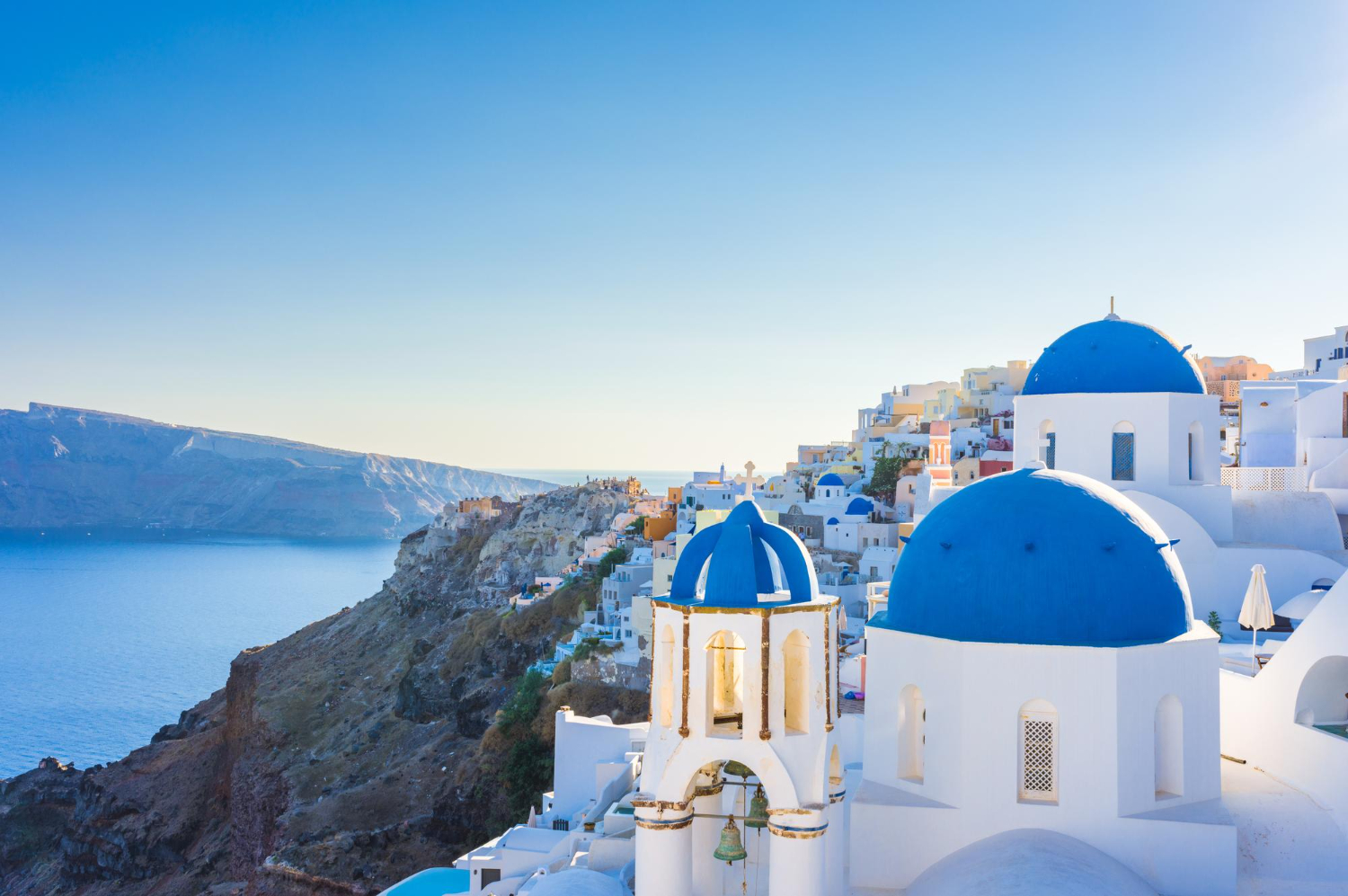
Greece added cruise levies on its busiest islands. Caps on cruise arrivals are part of it.
Greece has targeted cruise crowding on its most popular islands. Reports indicate a levy reaching around €20 per cruise passenger visiting Santorini and Mykonos during peak season, alongside plans to limit how many cruise ships can dock at once. The aim is to ease the surges that overwhelm these small islands. Greece adding cruise levies on Santorini and Mykonos is a targeted overtourism measure, the fee-and-cap approach aimed squarely at the cruise crowds that descend on postcard-perfect islands, designed to spread out arrivals and protect destinations that struggle when thousands disembark at once.
4. Barcelona, Spain
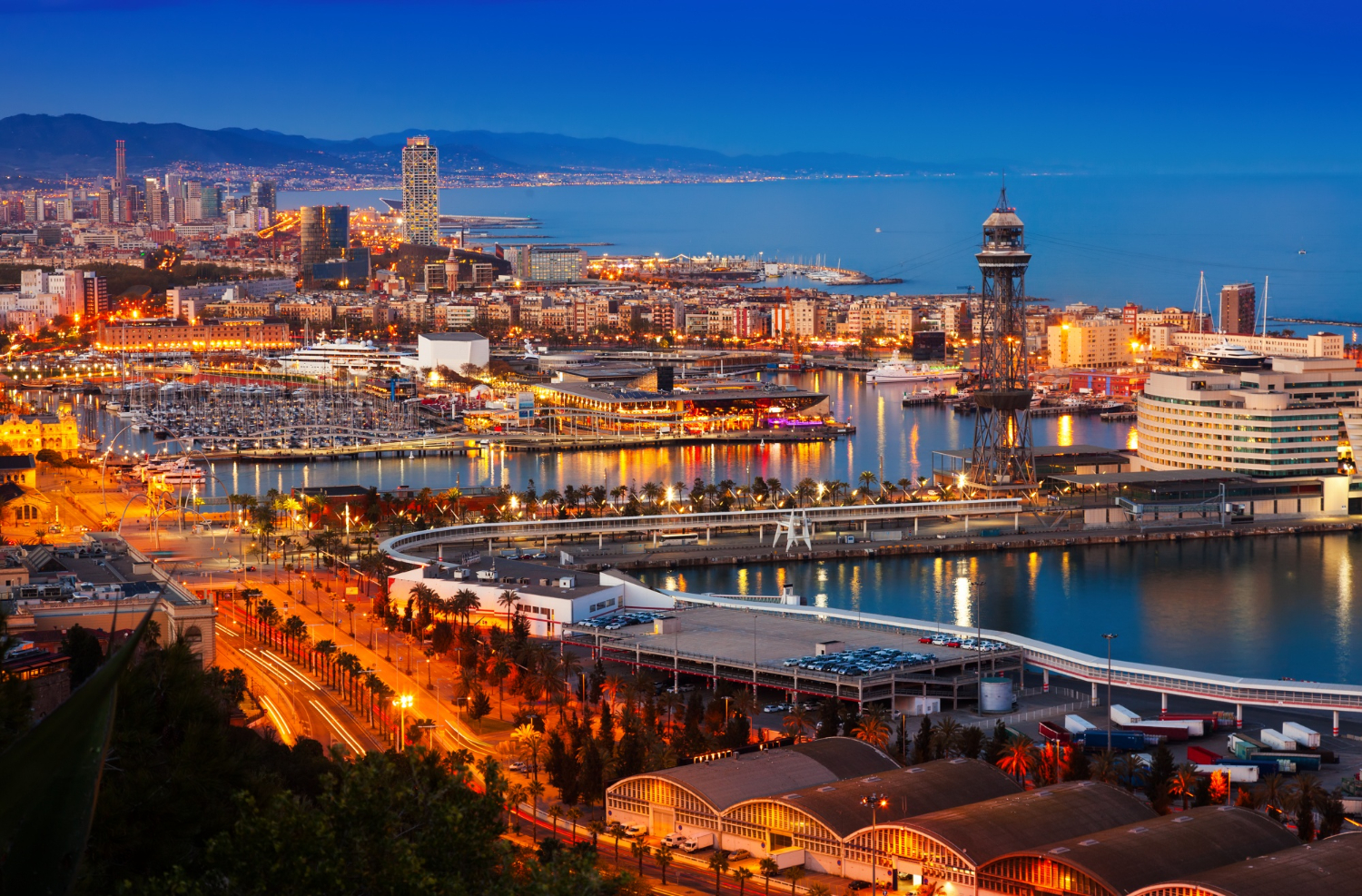
Barcelona raised tourist taxes and cruise fees. It’s also curbing short-term rentals.
Barcelona has taken some of Europe’s most assertive steps. The city has increased its tourist tax and added higher fees for short-stay cruise visitors, while pursuing plans to phase out thousands of short-term tourist-rental licenses in the coming years to ease housing pressure. Spain has also cracked down nationally on unlicensed rentals. Barcelona raising taxes and curbing rentals reflects Spain’s broader stance, the layered approach of higher visitor fees and tighter rental rules aimed at easing the strain on a city where residents have pushed back hard against the impact of mass tourism on housing and daily life.
5. Amsterdam, Netherlands
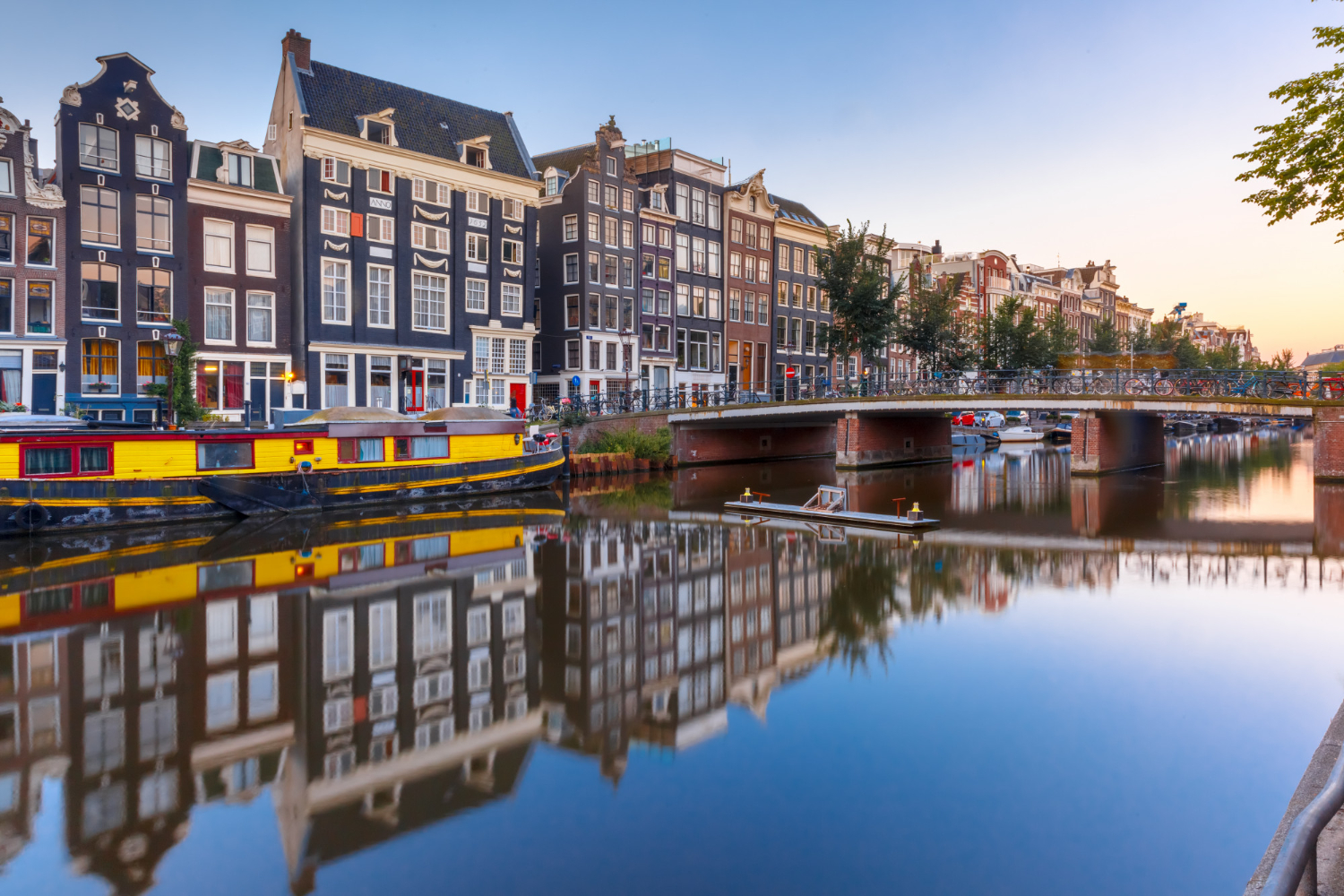
Amsterdam froze new hotels and cut rental nights. Cruise calls are being reduced.
Amsterdam has become a poster child for tourism limits. The city imposed a freeze on new hotel beds, and from 2026 it further reduced the number of nights some central-neighborhood homes can be rented to tourists. It has also moved to cut cruise-ship calls and raise passenger taxes. Amsterdam freezing hotels and cutting rental nights is a far-reaching response, the package of measures aimed at curbing party tourism and rental speculation in the historic canal district, part of a determined effort to reclaim the city’s livability for residents.
6. Bali, Indonesia

Bali charges foreign visitors a tourist levy. It’s tied to conduct rules.
Bali has formalized its response to surging visitor numbers and concerns about behavior. Foreign tourists are asked to pay a levy reported around 150,000 rupiah, with the island tightening compliance, including tying it to travel logistics, and pairing the fee with conduct guidelines urging respect for local customs and sacred sites. Bali charging a tourist levy tied to conduct rules is a notable measure, the combination of a fee and behavioral expectations that reflects the island’s effort to fund sustainability and manage the impact of tourism on its culture and environment.
7. Kyoto, Japan

Kyoto raised accommodation taxes sharply. Timed entry is spreading to top sites.
Beyond Mount Fuji, Kyoto has moved to manage its crowds. The city introduced a steep accommodation-tax structure, with high-end stays reportedly facing significantly higher per-night taxes, and timed-entry systems have been spreading to some of its most popular temples and sites. Kyoto raising accommodation taxes and adding timed entry reflects Japan’s wider approach, the use of higher lodging taxes and reservation systems to manage the heavy visitor flows straining the historic city, encouraging more deliberate, planned visits over spontaneous sightseeing at its most crowded landmarks.
8. Italian Heritage Sites (Pompeii and the Colosseum)
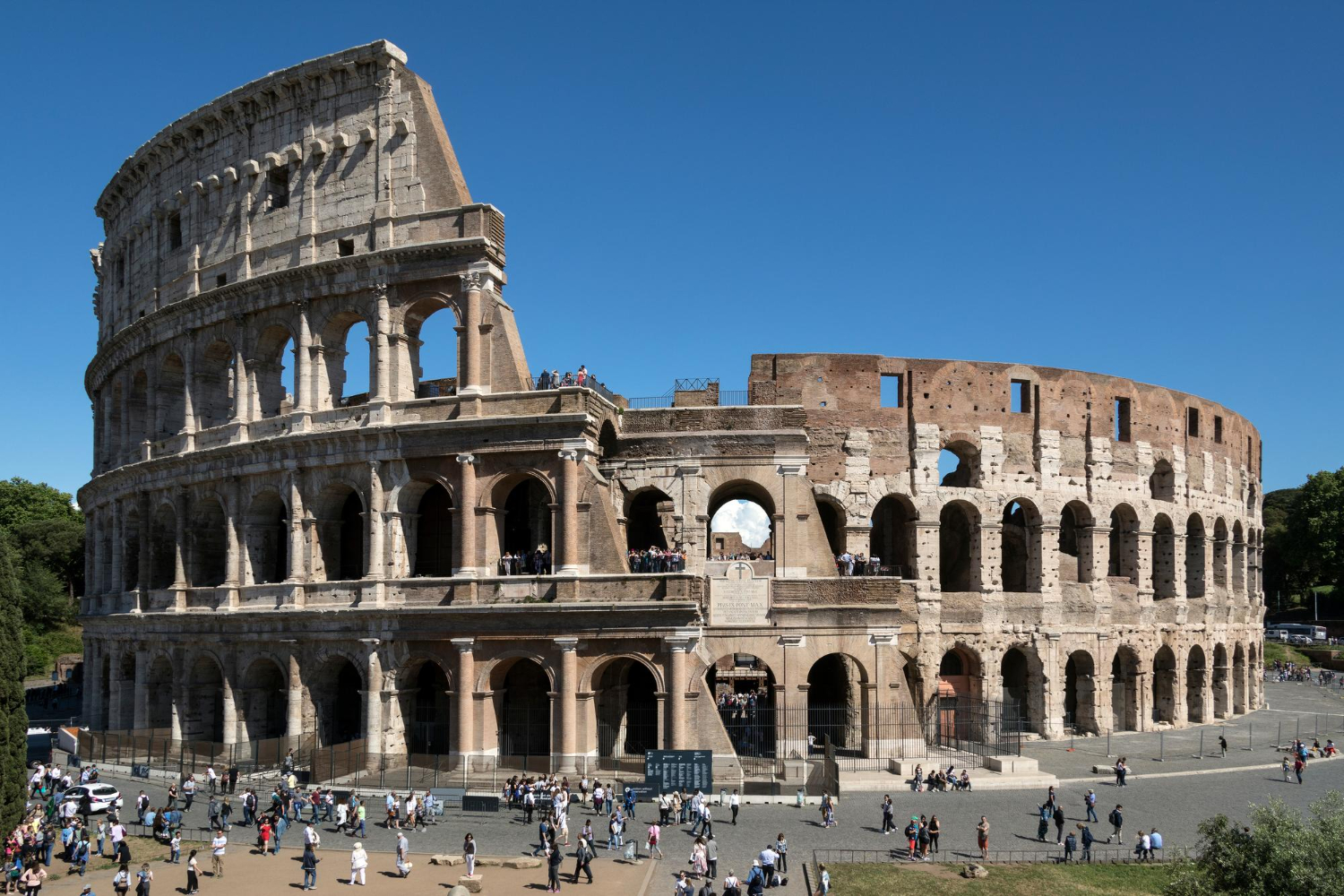
Italy caps daily visitors at famous sites. Pompeii and the Colosseum limit numbers.
Italy has imposed visitor caps at some of its most famous attractions to protect them. Pompeii has introduced a daily visitor cap reported around 20,000, while the Colosseum limits the number of people admitted at any one time. The measures aim to preserve fragile heritage and improve the visitor experience. Italy capping visitors at Pompeii and the Colosseum is a heritage-protection measure, the daily and at-once limits that ration access to treasured ancient sites, reflecting a recognition that unlimited crowds threaten both the monuments themselves and the quality of any visit to them.
9. Maui, Hawaii

Maui requires reservations for top natural sites. Sunrise at Haleakala needs booking.
Closer to home for U.S. travelers, Maui has expanded reservation systems for its most popular natural attractions. Watching the sunrise at Haleakala National Park requires an advance reservation, and other iconic spots, including stops along the famed road to Hana, have moved to managed-access systems. Maui requiring reservations for top sites is part of a wider trend, the shift toward timed and reserved entry at natural attractions that protects fragile landscapes and manages crowds, meaning travelers can no longer simply show up and need to plan, and book, ahead.
10. Edinburgh, Scotland
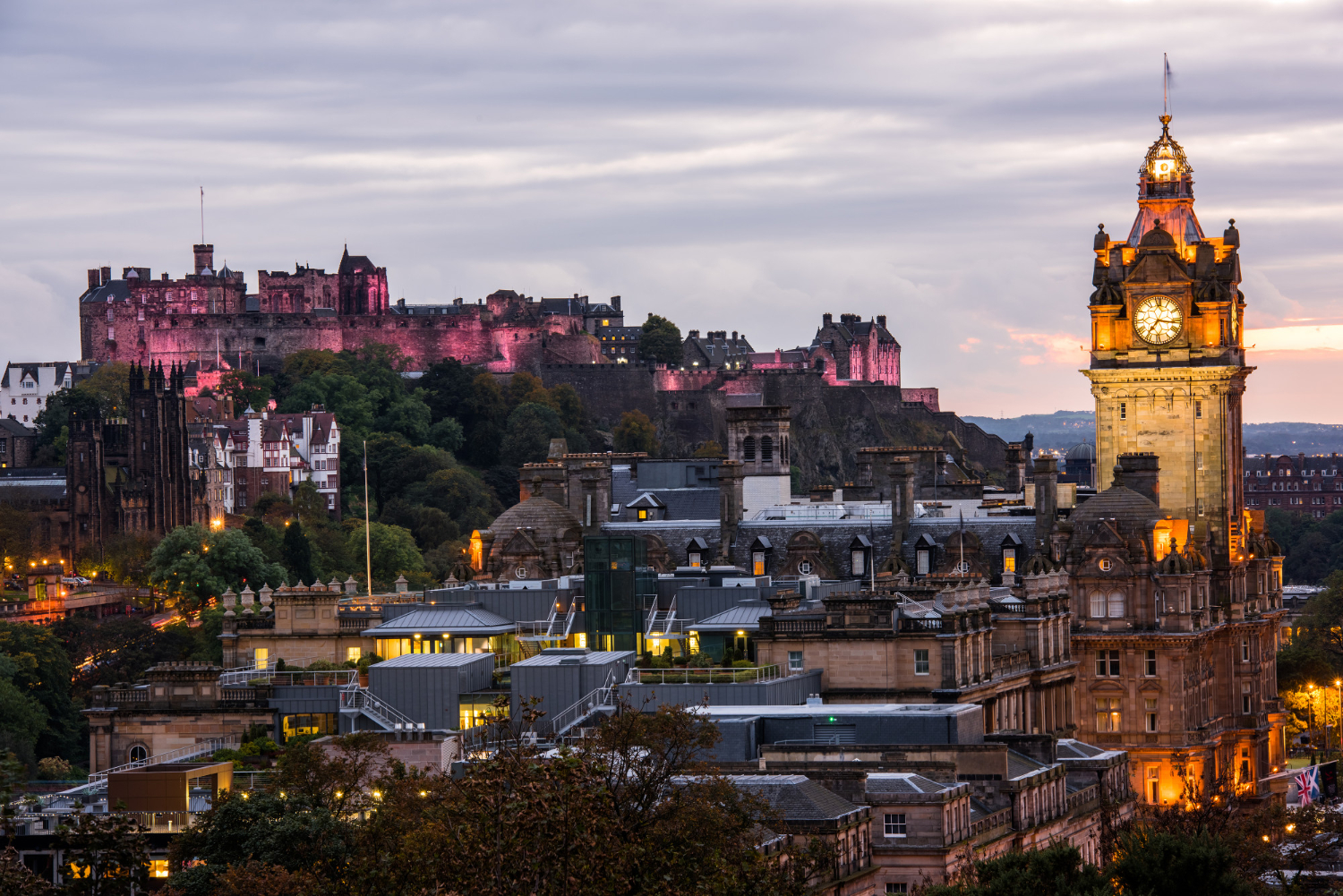
Edinburgh is introducing a visitor levy. Overnight stays will cost a bit more.
Edinburgh has moved to introduce a visitor levy on overnight stays, joining a growing list of European destinations using accommodation charges to fund tourism management and infrastructure. Travelers staying in the city should budget for the added cost. Edinburgh introducing a visitor levy rounds out the trend, the overnight-stay charge that reflects how widely tourist taxes are spreading beyond the usual hotspots, as more cities turn to modest levies to help manage the costs and impacts of welcoming large numbers of visitors each year.
Plan Ahead for a Changing Travel Landscape
Taken together, these ten destinations illustrate how widely the response to overtourism has spread in 2026, from entry fees and visitor caps to cruise levies, rental crackdowns, and reservation systems. For travelers, the lesson is clear: planning ahead, budgeting for new fees, and booking required reservations are now essential parts of visiting many of the world’s most popular places.
These measures reflect a broader shift in global tourism toward managing volume and prioritizing sustainability, and more destinations are likely to follow with their own fees and rules. Rather than discouraging travel, the goal is generally to balance visitor numbers with the wellbeing of residents and the preservation of fragile sites. For travelers, the takeaway is to research the current rules for each destination, budget for the added costs, and embrace the planning these changes require, which can also lead to a less crowded, more rewarding trip.
Like our content? Follow us for more.