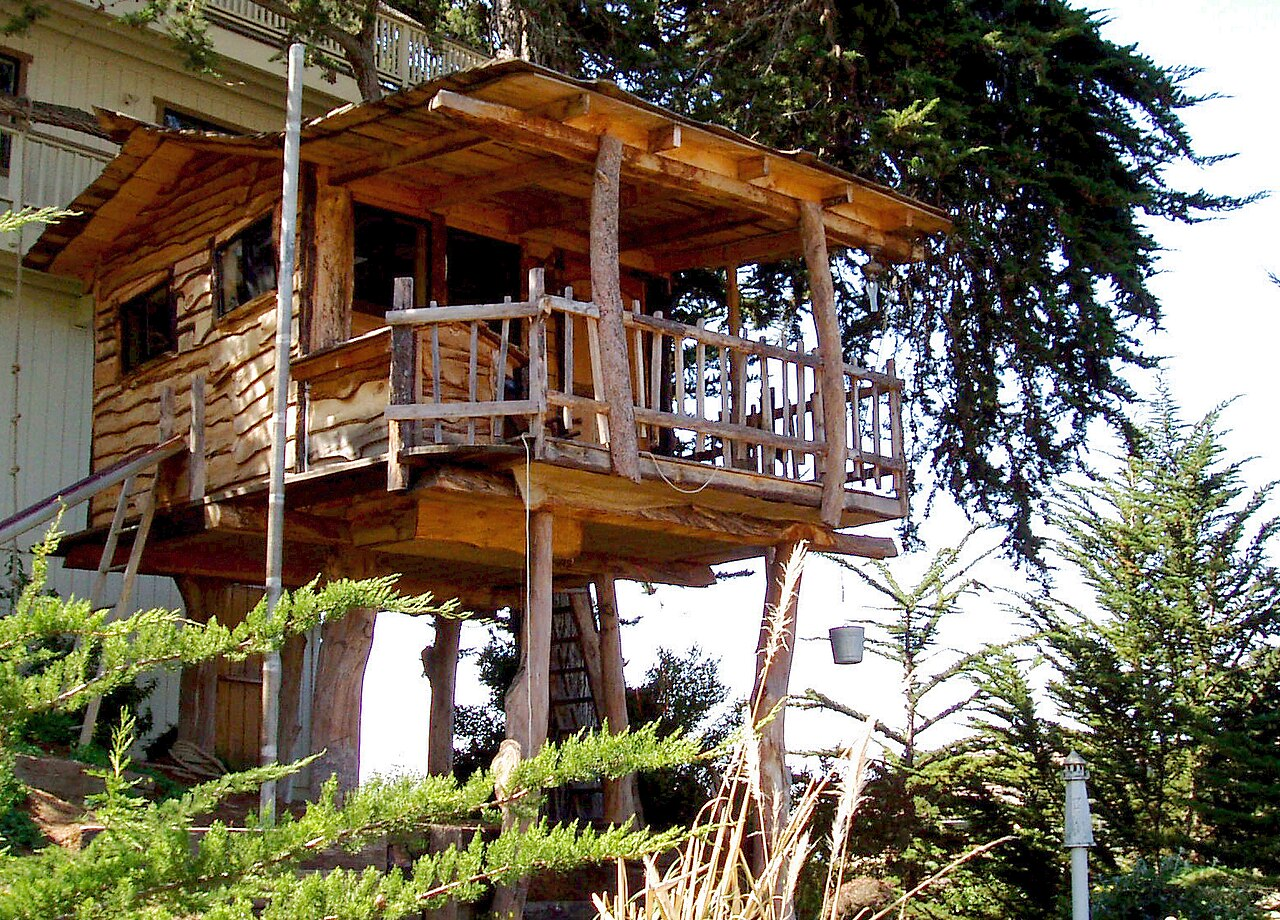
The backyard treehouse of 1975 was rarely built to any code, drawn up on the back of a napkin by a dad with a hammer, a handful of scrap lumber, and more confidence than carpentry experience. It was a kid’s proudest possession, a clubhouse, fort, and hideout all in one, held together by nails, rope, and pure determination. Of the twelve features it typically had, four would raise genuine safety concerns by today’s standards. Here are twelve things every American kid’s backyard treehouse had in 1975, counted down one by one.
1. Mismatched Scrap Wood Nailed Together by Hand
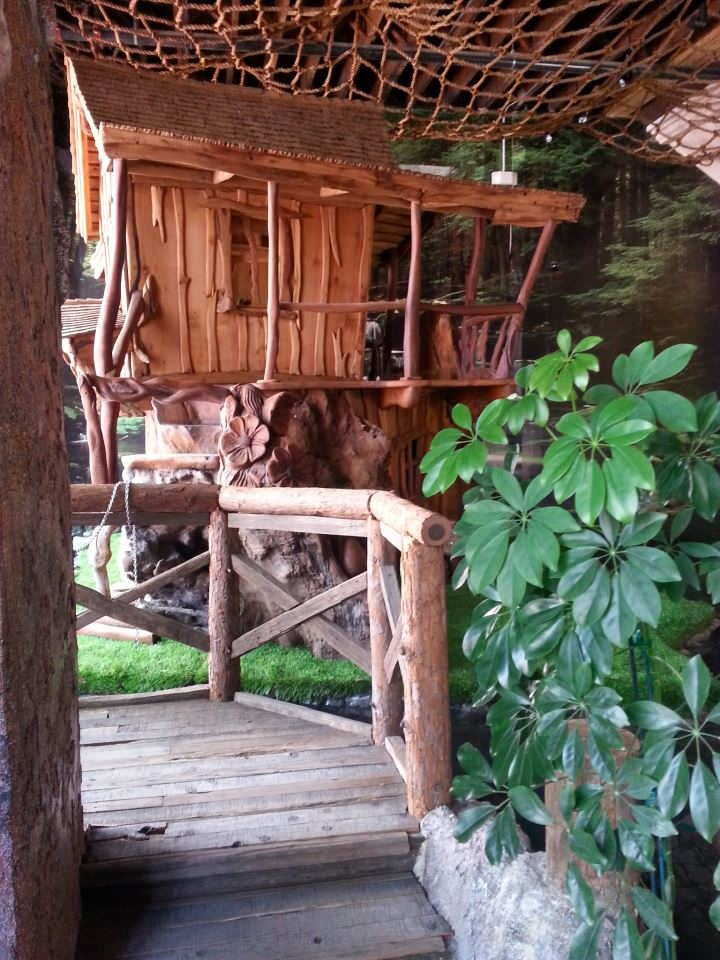
Leftover lumber formed the treehouse walls and floor. Boards rarely matched in size or type.
Nearly every treehouse was built from whatever scrap wood happened to be lying around the garage or a neighbor’s construction leftovers, mismatched boards nailed together with more enthusiasm than precision. No two treehouses looked quite alike as a result. It was a genuinely resourceful, if visually chaotic, building method. Mismatched scrap wood nailed together by hand is the defining building material of the 1975 treehouse, the improvised construction approach that turned leftover lumber into a beloved backyard hideout through sheer determined effort.
Like our content? Follow us for more.
2. A Rope Ladder That Swayed With Every Step (Now a Recognized Hazard)
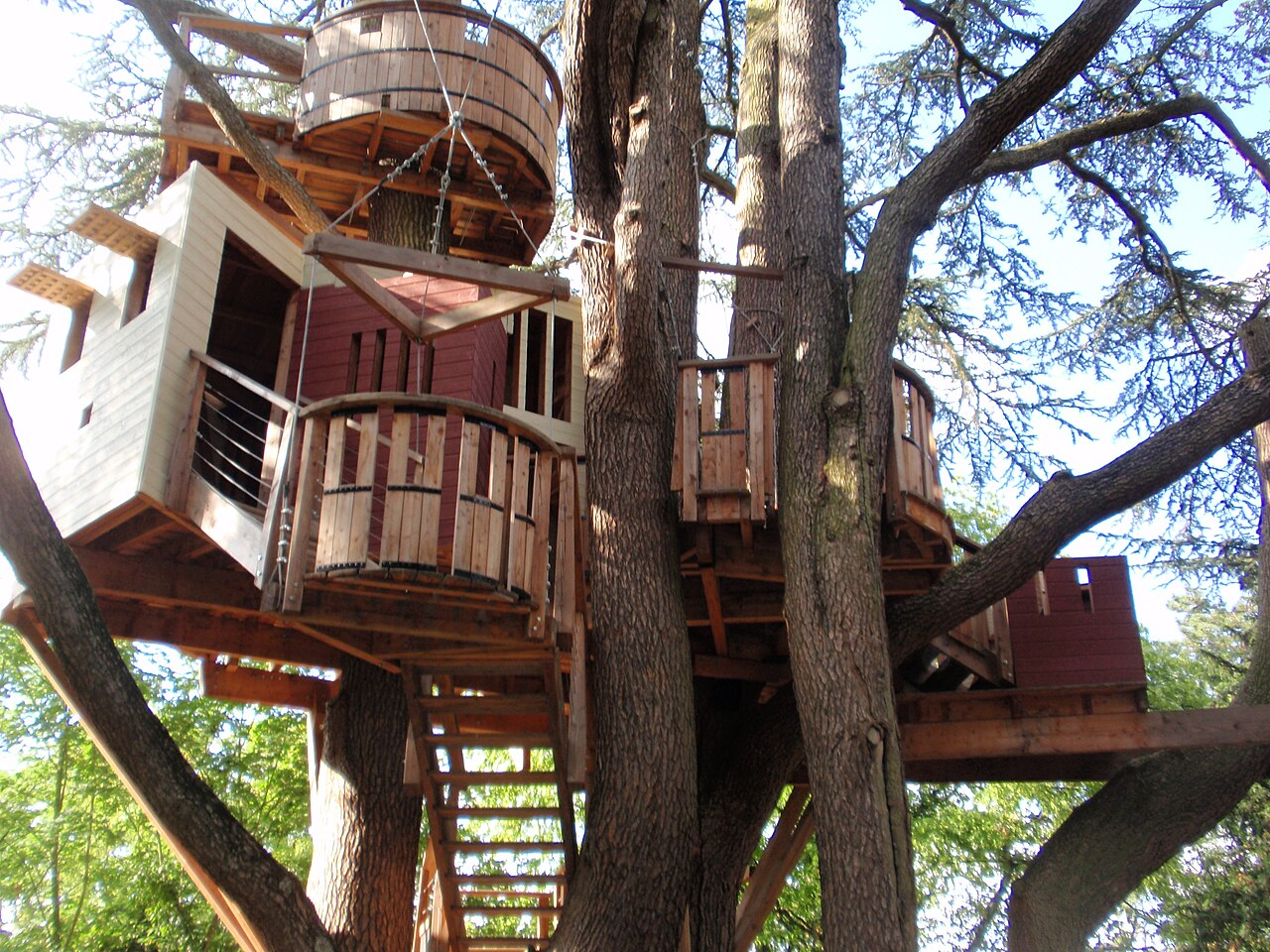
Climbing up meant a swinging rope ladder. It offered no stability while in use.
Access to the treehouse typically meant climbing a rope ladder that swayed and twisted with every step, offering little stability and requiring real balance and nerve, especially for younger siblings trying to keep up. Falls from these makeshift ladders were common enough to be an accepted risk of treehouse life. Modern playground and structure safety guidance now identifies unsecured rope ladders as a recognized fall hazard, generally recommending secured wooden ladders or stairs instead. A rope ladder that swayed with every step is a thrilling but genuinely risky treehouse memory now recognized as hazardous, a once-standard access method that safety guidance has since moved away from.
3. A Pulley System for Hauling Up Snacks
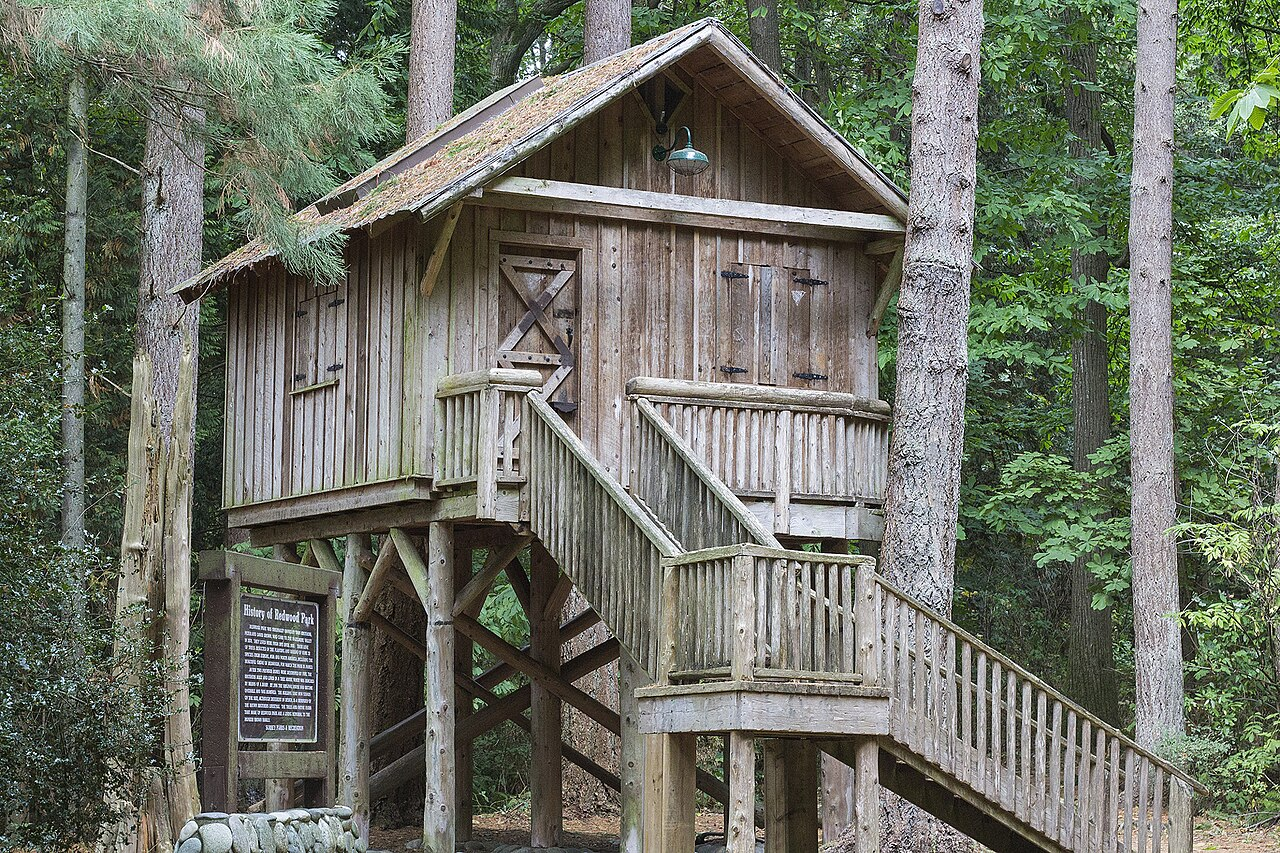
A rope-and-bucket pulley lifted supplies. It was a clever, homemade delivery system.
A simple rope-and-bucket pulley system let kids haul up snacks, comic books, and other essentials without making the climb themselves, a genuinely clever bit of homemade engineering. Lowering the bucket to a friend waiting below was a small daily ritual of treehouse life. It made the whole setup feel more like a real headquarters. A pulley system for hauling up snacks is a beloved treehouse memory, the ingenious homemade delivery method that added a real sense of function and fun to an already exciting hideout.
4. No Guardrails Around the Open Platform (Now a Recognized Hazard)
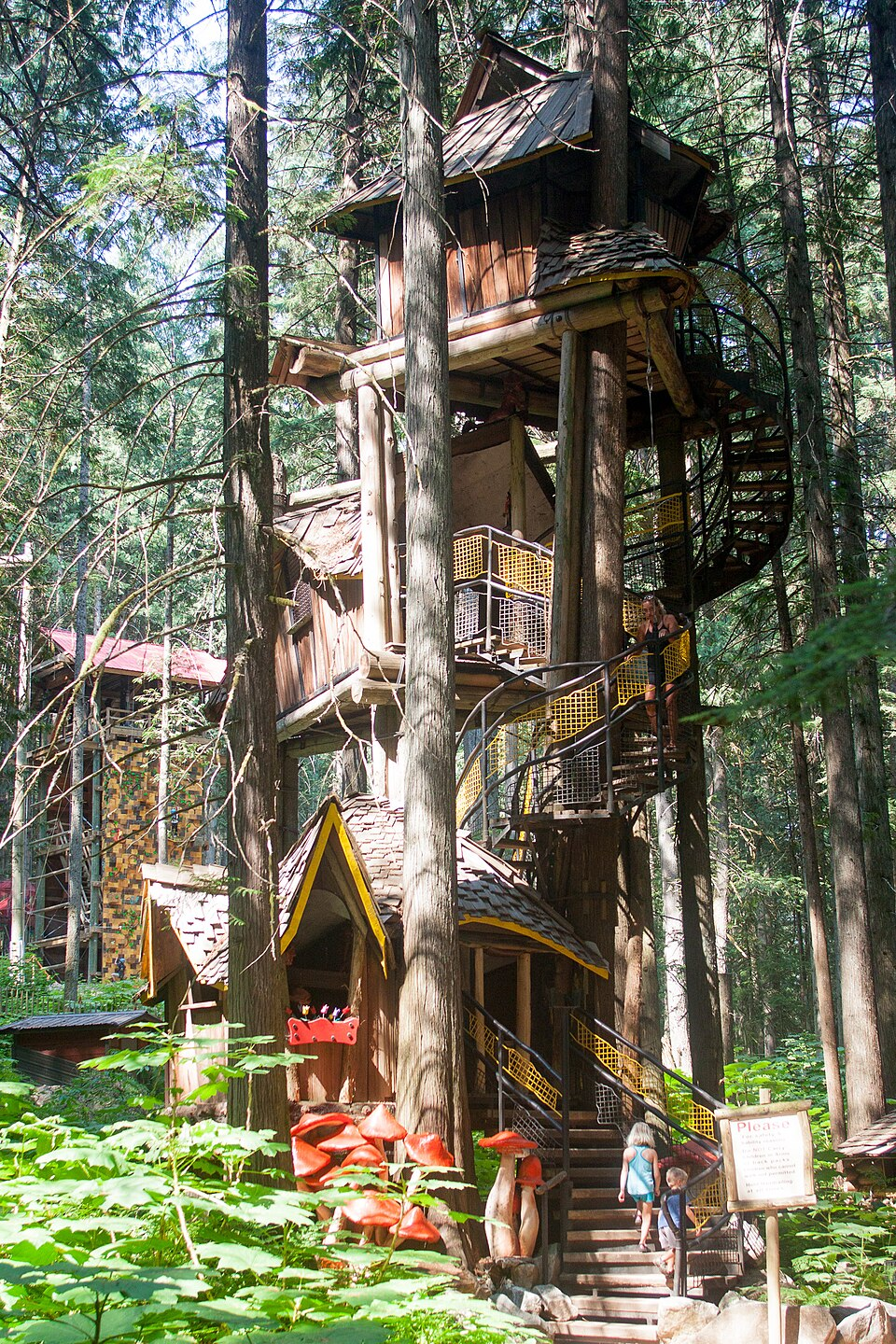
The main platform had open edges. There was typically no railing to prevent a fall.
Many treehouse platforms had open edges with no guardrail or barrier at all, just a flat surface several feet off the ground where kids played, sat, and occasionally forgot exactly how close they were to the edge. It simply wasn’t a standard feature of the era’s builds. Modern playground and elevated-structure safety standards now specifically call for guardrails at heights, recognizing open platforms as a significant fall risk. No guardrails around the open platform is a genuinely risky treehouse memory now recognized as hazardous, a once-common gap that safety standards have since made a standard, expected feature of any elevated play structure.
5. A Secret Password to Get Inside
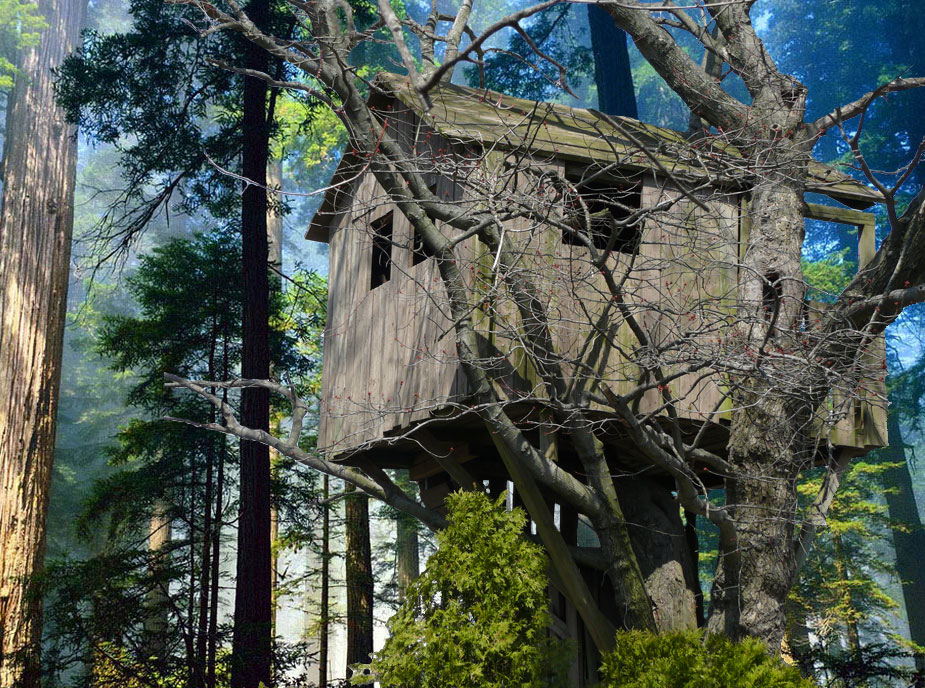
Kids created a password system for entry. It kept the clubhouse exclusive to trusted friends.
Access to the treehouse often required a secret password, changed regularly and known only to the small circle of trusted friends allowed inside. Forgetting it, even briefly, meant being denied entry to your own clubhouse. It gave the whole setup a satisfying sense of exclusivity and importance. A secret password to get inside is a delightful treehouse memory, the imaginative rule that turned a simple backyard structure into an exclusive headquarters, a beloved bit of childhood make-believe that gave the space real meaning.
6. Loose Nails Sticking Out From the Boards (Now a Recognized Hazard)
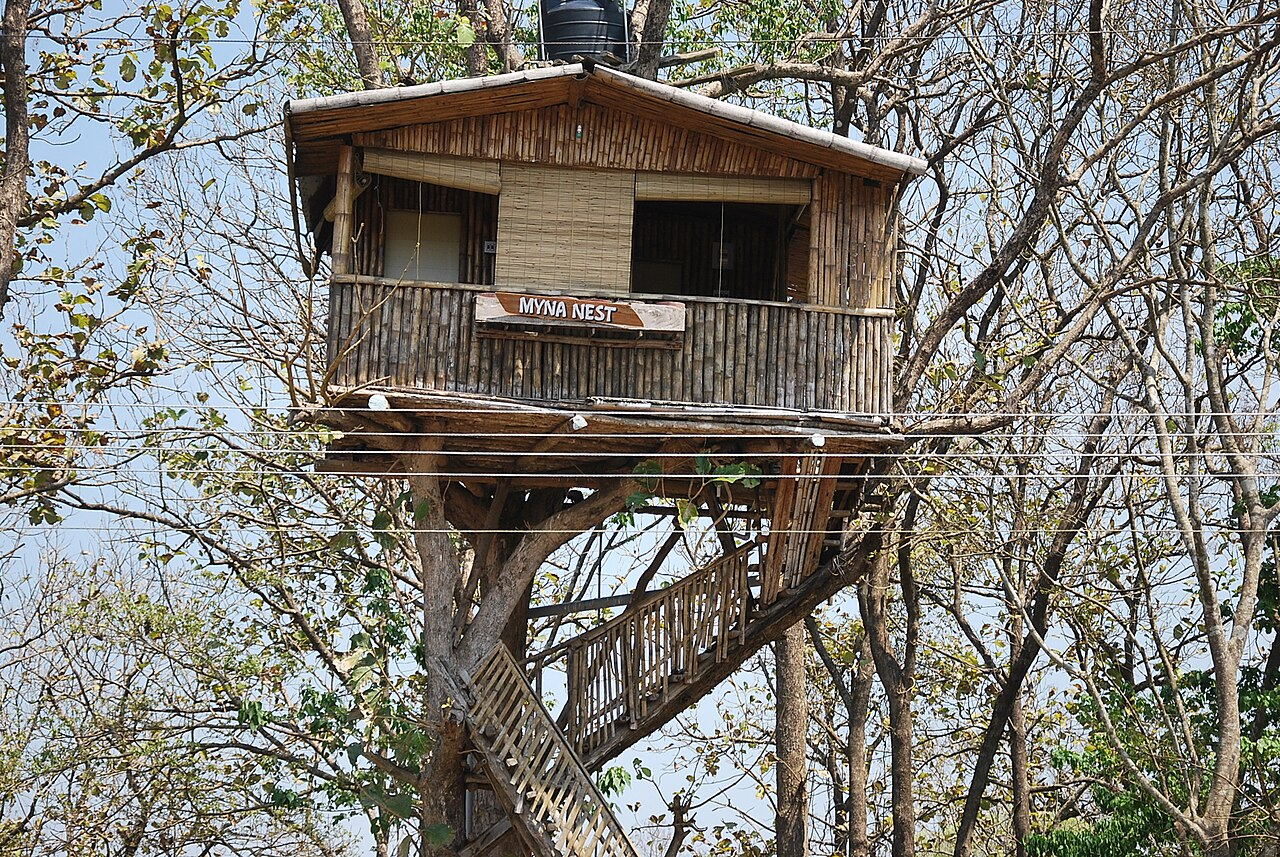
Protruding nails were a common feature. Snagged clothing and scratches were routine.
Given the improvised construction, loose or protruding nails were nearly unavoidable, snagging clothing, scratching skin, and generally requiring kids to watch where they put their hands. It was simply accepted as part of using a homemade structure. Modern construction and playground-equipment guidance calls for countersunk fasteners and regular inspection specifically to eliminate this kind of exposed-nail hazard. Loose nails sticking out from the boards are a genuinely risky treehouse memory now recognized as hazardous, a once-overlooked construction detail that modern building practice takes considerably more seriously.
7. A Hand-Painted Sign Warning Others Away
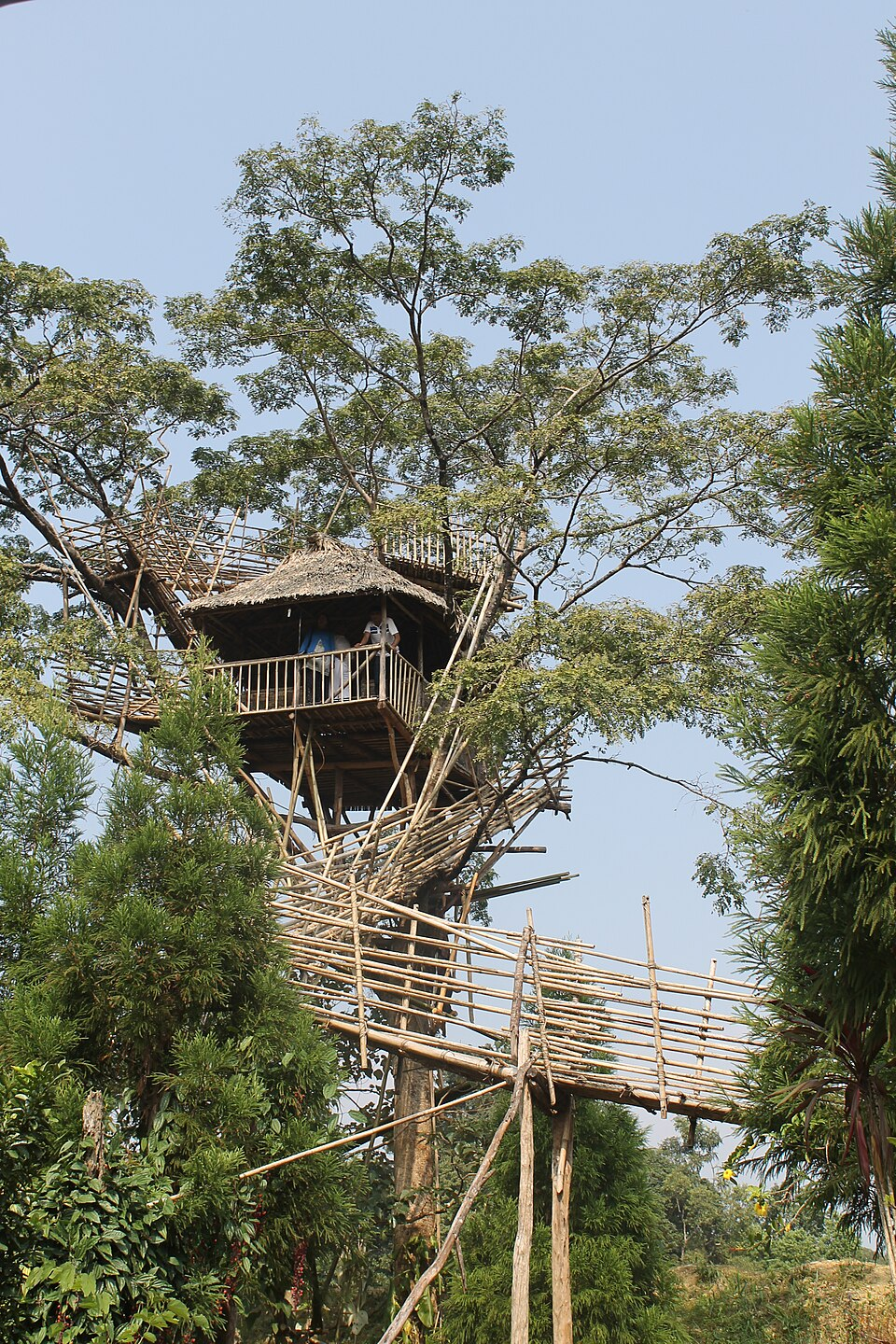
A homemade sign marked the entrance. It warned strangers, or siblings, to keep out.
A hand-painted sign, often reading something like “Keep Out” or “Members Only,” was nailed near the entrance, a proud declaration of ownership over the small wooden kingdom above the yard. Younger siblings in particular were the sign’s primary intended audience. It was taken very seriously by whoever made it. A hand-painted sign warning others away is a charming treehouse memory, the homemade declaration of territory that gave kids a genuine sense of ownership and pride over a space they’d built and claimed as entirely their own.
8. A Salvaged Window With No Glass
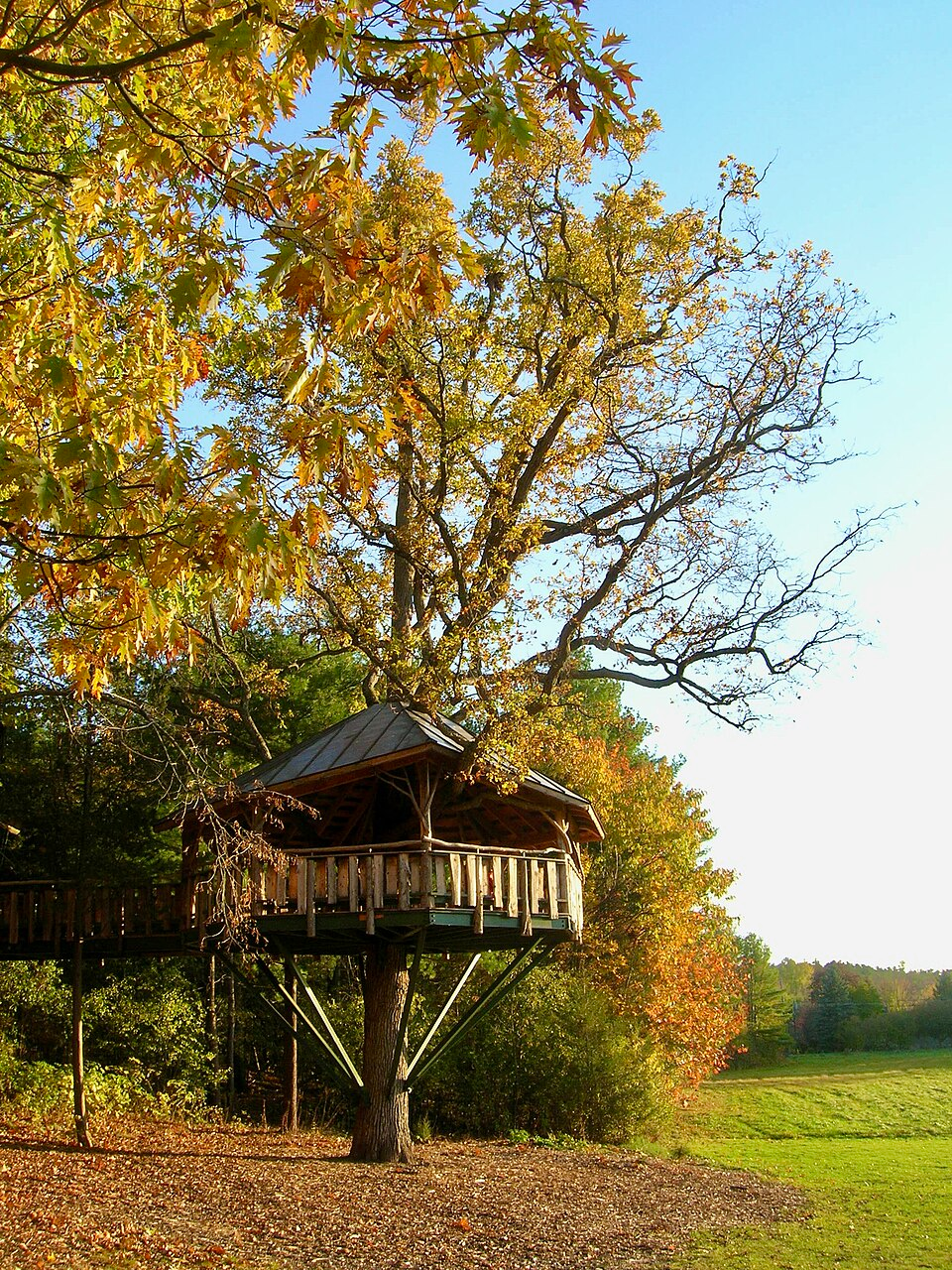
An old window frame was mounted for looks. It had no actual glass installed.
A salvaged window frame, pulled from somewhere around the house or a demolition pile, was often mounted into a treehouse wall purely for the look of a real building, minus the actual glass, which would have been impractical and unsafe to install. It let light and air through freely. It gave the structure a genuinely finished, house-like feel. A salvaged window with no glass is a resourceful treehouse memory, the decorative touch that made a simple platform feel like a real building, a clever bit of scavenged design that added real character to the finished hideout.
9. A Milk Crate or Old Chair for Furniture
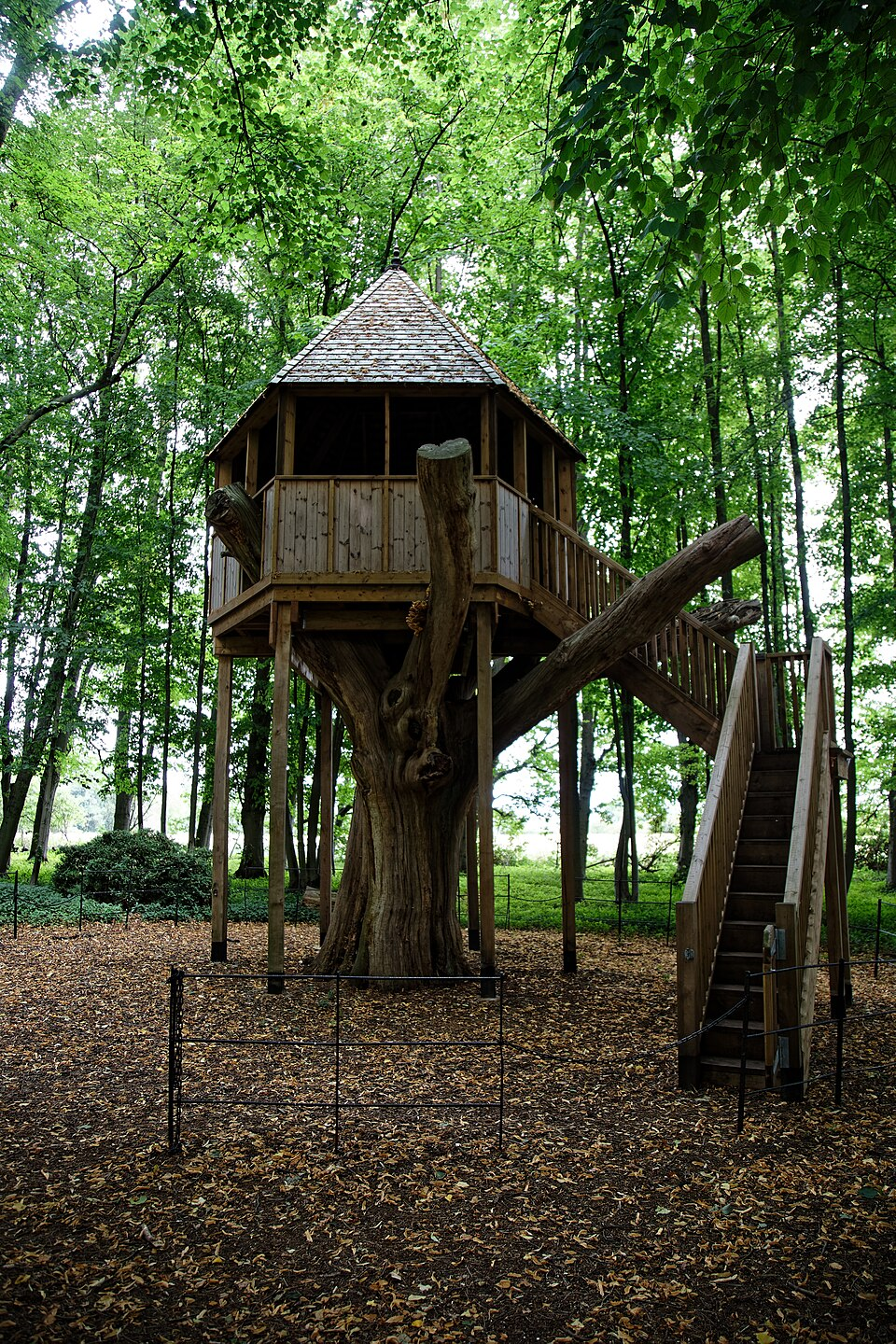
Simple, salvaged furniture furnished the interior. Comfort was never really the point.
Furnishing the treehouse meant hauling up whatever was available, a milk crate, an old folding chair, or a discarded cushion, none of it particularly comfortable but all of it good enough for hanging out with friends. Comfort was never really the priority. It was about having a space entirely your own. A milk crate or old chair for furniture is a familiar treehouse memory, the simple, salvaged seating that furnished countless backyard hideouts, a modest setup that still felt like the height of luxury to the kids who used it.
10. No Adult Supervision During Play
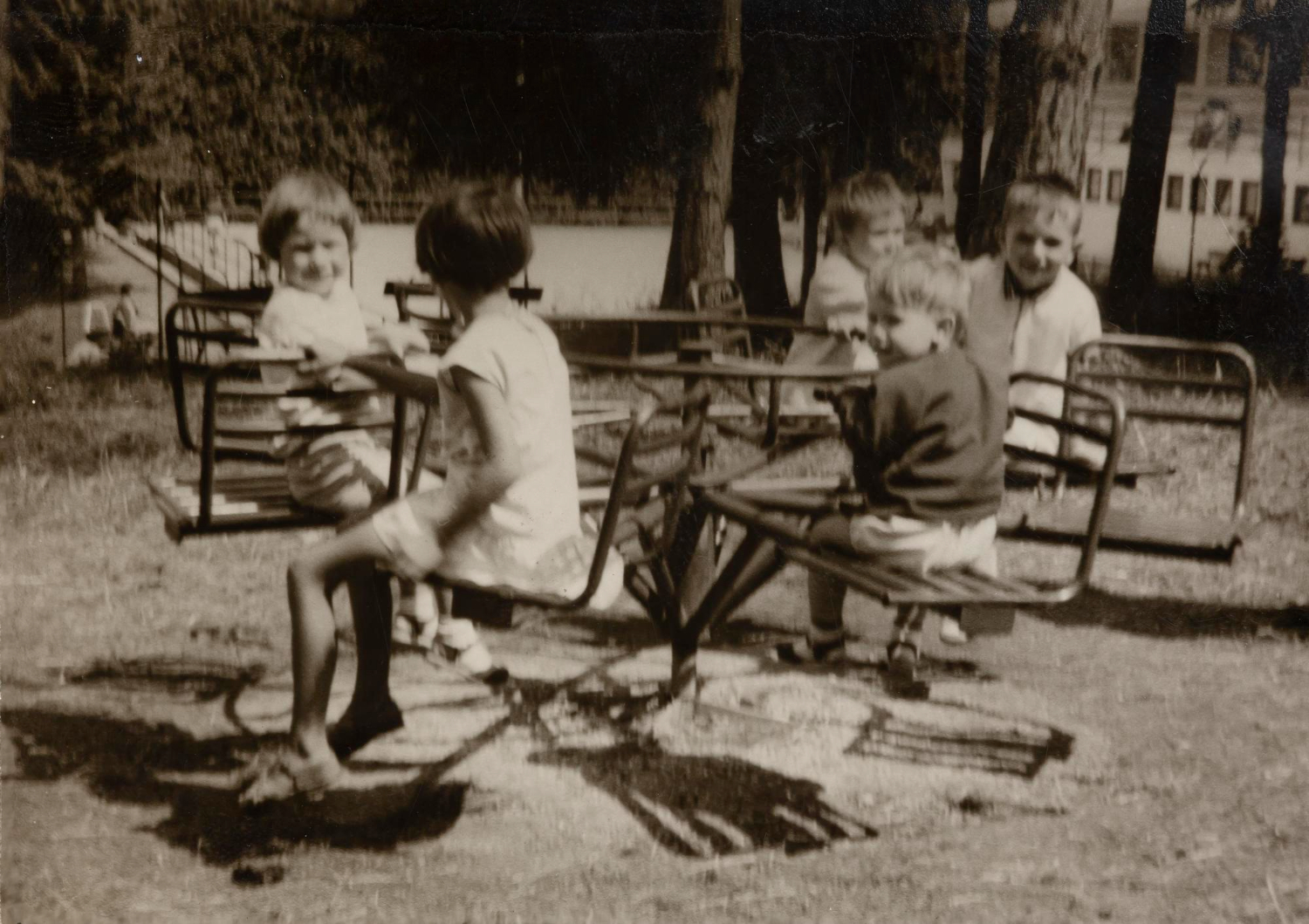
Kids played in the treehouse largely unsupervised. Parents trusted them to manage on their own.
Once built, the treehouse became a largely unsupervised space, where kids spent hours playing, talking, and hanging out with minimal adult check-ins, trusted to manage themselves and work out their own disputes. It fostered a genuine, if sometimes chaotic, sense of independence. Parents of the era generally embraced this hands-off approach as simply normal childhood. No adult supervision during play reflects a broader parenting style of the era, the independence-focused approach that gave 1970s kids considerable free rein, a cultural shift that has evolved alongside changing attitudes toward child supervision in the decades since.
11. A Flag or Flashlight Signal System
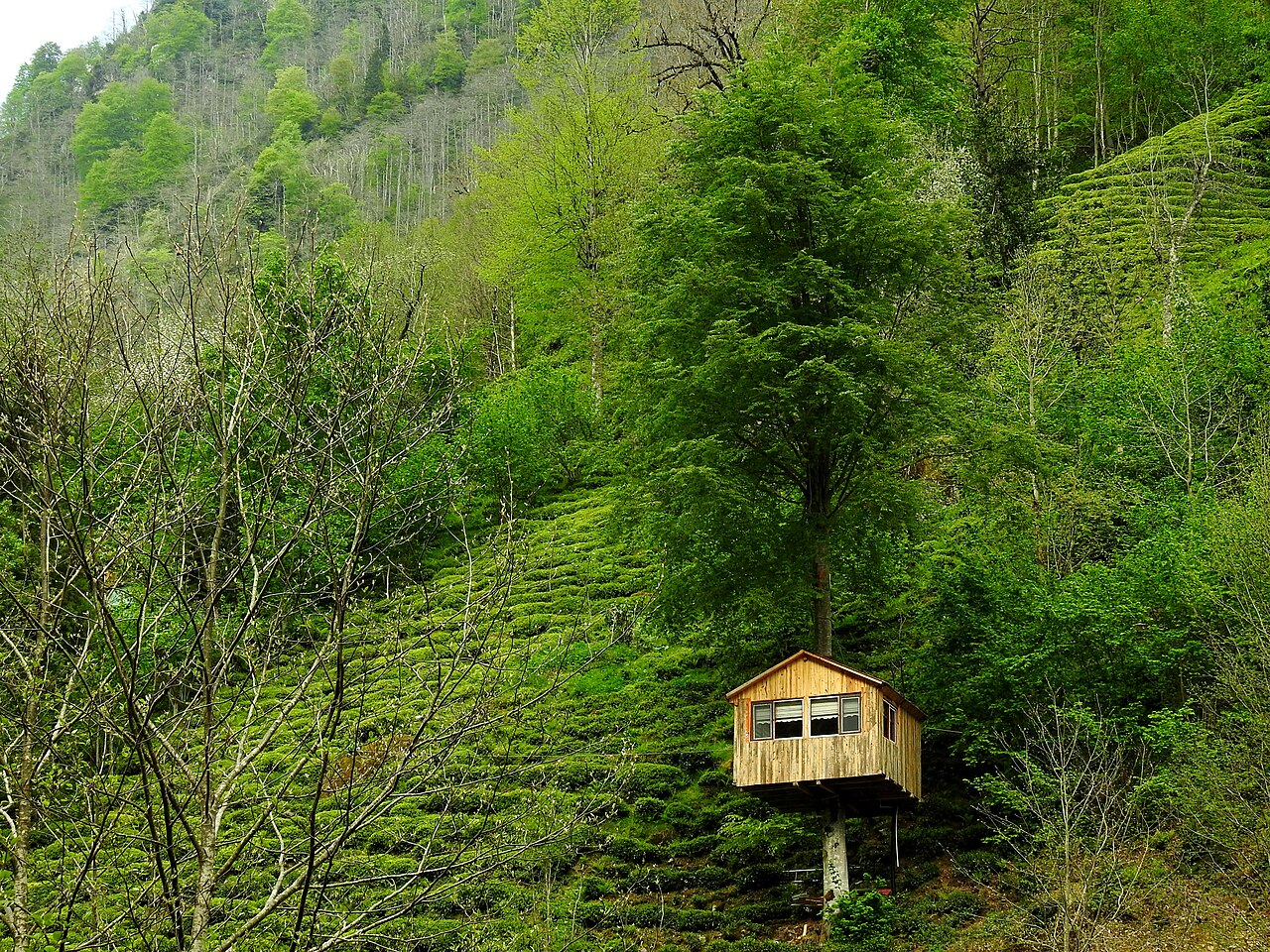
A flag or flashlight signaled friends nearby. It communicated across the yard without shouting.
Some treehouses had an improvised signal system, a small flag raised to call friends over or a flashlight flicked at dusk to communicate across the yard without shouting. It added a fun, almost military feel to otherwise simple backyard play. Working out the signal codes with friends was half the fun. A flag or flashlight signal system is an imaginative treehouse memory, the homemade communication method that turned ordinary backyard hangouts into something that felt genuinely elaborate and exciting to the kids involved.
12. A Wobbly Support Structure Nailed Straight Into the Tree (Now a Recognized Hazard)
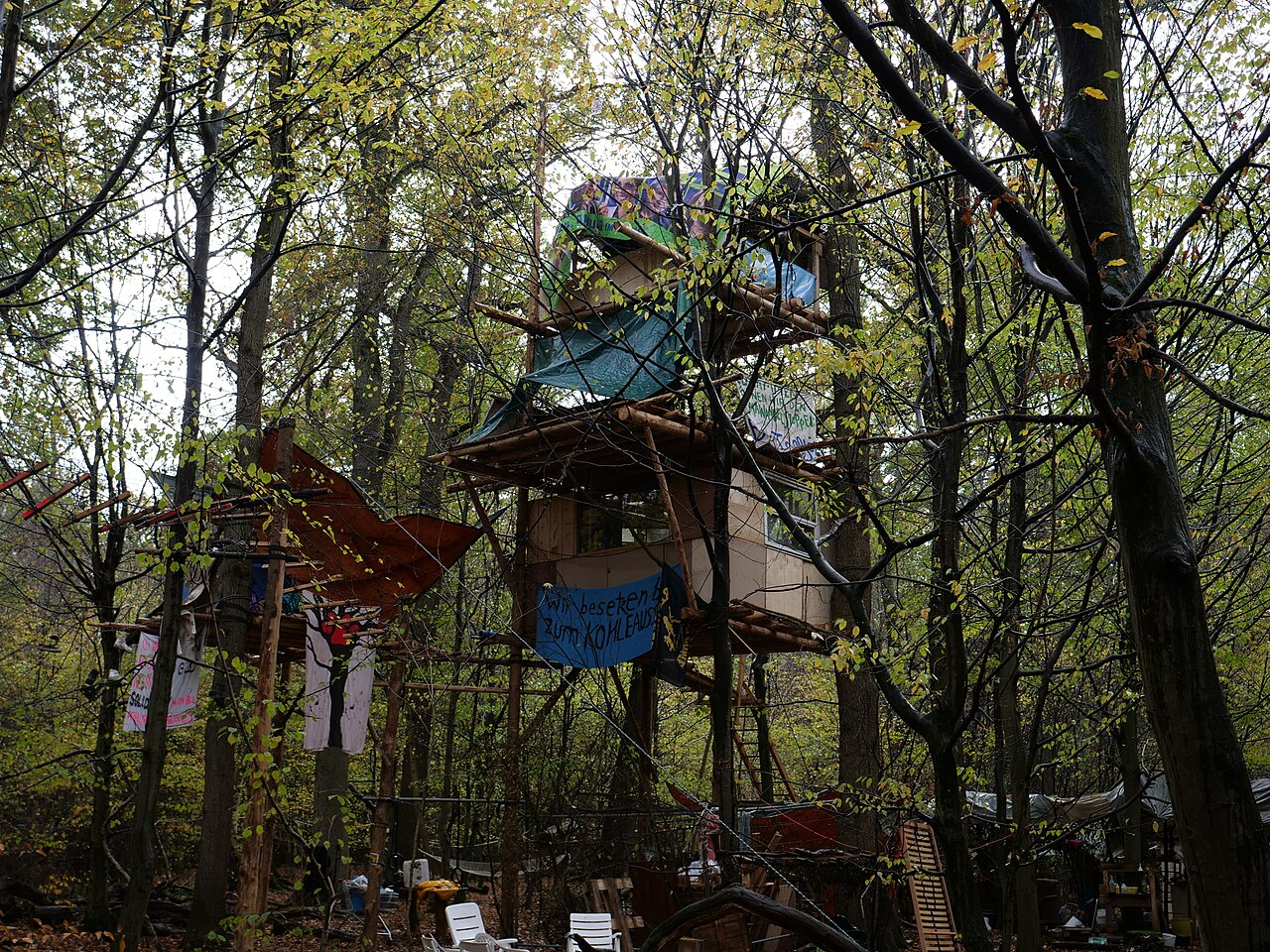
Boards were nailed directly into the living tree. Modern guidance recommends non-invasive mounting instead.
The entire structure was typically nailed directly into the trunk and branches of a living tree, an approach that worked well enough in the short term but could wobble noticeably in wind and, over time, cause real damage to the tree itself. It wasn’t given much engineering thought at the time. Modern treehouse-building guidance now generally recommends non-invasive mounting hardware that supports weight without directly piercing the trunk, protecting both structural stability and the tree’s health. A wobbly support structure nailed straight into the tree is a memorable but genuinely flawed treehouse feature now recognized as a hazard, a well-meaning building method that modern hardware has since considerably improved upon.
Four Now Flagged, Eight Still Charming
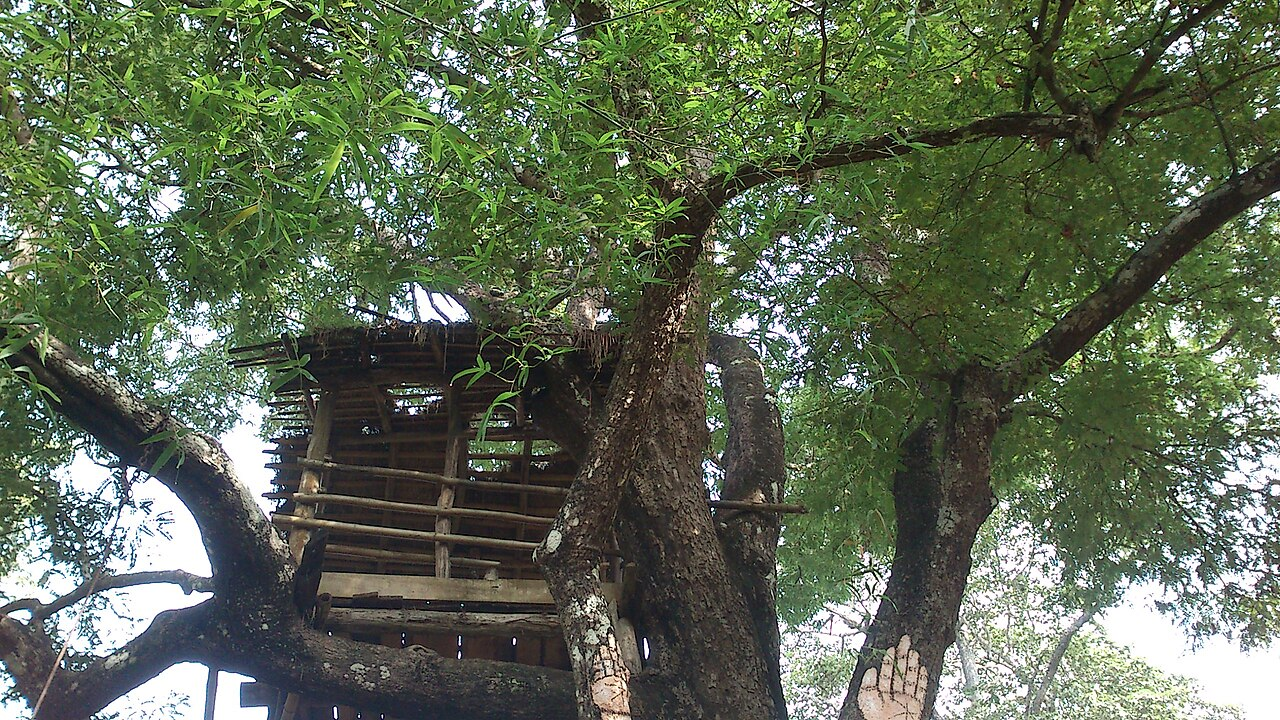
Taken together, these twelve features capture exactly what a backyard treehouse looked like in 1975, from the scrap wood and secret password to the pulley system and the hand-painted warning sign. Four of them, the swaying rope ladder, the guardrail-free platform, the loose nails, and the tree-piercing support structure, would be flagged as genuine hazards under today’s safety standards, while the rest remain a cherished, imaginative part of childhood memory.
Playground and outdoor-structure safety standards have evolved considerably since 1975, informed by decades of data on childhood falls and injuries that led to real, well-founded improvements. The changes reflect genuine safety lessons, not a loss of imagination or fun. Yet for those who grew up with a treehouse of their own, these details bring it all back: the scrap-wood walls, the secret password, the pulley hauling up an afternoon snack. Looking back at what every backyard treehouse had in 1975 is a warm, nostalgic tribute to a wonderfully improvised era of childhood, hazards and all.
Like our content? Follow us for more.