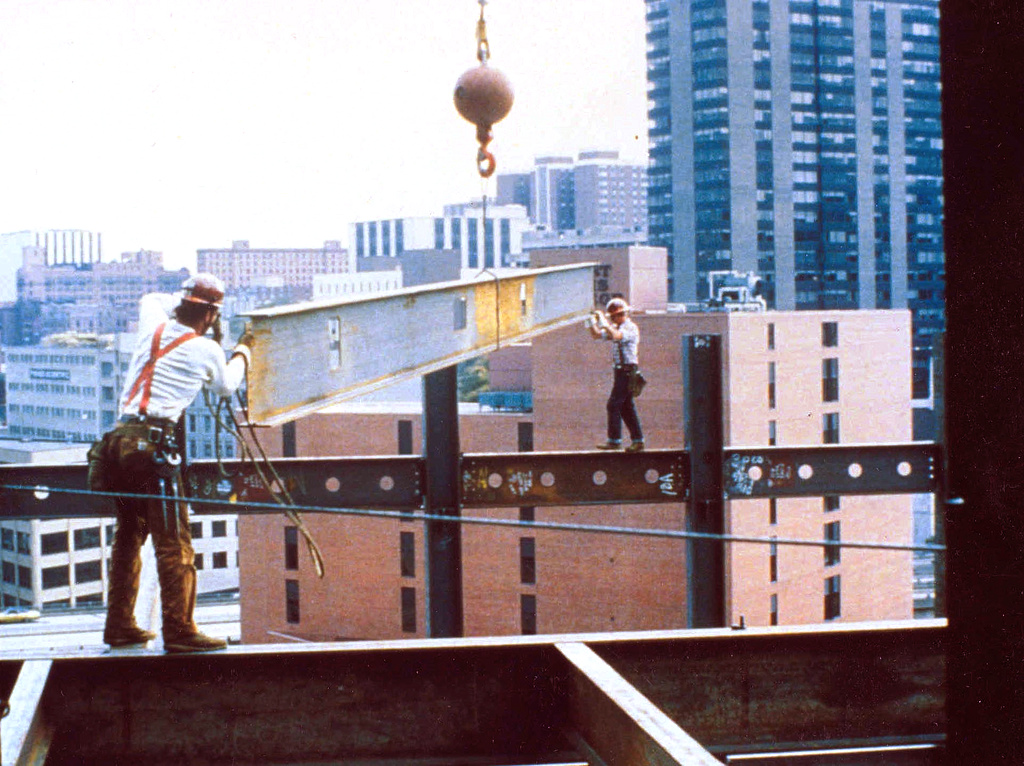
The American construction site of 1975 ran on hard work, hand signals, and a level of everyday risk that would horrify a modern safety inspector. OSHA existed by then, but enforcement was thin, and plenty of practices considered routine at the time are now understood to have been genuinely dangerous. Of the twelve things every job site allowed that year, six would trigger an immediate shutdown under today’s safety rules. Here are twelve things every American construction site allowed in 1975, counted down one by one.
1. Hard Hats Worn Only Sometimes (Now Required)
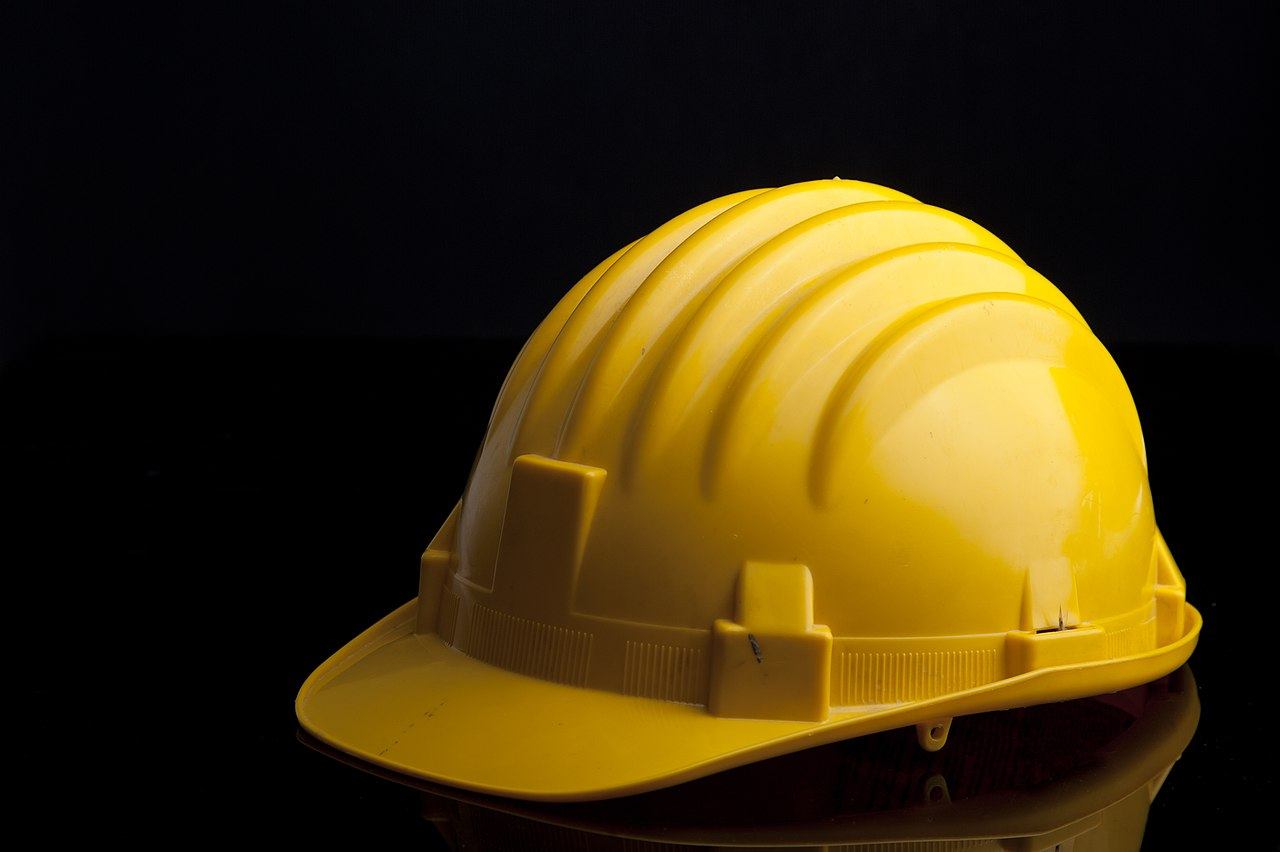
Hard hats were available but often skipped. Federal rules now make them mandatory on active sites.
In 1975, hard hats were available on most sites but wearing one was often left to individual judgment, and plenty of workers went bare-headed through much of a shift, especially away from active overhead work. Today, OSHA regulations require hard hats whenever there’s a risk of falling objects, and sites enforce this strictly. Hard hats worn only sometimes is a defining memory of the era, a once-optional practice that federal safety regulation has since made a firm, non-negotiable requirement on every active job site in the country.
Like our content? Follow us for more.
2. A Metal Lunch Pail Brought From Home
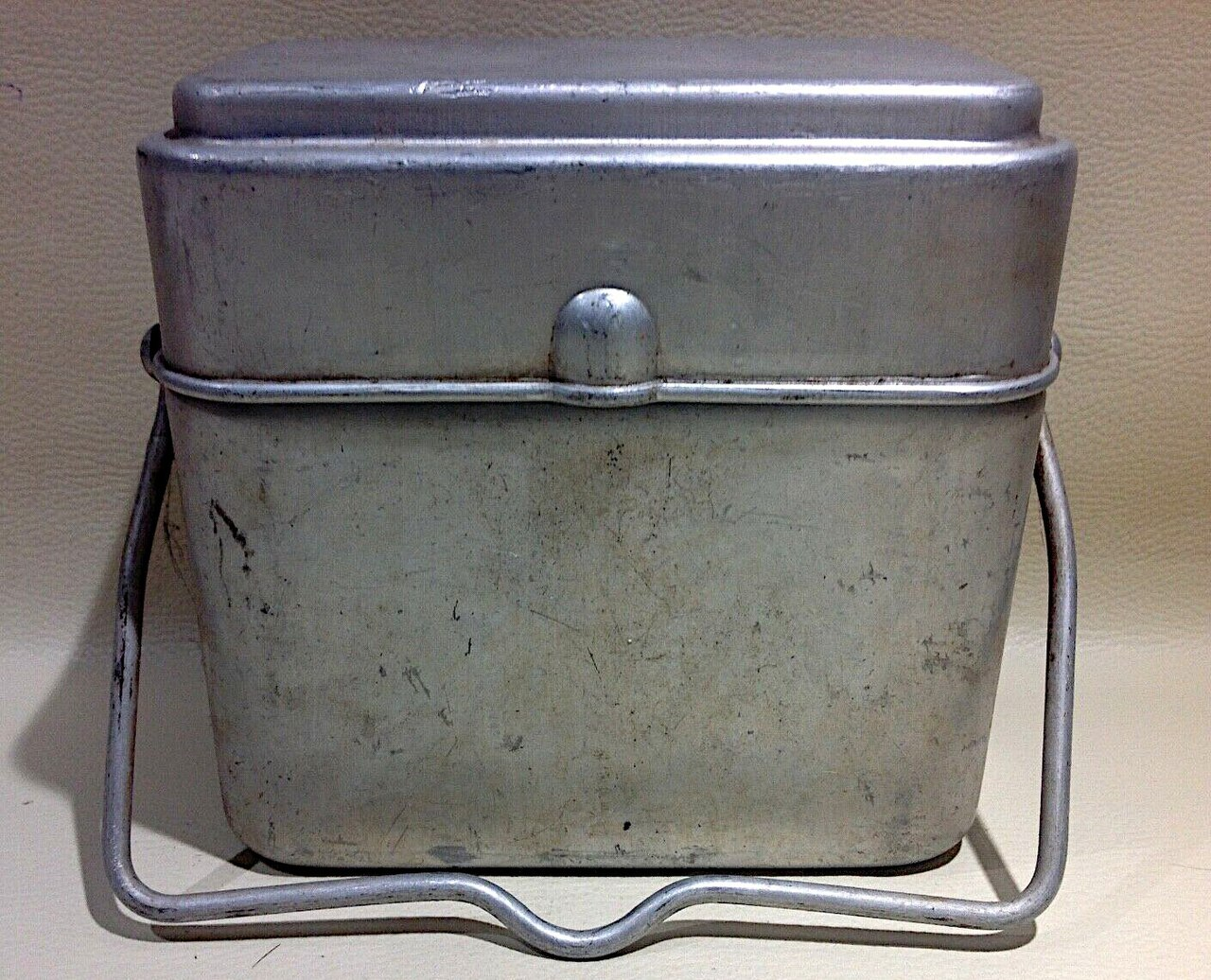
Workers carried a sturdy metal lunch pail. It held a sandwich and a thermos.
Every worker showed up with a sturdy metal lunch pail packed at home, holding a sandwich, some fruit, and whatever else got a person through a long physical shift. Lunch break meant sitting on a stack of lumber or a curb, pail open beside you. It was a simple, universal ritual. A metal lunch pail brought from home is a beloved construction-site memory, the humble container that fueled a hard day’s work, a nostalgic image that remains instantly recognizable even decades later.
3. Asbestos Insulation Handled Bare-Handed (Now Banned)
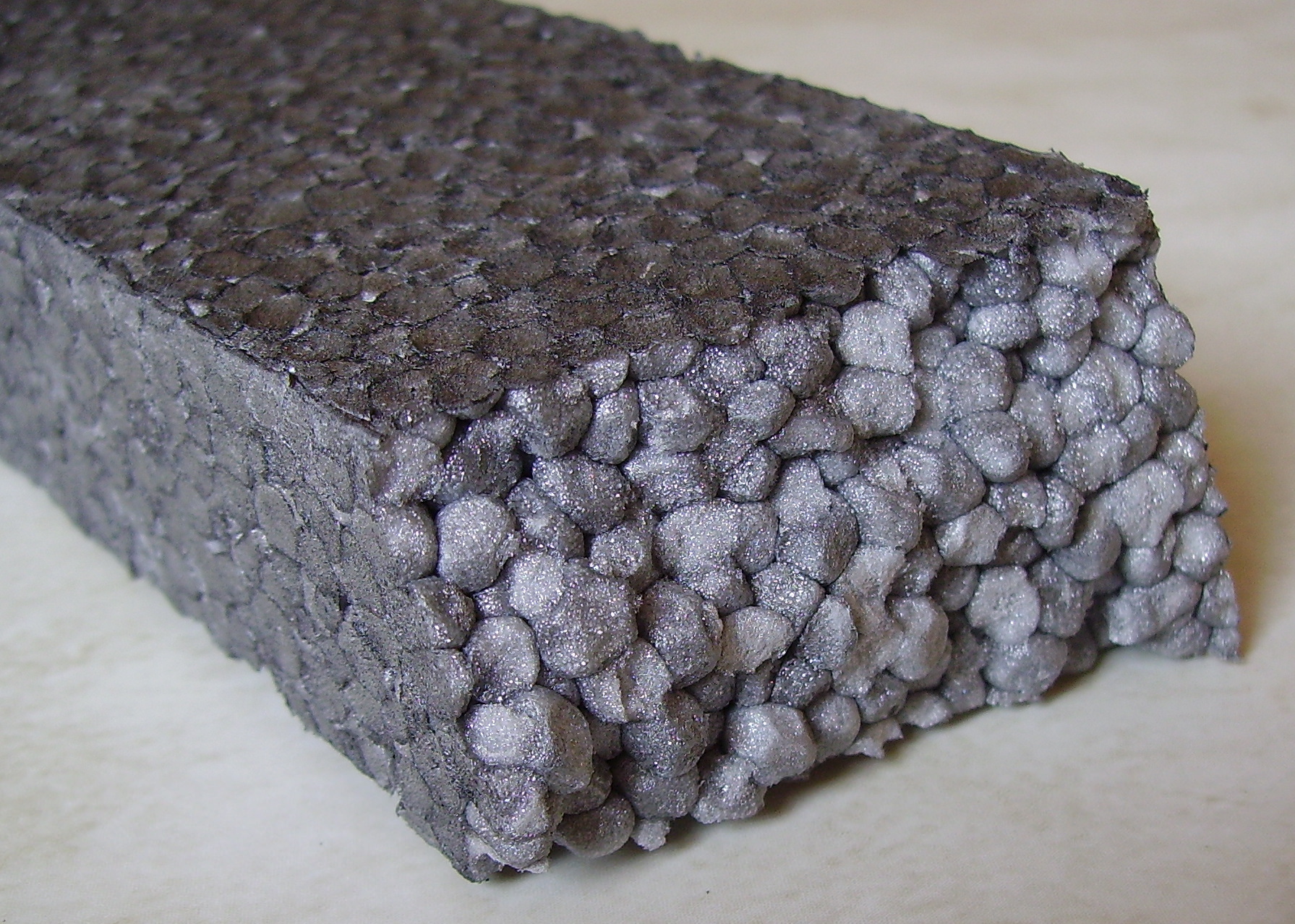
Asbestos was a common building material. Workers handled it with no protective gear.
Asbestos-based insulation and fireproofing were common materials on job sites in 1975, and workers routinely cut, handled, and installed it with bare hands and no respiratory protection, unaware of the long-term health risks involved. It was simply treated as an ordinary building material. Given the well-documented dangers of asbestos exposure, its use is now tightly restricted or banned outright in most new construction, with strict abatement protocols required wherever it remains. Asbestos handled bare-handed is a sobering construction-site memory now firmly banned, a once-routine material that decades of health research have since removed from standard building practice.
4. Lead-Based Paint Applied Without a Mask (Now Banned)
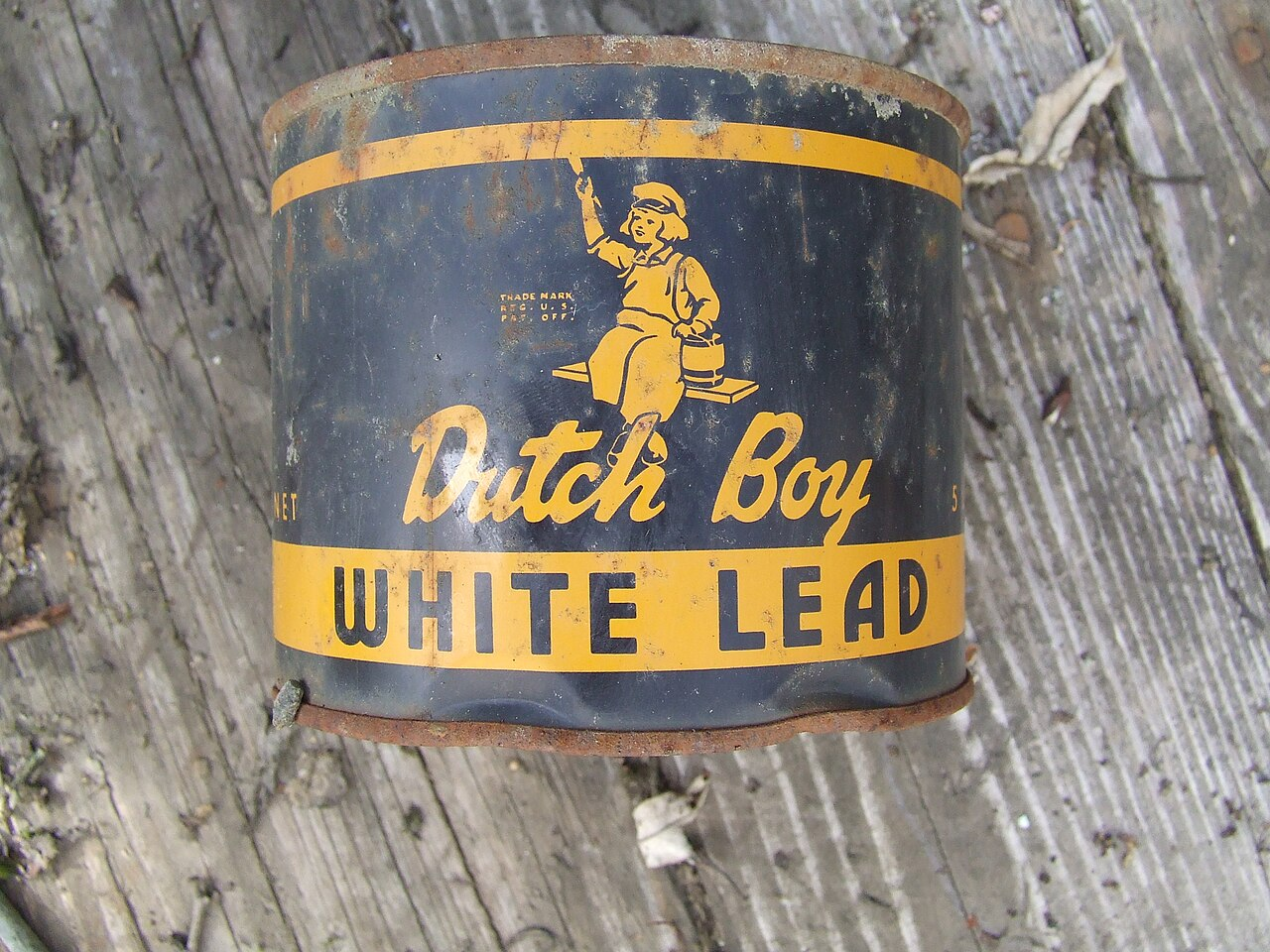
Lead paint was standard and widely used. Painters worked without respiratory protection.
Lead-based paint remained in common use on job sites through the mid-1970s, applied by workers without masks or ventilation precautions, since its risks weren’t yet widely understood or regulated. It coated everything from trim to structural steel. Following federal restrictions enacted in the late 1970s, lead-based paint for residential use is now banned, and any remaining lead paint work requires specialized certification and protective equipment. Lead-based paint applied without a mask is a defining memory of the era now firmly banned, a once-standard material that regulation has since removed from ordinary construction.
5. Working Scaffolding Without a Safety Harness (Now Required)
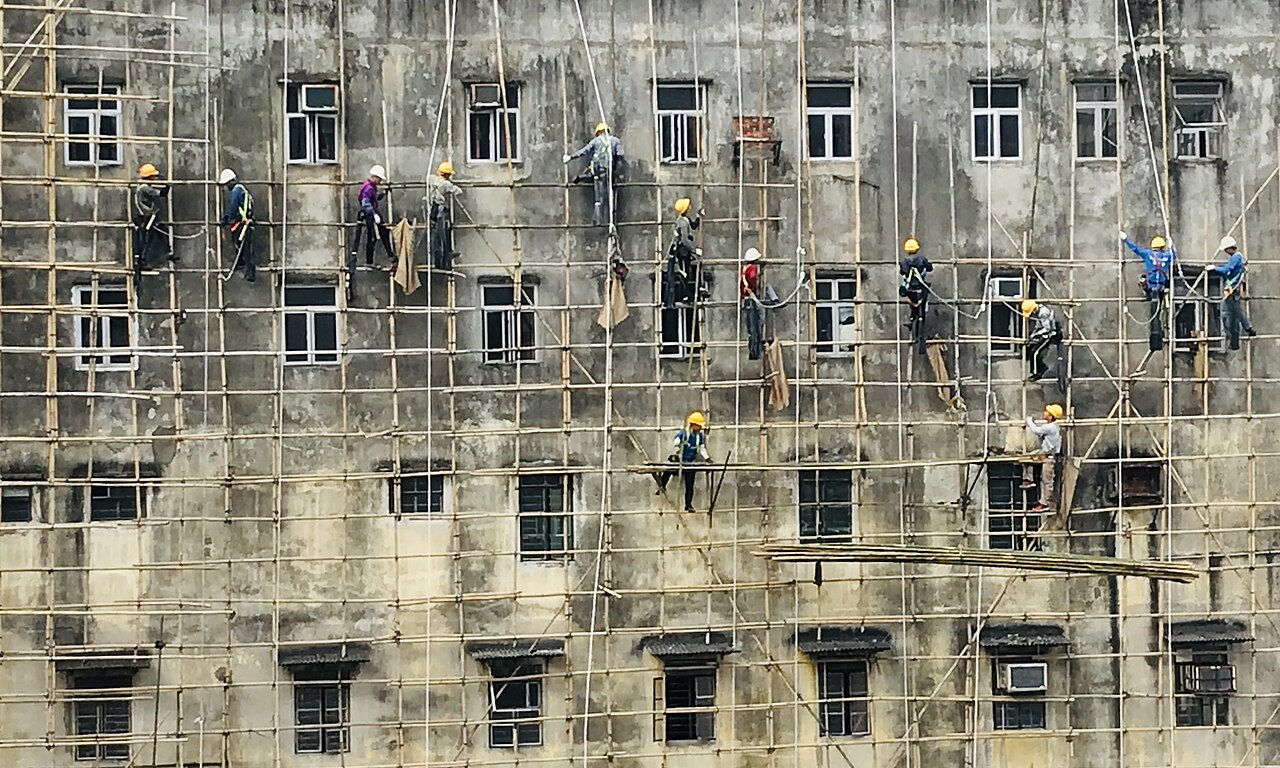
Scaffolding work happened without fall protection. Harnesses weren’t standard practice.
Workers on elevated scaffolding in 1975 often worked without any fall-protection harness, relying instead on careful footing and experience to avoid accidents at height. Fall protection equipment existed but wasn’t consistently required or used. Today, OSHA fall-protection standards require harnesses and guardrails at specific heights, with strict enforcement and serious penalties for violations. Working scaffolding without a harness is a genuinely dangerous construction-site memory now firmly required by law, a once-common practice that decades of fall-related injury data have since transformed into mandatory safety equipment.
6. Smoking Breaks Taken Anywhere on Site (Now Restricted)

Cigarette breaks happened throughout the workday. Smoking near materials was common and unremarked.
Cigarette breaks were a constant feature of the workday in 1975, with workers smoking freely throughout the site, including near flammable materials, fuel, and equipment, without much thought to the fire risk involved. It was simply part of daily life on the job. Today, most job sites strictly designate or prohibit smoking areas, particularly around fuel storage and flammable materials, for clear fire-safety reasons. Smoking breaks taken anywhere on site is a nostalgic but genuinely risky memory now restricted, a once-universal habit that fire-safety standards have since confined to specific, controlled areas.
7. A Transistor Radio Playing Through the Shift
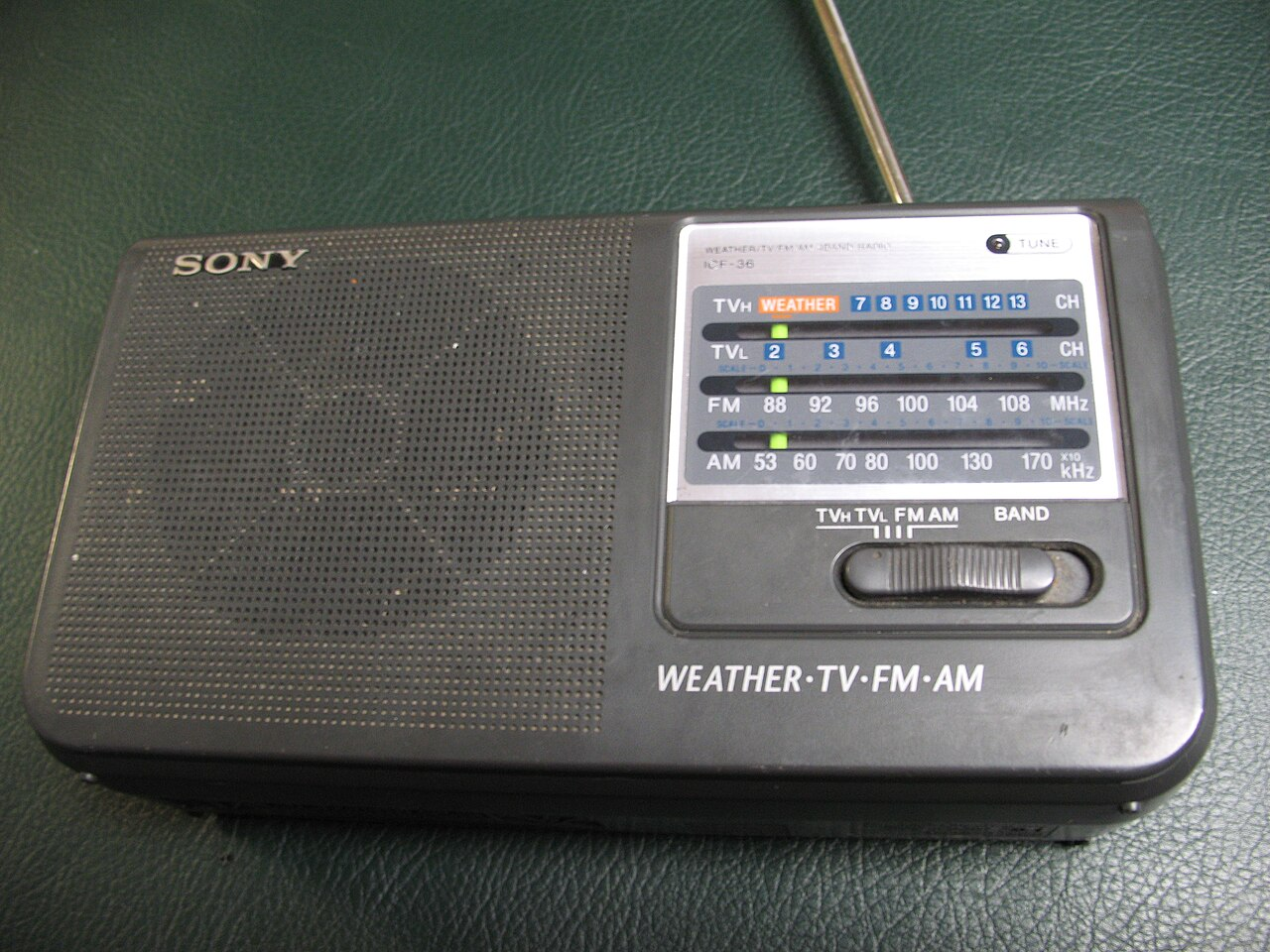
A small radio provided music and news all day. It sat on a windowsill or toolbox.
A small transistor radio, propped on a windowsill or toolbox, played music and news throughout the workday, providing a shared soundtrack for the whole crew. Everyone had an opinion about which station it should be tuned to. It made long, repetitive tasks feel a little more bearable. A transistor radio playing through the shift is a warm construction-site memory, the small comfort that kept crews entertained through hours of hard labor, a simple pleasure that has since evolved into personal headphones and phones on modern job sites.
8. Heavy Machinery Run Without Hearing Protection (Now Required)
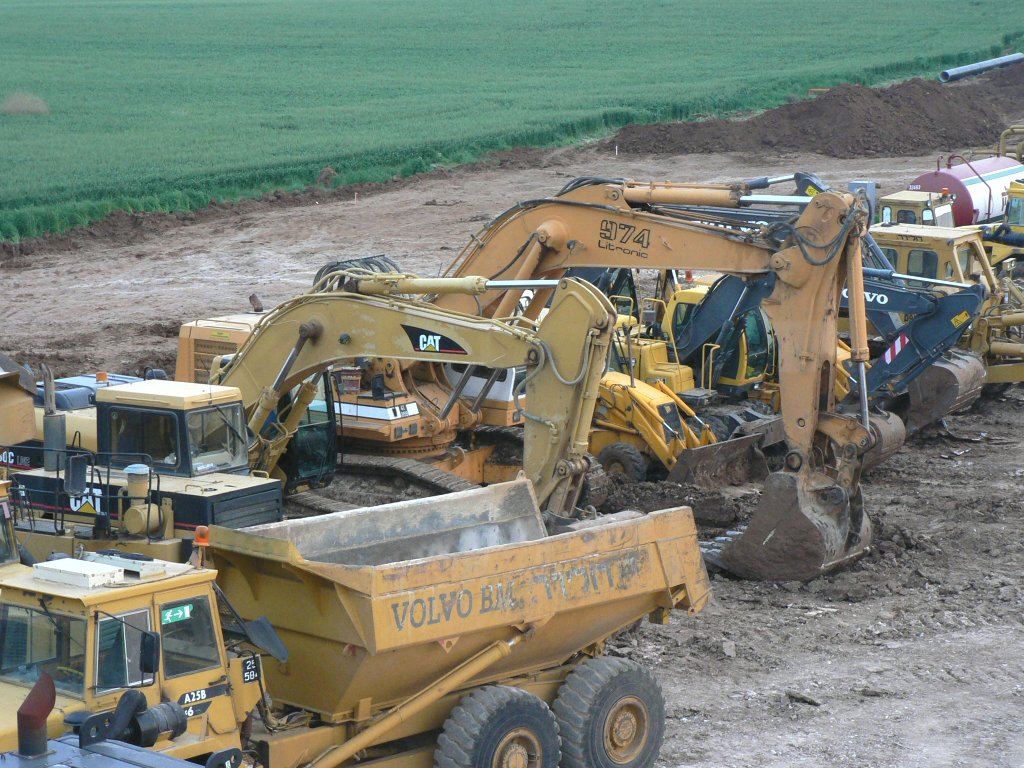
Loud equipment ran all day near unprotected ears. Hearing damage wasn’t well understood at the time.
Heavy, loud machinery, jackhammers, generators, and power saws, ran constantly near workers who had no hearing protection whatsoever, exposing them to dangerous noise levels for hours at a stretch. Long-term hearing damage from this kind of exposure wasn’t well understood or taken seriously at the time. Today, OSHA noise standards require hearing protection above specific decibel thresholds, and sites provide earplugs or earmuffs as standard equipment. Heavy machinery run without hearing protection is a memory now firmly required by law, a once-overlooked risk that occupational health research has since made a mandatory safety standard.
9. A Thermos of Coffee Shared at Break Time
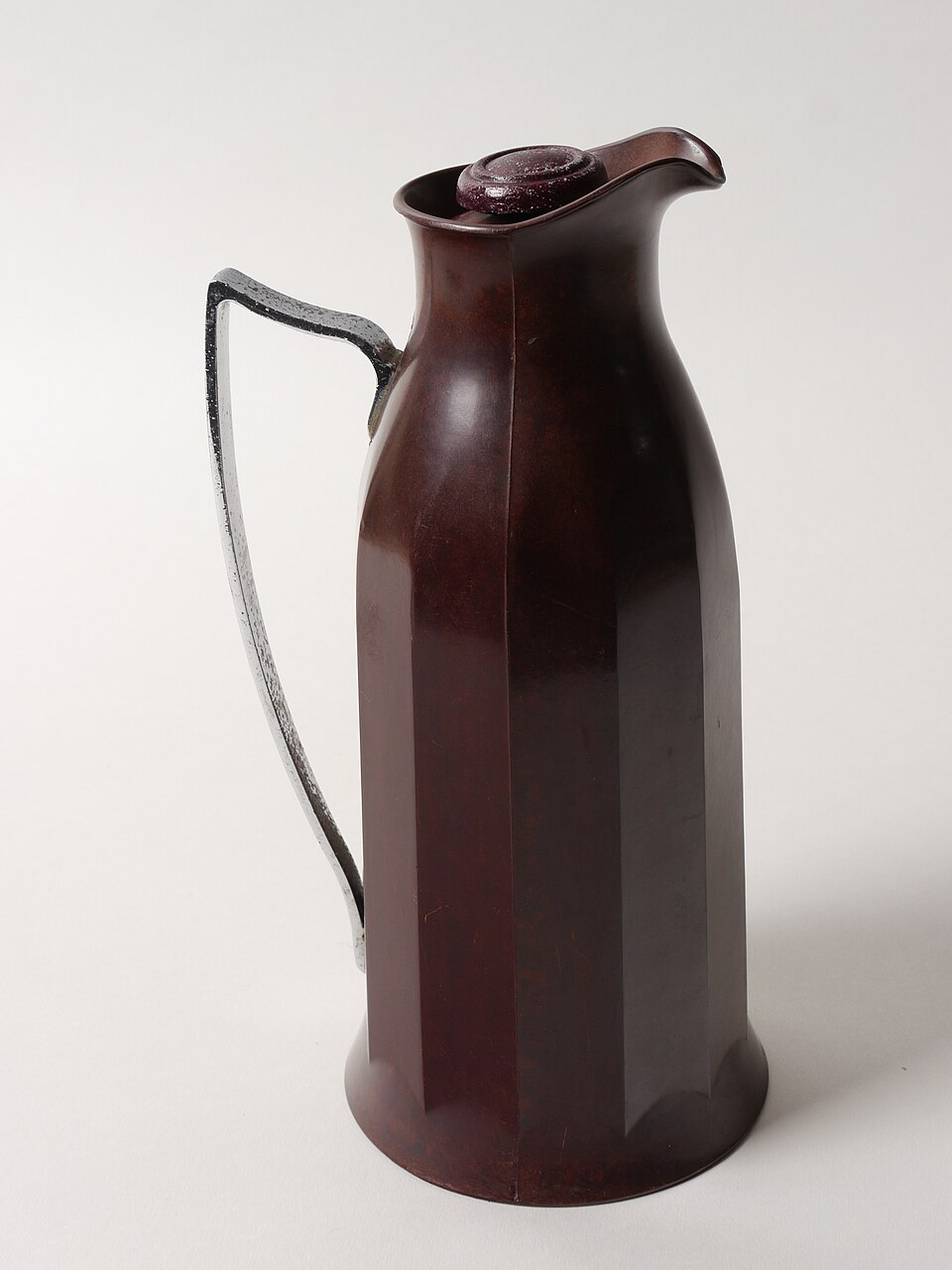
Coffee fueled long days of physical labor. Sharing a thermos was a simple daily ritual.
A large thermos of coffee made the rounds at break time, poured into a shared cup or two and passed among crew members to fuel a long, physically demanding day. It was a small, reliable comfort in an otherwise grueling job. The coffee break was a genuine moment of camaraderie. A thermos of coffee shared at break time is a warm construction-site memory, the simple daily ritual that gave crews a moment to rest and connect, a tradition that remains just as common on job sites today.
10. Hand Signals Used to Coordinate Heavy Equipment
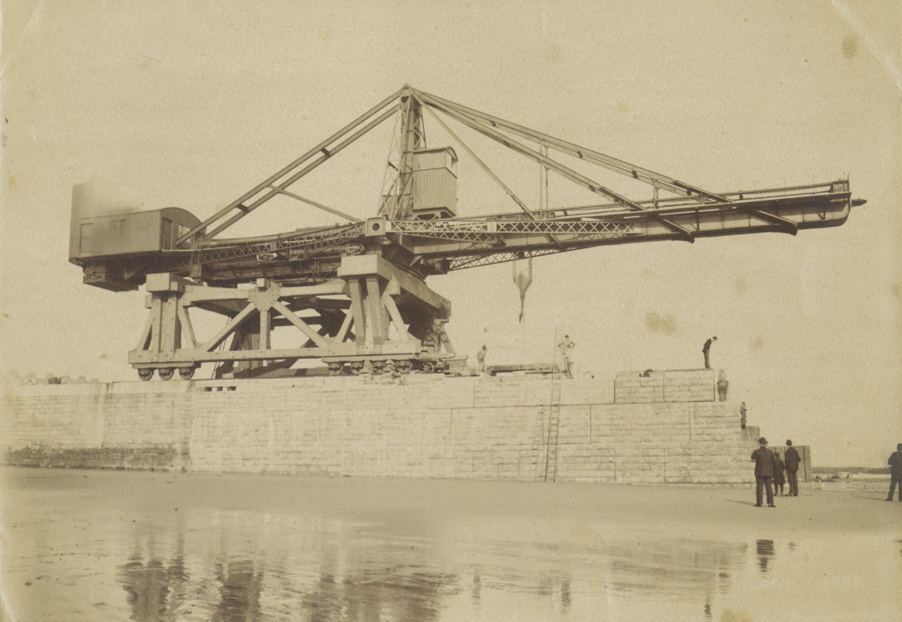
Crews relied on hand signals for crane and equipment coordination. It required real skill and trust.
Coordinating heavy equipment like cranes and excavators relied heavily on hand signals, a skilled visual language between the operator and ground crew that required real trust and precision, with no radio communication as backup. Getting the signals wrong could mean serious trouble. It was a genuinely impressive, if entirely analog, system. Hand signals used to coordinate heavy equipment are a respected construction-site memory, the skilled, wordless communication that kept complex machinery working safely, a practice that, while now often paired with radios, remains a valued backup skill on modern sites.
11. A Paper Time Card Punched at a Clock
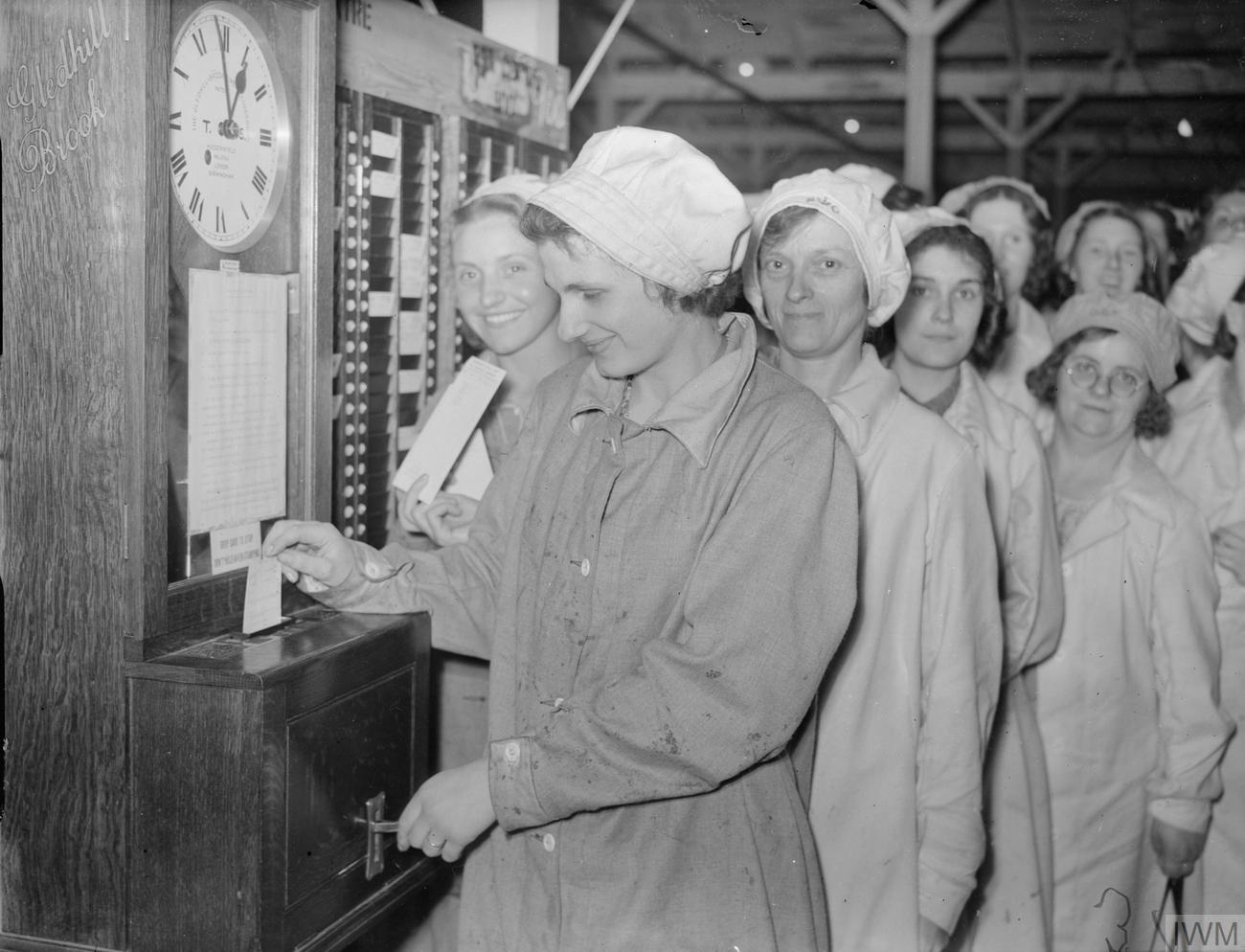
Workers clocked in with a paper card. A mechanical clock stamped the time by hand.
Clocking in and out meant punching a paper time card into a mechanical time clock mounted near the site trailer, the satisfying chunk of the stamp marking the start and end of every shift. Lost or damaged cards meant a trip to the foreman’s office to sort things out. It was a simple, tactile system. A paper time card punched at a clock is a familiar construction-site memory, the mechanical timekeeping ritual that marked every workday, a system that has since been almost entirely replaced by digital and biometric time-tracking on modern job sites.
12. A Hand-Drawn Site Map Taped to the Trailer Wall
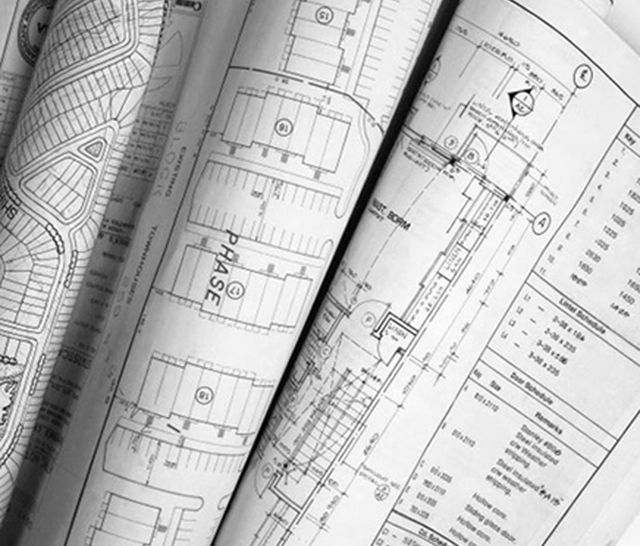
Plans and maps were drawn and taped up by hand. Crews referenced them constantly throughout the day.
Inside the site trailer, a hand-drawn map or blueprint was taped to the wall, updated and annotated by hand as the project progressed, and referenced constantly by crews throughout the day. There was no digital plan to pull up on a tablet. Everyone gathered around it each morning for direction. A hand-drawn site map taped to the trailer wall is a practical construction-site memory, the analog planning tool that guided an entire crew’s workday, a simple system that has since given way to digital plans and project-management software on modern sites.
Six Now Banned or Required, Six Still Familiar
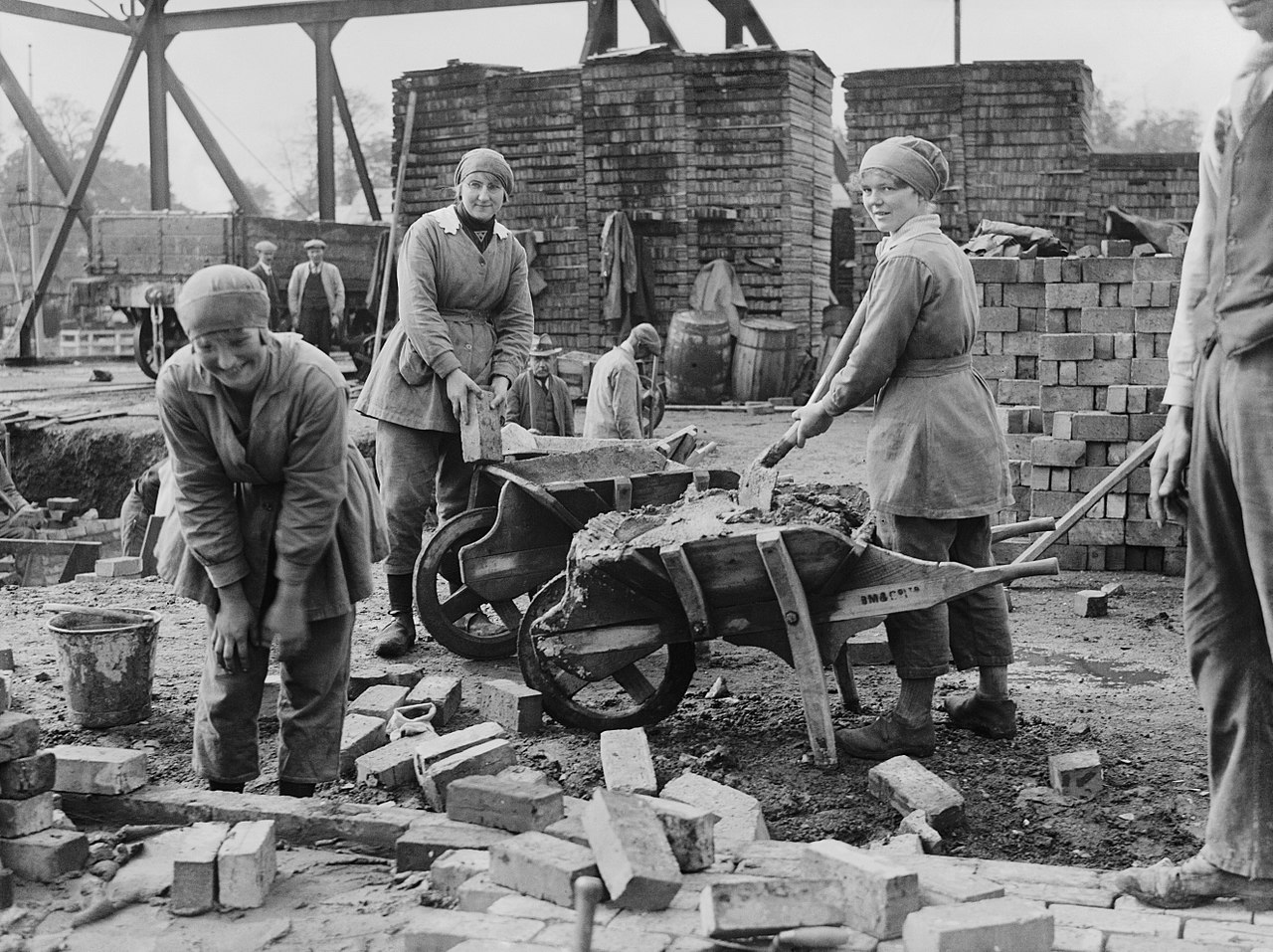
Taken together, these twelve things capture exactly what an American construction site allowed in 1975, from the optional hard hat and the bare-handed asbestos work to the coffee break and the hand-drawn site map. Six of them, the optional hard hats, the asbestos, the lead paint, the harness-free scaffolding work, the anywhere smoking, and the unprotected loud machinery, would each individually shut a modern job site down, while the rest remain a nostalgic, familiar part of construction culture.
Workplace safety regulation has transformed considerably since 1975, driven by decades of injury and health data that revealed just how dangerous many “normal” practices really were. The changes reflect hard-won lessons, not arbitrary rules. Yet for those who worked the trades in that era, these details bring it all back: the transistor radio, the shared thermos, the hand signals across a busy site. Looking back at what a construction site allowed in 1975 is a nostalgic tribute to the grit of the era, banned practices and all.
Like our content? Follow us for more.