
Flight disruptions are one of the most stressful parts of travel, but U.S. travelers have stronger refund protections than many realize. A federal rule that took effect in late 2024 requires airlines to issue prompt, automatic cash refunds in a range of situations, removing much of the old hassle of fighting for your money back. Knowing exactly what you are owed, and what you are not, can save you time, money, and frustration. Here are ten things to know about getting a refund when your flight is canceled or delayed, counted down one by one. (This is general information, not legal advice, and reflects rules as of mid-2026 that are subject to change.)
1. Canceled Flights Trigger an Automatic Refund

If the airline cancels and you don’t rebook, you’re owed your money back. The refund should be automatic.
Under the U.S. Department of Transportation’s rule, if an airline cancels your flight, you are entitled to a refund regardless of the reason, as long as you choose not to take an alternative flight the airline offers. Crucially, the refund is supposed to be automatic, meaning the airline must issue it without you having to jump through hoops. You can still opt to rebook or accept a travel credit if you prefer, but the choice is yours. A canceled flight triggering an automatic refund is the cornerstone of the DOT rule, the protection that ensures travelers get their money back when an airline cancels and they decide not to fly, without having to fight for it.
Like our content? Follow us for more.
2. A “Significant Delay” Also Qualifies

Big delays count too, not just cancellations. Specific time thresholds define “significant.”
[IMAGE SUGGESTION] Wikimedia Commons “airport delayed flight waiting passengers” — CC-licensed image of a flight delay.
Refund rights don’t apply only to outright cancellations. If your flight is significantly delayed or changed and you choose not to travel, you’re entitled to a refund. The DOT defines a significant delay using specific thresholds: generally a delay of three hours or more for a domestic flight, or six hours or more for an international flight (measured at departure or arrival), among other qualifying changes. A significant delay qualifying for a refund is a key part of the rule, the recognition that a long enough delay can derail your plans just as a cancellation would, giving travelers the right to a refund if they decide the delayed flight no longer works for them.
3. Other Major Changes Count, Too

Schedule and routing changes can also qualify. Different airports or downgrades may entitle you to a refund.
[IMAGE SUGGESTION] Wikimedia Commons “airport flight schedule change board” — CC-licensed image of a schedule board.
Beyond delays, several other significant changes can entitle you to a refund if you decline to accept them. These include a change in your departure or arrival airport, the addition of connections to a previously nonstop itinerary, a downgrade to a lower class of service, or a change to a less accessible flight for travelers with disabilities. If the airline substantially alters what you bought and you don’t accept the new arrangement, the refund right generally applies. Other major changes counting toward a refund broadens the protection, ensuring that significant alterations to your itinerary, not just delays, can entitle you to your money back if the new terms don’t work for you.
4. You’re Owed Cash, Not Just a Voucher

A refund means actual money back, not a forced credit. You can decline a voucher.
A central feature of the DOT rule is that refunds must be issued as cash, or a refund to your original form of payment, not as a travel voucher or credit you didn’t ask for. Airlines can offer you a credit or rebooking as an option, but if you want your money back, you are entitled to decline the voucher and receive a cash refund. Being owed cash, not just a voucher, is one of the most important protections in the rule, the guarantee that a covered disruption ends with money back in your pocket rather than a credit locked to an airline you may not want to fly again.
5. Refunds Come With Deadlines

Airlines must refund you promptly. Credit-card refunds have a tight window.
The rule doesn’t just require refunds, it sets deadlines for them. Airlines generally must issue refunds within seven business days for credit-card purchases and within twenty calendar days for other forms of payment, once you’re entitled to the refund. The money is supposed to be returned to your original payment method. Refunds coming with deadlines adds teeth to the protection, the requirement that airlines return your money within a set, relatively short window rather than dragging the process out for weeks or months, so you’re not left waiting indefinitely for funds you’re owed.
6. Checked-Bag Fees Can Be Refunded
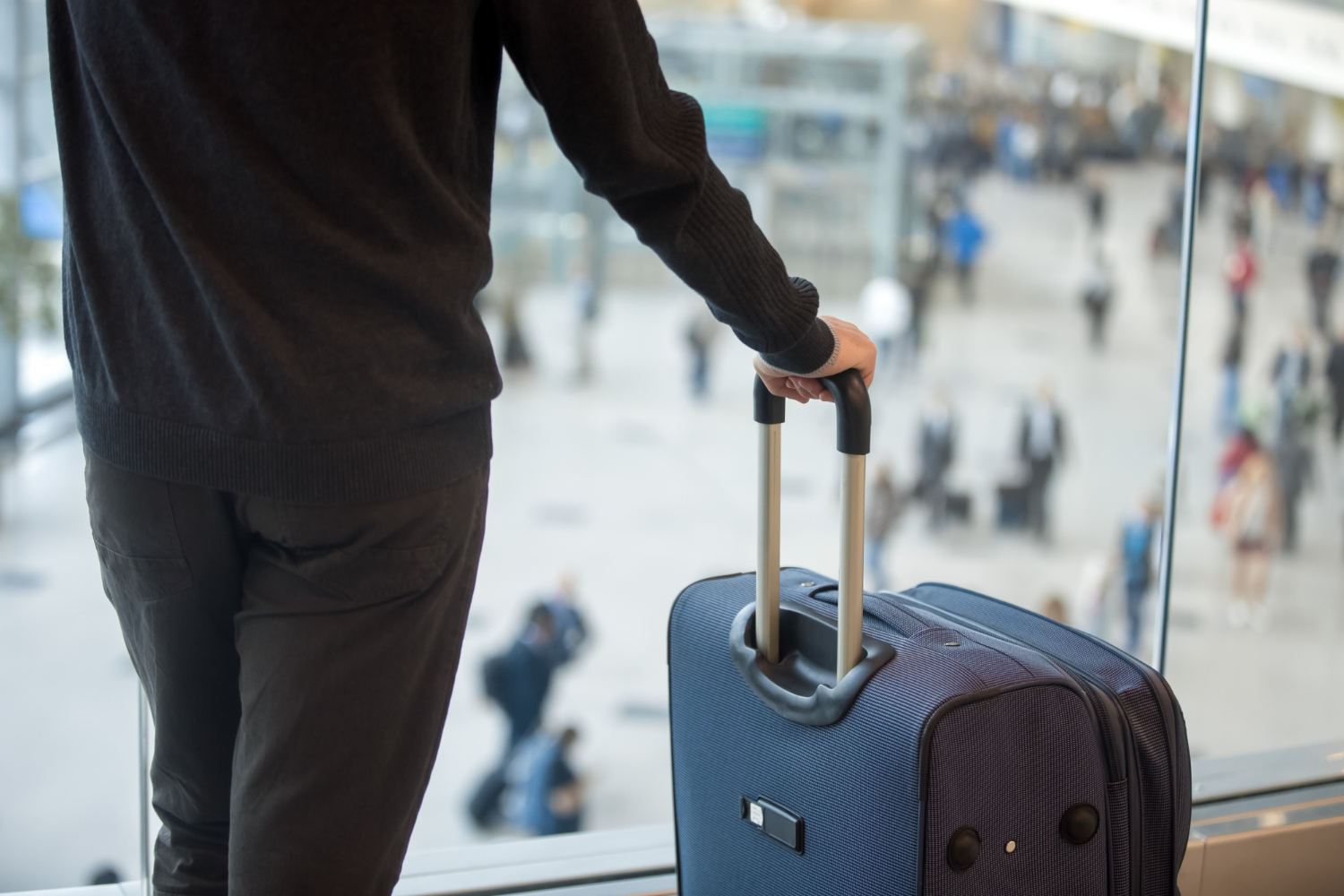
If your bag is badly delayed, you may get the fee back. You have to file a report.
The refund rule also covers checked-bag fees. If your checked bag is significantly delayed, generally more than 12 hours after a domestic flight arrives (with a longer window for international flights), the airline must refund the checked-bag fee, provided you file a mishandled-baggage report. Given that bag fees commonly run $35 to $75 each way, this can add up. Checked-bag fees being refundable is a useful protection, the rule that you shouldn’t have to pay to check a bag that doesn’t arrive on time, though you generally need to file a report with the airline to trigger the refund.
7. Fees for Services You Didn’t Get Are Refundable
Paid for Wi-Fi or a seat you didn’t receive? You can get that back. Undelivered extras qualify.
The rule extends to ancillary fees, the extra charges for services like in-flight Wi-Fi, seat selection, or other add-ons. If you paid for one of these services and the airline failed to provide it, you’re entitled to a refund of that fee. Fees for services you didn’t get being refundable closes a common gap, ensuring that when you pay extra for an amenity, broken Wi-Fi or a seat assignment that didn’t materialize, you can recover the cost rather than eating the charge for something the airline never delivered.
8. There’s No Federal Cash Compensation for Delays

The U.S. doesn’t mandate payouts beyond refunds. A proposal to require compensation was dropped.
It’s important to understand the limits. Unlike some other regions, the U.S. does not currently require airlines to pay cash compensation, on top of a refund, for delays the airline causes. A proposed rule that would have mandated such compensation for controllable delays was withdrawn in late 2025, and the situation remains a subject of debate. There being no federal cash compensation for delays is a key limit of U.S. rules, the reality that while you can recover your fare and fees, you generally aren’t entitled to an additional payout for a delay, a notable difference from passenger-rights frameworks elsewhere.
9. Some Airlines Offer More Than the Minimum

Individual carriers may have more generous policies. It pays to check your airline’s rules.
The DOT rule is a federal floor, not a ceiling, and some airlines voluntarily offer more. Certain carriers refund or rebook for shorter delays than the federal threshold, waive change fees, or proactively issue credits for disruptions. Policies vary by airline and change over time, so it’s worth checking your specific carrier’s current customer-service commitments. Some airlines offering more than the minimum is worth knowing, the fact that your particular airline may provide more generous terms than federal rules require, which means reviewing your carrier’s policy can sometimes get you a better outcome than the baseline protection alone.
10. Know How to Claim What You’re Owed

Be proactive if a refund doesn’t appear. You can escalate a complaint.
While covered refunds are supposed to be automatic, it’s wise to be proactive. Keep your booking records, decline any voucher if you want cash, and contact the airline if the refund doesn’t appear within the required window. If the airline doesn’t comply, travelers can file a complaint with the U.S. Department of Transportation, which handles air-travel consumer issues. Knowing how to claim what you’re owed is the practical capstone, the reminder that staying organized, asking clearly for a cash refund, and escalating to regulators if needed can help ensure you actually receive the protection the rules promise.
Know Your Rights Before You Fly

Taken together, these ten points outline the refund protections U.S. travelers have when flights are canceled or significantly disrupted, from automatic cash refunds and delay thresholds to bag-fee refunds and the limits of the rules. Knowing your rights before you fly can turn a stressful disruption into a manageable one, and help ensure you get back the money you’re owed.
Air-travel rules continue to evolve, and the details of refund requirements, including specific definitions and timelines, can change as regulators revisit them. The best approach is to stay informed, know the current thresholds, keep your records, and don’t accept a voucher if you’re entitled to and want cash. Understanding your refund rights puts you in a far stronger position the next time a flight is canceled or badly delayed, transforming a frustrating situation into one where you know exactly what to ask for and how to get it.
Like our content? Follow us for more.