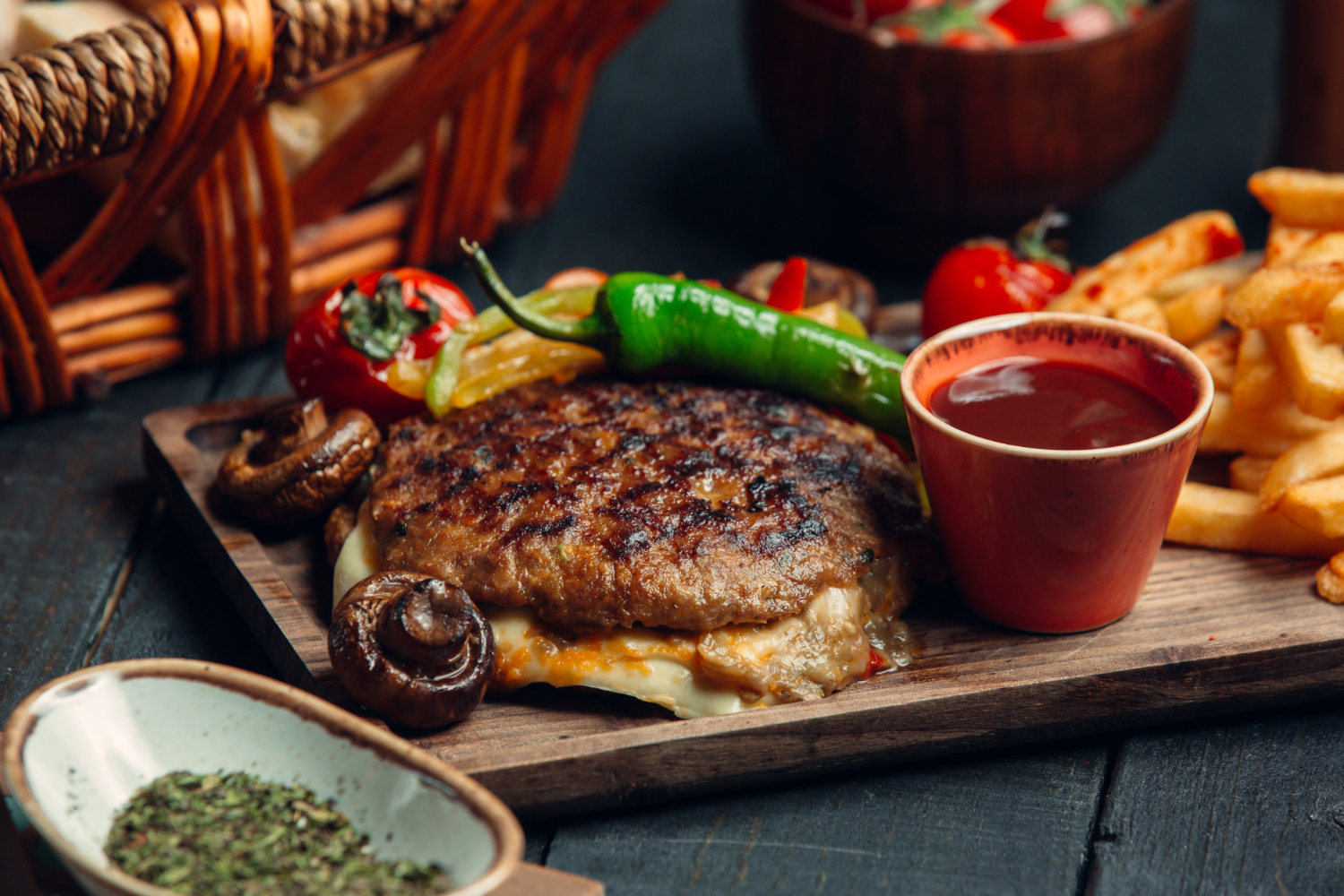
Cooking a great steak at home feels like it should be simple, just meat and heat, and yet it’s remarkably easy to end up with something gray, unevenly cooked, or missing that deep, caramelized crust a good restaurant steak has. Most home cooks assume the difference comes down to the cut of meat itself, or perhaps an expensive pan or grill they don’t own, when in reality the problem usually isn’t the equipment or the cut at all, it’s a handful of small, fixable technique mistakes made well before the steak ever touches the pan. Here are six chef secrets for getting a restaurant-quality sear every time, one by one.
1. Bring the Steak to Room Temperature First
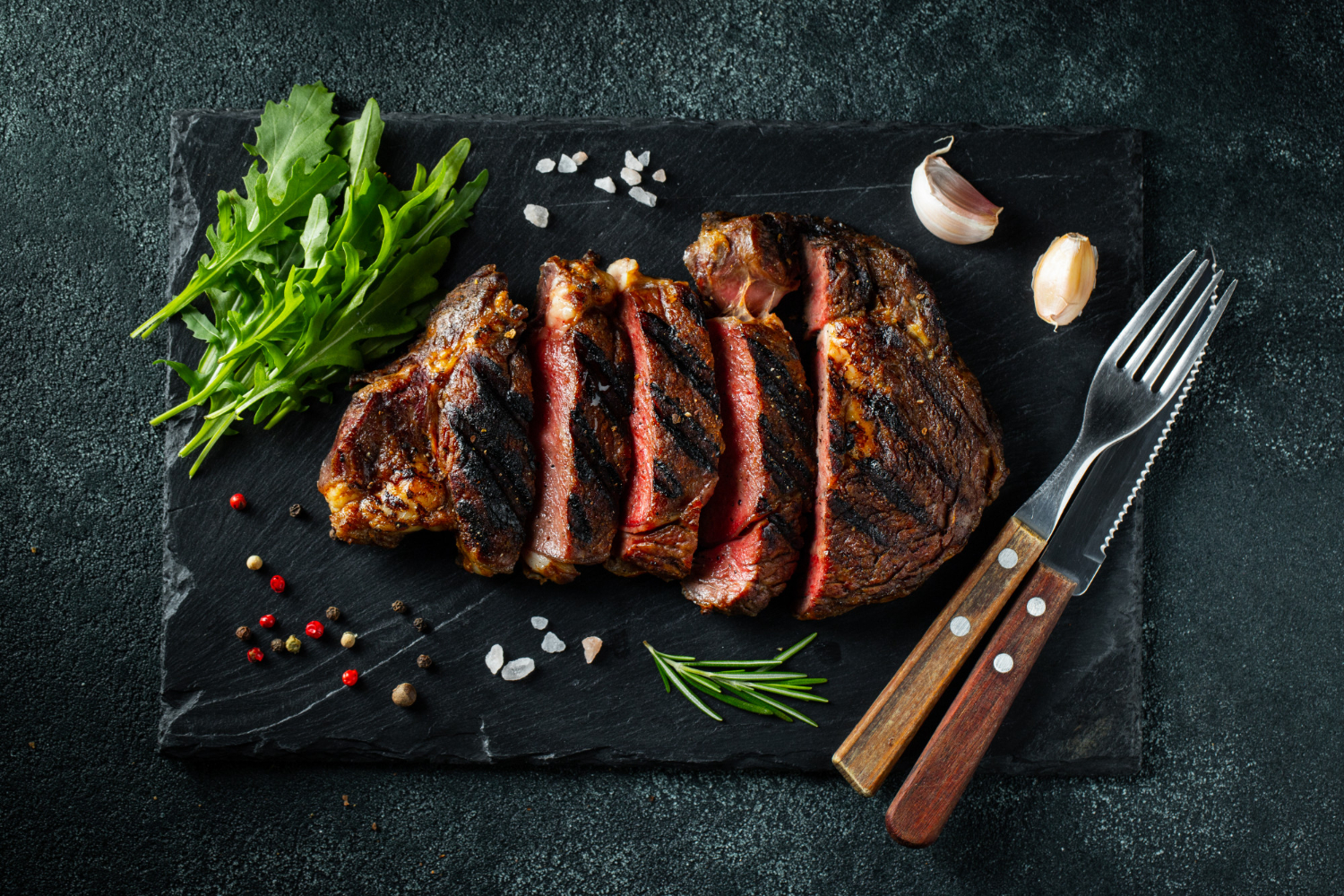
Cold steak cooks unevenly from center to edge. Resting it out first solves the problem.
Pulling a steak straight from the refrigerator and into a hot pan is one of the most common mistakes home cooks make, since a cold center takes considerably longer to reach the right temperature than the outer edges, resulting in an unevenly cooked steak, well-done at the edges and underdone in the middle. Letting it sit out for 30 to 45 minutes before cooking allows it to come closer to room temperature throughout, so the center and the exterior finish much closer together. This single step is one professional kitchens rarely skip, even when working quickly. Bringing the steak to room temperature first is a foundational chef secret, the simple waiting period that sets up much more even cooking from edge to center once the steak actually hits the heat.
Like our content? Follow us for more.
2. Pat It Completely Dry Before Searing
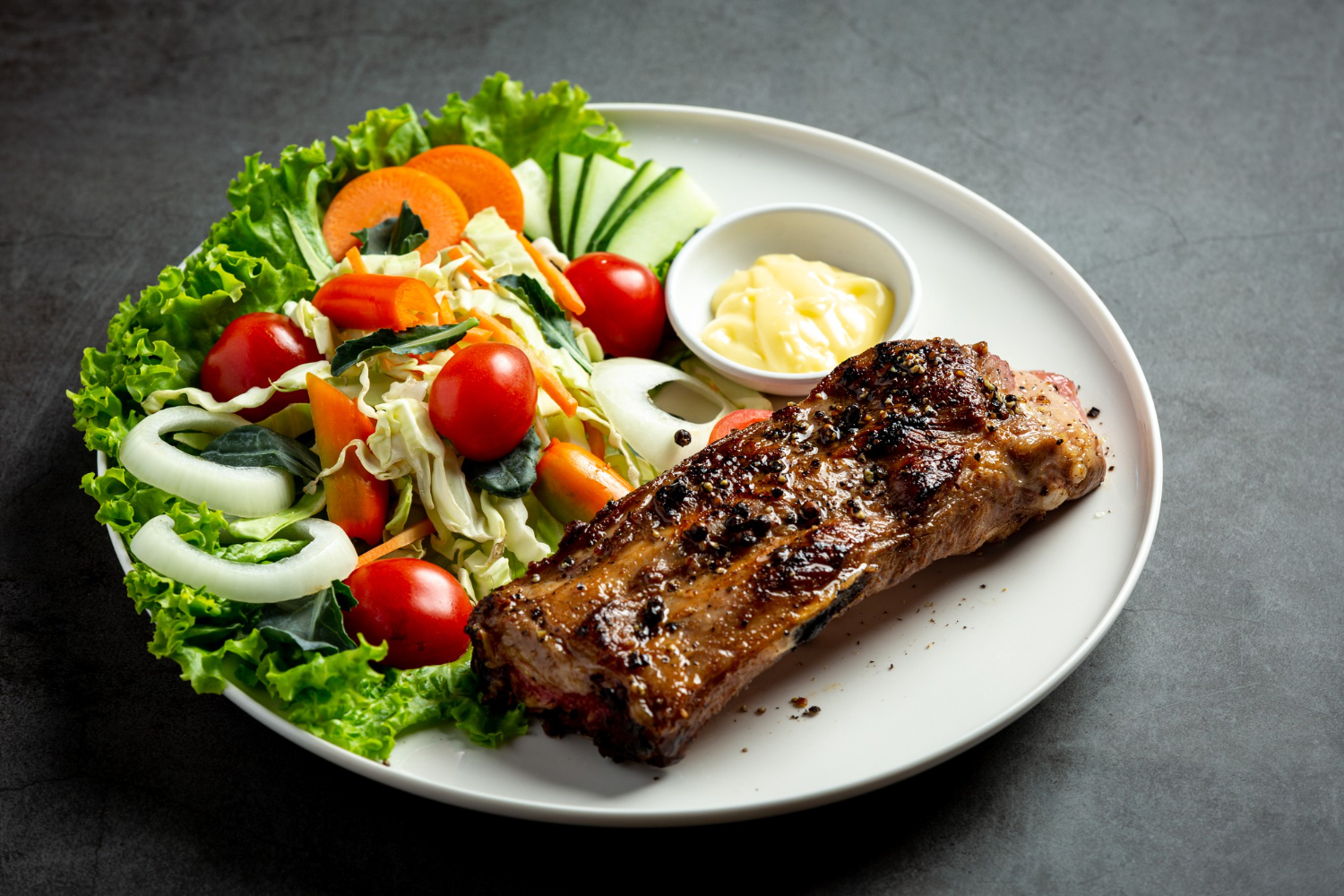
Surface moisture prevents proper browning. A dry surface is essential for a real crust.
Any surface moisture on a steak has to evaporate before real browning can begin, which means a wet steak effectively steams in the pan for the first crucial minute rather than searing, resulting in a pale, gray exterior instead of a deep brown crust. Pressing the steak firmly with paper towels on all sides right before it hits the pan removes this moisture completely. Patting it completely dry before searing is a small but critical chef secret, the quick step that unlocks the deep, caramelized crust that separates a restaurant-quality steak from a merely gray one.
3. Use a Screaming Hot Pan, Not a Warm One
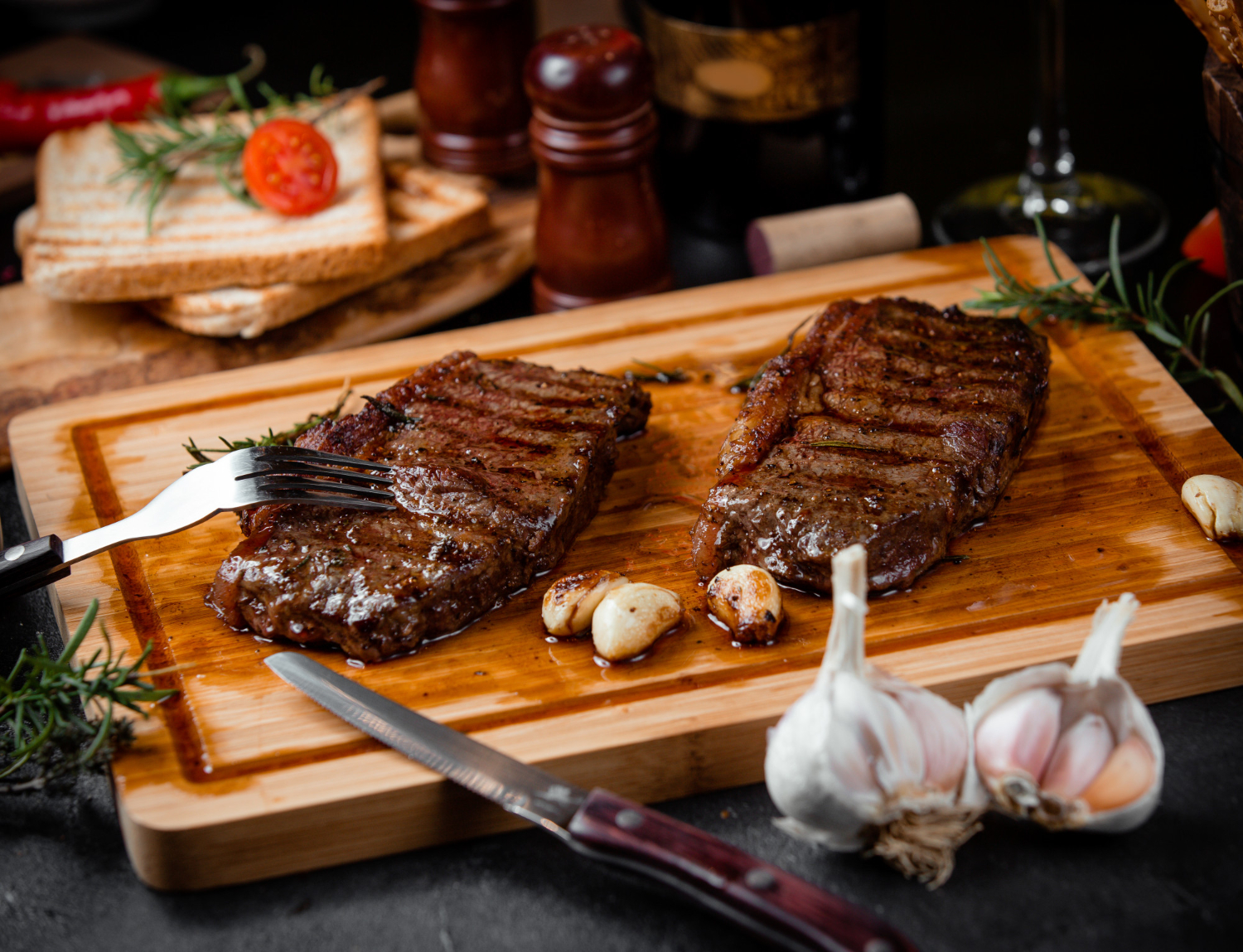
A pan that isn’t hot enough steams the meat. High heat is essential for a proper sear.
A pan that’s merely warm, rather than genuinely hot, is one of the most common causes of a disappointing sear, since the Maillard reaction responsible for that deep brown crust and rich flavor requires real, sustained high heat to occur properly. Letting a heavy pan, ideally cast iron or stainless steel, heat for several minutes before the steak goes in makes all the difference, and a thin layer of shimmering, nearly smoking oil is usually a good visual cue that the pan is finally ready. Using a screaming hot pan, not a warm one, is an essential chef secret, the high-heat foundation that makes a genuine, flavorful crust possible in the first place.
4. Don’t Move the Steak Once It’s in the Pan
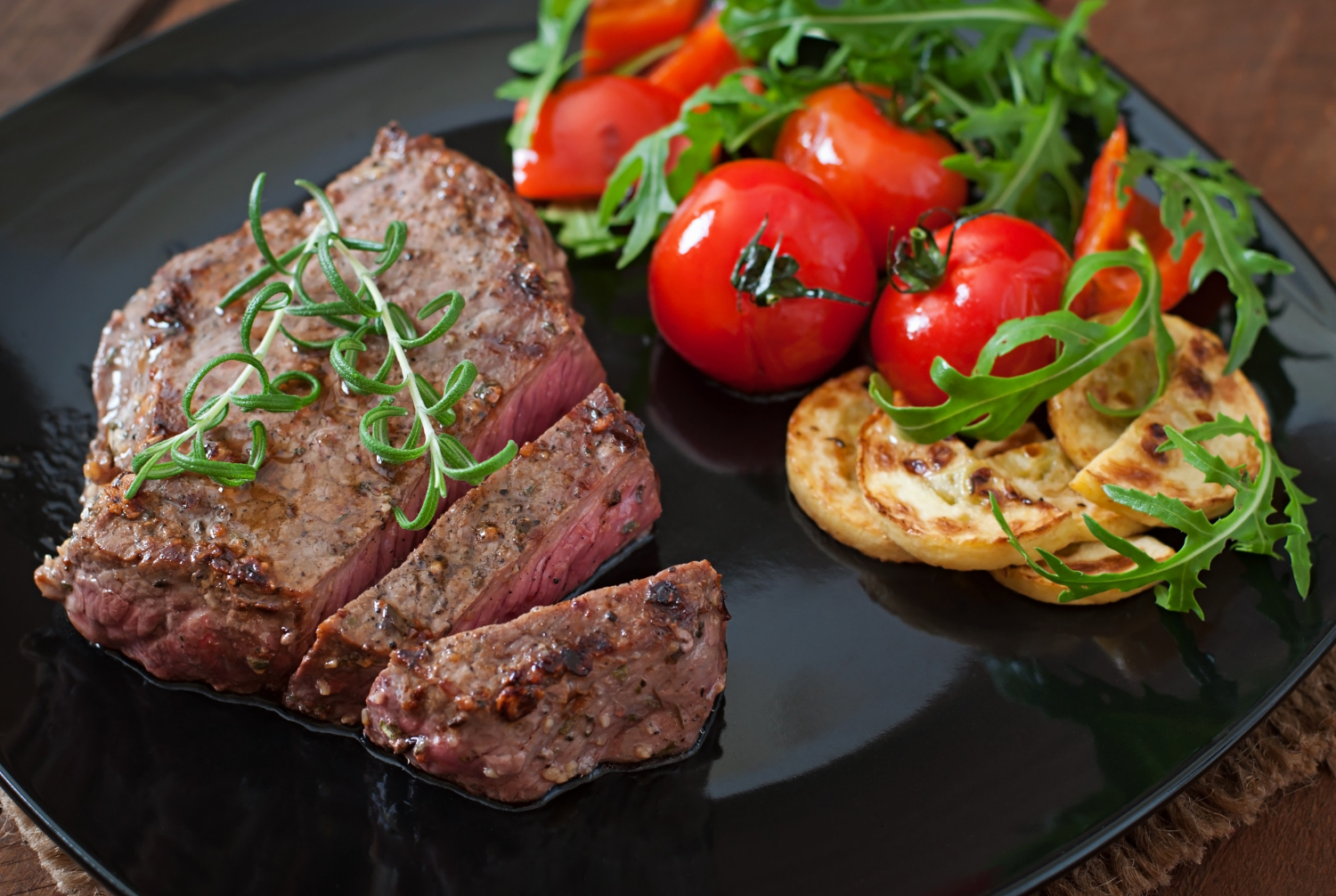
Constant flipping and shifting prevents crust formation. Letting it sit undisturbed builds a proper sear.
Once the steak hits the hot pan, the instinct to move, flip, or press it repeatedly is strong, but constantly disturbing it prevents the crust from ever properly forming, since the meat needs sustained, undisturbed contact with the hot surface to brown evenly. Professional cooks resist the urge and let it sear untouched for several minutes per side. Not moving the steak once it’s in the pan is a discipline-testing chef secret, the patience that allows a genuine, even crust to develop rather than a spotty, unevenly browned surface.
5. Baste With Butter, Garlic, and Herbs Near the End
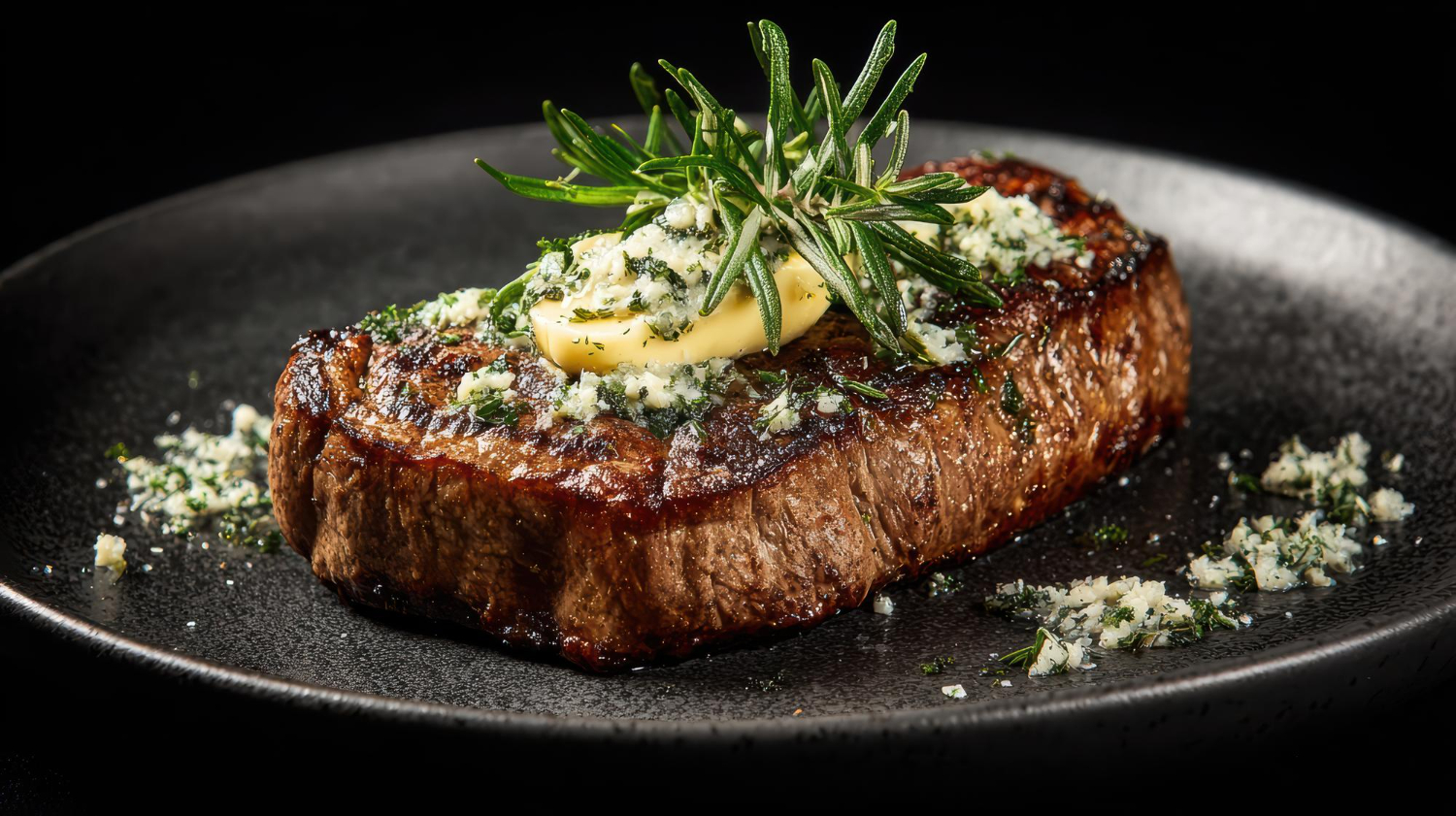
Basting adds flavor and helps even cooking. It’s a classic restaurant technique for extra richness.
In the final minutes of cooking, professional cooks add butter, crushed garlic, and fresh herbs like thyme or rosemary to the pan, tilting it slightly to spoon the fragrant, foaming butter continuously over the steak’s surface. This classic technique, called basting, adds rich flavor and helps cook the top of the steak more evenly. Basting with butter, garlic, and herbs near the end is a beloved chef secret, the finishing technique that adds restaurant-level richness and aroma to a steak that’s already developed a proper sear.
6. Let It Rest Before Cutting Into It
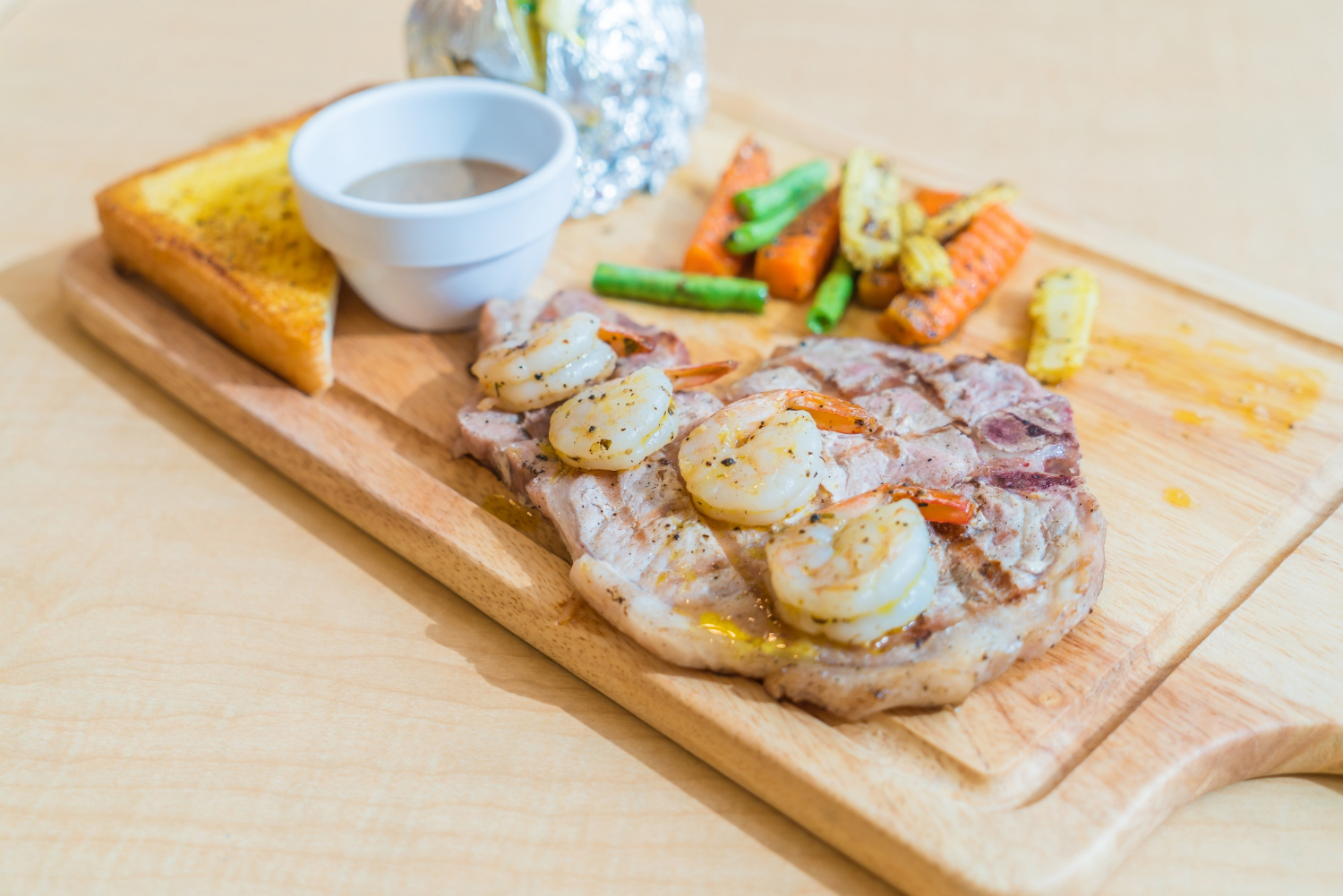
Resting redistributes juices throughout the meat. Cutting too soon lets them spill out onto the plate.
Cutting into a steak immediately after cooking lets the juices, pushed toward the center by the heat, spill straight out onto the cutting board rather than staying in the meat. Letting the steak rest for five to ten minutes on a warm plate before cutting allows those juices to redistribute evenly throughout, resulting in a noticeably juicier bite. Letting it rest before cutting into it is the final and perhaps most important chef secret, the patience-testing pause that determines whether all that careful cooking actually pays off in the finished, juicy result.
Six Small Steps, a Big Difference
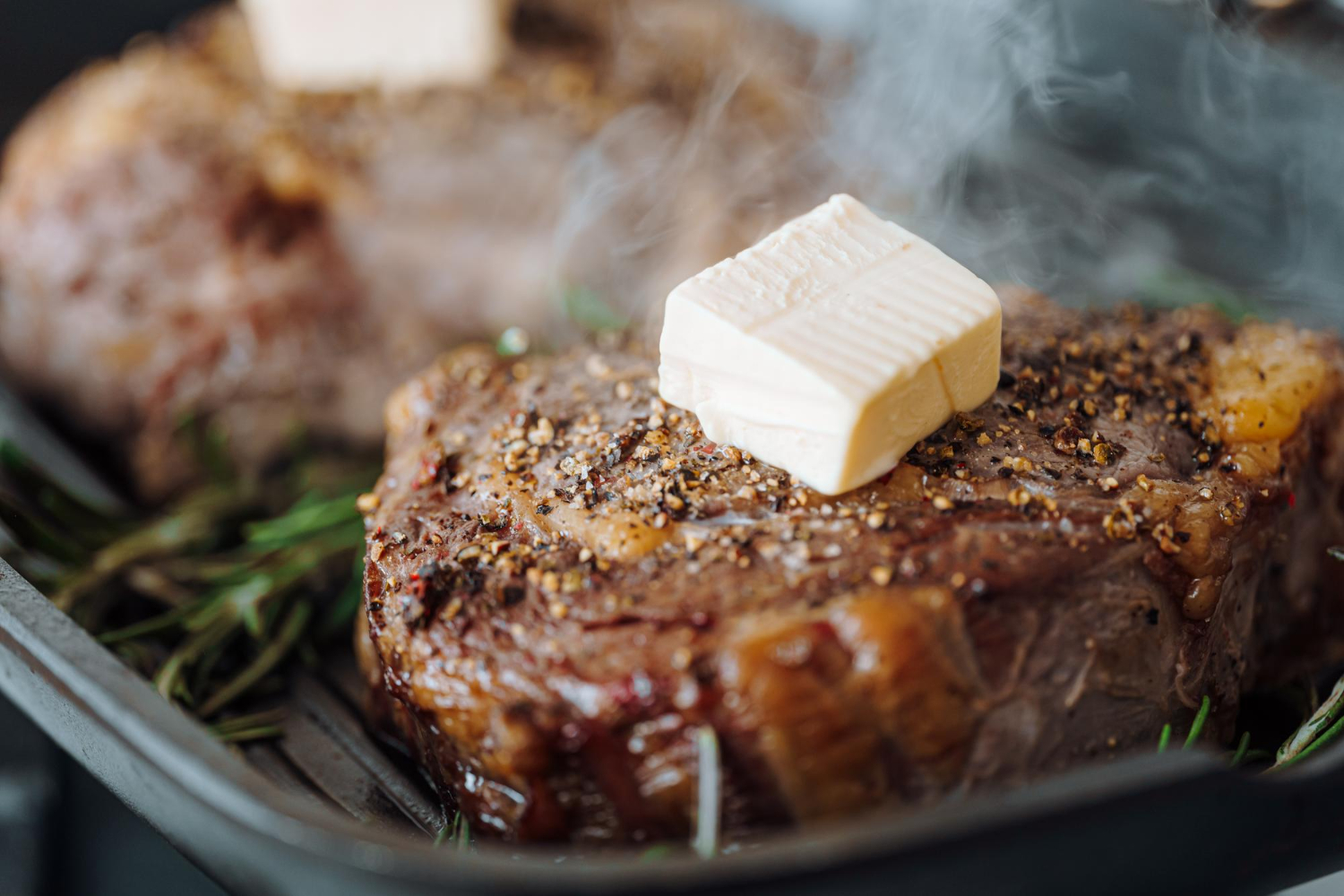
Taken together, these six chef secrets, bringing the steak to room temperature, drying it thoroughly, using real high heat, resisting the urge to move it, basting near the end, and resting before cutting, transform an ordinary steak into something genuinely restaurant-quality. None of it requires special equipment beyond a good heavy pan, just attention to technique and a bit of patience.
What separates a restaurant-quality steak from a disappointing one usually isn’t the cut or the price paid for it, it’s these small, consistent habits applied in the right order every single time, and most of them cost nothing beyond a little extra patience. Once these techniques become second nature, a satisfying sear stops feeling like a matter of luck and starts feeling genuinely reliable, whether it’s a quick weeknight dinner or a special occasion meal. These same principles apply broadly across most cuts, though thickness and desired doneness will shift exact cooking times somewhat, a thicker cut benefits from finishing in the oven after searing, while a thinner cut like a skirt or flank steak can often cook through entirely in the pan in just a few minutes total. A few extra minutes of attention at each step consistently pays off in noticeably better flavor, texture, and juiciness every single time you cook one, whether it’s an everyday weeknight cut or a special-occasion splurge.
A couple of additional factors are worth knowing once the six core techniques feel comfortable. A reliable instant-read thermometer removes nearly all the guesswork around doneness, since color and touch alone can be genuinely misleading, especially with thicker cuts, and pulling the steak a few degrees before the target temperature accounts for the residual cooking that continues during the resting period. The choice of fat matters too, a neutral oil with a high smoke point, like avocado or refined vegetable oil, handles the initial high-heat sear far better than butter alone, which tends to burn before the pan even gets hot enough; that’s exactly why butter is added later in the process rather than at the very start. Salting the steak generously well before cooking, ideally 40 minutes or more in advance rather than right before it hits the pan, also draws out surface moisture that then gets reabsorbed along with the salt, seasoning the meat more deeply than a last-minute sprinkle ever could. Taken together with the six core techniques, these small refinements are what separate an occasionally good steak from a consistently great one.
Like our content? Follow us for more.