Rideshare drivers spend hours every day watching a steady stream of strangers approach their car, and after enough trips, most develop a genuinely sharp read on a passenger within seconds of the door opening. It’s not mind-reading, it’s pattern recognition built from thousands of short, repeated interactions. Here are ten things rideshare drivers notice about you within the first minute, counted down one by one.
1. Whether You Confirm the Name Before Getting In
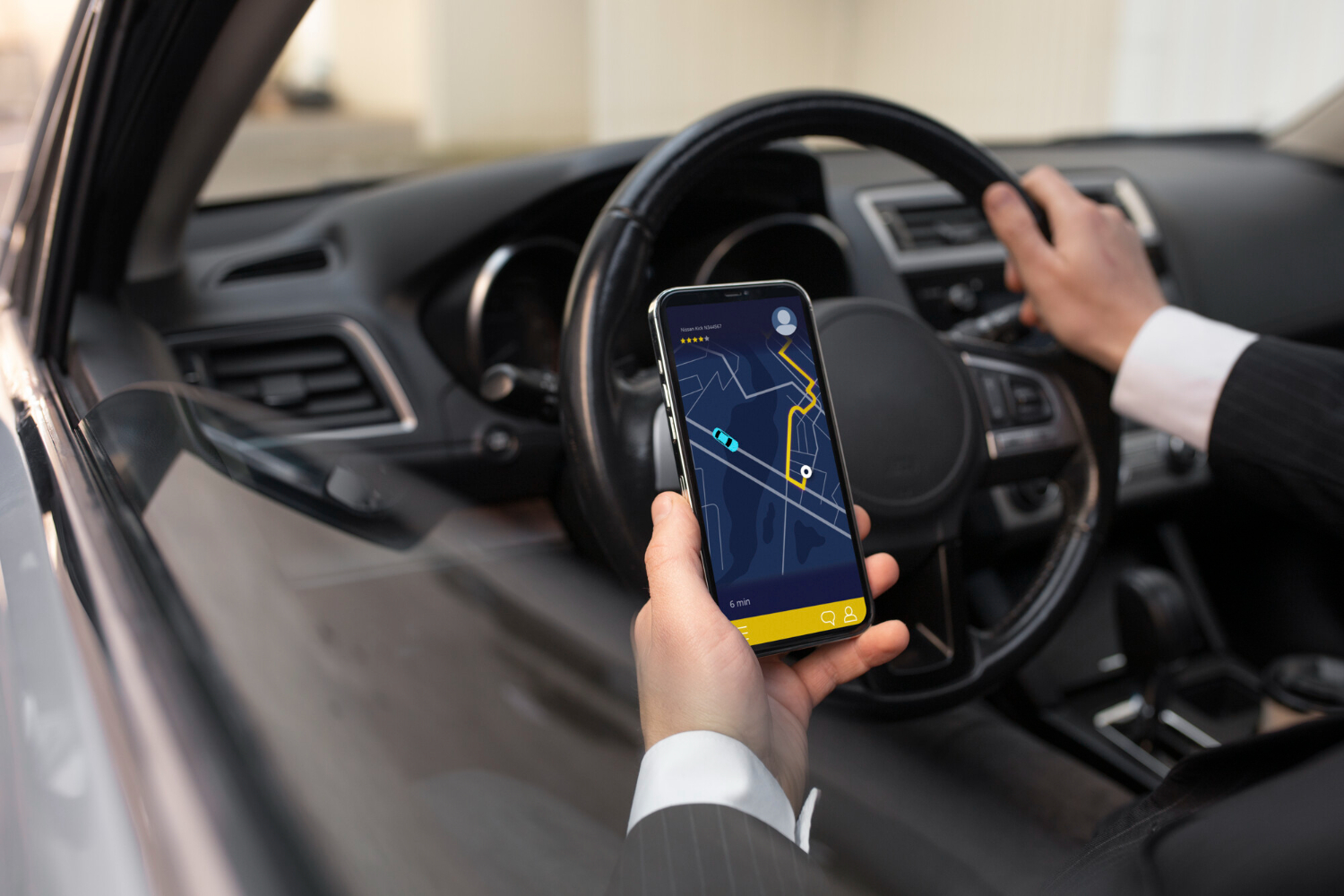
Checking the driver’s name and your own signals awareness. Skipping it can read as distracted or careless.
Experienced drivers notice immediately whether a passenger glances at the car’s make and model or asks to confirm the driver’s name before climbing in, a small safety habit that signals genuine awareness. Passengers who skip this step and simply hop into any car that slows down nearby stand out, sometimes with real concern from the driver. Confirming the name before getting in is one of the first things drivers notice, the small verification habit that immediately signals a careful, attentive passenger versus someone moving on autopilot.
Like our content? Follow us for more.
2. How You Greet the Driver
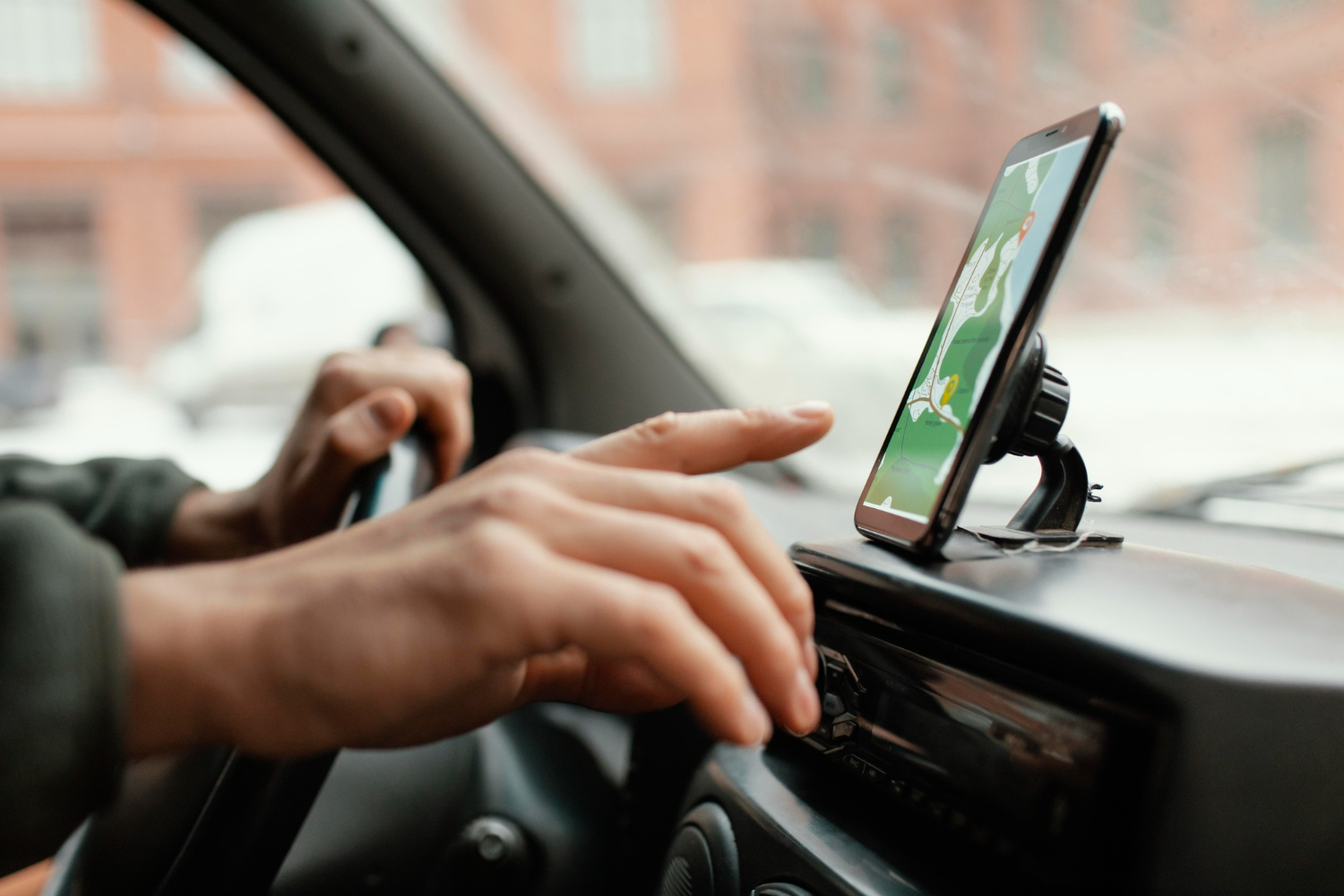
A simple hello sets an early tone. Silence or a curt nod reads very differently.
The very first exchange, a warm hello, a quick nod, or complete silence, sets the tone for the entire ride and registers immediately with most drivers. A friendly greeting tends to open the door to a more pleasant trip, while silence, while not rude on its own, can make the ride feel noticeably more tense. How you greet the driver is one of the clearest early signals, the small social gesture that shapes a driver’s expectations for the interaction ahead, whether either party ends up saying much more or not.
3. Whether You Put Your Seatbelt On Right Away

Buckling up immediately shows safety awareness. Delaying or skipping it is noticed instantly.
Drivers notice almost instantly whether a passenger buckles their seatbelt as soon as they sit down, a habit that reflects genuine safety awareness and, frankly, makes a driver feel more comfortable about the trip. Passengers who delay or skip it entirely stand out, sometimes prompting a gentle reminder. Putting your seatbelt on right away is a small but telling habit, one of the clearest early signals of a passenger who takes the ride, and their own safety, seriously from the very first second.
4. How You Handle Giving Directions or Address Confirmation
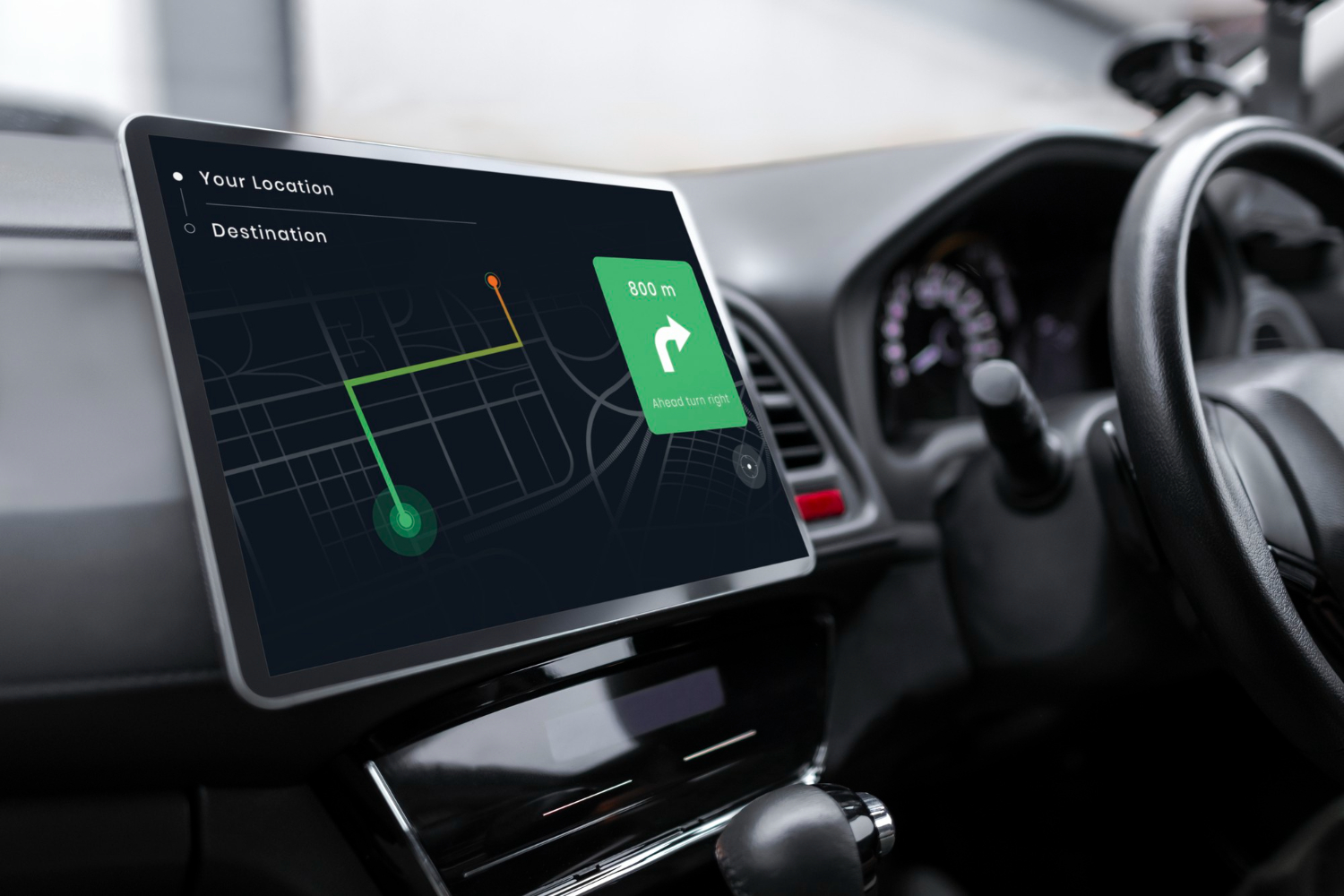
Confirming the destination calmly helps the trip start smoothly. Vague or impatient direction-giving stands out.
When a driver confirms the destination or asks a clarifying question about the route, how a passenger responds, patiently and clearly versus vaguely or with visible irritation, gets noticed right away. A calm, clear answer helps the whole trip start on solid footing. How you handle giving directions is an early, telling interaction, the small moment that shows a driver whether a passenger is generally easygoing or likely to be a source of friction over the course of the ride.
5. Whether You’re on Your Phone Before You Even Sit
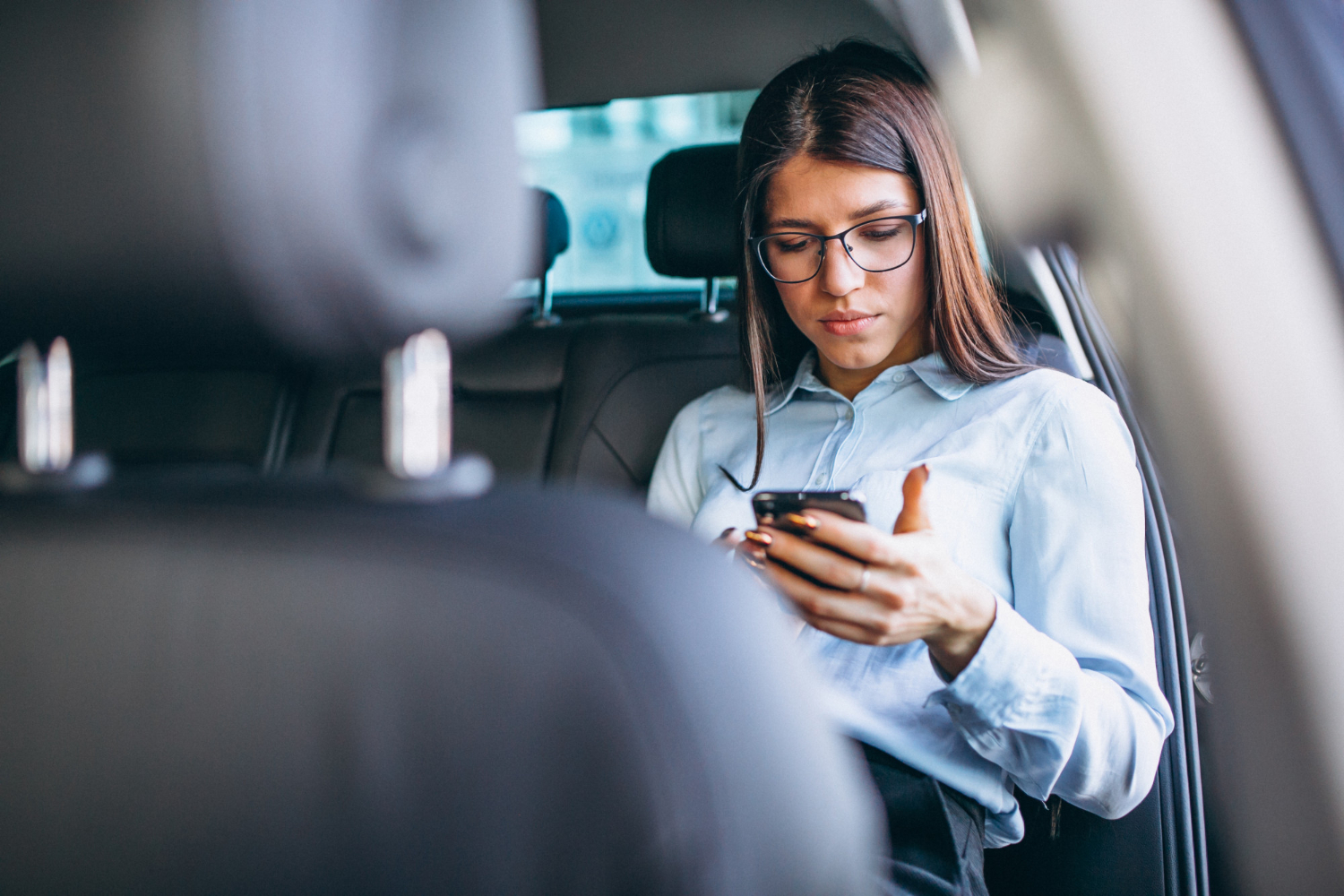
Being mid-call or mid-scroll on entry is obvious. It signals how much conversation to expect.
Drivers immediately clock whether a passenger is already deep in a phone call or scrolling intently before they’ve even settled into the seat, a clear early signal of how much, or how little, conversation to expect for the rest of the ride. It’s rarely judged negatively, just noted. Whether you’re on your phone before you even sit down helps a driver calibrate the ride immediately, a quick, unspoken cue about the kind of trip that’s about to unfold.
6. How Carefully You Close the Door

A firm, controlled close shows care for the car. A slammed door registers immediately and unfavorably.
Drivers notice, almost involuntarily, exactly how a passenger closes the car door, a firm, deliberate close versus an accidental slam. Since the car is often the driver’s own personal vehicle and livelihood, a slammed door registers immediately and can color the rest of the interaction, even if nothing is said. How carefully you close the door is a small but genuinely memorable detail, one of the quickest ways a passenger telegraphs respect, or carelessness, toward someone else’s property.
7. Whether You Ask Before Adjusting Anything

Asking before touching the AC or music shows consideration. Reaching over without asking is noticed.
Passengers who ask before adjusting the temperature, the music volume, or the windows stand out immediately as considerate, while those who simply reach over and change settings without a word are noticed just as quickly, if less favorably. It’s a small courtesy that says a lot. Whether you ask before adjusting anything is a clear early signal, the kind of small consideration that shapes a driver’s overall impression of a passenger within the ride’s very first moments.
8. How You Respond to Small Talk Attempts

A friendly response, even brief, is appreciated. Curt or dismissive answers are noted quickly.
When a driver makes a light small-talk attempt, a comment on traffic or the weather, how a passenger responds, warmly, briefly but politely, or with a flat, dismissive answer, registers quickly. Most drivers don’t need or expect a long conversation, just basic reciprocal courtesy. How you respond to small talk attempts is a revealing early moment, one that tells a driver whether the ride will feel like a pleasant, low-key interaction or a noticeably chilly one.
9. Whether You Bring Food or Drinks Into the Car

Open food or drinks are noticed immediately. Most drivers hope, silently, that nothing spills.
Drivers notice right away if a passenger brings an open drink, food, or anything with real spill potential into the car, a small detail that, fairly or not, creates a bit of quiet tension for the rest of the ride. Most say nothing, but they’re paying close attention regardless. Whether you bring food or drinks into the car is a detail drivers register instantly, a small but very real concern given how much a spill can cost in cleaning or damage to their vehicle.
10. Whether You Say Thank You When You Leave

A genuine thank-you closes out the ride well. Silent exits are noticed and privately remembered.
The very last thing a driver registers is how a passenger exits, with a genuine thank-you and a proper door close, or silently and abruptly, already looking at their phone. That final moment tends to stick with a driver more than almost anything else in the ride. Whether you say thank you when you leave is the lasting impression that shapes how a driver remembers the entire trip, often influencing the rating and mood they carry into their very next pickup.
Small Moments, Lasting Impressions
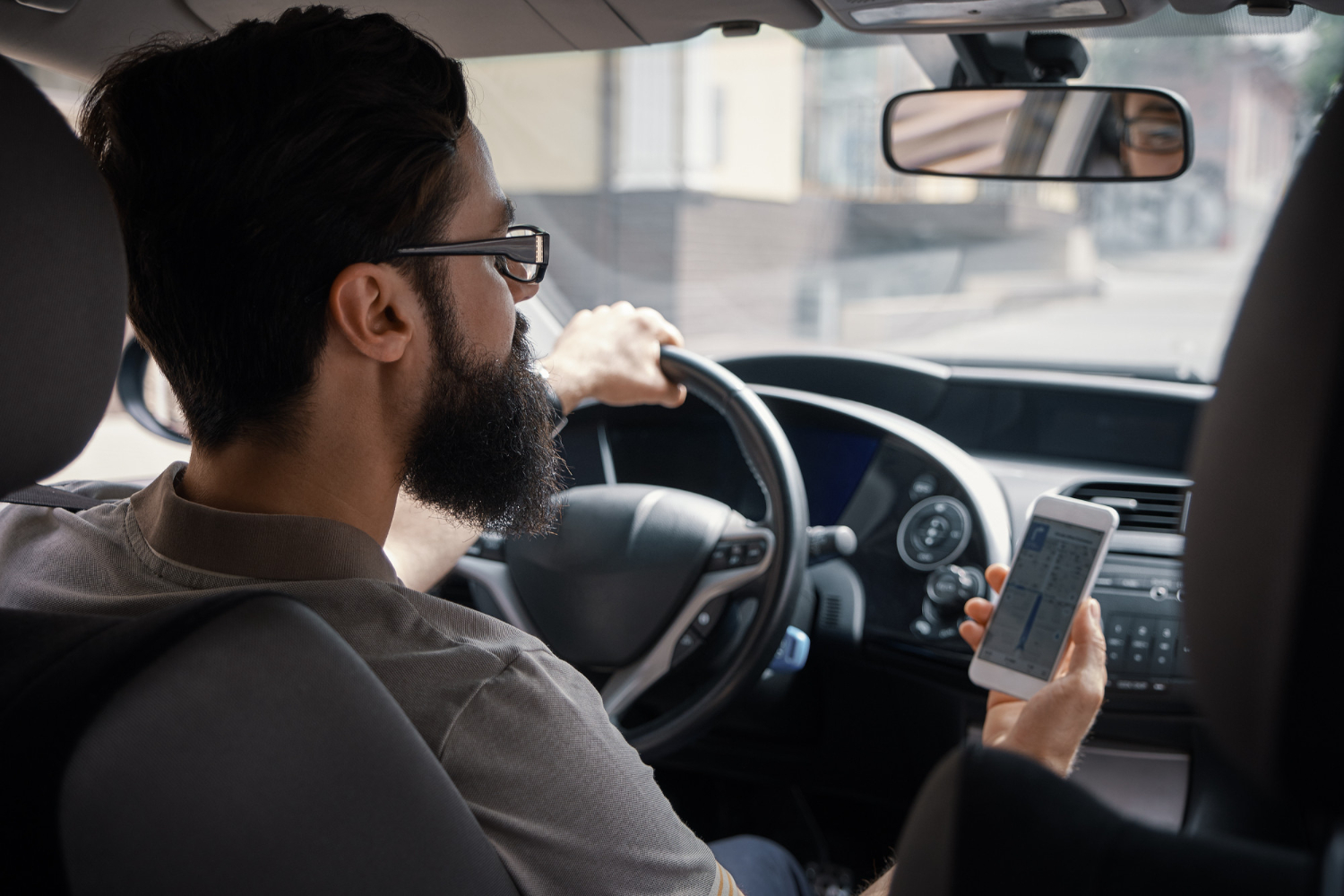
Taken together, these ten observations show just how much a rideshare driver picks up in the first sixty seconds of a ride, long before any real conversation even begins. None of it requires special effort, just basic courtesy and awareness, but it consistently shapes the tone of the entire trip and the impression left behind.
None of these observations are about judgment so much as pattern recognition built from thousands of short, repeated rides. A driver who has done this job for any length of time develops a genuinely fast, reliable sense of who a passenger is likely to be simply from how the first minute unfolds. The takeaway isn’t to perform for your driver, it’s a reminder that small, everyday courtesies, a hello, a seatbelt, a thank-you, go a long way toward making any shared ride a more pleasant experience for everyone involved.
Like our content? Follow us for more.