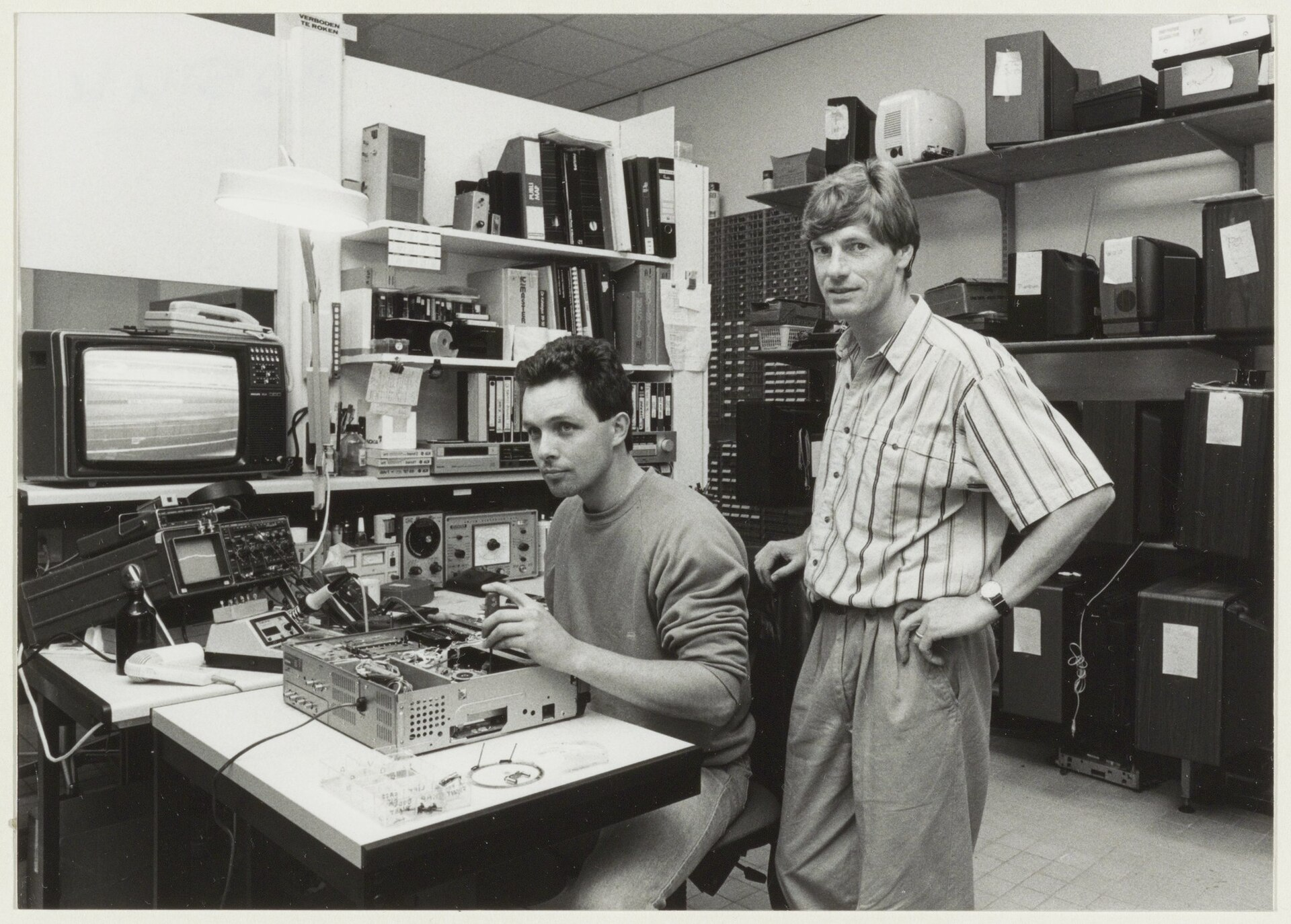
Before televisions became disposable electronics, a broken set meant a phone call to the local TV repairman, who arrived with a heavy toolbox and a genuinely specialized skill set built around vacuum tubes, high voltage, and a fair amount of patience. In 1968, television repair was a respected, in-demand trade, and the repairman’s toolbox reflected a very particular era of electronics. Of the twelve things he typically carried, five are now banned, obsolete, or handled very differently today. Here are twelve things every American TV repairman carried in his toolbox in 1968, counted down one by one.
1. A Portable Tube Tester
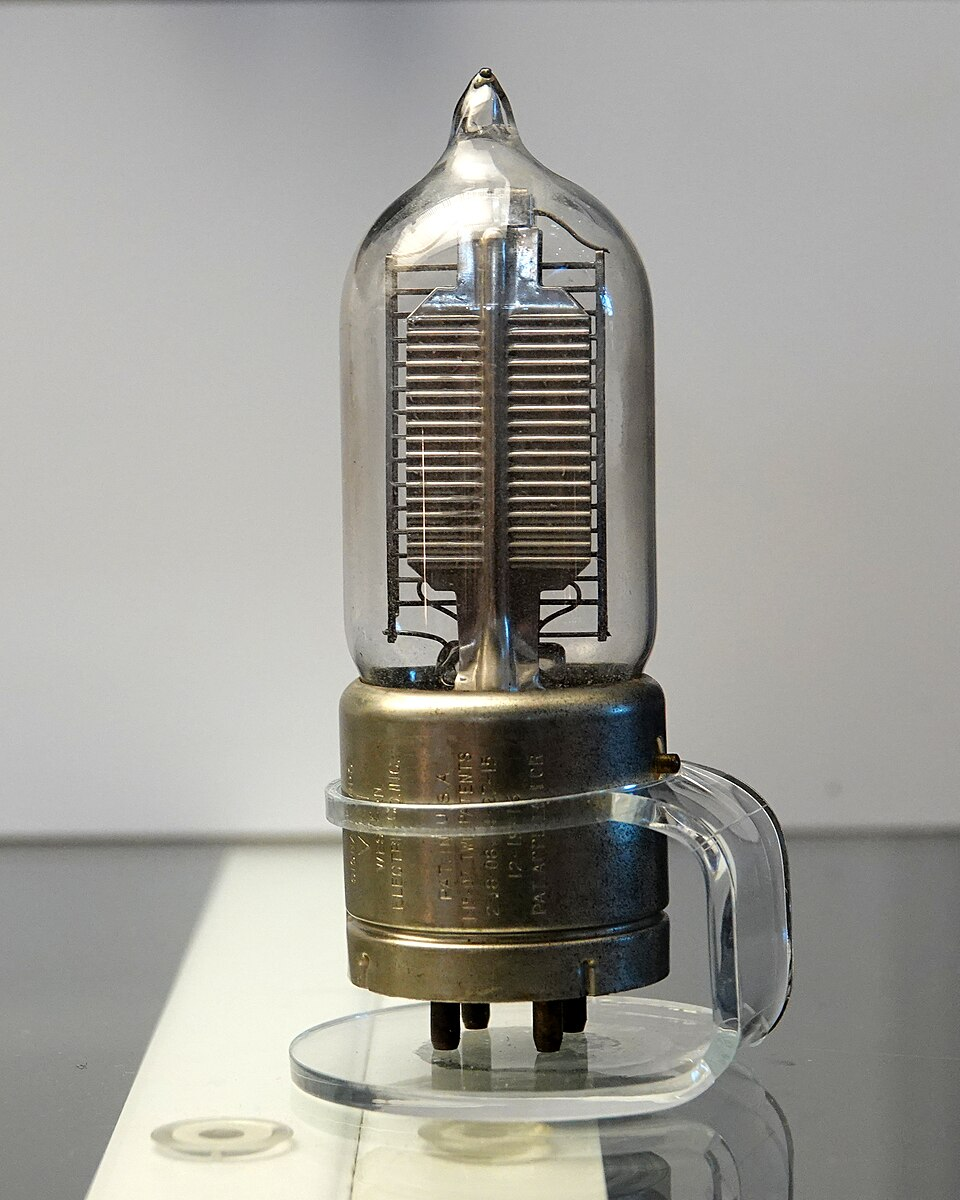
A tube tester diagnosed failing vacuum tubes. It was the repairman’s primary diagnostic tool.
The single most essential tool was the portable tube tester, a boxy device that checked whether a television’s vacuum tubes were still functioning correctly, since tube failure was by far the most common reason a set stopped working. Pulling tubes out one by one to test them was a routine, methodical process. A portable tube tester is the defining tool of the 1968 TV repairman, the diagnostic device that identified the failing component in nearly every service call, a piece of equipment that has since become entirely obsolete with the shift to solid-state electronics.
Like our content? Follow us for more.
2. A Box of Replacement Vacuum Tubes
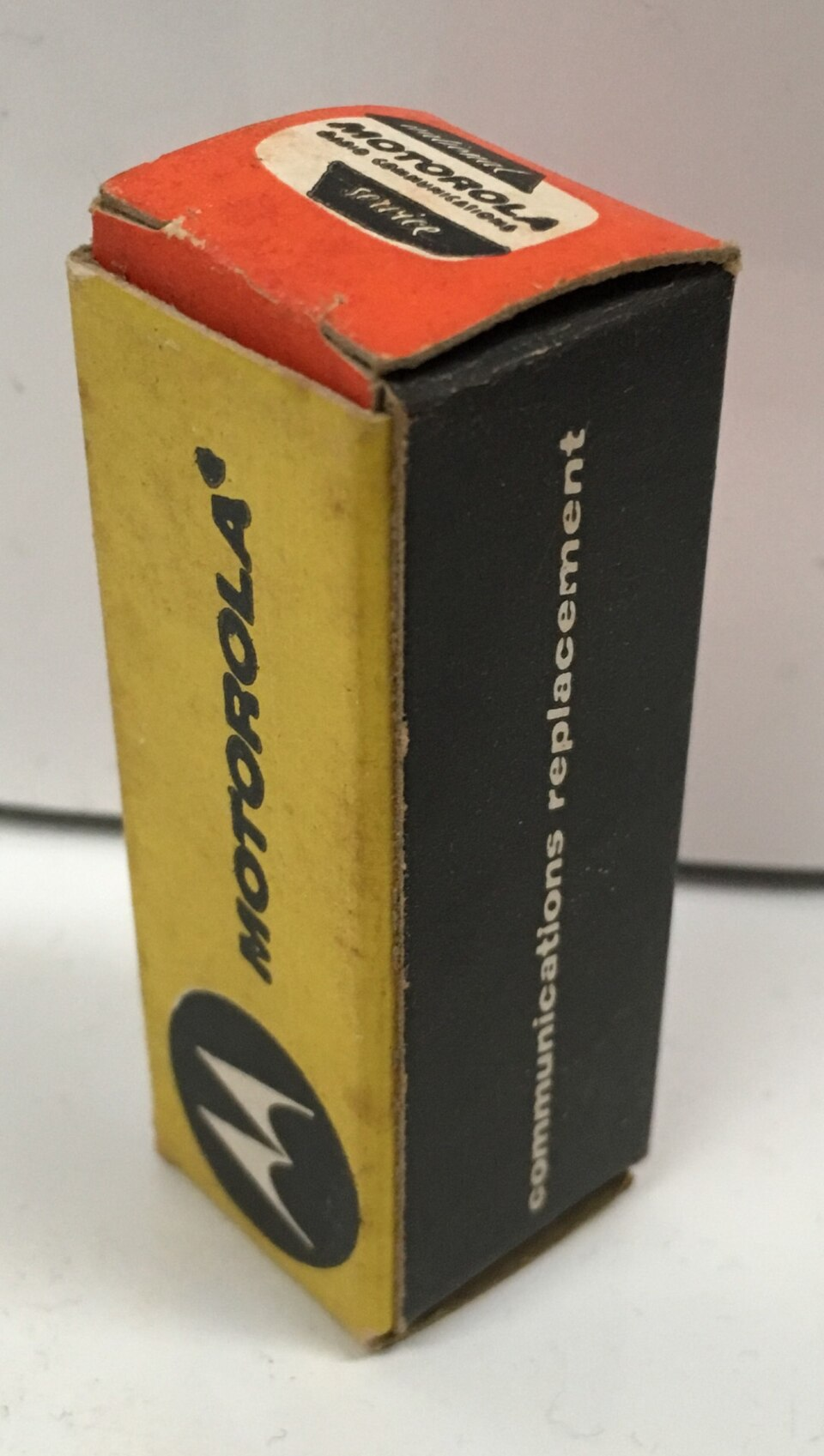
Spare tubes in various sizes rode along constantly. Swapping a bad tube often fixed the set on the spot.
A well-stocked repairman carried a box of replacement vacuum tubes in dozens of common sizes and types, allowing most repairs to be completed on the spot rather than requiring a return visit. Matching the exact tube number mattered enormously. A box of replacement vacuum tubes is an essential piece of the 1968 repairman’s kit, the ready inventory that made same-visit repairs possible, a category of component that has since vanished entirely from consumer electronics.
3. A Set of Nut Drivers and Screwdrivers
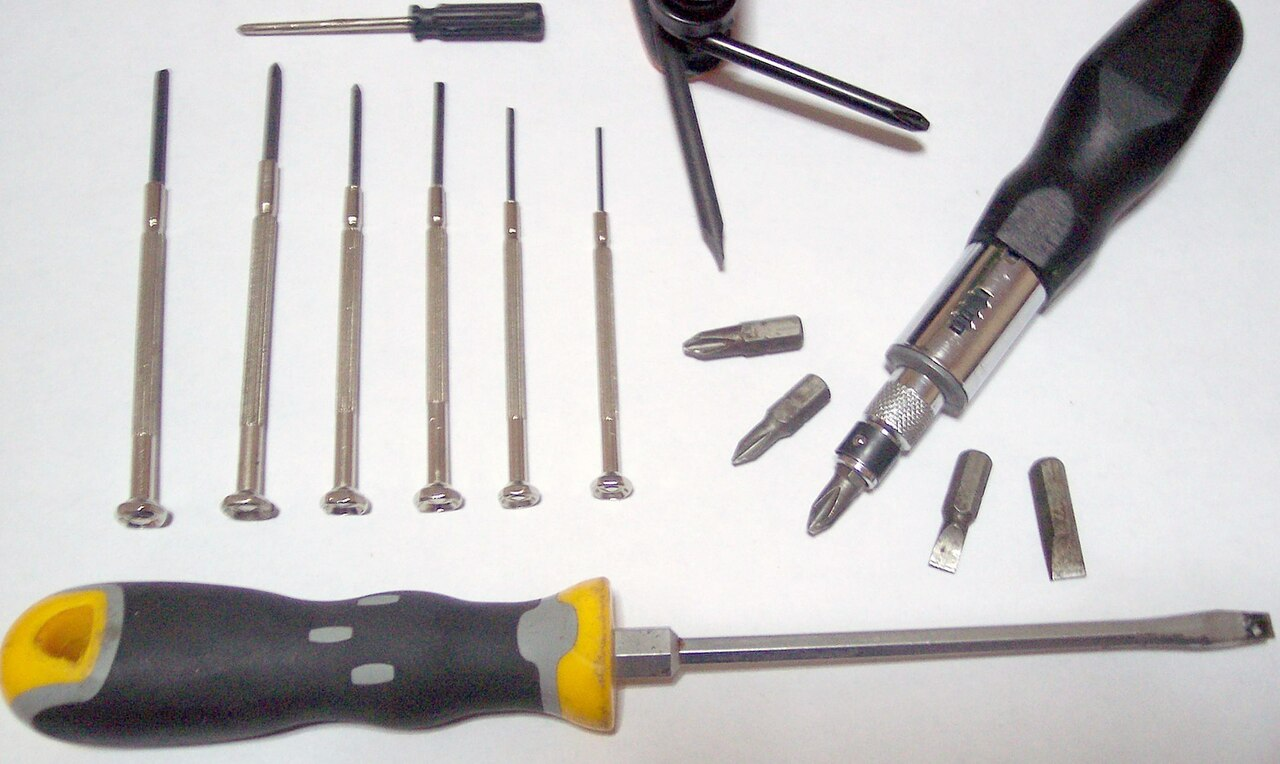
Specialized hand tools opened television cabinets. Every set required careful, methodical disassembly.
A comprehensive set of nut drivers and screwdrivers, in a range of sizes, was essential for opening the wooden or metal cabinet of a television set and accessing the chassis inside. Every brand and model had its own particular fasteners and quirks. A set of nut drivers and screwdrivers is a fundamental part of the repairman’s toolbox, the basic hardware that made every single house call possible, a category of tool that, while updated over the decades, remains just as essential to electronics repair today.
4. A High-Voltage Probe
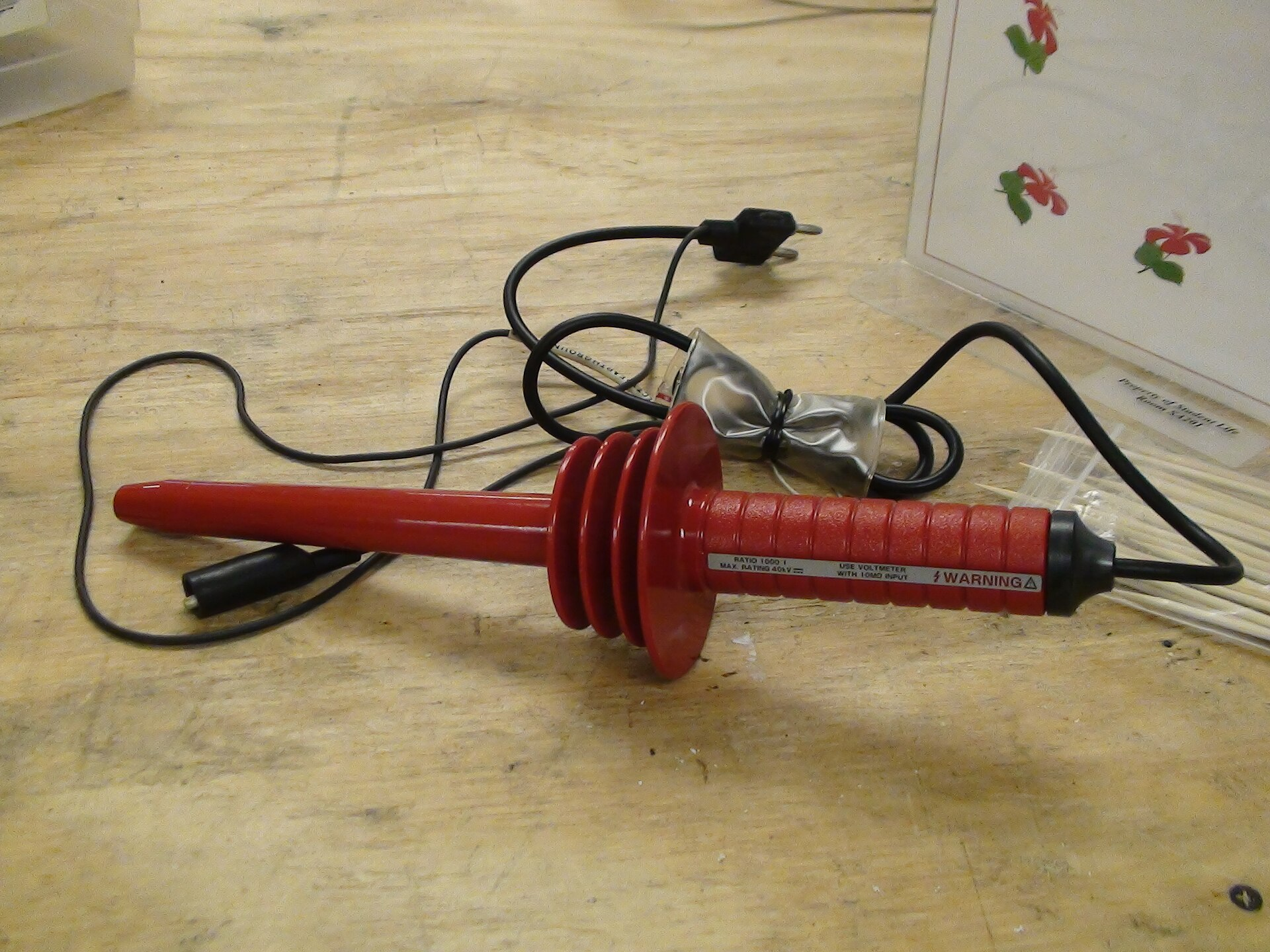
A specialized probe safely checked dangerous voltage. Television sets carried genuinely lethal charges.
Because televisions of the era stored genuinely dangerous high voltage inside their picture tube circuitry, even after being unplugged, a specialized high-voltage probe let a repairman safely check and discharge these components before working further inside the set. Skipping this step could result in a serious shock. A high-voltage probe is a critical safety tool from the 1968 repairman’s kit, the equipment that made working inside a television’s dangerous internals survivable, a foundational safety practice that remains essential in electronics repair to this day.
5. A Can of Tuner Cleaner and Contact Cleaner

Spray cleaners fixed scratchy channel changes. It was a quick, reliable fix for a common complaint.
A can of tuner cleaner and electrical contact cleaner solved one of the most common complaints, a scratchy or unreliable channel dial, by spraying directly into the mechanical tuner assembly to clean corroded contacts. It was a quick, satisfying fix that often resolved the problem in minutes. A can of tuner cleaner and contact cleaner is a handy repairman staple, the aerosol fix for a familiar household annoyance, a product category that, in updated non-flammable formulations, remains a genuinely useful electronics-repair tool today.
6. A Degaussing Coil
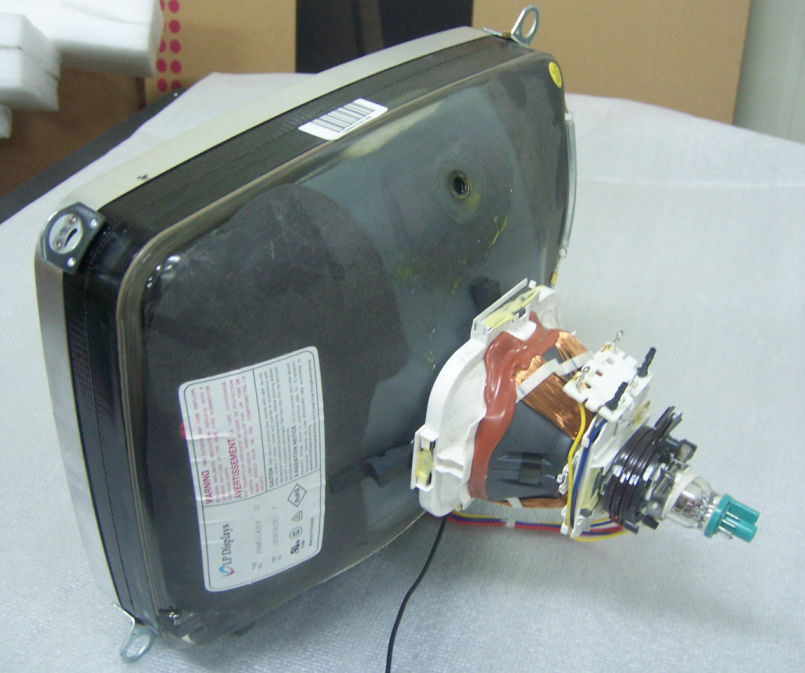
A hand-held coil corrected color distortion. Magnetic interference was a routine problem to fix.
A hand-held degaussing coil, waved in circles near the screen, corrected color distortion caused by magnetic interference building up in the picture tube over time, a genuinely common issue as televisions sat near other magnetic household objects. It was a satisfying, almost magical-looking fix. A degaussing coil is a distinctive tool from the tube-television era, the demagnetizing device that restored proper color to a distorted picture, a repair task that modern flat-panel televisions, built on entirely different display technology, no longer require at all.
7. Asbestos-Lined Heat Gloves (Now Banned)
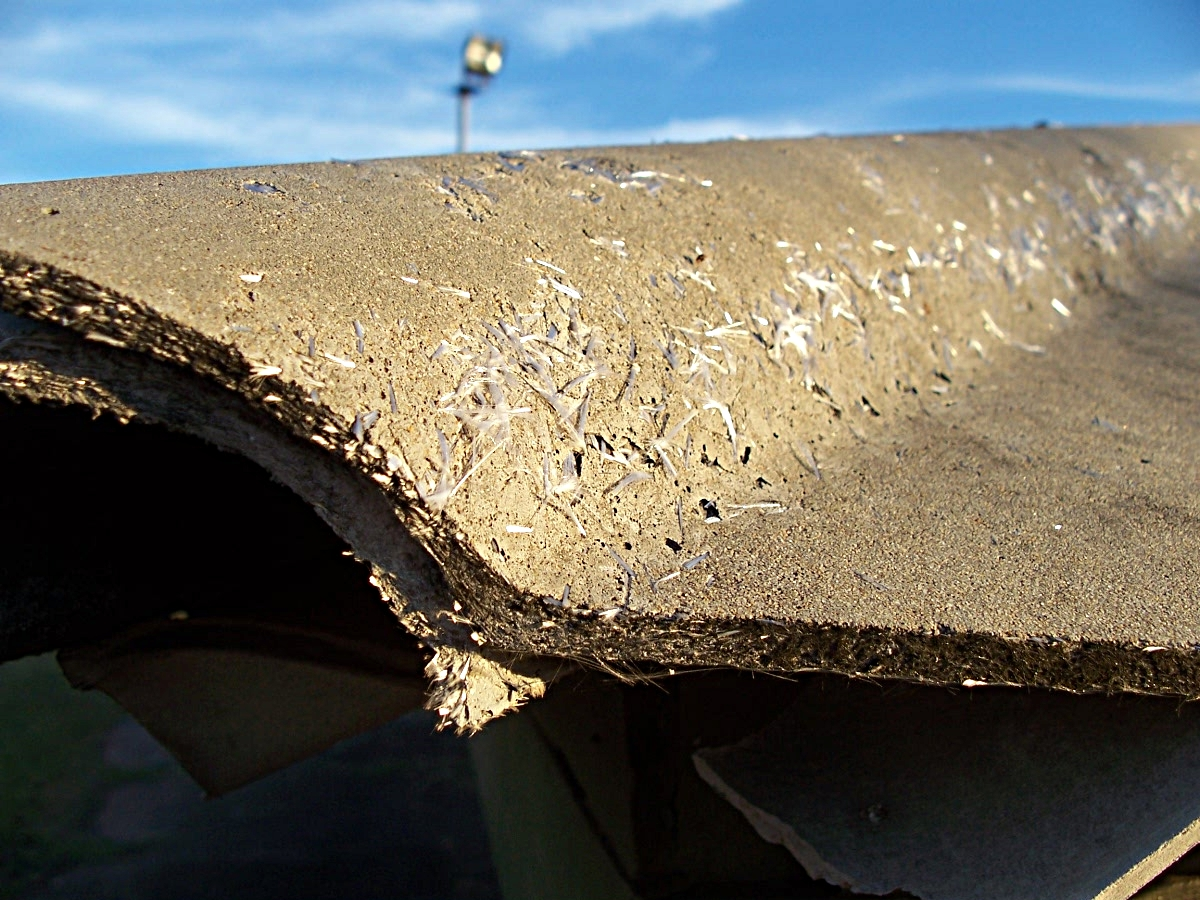
Heat-resistant gloves protected against hot components. Asbestos lining has since been banned for safety reasons.
Working around hot vacuum tubes and internal components, many repairmen used heat-resistant gloves, some lined with asbestos for its excellent heat-resistant properties, a material widely used across many industries at the time without full awareness of its health risks. Following well-documented health research linking asbestos exposure to serious respiratory disease, asbestos-containing products have since been banned or tightly restricted across the United States. Asbestos-lined heat gloves are a period tool now firmly banned, a once-common safety item that health regulation has since removed from any legitimate consumer or industrial product.
8. A Freon-Based Electronics Cleaner (Now Banned)
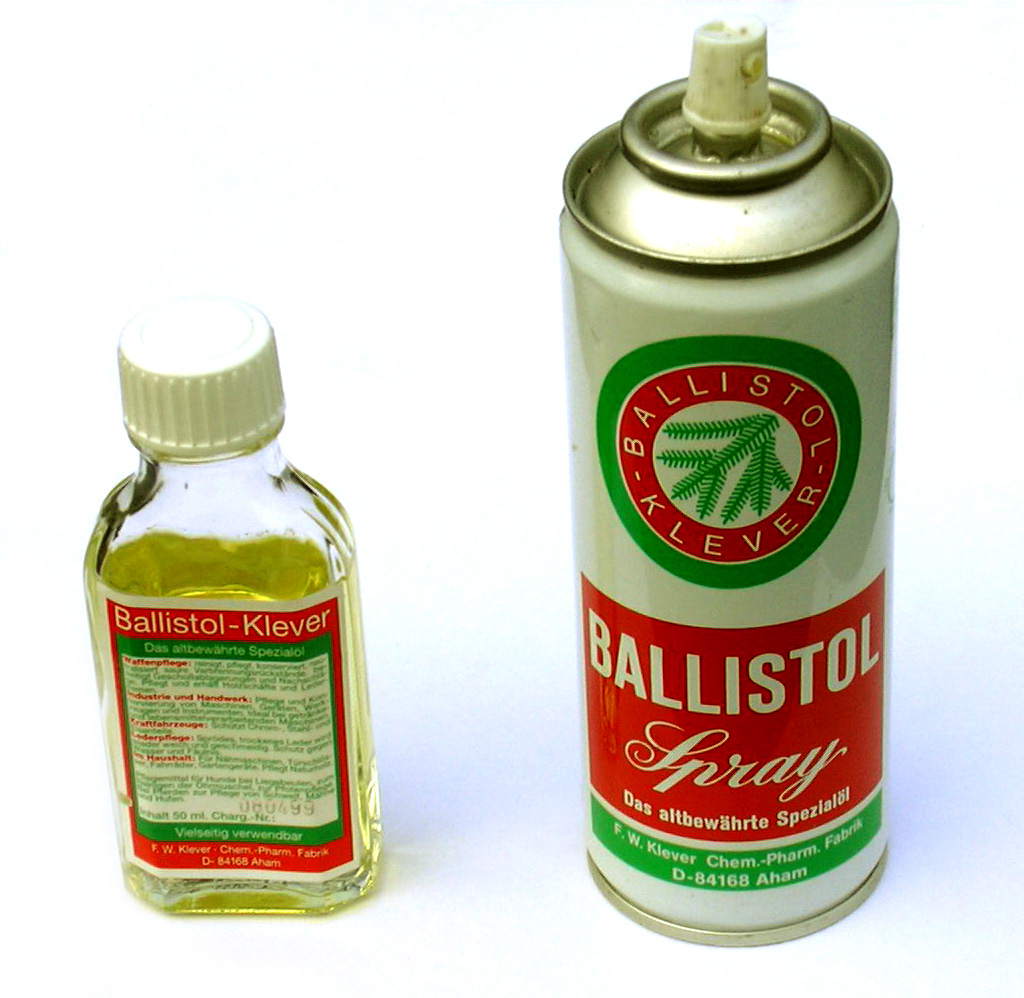
Certain cleaning solvents contained ozone-depleting chemicals. International agreements have since banned them.
Some electronics cleaning solvents of the era contained Freon-based chemicals, prized for evaporating quickly and cleanly without leaving residue on delicate components. Following the 1987 Montreal Protocol and subsequent U.S. regulations addressing ozone-depleting substances, these specific Freon-based formulations were phased out and banned from production and sale. A Freon-based electronics cleaner is a period product now firmly banned, a once-standard solvent that international environmental agreements have since eliminated in favor of ozone-safe alternatives.
9. A Multimeter for Voltage and Resistance Checks
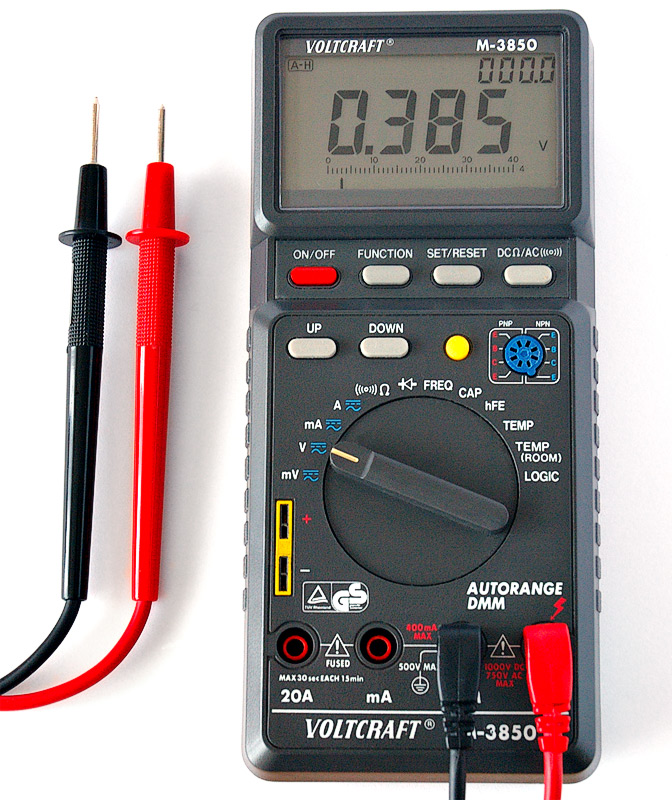
A multimeter measured electrical values precisely. It was essential for accurate diagnosis.
A multimeter, measuring voltage, resistance, and current, was essential for precisely diagnosing electrical problems beyond what a simple tube test could reveal, narrowing down exactly where in the circuit a fault had occurred. It required genuine technical skill to interpret correctly. A multimeter for voltage and resistance checks is a foundational diagnostic tool, the precise measuring device that separated a skilled technician from a simple parts-swapper, a piece of equipment that, in more advanced digital form, remains absolutely central to electronics repair today.
10. A Soldering Iron and Spool of Solder
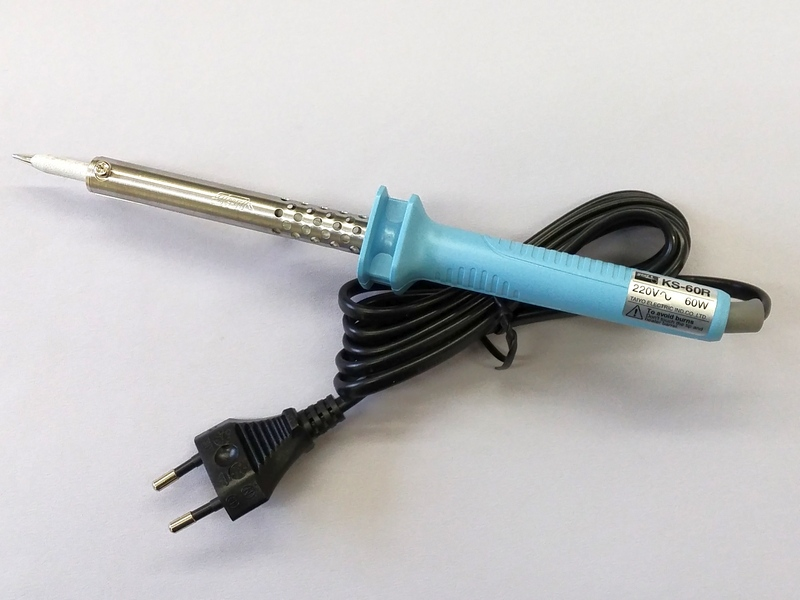
A soldering iron repaired broken circuit connections. It was used constantly throughout a repair visit.
A soldering iron and spool of solder let a repairman fix broken wire connections, reattach loose components, and make the countless small repairs that kept a set’s internal wiring intact. The smell of hot solder was a familiar part of every service call. A soldering iron and spool of solder is a fundamental repairman tool, the essential equipment for physically repairing circuit connections, a skill and toolset that, updated for modern components, remains just as central to electronics repair as it was decades ago.
11. A Schematic Diagram Binder
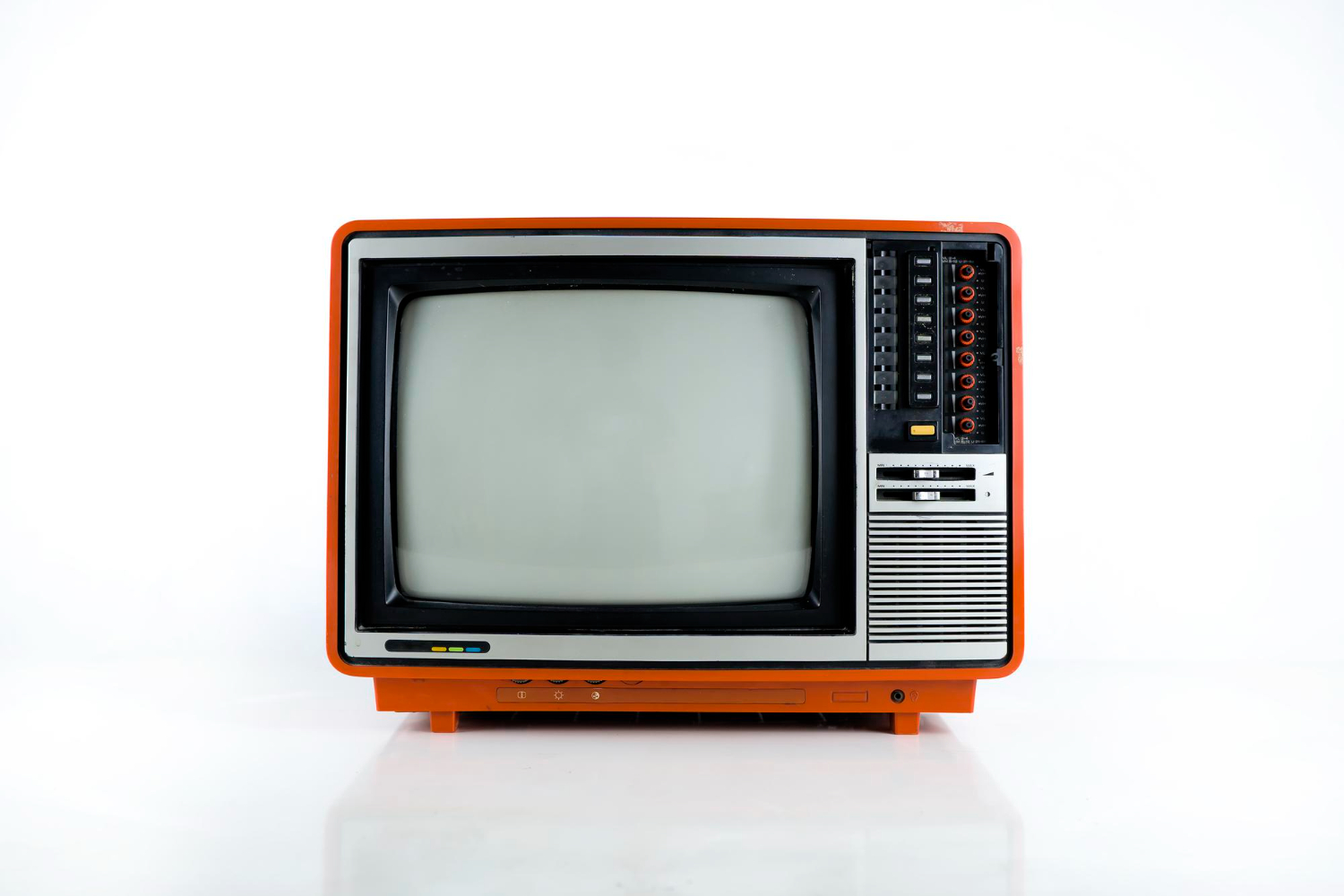
Printed wiring diagrams guided every repair. Every make and model required its own specific reference.
A thick binder of printed schematic diagrams, organized by television make and model, guided a repairman through the specific wiring and component layout of whatever set he was working on, since no two brands were built quite the same. Consulting it was a routine part of every service call. A schematic diagram binder is an essential reference tool from the 1968 repairman’s kit, the printed guide that made sense of each television’s unique internal wiring, a resource that has since moved entirely online for modern electronics technicians.
12. A House-Call Appointment Book
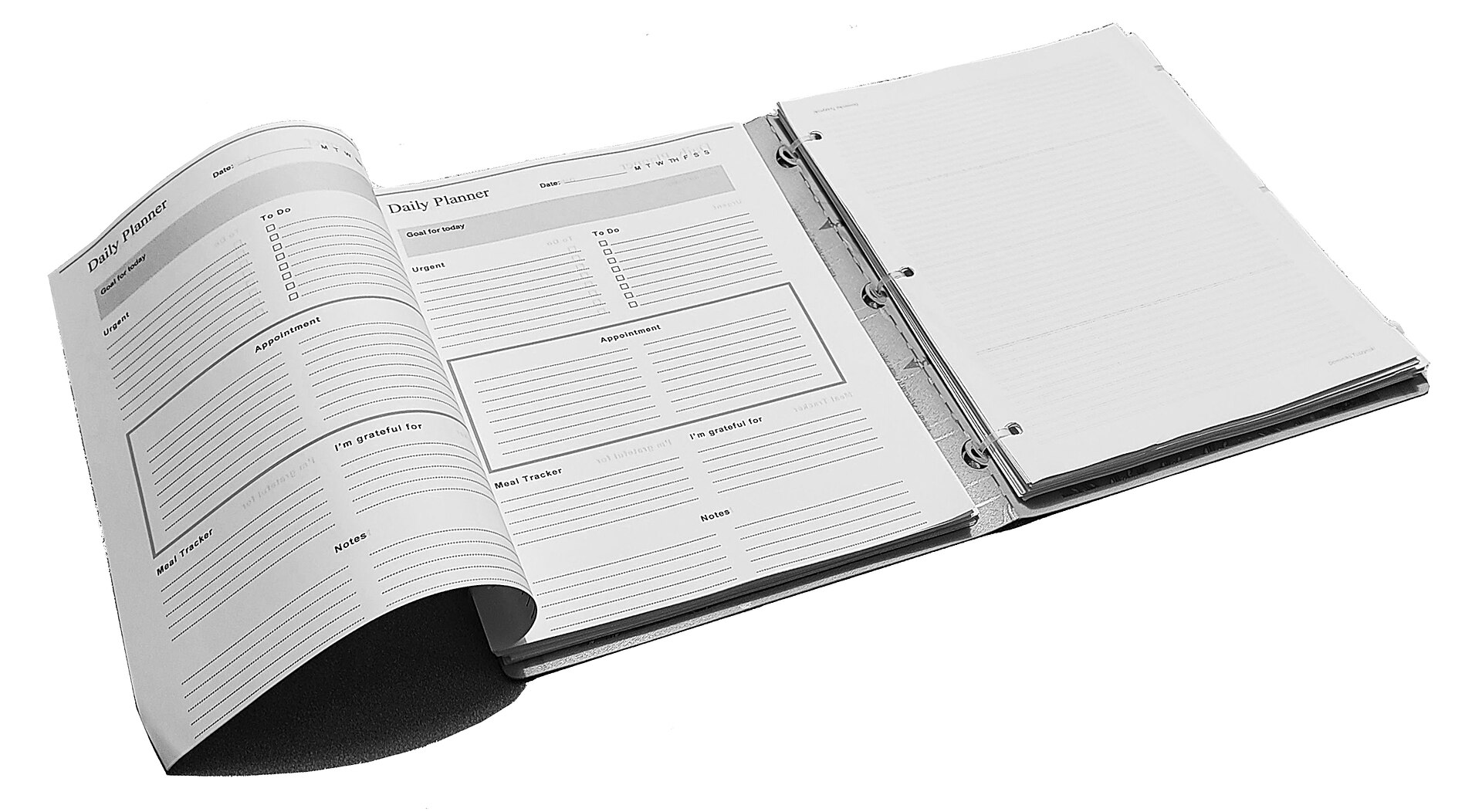
A paper appointment book tracked the day’s service calls. Scheduling was done entirely by hand and phone.
A small paper appointment book tracked the day’s scheduled house calls, addresses and complaints jotted down by hand after a customer’s phone call to the repair shop. Planning an efficient route across town for the day’s calls was its own small skill. A house-call appointment book is a practical piece of the repairman’s routine, the scheduling system that organized an entire day of in-home service visits, a manual process that digital scheduling tools have since streamlined considerably.
Five Now Banned or Obsolete, Seven Still Familiar Skills
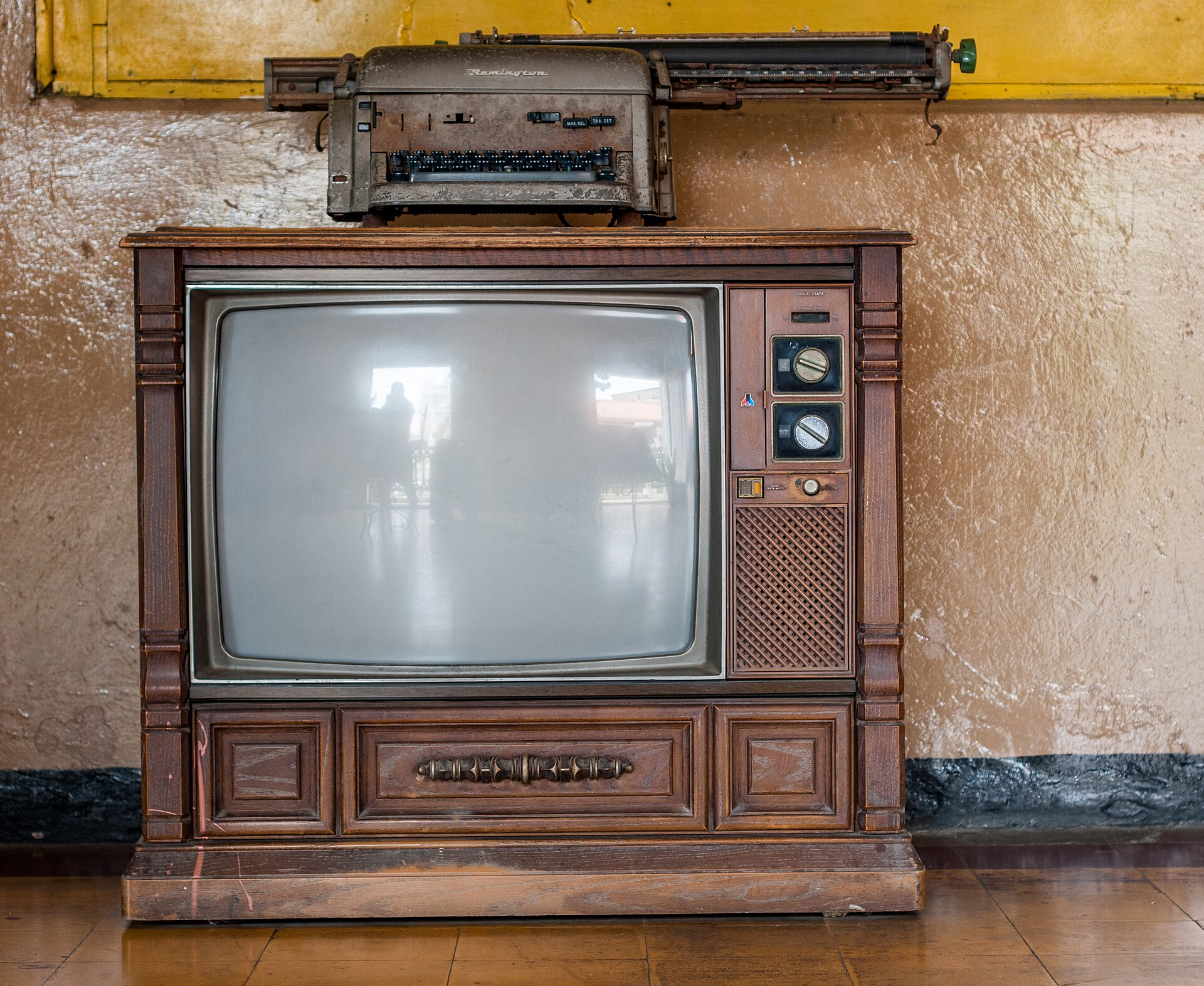
Taken together, these twelve items capture exactly what an American TV repairman carried in 1968, from the tube tester and the schematic binder to the asbestos gloves and the Freon-based cleaner. Five of them, the asbestos gloves, the Freon cleaner, and the tube-specific tools, testers, and replacement stock that television technology has since made entirely obsolete, are now banned or no longer used, while core skills like soldering and voltage testing remain just as relevant to electronics repair today.
The shift from vacuum-tube televisions to solid-state and eventually flat-panel electronics transformed the repair trade almost completely, phasing out entire categories of tools and replacing them with digital diagnostics. The changes reflect genuine technological progress alongside important safety regulation. Yet for those who remember a repairman’s house call, these details bring it all back: the tube tester’s glow, the smell of hot solder, the satisfying wave of a degaussing coil. Looking back at what every TV repairman carried in 1968 is a nostalgic tribute to a genuinely skilled trade, banned tools and all.
Like our content? Follow us for more.