
Airport lounges have transformed from an exclusive perk reserved for first-class passengers into a genuinely accessible amenity available through multiple paths, credit cards, memberships, and airline status among them. Understanding the different ways in can make a real difference during a long layover or an early morning departure. Here are ten things to know about airport lounge access programs, counted down one by one.
1. Premium Credit Cards Often Include Lounge Access

Many travel rewards cards bundle lounge membership. This has become one of their most valuable perks.
A number of premium travel credit cards now include lounge network membership as a core benefit, granting the cardholder, and sometimes authorized additional users, access to a network of lounges across major airports worldwide. For frequent travelers, this benefit alone can justify a card’s annual fee many times over. Premium credit cards often including lounge access has become one of the most valuable perks in the travel rewards space, transforming lounge access from an airline-specific perk into a broader travel benefit tied to how you pay rather than which airline you fly.
Like our content? Follow us for more.
2. Independent Lounge Networks Aren’t Tied to One Airline

Membership programs offer access across multiple airlines and airports. This provides broader flexibility than airline-specific lounges.
Independent lounge networks operate across many airlines and airports, offering paid membership plans that grant access regardless of which specific airline you’re flying that day. This flexibility appeals particularly to travelers who fly multiple different carriers rather than staying loyal to just one. Independent lounge networks not being tied to one airline offers genuine flexibility, a membership model that works consistently across a mixed travel pattern in a way airline-specific lounge access simply can’t match.
3. Airline Elite Status Usually Includes Lounge Access

Reaching a higher frequent flyer tier often unlocks lounge privileges. This is a significant, if hard-earned, benefit.
Most major airlines grant lounge access as a benefit of reaching a mid-to-upper frequent flyer status tier, a genuine reward for loyal, frequent travel with a single carrier or its broader airline alliance. This access typically extends across the airline’s partner network as well, not just its own hub airports. Airline elite status usually including lounge access is a significant, earned benefit, one that rewards genuine flying frequency with consistent, no-additional-cost access wherever that airline or its partners operate.
4. Business and First-Class Tickets Typically Include Access
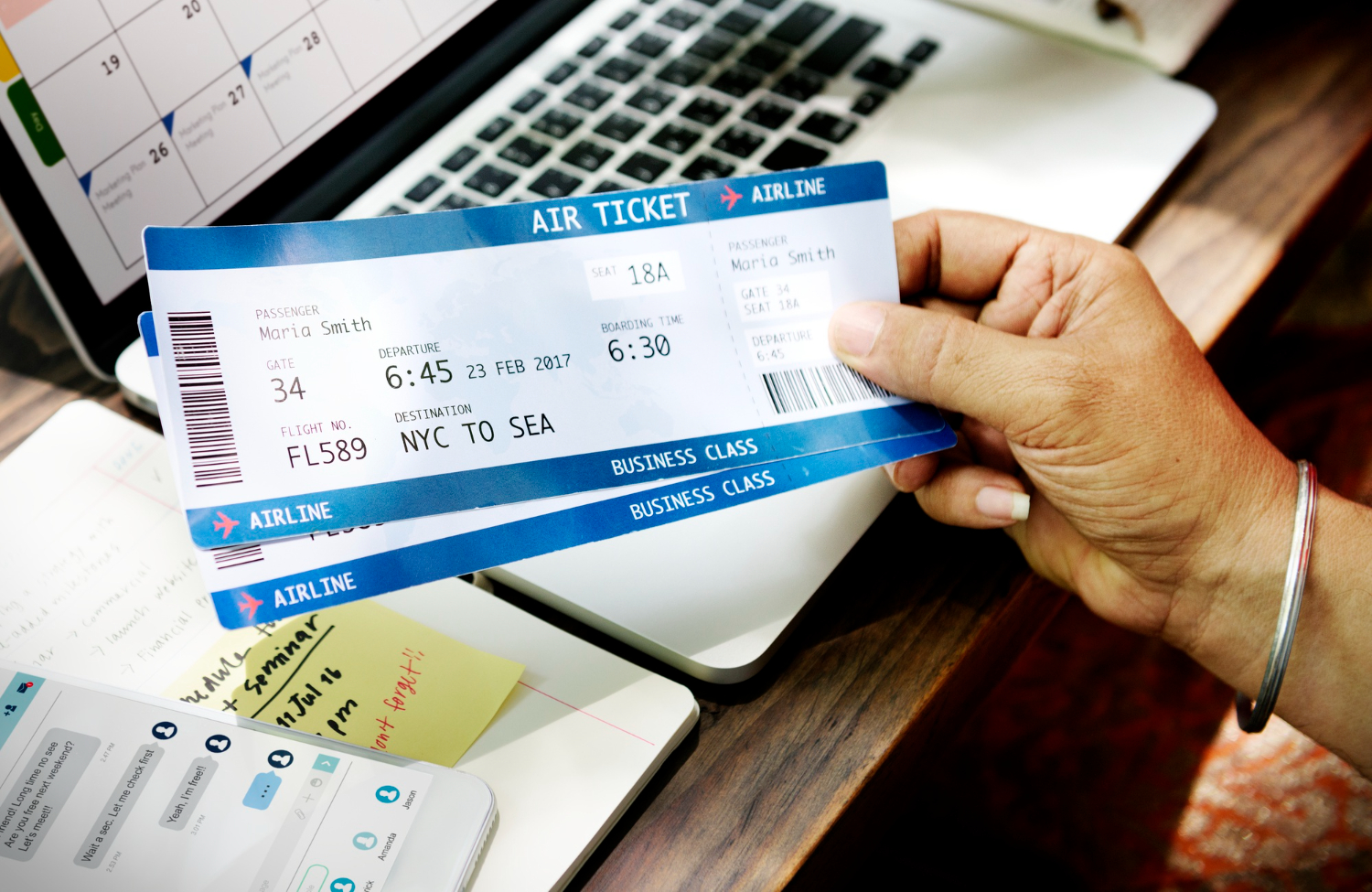
Premium cabin tickets often grant same-day lounge entry. This remains one of the most traditional access paths.
Purchasing a business or first-class ticket on most major carriers typically includes same-day lounge access as part of the fare, the most traditional and straightforward path into an airline’s premium lounge network. This remains true even for travelers with no elite status or membership of any kind. Business and first-class tickets typically including access reflects lounge entry’s original purpose, a premium-cabin perk that has since expanded well beyond ticket class alone into the broader membership and credit card ecosystem.
5. Some Lounges Sell Single-Visit Day Passes

Even without membership or elite status, a one-time pass is often available. This suits occasional travelers well.
Many lounges, including both independent networks and individual airline lounges, sell single-visit day passes for travelers without any membership, elite status, or premium ticket, a straightforward option for someone who simply wants a comfortable space for one particular long layover. Pricing varies but is often reasonable for an occasional treat. Some lounges selling single-visit day passes offers real flexibility for infrequent travelers, a pay-as-you-go option that doesn’t require an ongoing membership commitment to enjoy an occasional lounge visit.
6. Lounge Amenities Vary Dramatically by Location

Not every lounge offers the same experience. Some feature full dining, others just basic snacks and seating.
The actual experience inside a lounge can vary enormously, some offer full sit-down dining, showers, and quiet workspaces, while others provide little more than basic snacks, a few drinks, and standard airport seating with a nicer view. Researching a specific lounge’s reputation before counting on a particular experience is worthwhile. Lounge amenities varying dramatically by location is important context for managing expectations, since a membership or credit card benefit doesn’t guarantee the same quality of experience at every single airport.
7. Capacity Limits Can Mean Being Turned Away

Popular lounges sometimes reach maximum capacity. Even valid access doesn’t always guarantee entry.
During particularly busy travel periods, some popular lounges reach maximum capacity and temporarily turn away even travelers with otherwise valid access credentials, a frustrating but increasingly common occurrence at major hub airports. Building in some flexibility, and a backup plan, for peak travel days is wise. Capacity limits potentially meaning being turned away is an important reality to plan around, particularly during holiday travel periods when lounge demand at busy hubs can genuinely exceed available space.
8. Guest Policies Differ Significantly Between Programs

Some memberships allow multiple guests, others none at all. Checking this before traveling with companions matters.
Lounge access programs handle traveling companions very differently, some cards and memberships extend access to multiple guests at no additional charge, while others charge a per-guest fee or exclude guest access entirely. Confirming your specific program’s guest policy before assuming a travel companion will be admitted for free prevents an awkward surprise. Guest policies differing significantly between programs is essential to check ahead of a trip involving companions, since assumptions carried over from one program don’t necessarily apply to another.
9. Some Programs Offer Access on International Departures Only

Certain memberships restrict lounge access to international travel. Domestic-only trips may not qualify at all.
Some lounge access programs, particularly certain credit card benefits, restrict entry to international departures only, meaning a purely domestic itinerary wouldn’t qualify for access even with an otherwise valid membership. Reading the specific terms of your particular benefit prevents this kind of restriction from becoming an unwelcome surprise at the gate. Some programs offering access on international departures only is a meaningful restriction worth understanding clearly before assuming a benefit applies universally to every type of trip.
10. Combining Programs Can Maximize Overall Access

Holding more than one qualifying benefit expands your options. Layering access methods covers more airports reliably.
[IMAGE SUGGESTION] Wikimedia Commons “multiple travel benefits combined access” — CC-licensed image representing combined travel benefits.
Frequent travelers sometimes hold multiple qualifying benefits simultaneously, a premium credit card, an airline status tier, and an independent network membership, layering access methods to ensure reliable lounge entry across a wider range of airports and airlines than any single program alone would provide. Combining programs to maximize overall access is a strategic approach worth considering for genuinely frequent flyers, a way of ensuring a comfortable lounge option is nearly always available no matter the specific airport or airline involved.
Comfort Worth Understanding

Taken together, these ten points show that airport lounge access has genuinely diversified beyond its traditional first-class-only reputation, offering multiple realistic paths in through credit cards, memberships, elite status, and simple day passes. Understanding these options can turn what might otherwise be a stressful, crowded terminal wait into a genuinely comfortable part of the travel experience.
Choosing the right combination of access methods depends on how often you travel, which airports and airlines you typically use, and how much value you place on the comfort a lounge provides during a long layover or early departure. For occasional travelers, a single day pass might make the most sense, while frequent flyers often find that a premium credit card or airline status pays for itself many times over. Whatever the approach, a bit of research into these programs can genuinely transform how a long day of travel actually feels.
Like our content? Follow us for more.