


In a February 15, 2026 interview, Rick Steves identified what he sees as the single biggest mistake older American travelers make in Europe: living in low-grade anxiety instead of practical awareness. The result is trips that become “caution drills instead of discovery.” Here are his 7 specific corrections — including why he says the most dangerous place for your valuables is often with you, not in your hotel.
Rick Steves has been America’s most influential travel writer for European travel since 1976 — guidebooks, PBS series, radio shows, and a tour company that has introduced millions of Americans to European travel. His specific authority is unusual in travel writing because his audience genuinely overlaps with his expertise: middle-aged and older Americans planning multi-week European trips, often as their first major international travel.
In a February 15, 2026 interview, Steves addressed the question of what older American travelers most commonly get wrong about European travel. His answer was specific and didn’t quite match what most readers might have expected. The biggest mistake, he said, isn’t choosing the wrong destination, packing too much, or overspending. It’s something more subtle: many older Americans become “experts at anxiety” — worrying about minor uncertainties until a trip narrows into “caution drills instead of discovery.”
Steves framed this as a “mindset error rather than a character flaw,” noting that life experience can either build resilience or amplify fear when every unfamiliar detail feels like a threat. The pattern he identified produces trips that technically succeed but fail to deliver the meaningful experience that European travel can provide.
Here are his 7 specific corrections — practical adjustments that, according to Steves, produce more rewarding European travel for older Americans.
1. Stop guarding your valuables so obsessively
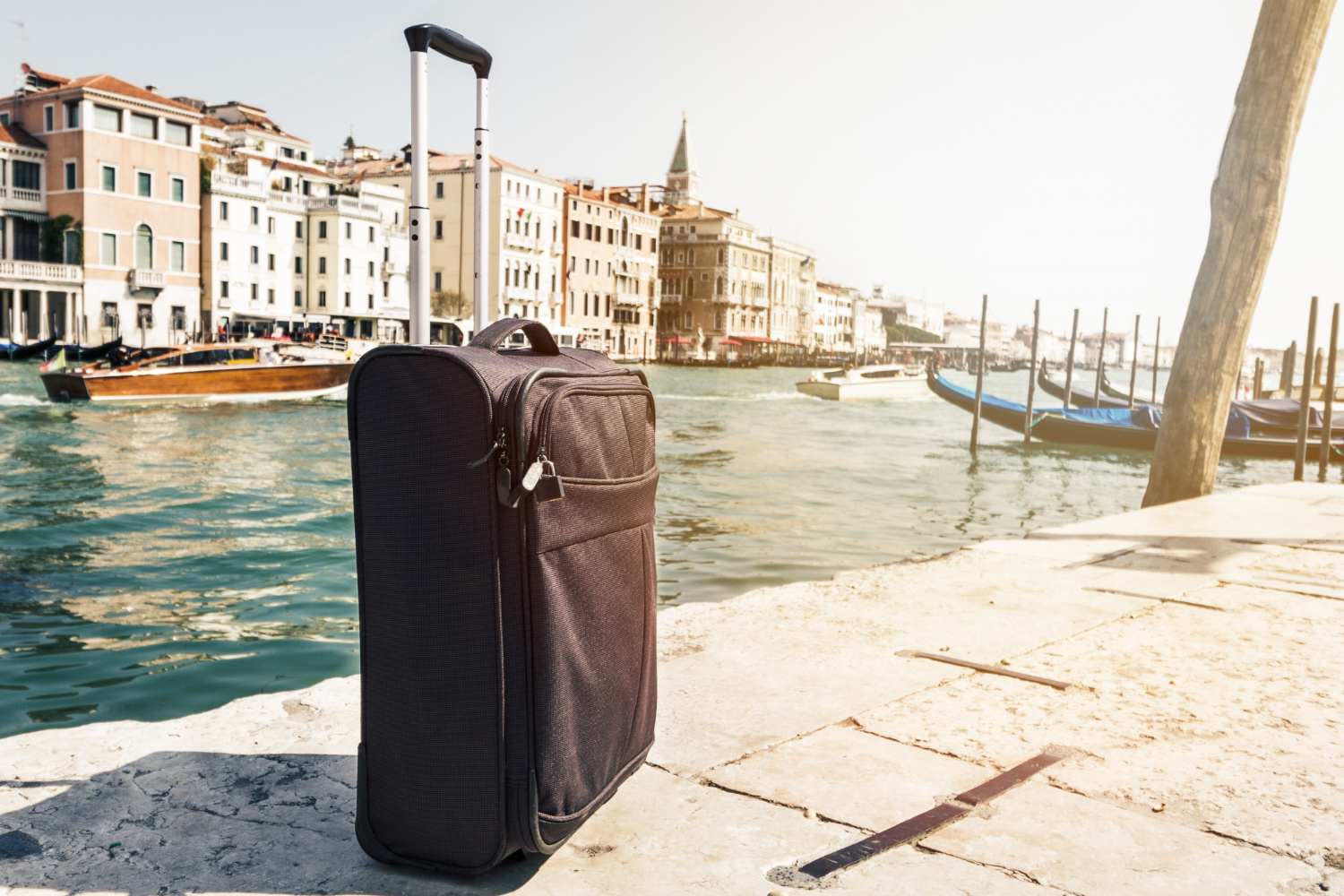
This is the correction Steves emphasized most directly in the February interview. He stated that the most dangerous place for your valuables is often with you, not in your hotel.
The pattern Steves identified: anxious travelers clutch phones, wallets, and passports throughout the day. They constantly recheck pockets and bags. They project visible stress about their valuables in public places. The result is exactly the opposite of what they intend — they signal to potential thieves that they’re carrying valuable items they’re worried about, while creating distractions that make actual theft easier.
Steves’ alternative recommendation: store valuables in your hotel room safely, carry only what you need for the day, distribute the items across multiple secure pockets (zippered, internal, money-belt locations), and then act normally. Calm behavior, focused attention on the surroundings, and proper storage typically protect people better than broadcasting stress in public.
The math: if you’re carrying $400 cash and your phone, you’re a high-stress target. If you’re carrying €100 and have a backup credit card and contact information, you can lose everything you’re carrying without major consequences. The reduced anxiety enables better situational awareness, which provides better actual security.
2. Choose central hotel locations even if they cost more
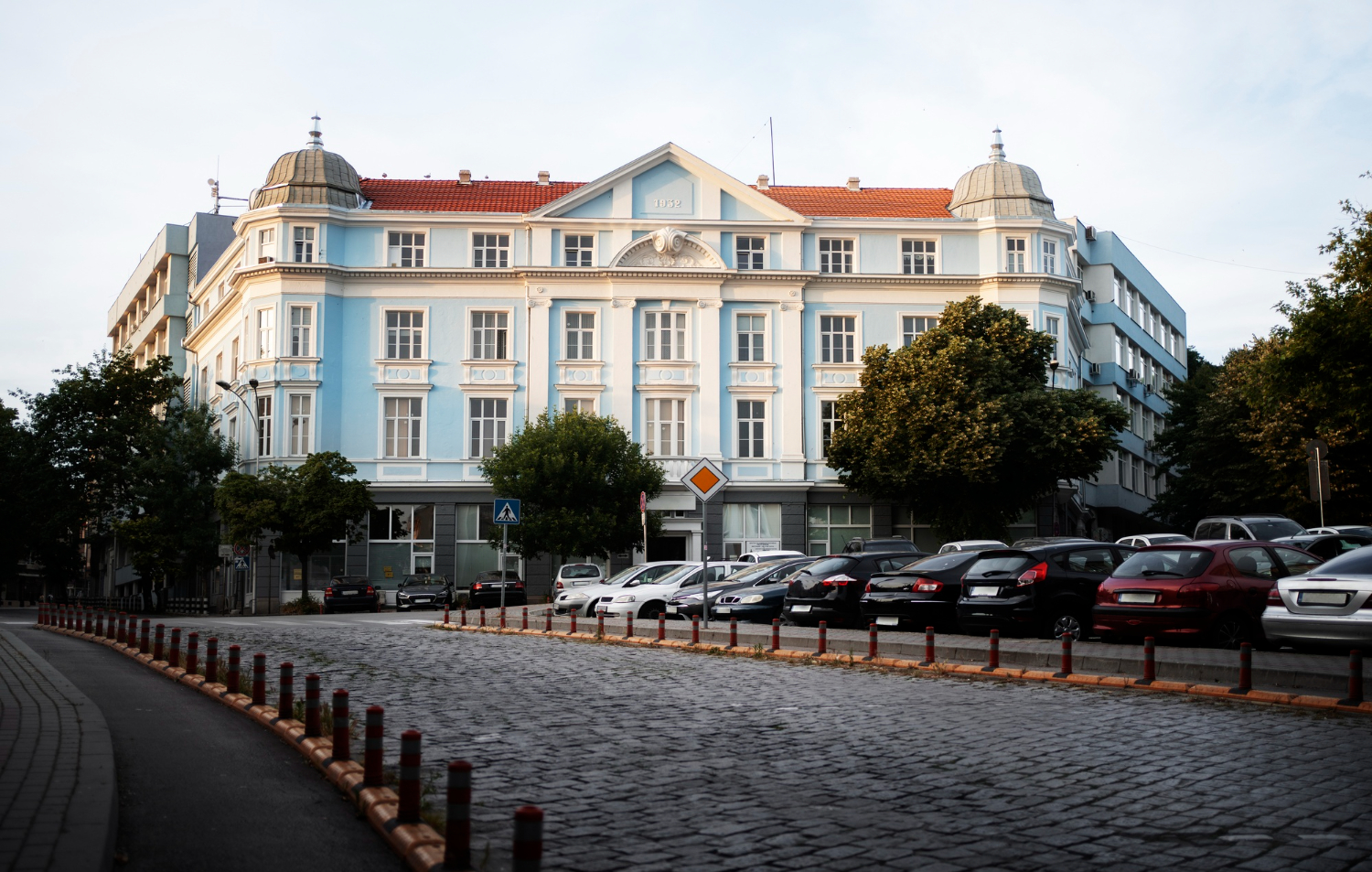
Steves identified hotel choice as a hidden source of anxiety that erodes trip energy. The pattern he sees: travelers book distant bargain hotels and then spend each morning and evening battling long commutes that “chip away at energy and spontaneity.”
His correction emphasizes location as a practical lever:
- Central stays make midday breaks easier. Returning to your hotel mid-afternoon for an hour of rest substantially extends your daily energy.
- Route changes become simpler. When tired, you can return to your hotel quickly rather than committing to long transit.
- The all-or-nothing pressure dissipates. You don’t have to choose between staying out exhausted or losing the rest of the day to commute.
Steves frames this as plain math: if a central hotel costs $50 more per night but enables you to stay out comfortably for 2-3 additional hours per day across a 10-day trip, the cost per usable hour is dramatically lower than the bargain option.
For older travelers managing energy and fatigue specifically, the central location effect compounds — they can do more, with less stress, by choosing accommodations that don’t require extensive transit.
3. Pay modest premiums for time savings

Steves addressed money decisions specifically — noting that many travelers “fixate on shaving small costs while quietly sacrificing hours to slow transit, ticket lines, and complex detours that erode the day.”
His framework: time is the most limited asset on any trip. Paying modest premiums for:
- Timed entry tickets (skipping museum lines)
- Direct hotel-to-hotel transfers (rather than complex public transit with luggage)
- Strategic taxi use on arrival/departure days
- Pre-purchased train tickets that guarantee seats and avoid station ticket lines
These purchases trade money for time and energy — both of which are typically more constrained for older travelers than for younger ones.
The math Steves suggests: if an extra $5 saves 20 minutes, the gain isn’t indulgence — it’s “usable time, calmer pacing, fewer avoidable mistakes, and a better chance of ending each day with energy left.”
4. Pack genuinely lighter
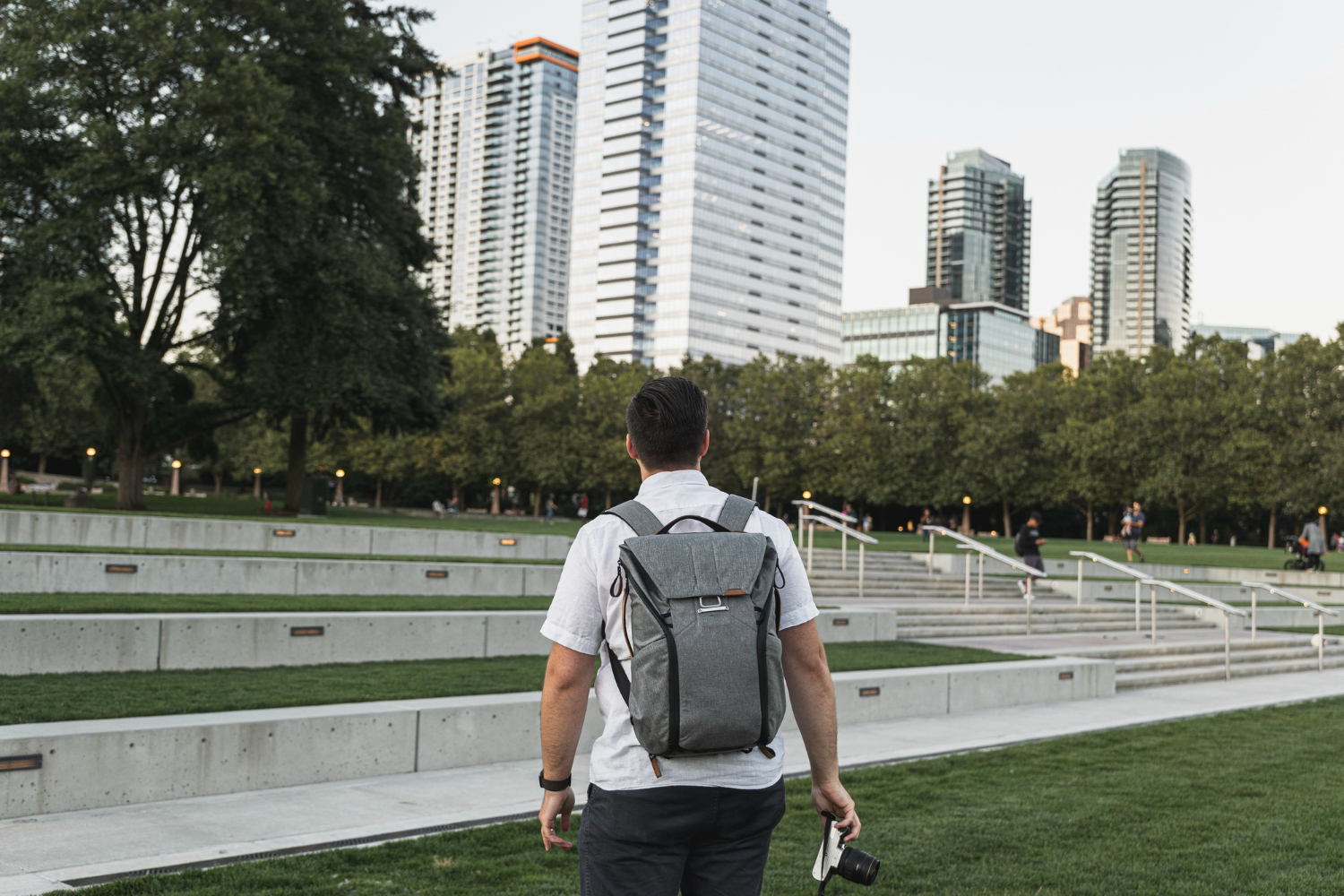
Steves has long advocated light packing, and the senior-travel context makes the recommendation more important. The pattern: anxiety about possible needs leads to packing additional items “just in case.” The result is heavier luggage that creates strain at every curb, platform, stairwell, and check-in counter.
For older travelers specifically, the cumulative physical cost of heavy luggage substantially affects the trip experience. Each station change, hotel transfer, and stairwell creates a small physical challenge that, multiplied across a multi-week trip, produces fatigue that limits what’s possible during the actual sightseeing time.
Steves’ rule of thumb: everything you bring should fit in a single carry-on rolling bag plus a small daypack. This forces the discipline of choosing essentials. Most travelers vastly overpack — clothes that are never worn, “what-if” items that go unused, multiple options where one would serve.
For older travelers, the carry-on-only approach also addresses checked baggage risks (delays, lost luggage) that are more disruptive when traveling in less familiar contexts.
5. Travel during shoulder seasons (April or October)

Steves has repeatedly advocated shoulder-season travel, with renewed emphasis for older travelers. The summer travel pattern that many Americans default to (June-August) produces specific challenges that affect older travelers disproportionately:
- Extreme heat that creates direct medical risks and energy depletion
- Maximum crowds at major attractions (often requiring extensive waiting in heat)
- Higher prices across hotels, transportation, and dining
- Schedule rigidity because everything is booked
April-May and September-October provide:
- Milder weather making walking and outdoor activities more comfortable
- Lower congestion at major sites
- Better availability and lower prices
- More flexibility in itinerary
The “but everyone goes in summer” social pressure that drives many older Americans to summer travel is, according to Steves, exactly the wrong reason for that timing. Their actual constraints — energy, comfort, flexibility — are better served by shoulder season.
6. Don’t let mistakes ruin your trip

This is the broader Steves philosophy he’s advocated for decades but that becomes particularly important for older travelers. Many tourists get indignant when they make a mistake or get ripped off. Steves’ counter: “When something happens, it’s best to get over it.”
The reasoning has two dimensions:
Practical. Spending hours stewing over a mistake or theft doesn’t undo the loss. It just consumes more of the trip — adding time loss to whatever the original loss was. Energy spent on grievance is energy unavailable for the rest of the trip.
Philosophical. The joy of travel, in Steves’ framing, isn’t in the sights and isn’t necessarily in “doing it right.” It’s in “having fun with the process, being wonderstruck with a wider world, laughing through the mistakes and learning from them, and making friends along the way.”
For older travelers specifically, the framing helps because mistakes will happen — language barriers, unfamiliar customs, transportation confusion, unexpected closures. Travelers who can integrate these into the trip experience rather than treating each as a crisis enjoy themselves substantially more than those who treat every disruption as a serious problem.
7. Connect with locals deliberately
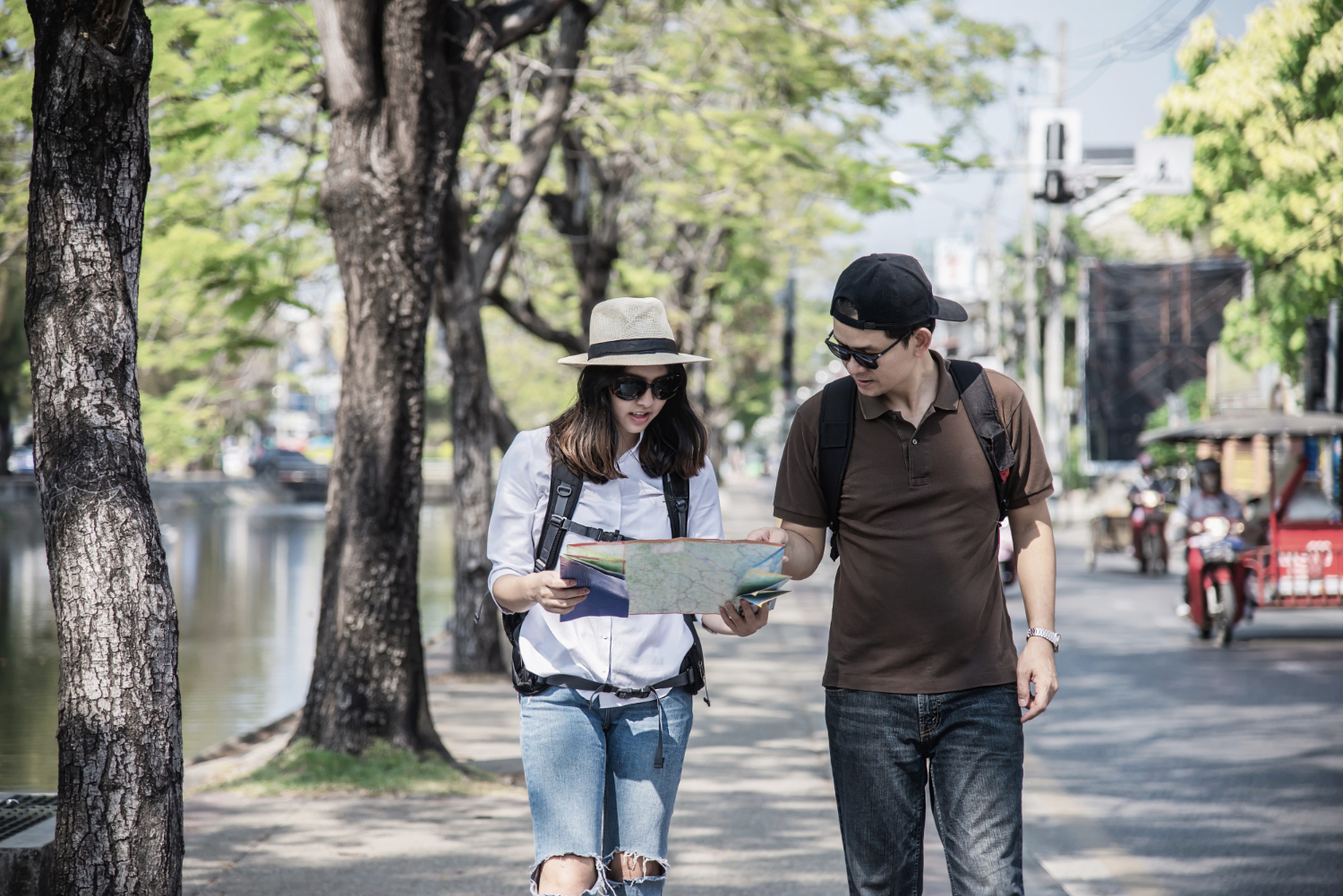
Steves has emphasized that the most rewarding aspect of European travel is “meaningful contact with local people.” He’s specific about how to enable this:
- At a pub anywhere in England, sit at the bar rather than at a table — that’s where conversation happens
- At lunchtime in Coimbra, Portugal, eat at the local university’s cafeteria to encounter students and professors
- Find local markets, neighborhood cafés, and community gathering places rather than tourist-focused establishments
For older travelers, deliberate local connection often provides experiences that no amount of museum visiting can replicate. Conversations with locals about their daily lives, observations about how a city actually functions for residents, and unscheduled encounters with non-tourist activities provide depth that scripted tours cannot match.
The challenge for many older Americans is that this requires leaving comfort zones — speaking with strangers in a foreign country, accepting that conversations may be brief and awkward, embracing uncertainty about what might happen. Steves’ framing reminds travelers that the discomfort is the cost of the more meaningful experience, and that the cost is small relative to the benefit.
Why this advice matters specifically for older travelers in 2026

The general Steves philosophy has been consistent for decades, but several 2026-specific factors make the older traveler context particularly relevant:
Post-pandemic European tourism has rebounded above pre-pandemic levels. Major European destinations are dealing with overcrowding that didn’t exist 10 years ago. Older travelers planning their long-anticipated European trips often haven’t recalibrated for current conditions.
Climate change has shifted summer weather patterns. European summers have become measurably hotter and more variable. The 2024 European summer included extreme heat events that hospitalized substantial numbers of tourists. Older travelers face higher heat-related health risks.
Currency conditions have changed. The dollar’s relative position against the euro has shifted multiple times in recent years. Travelers should research current conditions rather than relying on assumptions from earlier decades.
Local resentment of overtourism has increased. In Barcelona, Venice, Amsterdam, and other heavily-visited destinations, resident-versus-tourist tensions have produced specific consequences (entry fees, restricted access, scheduled visits, etc.). Older travelers who haven’t visited recently may not anticipate the new restrictions.
Travel infrastructure has shifted. Many older travelers’ last European trip was 10-20 years ago. Train systems, ticketing requirements, museum policies, and accommodation patterns have evolved substantially. Outdated information from previous trips can produce specific problems.
For all these reasons, Steves’ general advice about anxiety, central locations, light packing, time-versus-money tradeoffs, shoulder seasons, mistake tolerance, and local connection translates into specific 2026 actions that differ from what worked in 2005 or 2015.
What older travelers should specifically plan for in 2026

For older Americans planning European travel in 2026, several practical recommendations align with the Steves framework:
Do shoulder season seriously. April/May or September/October. Not “summer with shoulders” — actual shoulder season. The climate, crowd, and pricing benefits are substantial.
Plan central accommodations even at higher cost. Pay the premium for being walkable to major sights and transit. The cumulative time and energy savings substantially exceed the cost differential.
Pre-purchase major attraction tickets. Vatican Museums, Uffizi Gallery, Anne Frank House, Sagrada Familia, Eiffel Tower — book timed entries online weeks in advance. The lines for walk-up tickets are 2-4+ hours at peak times. Pre-booked entries let you walk past the lines.
Carry less daily. A small day bag with passport copies (not originals), one credit card, a modest amount of cash, and current-day necessities. Leave the rest in your hotel safe.
Learn 20 phrases per country. Hello, please, thank you, excuse me, where is, how much, I’d like, do you speak English, the bill please, water, coffee, the basic numbers. Even modest language attempts substantially improve interactions with locals.
Plan for 1-2 hours of midday rest daily. Either hotel rest or sitting in a café. The energy management substantially extends your evening capacity.
Build in genuine local interaction time. Eat at neighborhood restaurants. Visit markets where residents shop. Attend a small religious service or community event if appropriate. The specific approach matters less than the deliberate intention.
Use technology appropriately. Google Maps for navigation, Google Translate for menus and signs, currency conversion apps for purchases. These tools substantially reduce the friction that previously contributed to traveler anxiety.
Carry medications properly. Multiple-month supply, in original containers, with prescription documentation. Carry essential medications in carry-on luggage rather than checked bags.
Get appropriate travel insurance. Including medical evacuation coverage. The cost is relatively modest ($50-200 typically) and provides substantial protection against the most consequential potential disruptions.
Don’t try to see everything. Rick Steves’ broader “assume you will return” philosophy — even though debated — captures something important. Trying to fit in every famous site of every famous city produces exhausting trips that older travelers increasingly cannot sustain. Selecting fewer destinations and seeing them more thoroughly typically produces better outcomes.
The fundamental insight in Steves’ February 2026 commentary is that older American travelers’ typical European trip pattern often subverts the goals they have for the trip. They want meaningful experiences, restoration, cultural connection, and personal renewal. They produce instead exhausting checklists, anxious days, and the same superficial encounters they could have had at home with a documentary about Europe.
The corrections Steves recommends aren’t dramatic — they’re calibrations. Slightly more central hotels. Slightly more pre-planning. Slightly later breakfast and slightly earlier dinner. Slightly more deliberate local connection. Slightly less anxiety about everything that might go wrong. Slightly more acceptance of the things that will inevitably go imperfect. The cumulative effect of these calibrations, in Steves’ experience guiding millions of American travelers through Europe over five decades, is the difference between a trip that fulfills its purpose and a trip that technically succeeds but doesn’t quite work.
For older travelers planning European travel — particularly first-time international travelers who have postponed travel until retirement — the framework offers something more valuable than most travel advice: a way to think about what the trip is actually for, and how the daily decisions either serve or undermine that purpose. The biggest mistake older travelers make isn’t a tactical error. It’s a mindset that fights against the very experiences they traveled across the Atlantic to have.

