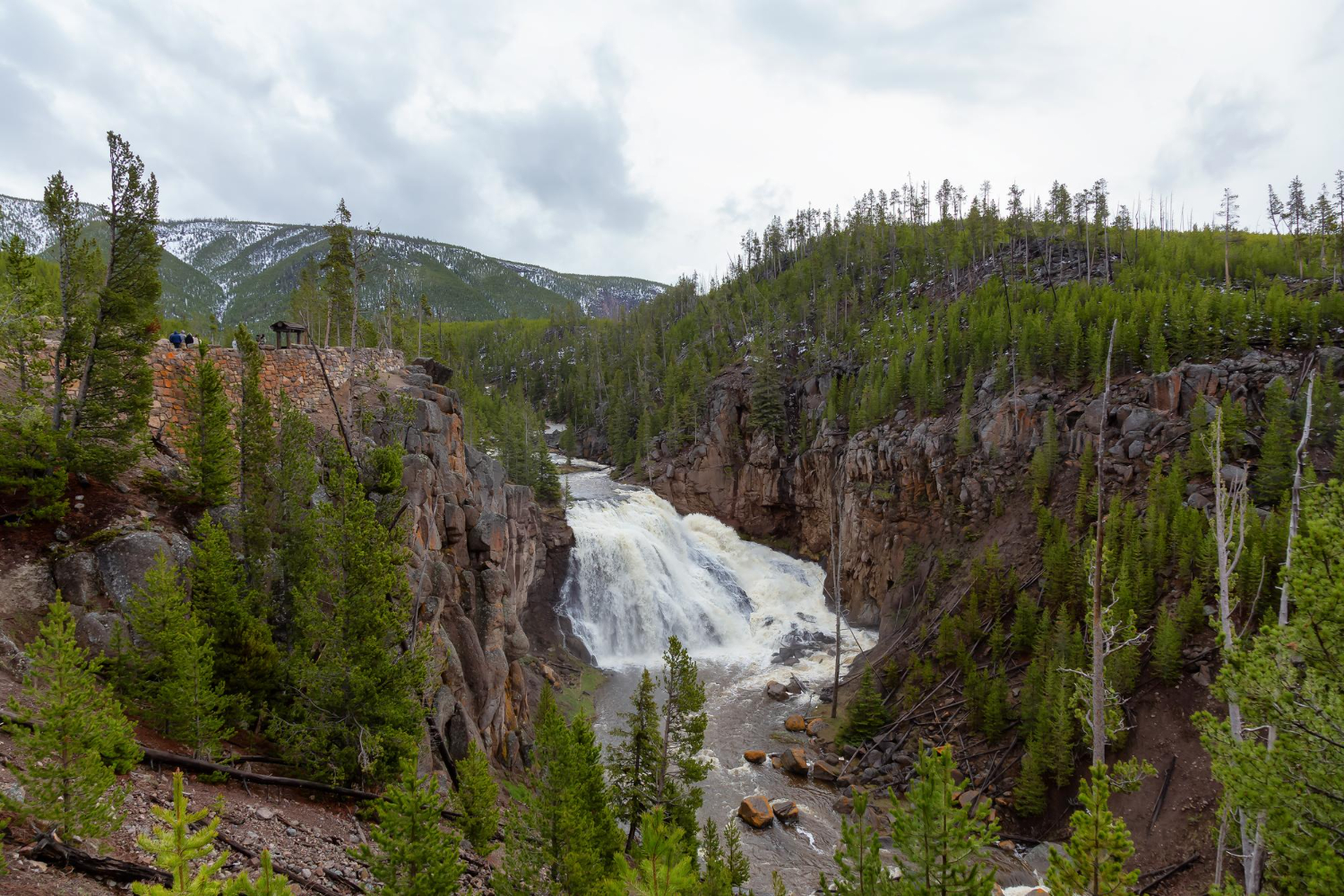
From Great Smoky Mountains (1,600+ documented missing persons cases) to Yosemite (10 active cold cases) to the Grand Canyon (56 missing since 2018), American national parks have a measurable problem with disappearances. The reasons are usually mundane — but the cumulative numbers are substantial. Here’s what the National Park Service data actually shows.
In 2024, more than 2,200 people were the subject of search and rescue incidents in U.S. national parks, according to National Park Service spokesperson Cynthia Hernandez. Most of those cases ended with the person being found — typically within hours, sometimes within minutes when children are temporarily separated from parents at visitor centers.
But every year, a small number of cases don’t end well. Some people are never found at all. Others are found dead. Across the 400+ national parks, recreation areas, and monuments managed by the NPS, somewhere between 1,000 and 2,000 cases involve genuinely missing persons — people who entered a park and didn’t come out, whose location remains unknown, whose families continue searching for answers.
The National Park Service’s Investigative Services Branch maintains a public list of 25 active “cold cases” — disappearances and deaths the agency continues to investigate. Yosemite National Park alone accounts for 10 of those 25 cases. Great Smoky Mountains has 4. Other parks scattered throughout the system have one or two each.
The reasons people disappear in national parks are usually mundane. Falls. Exposure. Drowning. Wildlife encounters. Disorientation in dense terrain. Suicide. Occasionally foul play. The fringe theories that surround some park disappearances — popularized by author David Paulides in his “Missing 411” series — are not supported by the actual evidence in most cases, though they have generated substantial public interest in the phenomenon.
Here are the 7 American national parks with the highest documented numbers of missing persons cases, what the actual data shows, and what makes each one specifically dangerous.
1. Great Smoky Mountains National Park — 1,600+ cases since 1944
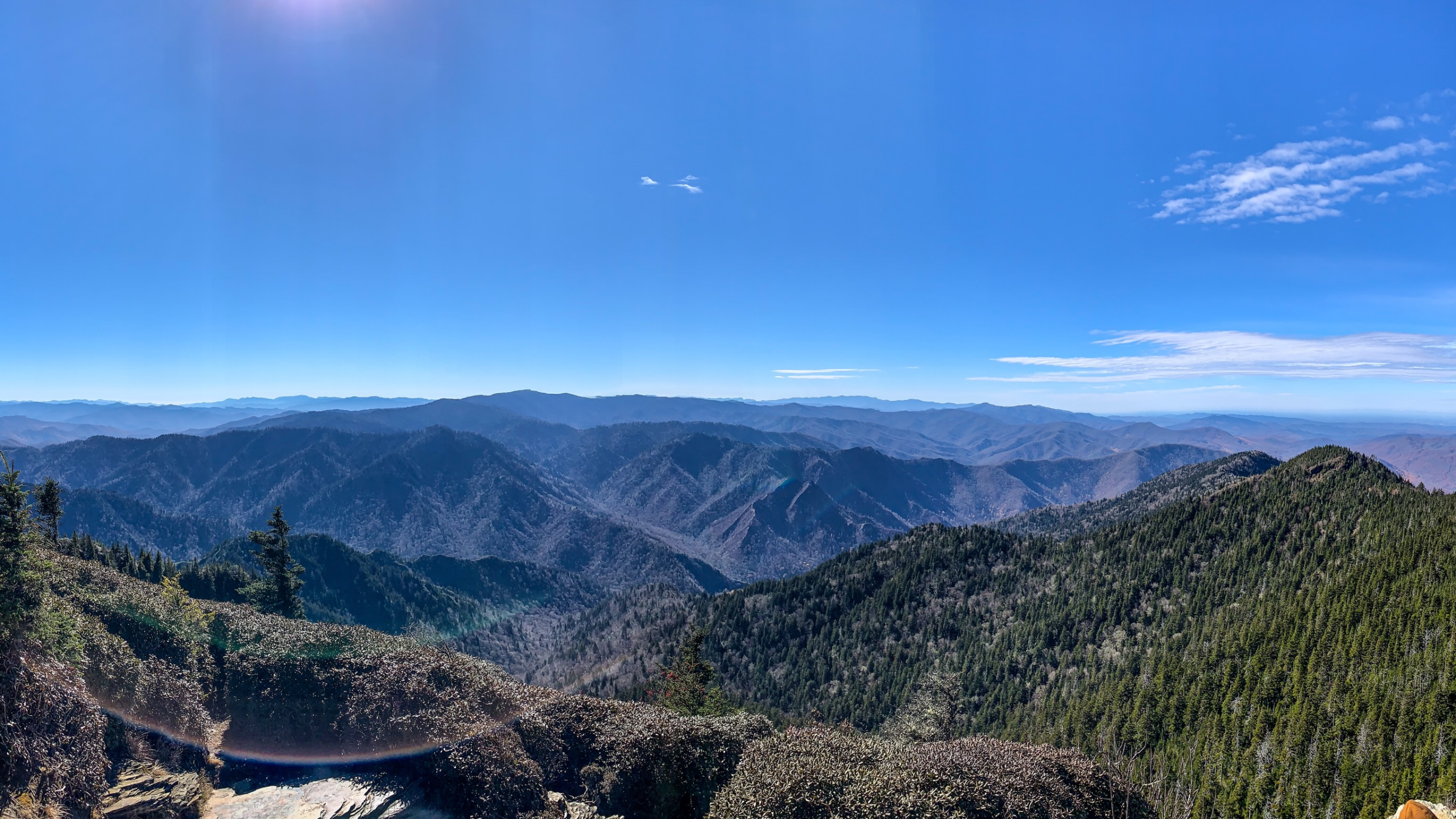
The Great Smoky Mountains, which straddle the Tennessee-North Carolina border, has more documented missing persons cases than any other American national park. According to research compiled from various sources, more than 1,600 missing persons cases have been documented within park boundaries between 1944 and 2010. The pattern has continued since 2010, with new cases occurring regularly.
The park’s specific challenges:
- Most-visited national park with over 13 million annual visitors (2023 data) — the sheer volume of visitors increases the absolute number of incidents
- Dense temperate rainforest with low visibility, particularly in laurel and rhododendron thickets
- Rapid weather changes — fog, sudden storms, temperature drops
- Steep mountainous terrain with elevations ranging from 875 to 6,643 feet
- Limited cell phone coverage through most of the backcountry
- Numerous water hazards — fast-moving streams, waterfalls, slippery rocks
The most famous Smoky Mountains case is the 1969 disappearance of 6-year-old Dennis Martin. Dennis was on a family camping trip at Spence Field on the Appalachian Trail. He and three other children planned to surprise the adults by hiding behind bushes. When the other three children popped out, Dennis didn’t. He has never been found despite the largest search in the park’s history — at peak, 1,400 people searched 56 square miles of forest. The case remains open as one of the NPS Investigative Services Branch’s 25 cold cases.
Other notable Smoky Mountains cases include Trenny Gibson (October 1976, 16 years old, disappeared while hiking with school group), Thelma Pauline Melton (September 1981, 58 years old, disappeared during a hike with friends on Deep Creek Trail), and Derek Lueking (March 2012, 23 years old, disappeared shortly after entering the park). All four cases remain open and unsolved.
2. Grand Canyon National Park — 56+ missing since 2018
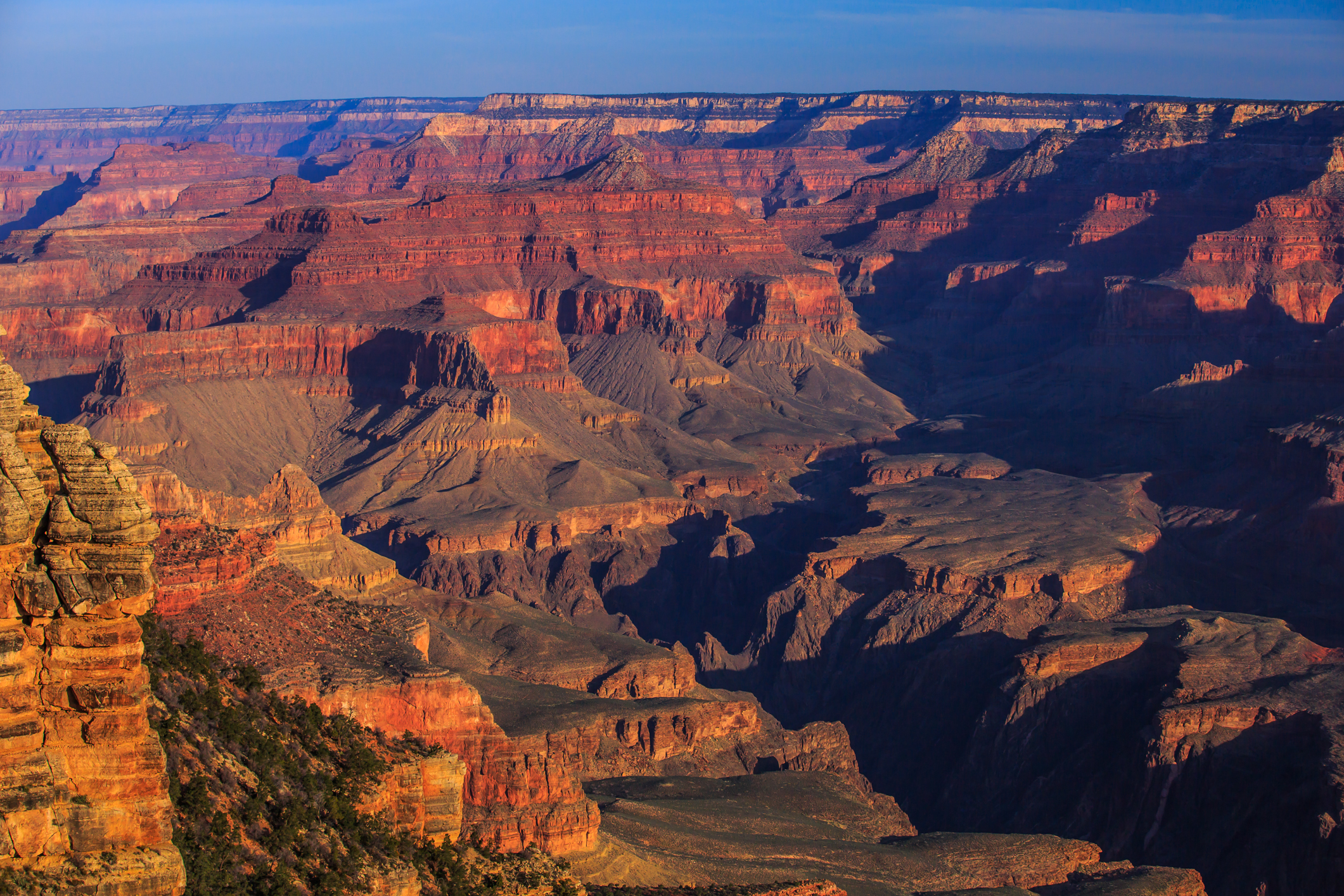
Grand Canyon National Park has had at least 56 missing persons reports and 6 confirmed deaths since 2018 alone, according to Department of Interior data referenced in a Washington Post investigation. Annual visitor numbers reach approximately 4.7 million, making it one of the most-visited American parks.
The park’s specific challenges:
- Extreme heat — summer temperatures inside the canyon regularly exceed 110°F (43°C)
- Dramatic elevation changes — over 5,000 feet between rim and river
- Limited water sources in much of the inner canyon
- Steep dropoffs with limited barrier protection in many areas
- River hazards — Colorado River currents, cold water, remote rescue access
- Air crashes — multiple aviation accidents over decades have killed visitors
A retired chief of emergency services at the Grand Canyon, quoted in the Post investigation, estimated approximately 12 people die in the canyon every year — from heat stroke, lightning, drowning, suicide, accidental falls, and air crashes. The 2018-2023 period accounts for roughly 60+ confirmed deaths along with the 56+ missing persons cases.
Specific cases include Morgan Heimer (June 2015, 22-year-old rafting guide who vanished from a Grand Canyon trip in the Pumpkin Springs area), Drake Kramer (February 2015, 21-year-old solo hiker who told his father he needed to “be back with Mother Earth” before disappearing), and Jonghyon Won (September 2017, 45 years old, never found).
3. Yosemite National Park — 33+ missing, 10 cold cases
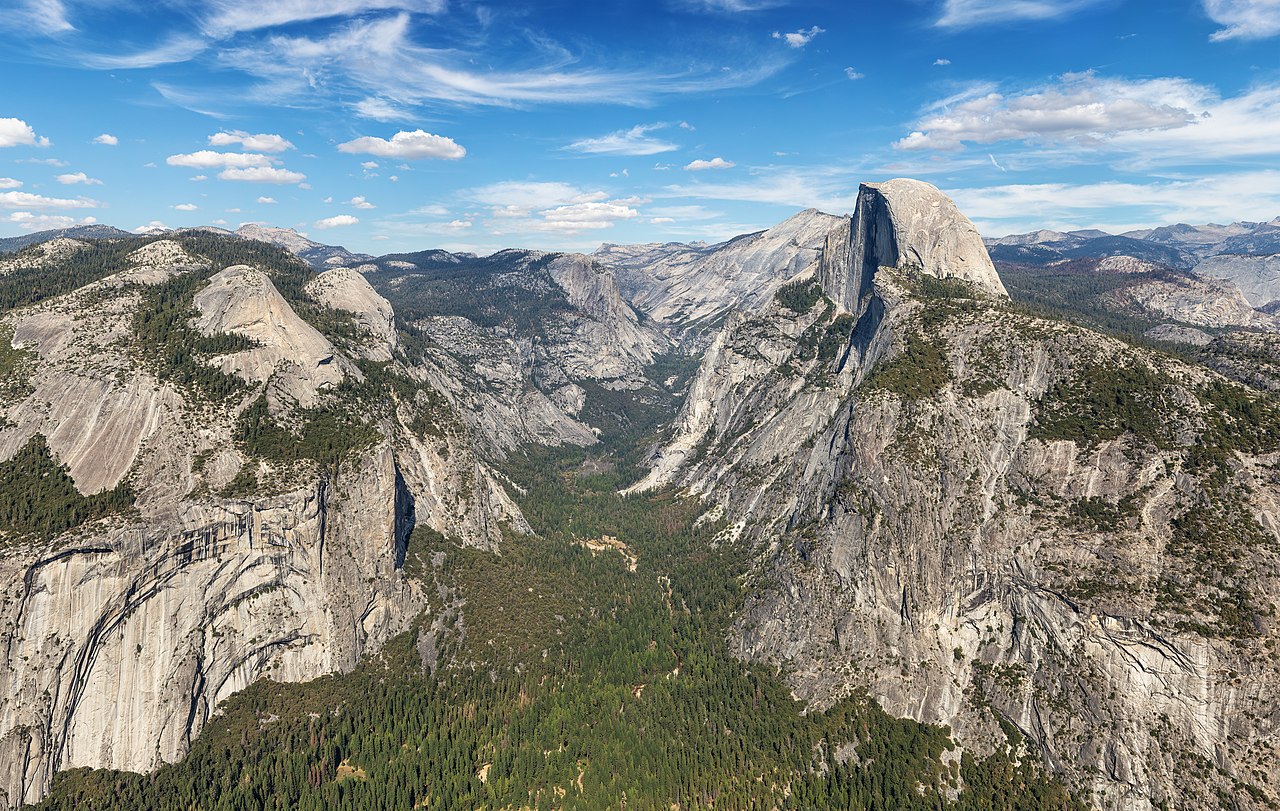
Yosemite National Park has at least 33 documented missing persons cases (as of 2017 — the list hasn’t been comprehensively updated since), and 10 of the 25 NPS Investigative Services Branch cold cases involve Yosemite. Between 2018 and 2020, the park reported 732 search and rescue incidents.
The park’s specific challenges:
- Vast wilderness areas — 95% of Yosemite is officially designated wilderness
- Granite cliffs and waterfalls — Half Dome, El Capitan, Yosemite Falls all have associated fatalities
- Rapidly changing high-altitude weather
- Bear encounters (rarely fatal but occasionally dangerous)
- River and waterfall hazards — every year produces drowning incidents
- Famous attractions that draw inexperienced visitors to dangerous terrain
Notable Yosemite cases include Stacy Ann Arras (July 1981, 14 years old, disappeared during a horseback trip to Sunrise Lakes), George Penca (June 2011, disappeared while hiking), Hovaness Knadjian (July 1972, last seen in Curry Village), and Michael Ficery (June 2005, experienced solo hiker who vanished).
The park’s combination of high visitor numbers (over 4 million annually), dramatic terrain, and extensive wilderness contributes to the consistent pattern of disappearances. Most cases involve falls, drowning, or hypothermia in remote terrain — the 95%-wilderness designation means search teams face enormous challenges in any given case.
4. Lake Mead National Recreation Area — 563+ documented disappearances
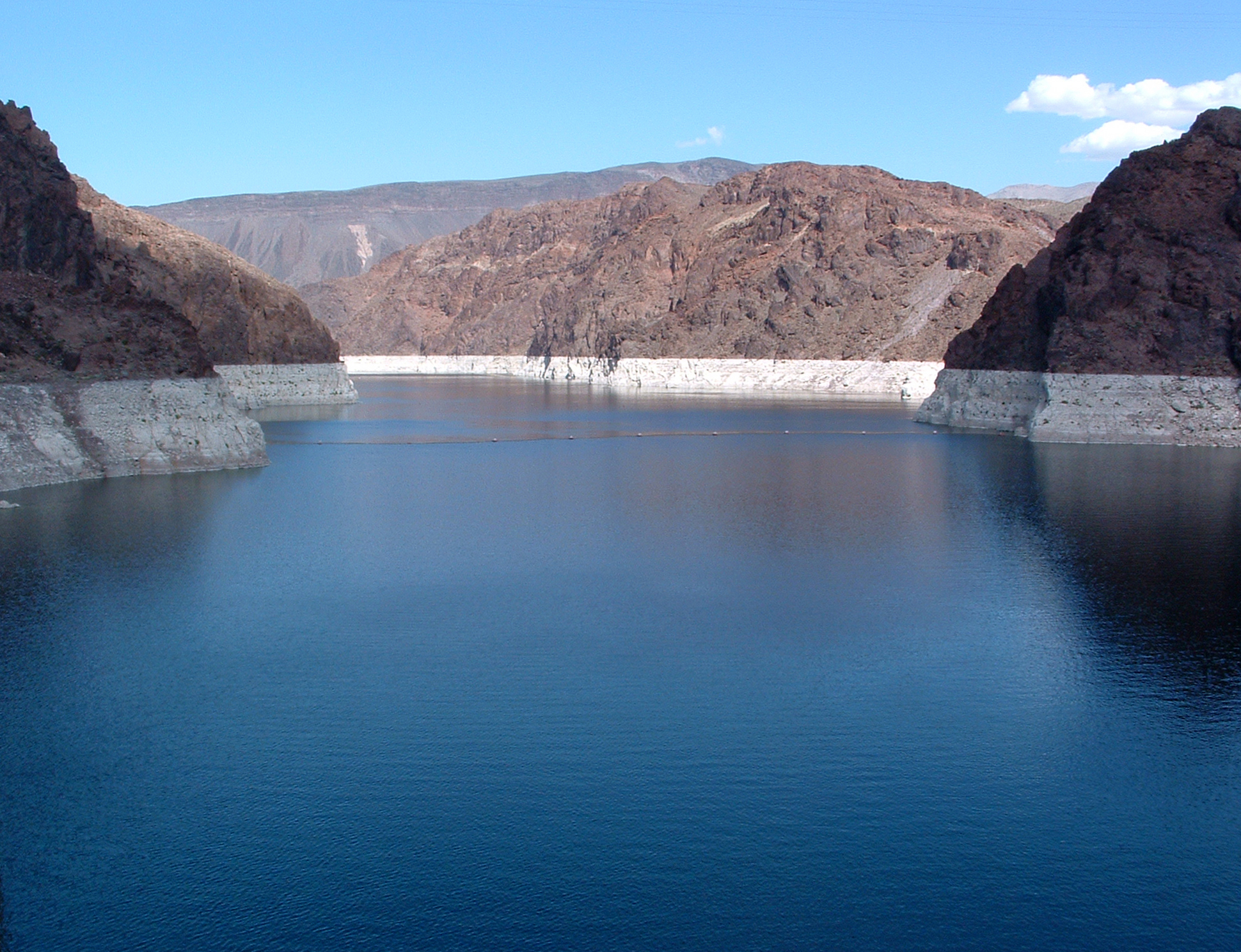
Lake Mead National Recreation Area in Nevada has the highest absolute number of documented disappearances of any National Park Service unit — 563+ cases according to compiled data. The reservoir on the Colorado River, formed by Hoover Dam, attracts millions of annual visitors for boating, swimming, fishing, and water sports.
The park’s specific challenges:
- Open water hazards — drowning is the primary cause of death
- Boating accidents — collisions, capsizing, falls overboard
- Extreme summer heat — exceeding 110°F regularly
- Ongoing drought that has dramatically reduced water levels (and exposed previously underwater areas)
- Discovery of human remains as water levels have dropped — particularly notable since 2022
The drought-related discoveries have produced unique news. As Lake Mead water levels have dropped to historic lows since 2022, multiple sets of human remains have been found in previously underwater areas. Some have been linked to organized crime cases from past decades. Others remain unidentified. The phenomenon has produced renewed interest in the park’s long history of disappearances.
5. Glacier National Park — Long history of disappearances
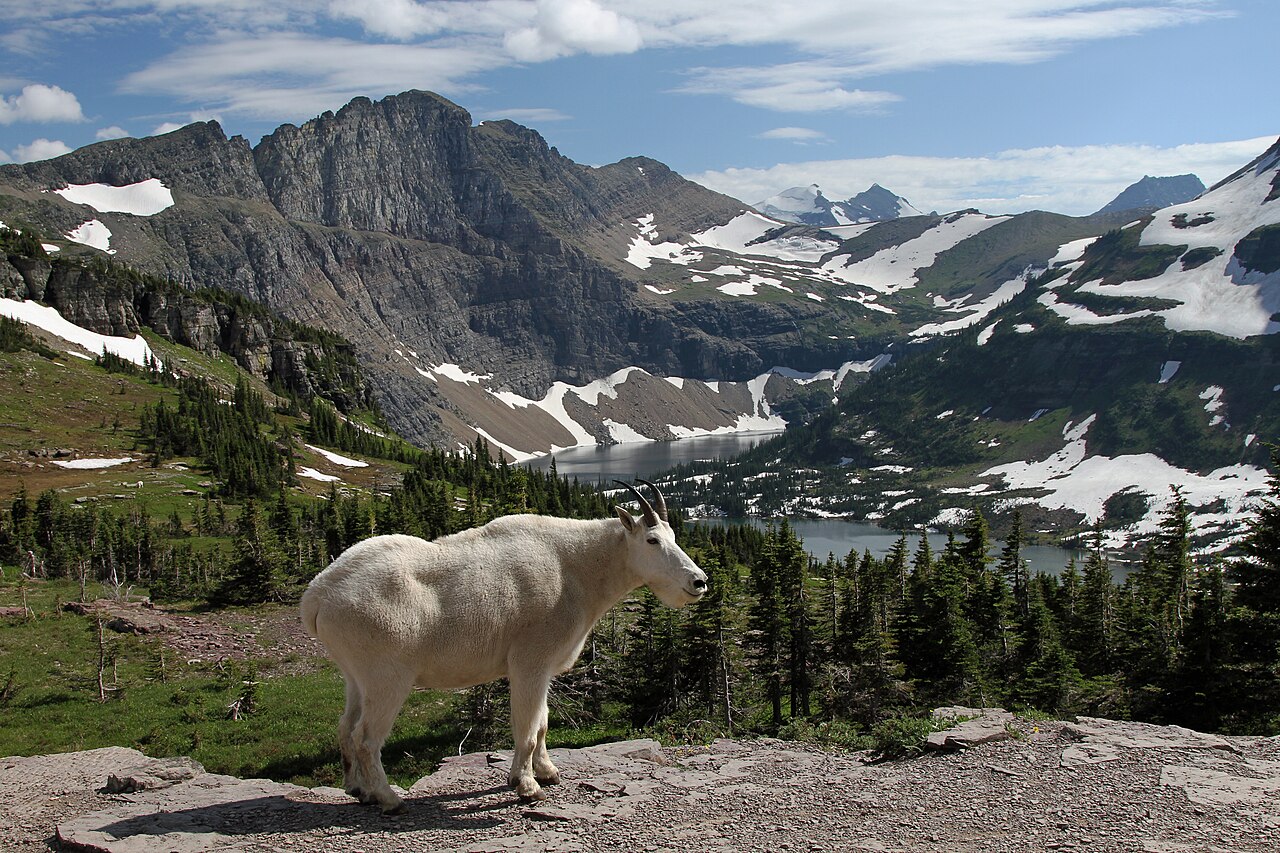
Glacier National Park in Montana has produced disappearances since the early 1900s. Cases include the 1924 disappearance of brothers Joseph and William Whitehead (both vanished on the same day), Frederick H. Lumley (1934), and many others stretching to the present day.
The park’s specific challenges:
- Extreme alpine terrain with technical climbing required for many areas
- Glaciers and crevasses — direct fall hazards
- Grizzly bear population — Glacier has one of the highest densities of grizzly bears in the lower 48 states
- Mountain weather — sudden storms, lightning, hypothermia risk year-round
- Remote backcountry with limited emergency access
Notable Glacier cases include Patrick Whalen (November 2000), Eric Hellmuth (June 2017, disappeared in Bob Marshall Wilderness), and Barry J. Tragen (July 2020). Glacier’s combination of dramatic terrain, harsh weather, and dangerous wildlife produces a consistent pattern of disappearances despite relatively lower visitor numbers (approximately 3 million annually) than the most-visited parks.
6. Rocky Mountain National Park — Mysterious cases continue
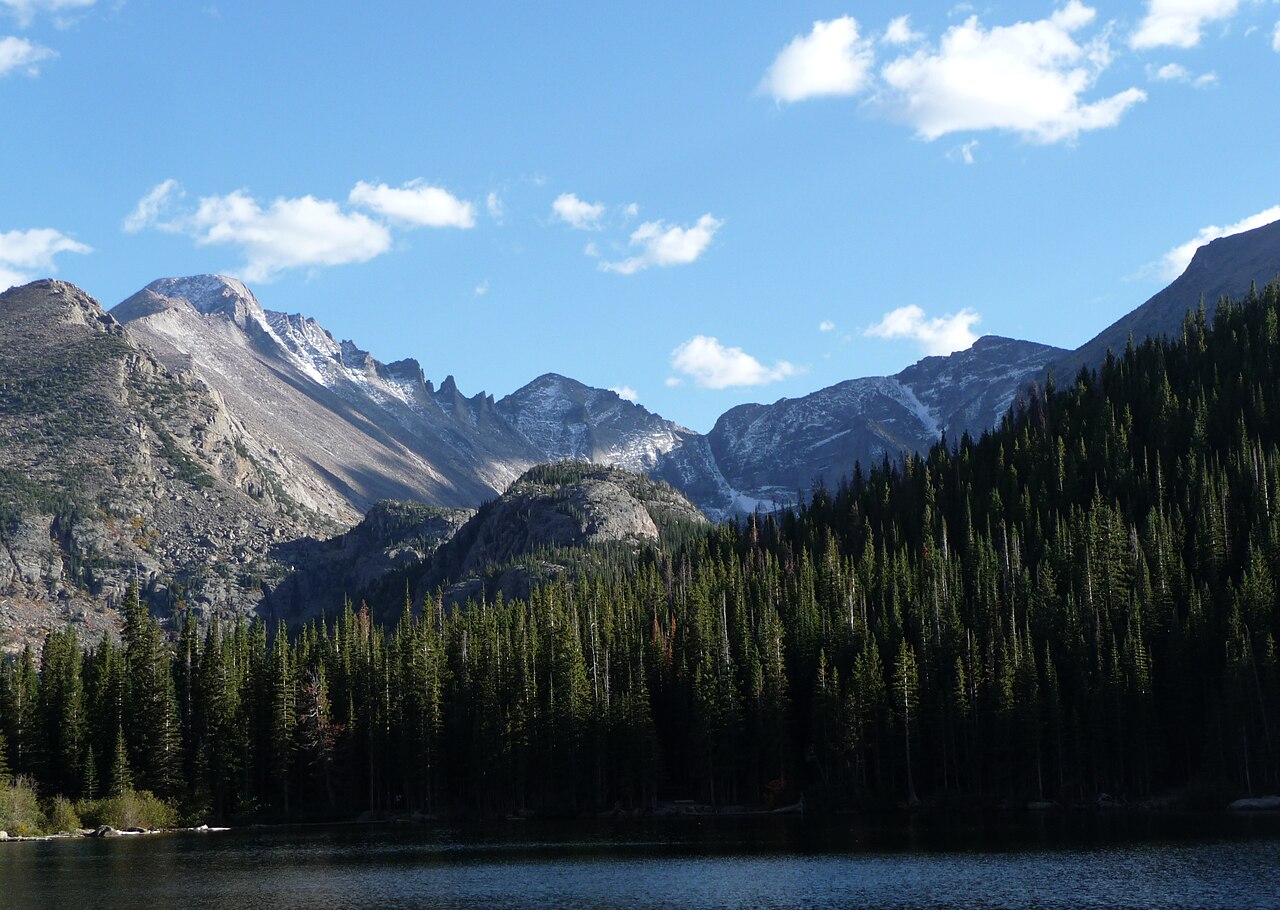
Rocky Mountain National Park in Colorado has produced numerous documented disappearances, including the 1958 case of 10-year-old Bobby Bizup (whose remains were eventually located the following year, though the cause of his disappearance was never definitively established) and Ryan Pruitt (February 2019, disappeared during day hike from Glacier Gorge parking lot, never found despite extensive searches).
The park’s specific challenges:
- High elevation — much of the park sits above 8,000 feet, with peaks reaching 14,000+ feet
- Sudden weather changes — lightning, hypothermia, snow possible year-round at altitude
- Technical mountaineering terrain — Longs Peak alone has produced numerous fatalities
- Avalanche risk in winter and shoulder seasons
- Altitude sickness affecting unprepared visitors
The 2019 Pruitt case is particularly notable — he left for a single-day hike, his vehicle was located three days later, but extensive searches found nothing. Family confirmed he had no plans for overnight backcountry stay. The case remains open with no resolution.
7. Olympic National Park — Pacific Northwest density issues
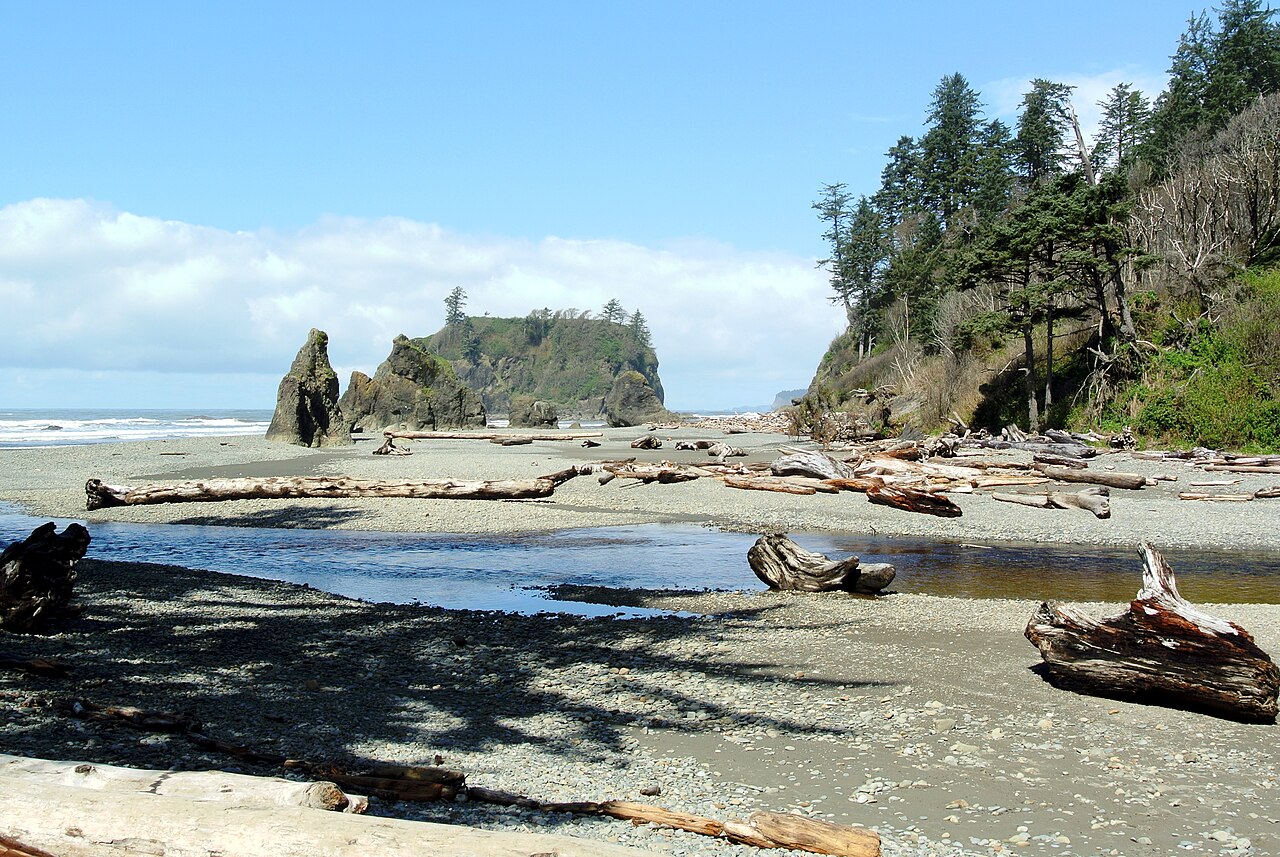
Olympic National Park in Washington has produced disappearances stretching back decades. The park’s combination of dense temperate rainforest, mountain peaks, and Pacific coast wilderness creates multiple distinct hazard environments.
The park’s specific challenges:
- Dense temperate rainforest — visibility limited to a few feet in some sections
- Coastal hazards — tides, waves, slippery rocks
- Mountain terrain — Mount Olympus and other peaks
- Heavy precipitation — some areas receive 12+ feet of rain annually
- Limited cellular coverage through most of the park
- Three distinct ecosystems — coast, rainforest, mountains — each with different hazards
Olympic’s disappearances are less concentrated in famous cases than some other parks but produce a steady annual pattern of search and rescue incidents.
What the actual evidence shows about why people disappear

The data on national park disappearances reveals patterns that contradict some popular framings:
Most disappearances have mundane explanations. Falls are the leading cause of death and disappearance in mountainous parks. Drowning leads in water-focused parks. Hypothermia and exposure account for many cases in cold or wet environments. Heat stroke and dehydration cause deaths in desert parks. Wildlife encounters, while often emphasized in fringe theories, account for relatively few fatalities.
Solo hikers face dramatically higher risk. A substantial majority of disappearances involve people hiking alone. The buddy system substantially reduces risk in wilderness areas — both because companions can summon help and because they provide accountability for tracking actual location and progress.
Off-trail hiking dramatically increases risk. Most missing persons cases involve people who left designated trails, either deliberately (off-trail exploration) or accidentally (taking wrong turns). Staying on marked trails substantially reduces both disappearance and fatality risk.
Inexperience compounds risk. First-time visitors to wilderness parks often underestimate the challenges they’re entering. Many cases involve people without proper gear (water, navigation tools, appropriate clothing), inadequate physical conditioning for the terrain, or insufficient understanding of weather patterns.
Mental health crises play a meaningful role. Some cases involve suicide, with parks chosen for the privacy and dramatic settings. Other cases involve manic episodes, dissociative states, or other mental health crises that produce disappearance behaviors that differ from typical lost-hiker patterns. The Drake Kramer case (the young man who told his father he needed to “be back with Mother Earth”) may fall in this category.
Foul play is rare but real. A small but meaningful percentage of cases involve criminal activity — assault, murder, or other violence. Park rangers and law enforcement investigate these cases as crimes rather than simple disappearances.
The “Missing 411” theories don’t hold up to scrutiny. Author David Paulides has published a series of books arguing that national park disappearances follow patterns suggesting unknown causes (sometimes implying paranormal or extraterrestrial involvement). Investigative analysis by journalists, search and rescue professionals, and skeptics has generally found that Paulides cherry-picks cases that fit his narrative while ignoring vastly more common mundane disappearances. The actual statistical patterns reflect known geographic and demographic risk factors rather than unexplained phenomena.
What this all means for visitors
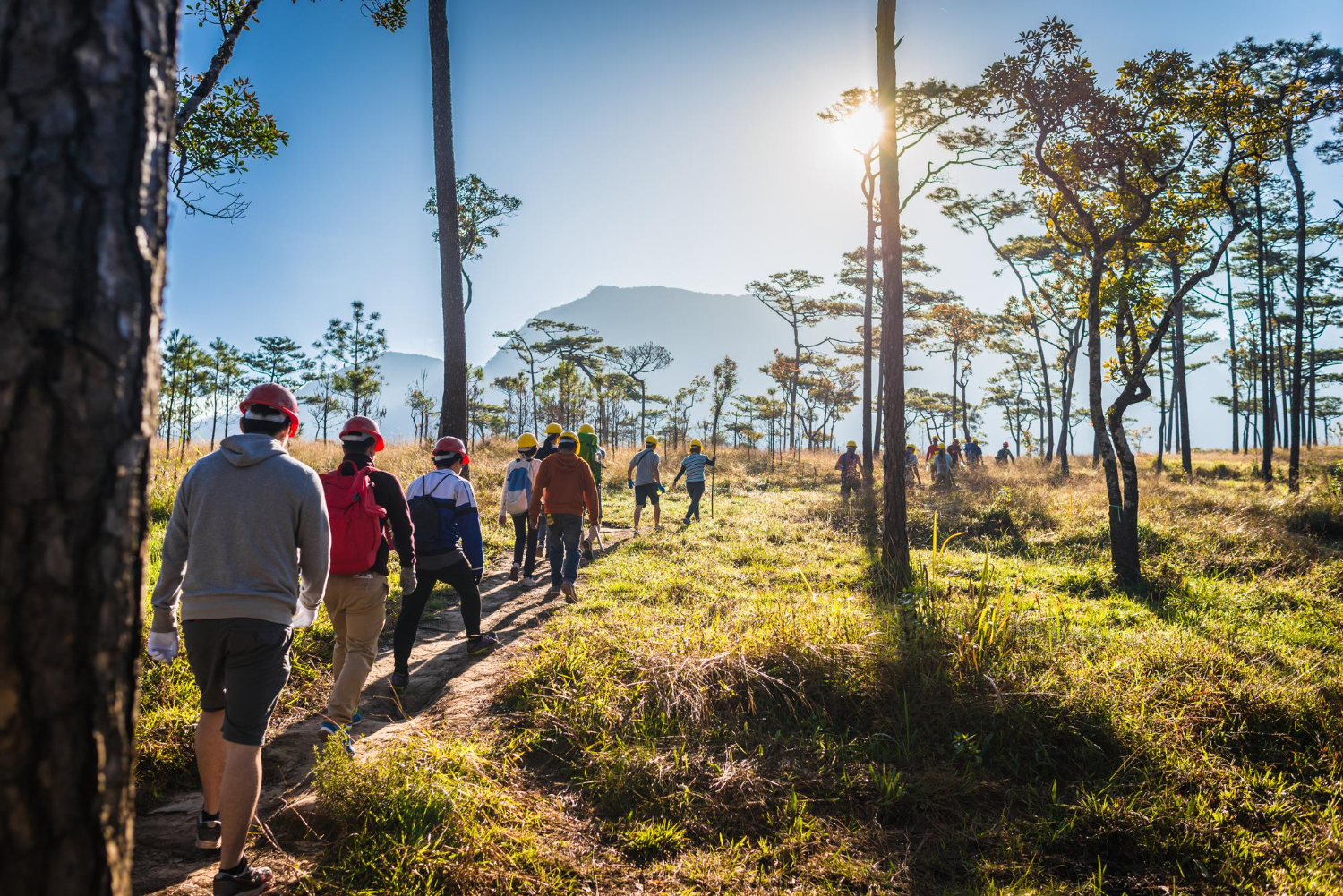
For travelers planning national park visits, the practical implications:
Know your limits. Choose hikes appropriate for your experience level, fitness, and equipment. The famous “yellow trail to Half Dome” or “rim-to-rim Grand Canyon” hikes that look reasonable on park maps are genuinely difficult and have killed unprepared visitors.
Tell someone your plans. Park visitor centers, trailhead registers, and family contacts should know your specific route and expected return time. The “buddy system” extends to people who aren’t physically present — letting someone know where you’re going is the single most important safety measure.
Carry the Ten Essentials. Navigation (map and compass, GPS not just phone), sun protection, insulation (extra clothing), illumination (headlamp), first aid supplies, fire (matches/lighter), repair kit and tools, nutrition (extra food), hydration (extra water), and emergency shelter. These items have saved countless lives.
Check weather forecasts. Mountain weather changes rapidly. A pleasant morning can become a dangerous afternoon. Check forecasts at park visitor centers, where rangers have current local information that web forecasts may miss.
Stay on marked trails. The vast majority of missing persons cases involve people who left designated trails. Marked trails are marked because they’re maintained, mapped, and identifiable. Off-trail navigation requires skills most casual hikers don’t possess.
Carry a personal locator beacon (PLB) for serious backcountry trips. Devices like Garmin inReach, SPOT, or ACR ResQLink can summon help even in areas without cell coverage. The annual cost ($150-250 plus subscription) is small compared to the value of being able to summon emergency response if needed.
Take altitude seriously. Many western national parks have substantial elevation. Sea-level visitors can experience altitude sickness symptoms (headache, nausea, exhaustion) above 8,000 feet. The advice to “spend a night at intermediate elevation before hiking high” is genuinely important for visitors from low-elevation areas.
Don’t rely solely on your phone. Cell coverage in most national parks is limited or nonexistent. Phones can be useful for photos and offline maps but cannot be relied upon for emergency contact in most wilderness areas.
Understand water hazards. Drowning is the leading cause of death in many water-focused parks (Lake Mead, Yosemite, Grand Canyon river sections). Cold water shock can incapacitate even strong swimmers. Wear life jackets when on water. Be cautious near waterfalls, fast-moving streams, and slippery rocks.
Be aware of wildlife but not paranoid. Wildlife-related fatalities are rare. Bear safety practices (proper food storage, bear spray for grizzly country, group hiking) substantially reduce risk. Most bear encounters end without incident if visitors follow standard practices.
The reality of disappearances in American national parks is sobering but not paralyzing. Tens of millions of people visit national parks every year and have safe, enjoyable experiences. The relatively small number of disappearances relative to total visitors reflects appropriately functional safety infrastructure in most cases. But for the families of the 1,000+ missing persons whose cases remain open, the parks represent something specific: places where loved ones entered and never returned, leaving behind questions that may never be answered.
For travelers who want to engage with this aspect of national park history while still enjoying responsible visits, several approaches are reasonable: read the documented case histories before visiting (NPS Cold Cases page lists 25 active investigations); follow established safety practices rigorously; don’t take risks that aren’t necessary for the experience you’re seeking; and recognize that parks are wilderness areas, not theme parks. The trails are marked, but the wilderness is real, and some of the people who entered haven’t come out. Understanding that reality is part of being a responsible visitor.