Ice cream might seem universal, but America’s regional frozen treat traditions reveal genuine local identity, shaped by specific dairies, immigrant communities, and generations of hometown pride passed down through decades of family-run shops and beloved neighborhood stands. Here are eight genuinely distinct American ice cream treats and what makes each one truly different, counted down one by one.
1. St. Louis: The Concrete
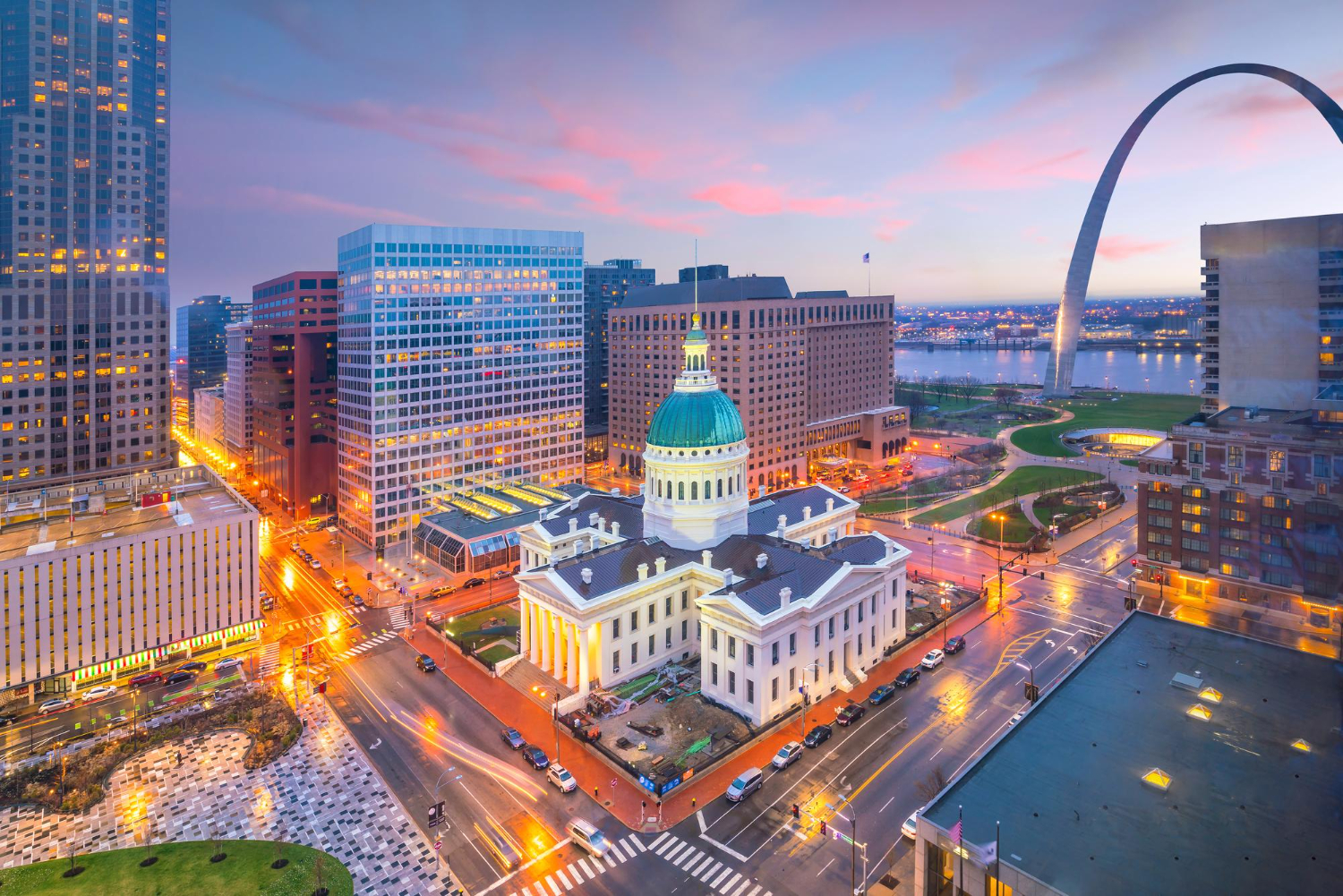
St. Louis’s frozen custard treat is blended thick with mix-ins. It’s named for how it sounds when you try to drink it.
St. Louis’s frozen custard concrete blends rich, dense custard with candy, fruit, or cookie mix-ins until it’s thick enough to be served upside down without spilling, a texture so solid it earned the treat its concrete nickname. Locals genuinely test a shop’s concrete by flipping it over the counter, and a treat that slides even slightly is generally sent back to the mixer for another pass. The St. Louis concrete’s signature thickness and playful naming make it one of the most distinctive regional ice cream treats in the country, a dessert whose entire identity is built around defying gravity.
Like our content? Follow us for more.
2. Rhode Island: The Coffee Milk Float
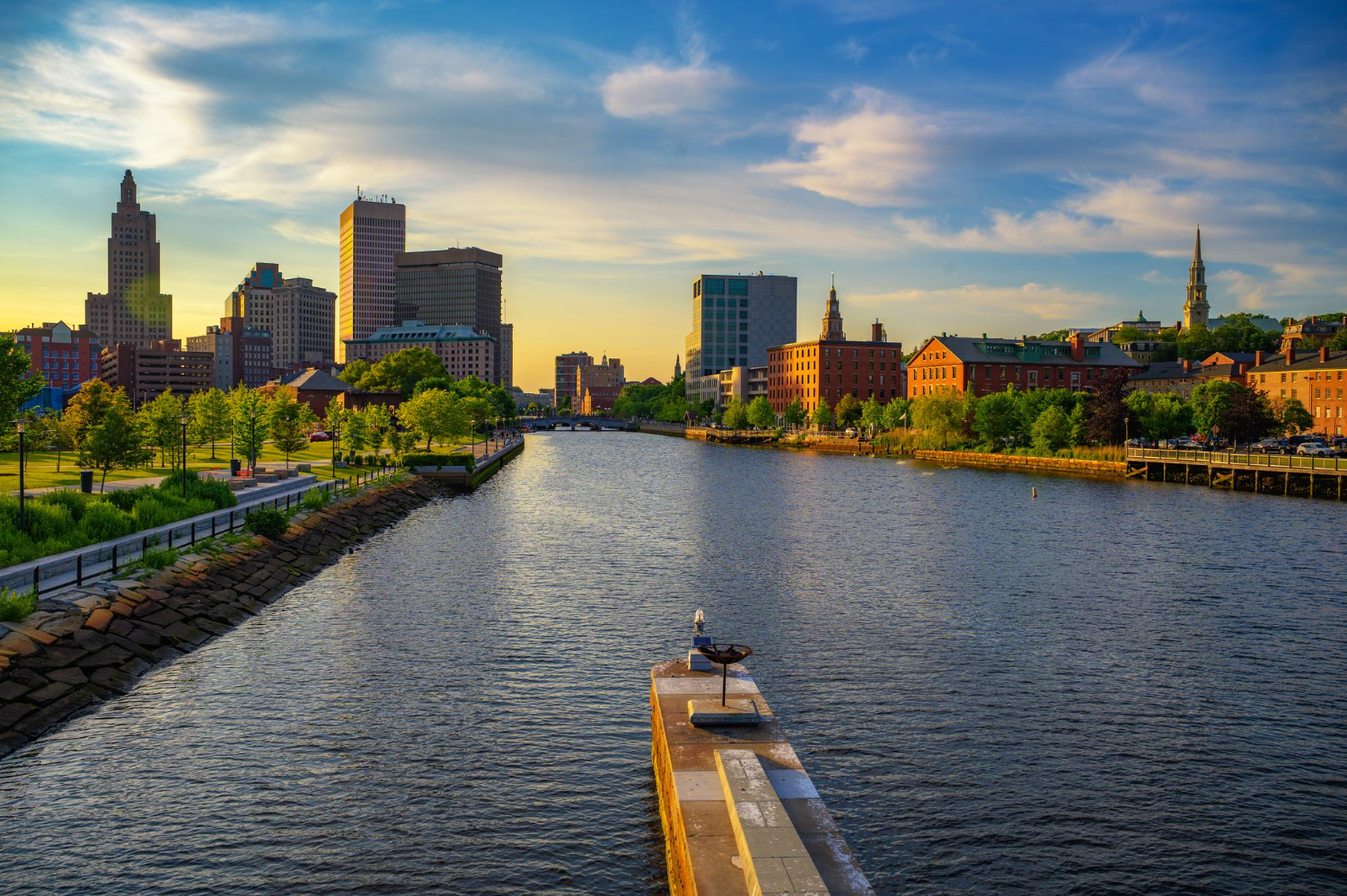
Rhode Island’s signature treat combines coffee syrup with ice cream. It reflects the state’s unusually specific coffee milk tradition.
Rhode Island’s coffee milk float combines the state’s official beverage, coffee syrup mixed with milk, with a scoop of ice cream, a distinctly regional twist that reflects the state’s uniquely specific and beloved coffee milk tradition found almost nowhere else in the country. The Rhode Island coffee milk float showcases the state’s proud, geographically narrow culinary quirk, a treat that turns an already unusual local beverage into an even more distinctive frozen dessert.
3. Wisconsin: The Frozen Custard Sundae
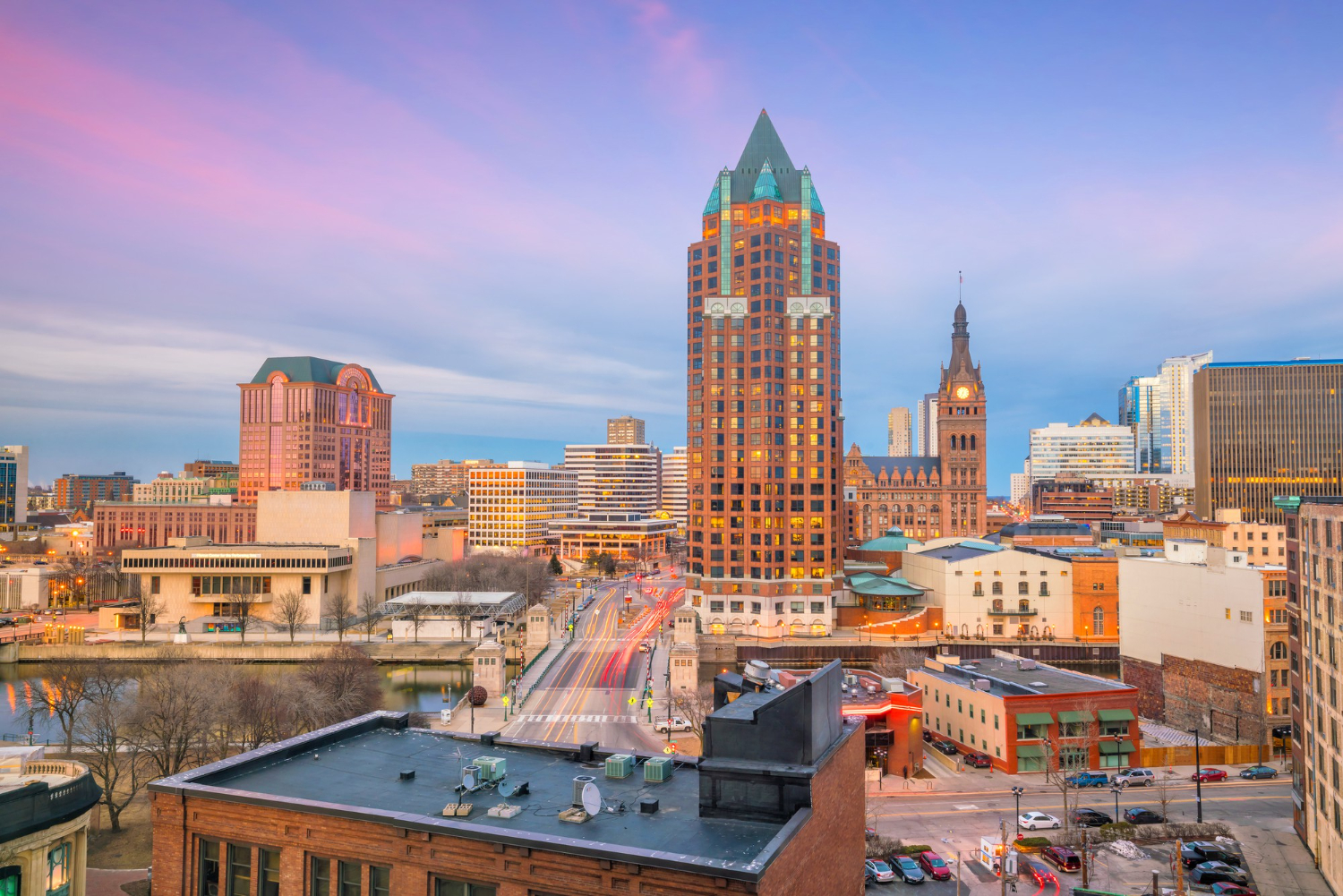
Wisconsin favors rich, egg-based frozen custard over standard ice cream. Dairy state pride runs deep in every scoop.
Wisconsin’s dairy heritage shows up directly in its preference for frozen custard over standard ice cream, an egg-yolk-enriched treat with a noticeably richer, denser texture, served at dedicated custard stands that remain a beloved fixture across the state throughout every warm-weather season. Wisconsin’s frozen custard sundae reflects the state’s genuine dairy-industry pride, a regional preference for a richer, more decadent frozen treat that showcases the state’s deep agricultural identity in every single scoop.
4. Hawaii: The Shave Ice

Hawaii’s shave ice uses finely shaved, not crushed, ice. Tropical syrups and a scoop of ice cream often finish it off.
Hawaiian shave ice uses a specialized machine to shave ice into impossibly fine, snow-like flakes, distinctly different from mainland “snow cones,” then layers on vividly colored tropical syrups, often finished with a scoop of ice cream or sweet azuki beans tucked at the bottom. The texture alone sets it apart, closer to fresh powder snow than the crunchy, coarsely crushed ice found in most other regional versions across the country. Hawaii’s shave ice reflects the islands’ distinctive tropical flavor palette and plantation-era cultural influences, a genuinely different frozen treat category that stands apart from anything found on the mainland United States.
5. Philadelphia: Water Ice Paired With Soft Pretzels

Philadelphia’s Italian ice tradition often comes paired with a pretzel. The combination is a beloved, genuinely specific local ritual.
Philadelphia’s Italian immigrant heritage produced water ice, a fruit-flavored frozen treat similar to Italian ice, traditionally enjoyed paired with a warm, soft pretzel in a beloved, distinctly local combination that outsiders often find surprising. Philadelphia’s water ice and pretzel pairing reflects the city’s deep Italian-American culinary influence, a genuinely specific regional ritual that combines two beloved local treats into one uniquely Philadelphia experience.
6. New England: The Creemee
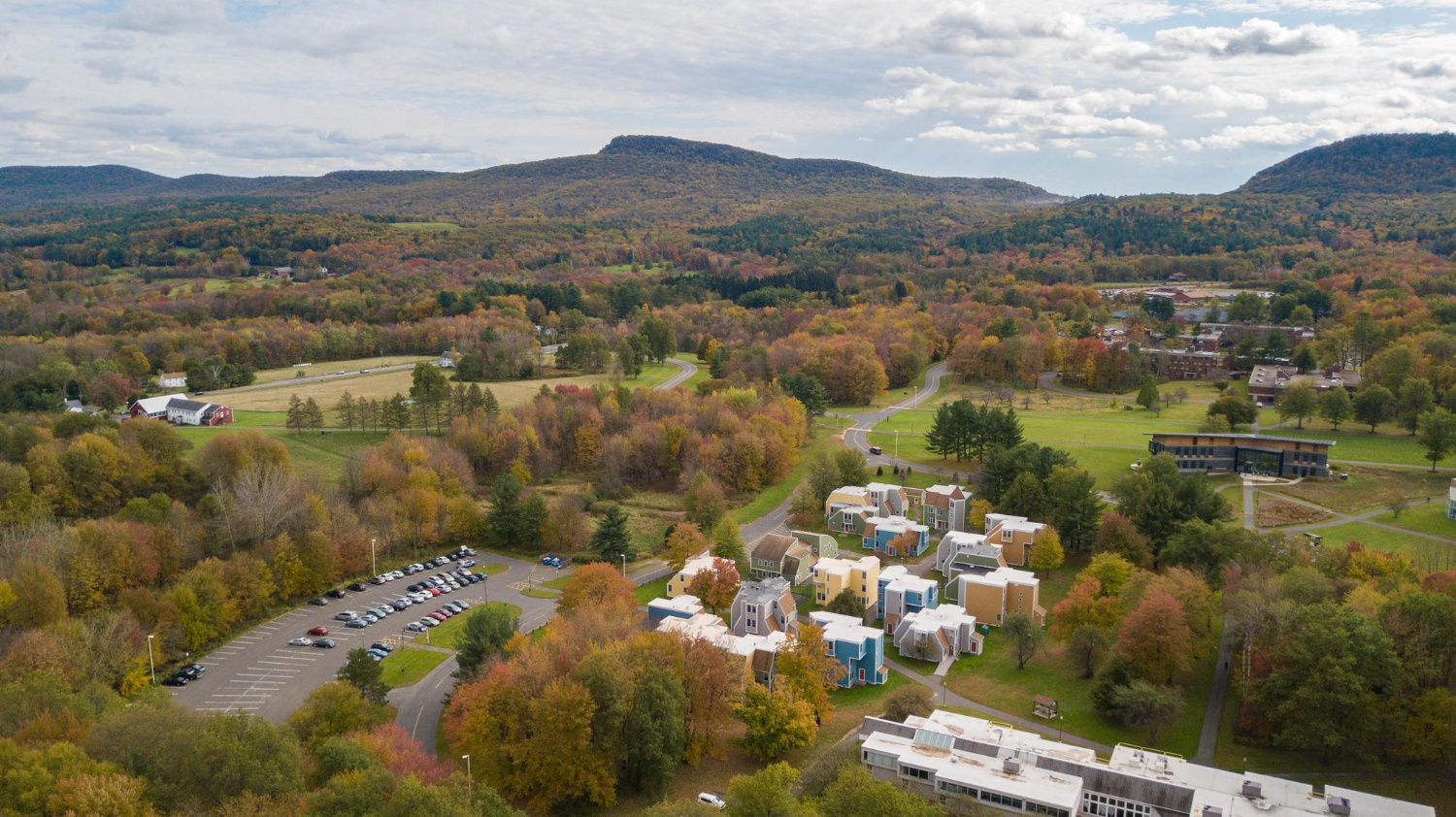
Vermont and New England favor extra-soft, high-butterfat soft serve. Maple flavor is a particularly beloved regional variation.
Vermont and much of New England call their distinctively soft, high-butterfat soft serve a “creemee,” a genuinely creamier, richer version of standard soft serve, often flavored with local maple syrup for an unmistakably regional twist. The New England creemee reflects the region’s dairy farming heritage and maple syrup production, a soft-serve tradition rich enough, and regionally specific enough, to have earned its very own distinct local name.
7. Texas: The Blue Bell Big Country Scoop

Texas takes particular pride in its home-state ice cream brand. Portion size and hometown loyalty define the tradition.
Texas ice cream parlors take genuine pride in serving generously oversized scoops, reflecting the state’s broader love of scale, alongside strong hometown loyalty to Texas-based dairy producers that residents defend with real, good-natured passion. Texas’s big scoop tradition reflects the state’s characteristic embrace of size and hometown pride, a regional ice cream culture where portion generosity and brand loyalty are practically inseparable from the dessert itself.
8. The Midwest: The Malt Shop Malted Milkshake
Midwestern soda fountains favor a genuine malted milk addition. It gives the classic milkshake a distinctly nutty depth.
Midwestern malt shops distinguish their milkshakes with a genuine addition of malted milk powder, giving the classic treat a distinctly nutty, slightly toasted depth of flavor that separates a true regional malt from an ordinary milkshake found elsewhere. Old-fashioned soda fountains and diners across the region still treat this distinction as a genuine point of local pride, often listing malts and shakes as entirely separate menu items rather than interchangeable options. The Midwest’s malted milkshake reflects the region’s deep soda-fountain heritage, a small but genuinely meaningful ingredient distinction that longtime regulars consider absolutely essential to getting the treat right.
A Frozen Map of American Identity

Taken together, these eight treats show just how much regional character shapes even something as universally loved as ice cream, from St. Louis’s upside-down concrete to Hawaii’s finely shaved tropical ice and Rhode Island’s uniquely specific coffee milk float. Each reflects the particular dairy industry, immigrant history, and local pride of its own region.
What unites these otherwise distinct treats is the way each one turns a simple frozen dessert into a genuine expression of local identity, whether that means a specific dairy tradition, an immigrant community’s lasting culinary influence, or simply a fierce hometown loyalty to how things have always been done. Exploring America’s regional ice cream traditions offers a delicious, surprisingly rich lesson in local history, proving that even something as simple as a scoop of ice cream can carry genuine regional pride in every single bite. A cross-country ice cream tour, from a Wisconsin custard stand to a Philadelphia water ice cart, would reveal an entirely different regional philosophy about frozen dessert at nearly every single stop along the way.
Many of these traditions have also inspired their own passionate local debates and rivalries, arguments over whether real frozen custard has to include egg yolks, or which shop makes the most authentic shave ice, that reveal just how seriously communities take a dessert that, on the surface, seems like simple summer fun. Seasonal timing matters too, since many of these treats are tied closely to a specific region’s climate and calendar, a New England creemee stand that closes for the winter, or a Hawaiian shave ice shack built entirely around year-round tropical heat. For travelers willing to seek out the specific regional version rather than settling for a generic national chain, America’s frozen dessert map offers a genuinely rewarding way to taste local history one scoop, cone, or cup at a time.
Like our content? Follow us for more.