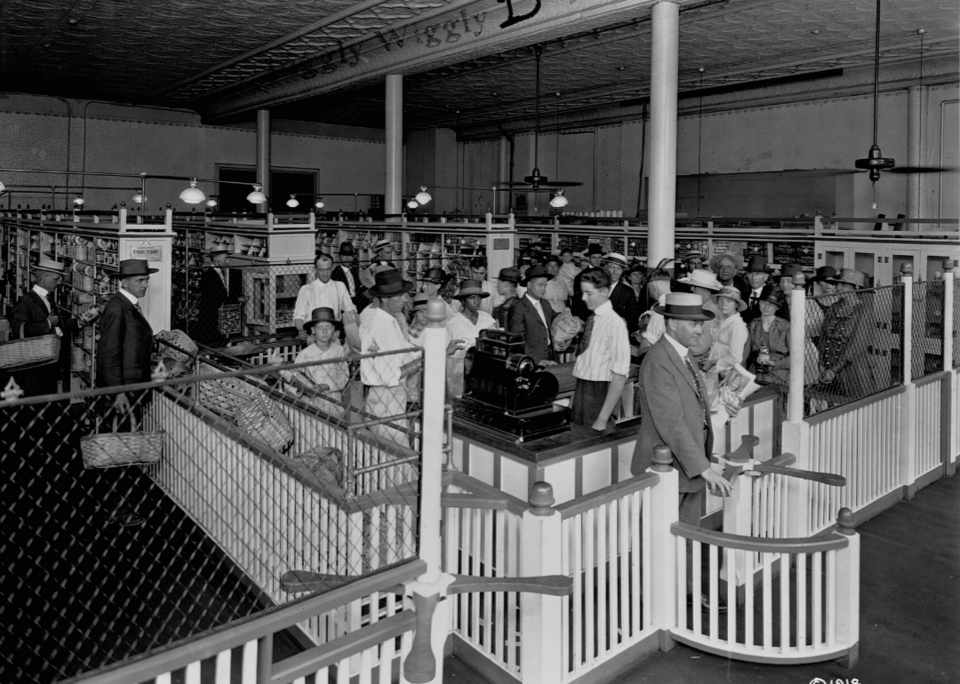
For families who remember shopping for groceries decades ago, the entire experience bore little resemblance to today’s self-checkout, app-based, delivery-optional supermarket trip. It was a more personal, more manual, and often genuinely more social experience. Here are ten things about how grocery shopping used to work, counted down one by one.
1. A Butcher Cut Your Meat to Order, Right There in the Store
A dedicated meat counter employed a real butcher on staff. Customers requested specific cuts prepared fresh while they waited.
Nearly every grocery store maintained a full-service meat counter staffed by an actual butcher, who cut and trimmed cuts of meat to order right in front of the customer, taking specific requests rather than simply selling pre-packaged portions. A butcher cutting your meat to order, right there in the store, reflects the genuinely personalized service standard of the era, a level of direct, skilled attention that today’s largely pre-packaged meat sections have made an increasingly rare feature of the modern supermarket.
Like our content? Follow us for more.
2. Many Neighborhood Stores Extended Credit on a Running Tab
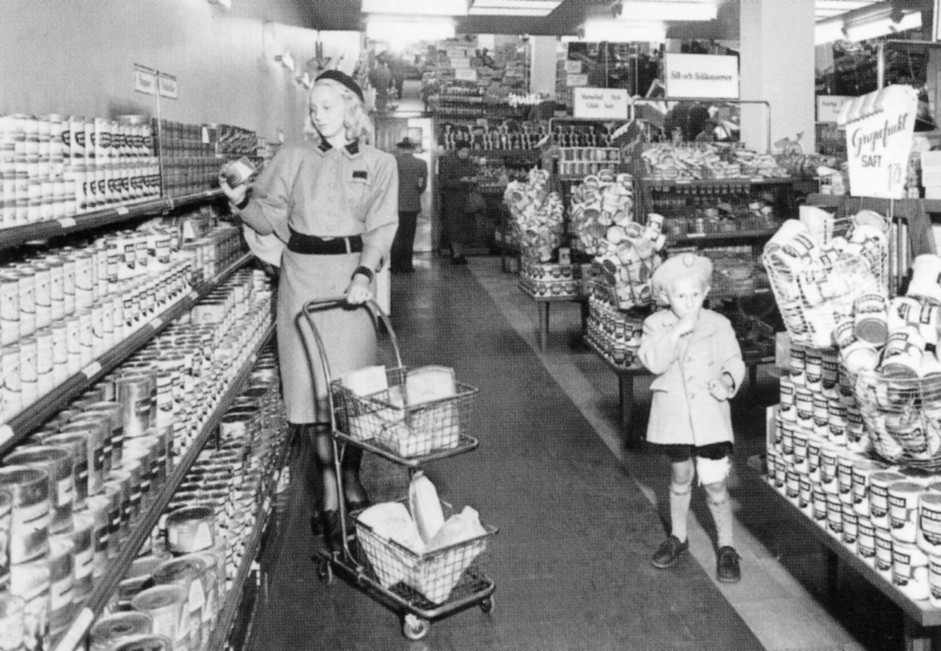
Regular customers could buy now and settle up later. This required real trust between shopkeeper and family.
Smaller neighborhood grocery stores frequently extended informal credit to trusted regular customers, keeping a running tab in a ledger book that families settled up periodically rather than paying in full at every single visit. Many neighborhood stores extending credit on a running tab reflects the genuinely personal relationship between shopkeeper and community, a trust-based system that large supermarket chains and modern payment processing have since made almost entirely unnecessary.
3. Prices Were Stamped by Hand on Every Individual Item
Store employees marked each can and box manually. There was no barcode or scanner involved anywhere in the process.
Before barcodes and electronic scanning existed, store employees manually stamped or wrote the price directly onto every single can, box, and package using a small price gun or grease pencil, a labor-intensive process repeated across the store’s entire inventory. Prices being stamped by hand on every individual item reflects the genuinely manual retail infrastructure of the era, a system that Universal Product Code scanning, introduced commercially in 1974, has since made entirely unnecessary.
4. A Cashier Manually Entered and Added Every Total
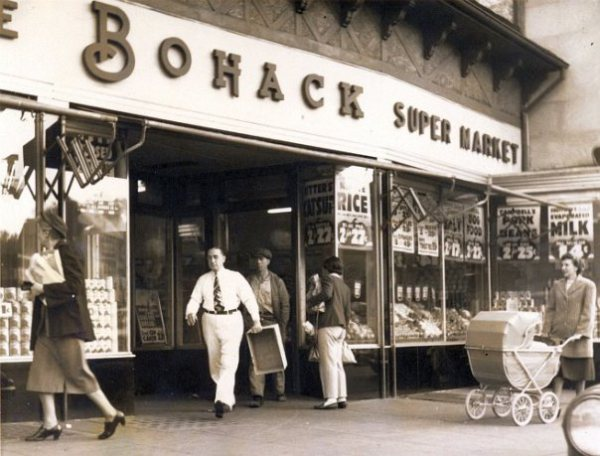
Checkout required punching in each individual price by hand. Mental math and mechanical registers handled the entire transaction.
Checking out meant a cashier manually keying in the price of every single item into a mechanical register, adding up the total by hand as each item was rung up, a process that took considerably longer than today’s instant barcode scanning. A cashier manually entering and adding every total reflects the genuinely labor-intensive checkout process of the era, a system that electronic scanning has since transformed into a process taking a fraction of the time it once required.
5. Grocery Delivery Was Common, Long Before Apps Existed
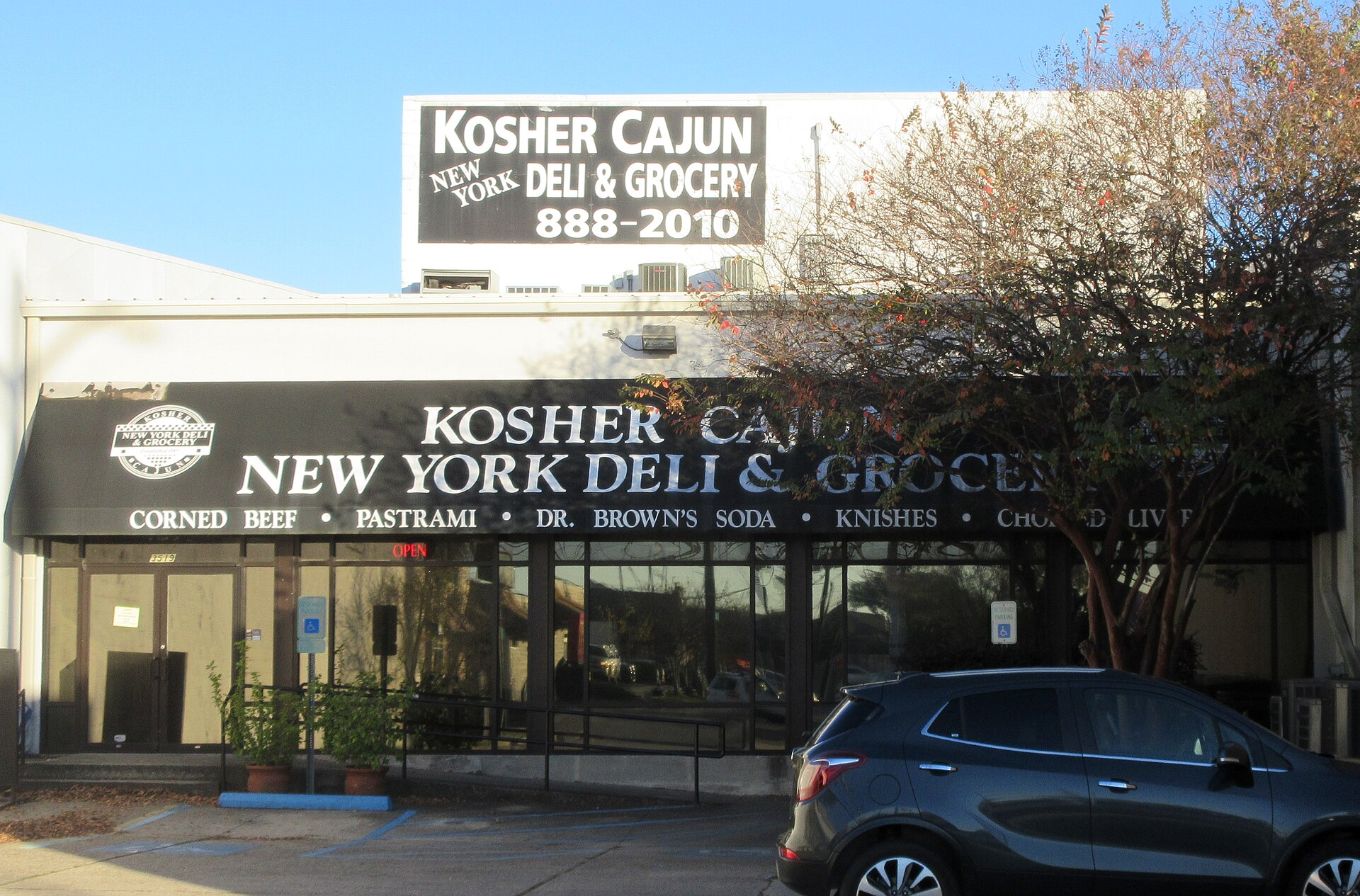
Many stores offered home delivery service directly. A delivery boy brought the week’s order right to the door.
Many grocery stores, particularly smaller neighborhood ones, offered a home delivery service, taking a phone order and sending a delivery boy to bring the completed grocery order directly to a family’s front door, a service considered a genuinely normal part of everyday shopping. Grocery delivery being common, long before apps existed, reflects a surprising continuity in retail convenience, a service that today’s app-based delivery platforms have essentially reinvented rather than genuinely pioneered for the first time.
6. S&H Green Stamps Rewarded Loyal Shoppers
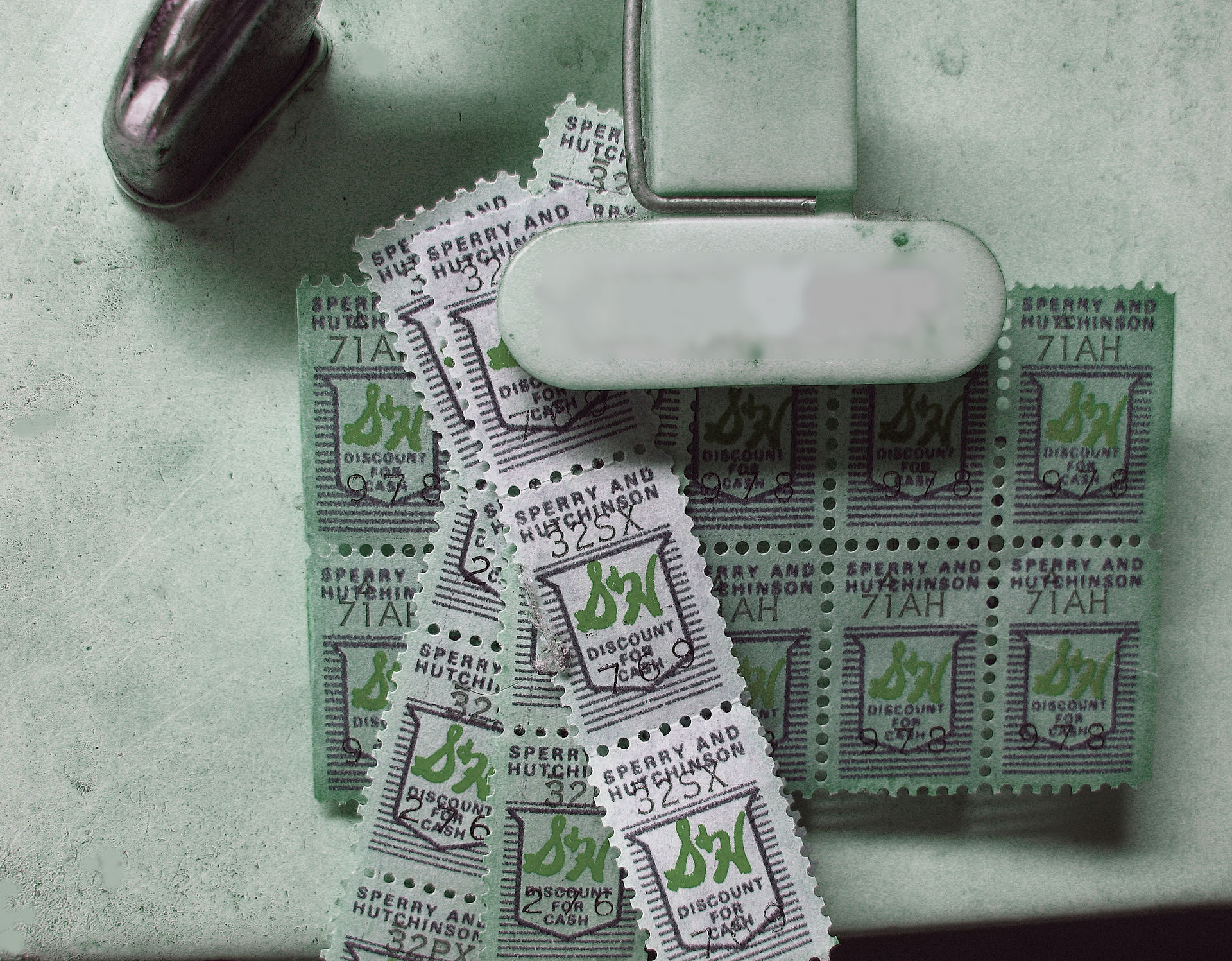
Purchases earned redeemable stamps pasted into collector books. Filling enough books could earn genuine household items.
Many grocery stores participated in a popular loyalty stamp program, awarding a small number of redeemable trading stamps based on the amount spent, which shoppers pasted carefully into collector books and eventually redeemed for household goods at a dedicated redemption center. S&H Green Stamps rewarding loyal shoppers reflects an early, genuinely popular loyalty rewards concept, a physical, hands-on system that modern digital loyalty points and cashback apps have since replaced entirely.
7. Weekly Specials Were Announced Through the Local Newspaper
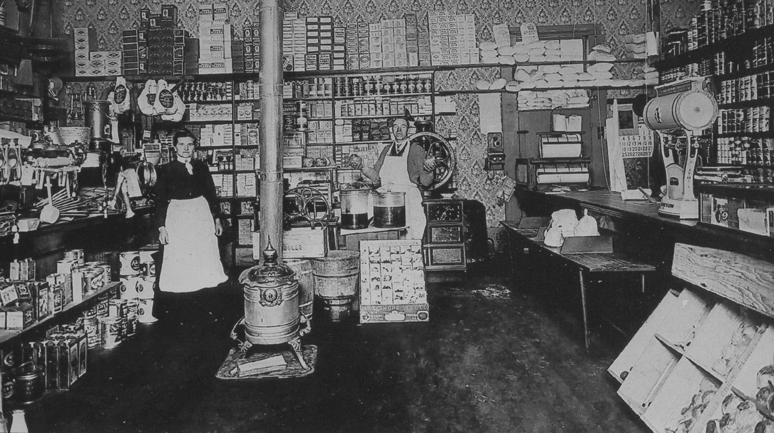
Sale prices appeared in a printed circular each week. Clipping and comparing ads was a genuine household ritual.
Grocery stores advertised their weekly sales through a printed circular inserted into the local newspaper, and many households, particularly budget-conscious homemakers, developed a genuine ritual of reviewing and comparing these ads before planning the week’s shopping trip. Weekly specials being announced through the local newspaper reflects the print-based advertising infrastructure of the era, a system that store apps, email newsletters, and digital coupons have since replaced almost entirely.
8. Paper Bags Were Packed and Carried, No Plastic Involved

Groceries went home in sturdy brown paper bags. Reusable plastic and self-bagging simply weren’t part of the process.
Groceries were packed exclusively into sturdy brown paper bags by a store employee, often a dedicated bagger separate from the cashier, since plastic bags hadn’t yet become standard and self-bagging wasn’t the default expectation it later became. Paper bags being packed and carried, no plastic involved, reflects the material realities of the era’s retail packaging, a simple system that plastic bags, and more recently reusable bags and paper’s own resurgence, have since layered with considerably more variety and environmental consideration.
9. A Genuine Sense of Knowing the Store’s Staff Personally
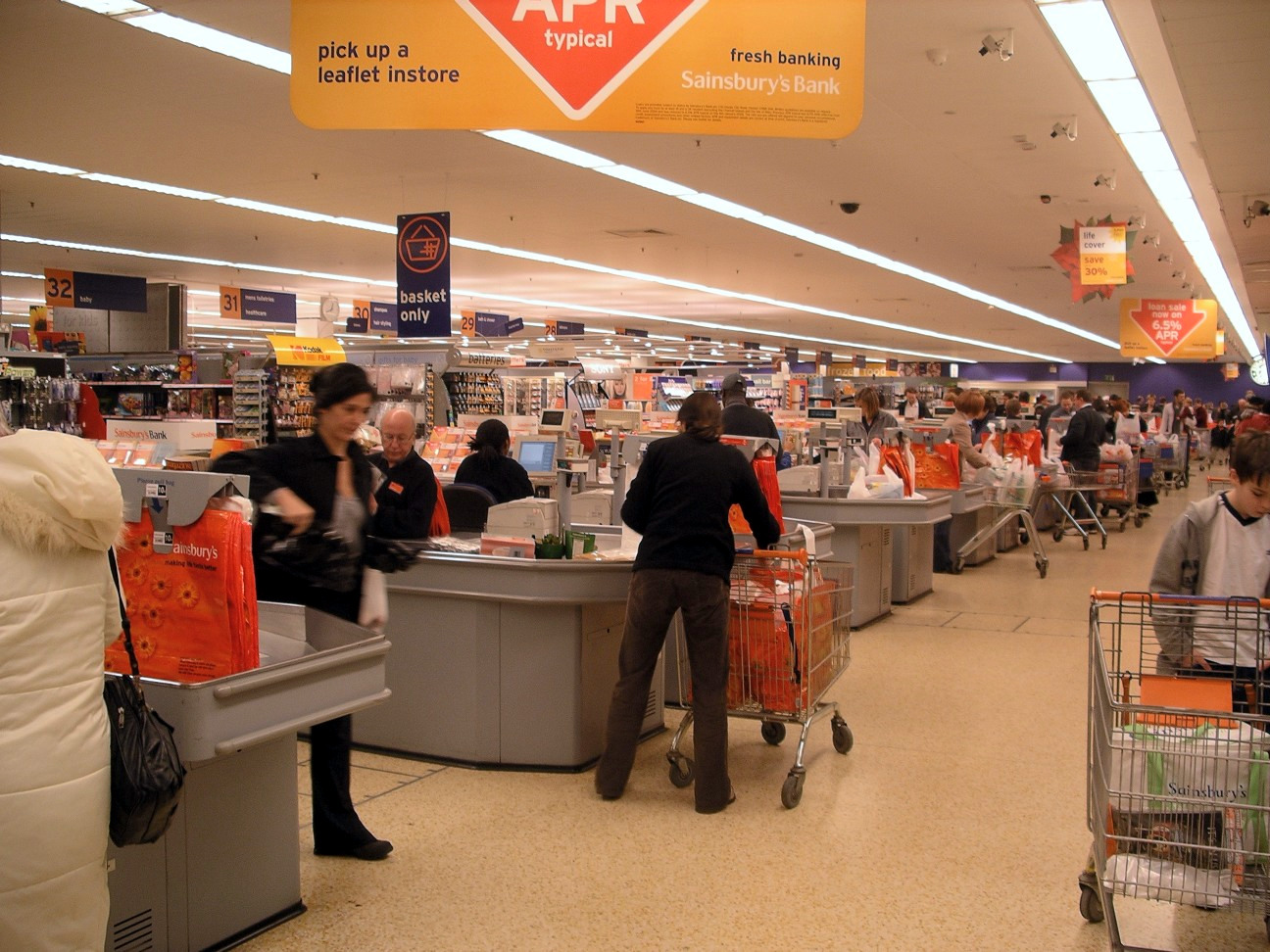
Regular customers built real relationships with employees. The butcher, the cashier, and the manager often knew families by name.
Shopping at the same neighborhood store week after week meant genuinely knowing its staff, the butcher, the regular cashier, sometimes even the store manager, by name, a level of personal familiarity that today’s larger, higher-turnover supermarket chains rarely offer to the same degree. A genuine sense of knowing the store’s staff personally reflects the community-centered nature of neighborhood grocery shopping, relationships built through repeated, personal interaction that large-scale modern retail has considerably diminished.
10. A Full Shopping Trip Required Visiting Several Separate Stores
Groceries weren’t consolidated under one roof. Families often stopped at a butcher, a bakery, and a produce stand separately.
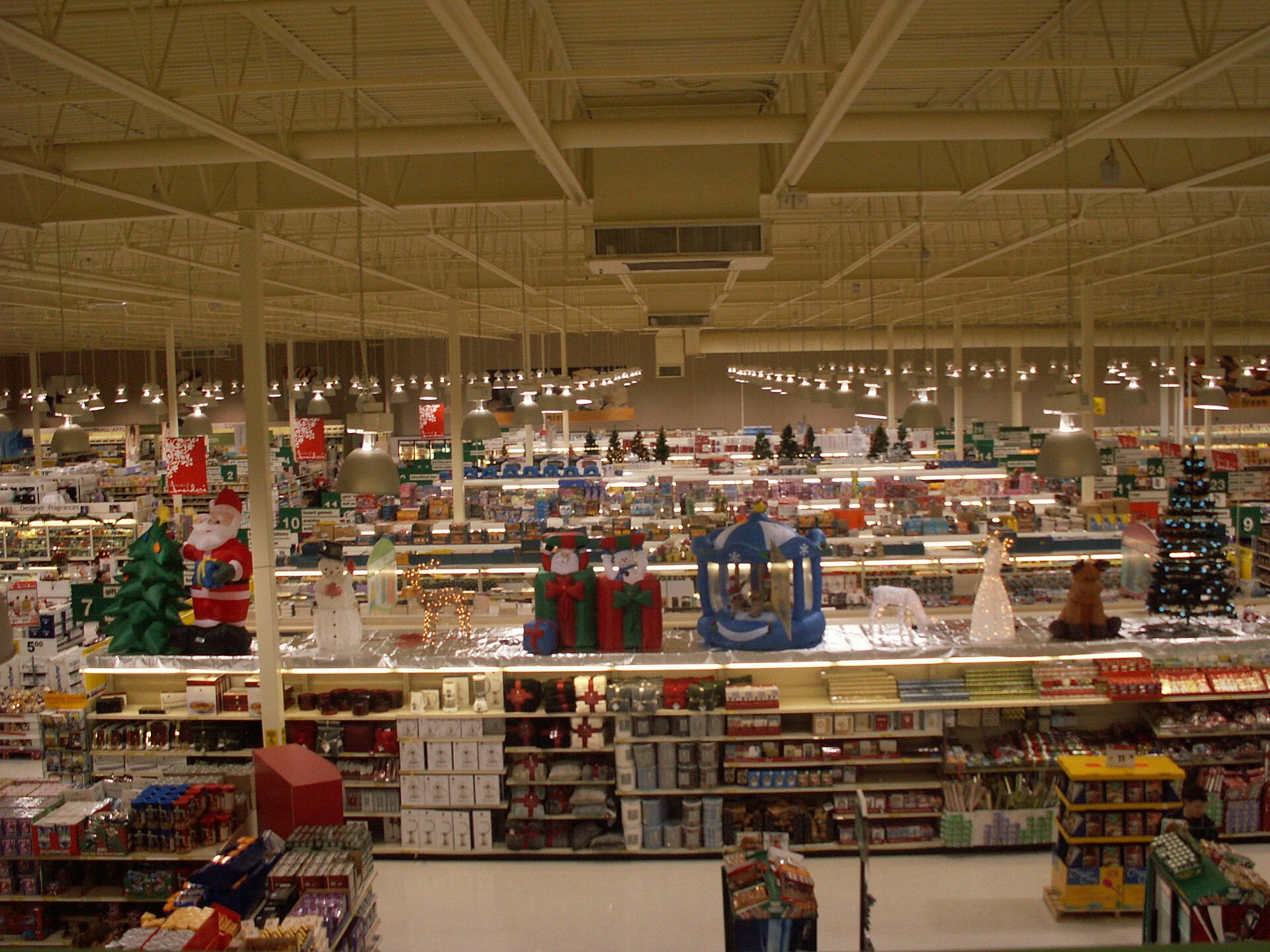
Before the modern one-stop supermarket became standard, a complete grocery trip often required visiting several separate specialty stores, a dedicated butcher shop, a bakery, a produce stand, and a general grocer, each offering their own specific category of goods. A full shopping trip requiring visiting several separate stores reflects the genuinely fragmented retail landscape that predated the consolidated supermarket, a more time-consuming but often higher-quality system that large one-stop grocery chains have since largely replaced.
A Genuinely More Personal Way to Shop
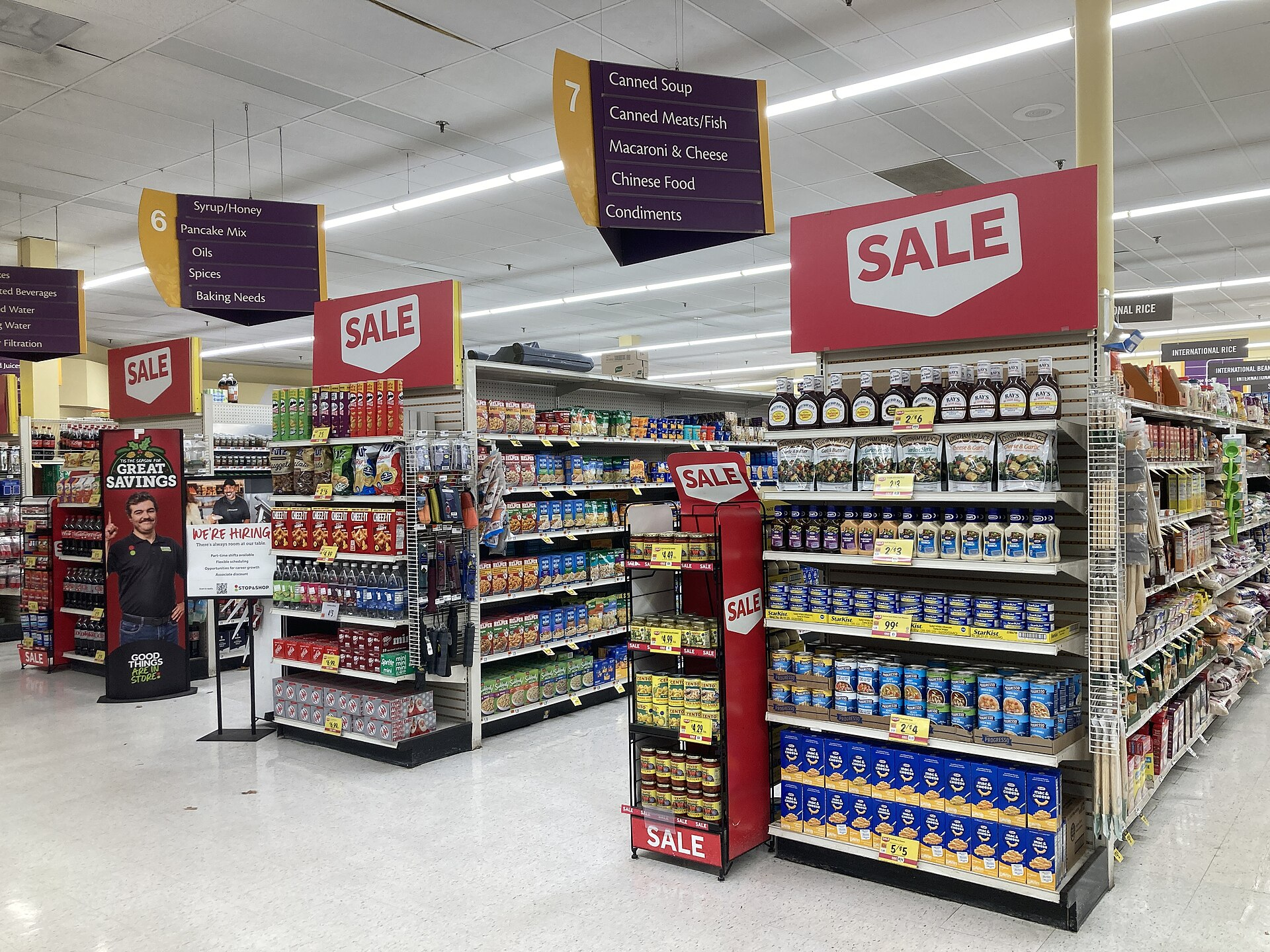
Taken together, these ten things capture exactly how differently grocery shopping once worked, from the butcher cutting meat to order and the hand-stamped prices to the neighborhood credit tab and the genuine familiarity built with store staff. It was a considerably more personal, hands-on experience than today’s largely self-service model.
Barcode scanning, supermarket consolidation, and eventually online ordering and delivery apps transformed grocery shopping almost completely, trading much of the earlier era’s personal service and community connection for genuine speed and convenience. The change reflects real technological progress, even as it eliminated many small, human interactions that once defined a routine weekly errand. For those who remember shopping this way, these details bring it all back: the butcher’s counter, the hand-stamped prices, the trusted credit tab at the corner store. Looking back at how grocery shopping used to work is a nostalgic reminder of just how much a routine errand has changed.
Like our content? Follow us for more.