
Before every household had its own private telephone line, many American families, particularly in rural and smaller communities, shared what was called a party line, a single physical line connecting several different households, each identified by its own distinct ring pattern. It was a genuinely communal system that required real cooperation and, occasionally, real patience. Here are ten things every American household on a party line remembers from 1960, counted down one by one.
1. Learning to Recognize Your Own Specific Ring Pattern

Each household on the line had a distinct combination of rings. Picking up on the wrong pattern meant answering someone else’s call.
Every household sharing a party line was assigned its own distinct ring pattern, perhaps two short rings, or one long and one short, and family members learned to instantly recognize their specific combination among the several different patterns that rang throughout the day. Learning to recognize your own specific ring pattern was an essential household skill, the small but necessary bit of listening that determined whether a ringing phone was actually meant for your family or one of your neighbors sharing the same line.
Like our content? Follow us for more.
2. Picking Up and Hearing a Neighbor Already Talking

Lifting the receiver sometimes revealed an ongoing conversation. Waiting politely for the line to clear was standard etiquette.
Picking up the phone to make a call meant a real chance of hearing a neighbor already deep in conversation, since the shared line could only carry one call at a time regardless of whose ring had actually sounded. Polite etiquette meant hanging up promptly and waiting, rather than interrupting or lingering. Picking up and hearing a neighbor already talking is one of the most universally shared party-line memories, the small daily reality of communal phone ownership that required real patience from every household involved.
3. An Unspoken Rule Against Eavesdropping, Not Always Followed

Listening in on a neighbor’s call was technically possible and generally discouraged. Temptation occasionally won out anyway.
Because every household could technically hear any call on the shared line, a real, if unspoken, social rule discouraged deliberately listening in on a neighbor’s private conversation, though the genuine temptation to do so, especially during a particularly interesting exchange, wasn’t always successfully resisted. An unspoken rule against eavesdropping, not always followed, reflects the genuine social tension built into the party-line system, a communal arrangement that required real trust among neighbors who could, technically, hear far more of each other’s business than true privacy would allow.
4. Emergency Calls Took Priority Over Any Ongoing Chat

A genuine emergency justified interrupting someone else’s call. Neighbors generally understood and cooperated without complaint.
If a genuine emergency arose, a household could politely but firmly interrupt an ongoing call already in progress on the shared line, and neighbors generally understood and cooperated immediately once they realized the interruption was serious rather than merely impatient. Emergency calls taking priority over any ongoing chat reflects the genuine practical cooperation the party-line system depended on, an informal but reliable understanding that kept the shared system functional for genuinely urgent situations.
5. Long Conversations From One Household Frustrated Everyone Else
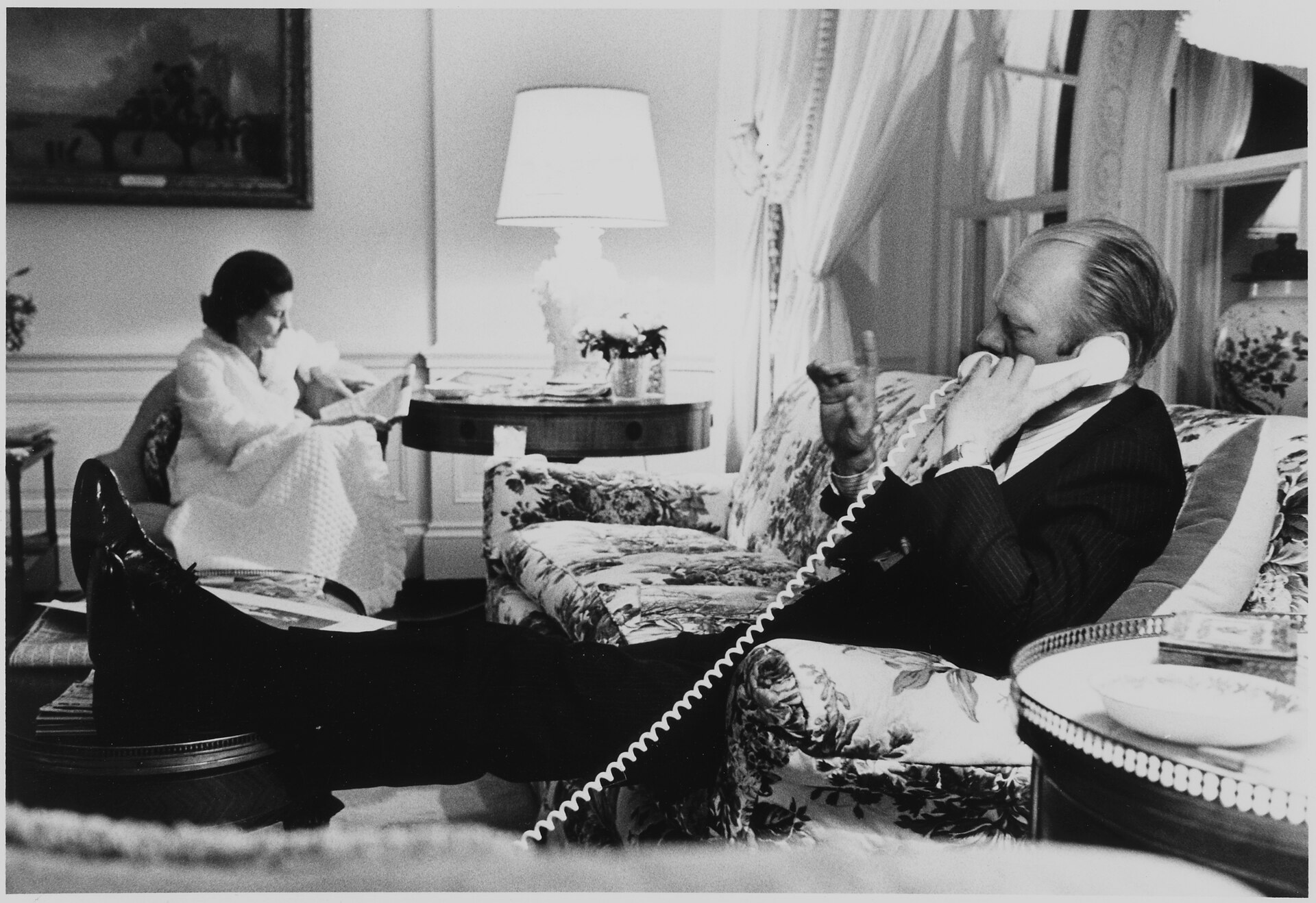
A neighbor’s extended chat tied up the entire line. Waiting for it to end tested everyone’s patience.
A particularly chatty neighbor who monopolized the shared line for an extended conversation genuinely frustrated everyone else waiting to make their own call, a real point of neighborhood tension that occasionally required a polite but pointed conversation about phone etiquette. Long conversations from one household frustrated everyone else, a shared frustration that anyone who lived on a party line remembers vividly, the genuine limitation of a communal system that depended entirely on everyone’s mutual consideration.
6. Knowing Your Neighbors’ Voices Almost as Well as Family

Regular use of the shared line built real familiarity. Recognizing a neighbor’s voice instantly became second nature.
Sharing a phone line with the same handful of neighboring households for years built a genuine, almost intimate familiarity, and many people came to recognize a neighbor’s voice on the line almost as instantly as a family member’s. Knowing your neighbors’ voices almost as well as family reflects the surprisingly close community bond the party-line system fostered, an unusual intimacy born from a shared piece of everyday infrastructure that private phone lines eventually eliminated entirely.
7. A Lower Monthly Cost Than a Private Line

Sharing the line meant a genuinely reduced phone bill. This affordability was the primary reason many families chose it.
Party lines cost noticeably less per month than a private, dedicated line, a genuine financial incentive that made phone service affordable for many families, particularly in rural areas where phone companies charged more for individual line installation. A lower monthly cost than a private line was the fundamental practical reason party lines existed at all, a cost-sharing arrangement that made basic telephone access genuinely achievable for households that might otherwise have gone without one entirely.
8. Upgrading to a Private Line Felt Like a Genuine Milestone

Getting your own dedicated phone line was a real point of pride. It represented a small but meaningful step up.
When a family finally upgraded from a shared party line to a private, dedicated line, it felt like a genuine milestone, a small but real marker of financial progress and a welcome bit of newfound privacy after years of sharing. Upgrading to a private line felt like a genuine milestone, a household achievement that many families specifically remembered and discussed, since it meaningfully changed the daily experience of using the family telephone.
9. Rural Areas Relied on Party Lines Longer Than Cities

City households often converted to private lines earlier. Rural communities kept shared lines well into later decades.
Party lines persisted considerably longer in rural areas than in cities, where phone infrastructure investment lagged behind more densely populated regions, meaning many rural families continued sharing a line well into the 1970s and even beyond, long after most urban households had already converted to private service. Rural areas relying on party lines longer than cities reflects genuine infrastructure disparities of the era, a technological gap that shaped very different everyday phone experiences depending on where a family actually lived.
10. A Genuine Sense of Community Built Into Everyday Communication

The shared system fostered real neighborhood connection. Even its frustrations reflected a distinctly communal way of life.
Beyond its practical limitations, the party line fostered a genuine, if occasionally frustrating, sense of community, neighbors who knew each other’s voices, respected each other’s emergencies, and shared a piece of everyday infrastructure that private, individual phone lines would eventually eliminate. A genuine sense of community built into everyday communication is the lasting, bittersweet legacy of the party line, a communal system whose real inconveniences came paired with a level of neighborly connection modern private communication rarely replicates.
A Uniquely Communal Piece of Everyday Life

Taken together, these ten things capture what it meant to share a party line in 1960, from learning your household’s specific ring pattern to the genuine community bond built through years of shared, sometimes frustrating, telephone use. It was a uniquely communal system, one that required real cooperation among neighbors in a way modern private communication no longer does.
The expansion of phone infrastructure and, later, direct-dial technology gradually made private lines affordable and standard for nearly every American household, eliminating the party line almost entirely by the 1980s in most parts of the country. The change reflects genuine gains in privacy and convenience, even as it eliminated a distinctly communal, neighborly piece of everyday infrastructure. For those who remember sharing a line with neighbors, these details bring it all back: the specific ring pattern, the polite wait for the line to clear, the surprising intimacy of knowing a neighbor’s voice as well as family. Looking back at the party line is a nostalgic tribute to a genuinely communal chapter of American telephone history.
Like our content? Follow us for more.