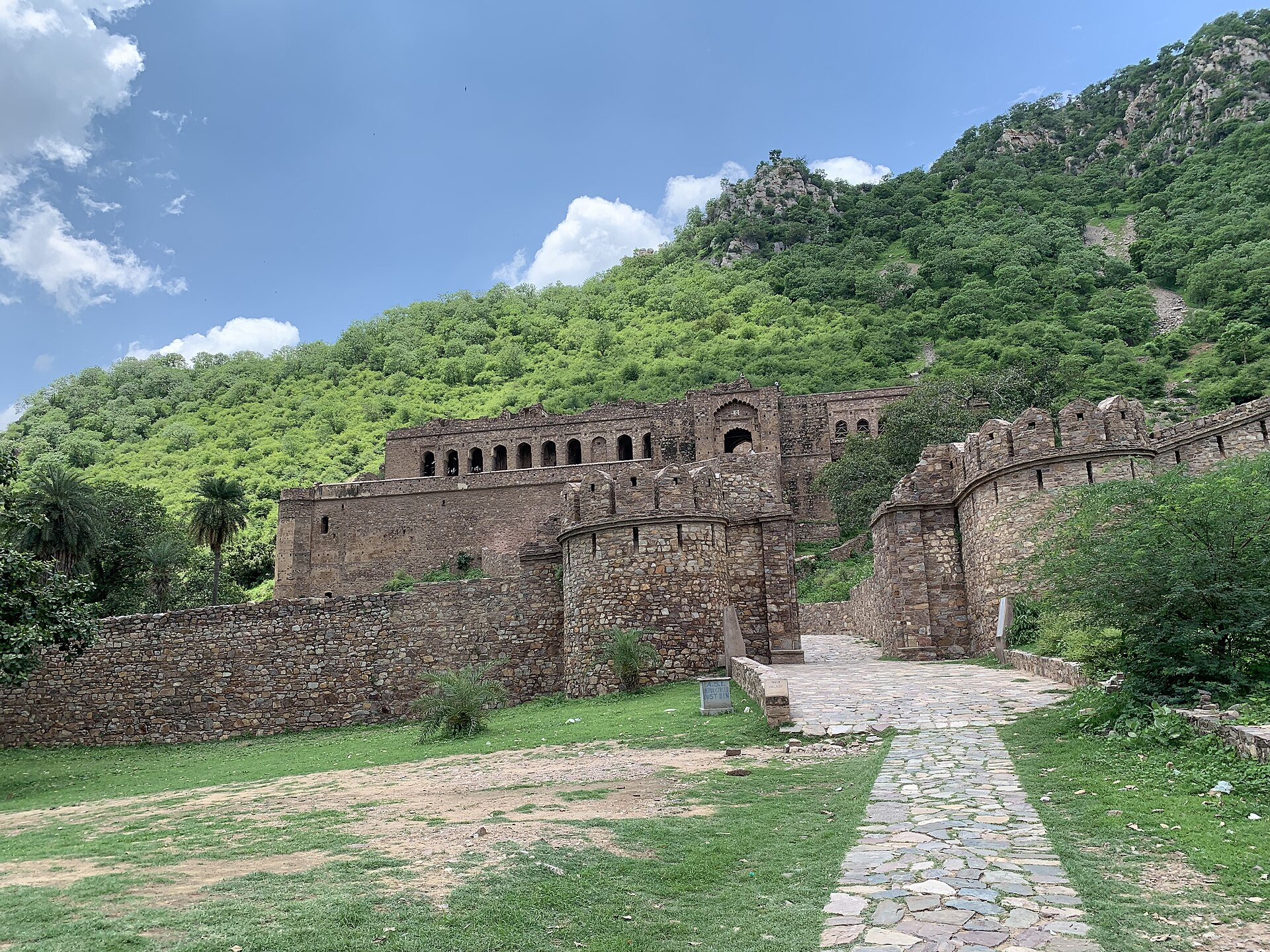
Set among the dry, thorny hills of Rajasthan’s Alwar district, Bhangarh Fort draws visitors as much for its genuine architectural history as for its widespread reputation as the most haunted place in India, a reputation so persistent that it’s shaped official government policy toward the site itself.
A Fort Built by Royal Command
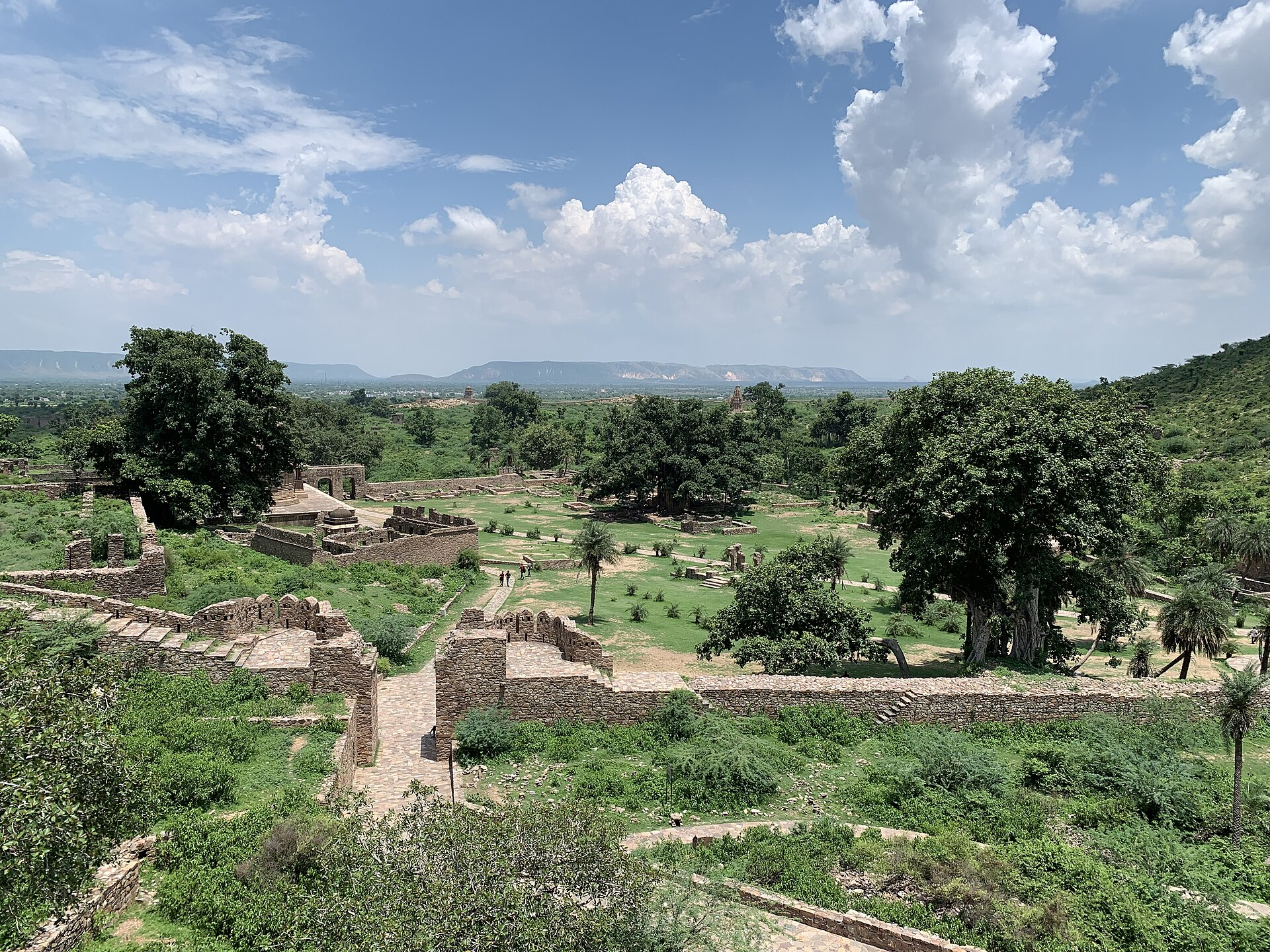
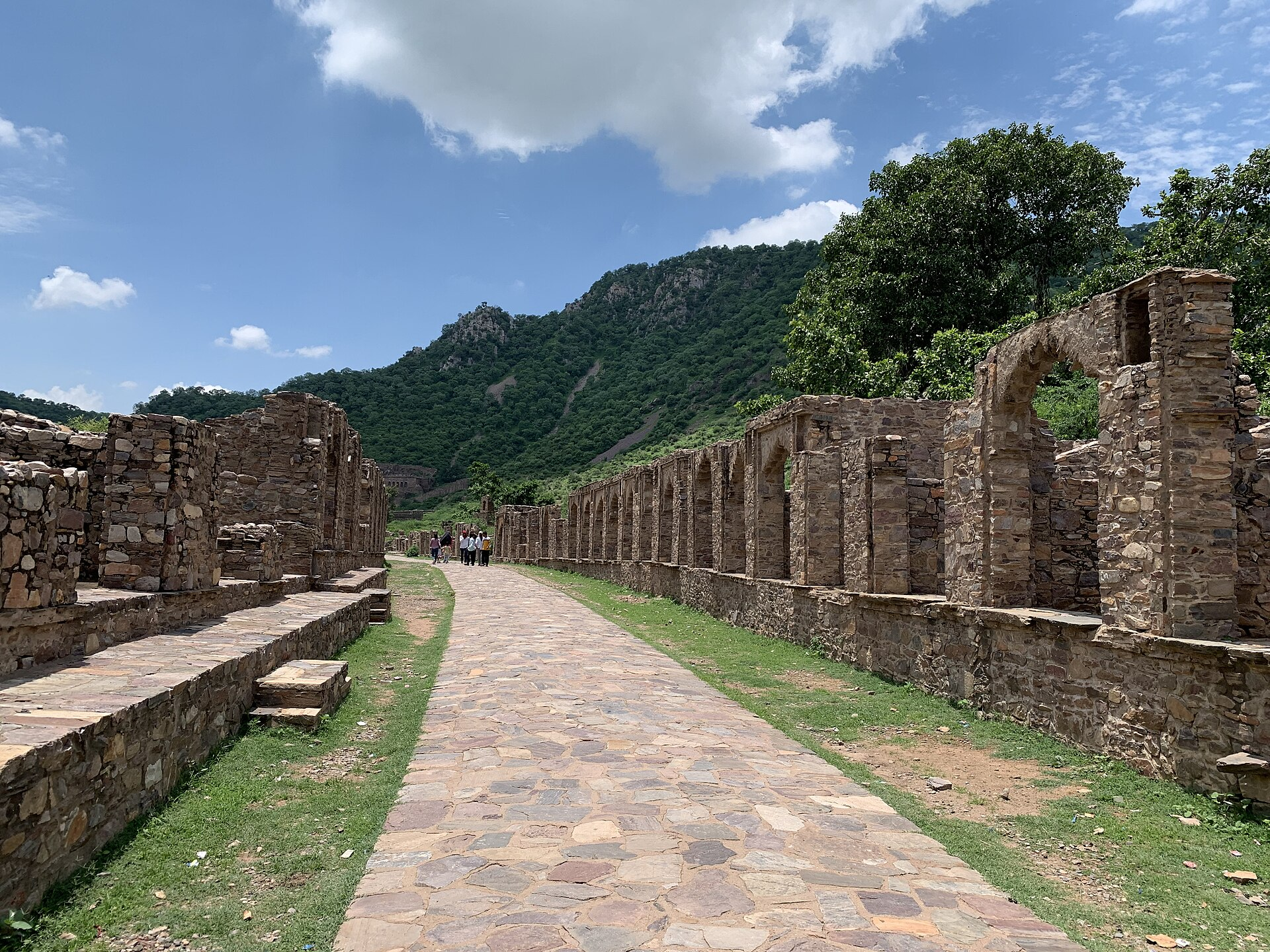
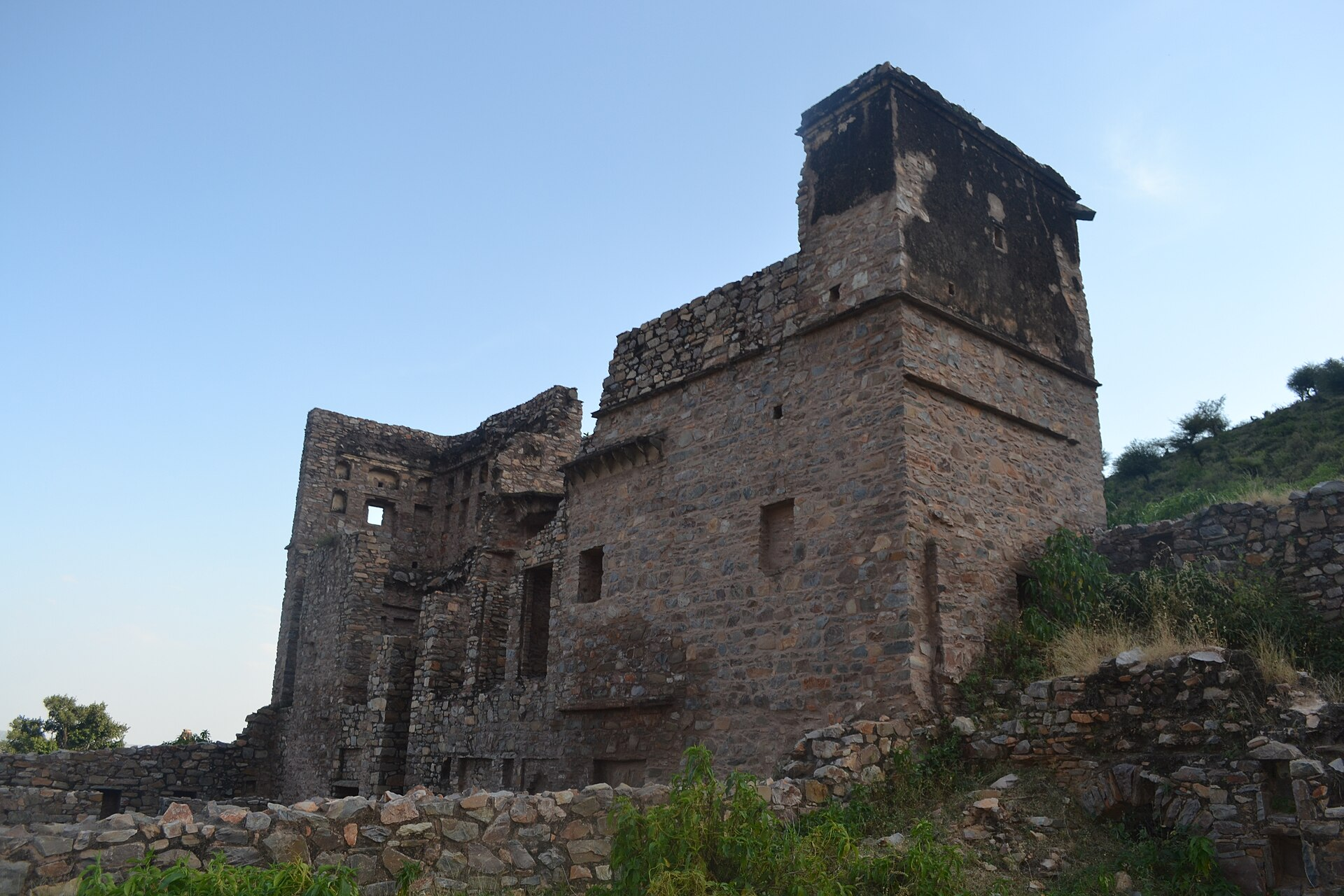
Bhangarh was constructed in the 17th century by Raja Madho Singh, younger brother of the celebrated Mughal general Man Singh I of Amber, growing into a substantial fortified township protected by three successive walls and five massive gates. At its peak, the settlement reportedly housed thousands of residents and included grand havelis, temples, and lively marketplaces, genuine evidence of real historical prosperity within its now-crumbling walls.
Like our content? Follow us for more.
A Decline Rooted in Politics, Not Just Legend
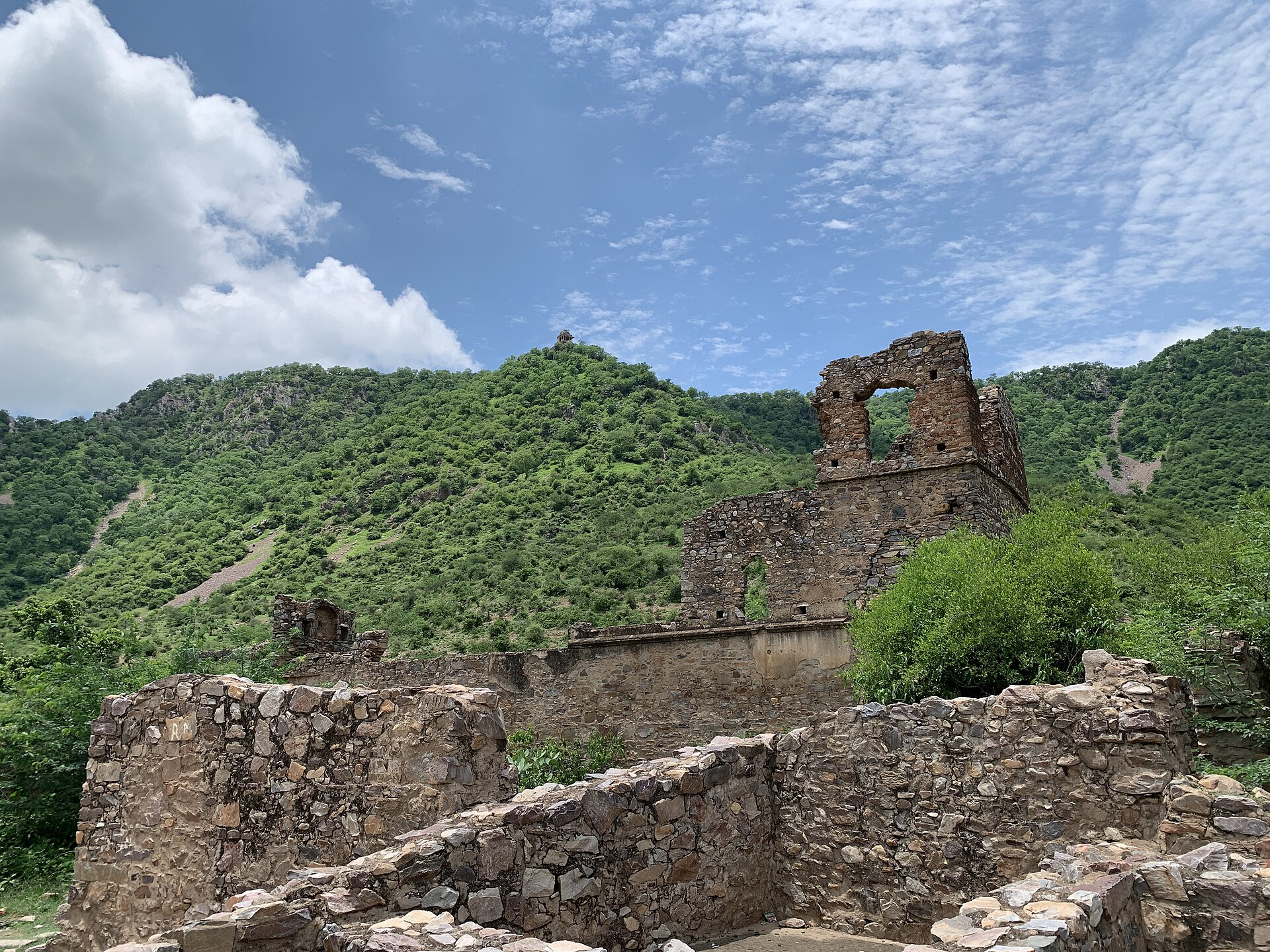
While local legend attributes Bhangarh’s abandonment to dramatic curses involving a spurned wizard and a doomed princess, historians point to more grounded explanations: Chatr Singh’s son built a rival fort at nearby Ajabgarh, drawing away population and political importance, while the devastating famine of 1783 forced remaining residents to abandon the town entirely for survival. The site’s formal annexation into the Jaipur kingdom in 1720 further stripped it of any remaining administrative significance.
The Legend That Made It Famous
Bhangarh’s enduring ghost stories center on two competing legends, one involving an ascetic’s curse after his hut’s sacred shadow was violated by the fort’s expanding height, another describing a princess named Ratnavati and a vengeful wizard crushed by a magically rolling boulder. Neither story has any confirmed historical basis, and Ratnavati herself appears in no contemporary historical record, but the tales have circulated for generations and given Bhangarh a reputation unmatched by any other Indian monument.
The Only Monument With a Nighttime Ban
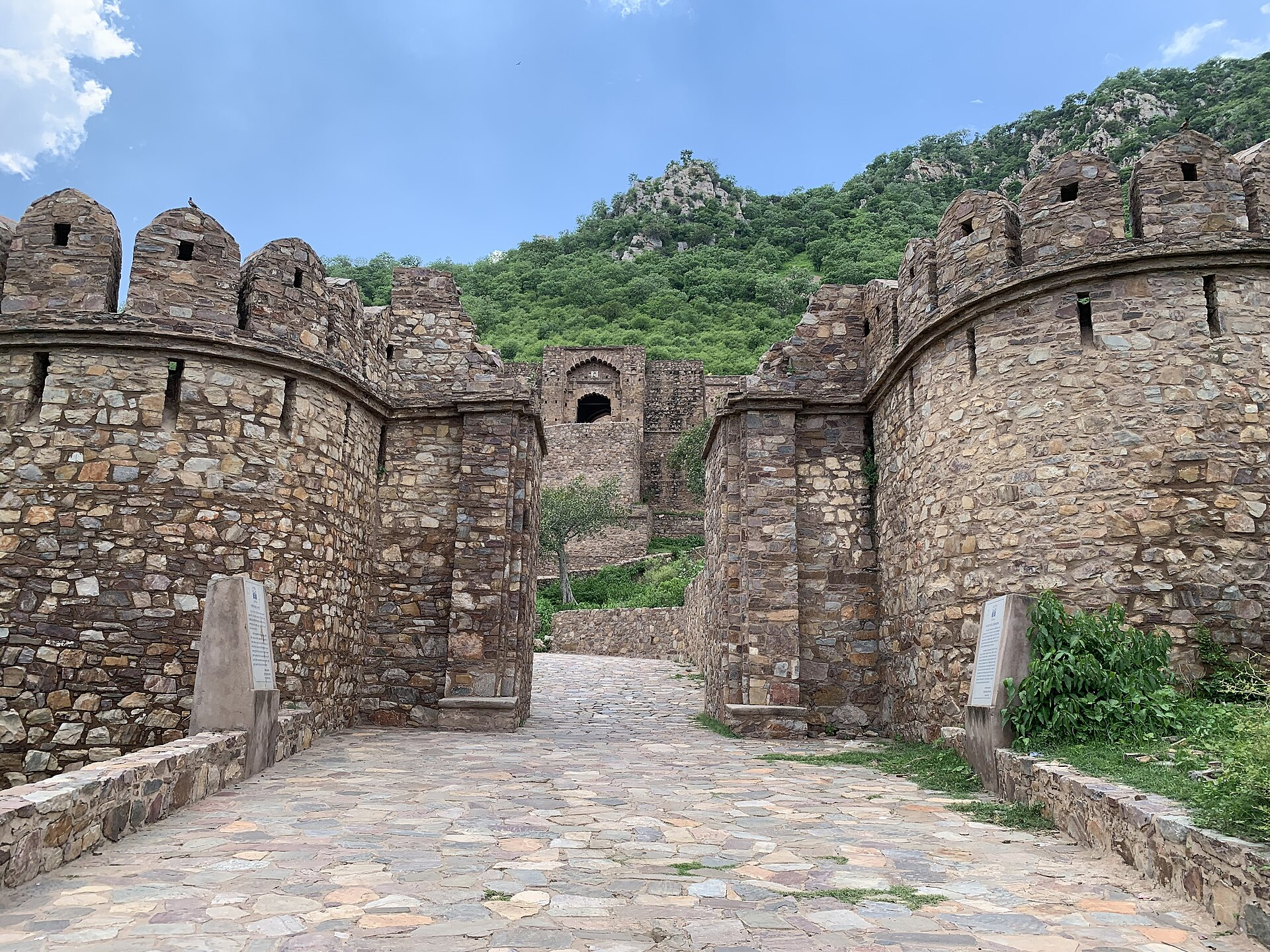
The Archaeological Survey of India, which manages Bhangarh as a protected monument, has posted an official sign explicitly prohibiting entry before sunrise and after sunset, citing public safety given the site’s dilapidated structures and complete lack of lighting. Locals and many visitors widely interpret the rule as tacit acknowledgment of the site’s supernatural reputation, making Bhangarh the only ASI-protected monument in the entire country with this specific restriction.
What a Legitimate Daytime Visit Looks Like
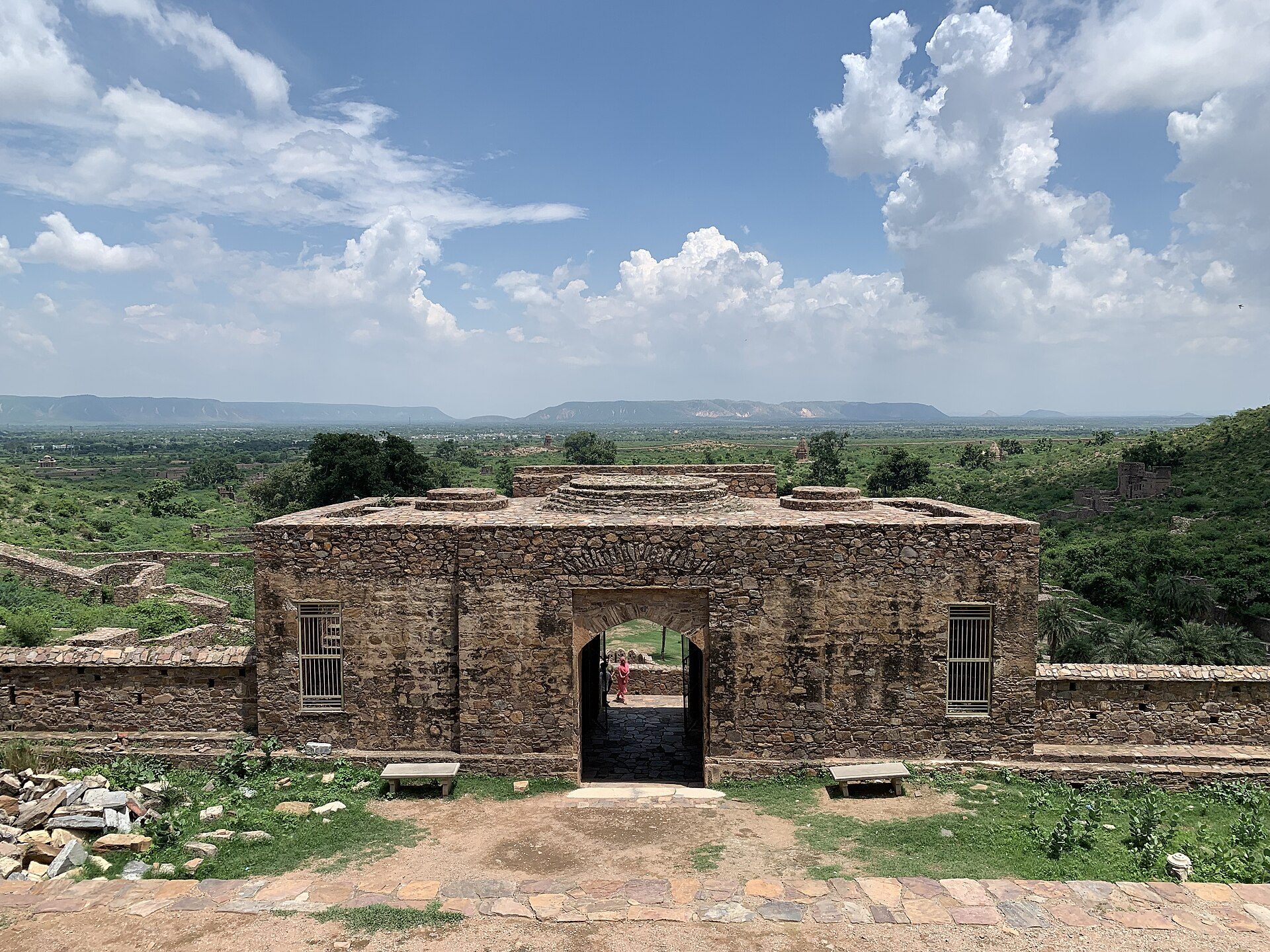
Bhangarh is fully open to visitors between roughly 6 a.m. and 6 p.m., with a modest entry fee for both Indian and foreign nationals, and the well-preserved ruins reward two to three hours of unhurried exploration. The fort sits roughly two and a half hours by car from Jaipur, near the edge of the Sariska Tiger Reserve, making it a popular and genuinely worthwhile day trip combined with wildlife viewing at the reserve itself.
Taking the Ghost Stories With a Grain of Salt
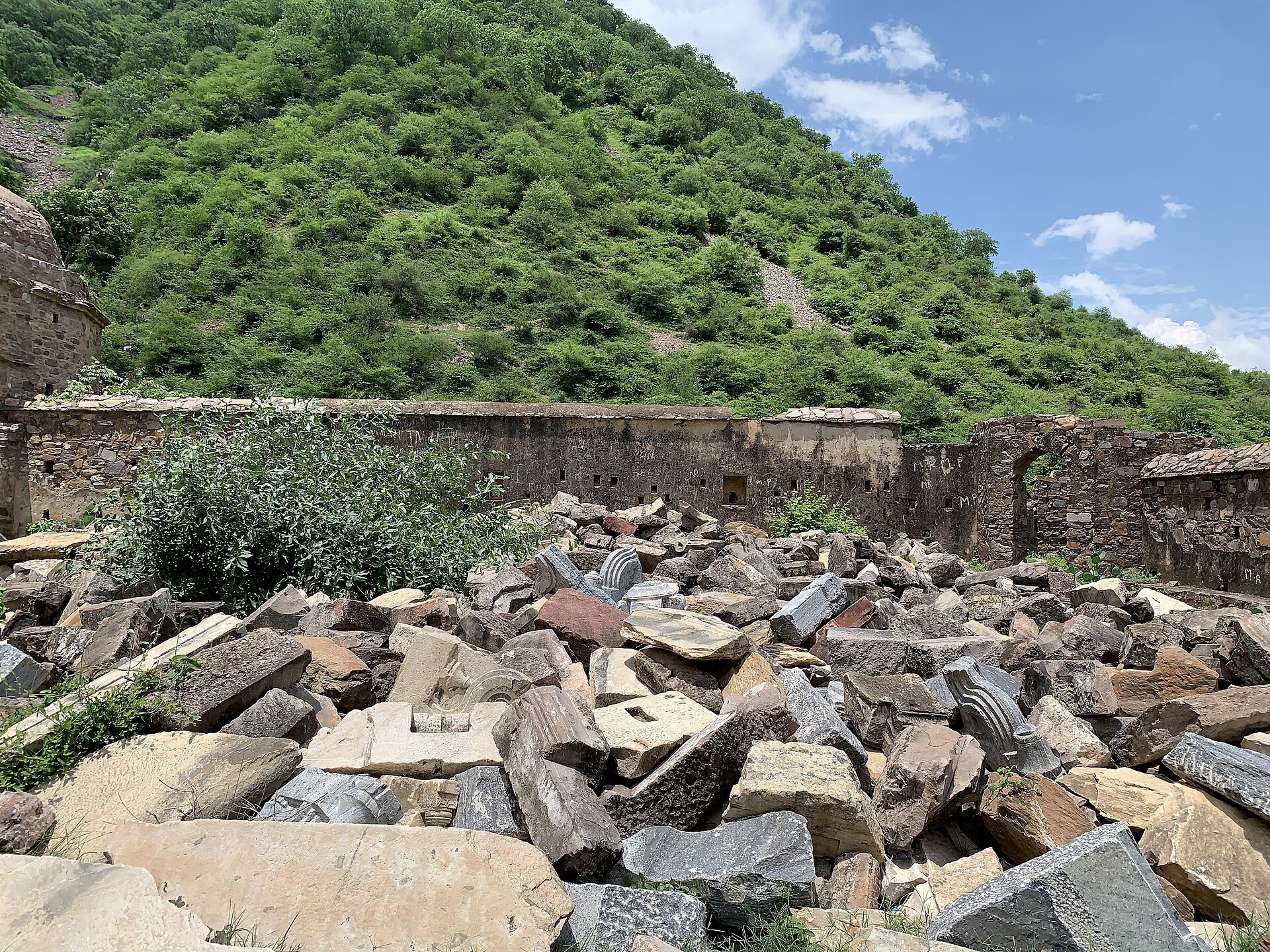
Visitors researching Bhangarh will encounter countless accounts of unexplained sounds, disappearing roofs, and technical camera malfunctions attributed to the site’s supernatural reputation, claims that remain entirely unverified and anecdotal rather than documented fact. Approaching these stories as genuine folklore rather than established reality doesn’t diminish the fort’s real appeal, its striking Aravalli hillside setting and substantial architectural remains offer plenty to appreciate on historical and aesthetic grounds alone.
Why the Legend Persists So Strongly
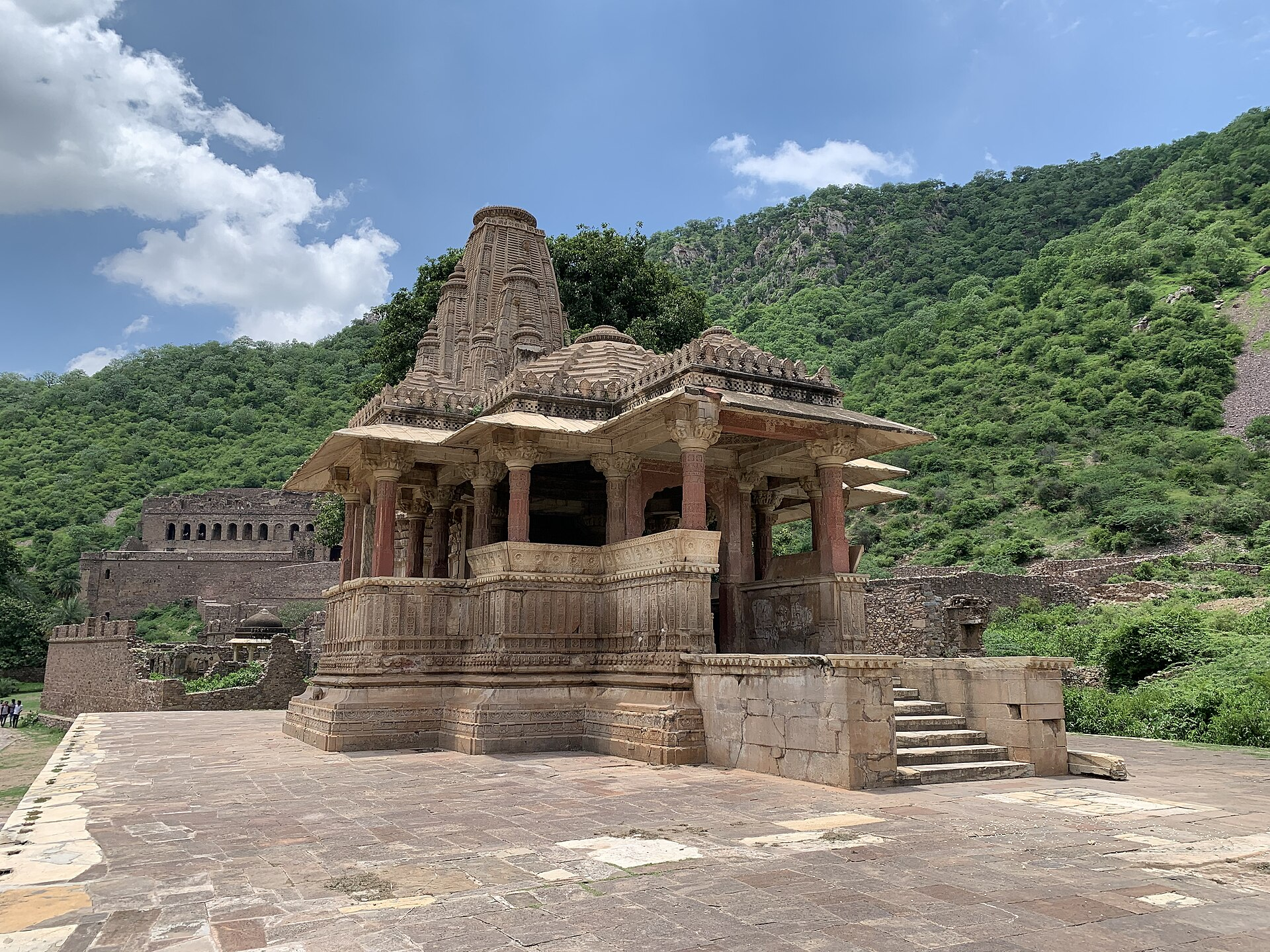
Part of what has kept Bhangarh’s ghost stories alive for generations is the fort’s genuinely striking physical setting, isolated ruins framed by dry, rugged hills, largely empty of the crowds found at India’s better-known monuments, creating an atmosphere that feels genuinely different from a typical daytime historical site visit. Indian television programs and international paranormal media have also repeatedly featured the fort over the decades, reinforcing and spreading its reputation well beyond the immediate region and turning it into something of a fixture in global “most haunted places” lists.
Practical Tips for Visiting
Travelers planning a visit should bring water and sun protection, since the site offers limited shade and Rajasthan’s climate can be genuinely intense for much of the year, and comfortable walking shoes are essential given the uneven terrain throughout the ruins. Hiring a local guide at the entrance, while optional, often adds genuine historical context and local folklore commentary that considerably enriches the visit beyond simply wandering the ruins independently.
A Genuinely Worthwhile Historical Stop
Whatever a visitor makes of the ghost stories, Bhangarh Fort offers a genuinely rewarding stop for travelers interested in Rajasthani history and architecture, easily paired with a Sariska Tiger Reserve safari for a full day trip from Jaipur. Sticking to the legally mandated daylight hours isn’t just respectful of local custom and belief, it’s the only way to visit at all, a rare case where a monument’s practical visiting rules and its legendary reputation happen to align perfectly, giving every visitor the same clear, straightforward expectation regardless of why they’ve come.
Like our content? Follow us for more.