Some countries seem to hold more than their fair share of the world’s wonders, and there is now an official way to measure it. The UNESCO World Heritage List recognizes places of such exceptional cultural or natural importance that they belong, in a sense, to all of humanity, from ancient ruins to natural marvels. A handful of nations stand head and shoulders above the rest in the number of these sites they contain, and the rankings offer a fascinating guide to where the planet’s recognized treasures are concentrated. Here are the countries that lead the list, what makes them so rich in heritage, and what the rankings really mean.
Italy: The Undisputed Leader
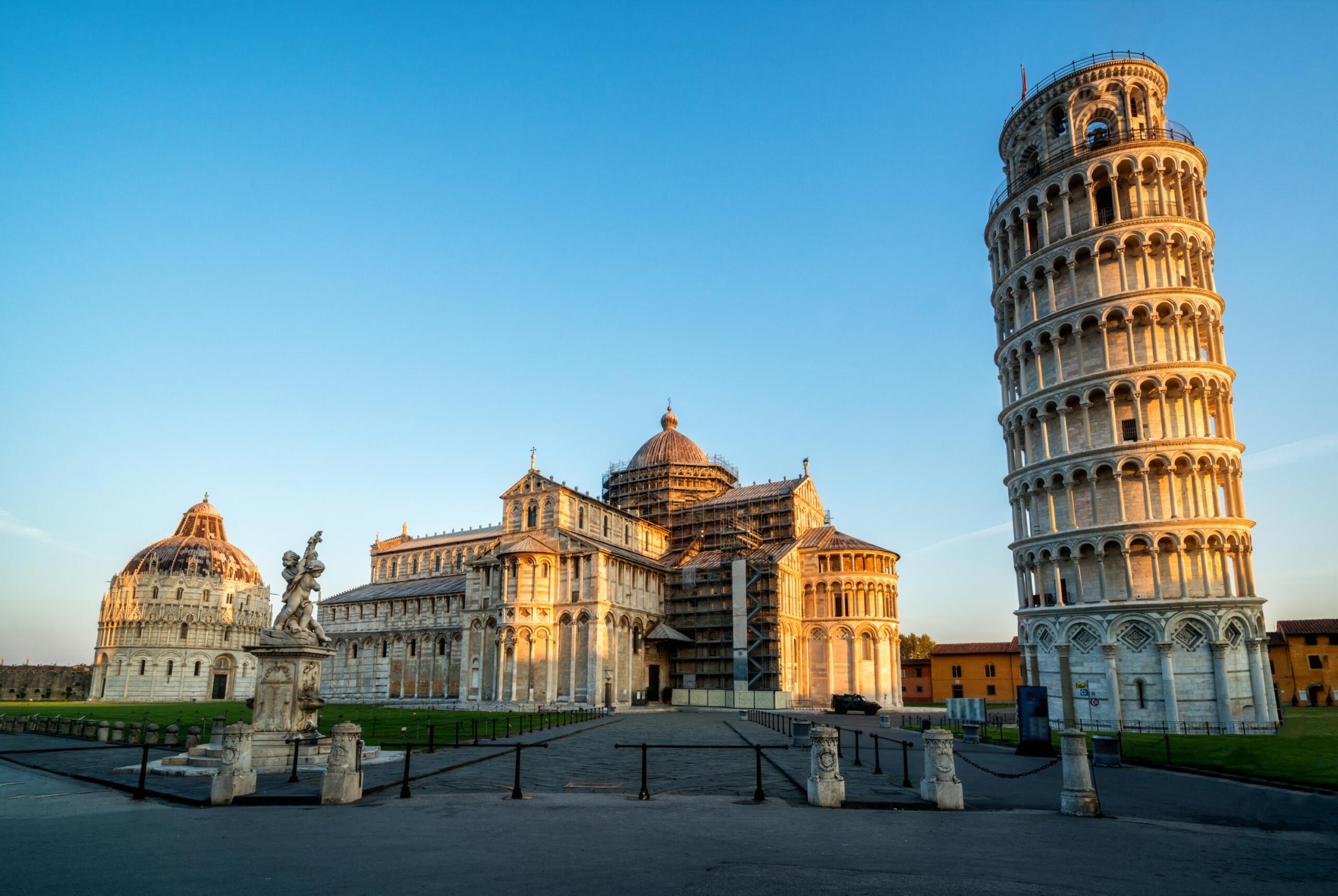
Italy tops the World Heritage List, holding the most inscribed sites of any country on Earth, currently around 61. It is a position the country has held since the early days of the program, and given its extraordinary history, it is easy to understand why. Few places on the planet can match Italy’s concentration of cultural and artistic achievement.
The country’s sites span millennia and styles, from the ancient grandeur of Rome and the ruins of Pompeii to the canals of Venice, the art-filled cities of Florence and the Renaissance, and countless historic centers, churches, and landscapes. Its newest additions keep the list growing, including a group of ancient rock-cut tombs in Sardinia. With such density of heritage packed into a single country, a visitor could spend a lifetime exploring Italy’s World Heritage sites alone.
Like our content? Follow us for more.
China: A Close Second
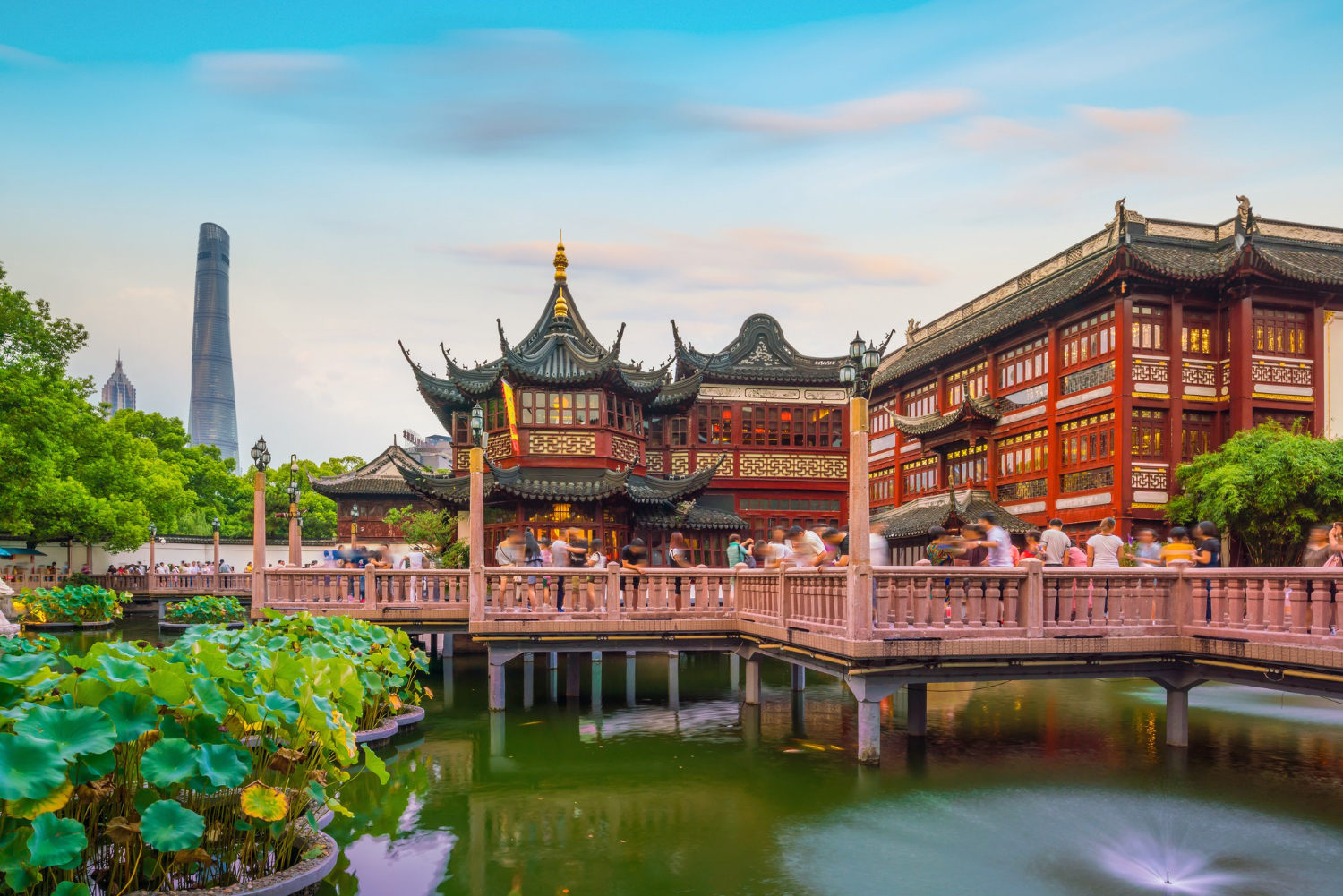
China runs Italy extremely close, with around 60 sites, and given the pace at which it has been adding to its total, it may well claim the top spot before long. The country’s immense size, ancient civilization, and astonishing variety of landscapes have produced a remarkable collection of recognized treasures.
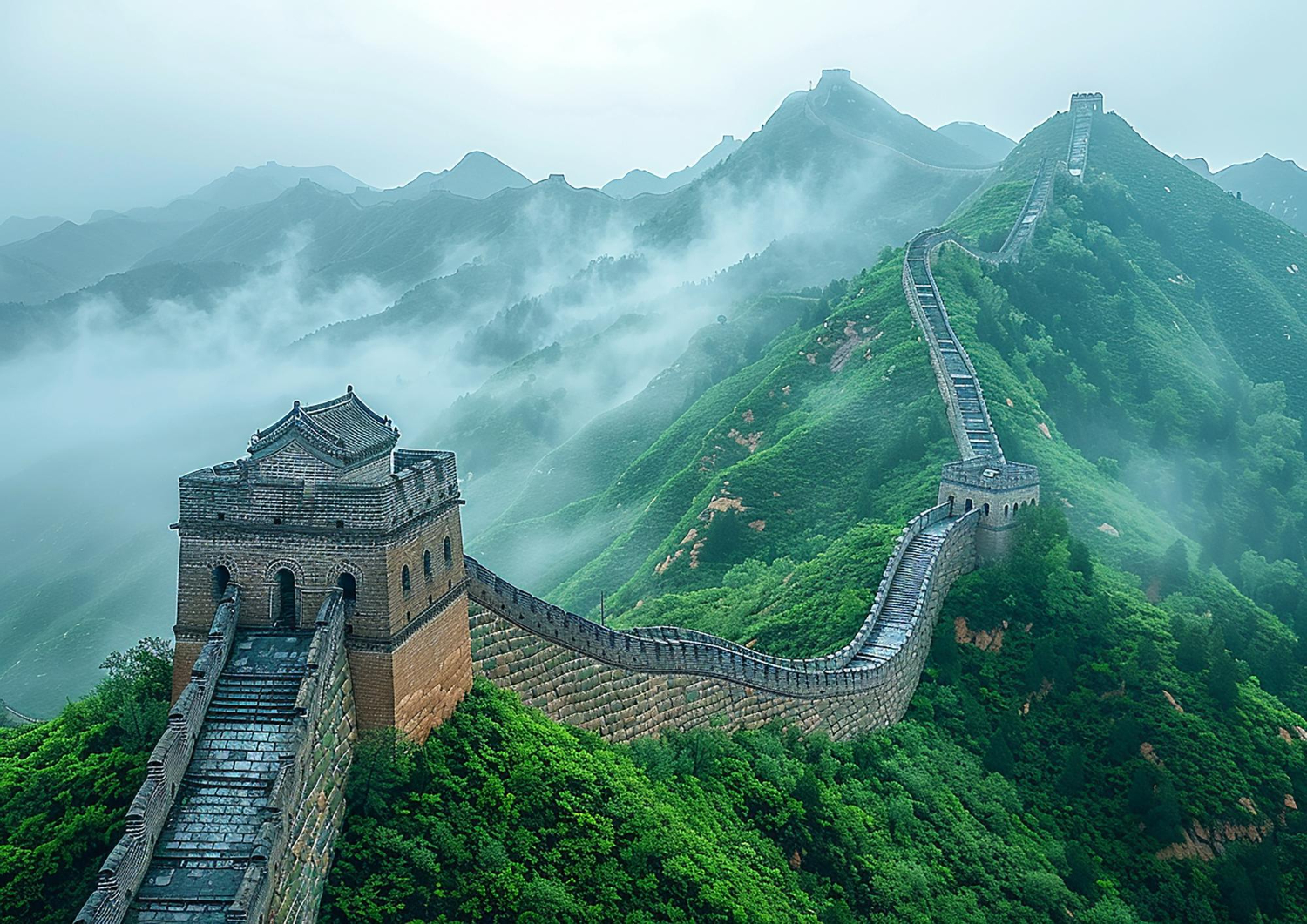
China’s sites include some of the most iconic landmarks in the world, from the Great Wall and the Forbidden City to the Terracotta Army and the Mogao Caves, alongside spectacular natural wonders and ancient cultural landscapes. Recent additions, such as a set of imperial tombs from a historic dynasty, reflect the country’s deep and continuous history. Between its cultural monuments and its dramatic scenery, China offers heritage on a scale to match its vast geography.
Germany and France: Europe’s Heavyweights

In third place sits Germany, with around 55 sites, a total reflecting its rich history of cathedrals, castles, historic towns, and cultural landscapes. Among its more recent additions are the fairy-tale palaces of a famous Bavarian king, including the castle widely believed to have inspired a certain theme-park icon. Germany’s heritage ranges from Roman frontiers to modern architectural movements.
France follows closely with around 54 sites, drawing on its layered history and famous diversity of landscapes. From Gothic cathedrals and grand palaces to historic vineyards, prehistoric cave art, and dramatic coastlines, France’s sites showcase the breadth of its cultural and natural wealth. Its recent inscriptions include ancient megaliths, underscoring how the list continues to recognize sites from every era of human history.
Spain, India, and Beyond

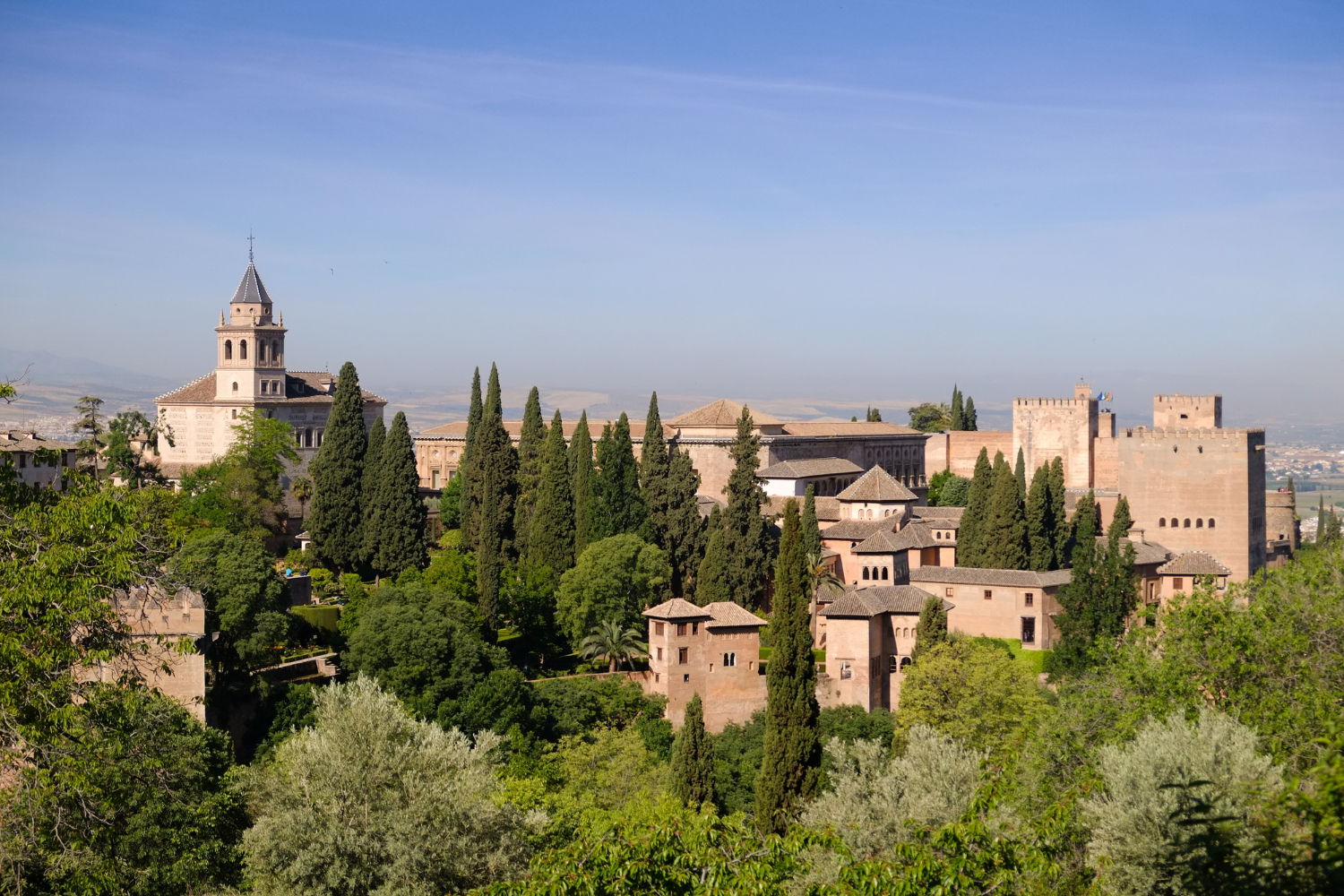
Spain rounds out the top five with around 50 sites, a reflection of its blend of Christian, Muslim, and Jewish heritage, its historic cities, and its varied landscapes. From the Alhambra to ancient pilgrimage routes and national parks, Spain’s collection is among the most diverse in Europe.
Beyond the top five, the list continues with countries like India, with its more than 40 sites including the Taj Mahal and a wealth of temples, forts, and natural reserves, and Mexico, rich in ancient Mayan and Aztec heritage. The United Kingdom, Russia, Iran, and many others each contribute significant numbers, while the United States holds around 26, including natural wonders like the Grand Canyon and Yellowstone. In total, the list spans every inhabited continent.
How UNESCO Actually Chooses Sites
It is worth understanding what these rankings do and do not represent. A place is not added to the World Heritage List simply because it is famous or old. To be inscribed, a site must demonstrate “Outstanding Universal Value” and meet at least one of ten specific criteria, covering everything from masterpieces of human creativity to exceptional natural beauty and important ecological processes. A committee reviews nominations each year, and the process is rigorous.
Crucially, the rankings reflect how many sites a country has successfully nominated and had inscribed, not a simple measure of which nation has the “most important” heritage. Wealthier countries with well-developed cultural institutions and the resources to prepare detailed nominations tend to fare well, while some nations with rich histories have far fewer listings. The numbers also shift regularly as new sites are added, extensions approved, and records updated, which is why older rankings can quickly fall out of date.
The Sites That Get Away
One revealing aspect of the World Heritage system is what it leaves out, and occasionally takes back. Not every famous landmark is inscribed, and the list is far from a simple catalogue of the world’s most beautiful places. Some extraordinary sites have never been nominated, while others have waited years for recognition, held up by the resources and diplomacy that the nomination process requires.
More dramatically, a site can lose its status. On rare occasions, the World Heritage Committee has removed a place from the list when development or neglect was judged to have destroyed the very qualities that earned its inscription, a powerful reminder that the designation carries real responsibilities, not just prestige. These cases underline that the list is a living, evolving record rather than a fixed monument. For countries, retaining a site’s status means actively protecting it, which is ultimately the whole point: the program exists not to hand out trophies but to safeguard irreplaceable places for the future, and that protection requires ongoing care.
More Than a Scoreboard
For travelers, the World Heritage List is an invaluable guide, a curated collection of some of the most extraordinary places on the planet, vetted for their genuine significance. Planning a trip around a country’s heritage sites is a reliable way to encounter its history, art, and natural beauty at the highest level, and the designation itself helps protect these places for future generations.
But the list is best understood as a celebration of shared human and natural heritage rather than a competition. Italy’s commanding lead and China’s rapid rise tell interesting stories about history, resources, and national priorities, yet a country with a single, lovingly preserved site can offer just as profound an experience as one with dozens. The real value of the World Heritage program lies not in the rankings but in its mission: to identify, protect, and share the places that matter to all of humanity, wherever in the world they happen to be. For the traveler, that mission translates into a lifetime of remarkable destinations, each one vetted as genuinely exceptional, scattered across nearly every country on Earth. Whether you find yourself standing before Italy’s ancient ruins, China’s Great Wall, or a single hard-won site in a country with only one, you are experiencing a place the world has collectively agreed is worth protecting forever. That, far more than any ranking, is what makes the World Heritage List such a meaningful guide to the planet’s treasures. So while it is fun to note that Italy leads and China is closing in, the deeper reward is the invitation the list extends to every curious traveler: to go and see, with your own eyes, the places humanity has chosen to treasure above all others.