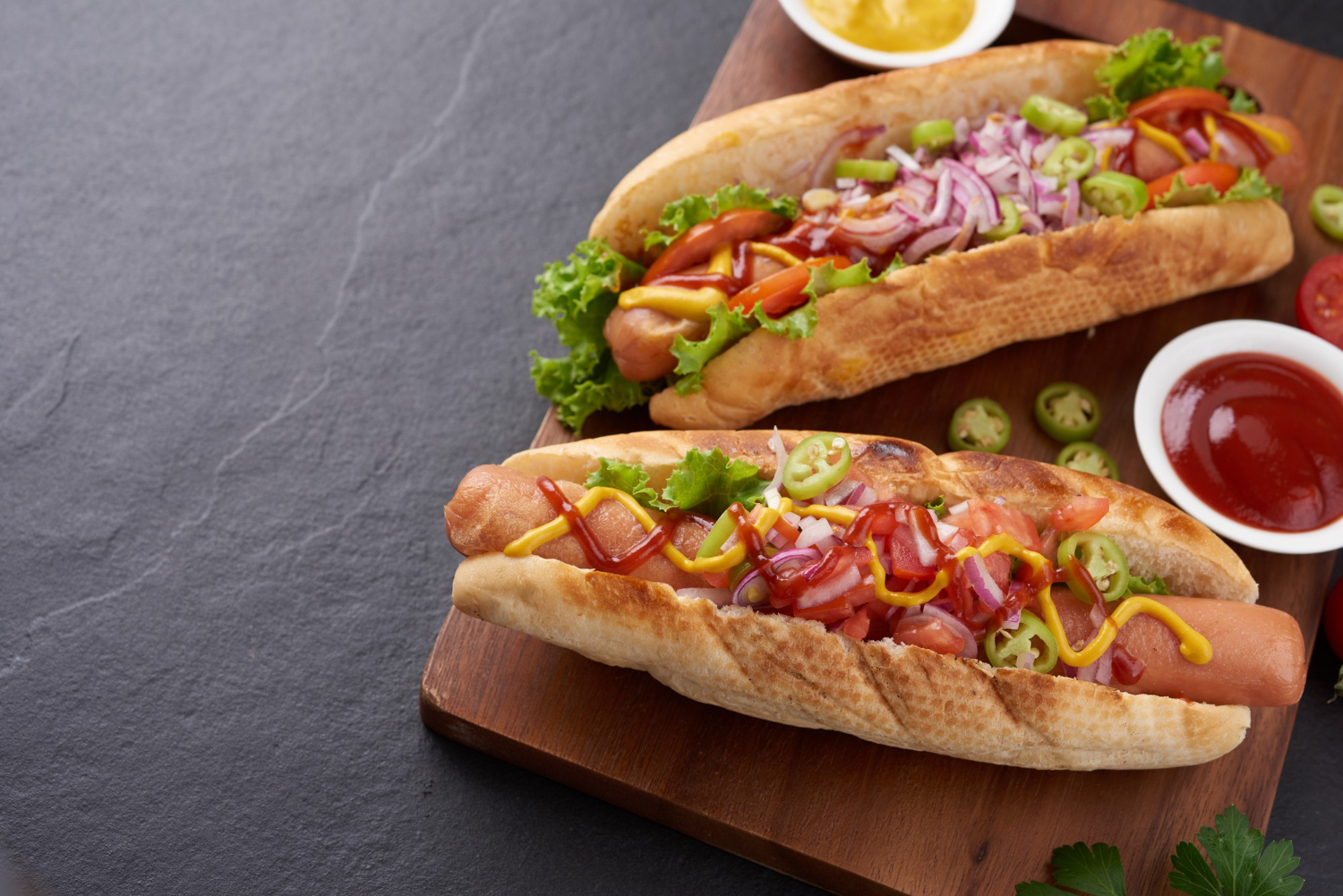
Few foods spark as much regional pride and passionate debate as the hot dog, a seemingly simple sausage in a bun that transforms dramatically depending on which part of the country prepared it. Here are nine distinct American hot dog styles and what makes each one different, counted down one by one.
1. Chicago: The Chicago Dog
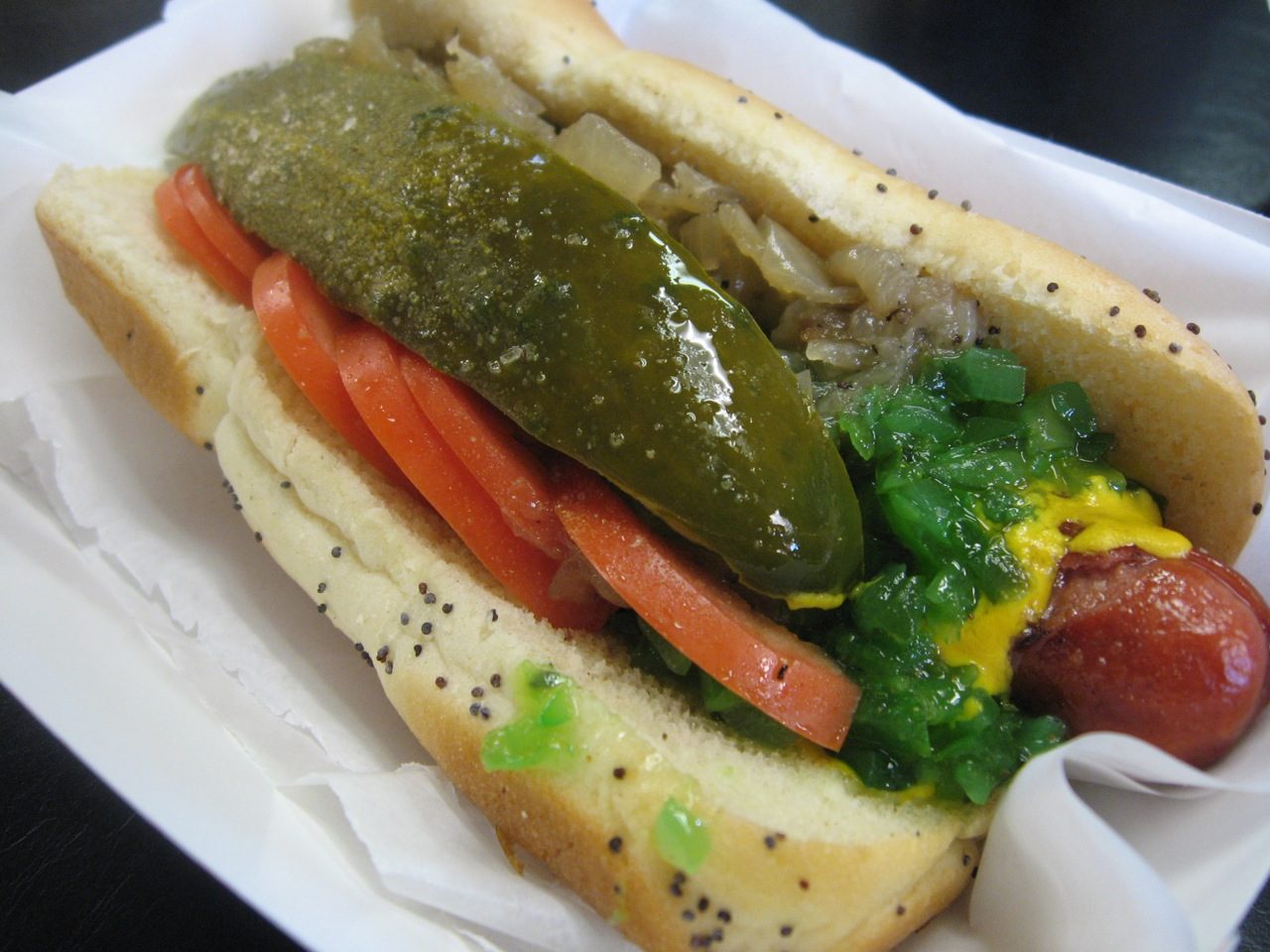
Chicago’s signature dog is loaded with seven specific toppings. Ketchup is considered a genuine culinary offense.
The Chicago dog is precisely assembled with yellow mustard, chopped white onions, bright green sweet pickle relish, a dill pickle spear, tomato slices, pickled sport peppers, and a dash of celery salt, all piled onto an all-beef frank in a poppy seed bun, a specific combination locals defend with real seriousness. Ketchup on a Chicago dog is considered such a genuine culinary offense that many vendors simply won’t offer it. The Chicago dog’s precise seven-topping formula and famous ketchup ban make it one of the most rigidly defined and passionately defended regional foods in the entire country.
Like our content? Follow us for more.
2. New York: The Sabrett-Style Street Cart Dog
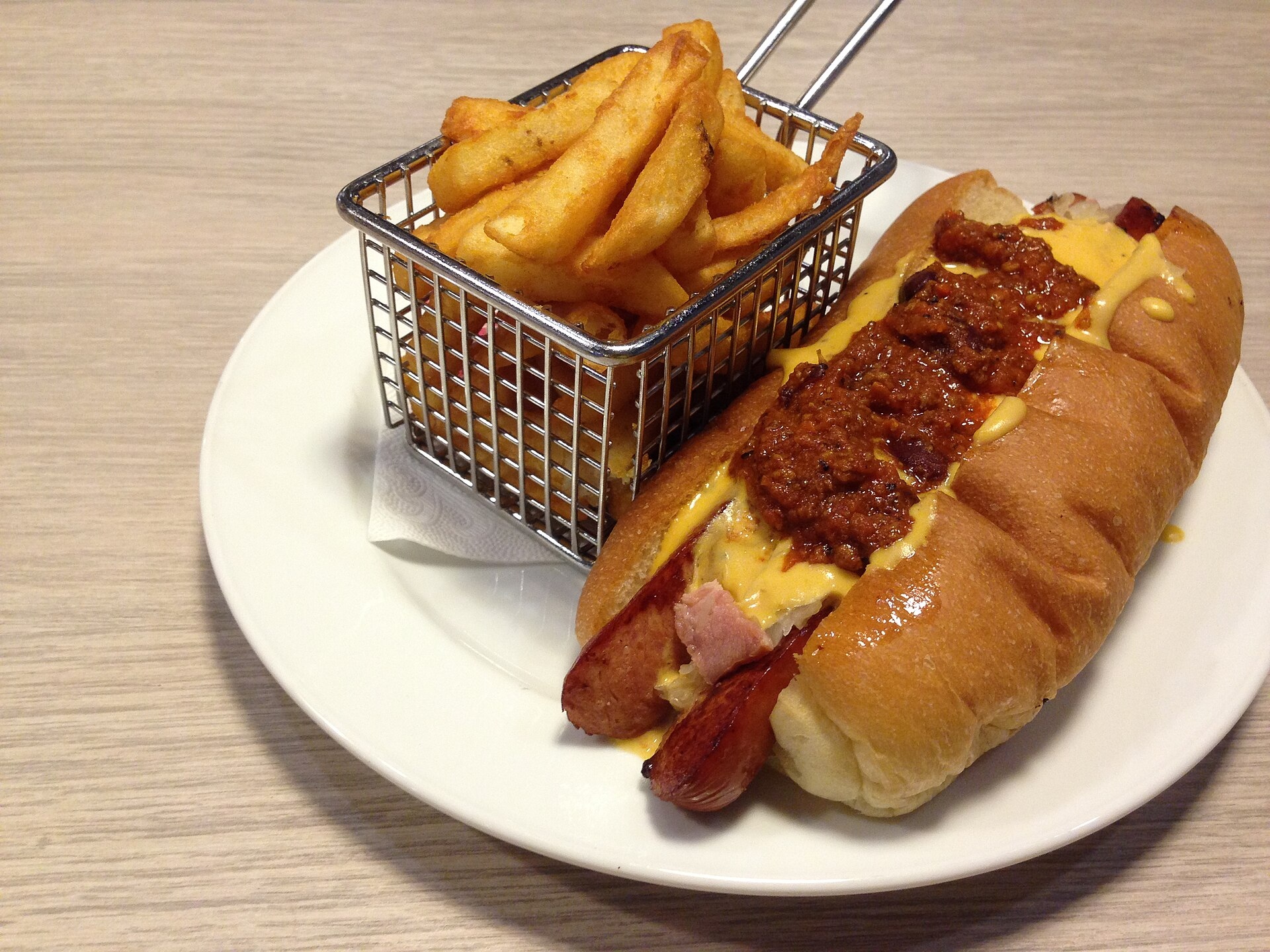
New York’s classic street cart dog keeps toppings simple. Sweet onion sauce and spicy mustard define the combination.
The classic New York City street cart hot dog keeps things relatively simple, a boiled or grilled all-beef frank topped with a distinctive sweet, stewed onion sauce and a stripe of spicy brown mustard, sold from umbrella-topped carts that have become genuine city landmarks in their own right. The New York street cart dog’s sweet onion sauce and unmistakable cart-vendor tradition make it one of the most immediately recognizable regional hot dog styles, a quick, satisfying bite tied directly to the city’s street food culture.
3. Detroit: The Coney Dog
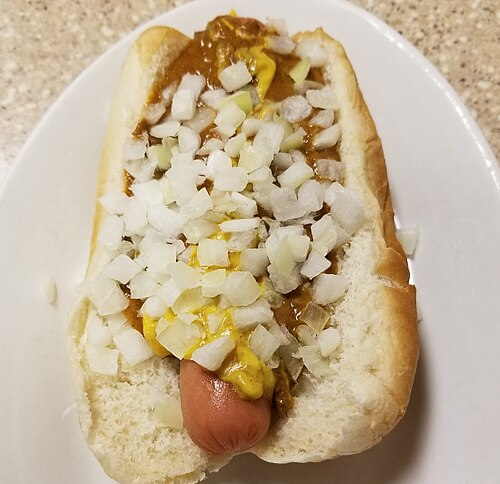
Detroit and Flint compete over the true origin of the coney dog. Meaty chili sauce, mustard, and onions define the style.
The Michigan coney dog is buried under a distinctive, meaty chili sauce made without beans, topped with yellow mustard and diced white onions, a combination whose true origin remains genuinely disputed between rival coney restaurants in Detroit and Flint. The coney dog’s rich chili topping and the ongoing rivalry over its exact origin make it a genuinely significant piece of Michigan food culture, a dish whose history is argued over nearly as passionately as its flavor is enjoyed.
4. Cincinnati: The Cheese Coney
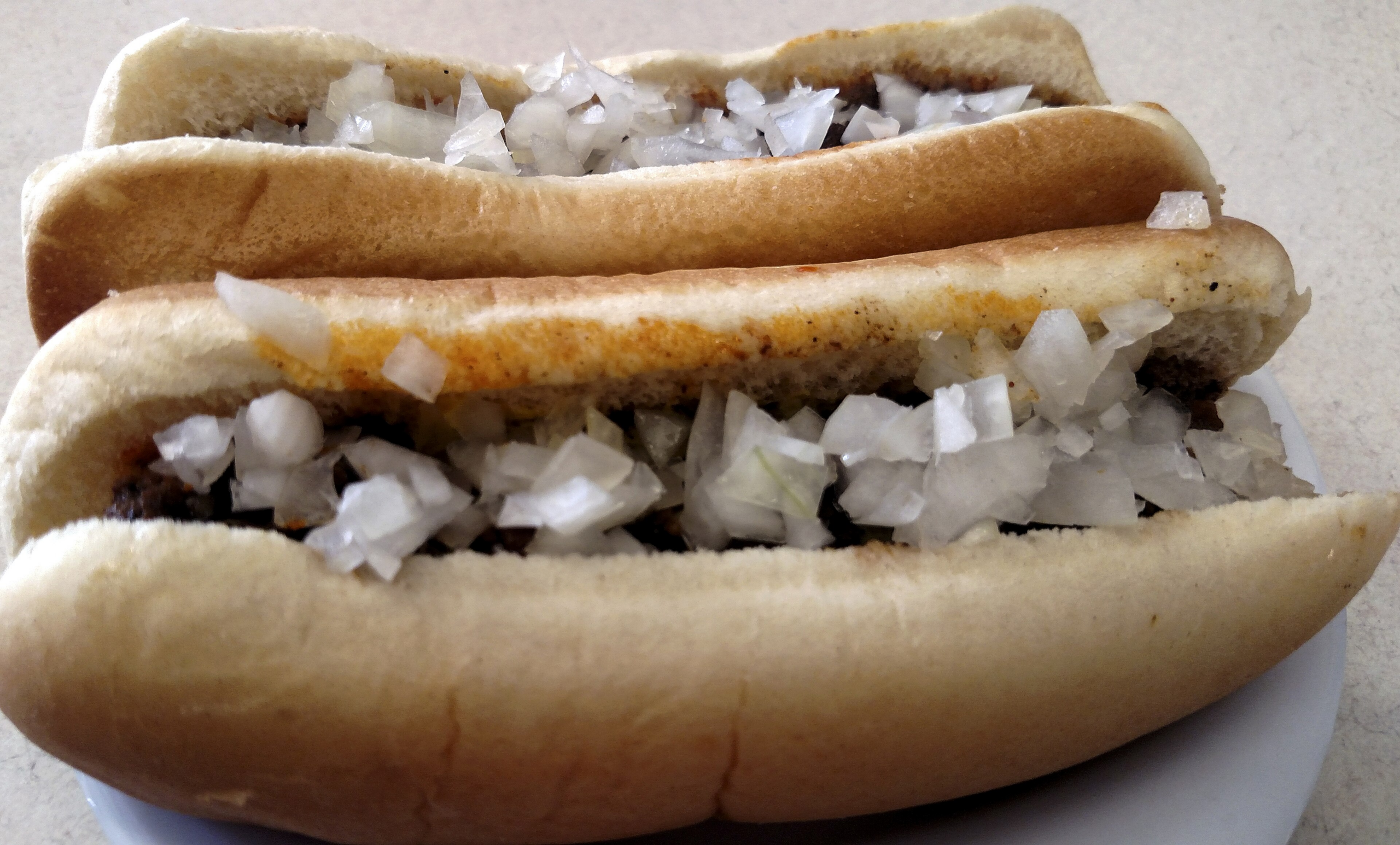
Cincinnati adds a distinctive Greek-influenced chili and a mountain of shredded cheese. It reflects the city’s broader chili tradition.
Cincinnati’s cheese coney tops a hot dog with the city’s distinctive, Greek-influenced chili, seasoned with warm spices like cinnamon, then buries the whole thing under a genuinely enormous mound of finely shredded cheddar cheese. The cheese coney reflects Cincinnati’s broader chili tradition, extending the same distinctive spiced sauce found in the city’s famous chili parlors onto a hot dog rather than a plate of spaghetti, a genuinely regional twist unique to the area.
5. Southern California: The Bacon-Wrapped Street Dog
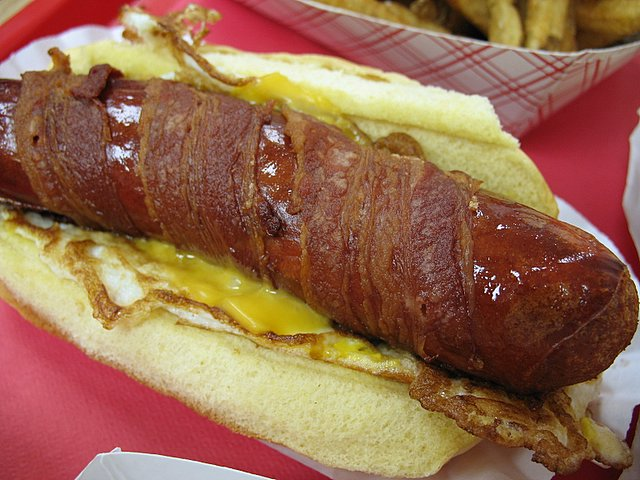
Southern California favors a hot dog wrapped in crispy bacon. Grilled onions and peppers complete the late-night classic.
Southern California’s beloved street dog wraps the frank entirely in bacon before grilling it, then tops it with grilled onions and peppers, a genuinely indulgent style closely associated with late-night food carts outside concerts, clubs, and sporting events across Los Angeles. The bacon-wrapped street dog’s indulgent preparation and late-night cultural association make it a genuinely distinctive regional specialty, a dish whose identity is tied as much to when and where it’s eaten as to the toppings themselves.
6. West Virginia: The Slaw Dog
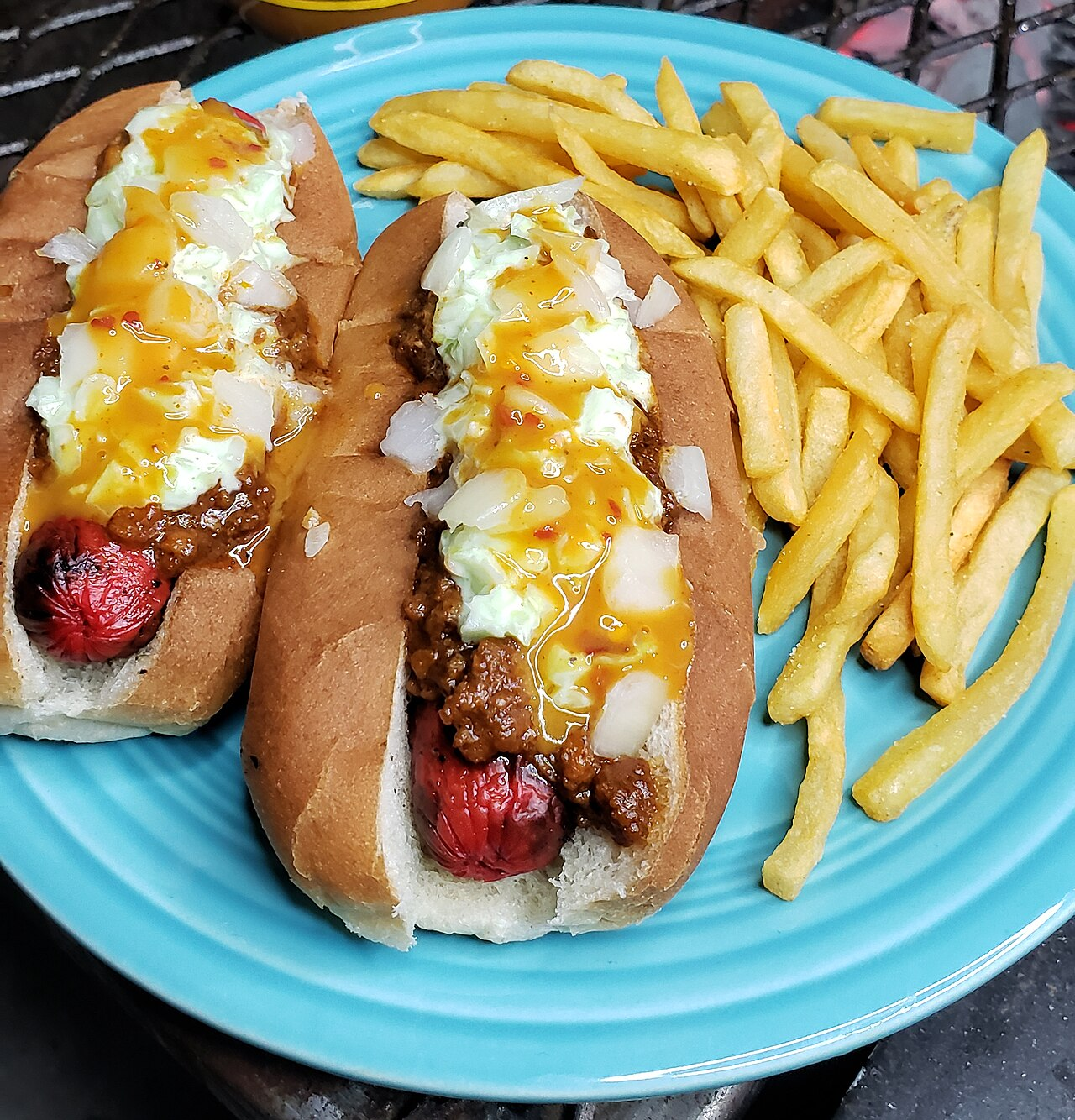
West Virginia tops its hot dogs with a distinctive meat sauce and coleslaw. The combination reflects deep Appalachian tradition.
West Virginia’s beloved slaw dog piles a finely chopped meat sauce, mustard, onions, and a genuinely distinctive scoop of coleslaw directly onto the hot dog, a combination that might sound unusual elsewhere but represents genuine, deeply rooted Appalachian comfort food tradition. The slaw dog’s inclusion of coleslaw as a standard topping sets it apart from nearly every other regional style, a distinctly West Virginian creation that remains a genuine point of statewide pride.
7. Rhode Island: The New York System Wiener
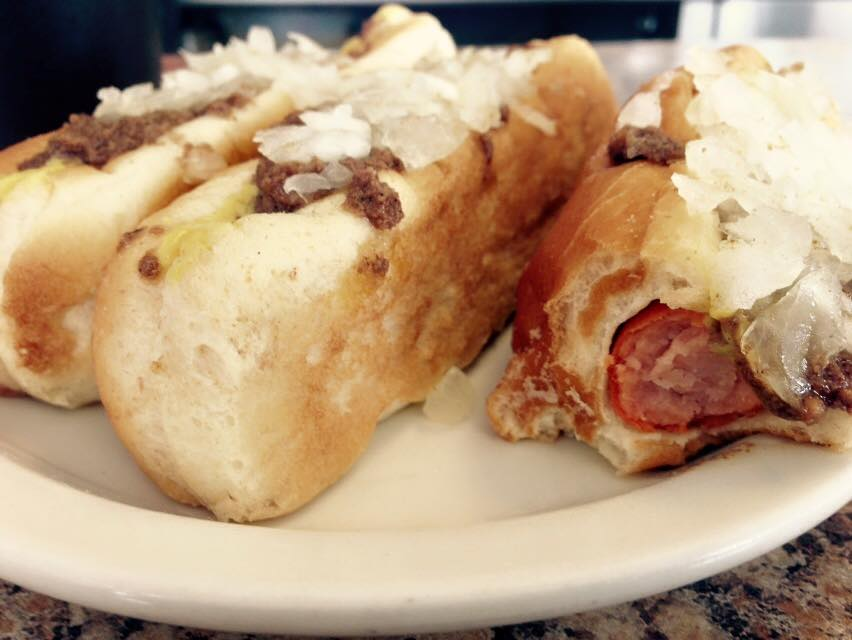
Rhode Island’s distinctive small hot dogs are ordered by the dozen. A signature meat sauce and celery salt define the style.
Rhode Island’s confusingly named “New York System” wiener is actually a genuinely local specialty, a small hot dog topped with a distinctive ground meat sauce, mustard, onions, and celery salt, traditionally ordered by the dozen and assembled in a distinctive line-up along a server’s arm. The New York System wiener’s small size, confusing name, and deeply local Rhode Island identity make it one of the more genuinely puzzling and beloved regional hot dog traditions in the entire country.
8. Sonora, Arizona: The Sonoran Dog
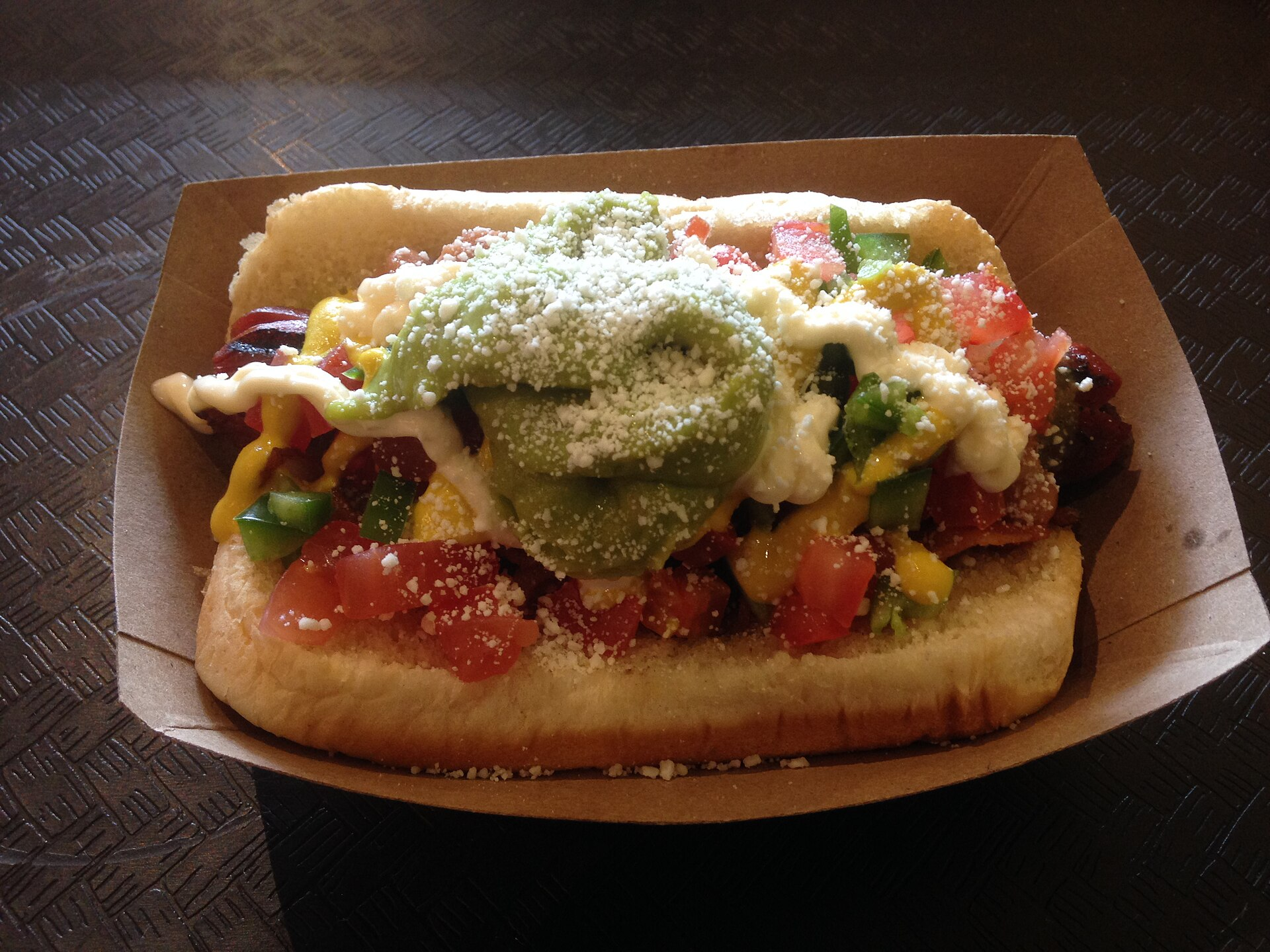
Arizona’s Sonoran dog wraps the hot dog in bacon and piles on beans. It reflects deep Mexican culinary influence along the border.
The Sonoran dog, especially popular in Tucson and other parts of southern Arizona, wraps a hot dog in bacon before grilling it, then loads it into a soft bolillo-style roll with pinto beans, tomatoes, onions, jalapeño sauce, and mayonnaise, a genuinely hearty creation reflecting deep Mexican culinary influence along the border region. The Sonoran dog’s bean-and-bacon combination and border-region heritage make it one of the most distinctive and substantial regional hot dog styles in the country, closer to a full meal than a quick snack.
9. Maine: The Red Snapper
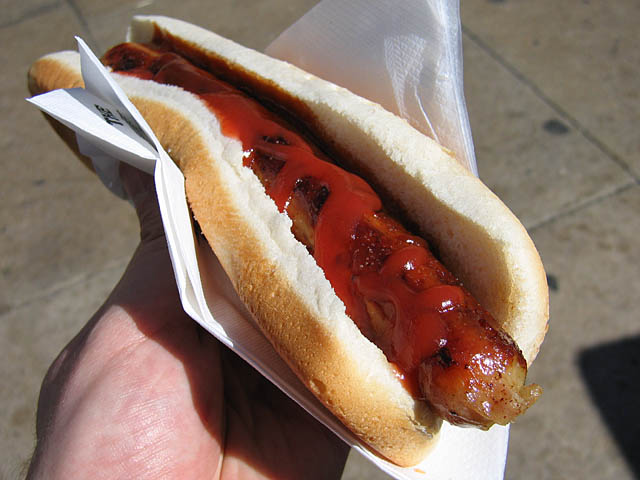
Maine’s distinctive hot dog is dyed a vivid natural red. The color and snap of the casing set it apart immediately.
Maine’s beloved “red snapper” hot dog is dyed a genuinely vivid red color, a distinctive regional tradition with a natural casing that produces an audible, satisfying snap with the very first bite, typically served simply with mustard and onions to let the frank itself take center stage. The red snapper’s striking color and distinctive snap make it one of the most visually and texturally unique regional hot dogs in the country, a New England specialty immediately recognizable on sight alone.
A Map of American Hot Dog Pride
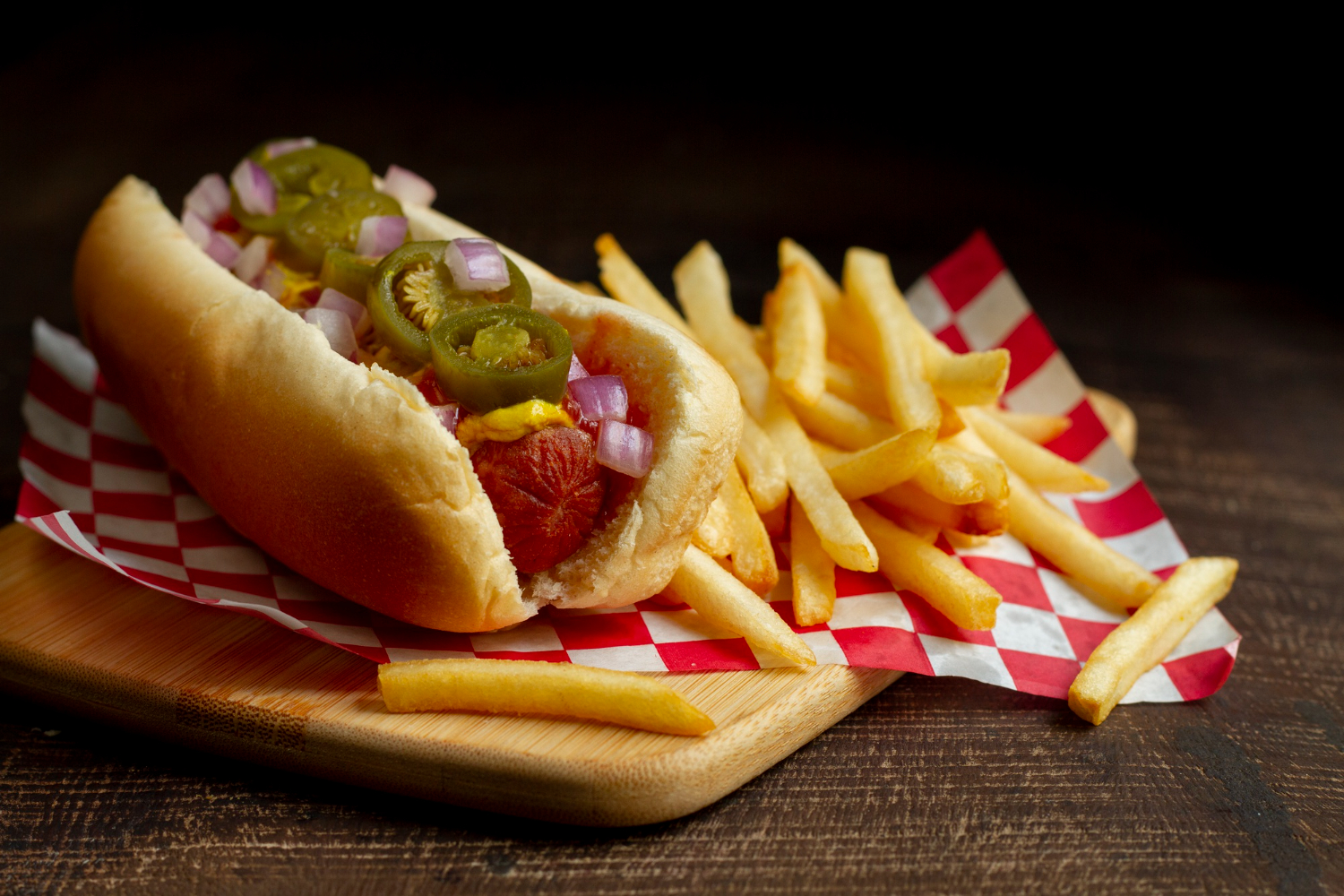
Taken together, these nine styles show just how much regional identity, immigrant heritage, and local tradition can transform something as simple as a sausage in a bun, from Chicago’s rigidly defended seven-topping formula to Maine’s vividly colored red snapper. Each carries genuine local pride in every single bite.
What unites these otherwise wildly different traditions is the sheer passion each region brings to defending its own version as the genuinely correct one, arguments over ketchup, chili, and coleslaw that reveal just how personally Americans identify with their hometown’s specific hot dog style. Exploring the country’s regional hot dog map offers a genuinely fun, delicious lesson in local food culture, proving that even the most humble cookout staple can carry real regional identity in every single bun.
Many of these styles have also traveled well beyond their home regions over the years, Chicago dogs and coney-style toppings both show up on menus far from their original cities, though longtime locals are usually quick to point out that a transplanted version rarely quite matches the real thing. Part of what makes this particular food tradition so enjoyable to explore is how strongly opinionated people tend to be about it, a Chicagoan’s reaction to ketchup on a hot dog is practically a cultural reflex at this point. For travelers curious about regional American food culture, seeking out each style in its actual hometown, from an actual Chicago cart to an actual Rhode Island wiener counter, remains the most authentic and genuinely rewarding way to experience the real thing.
Like our content? Follow us for more.