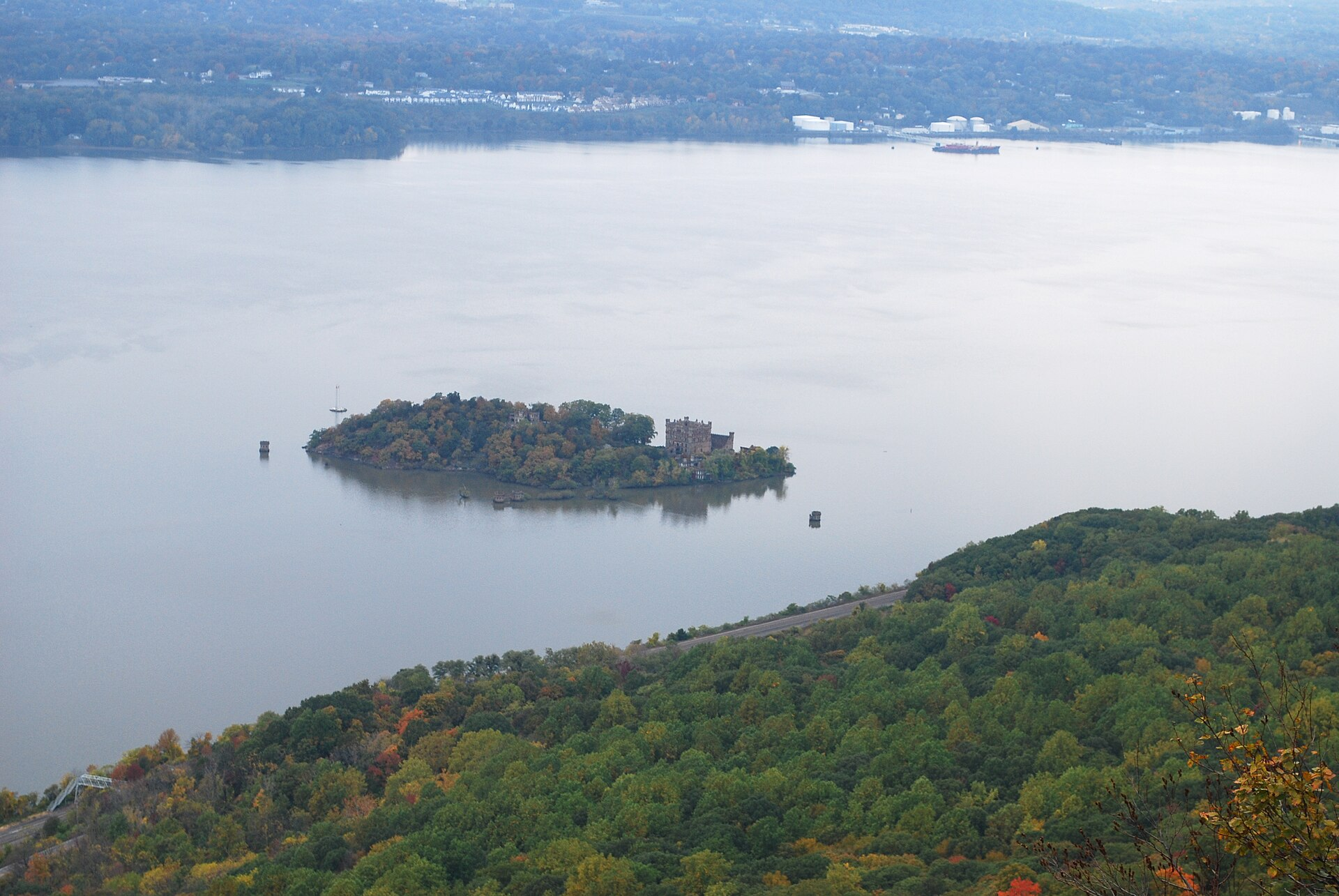
Drivers along Route 9D between Cold Spring and Beacon, New York, occasionally catch a startling glimpse through the trees: the crumbling silhouette of a genuine Scottish-style castle, turrets and all, rising from a tiny island in the middle of the Hudson River. Its story is even stranger than its appearance suggests.
A Wildly Successful Arms Dealer
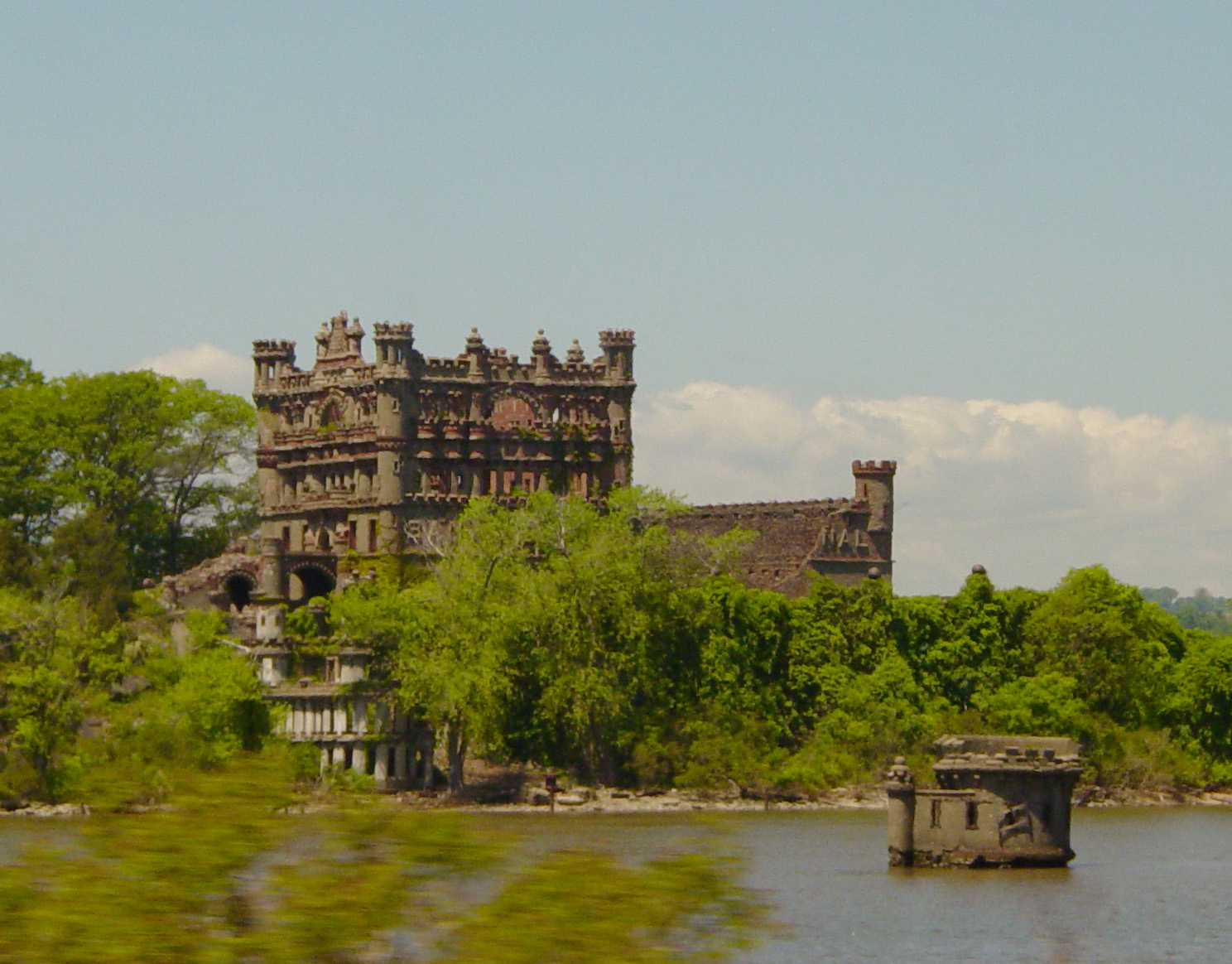
Francis Bannerman VI built his fortune as a teenager after the Civil War, buying up surplus military equipment and eventually turning his company, Bannerman’s, into the world’s largest dealer in military surplus goods. His windfall came during the Spanish-American War, when he purchased roughly 90 percent of all captured Spanish arms, leaving him with an enormous cache of weapons and ammunition that needed somewhere safe to be stored, far from any populated area.
Like our content? Follow us for more.
Building a Castle to Store Guns
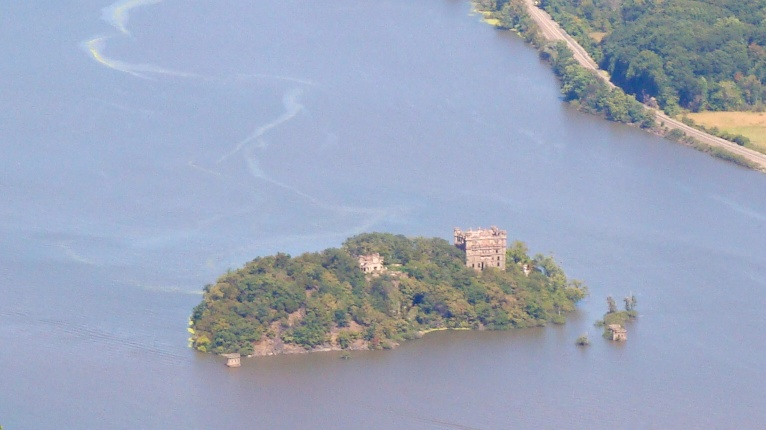
In 1900, Bannerman purchased Pollepel Island, a small, largely uninhabited spot in the Hudson Highlands that local Indigenous communities and Dutch settlers had long considered haunted, and began constructing an elaborate storage complex designed deliberately to resemble the Scottish Baronial castles he’d admired on his travels. The complex eventually included an arsenal, storerooms, and a separate summer residence for his family, complete with turrets, a moat, and docks, structures that doubled as genuinely effective advertising for his thriving military surplus business.
An Explosion That Shook the Region
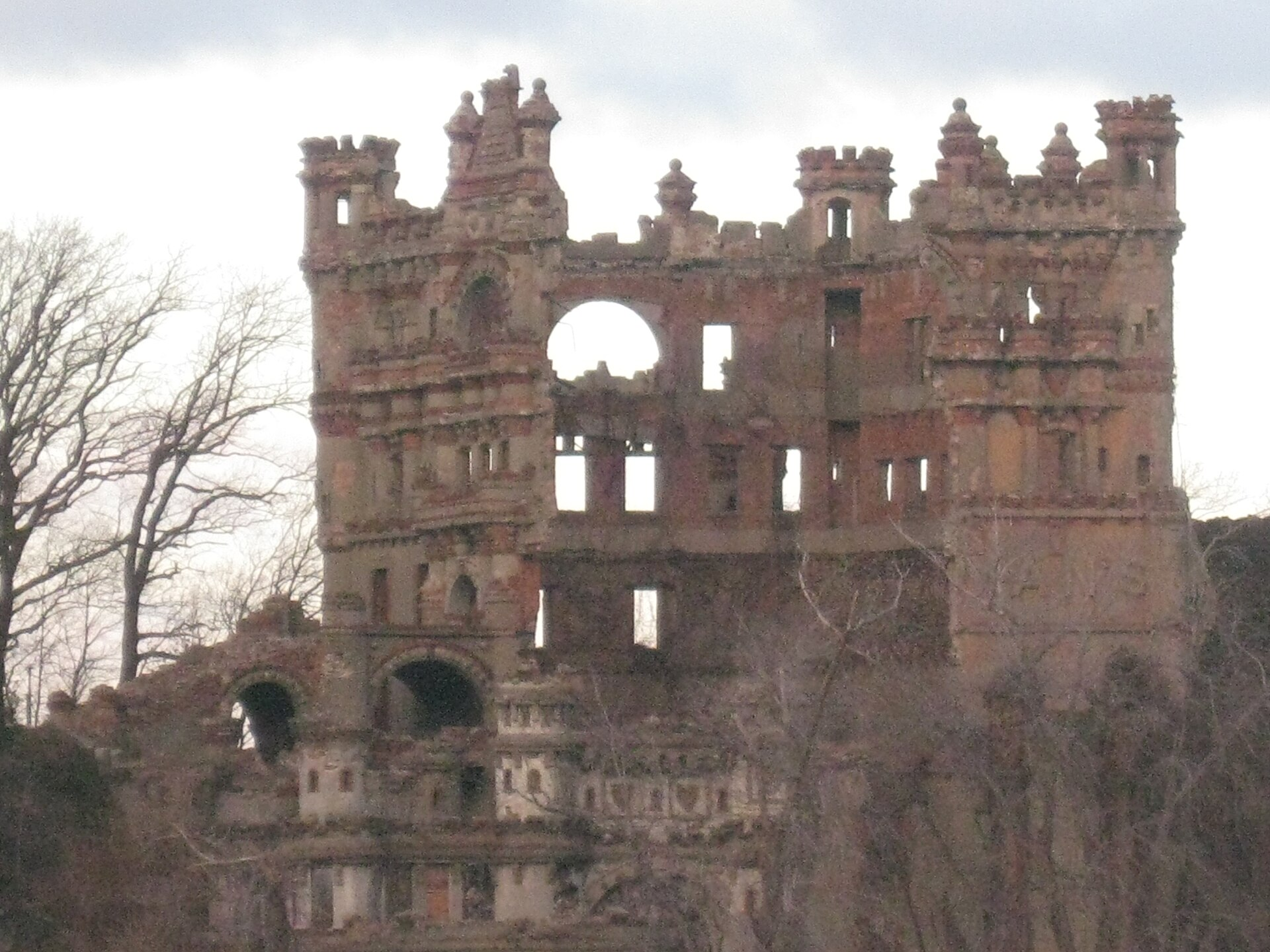
Construction continued for years and still wasn’t fully complete when Bannerman died in 1918. Just two years later, on August 15, 1920, roughly 200 tons of stored shells and gunpowder ignited in a massive explosion that damaged the castle’s structure and reportedly could be felt for miles around, a dramatic reminder of exactly why Bannerman had chosen such a remote location in the first place.
Sold to New York State, Then Consumed by Fire
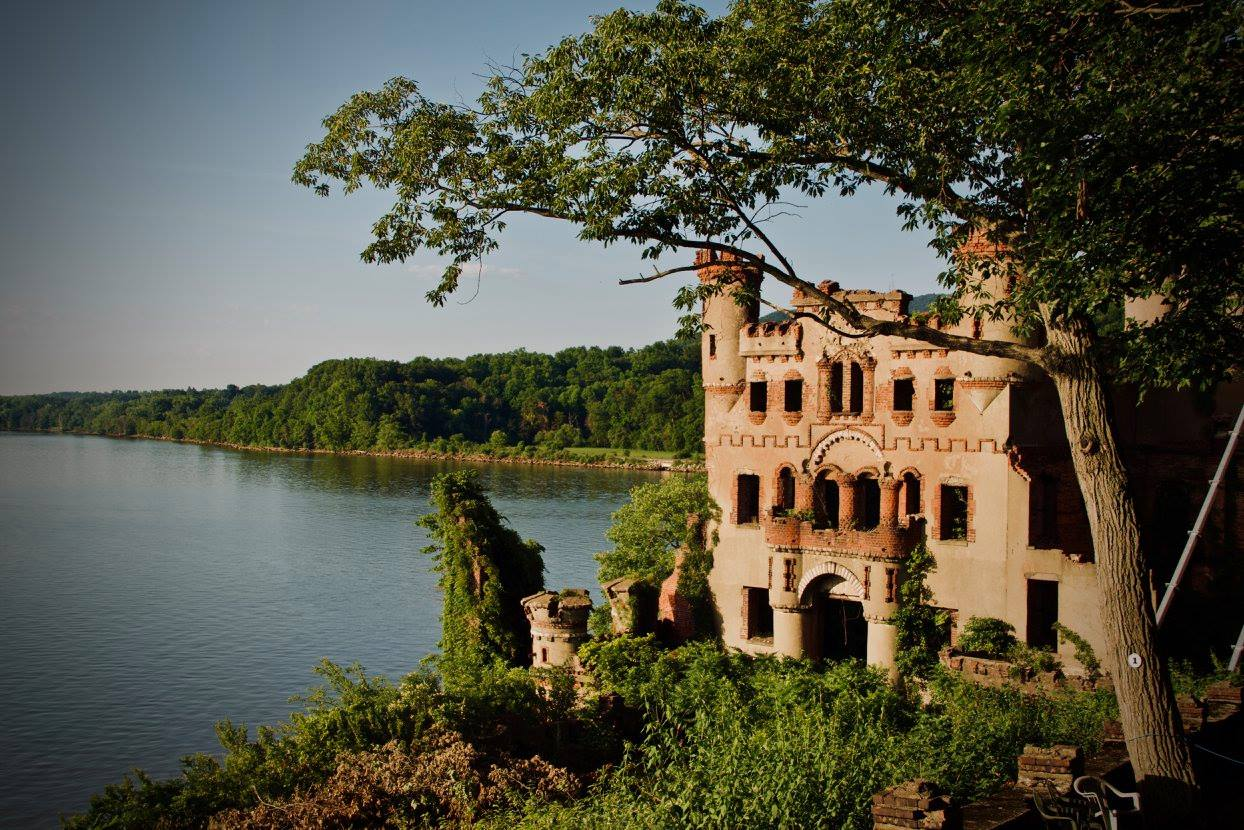
The Bannerman family continued operating the business until the 1970s, but sold the island itself to New York State in 1967 after removing the last of the military merchandise, much of which was donated to the Smithsonian. The state briefly opened the island for public tours in 1968, but on the night of August 8, 1969, a fire of never-fully-determined origin tore through the complex, destroying the roofs and interiors of every remaining building and prompting officials to close the island to the public for decades.
A Trust Forms to Save What Remains
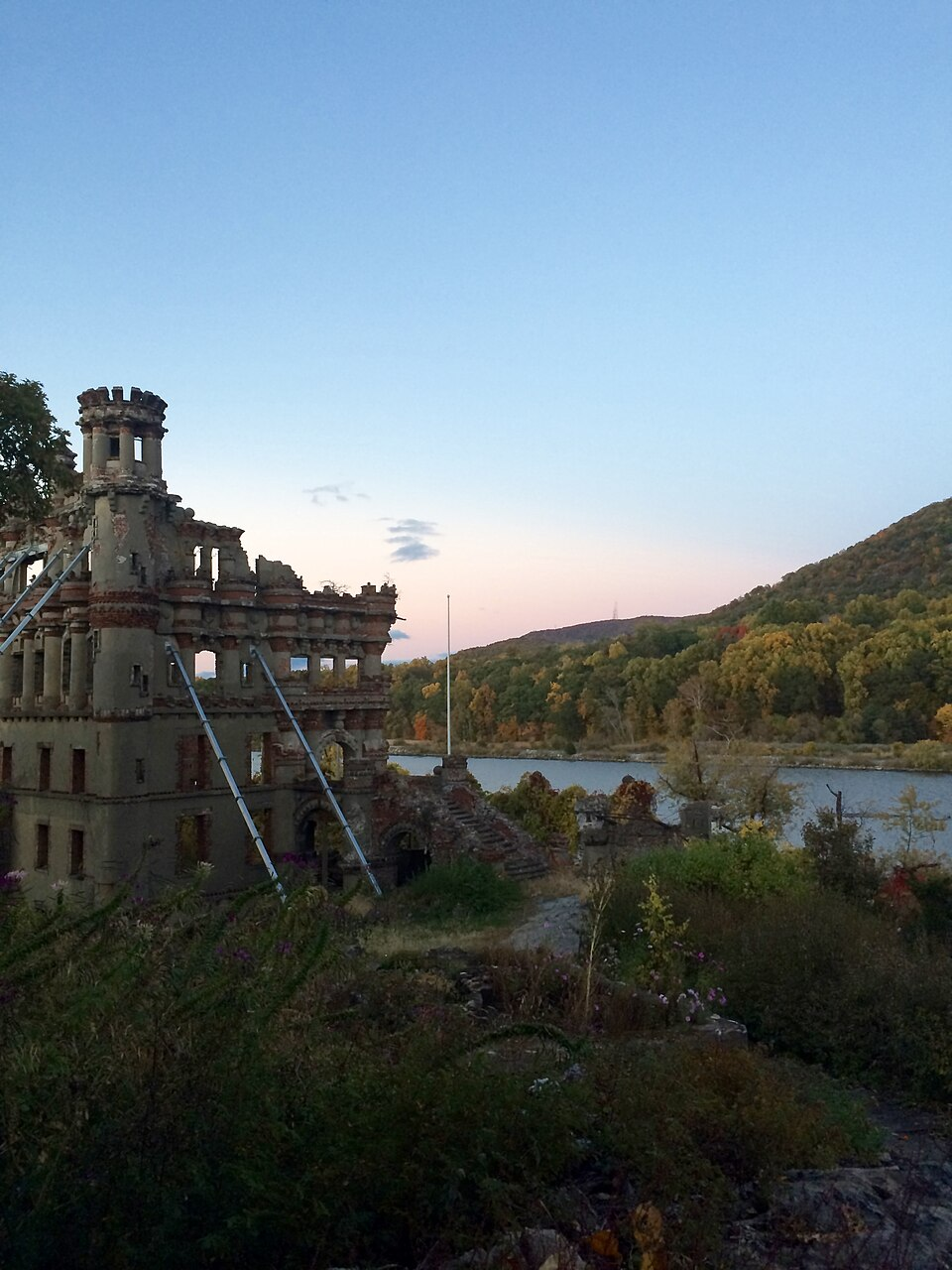
In 1992, Beacon resident Neil Caplan founded the Bannerman Castle Trust after falling in love with the ruins, launching a genuinely determined, decades-long effort to stabilize the deteriorating structures and eventually reopen the island to visitors. Working with New York State Parks, the Trust raised significant funding, engaged architects and engineers, and gradually transformed what had been a dangerous, restricted ruin into a carefully managed historic site.
What Visitors Experience Today

Public tours now run each season from May through November, departing by boat from Beacon or Newburgh for a roughly 25-minute cruise through the scenic Hudson Highlands before landing on the island. Visitors climb more than 70 steps from the dock before beginning a guided walking tour of the grounds and gardens, though the castle’s interior remains too structurally fragile to enter, meaning the experience focuses on the striking exterior ruins and the island’s dramatic natural surroundings.
Beyond Standard Tours
Beyond the standard walking tour, the Bannerman Castle Trust hosts an active seasonal calendar of special events, outdoor movie nights, theatrical performances, farm-to-table dinners, and seasonal festivals that draw visitors specifically for the chance to experience the island after dark under dramatic lighting. Kayaking tours also depart from nearby launch points for travelers wanting to view the castle from the water without joining a formal walking tour.
The Island’s Deeper History
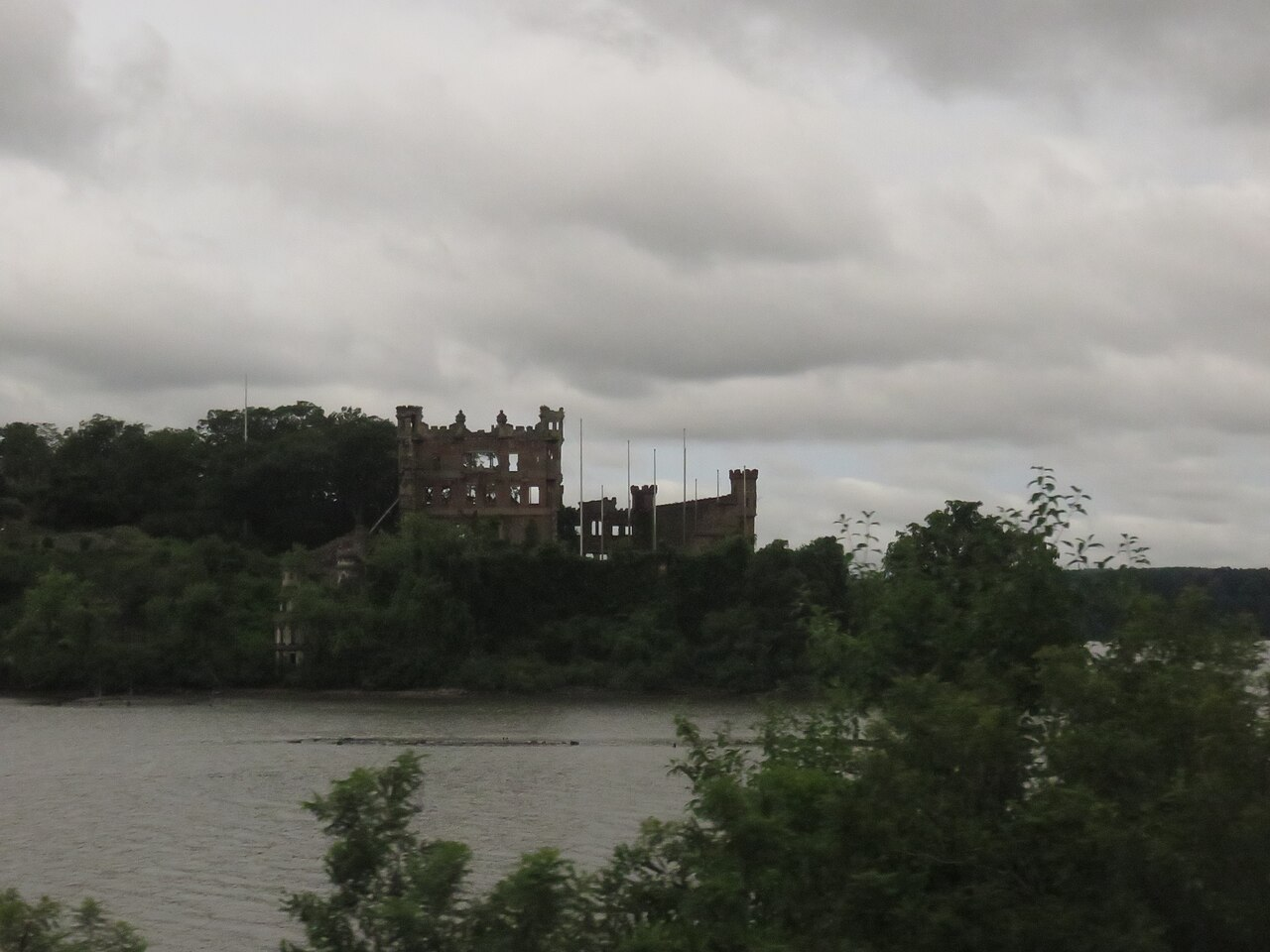
Long before Bannerman ever arrived, Pollepel Island carried its own layered history, Dutch settlers and local Native communities both associated the small island with spirits and misfortune, folklore that may have helped keep the island uninhabited and available when Bannerman went looking for a suitably remote spot. During the American Revolution, Continental Army soldiers reportedly sank iron-tipped logs around the island in an unsuccessful attempt to damage passing British ships, a small footnote in military history that predates Bannerman’s arsenal by well over a century.
Why the Site Resonates With Visitors
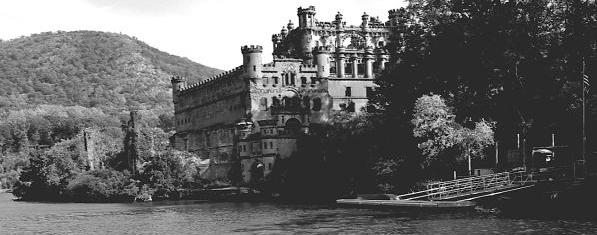
Part of what makes Bannerman Castle so compelling is the sheer improbability of its existence, a genuine Scottish-style castle built not as anyone’s home but purely as advertising and storage for a surplus arms business, standing in ruins in the middle of one of America’s most historically significant rivers. That combination of eccentric ambition and dramatic decay has made the site a favorite subject for photographers, and the Trust’s ongoing preservation work means the ruins visitors see today are considerably safer to approach than during the site’s earlier decades of unregulated urban exploration.
A Genuinely Unlikely Hudson Valley Landmark
Bannerman Castle’s story, an arms dealer’s elaborate advertising scheme turned military storehouse, shattered by explosion, gutted by fire, and finally rescued by a grassroots preservation effort, makes it one of the most genuinely unusual landmarks in the entire Hudson Valley. For travelers exploring the region, a boat trip out to Pollepel Island offers a rare chance to walk through more than a century of remarkable, occasionally explosive history.
Like our content? Follow us for more.