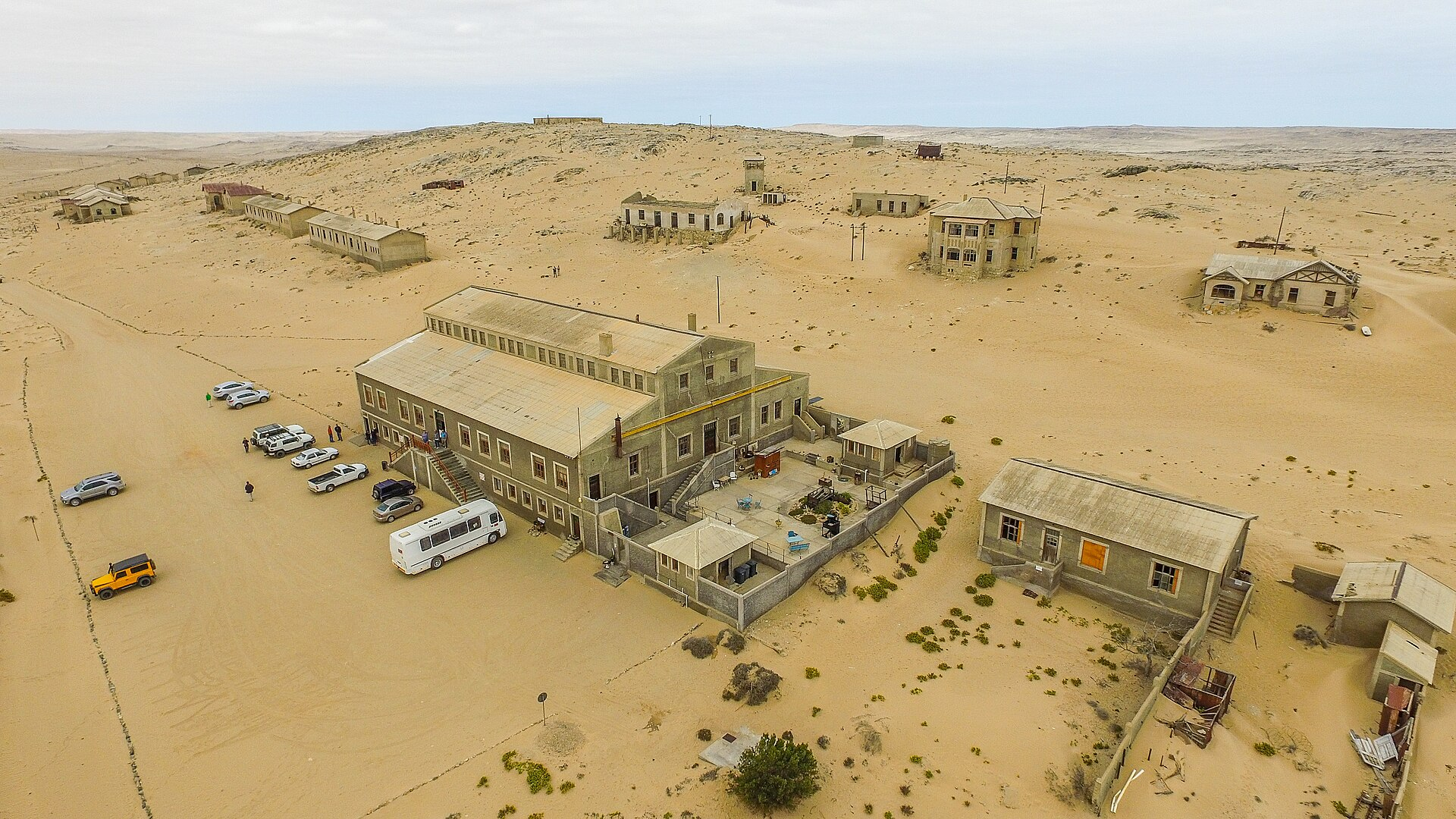
Ten kilometers inland from the Namibian coastal town of Lüderitz, a cluster of elegant, decaying Edwardian houses sits half-buried in the Namib Desert’s endlessly shifting sand, a ghost town that was once, improbably, one of the richest places on the entire planet.
A Diamond Found by Chance
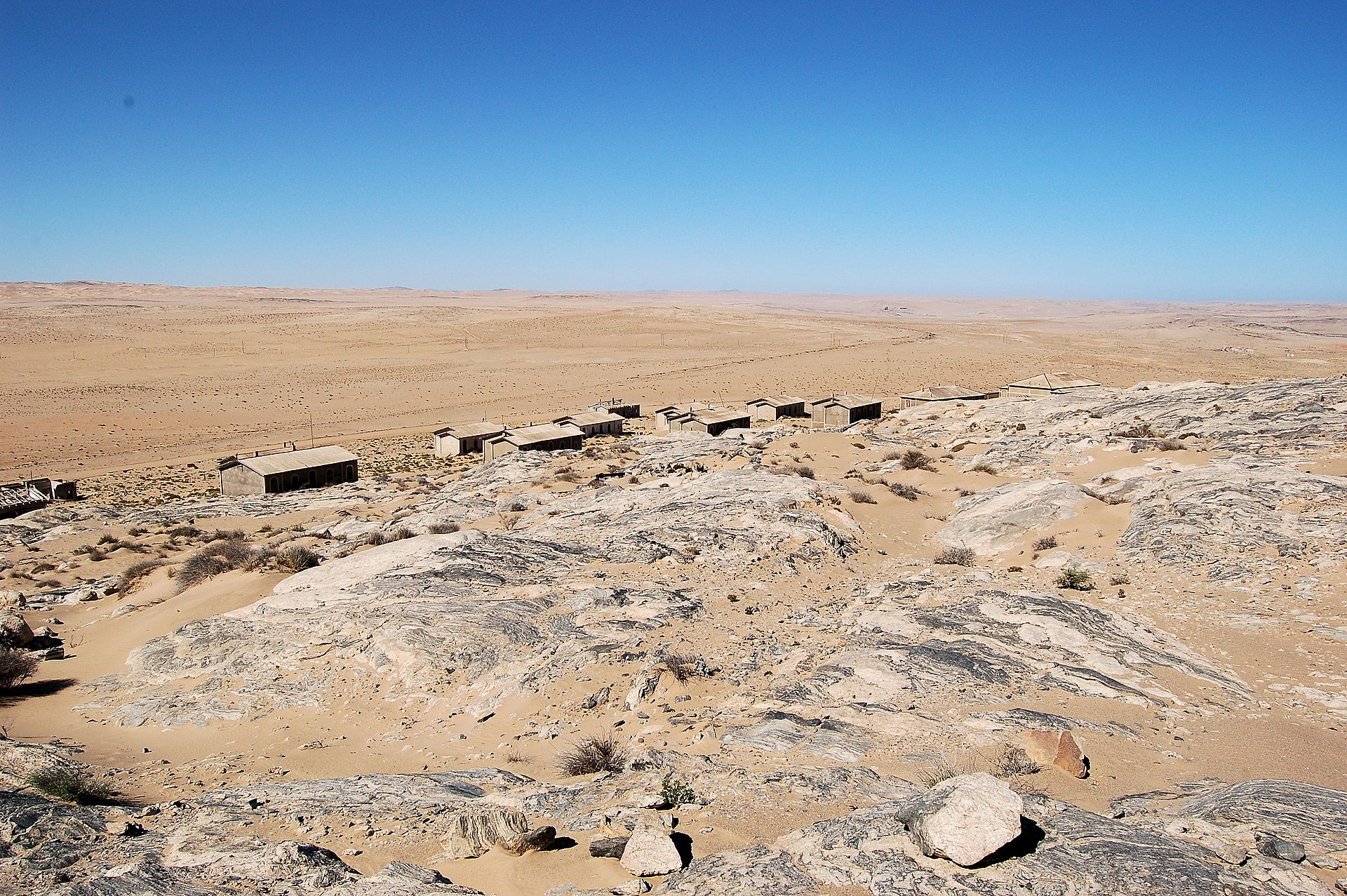
In 1908, a railway worker named Zacharias Lewala noticed a stone glinting in the sand while clearing tracks for the German colonial railway and brought it to his supervisor, August Stauch, an amateur mineralogist who immediately recognized it as a diamond. Word spread quickly, and prospectors flooded the area, part of what was then German South-West Africa, sparking a diamond rush that transformed an empty patch of desert into a thriving settlement within just a few years.
Like our content? Follow us for more.
An Improbable Oasis of Luxury
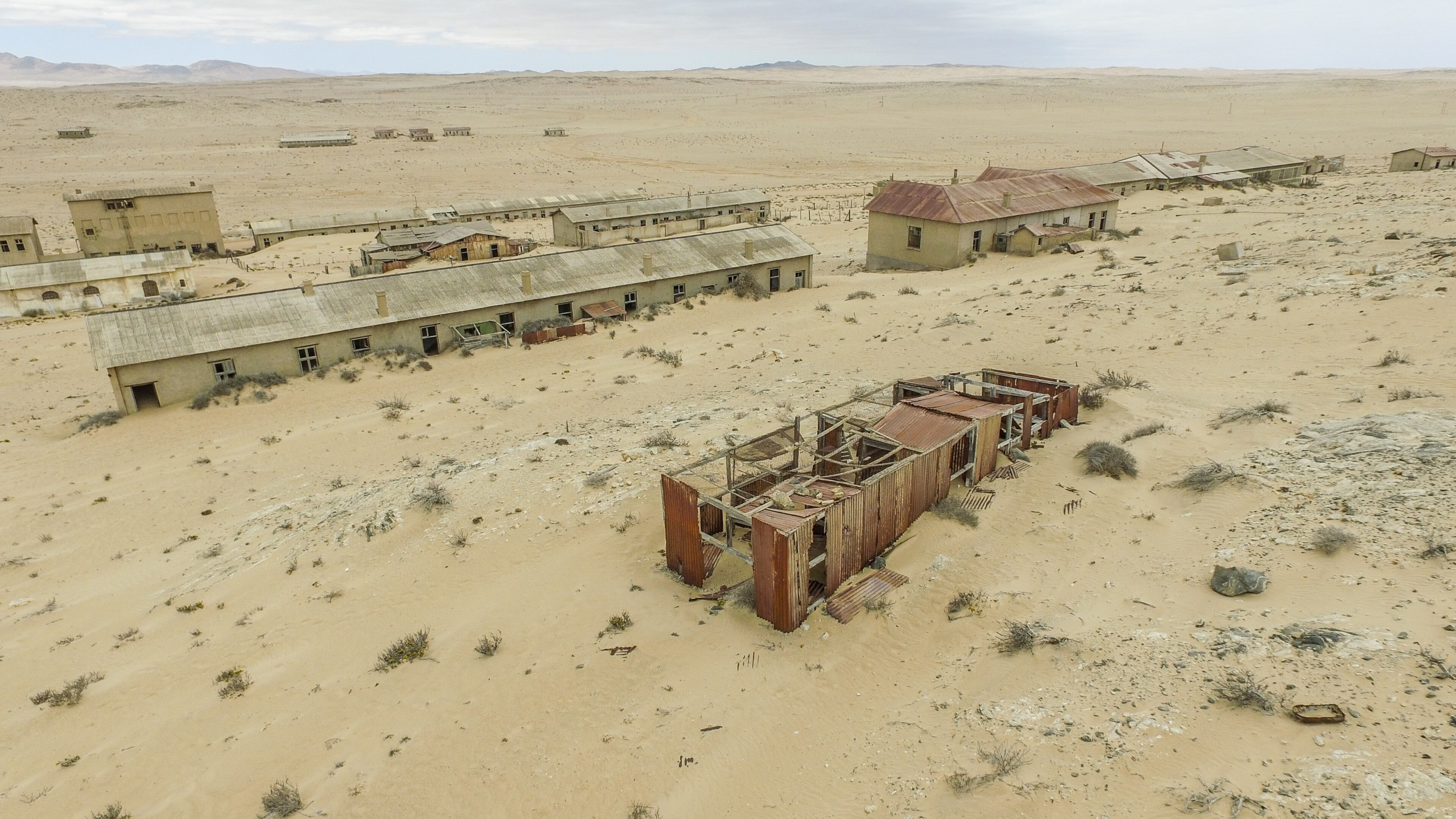
By the early 1910s, Kolmanskop had grown into a genuinely opulent town of roughly 1,200 to 1,300 residents, boasting amenities that would have been remarkable anywhere, let alone in the middle of one of the driest deserts on Earth: a hospital with the first X-ray unit in the Southern Hemisphere, a theater that hosted touring European opera productions, a casino, a bowling alley, a saltwater swimming pool, and a power station using one of the world’s first seawater-cooled generators. At its peak, the town produced roughly a million carats of diamonds annually, over a tenth of the world’s total diamond output at the time.
A History Bound Up With Colonial Violence
Kolmanskop’s wealth emerged directly from Germany’s brutal colonial rule over what is now Namibia, and the diamond boom followed just years after German forces committed genocide against the Herero and Nama peoples. German authorities declared a vast surrounding region a “Sperrgebiet,” or forbidden zone, restricting diamond rights to a single Berlin-based company and displacing local Indigenous people, many of whom were then forced into cramped labor camps to work the mines that made Kolmanskop’s fortune possible.
A Boom That Ended Almost as Quickly as It Began
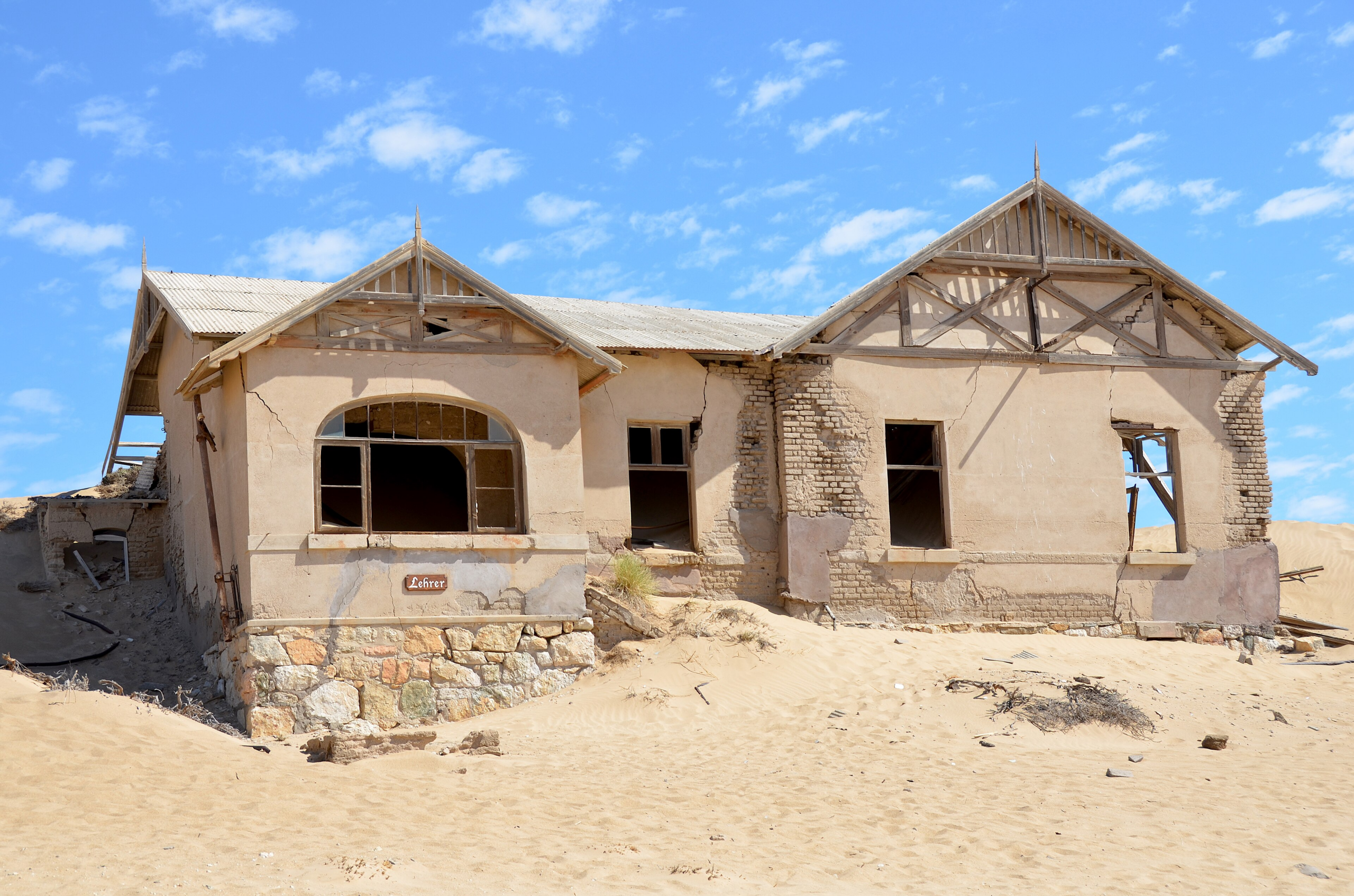
Kolmanskop’s prosperity proved genuinely short-lived. Diamond deposits in the immediate area began depleting by the 1920s, and the 1928 discovery of far richer deposits roughly 270 kilometers south, near the Orange River, drew miners and investment away almost immediately. Mining operations wound down through the 1930s and 40s, and the last remaining families finally abandoned Kolmanskop entirely by 1956, leaving furniture, fixtures, and entire houses behind.
The Desert Reclaims What Was Built
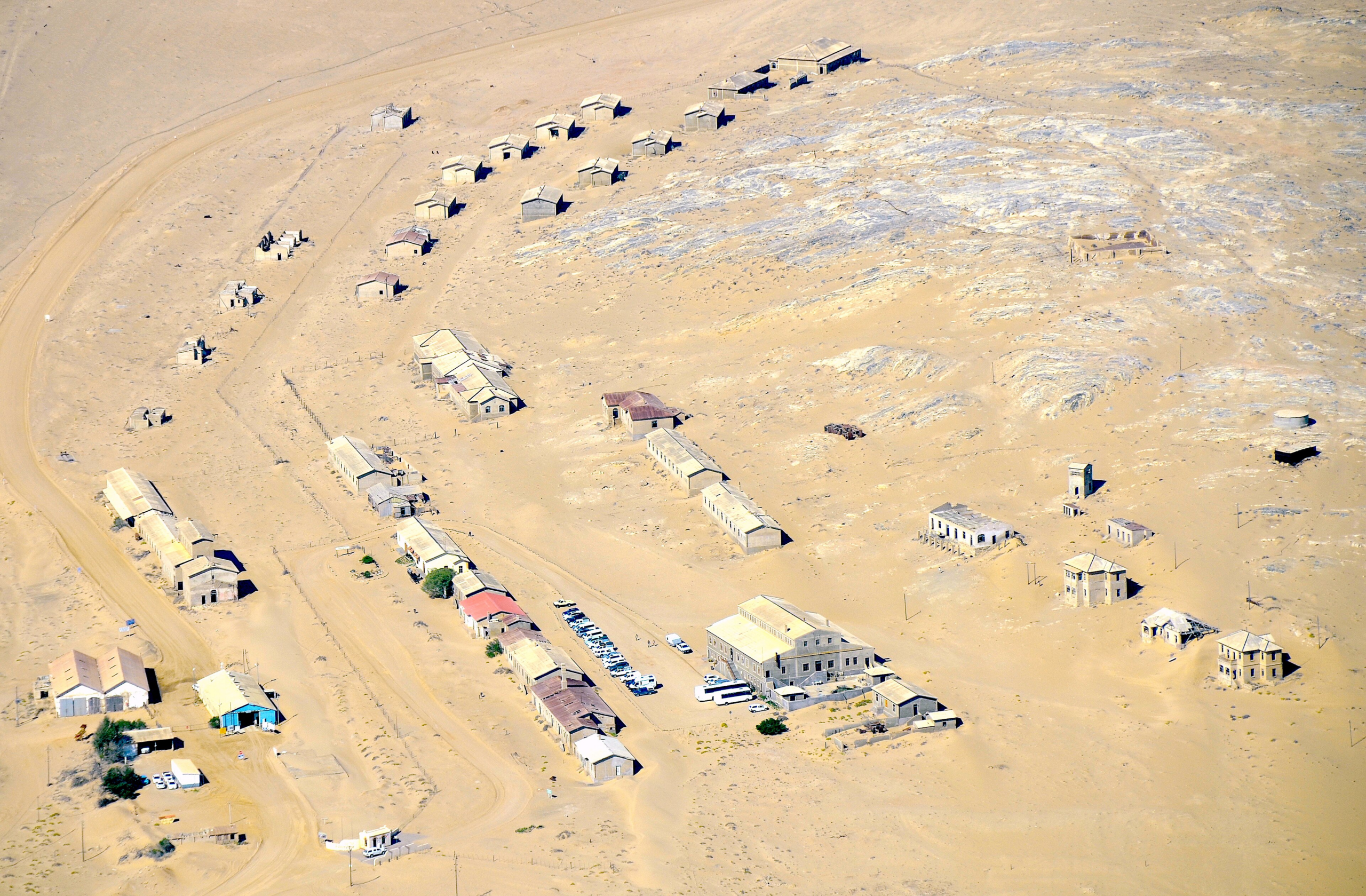
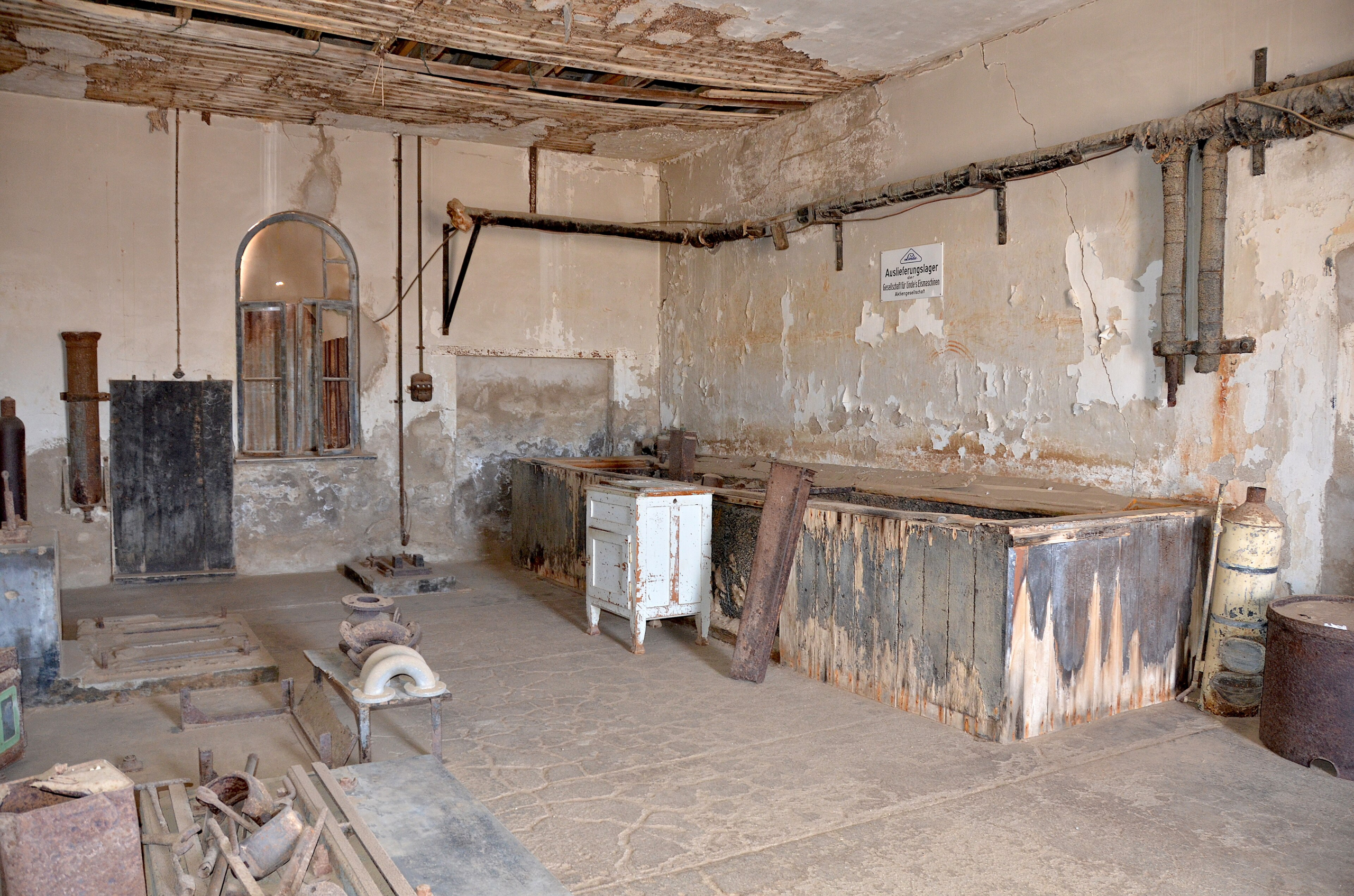
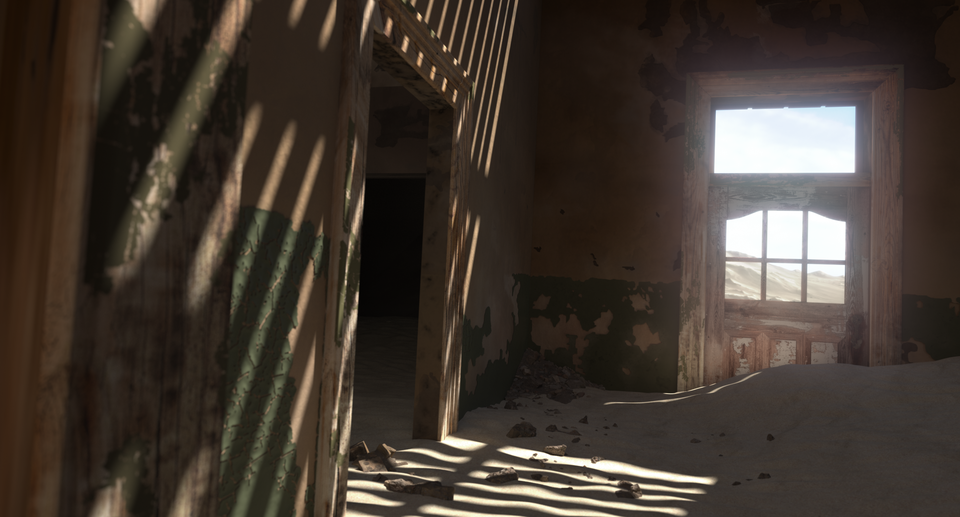
In the decades since, the Namib Desert’s relentless winds have steadily filled abandoned buildings with sand, some rooms now buried nearly to the ceiling, creating the surreal, striking scenes that have made Kolmanskop one of the most photographed ghost towns in the world. The same brightly colored Edwardian wallpaper and architectural details that once signaled the town’s wealth remain visible, if fading, peeling away inside houses now serving as canvases for the desert itself.
From Ghost Town to Genuine Tourist Destination
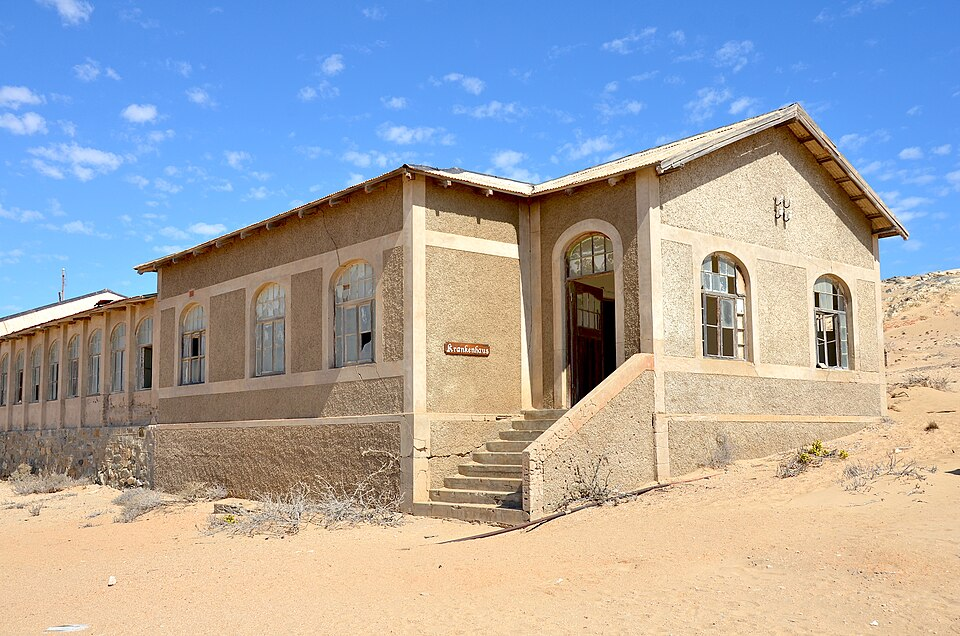
Since 1980, and more formally since the early 2000s under a concession granted to a private tour operator, Kolmanskop has operated as a legitimate, popular tourist attraction managed in cooperation with Namdeb, the mining company jointly owned by the Namibian government and De Beers. Today the site draws an estimated 35,000 visitors annually, with standard admission permits available at the gate and specialized photography permits offering extended access from sunrise to sunset for those chasing the best light.
Planning a Visit
Kolmanskop is open daily, typically from 8 a.m. to 1 p.m. for standard visits, with guided tours in English, German, and Afrikaans departing at scheduled times each morning. The site sits a short, easy drive from Lüderitz, itself a genuinely charming coastal town with its own German colonial architecture, though reaching the region from Namibia’s capital, Windhoek, generally requires a full day of driving or a domestic flight, so most visitors build Kolmanskop into a longer Namibian road trip itinerary.
Practical Tips From Recent Visitors
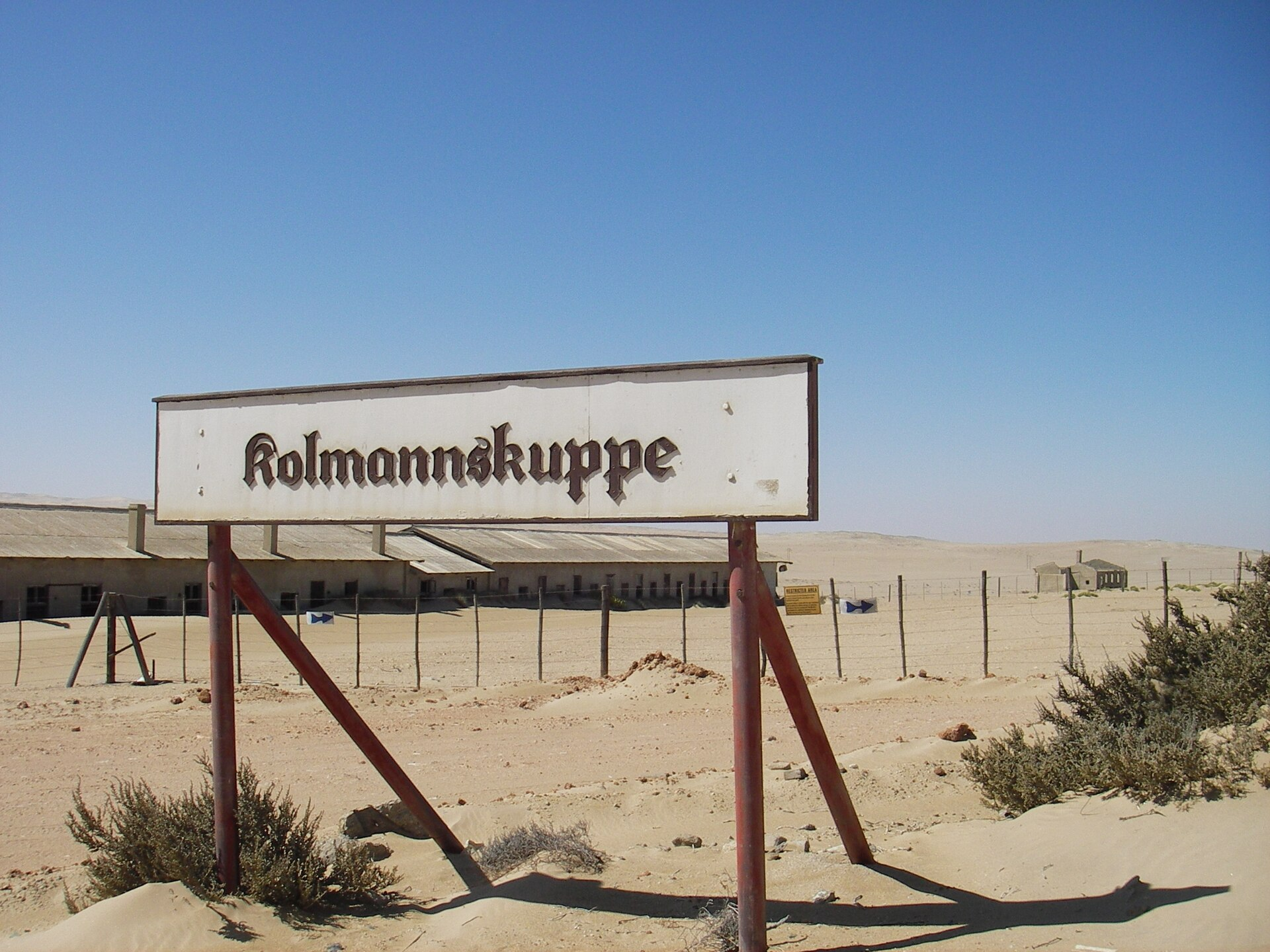
Travelers who’ve made the journey consistently recommend arriving as early as the permit allows, since the desert heat intensifies quickly and the softest, most photogenic light happens in the first hour or two after sunrise. The sand throughout the site can make walking genuinely strenuous, and visitors should bring sturdy shoes, plenty of water, and sun protection, since shade is minimal across most of the exposed townsite. Photographers hoping for the extended sunrise-to-sunset access should purchase the specialized photography permit in advance, either online or directly at a shop in Lüderitz, rather than assuming it will be available at the gate.
A Fragile, Fading Wonder
Conservation efforts have slowed, but not stopped, Kolmanskop’s ongoing deterioration, and photographs from just fifteen years ago already show meaningfully different levels of sand accumulation and structural decay than what visitors encounter today. For travelers drawn to genuinely unusual history, Kolmanskop offers a rare, sobering meditation on impermanence, a town built almost overnight on extraordinary wealth, then abandoned just as quickly, now existing on borrowed time as the desert it once conquered slowly, patiently, takes it all back.
Like our content? Follow us for more.