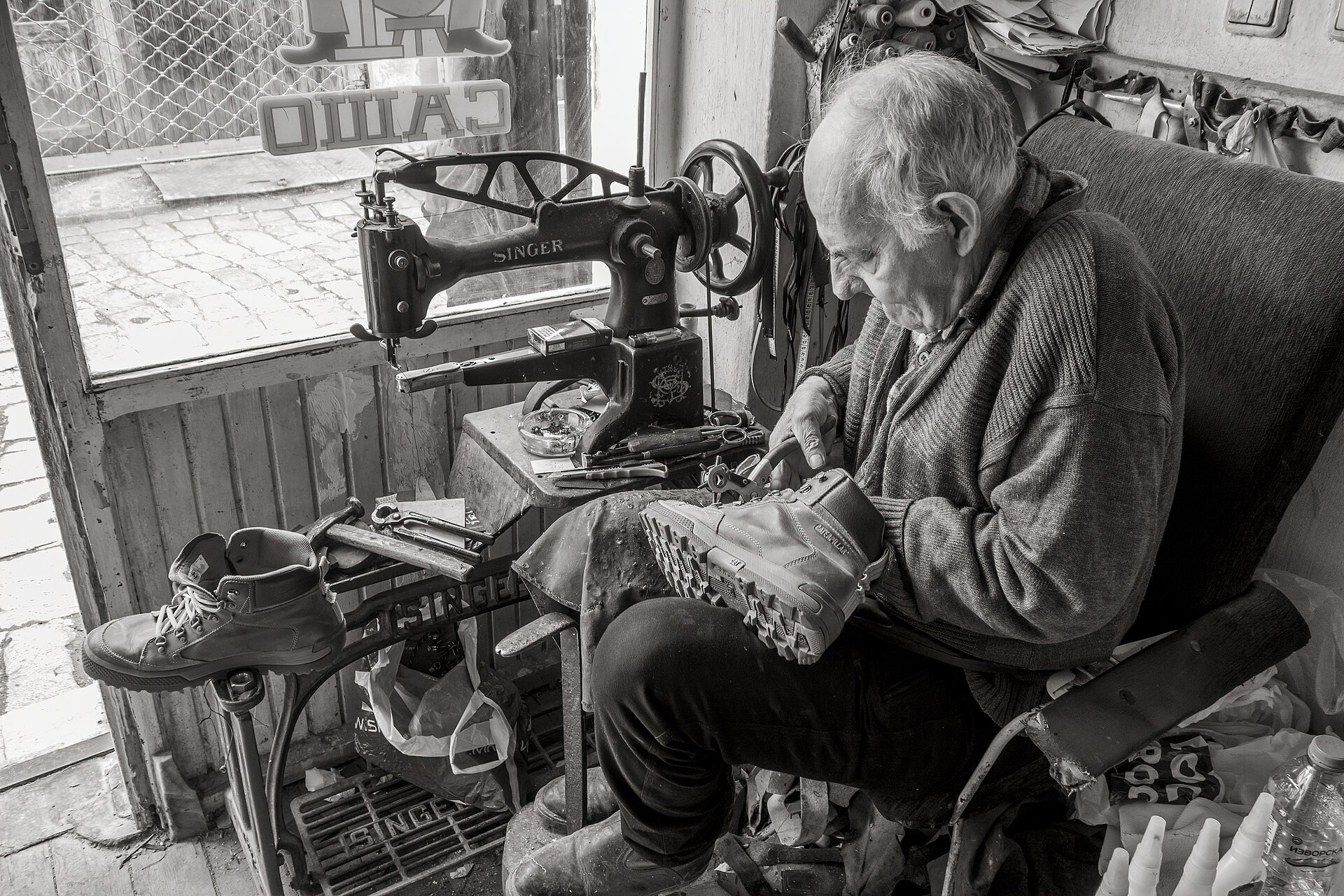
In an era when a good pair of shoes represented a genuine investment, the neighborhood shoe repair shop was where families turned to extend their life for years rather than replace them at the first sign of wear. Here are eleven things every American shoe repair shop had in 1965, counted down one by one.
1. A Cast-Iron Cobbler’s Last Standing Ready for Use
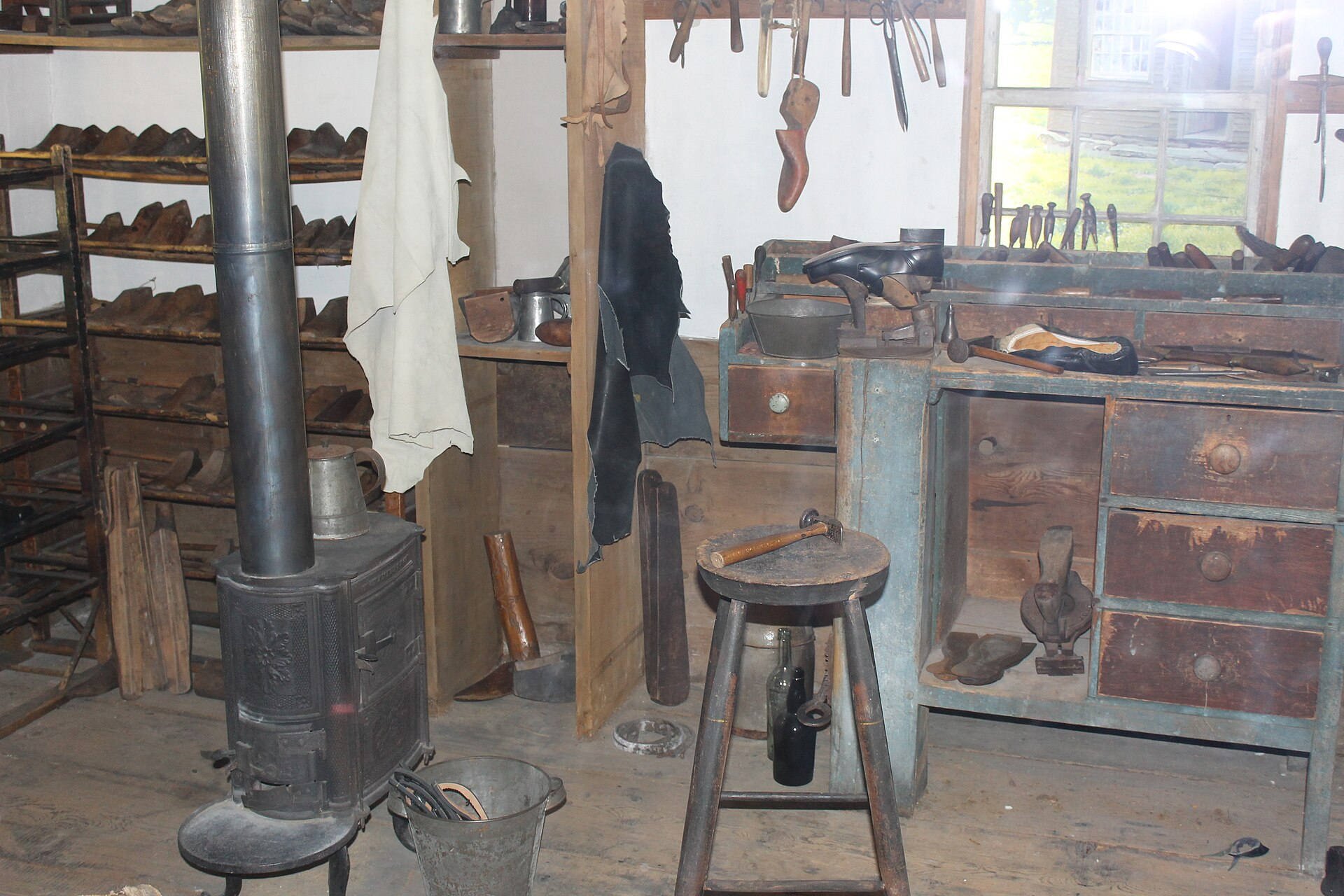
A metal foot-shaped form supported shoes during repair. It was the shop’s single most essential piece of equipment.
A heavy, cast-iron cobbler’s last, a foot-shaped metal form used to support a shoe while it was being repaired, stood ready near the workbench, essential equipment that let the cobbler stitch, hammer, and resole with real precision and control. A cast-iron cobbler’s last standing ready for use is the defining piece of equipment behind the entire trade, a simple but genuinely indispensable tool that made accurate, durable shoe repair possible.
Like our content? Follow us for more.
2. The Sharp Smell of Leather and Polish Filling the Shop
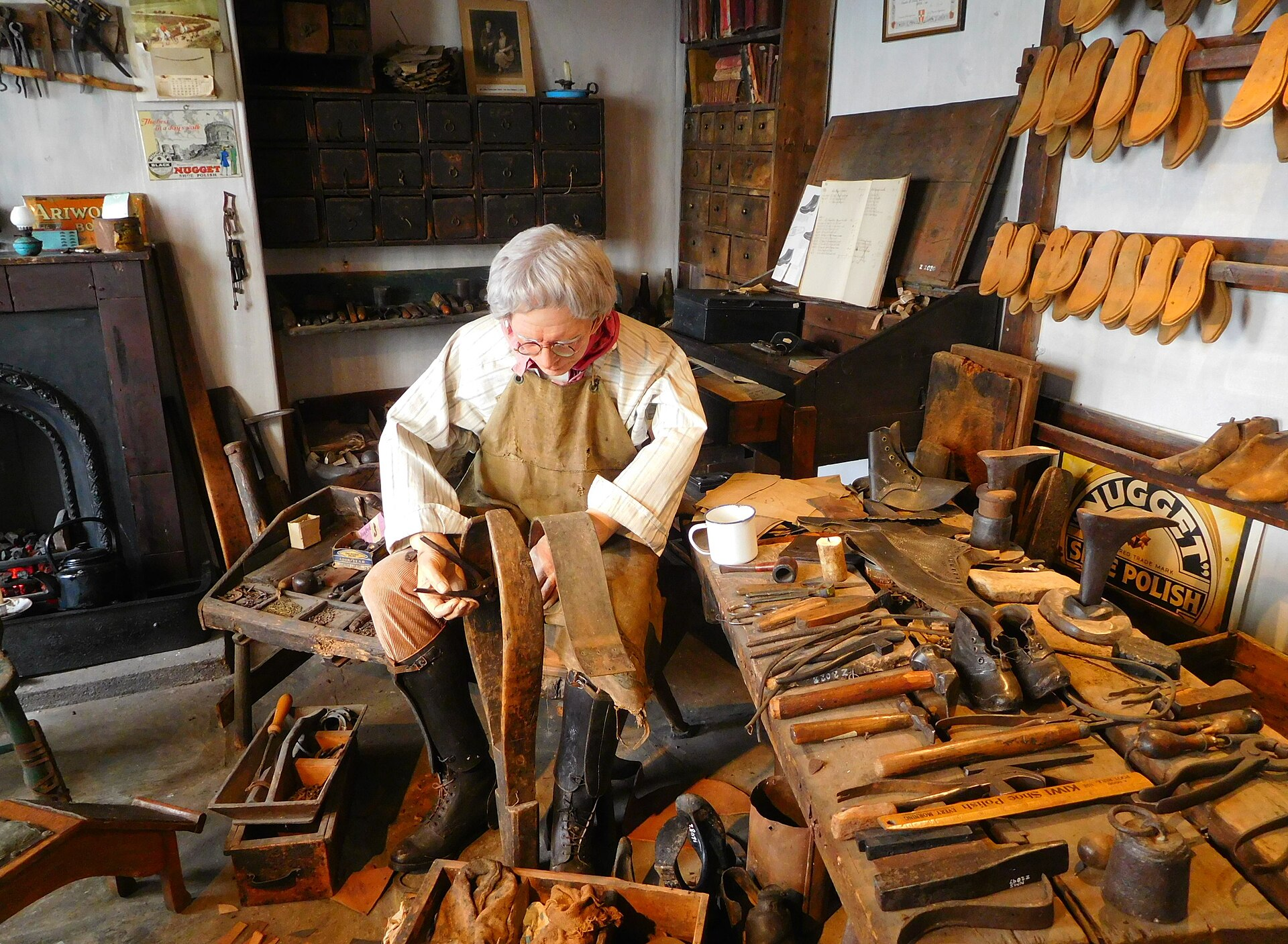
A distinctive scent greeted every customer at the door. It was instantly recognizable and genuinely memorable.
The moment a customer stepped through the door, a distinctive combination of fresh leather, shoe polish, and adhesive filled the entire shop, a genuinely memorable scent that many former customers still associate strongly with the trade decades later. The sharp smell of leather and polish filling the shop is an evocative sensory memory of the era, an atmosphere so distinctive that it became inseparable from the whole experience of getting shoes repaired.
3. A Sewing Machine Built Specifically for Heavy Leather
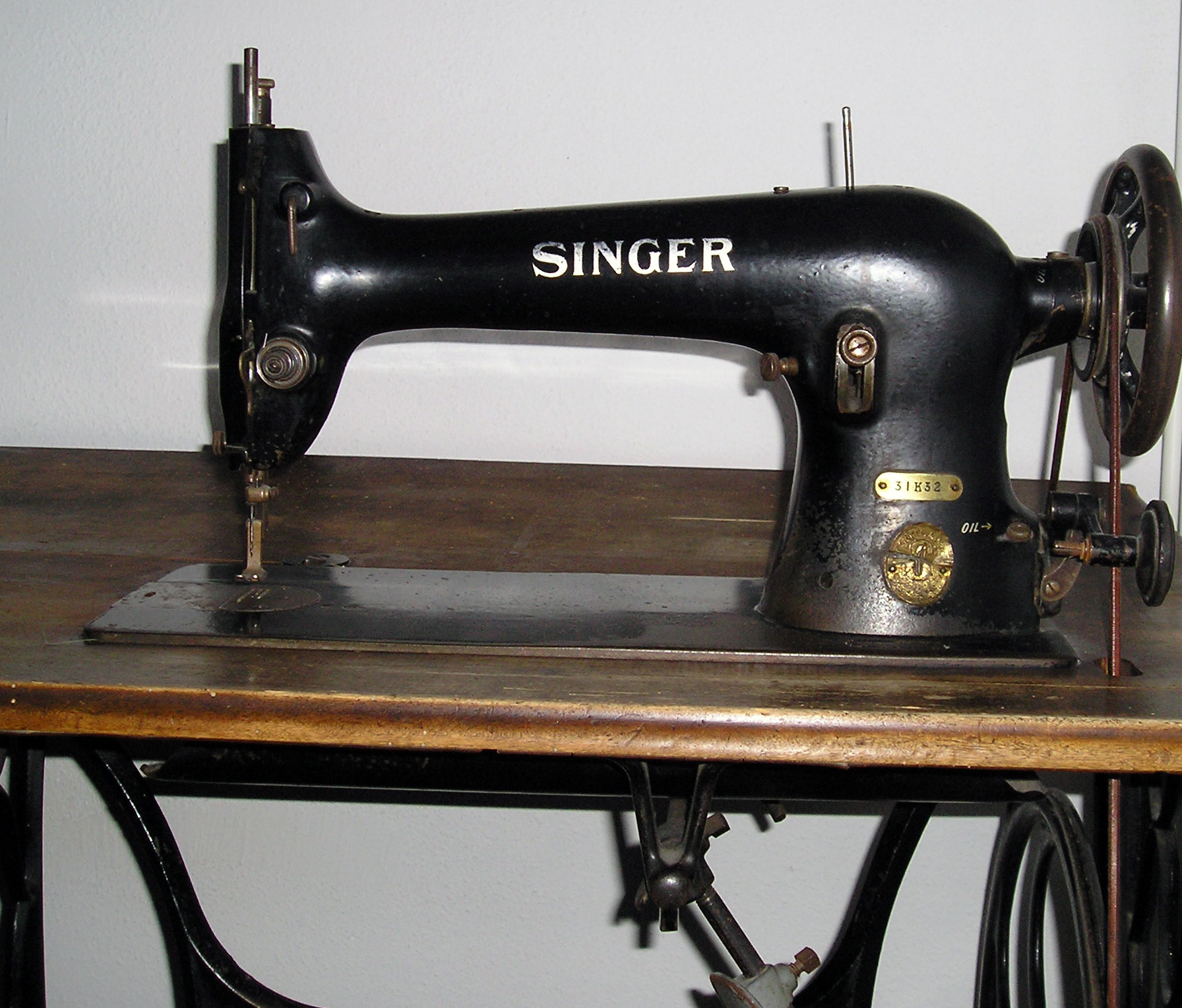
A specialized industrial machine stitched thick leather soles. It looked and sounded considerably different from a home sewing machine.
A specialized, heavy-duty sewing machine, built specifically to stitch through thick leather soles and welts, sat prominently in the shop, a genuinely industrial piece of equipment that looked and sounded considerably different from any household sewing machine. A sewing machine built specifically for heavy leather reflects the genuine technical demands of proper shoe repair, specialized equipment that made durable, long-lasting stitching possible on material far tougher than ordinary fabric.
4. Rows of Replacement Heels and Soles Sorted by Size
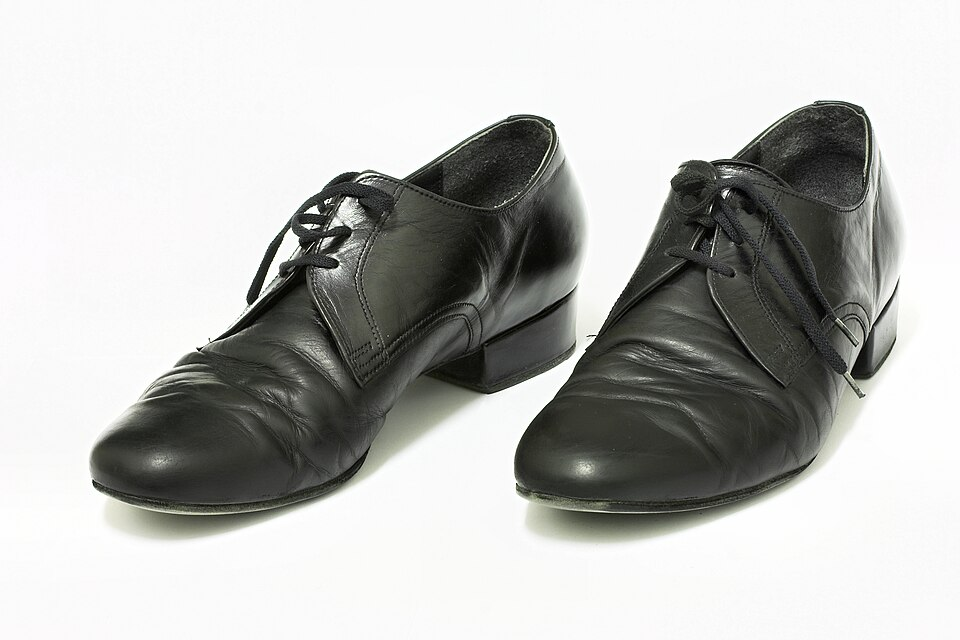
A wide selection of replacement parts lined the shop’s shelves. Matching the right size and style took real product knowledge.
Rows of replacement rubber and leather heels and soles, carefully sorted by size and style, lined the shop’s shelves, a substantial inventory that let the cobbler match a customer’s specific shoe with the correct replacement part on the spot. Rows of replacement heels and soles sorted by size reflect the genuine breadth of inventory this trade required, careful organization that made efficient, accurate repairs possible across an enormous range of shoe styles and sizes.
5. A Ticket System for Tracking Shoes Left for Repair
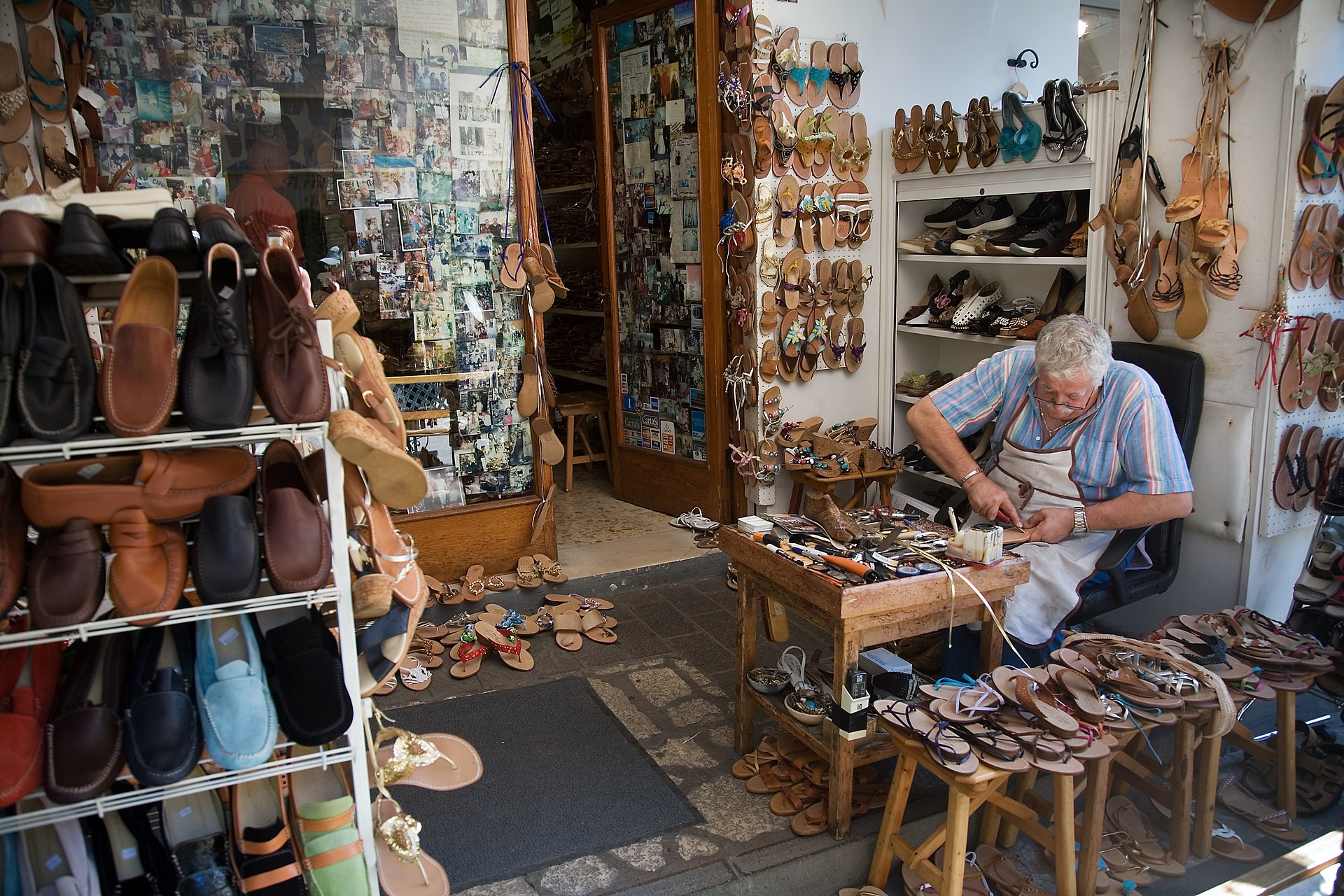
A numbered claim ticket matched customers to their shoes. It kept a busy shop’s inventory genuinely organized.
With multiple pairs of shoes in progress at once, the shop relied on a simple numbered ticket system, a claim check handed to the customer and matched to a tag attached to their shoes, ensuring nothing got mixed up before pickup. A ticket system for tracking shoes left for repair kept the shop’s daily workflow genuinely organized, a low-tech but entirely reliable solution to managing dozens of customers’ shoes simultaneously.
6. A Genuine Skill for Matching Original Stitching Patterns
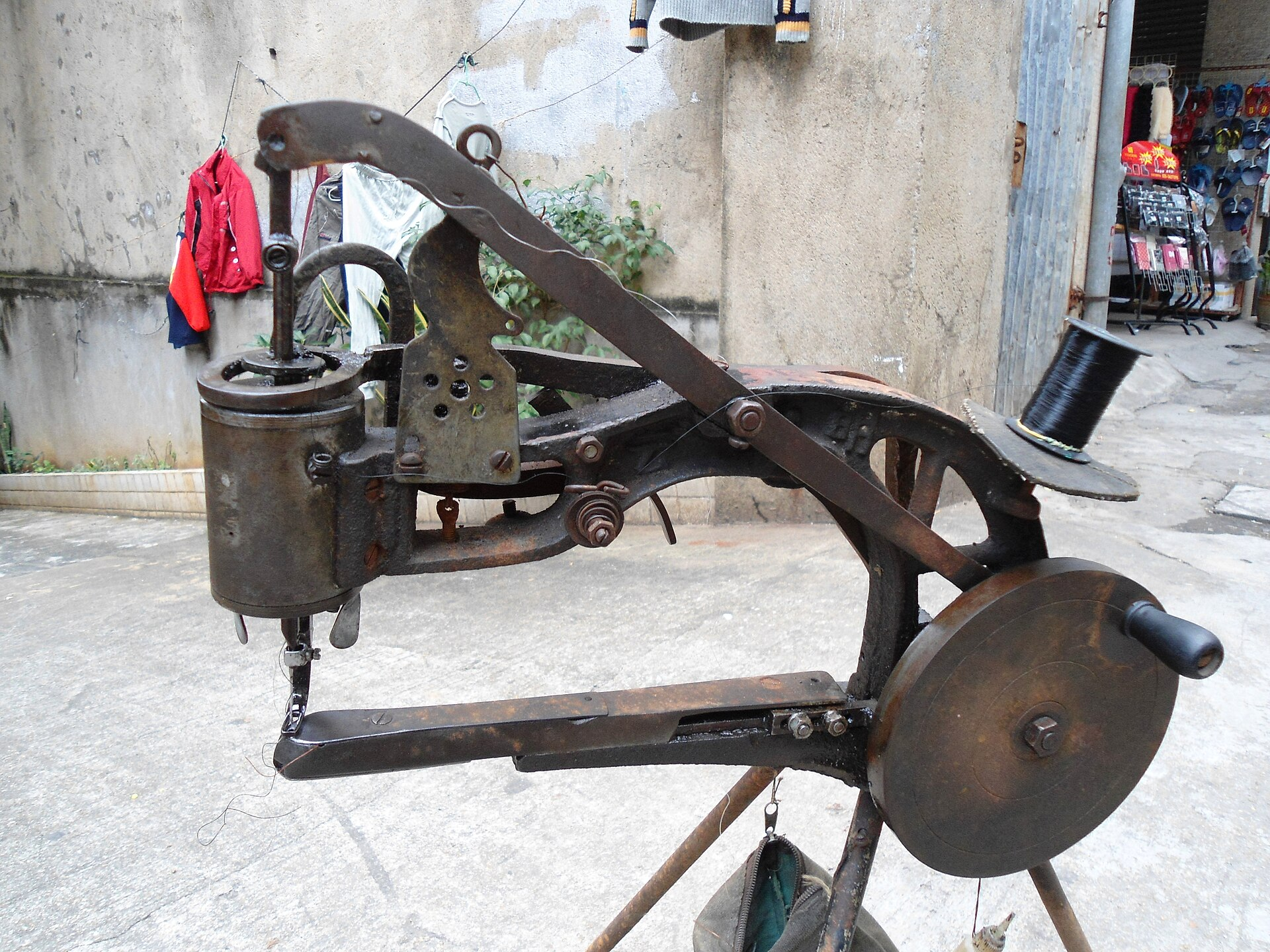
Repairs were meant to be invisible, not obvious. Skilled cobblers replicated a shoe’s original construction carefully.
A genuinely skilled cobbler took real care to match a shoe’s original stitching pattern and construction style, aiming for a repair that looked seamless rather than obviously patched, a level of craftsmanship that separated a truly talented shoe repairman from a merely adequate one. A genuine skill for matching original stitching patterns reflects the real artistry behind quality shoe repair, technical care that could extend a beloved pair of shoes’ life for years while leaving barely a visible trace of the work involved.
7. A Shoeshine Stand Operating Alongside Repairs
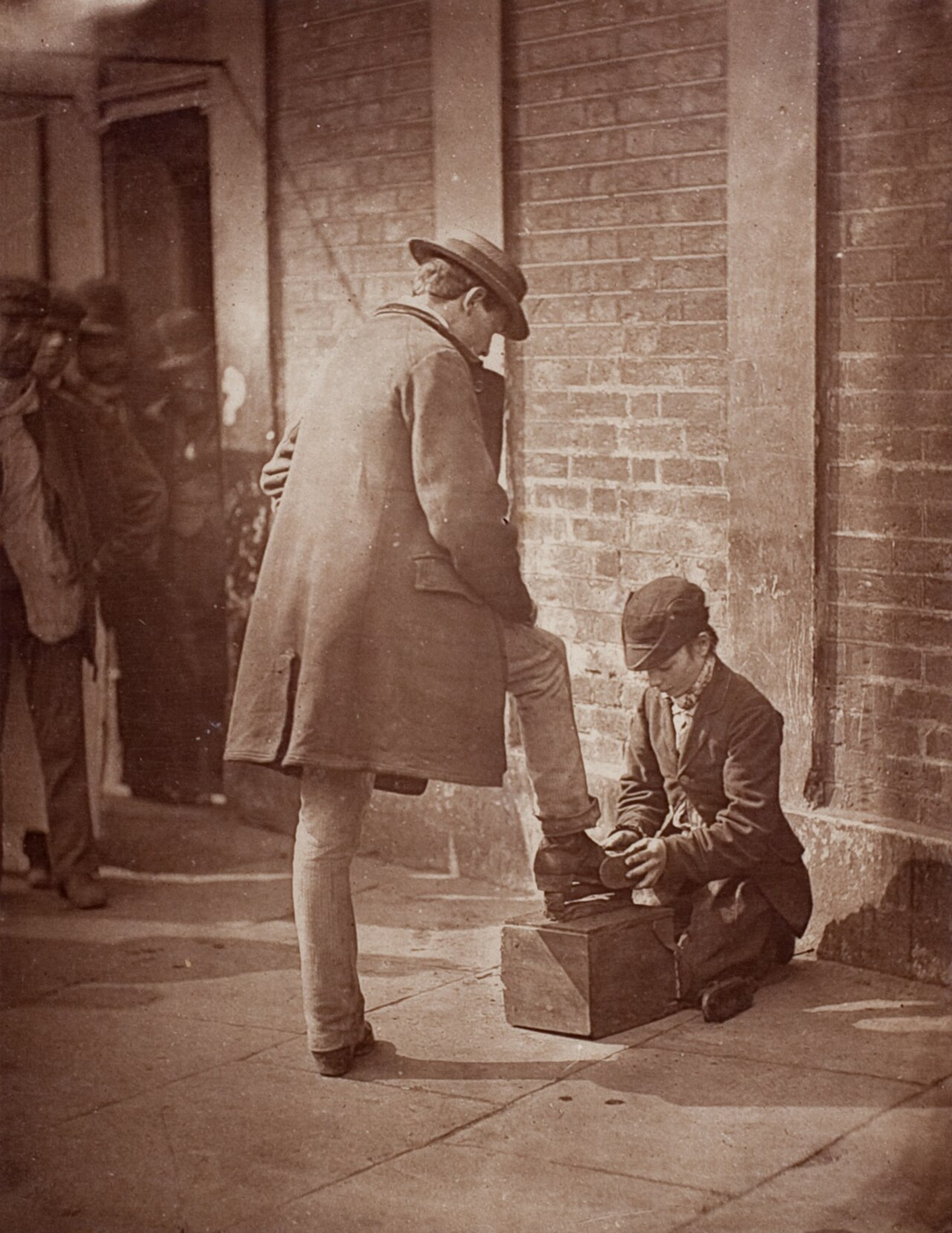
Many shops offered a quick shine while customers waited. It was a small additional service that rounded out the business.
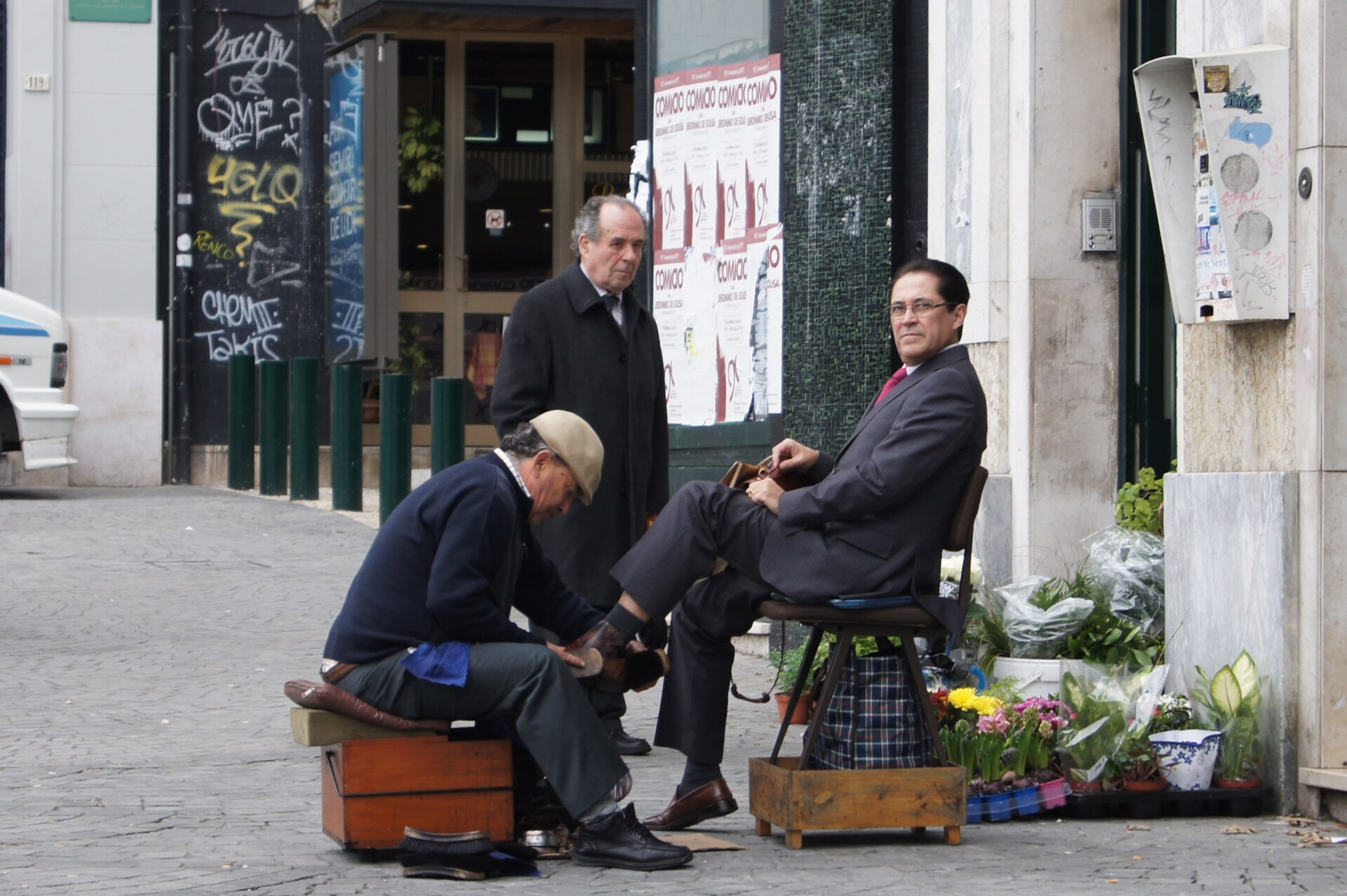
Many shoe repair shops also operated a small shoeshine stand, offering customers a quick polish while they waited for a repair or simply stopped in for a routine shine on their way to work. A shoeshine stand operating alongside repairs reflects the shop’s broader role in maintaining a community’s footwear, a complementary service that gave the business a steady stream of quick, additional daily customers beyond just repairs.
8. A Cobbler Who Genuinely Knew Regular Customers’ Shoe Sizes
Repeat business built real familiarity over time. The shop owner often remembered details without needing to ask.
A cobbler serving the same neighborhood for years often came to know regular customers’ shoe sizes, preferred styles, and typical wear patterns without needing to ask, a genuine familiarity built through repeated visits over months and years. A cobbler who genuinely knew regular customers’ shoe sizes reflects the deeply personal relationship many neighborhood shops cultivated, a level of individual attention that made the shop feel like a trusted, familiar resource rather than an anonymous transaction.
9. A Genuine Sense That Repair Was the Default, Not Replacement
Fixing worn shoes was the expected first option. Buying a new pair only came after repair was no longer possible.
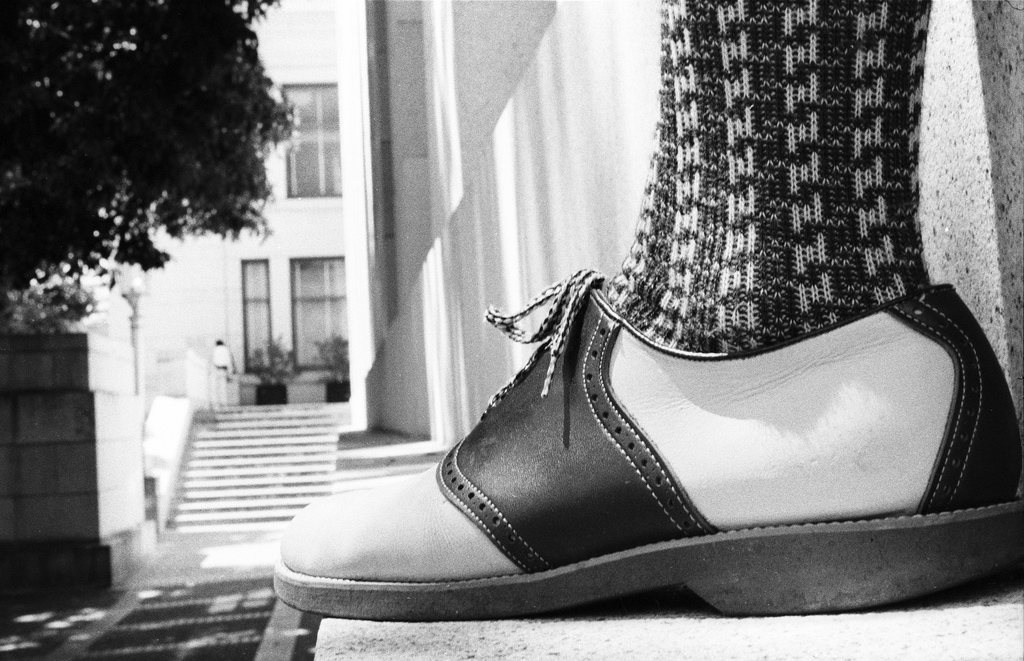
Given the genuine cost of quality footwear, most families treated shoe repair as the automatic first option when shoes showed wear, reserving a new purchase only for when a pair was truly beyond saving. A genuine sense that repair was the default, not replacement, reflects a fundamentally different relationship with consumer goods during this era, a mindset that valued extending an item’s useful life over simply buying something new at the first sign of trouble.
10. A Small Workshop Visible From the Front Counter
Customers could watch the cobbler working through an open doorway. This transparency built genuine trust in the craftsmanship.
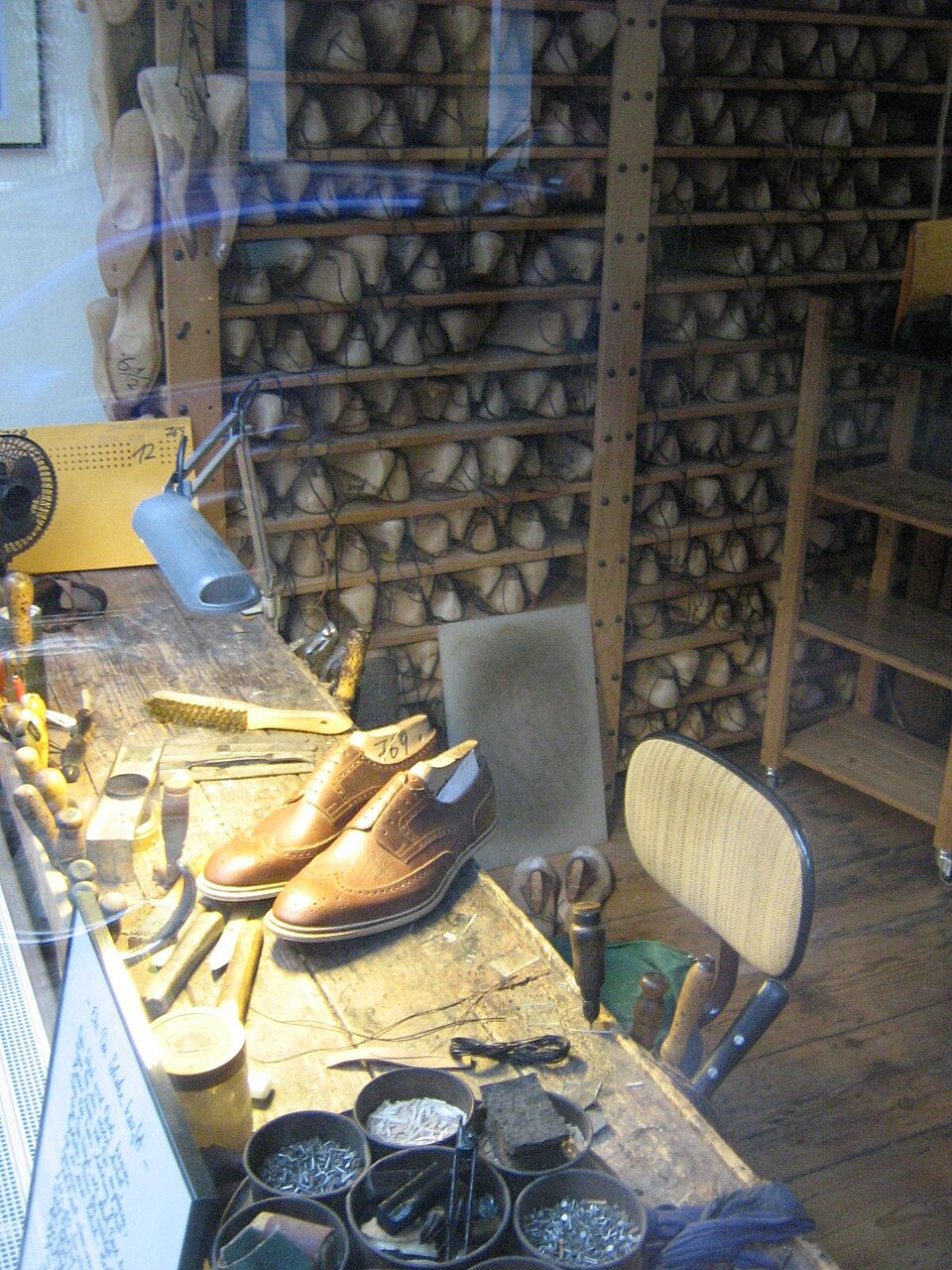
Many shoe repair shops kept the actual workshop area visible from the front counter, letting customers watch the cobbler at work on other repairs while they waited, a transparency that built genuine trust in the skill and care going into every job. A small workshop visible from the front counter reflects the shop’s openness about its own craftsmanship, a simple layout choice that let customers see firsthand the real expertise behind the service they were paying for.
11. A Genuine Reputation Built Purely on Word of Mouth
Quality work spread through community recommendation. Reputation mattered enormously in a trade built on trust.
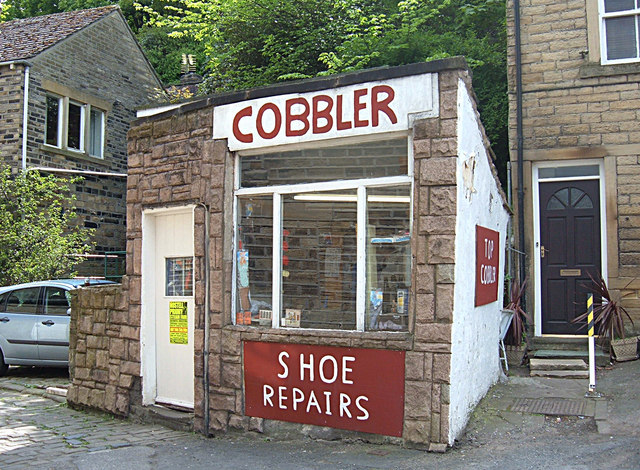
A shoe repair shop’s business depended almost entirely on genuine word-of-mouth reputation, satisfied customers recommending a skilled, trustworthy cobbler to friends and neighbors, since quality of craftsmanship was difficult to judge from the outside without trying the service yourself. A genuine reputation built purely on word of mouth reflects how deeply trust mattered in this trade, a reputation economy that rewarded consistent, high-quality work with a steady, loyal customer base built entirely through community recommendation.
A Trade Built on Genuine Craftsmanship
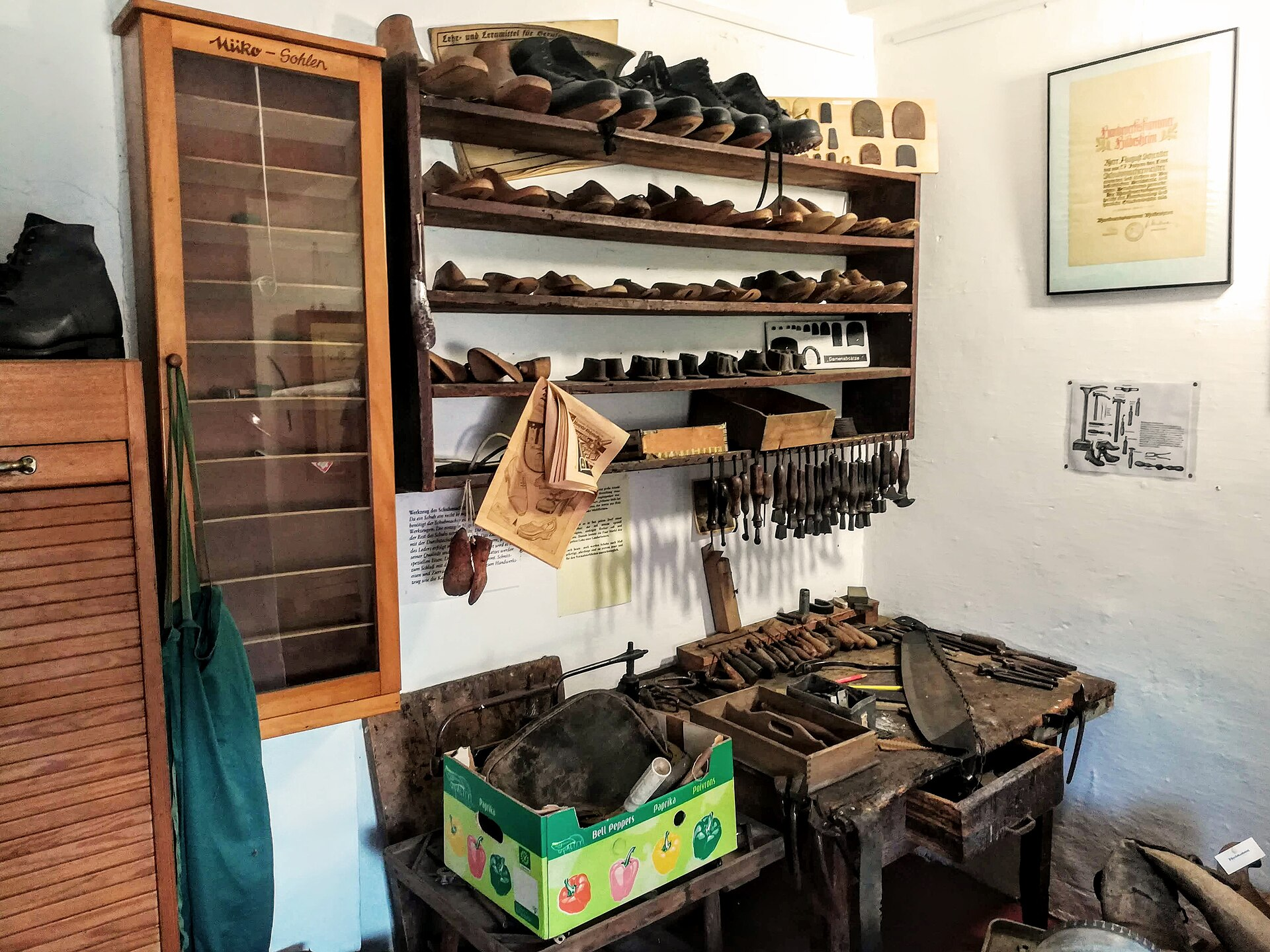
Taken together, these eleven things capture the world of the American shoe repair shop in 1965, from the cast-iron last and the industrial sewing machine to the shoeshine stand and the deeply trusted reputation built through years of quality work. It was a genuinely skilled trade, valued during an era when repairing well-made goods was simply the expected, sensible thing to do.
The rise of cheaper, mass-produced footwear and a broader cultural shift toward replacing rather than repairing consumer goods has made the traditional neighborhood shoe repair shop considerably less common than it once was, though dedicated cobblers still serve customers who value quality footwear built to last. The change reflects broader shifts in American consumer culture. Yet for those who remember dropping off a favorite pair of shoes for repair, these details bring it all back: the smell of leather and polish, the numbered claim ticket, the genuine craftsmanship visible through the workshop doorway. Looking back at the shoe repair shop of 1965 is a warm tribute to a genuinely skilled, trusted neighborhood trade.
Like our content? Follow us for more.