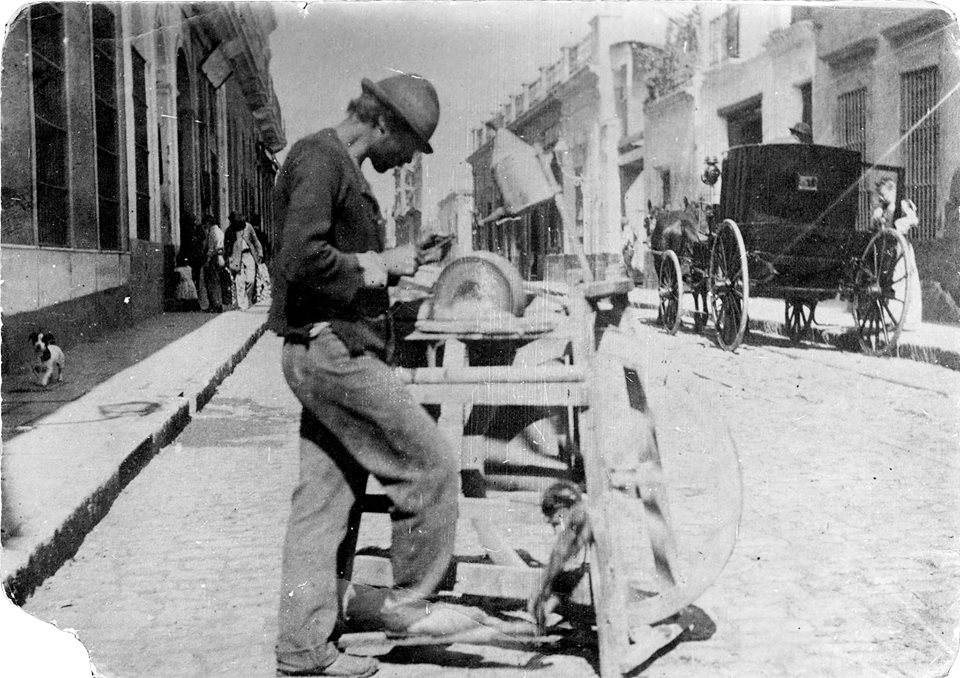
Before every household owned an electric knife sharpener, a traveling tradesman made regular rounds through American neighborhoods, offering to sharpen kitchen knives, scissors, and garden tools right on the spot using a foot-powered or truck-mounted grinding wheel. Here are eleven things every American traveling knife sharpener did door to door in 1960, counted down one by one.
1. Announced Their Arrival With a Distinctive Bell or Call
A recognizable sound alerted the whole street at once. Neighbors knew exactly what it meant the moment they heard it.
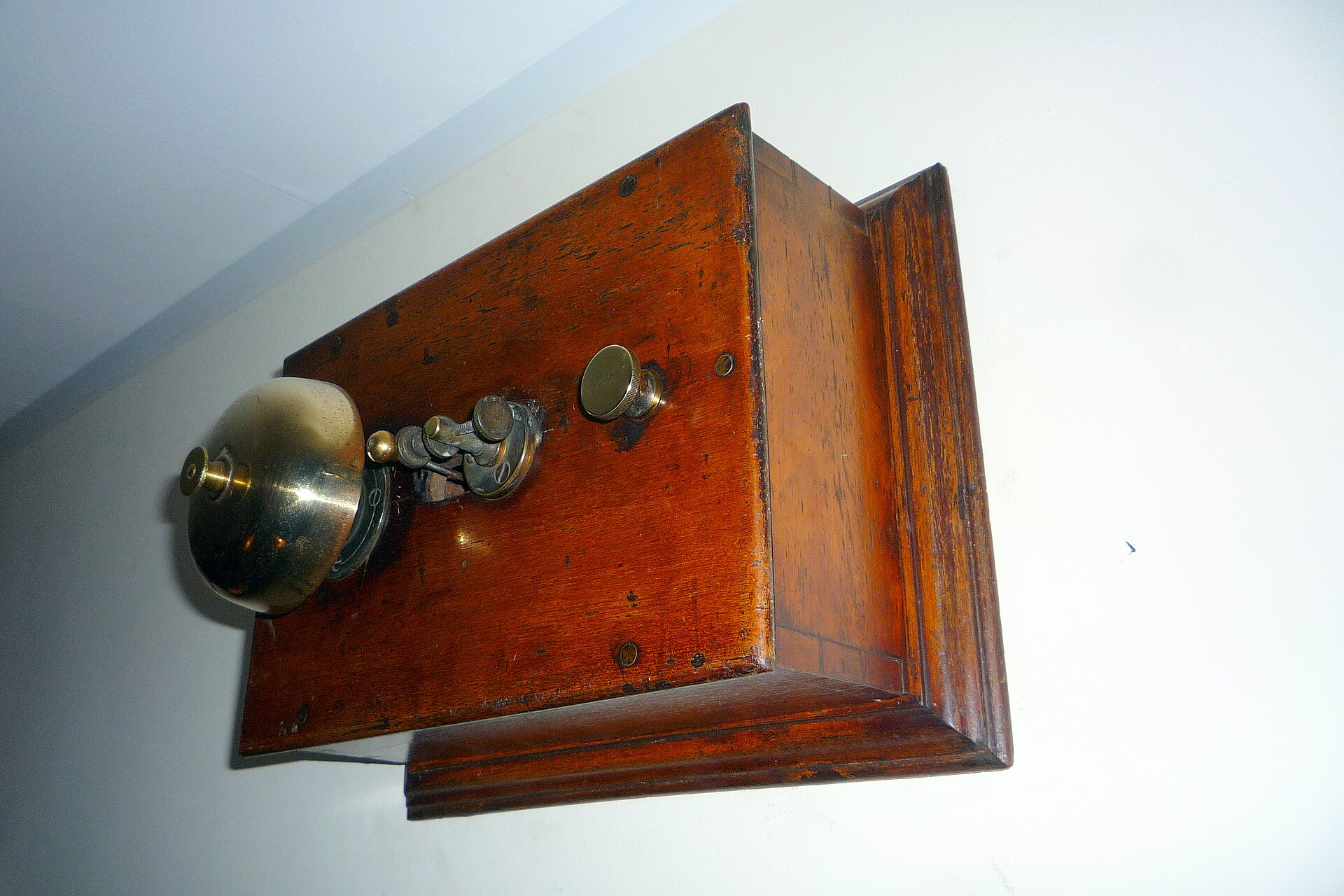
A traveling knife sharpener typically announced his arrival with a distinctive bell, a specific call, or sometimes a small chime mounted on his cart or truck, a recognizable sound that alerted an entire street at once that the sharpener had arrived. Announcing their arrival with a distinctive bell or call is the defining sensory memory of the trade, an auditory signal that turned a simple service visit into a genuine neighborhood event everyone recognized instantly.
Like our content? Follow us for more.
2. Set Up a Foot-Pedaled Grinding Wheel on the Spot
A portable grinding stone was powered entirely by leg strength. Setting it up took only a few practiced minutes.
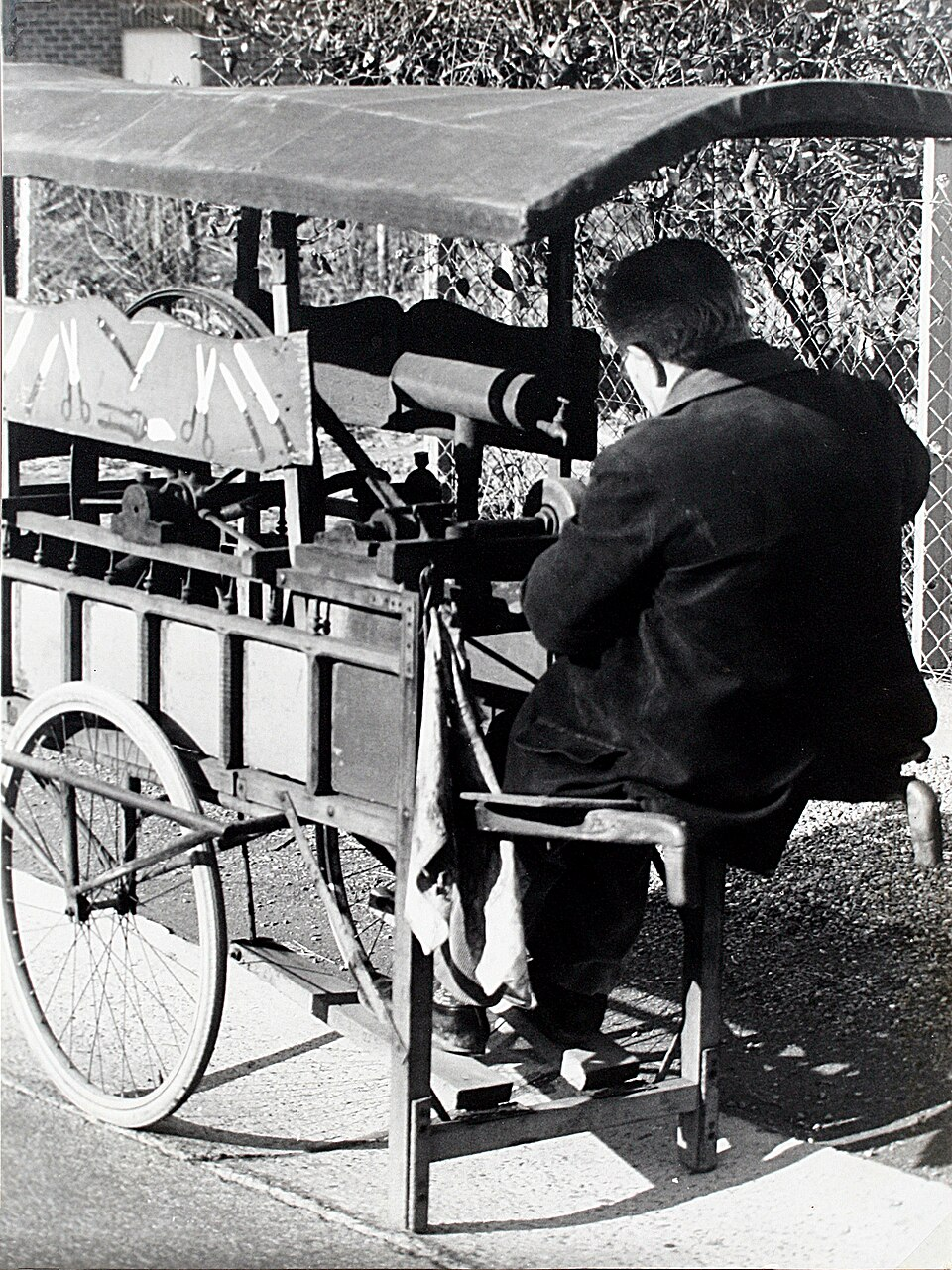
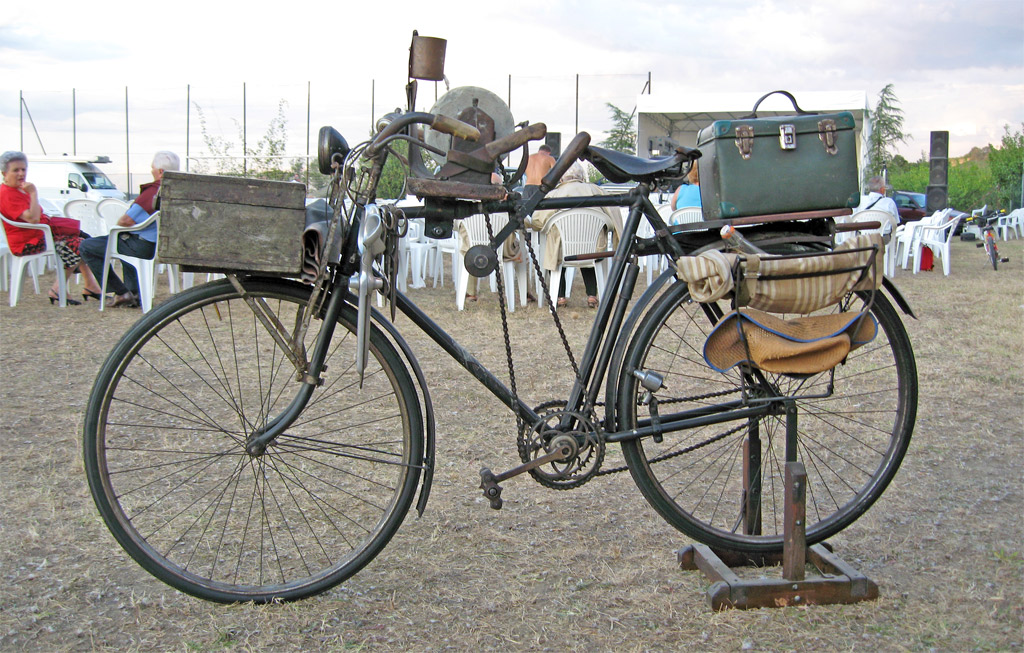
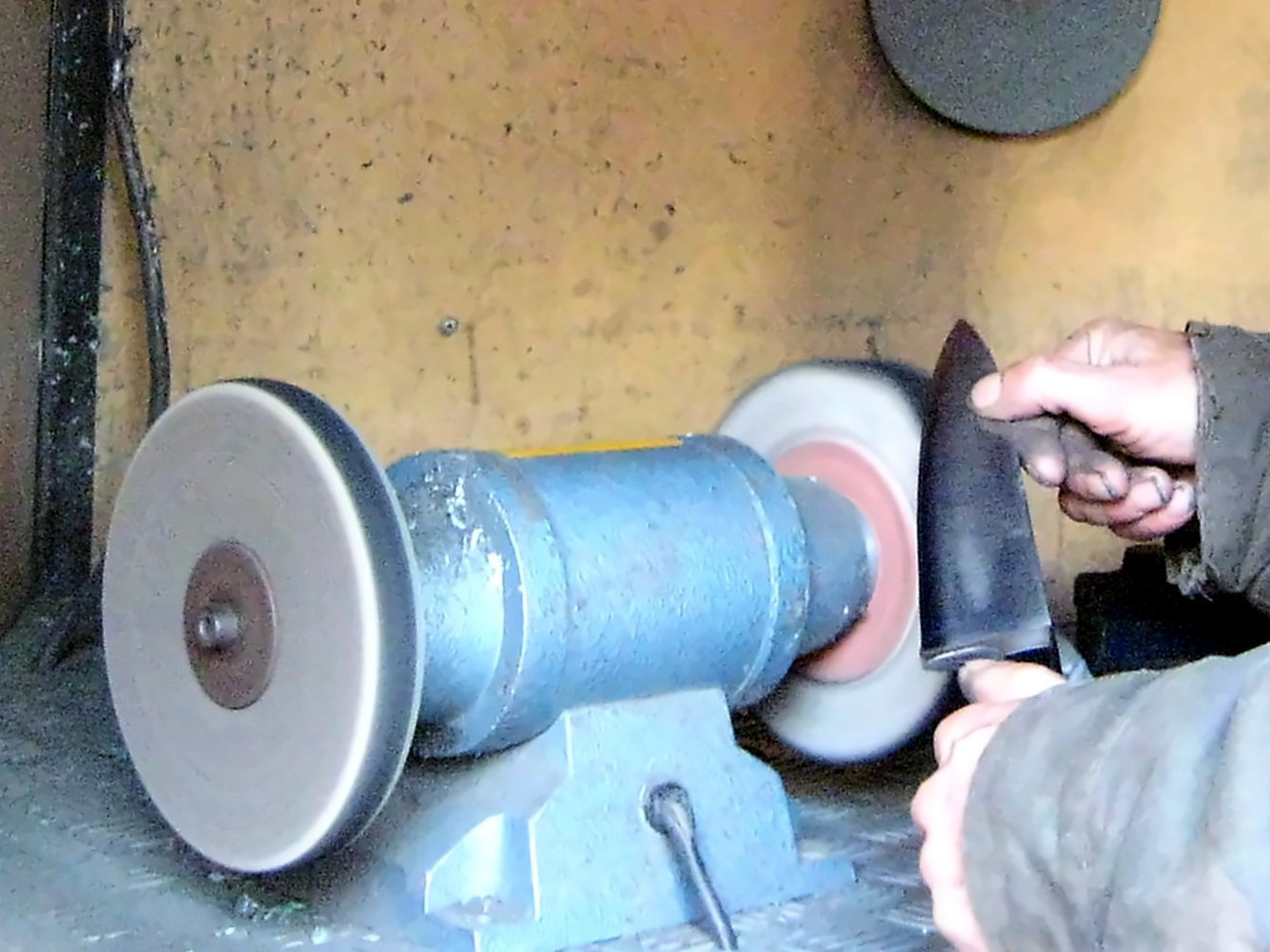
The sharpener’s essential equipment was a foot-pedaled grinding wheel, powered entirely by the rhythmic pumping of his own leg rather than any motor, a portable setup he could establish on a customer’s porch or driveway within just a few practiced minutes. Setting up a foot-pedaled grinding wheel on the spot reflects the genuinely self-sufficient nature of the trade, equipment that required no electricity and could travel anywhere the sharpener’s route took him.
3. Produced a Genuine Shower of Sparks While Working
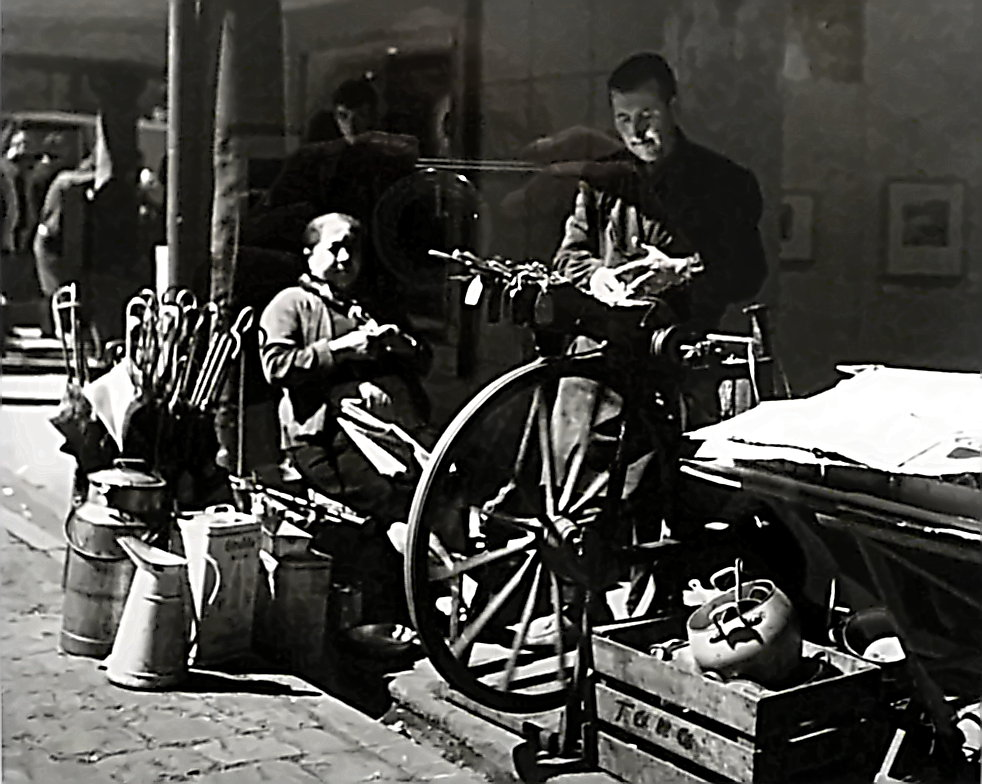
Metal against the spinning stone created a visible spray of sparks. Neighborhood kids often gathered just to watch.
As the blade pressed against the spinning grinding stone, a genuine shower of bright sparks flew outward, a small but genuinely engaging spectacle that often drew neighborhood kids over just to watch the process unfold. Producing a genuine shower of sparks while working made the sharpener’s visit a small piece of impromptu entertainment, a visually striking part of an otherwise routine household errand that many former kids still remember vividly.
4. Sharpened Kitchen Knives Brought Out in a Bundled Cloth
Housewives gathered dull blades ahead of time. A cloth bundle made carrying and sorting them easy.
Homemakers typically gathered up the household’s dull kitchen knives in advance, wrapping them in a cloth bundle to carry out to the sharpener safely and keep them sorted while waiting their turn at the grinding wheel. Sharpening kitchen knives brought out in a bundled cloth reflects the practical household preparation this visit required, a small bit of advance planning that made the whole transaction efficient for both the sharpener and his waiting customers.
5. Tested Every Blade’s Edge Before Handing It Back
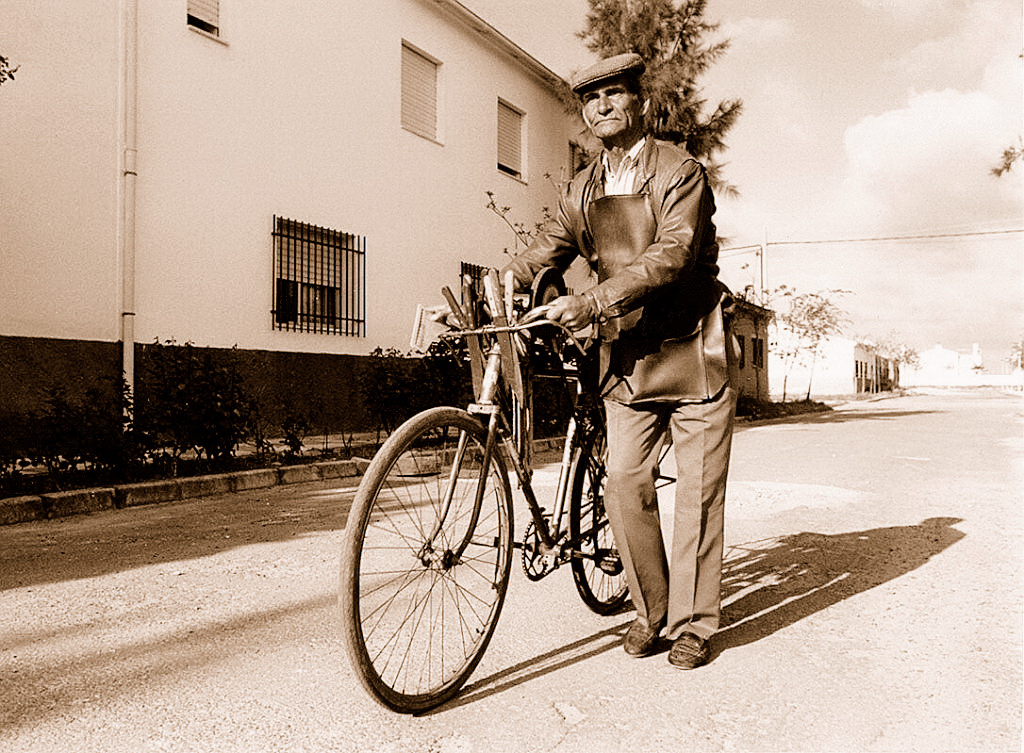
A quick, careful test confirmed the sharpening had worked. This final check was a genuine mark of professional pride.
Before returning a freshly sharpened knife or pair of scissors, the sharpener typically tested the edge carefully, often running a thumb lightly along the blade or making a quick test cut, a final quality check that reflected genuine professional pride in the work. Testing every blade’s edge before handing it back ensured customers received a tool that was actually, verifiably sharp, a small but meaningful guarantee that built real trust in the sharpener’s skill.
6. Sharpened Garden Tools and Scissors Alongside Knives
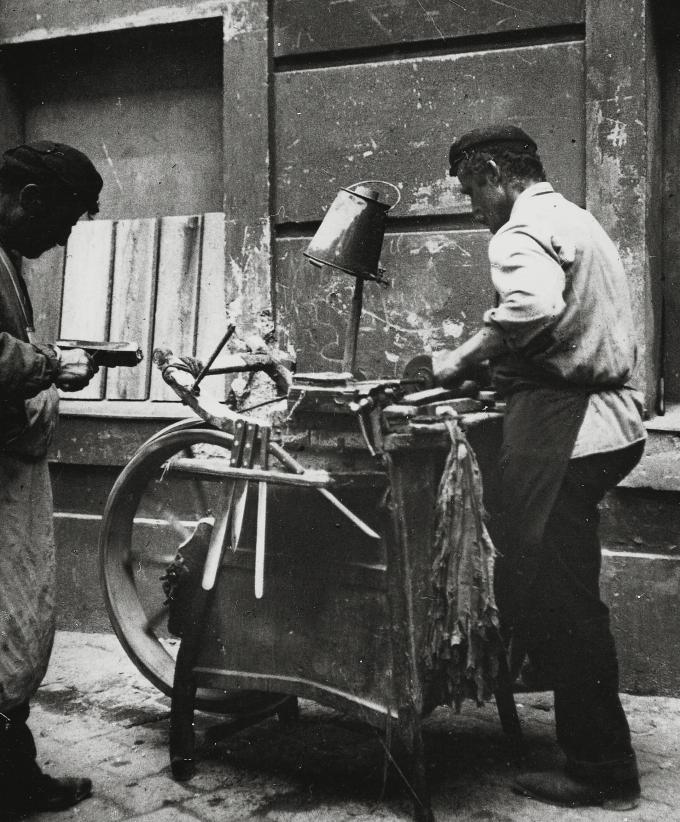
The service extended beyond just kitchen knives. Shears, hand pruners, and scissors all received the same careful attention.
Beyond kitchen knives, the sharpener’s services extended to garden shears, hand pruners, and household scissors, tools that dulled with regular use and benefited just as much from a skilled edge restoration. Sharpening garden tools and scissors alongside knives reflects the genuinely broad, practical value of the service, a single visit that addressed multiple household needs rather than just one narrow category of tool.
7. Charged a Modest Fee Based on the Number of Items
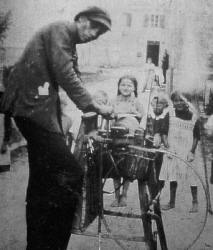
Payment was typically small and calculated per blade. It remained an affordable, worthwhile household expense.
The sharpener typically charged a modest fee calculated per item, a genuinely affordable cost that made the service an easy, worthwhile household expense compared to the trouble of sharpening blades yourself or eventually replacing them outright. Charging a modest fee based on the number of items reflects the practical, accessible nature of the trade, pricing that made professional sharpening a routine convenience rather than a rare luxury.
8. Followed a Consistent Route Through the Same Neighborhoods
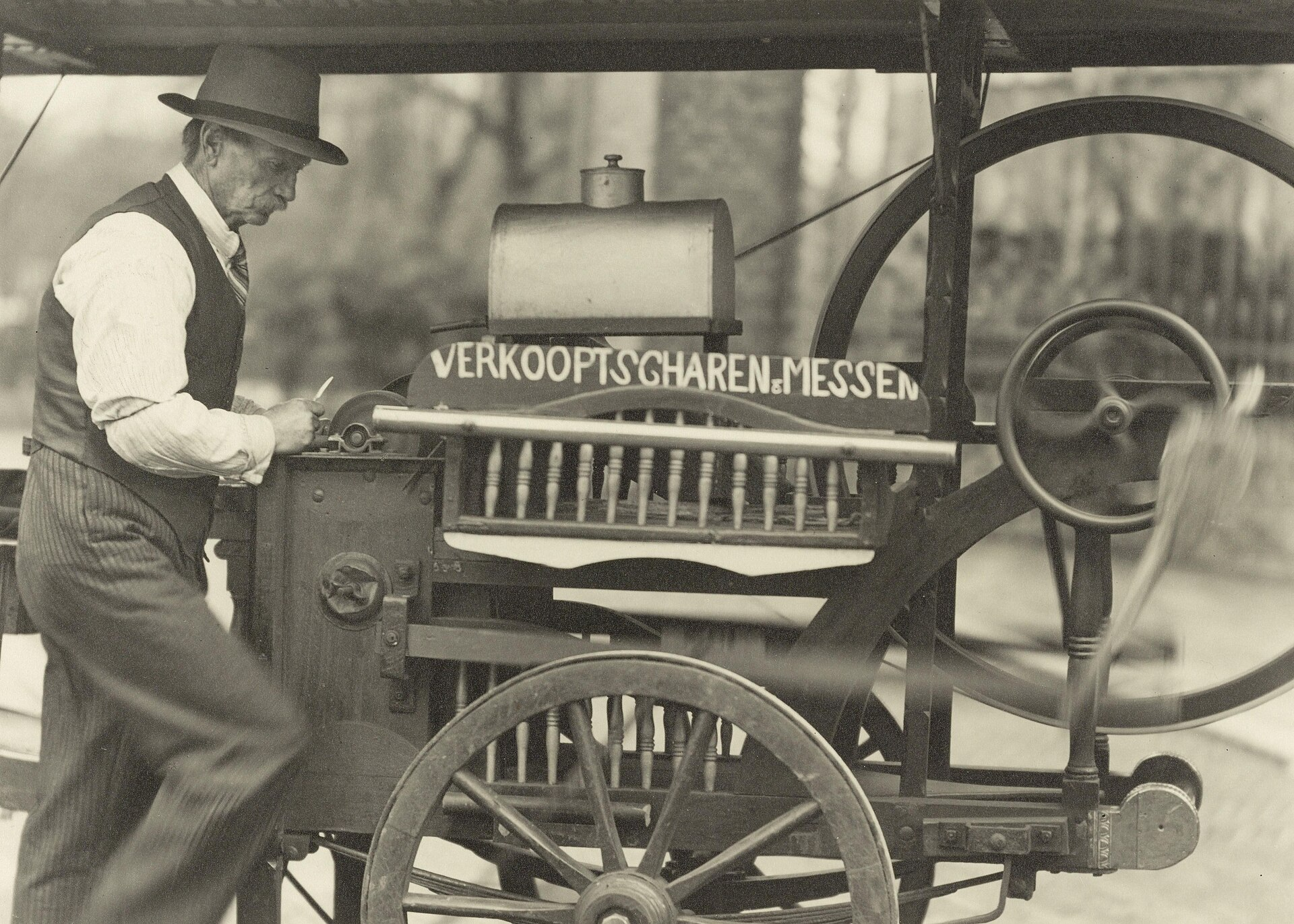
Regular rounds built genuine familiarity with customers. Households knew roughly when to expect the next visit.
The sharpener typically followed a consistent, repeated route through the same set of neighborhoods, returning every few weeks or months, a predictable rhythm that let households roughly anticipate when the next visit might come. Following a consistent route through the same neighborhoods built genuine familiarity between the sharpener and his regular customers, a recurring relationship that turned an occasional errand into an ongoing, recognized part of the community’s routine.
9. Chatted Briefly With Customers While Working
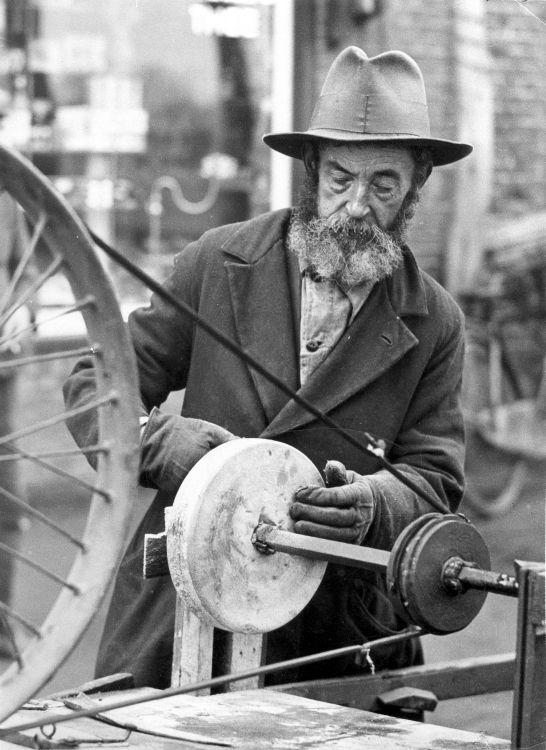
The sharpening process offered natural time for conversation. Genuine rapport built up over repeated visits.
While the grinding wheel worked, the sharpener often chatted briefly with waiting customers, exchanging a bit of neighborhood news or simple pleasantries, genuine rapport that built naturally over the several minutes each item took to sharpen properly. Chatting briefly with customers while working reflects the personal, community-connected nature of the trade, small conversations that turned a simple service call into a welcome, familiar social interaction.
10. Carried a Modest Toolkit Beyond Just the Grinding Wheel
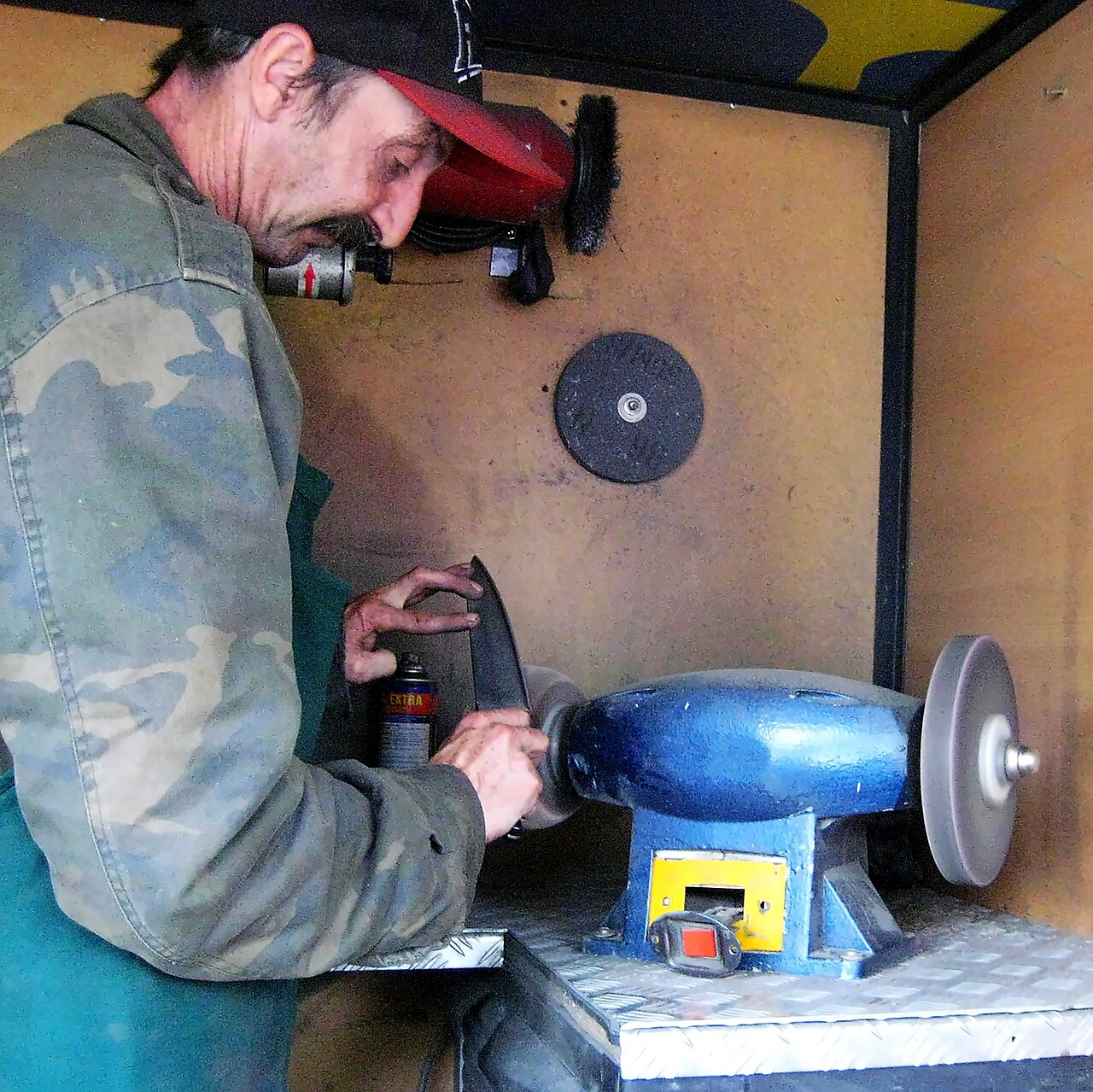
Additional tools handled specialty sharpening needs. A well-prepared sharpener could address a range of blade types.
Beyond the primary grinding wheel, a well-equipped sharpener carried a modest toolkit of additional stones, files, and specialty tools to handle unusually shaped blades or particularly stubborn edges that the main wheel alone couldn’t properly address. Carrying a modest toolkit beyond just the grinding wheel reflects the genuine range of skill the trade demanded, additional equipment that let a sharpener confidently handle whatever specific tools a household brought out to him.
11. Watched the Trade Fade as Home Sharpeners Became Common
Affordable electric and manual sharpeners eventually reached most kitchens. The traveling trade slowly became unnecessary.
As affordable electric and simple manual sharpening tools became standard kitchen equipment in most American households over the following decades, the need for a traveling professional sharpener gradually declined, and the trade slowly faded from most neighborhoods. Watching the trade fade as home sharpeners became common is the bittersweet final chapter of this once-familiar occupation, a genuinely useful service that household convenience technology has since made largely unnecessary.
A Genuinely Useful Neighborhood Visitor
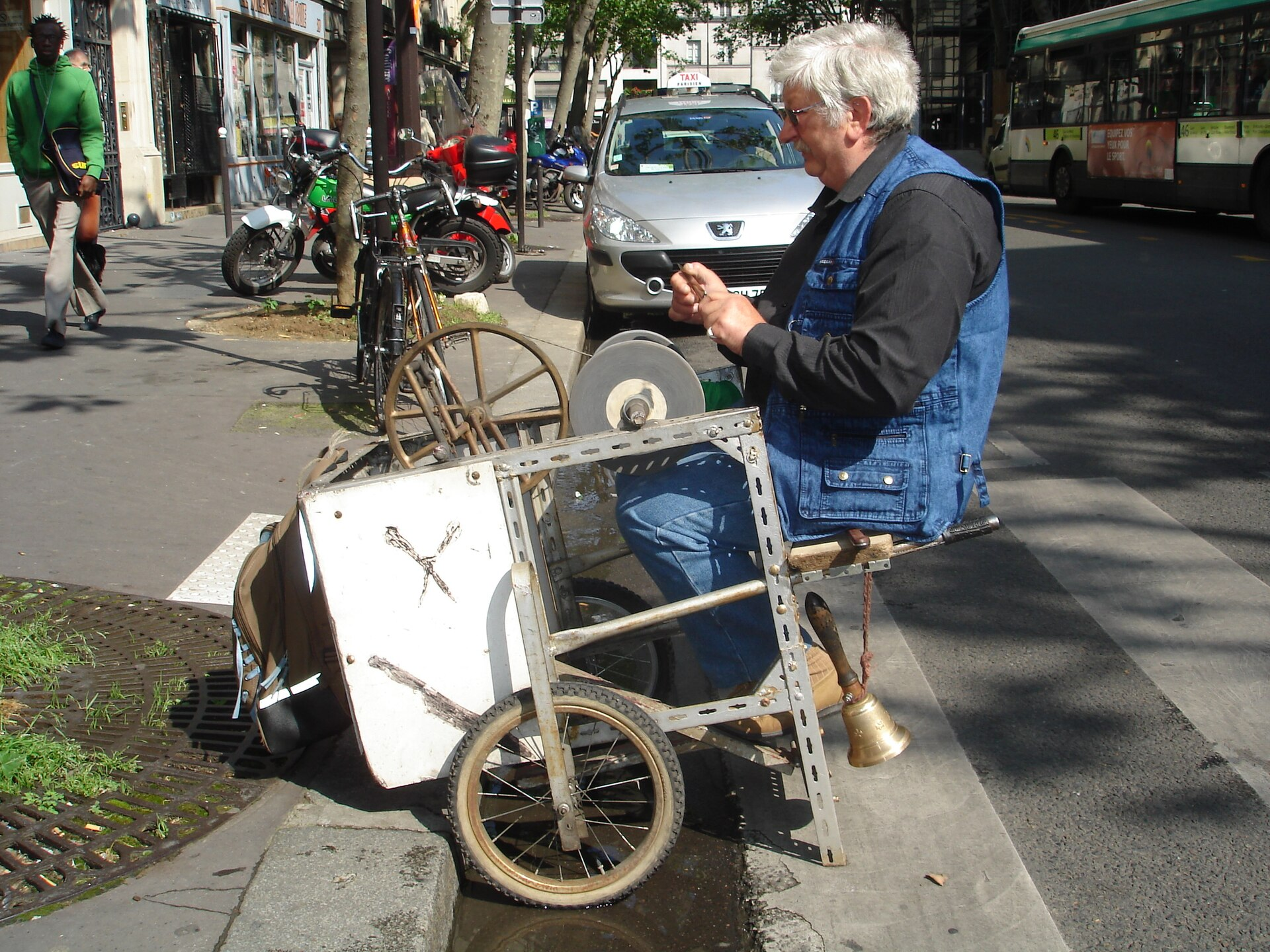
Taken together, these eleven things capture the world of the traveling knife sharpener, from the distinctive bell and the shower of sparks to the modest fee and the genuine familiarity built through regular neighborhood rounds. It was a practical, welcomed trade that solved a genuine household need directly at the customer’s own front door.
Affordable home sharpening tools and, eventually, disposable and replaceable blade technology gradually eliminated the need for this traveling trade, a service that once required real specialized skill and regular household maintenance. The change reflects genuine convenience gains for most households. Yet for those who remember hearing that distinctive bell down the street, these details bring it all back: the shower of sparks, the foot-pedaled wheel, the small bundle of knives carried out to be sharpened. Looking back at the traveling knife sharpener is a nostalgic tribute to a genuinely useful, now largely vanished neighborhood trade.
Like our content? Follow us for more.