The neighborhood locksmith shop of the 1970s occupied a genuinely unique position in the community, a small business built on mechanical precision and, just as importantly, deep personal trust, since the trade quite literally involved holding the keys to people’s homes, cars, and businesses. Here are eleven things every American neighborhood locksmith shop had in the 1970s, counted down one by one.
1. A Wall of Blank Keys Hung by Shape and Size
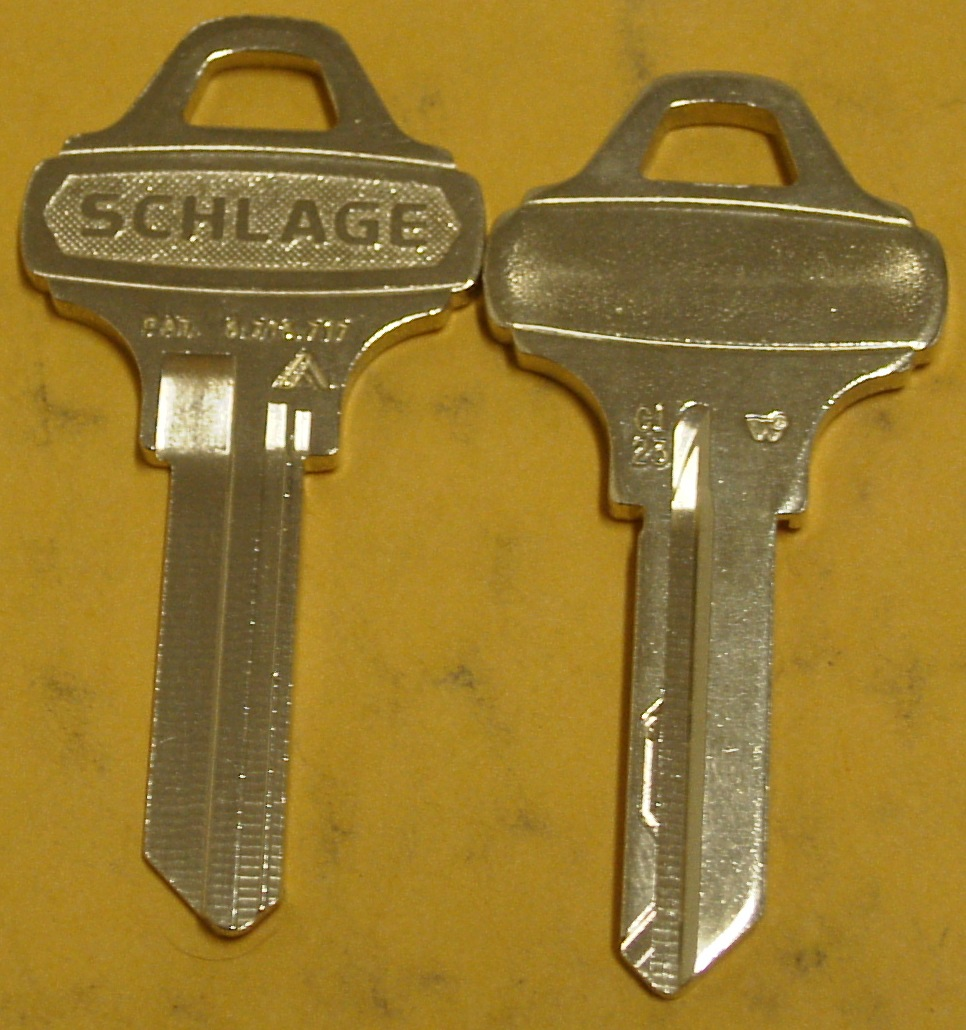
Hundreds of uncut key blanks lined the shop’s walls. Organizing them clearly was essential to efficient service.
A wall of hundreds of uncut key blanks, carefully organized by shape, size, and manufacturer, gave the locksmith immediate access to the correct starting point for cutting a customer’s specific key. A wall of blank keys hung by shape and size is the defining visual image of the locksmith shop, an extensive, carefully organized inventory that made accurate key duplication possible for an enormous range of locks and vehicles.
Like our content? Follow us for more.
2. A Manual Key-Cutting Machine Operated by Hand
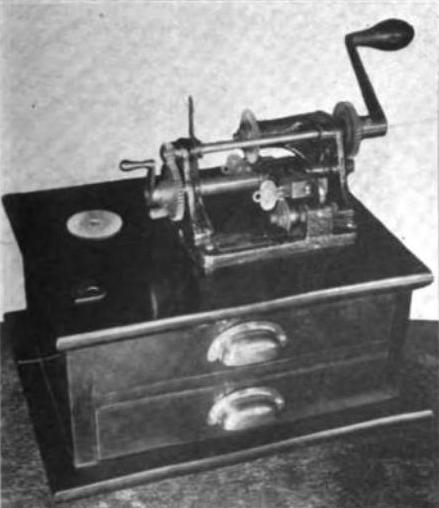
A mechanical duplicating machine traced an original key’s pattern. It required real skill and a steady hand to operate correctly.
The shop’s key-cutting machine operated mechanically, tracing the pattern of an original key with a guide while a cutting wheel duplicated those exact grooves onto a blank, a process requiring real steadiness and precision from the locksmith’s own hand. A manual key-cutting machine operated by hand reflects the genuinely hands-on craftsmanship behind the trade, mechanical equipment that demanded real skill rather than simply pressing a button on an automated system.
3. A Genuine Apprenticeship Passed Down Through Real Mentorship
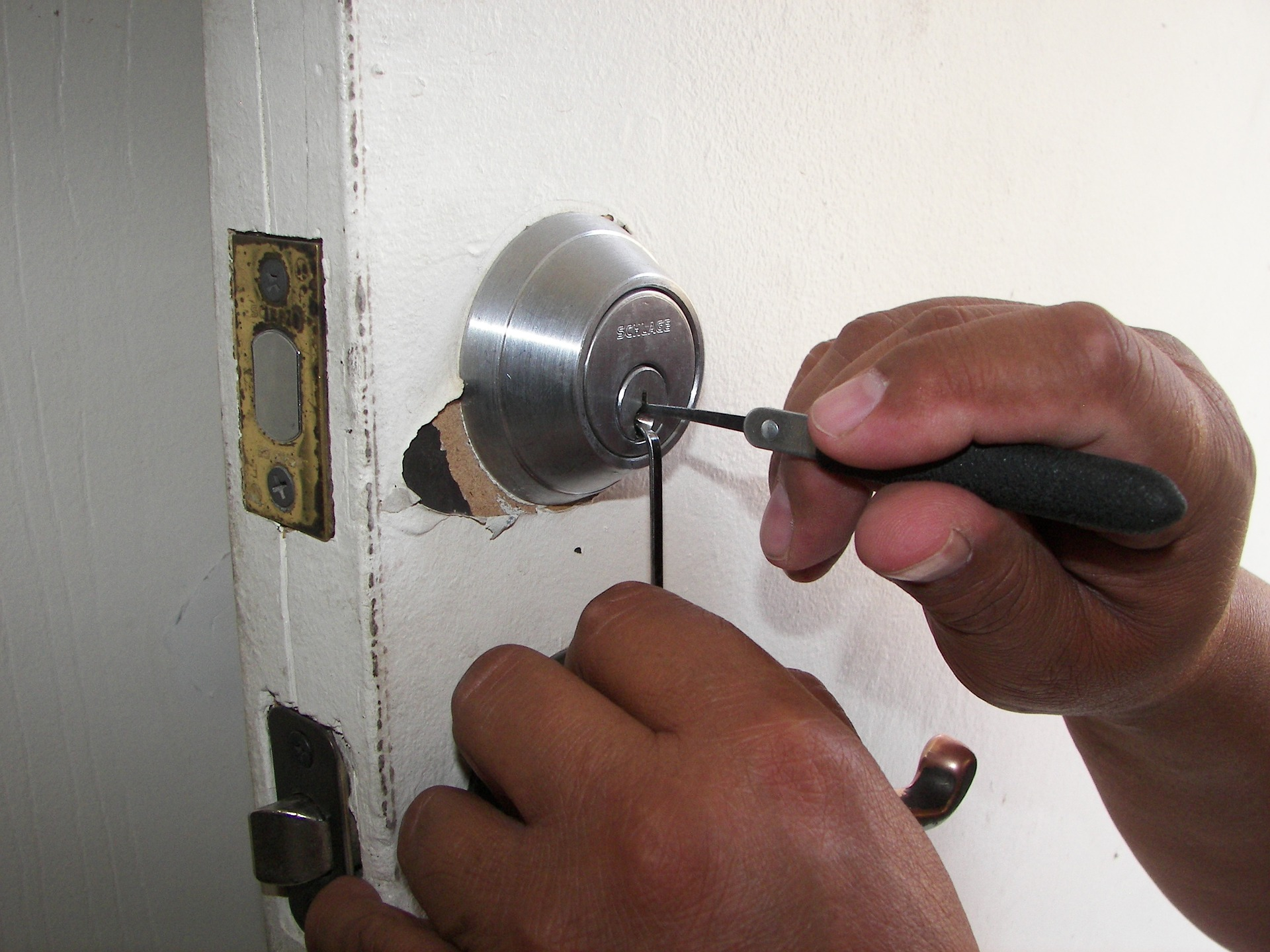
Learning the trade required years of hands-on training. Master locksmiths taught apprentices directly, one skill at a time.
Becoming a skilled locksmith required years of genuine hands-on apprenticeship under an experienced master, learning to pick locks, repair mechanisms, and fit new hardware through direct mentorship rather than a quick certification course. A genuine apprenticeship passed down through real mentorship reflects the real depth of skill this trade demanded, knowledge transferred person to person that gave the profession genuine technical legitimacy within the community.
4. A Small Safe or Vault on Display in the Shop Window
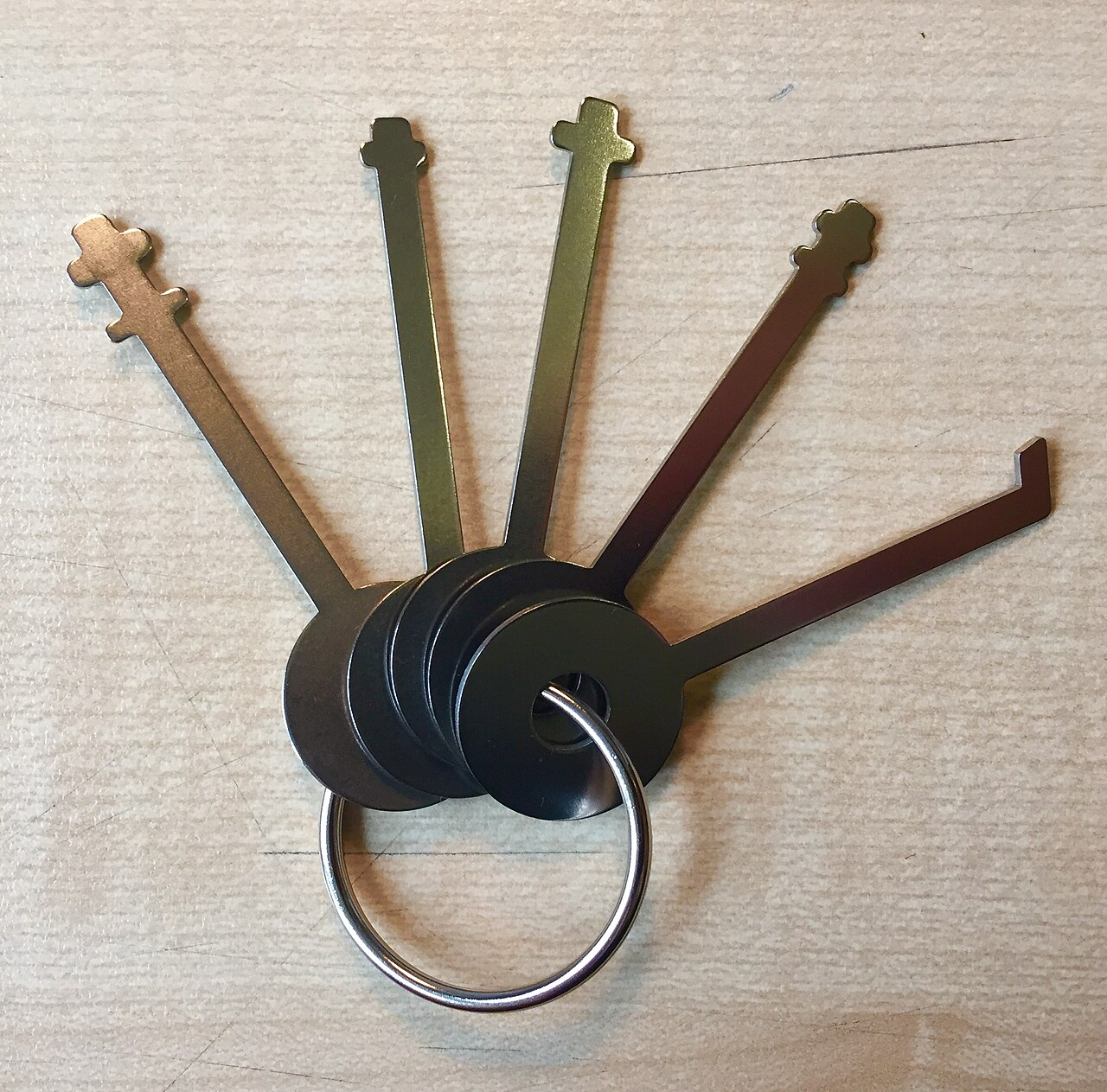
A working safe demonstrated the locksmith’s broader expertise. It served as both advertisement and genuine skill showcase.
Many locksmith shops displayed a genuine working safe or small vault prominently in the front window, a visual demonstration of the shop’s broader expertise beyond simple key cutting and a subtle advertisement for safe installation and combination services. A small safe or vault on display in the shop window reflects the trade’s genuinely wide-ranging capabilities, a showcase piece that signaled real mechanical expertise to anyone passing by on the street.
5. A Genuine Sense of Trust Given to the Person Holding the Keys
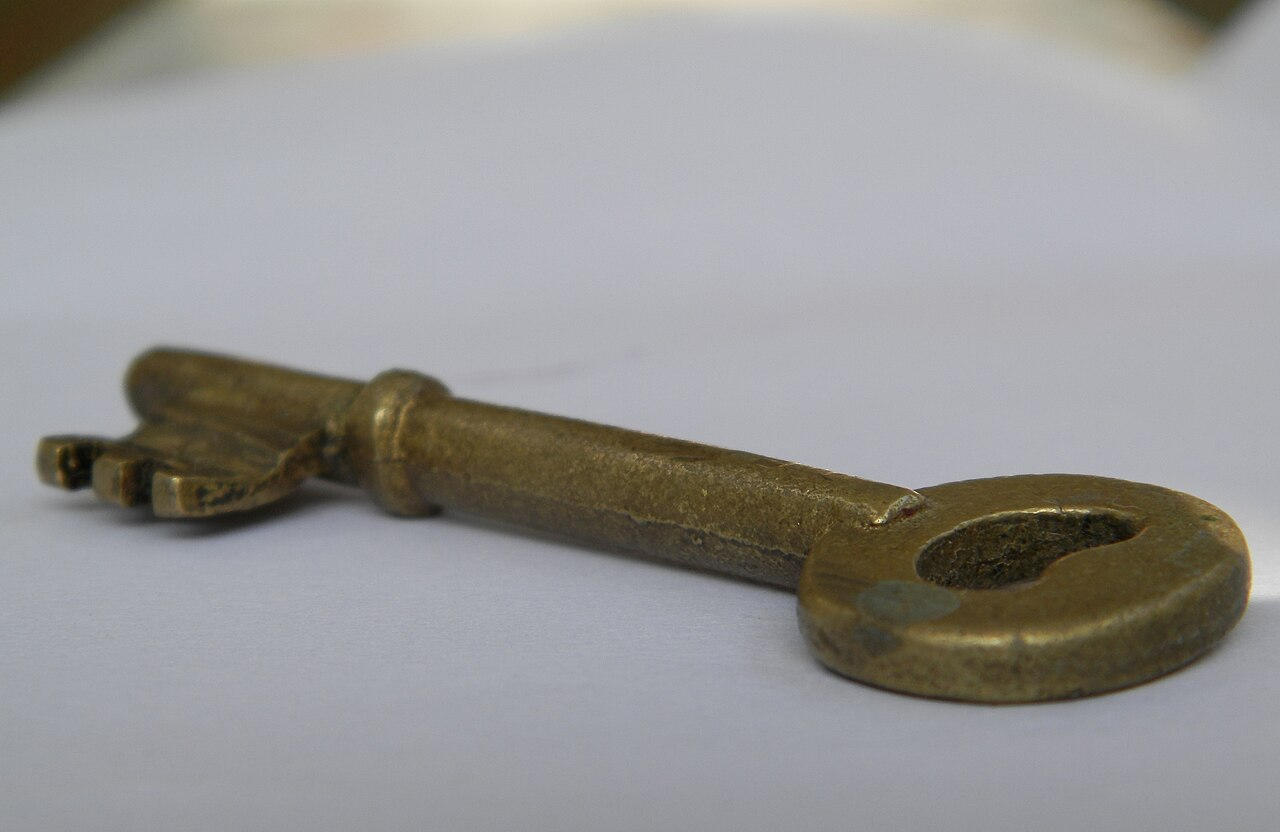
Customers extended real, meaningful trust to the locksmith. This responsibility shaped the trade’s whole professional culture.
Given that a locksmith’s job quite literally involved handling the mechanisms protecting people’s homes and possessions, customers extended a genuine, meaningful level of trust to the tradesman, a responsibility that shaped the entire professional culture surrounding the trade. A genuine sense of trust given to the person holding the keys reflects just how personally significant this occupation was within the community, a level of confidence that few other everyday services demanded quite so directly.
6. A Logbook Recording Every Key Duplicated and for Whom
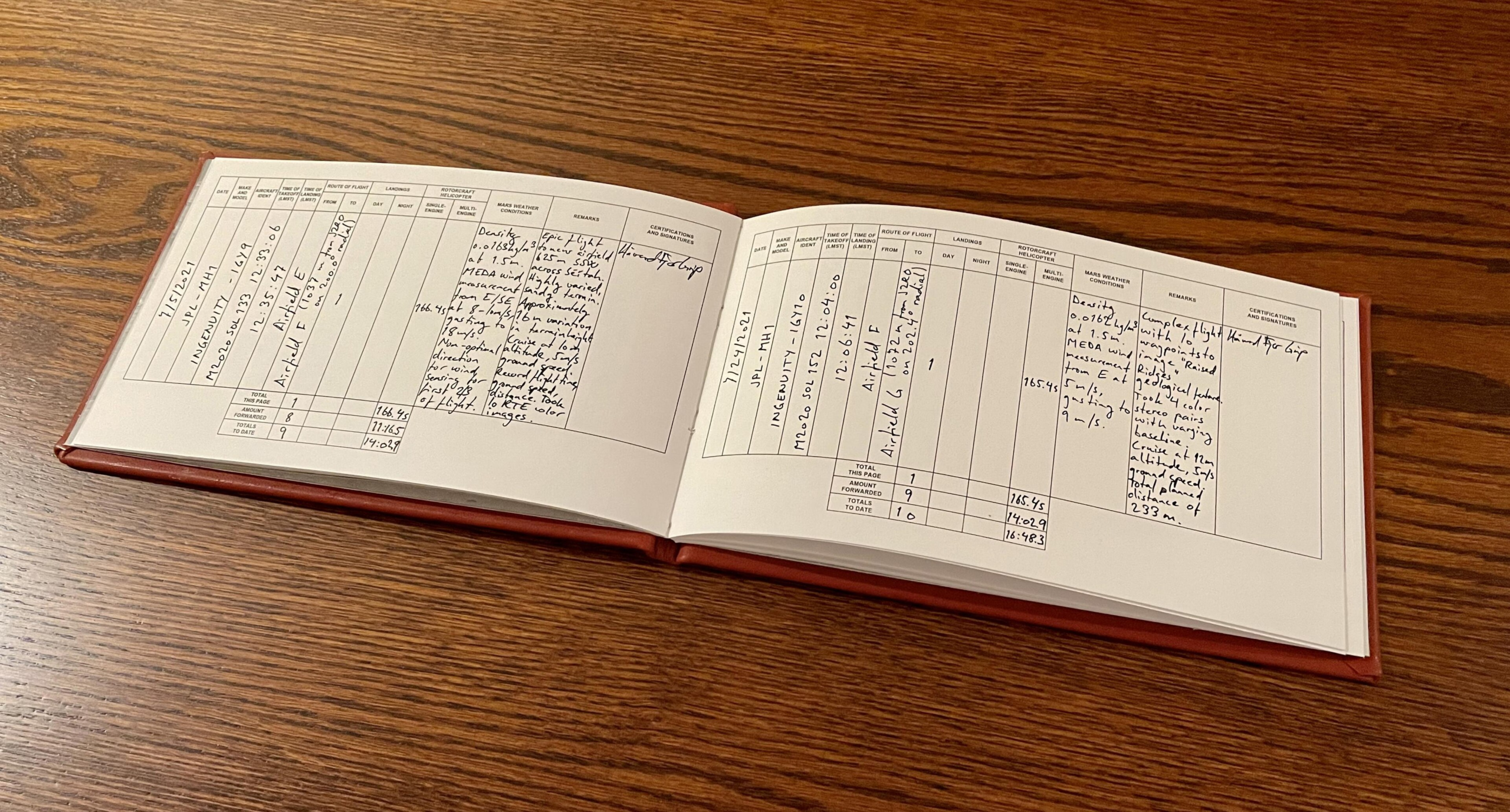
Careful records tracked exactly what work was done. This documentation reflected the trade’s genuine security responsibilities.
A careful, handwritten logbook recorded every key duplicated and every lock serviced, along with the customer’s name and address, a documentation practice that reflected the trade’s genuine security responsibilities and provided a paper trail if any question ever arose. A logbook recording every key duplicated and for whom reflects the locksmith’s genuine professional accountability, careful record-keeping that balanced the practical convenience of the service against real security considerations.
7. A Genuine Skill for Picking a Lock When a Key Was Lost
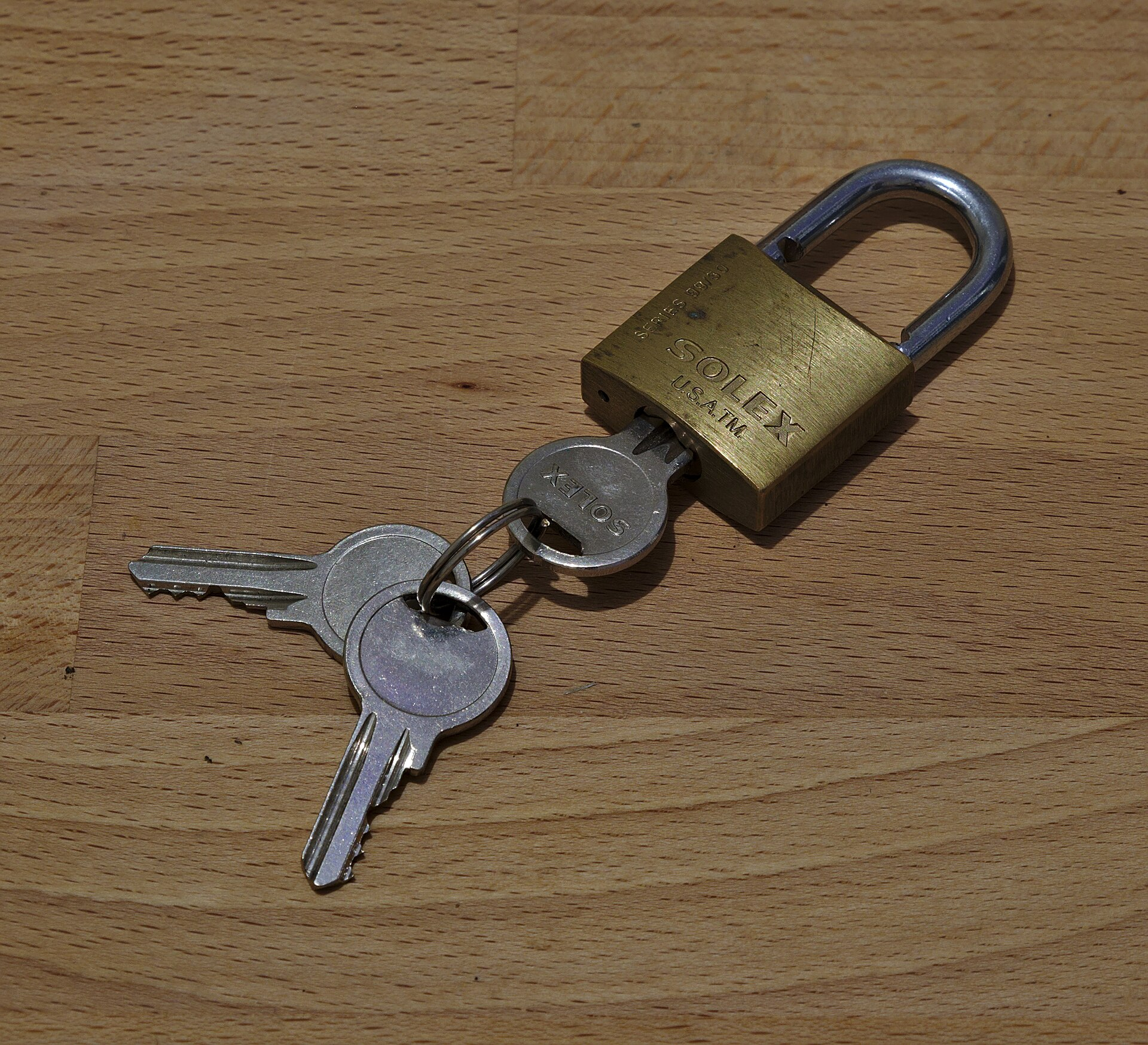
Locked-out customers relied on real technical expertise. This specific skill required considerable practice to master.
When a customer lost their only key or was locked out entirely, a skilled locksmith relied on genuine technical expertise in lock picking, a specialized skill requiring considerable practice and a real understanding of how different lock mechanisms actually functioned internally. A genuine skill for picking a lock when a key was lost reflects one of the trade’s most impressive and useful capabilities, expertise that turned a genuinely stressful situation into a manageable, resolvable problem for the customer.
8. Emergency House Calls Made at Genuinely Inconvenient Hours
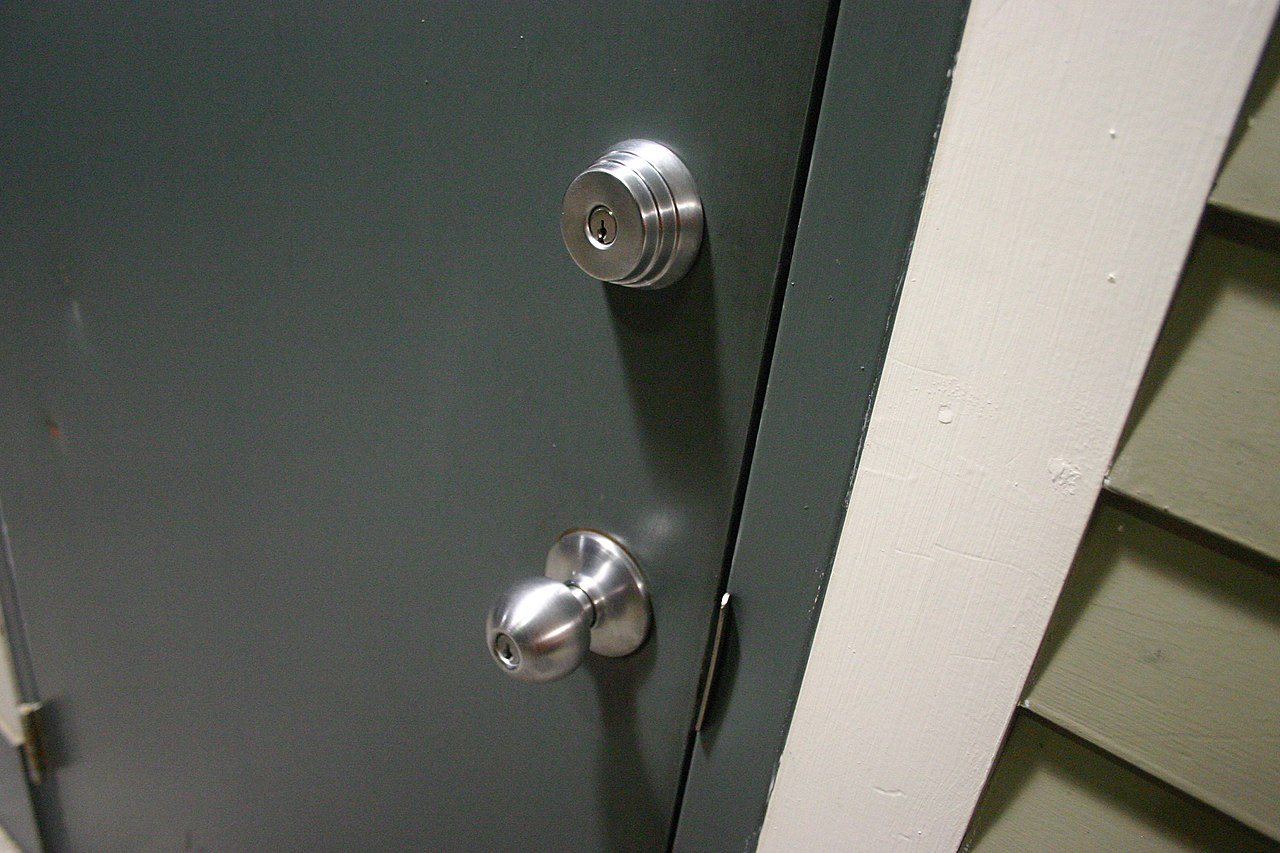
Lockouts didn’t respect business hours. A dedicated locksmith responded to real emergencies whenever they happened.
Since being locked out of a home or car could happen at any hour, a dedicated locksmith often responded to genuine emergency calls late at night or on weekends, providing a valued service that couldn’t simply wait until the shop’s regular business hours resumed. Emergency house calls made at genuinely inconvenient hours reflect the real, practical necessity behind the trade, a willingness to respond to urgent situations that made the locksmith a genuinely valued emergency resource for the whole community.
9. A Genuine Familiarity With Every Major Local Building’s Locks
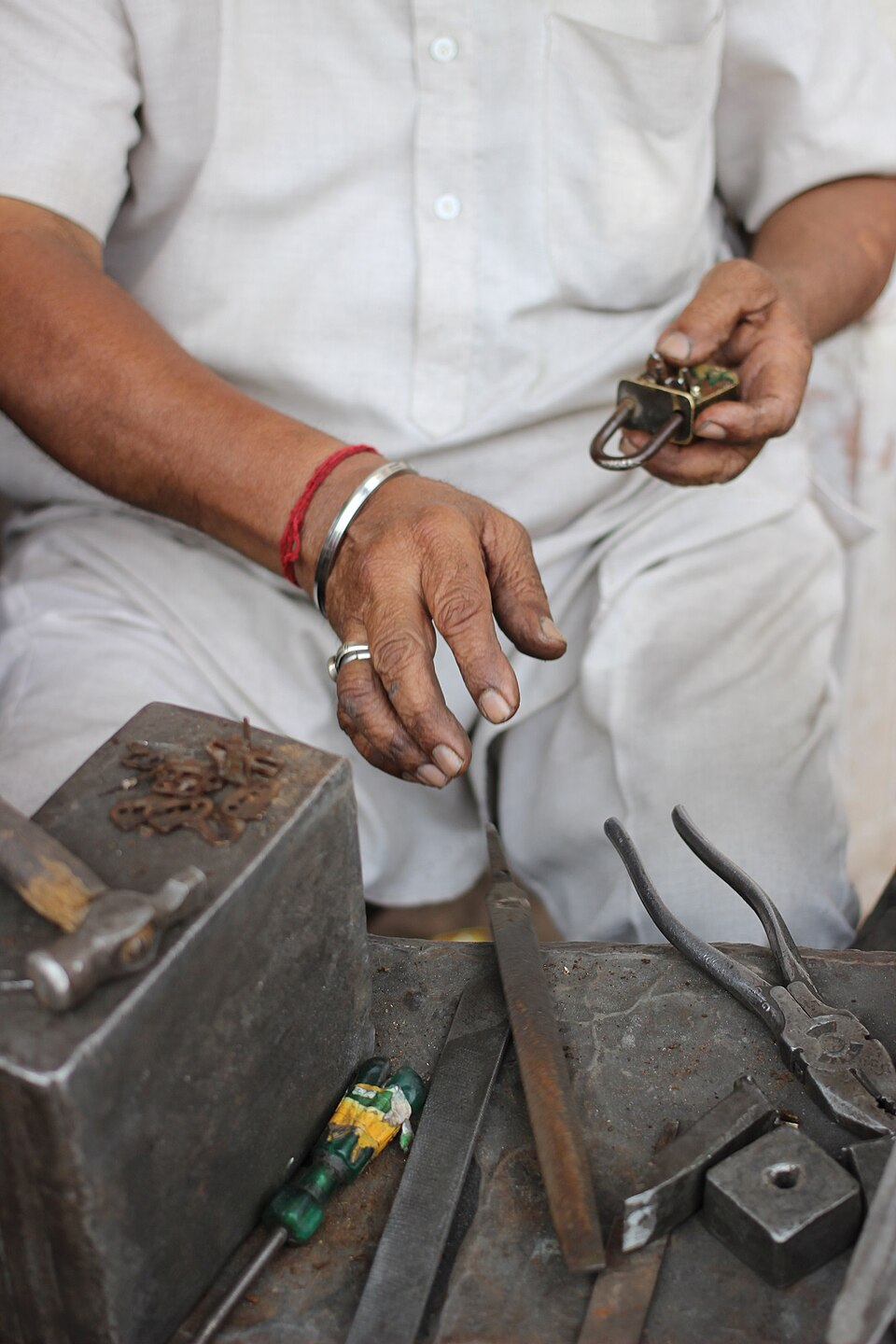
Servicing the same community over years built real institutional knowledge. Locksmiths often knew a building’s history before even arriving.
A locksmith who served the same community for years built genuine familiarity with many local homes and businesses’ specific locks and security systems, sometimes recalling a building’s particular hardware from memory before even arriving on site. A genuine familiarity with every major local building’s locks reflects the deep institutional knowledge many locksmiths accumulated, expertise built through years of direct, hands-on service to the same recurring community of customers.
10. A Small Selection of Padlocks and Basic Hardware for Sale
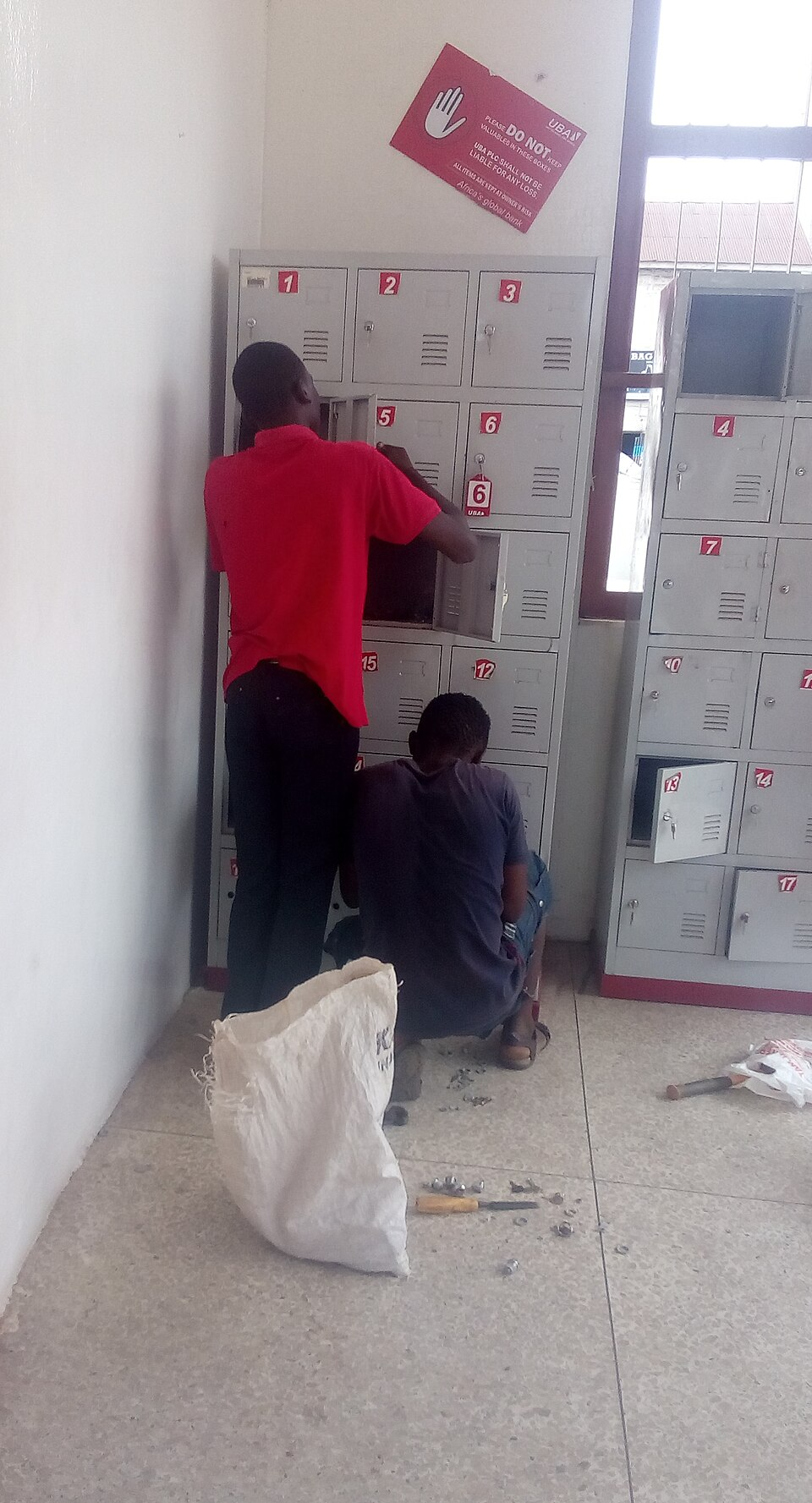
The shop sold simple security products alongside its services. This retail side complemented the shop’s core repair work.
Alongside key cutting and lock repair, many shops sold a modest selection of padlocks, basic door hardware, and simple security products, a complementary retail offering that rounded out the shop’s core services into a more complete security-focused business. A small selection of padlocks and basic hardware for sale reflects the shop’s broader role as a genuine neighborhood security resource, additional inventory that let customers address a range of needs in a single, trusted location.
11. A Genuine Reputation Built on Discretion and Reliability

Customers valued a locksmith who could be trusted completely. This professional integrity was the foundation of the entire trade.
Above all, a locksmith’s business depended on a genuine reputation for discretion and complete reliability, qualities that mattered even more in this trade than in most others, given the sensitive, security-focused nature of the work itself. A genuine reputation built on discretion and reliability is the true foundation of the entire profession, professional integrity that customers relied on completely and that, once earned, kept a locksmith’s business thriving through decades of loyal community trust.
A Trade Built Entirely on Precision and Trust

Taken together, these eleven things capture the world of the neighborhood locksmith shop in the 1970s, from the wall of blank keys and the manual cutting machine to the emergency house calls and the deeply earned reputation for discretion. It was a genuinely unique trade, combining real mechanical craftsmanship with a level of personal trust few other everyday services demanded so directly.
Advances in electronic and smart lock technology, along with the rise of mobile locksmith services operating without a traditional storefront, have changed the trade considerably since the 1970s, even as the fundamental need for skilled security professionals remains genuinely constant. The change reflects broader technological shifts in home and vehicle security more generally. Yet for those who remember visiting a neighborhood locksmith shop, these details bring it all back: the wall of blank keys, the careful logbook, the genuine trust extended to a tradesman holding the keys to half the block. Looking back at the neighborhood locksmith shop of the 1970s is a warm tribute to a genuinely trusted community trade.
Like our content? Follow us for more.