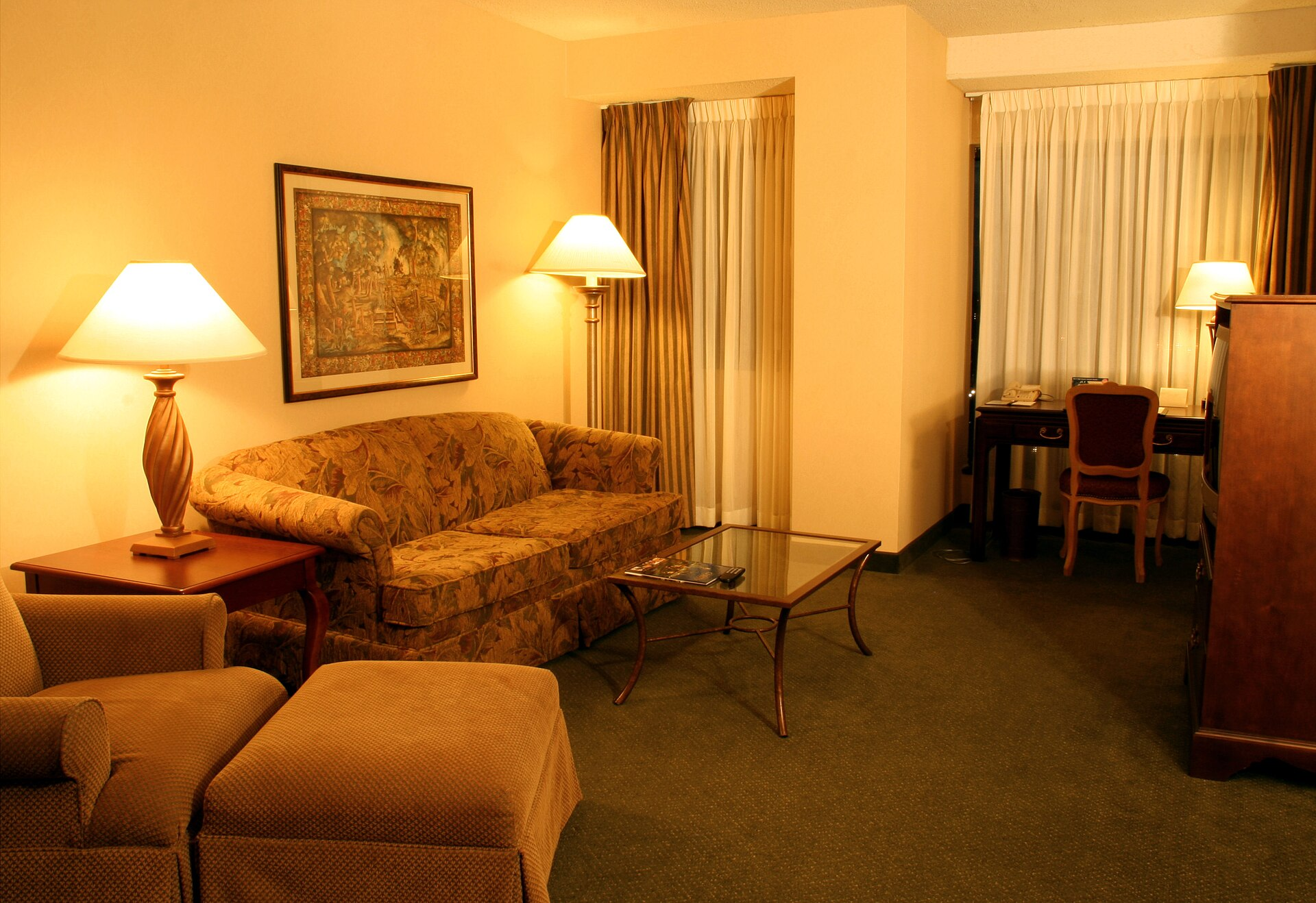
Many American homes in the 1970s maintained a genuinely curious arrangement, a formal “good” living room kept meticulously preserved and almost entirely unused, existing purely for the rare occasion of important company, while the family’s actual daily life happened somewhere else in the house entirely. Here are ten things every American family’s “good” living room had in the 1970s, counted down one by one.
1. Plastic Covers Protecting the Furniture From Actual Use
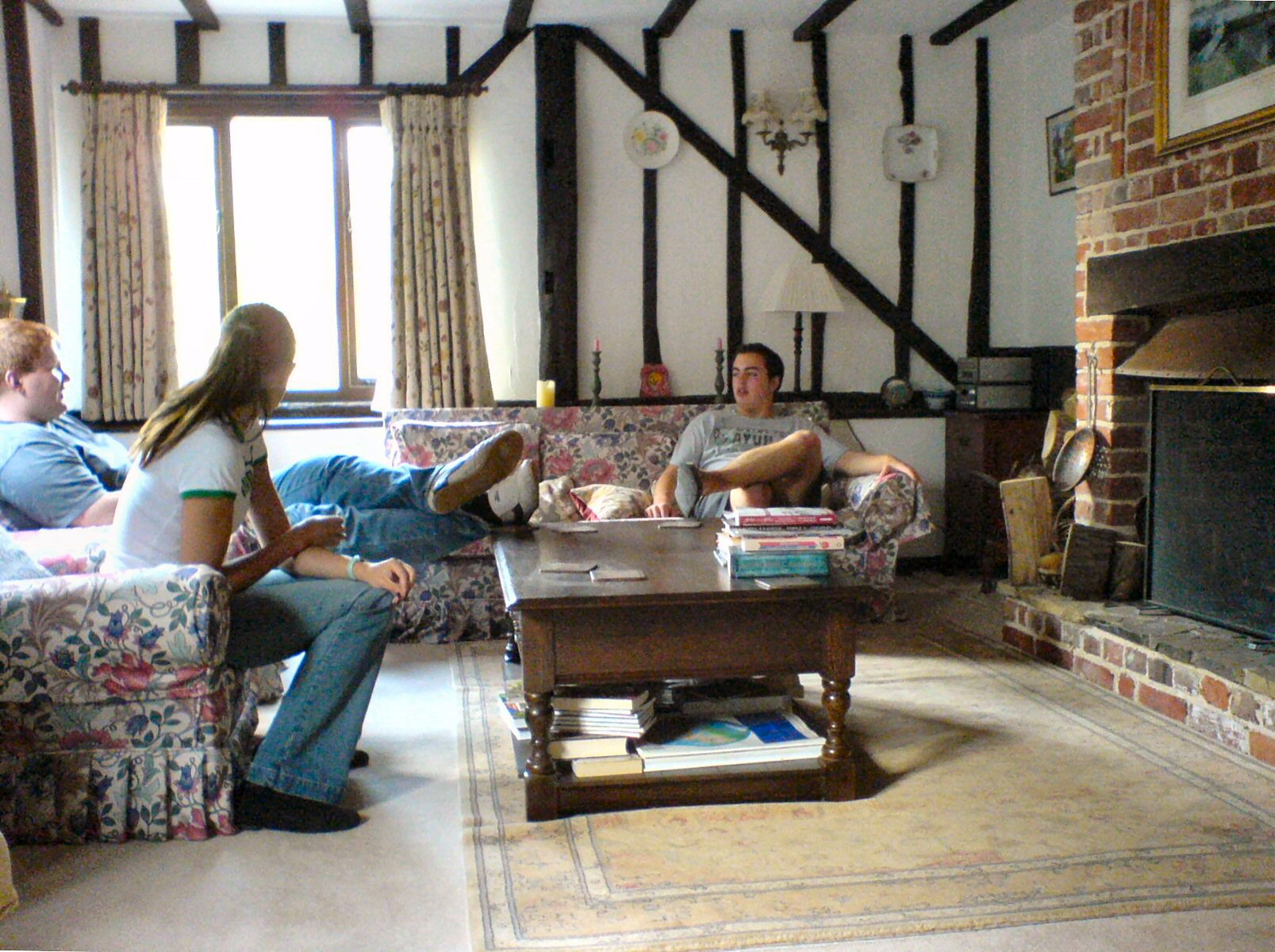
Clear vinyl slipcovers sealed the sofa and chairs. Sitting on them meant a distinctive, unmistakable crinkling sound.
Clear vinyl slipcovers sealed the good living room’s sofa and armchairs entirely, protecting the fabric beneath from spills, dust, and genuine everyday wear, and sitting on them produced a distinctive, unmistakable crinkling sound that instantly announced anyone entering the room. Plastic covers protecting the furniture from actual use is one of the most vividly remembered and genuinely peculiar features of the formal living room, protection so thorough that the furniture beneath sometimes looked brand new decades after purchase.
Like our content? Follow us for more.
2. A Coffee Table Nobody Was Ever Allowed to Set a Drink On
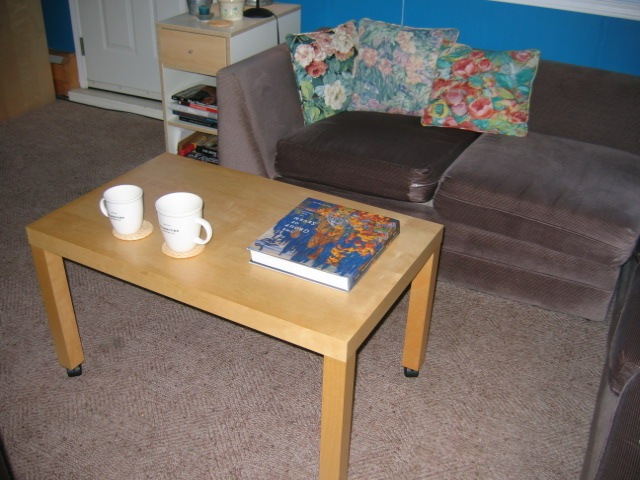
The good coffee table remained pristine and untouched. Coasters and careful supervision were mandatory for any rare use.
The good living room’s coffee table, often a genuinely nice piece of furniture, remained pristine and essentially untouched, and on the rare occasion it was actually used, coasters were mandatory and careful supervision followed closely to prevent even the smallest ring or scratch. A coffee table nobody was ever allowed to set a drink on reflects the genuine reverence this furniture received, a level of protection that made the table feel more like a museum piece than a functional part of the household.
3. A Genuine Unspoken Understanding That This Room Was for Company
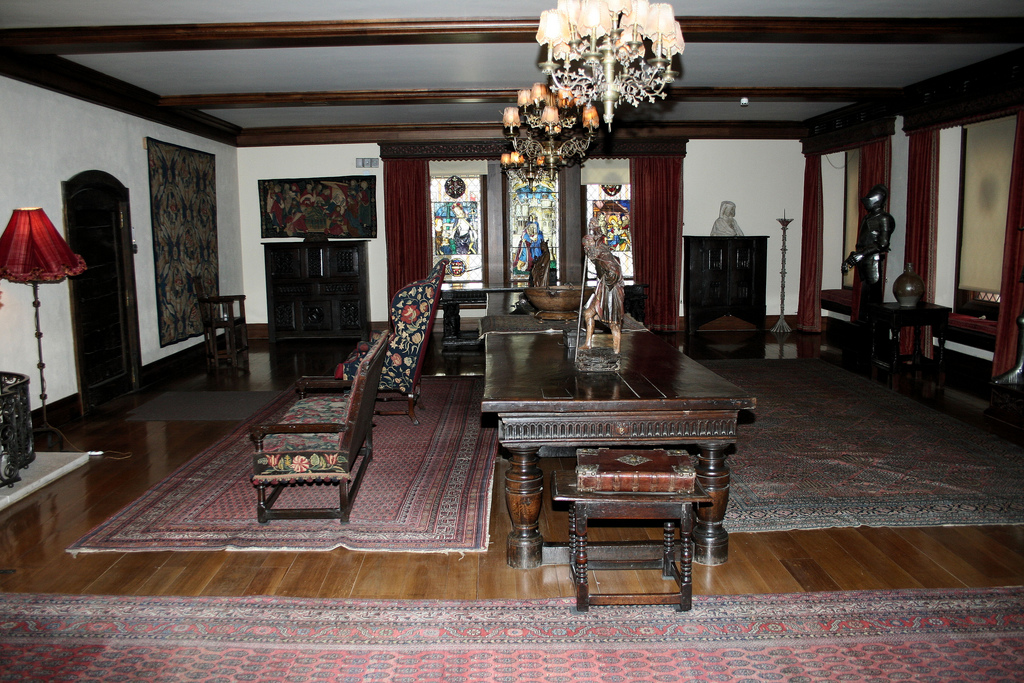
Kids learned early that the good living room wasn’t for everyday use. This rule required no explicit explanation to understand.
Kids in these households learned remarkably early, often without any explicit explanation ever being given, that the good living room simply wasn’t for everyday use, an unspoken household rule absorbed through observation rather than direct instruction. A genuine unspoken understanding that this room was for company reflects just how deeply ingrained this domestic custom really was, a rule so thoroughly internalized that most kids never even thought to question it.
4. The Family’s Finest China Displayed Behind Glass
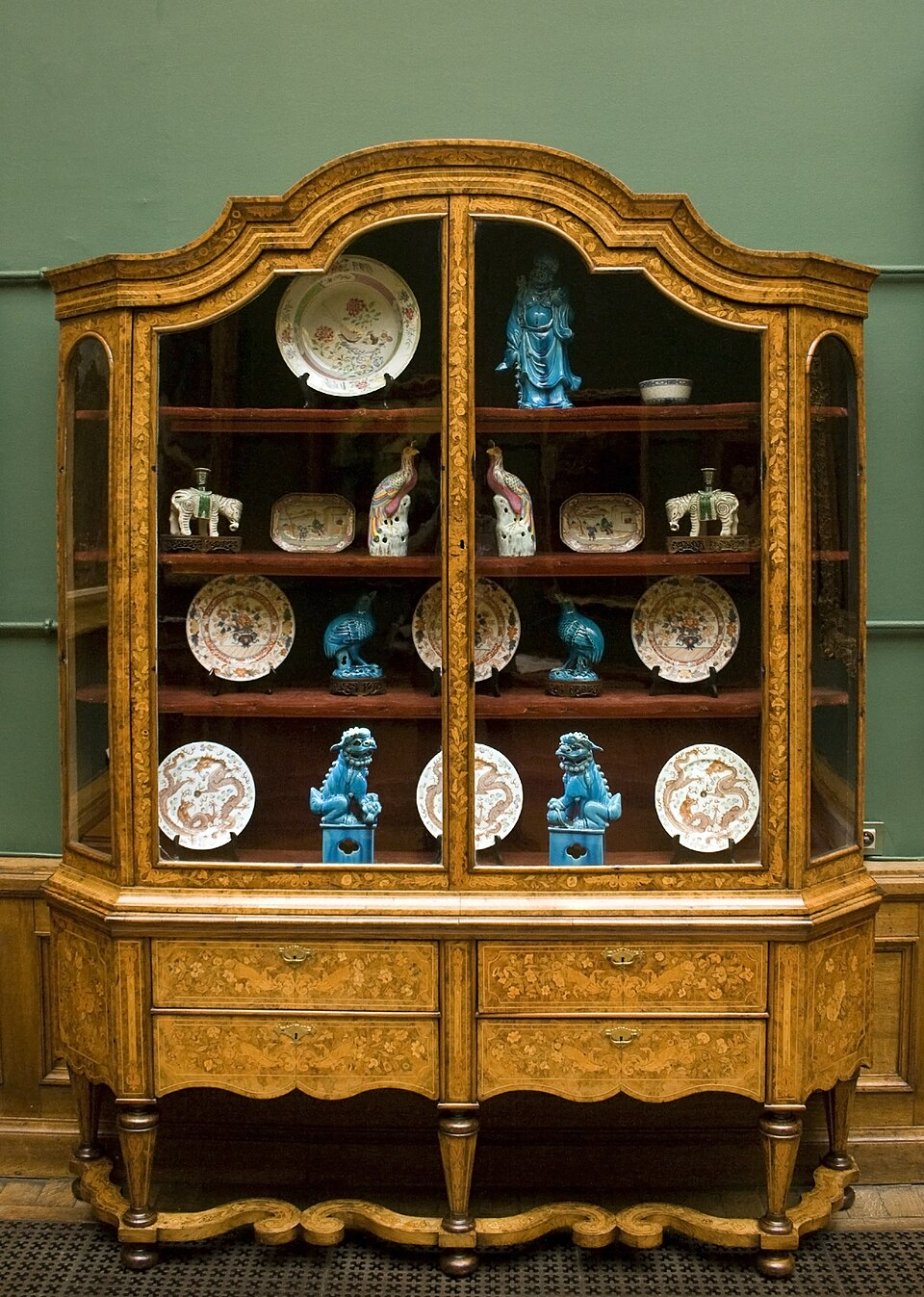
A dedicated cabinet showcased good dishware never used for regular meals. Its presence signaled the household’s best possessions.
A glass-fronted cabinet in the good living room displayed the family’s finest china and crystal, dishware reserved exclusively for holidays and significant occasions, its careful display signaling the household’s best possessions to anyone who happened to visit. The family’s finest china displayed behind glass reflects the room’s broader function as a genuine showcase of household pride, a curated display meant to represent the family’s taste and standing rather than serve any everyday practical purpose.
5. A Genuine Sense of Occasion Whenever the Room Was Actually Used
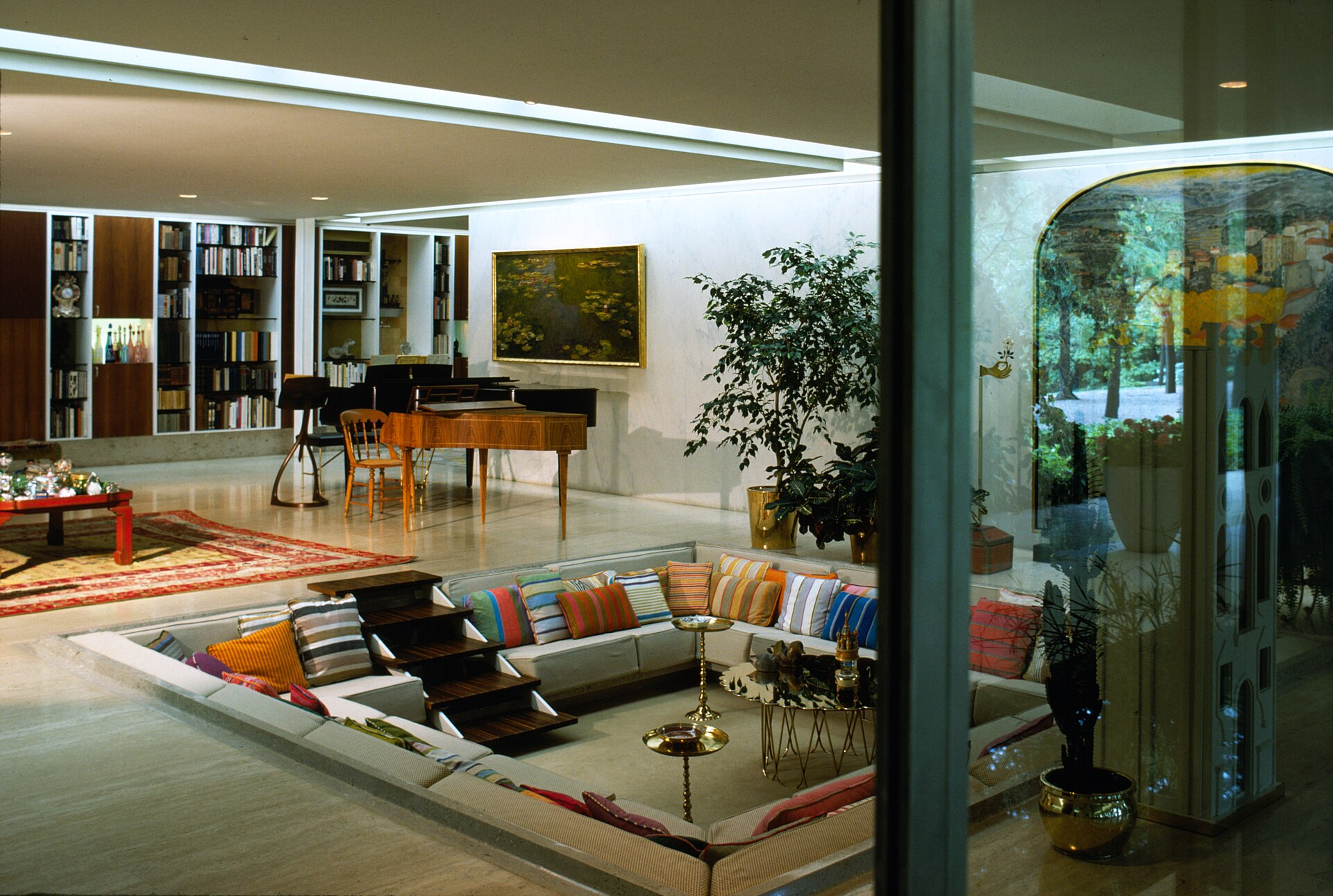
Using the good living room signaled a truly significant event. Holidays, important visitors, or major family gatherings justified entry.
Actually using the good living room signaled a genuinely significant event, a holiday gathering, an important visitor, a major family milestone, occasions substantial enough to justify finally removing the plastic covers and letting the room fulfill its actual intended purpose. A genuine sense of occasion whenever the room was actually used reflects just how meaningfully this space marked special moments, a room whose rarity of use made every actual occasion feel considerably more significant by comparison.
6. A Formal Photograph Display Arranged With Real Care
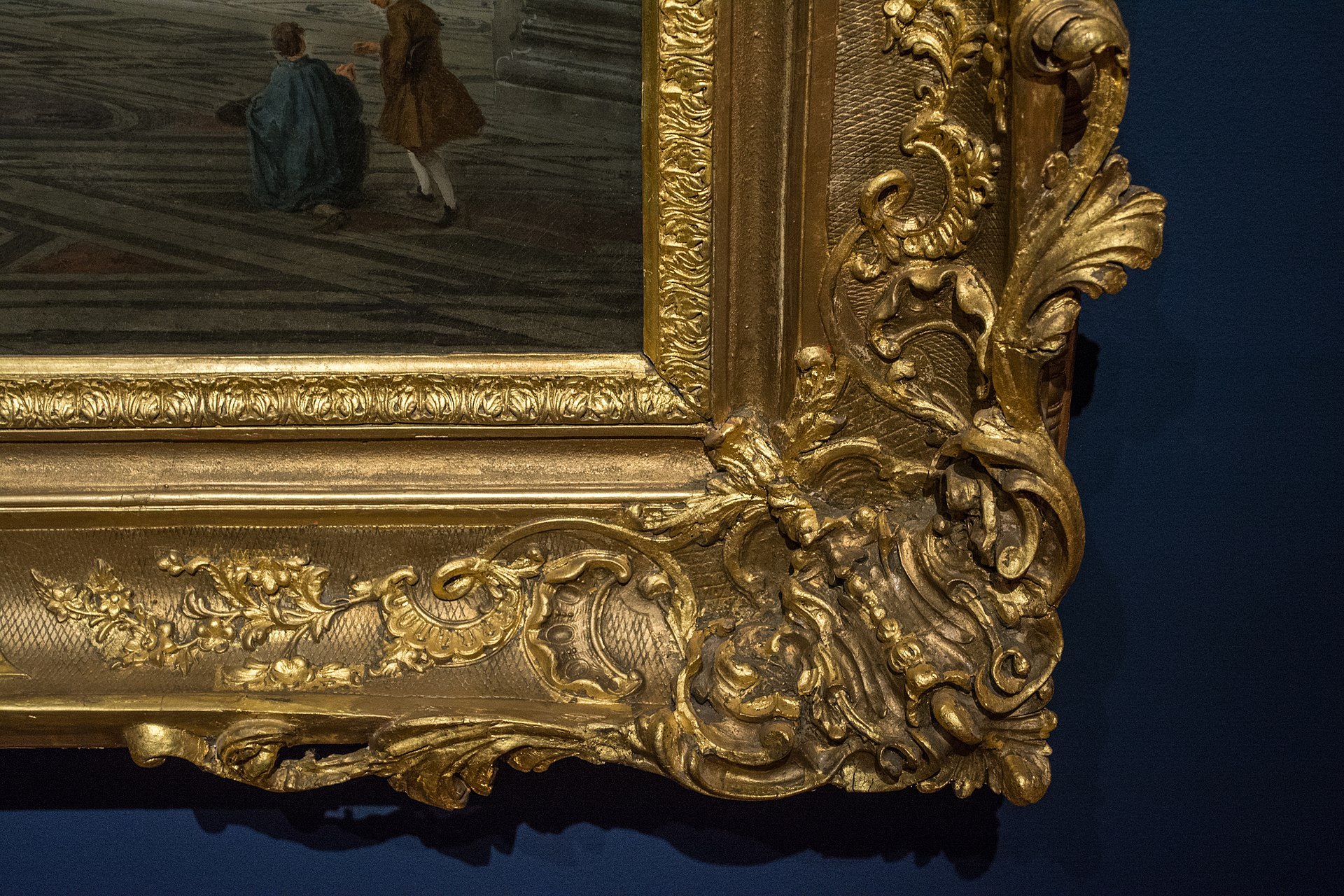
Family portraits and significant photos lined the mantel or side tables. Their arrangement was considered and deliberate.
Formal family portraits and significant photographs lined the mantel or side tables of the good living room, arranged with genuine care and deliberate consideration, a curated visual record of the family meant specifically for visitors to see and admire. A formal photograph display arranged with real care reflects the room’s role as a genuine showcase of family identity, images selected and positioned specifically to represent the household at its most presentable.
7. A Genuine Reluctance to Let Kids Play in the Room Unsupervised
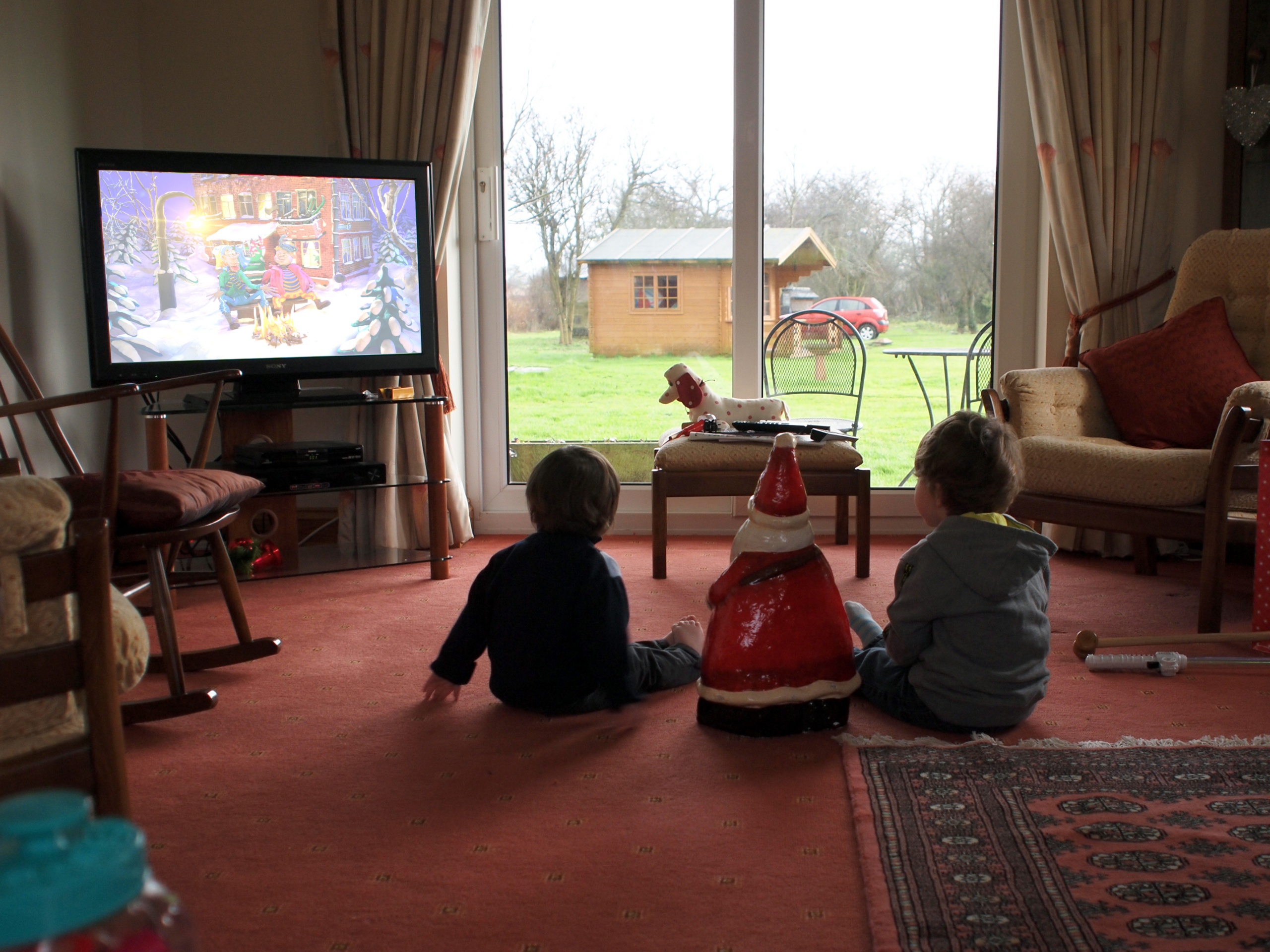
Children entering the good living room required real parental oversight. Playing freely there simply wasn’t permitted.
Kids entering the good living room, even on the rare occasions it was actually in use, required genuine parental oversight, and playing freely there the way they might in their own bedroom or the family rec room simply wasn’t permitted under any circumstances. A genuine reluctance to let kids play in the room unsupervised reflects just how carefully protected this space really was, oversight that treated the room’s careful preservation as a genuine household priority.
8. A Distinctly Different, More Formal Furniture Style
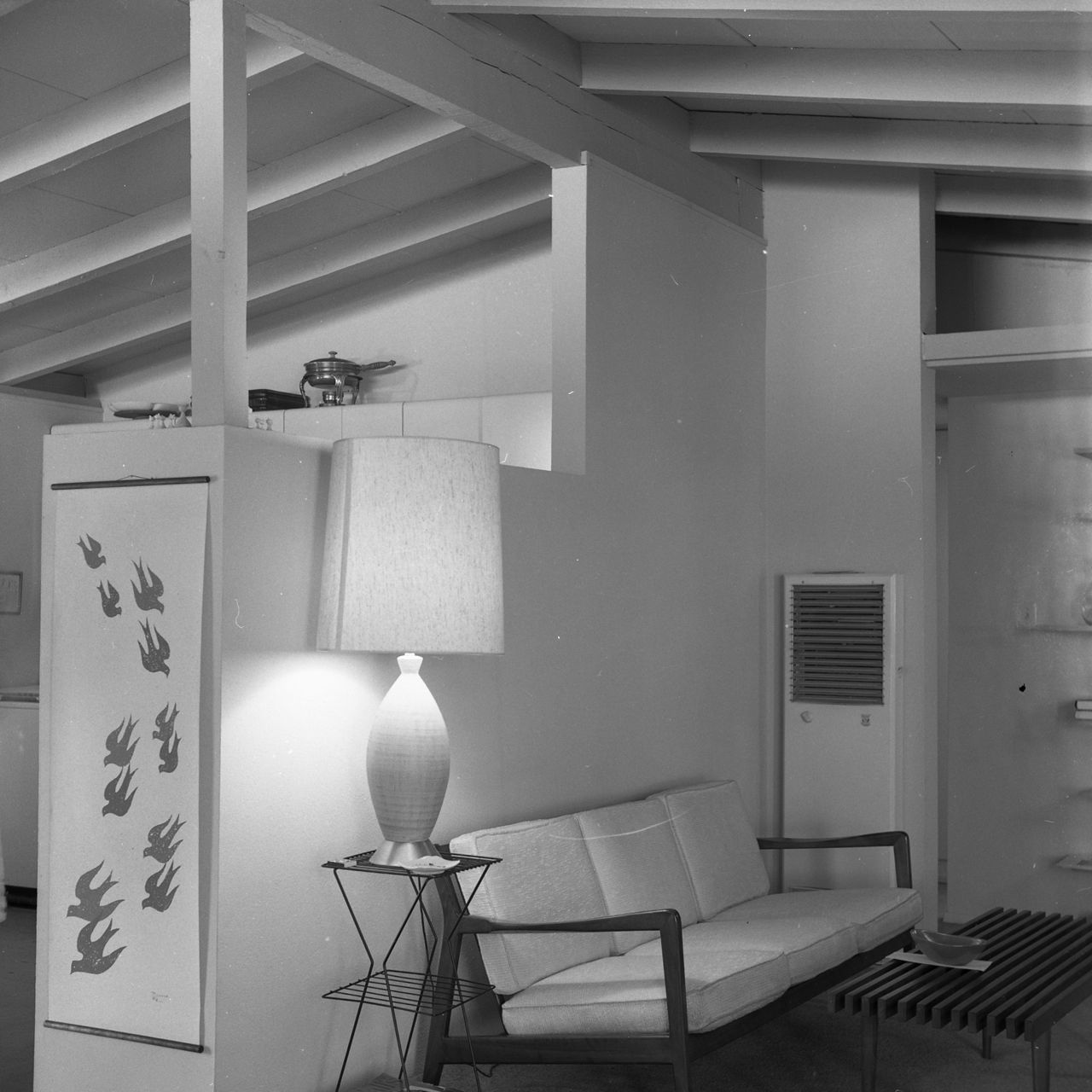
Good living room furniture often looked noticeably different from the rest of the house. Its style signaled a more elevated, considered taste.
The good living room’s furniture often looked noticeably more formal and elevated than the rest of the house, a distinct decorating style that signaled considered, elegant taste rather than the more casual, lived-in furnishings found in the family’s everyday spaces. A distinctly different, more formal furniture style reflects the room’s genuine function as the household’s public face, décor chosen specifically to represent the family’s best possible impression to outside visitors.
9. A Genuine Sense of Mystery for Young Kids in the House
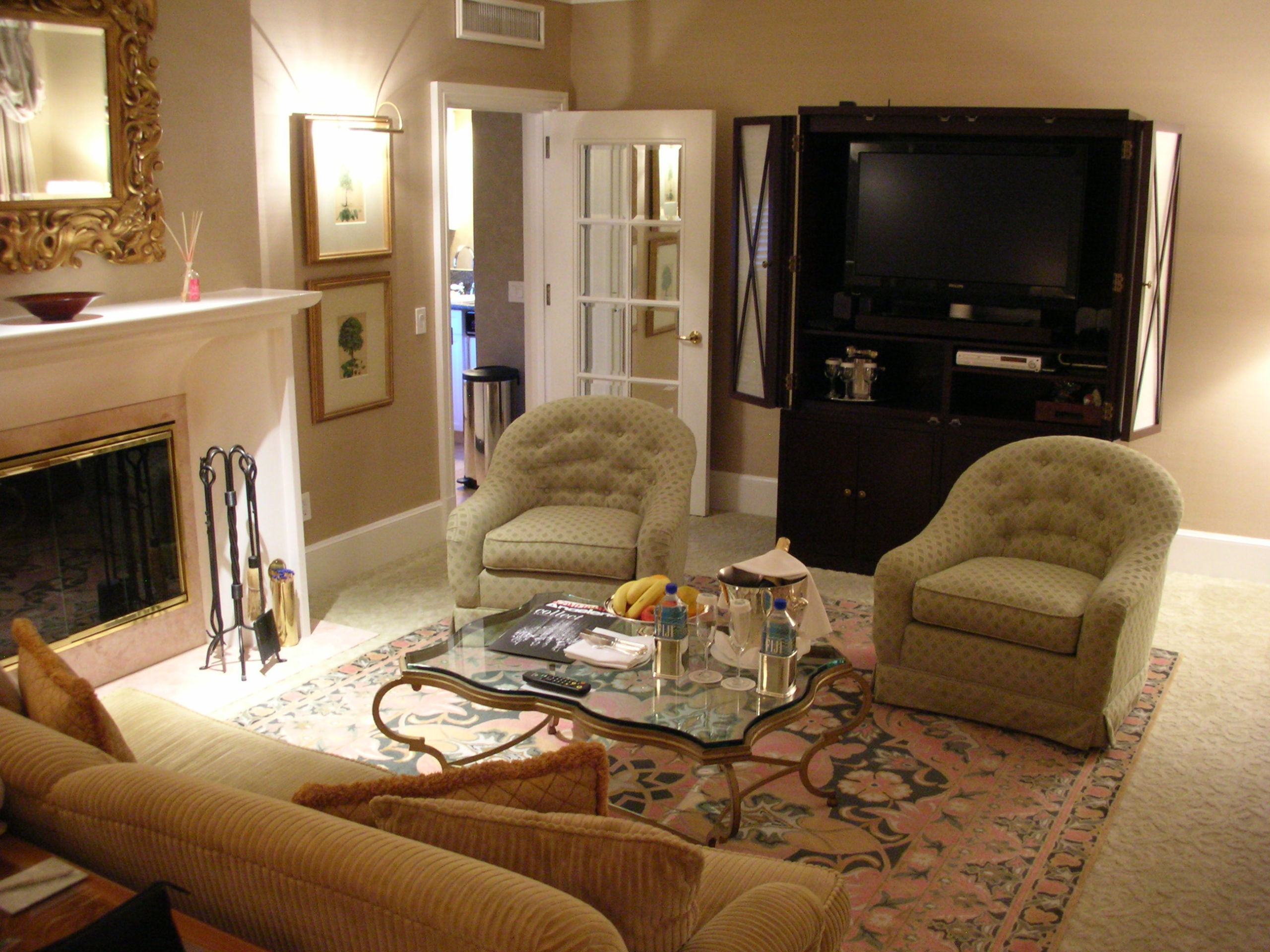
The rarely used room carried a slightly forbidden, intriguing quality. Kids sometimes peeked in simply out of curiosity.
Precisely because it was so rarely entered or used, the good living room carried a genuinely slightly forbidden, intriguing quality for young kids in the house, who sometimes peeked in simply out of curiosity about a space that felt distinctly separate from the rest of their everyday home. A genuine sense of mystery for young kids in the house reflects the room’s unusual psychological position within the household, a space familiar in location yet genuinely unfamiliar in actual daily experience.
10. A Genuine Nostalgia for a Room That No Longer Makes Practical Sense
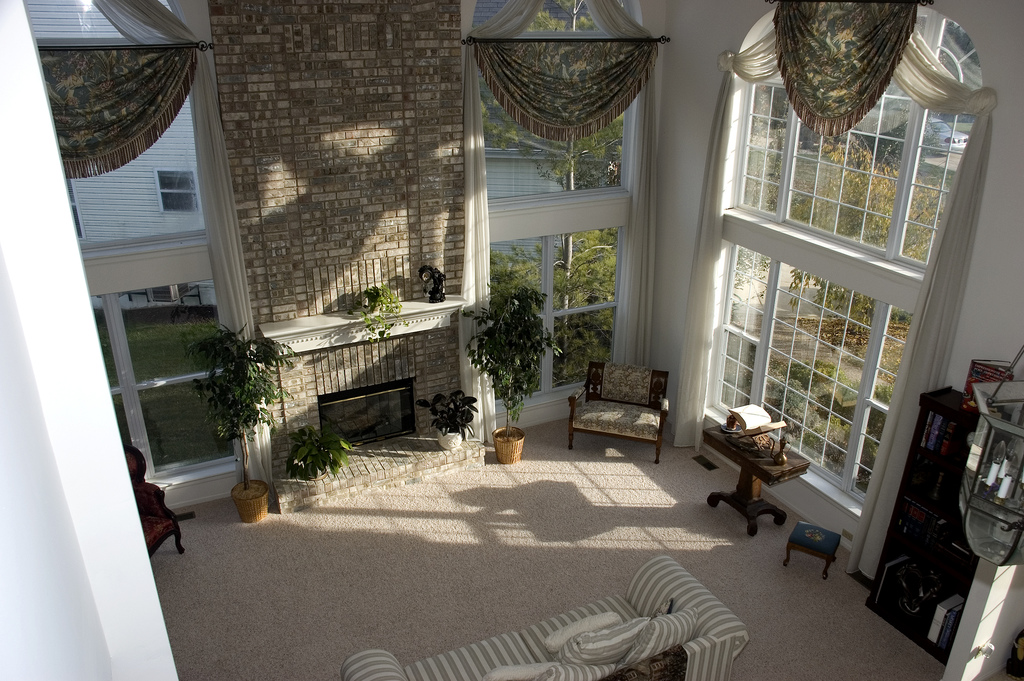
Adults who grew up with a good living room look back on it fondly. The concept feels charmingly impractical by modern standards.
Adults who grew up with a dedicated good living room in their childhood home often look back on the tradition with genuine fondness, even while readily acknowledging just how charmingly impractical the entire concept feels by modern standards of home design and everyday living. A genuine nostalgia for a room that no longer makes practical sense reflects the strange, enduring affection many people feel for this specific domestic custom, a memory that remains warm and vivid precisely because of, not despite, its genuine impracticality.
A Beloved, Impractical Domestic Tradition
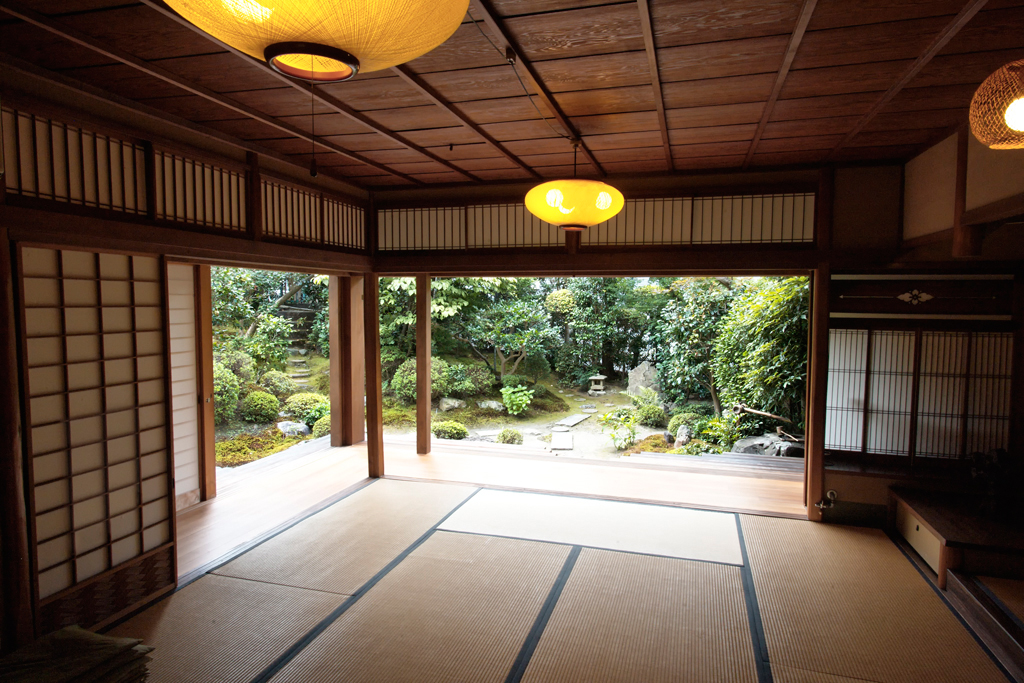
Taken together, these ten things capture what made the good living room such a distinctive fixture of the American home in the 1970s, from the plastic-covered furniture and the untouchable coffee table to the formal photo displays and the genuine sense of occasion whenever the room was finally used. It was a beloved, genuinely impractical tradition that nonetheless held real meaning for the families who maintained it.
Changing home design philosophies, more open floor plans, and a broader cultural shift toward comfort and everyday livability over formal preservation have made the dedicated, rarely used good living room considerably less common in modern American homes. The change reflects genuine evolution in how families think about and use their living spaces. Yet for those who remember the distinctive crinkle of plastic furniture covers, or being carefully shooed out of that one particular room, these details bring it all back: the untouchable coffee table, the finest china behind glass, the genuine sense of occasion whenever the room was finally, rarely used. Looking back at the good living room of the 1970s is a warm, slightly amused tribute to a beloved, genuinely impractical American tradition.
Like our content? Follow us for more.