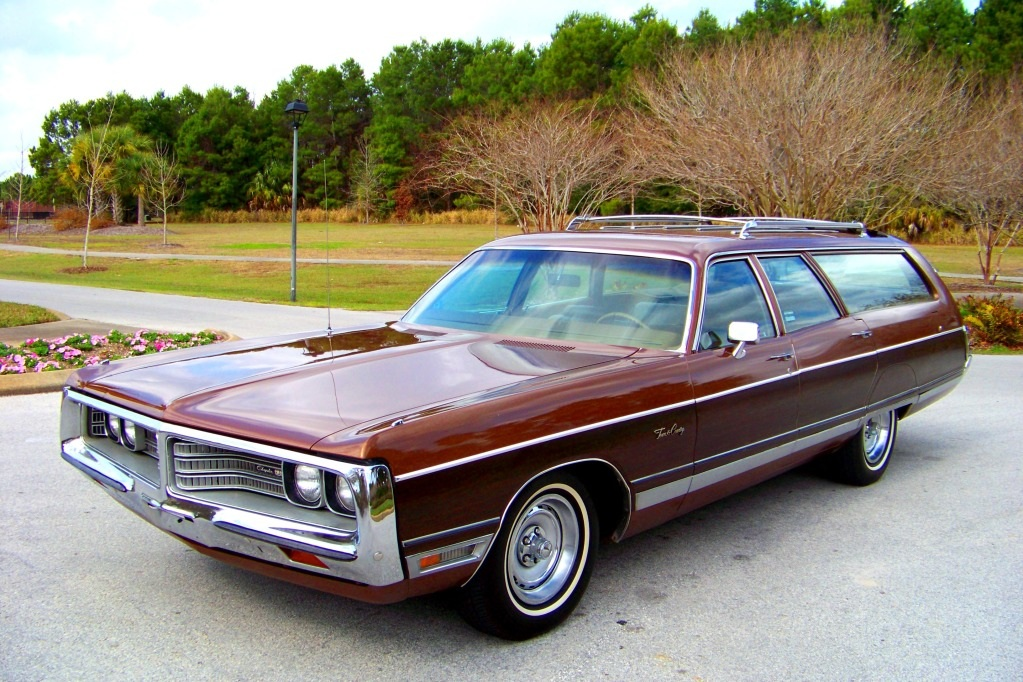
The family car of 1975 carried an entire household through daily errands, road trips, and everything in between, but the safety features protecting that family inside it were considerably thinner than what modern vehicles require. Of the twelve things every American family car had in 1975, six are now banned or heavily restricted. Here are twelve things every American family car had in 1975, counted down one by one.
1. Kids Riding Loose in the Station Wagon’s Way-Back (Now Banned)
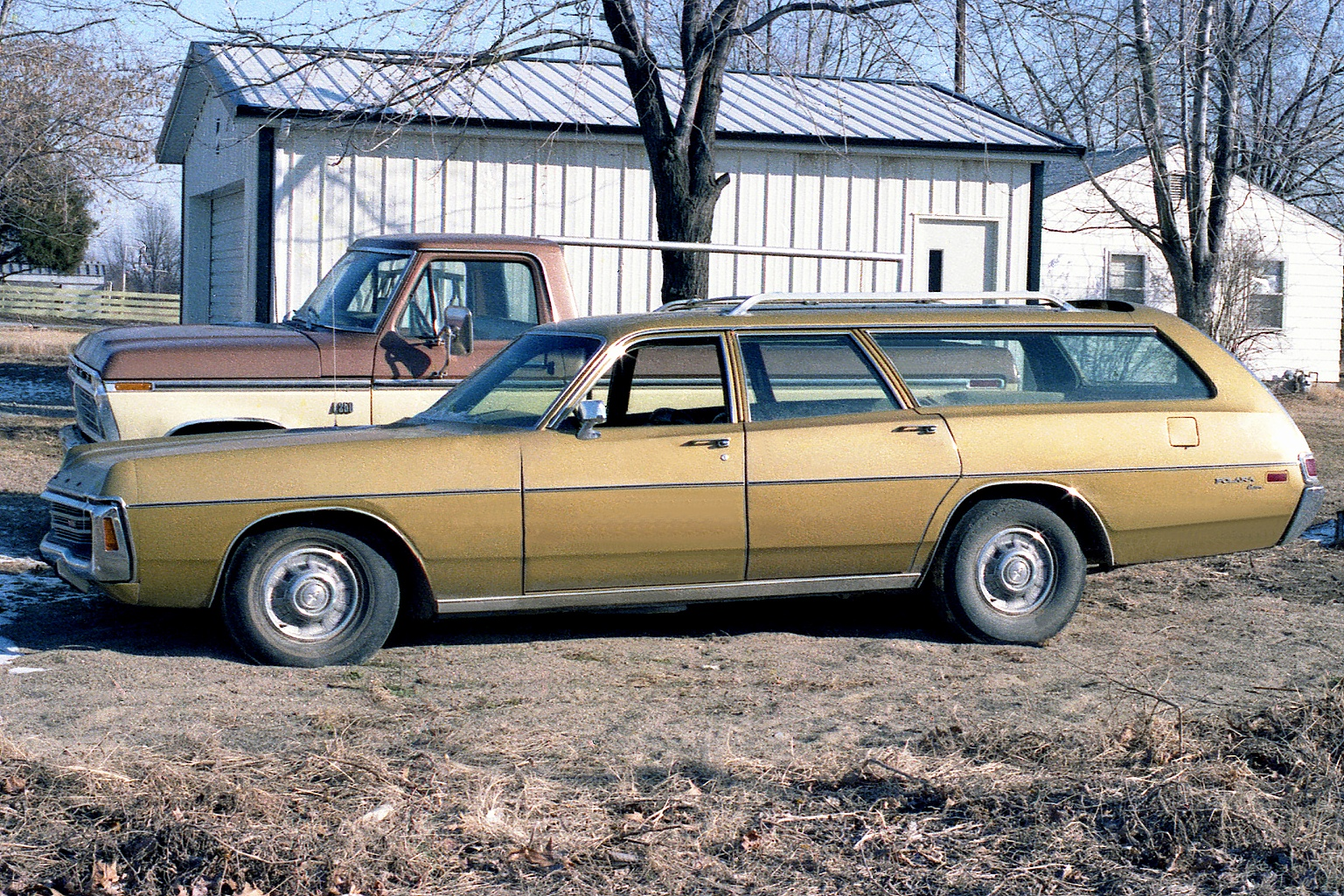
The rear cargo area of a station wagon doubled as extra seating. Children rode there entirely unrestrained, facing backward toward traffic.
The rear cargo area of a station wagon, often called the “way-back,” doubled as informal extra seating for kids, who rode there entirely unrestrained, sometimes facing backward and watching traffic recede through the rear window. Kids riding loose in the station wagon’s way-back is now banned under modern child passenger safety laws, which require every occupant, regardless of age, to be properly restrained in an approved seat or seatbelt. Riding unrestrained in a cargo area is a genuinely dangerous detail of the era now firmly banned, a practice that decades of crash data have since made illegal in all fifty states.
Like our content? Follow us for more.
2. Bench Seats Fitting Three Kids Across With No Individual Restraints (Now Restricted)
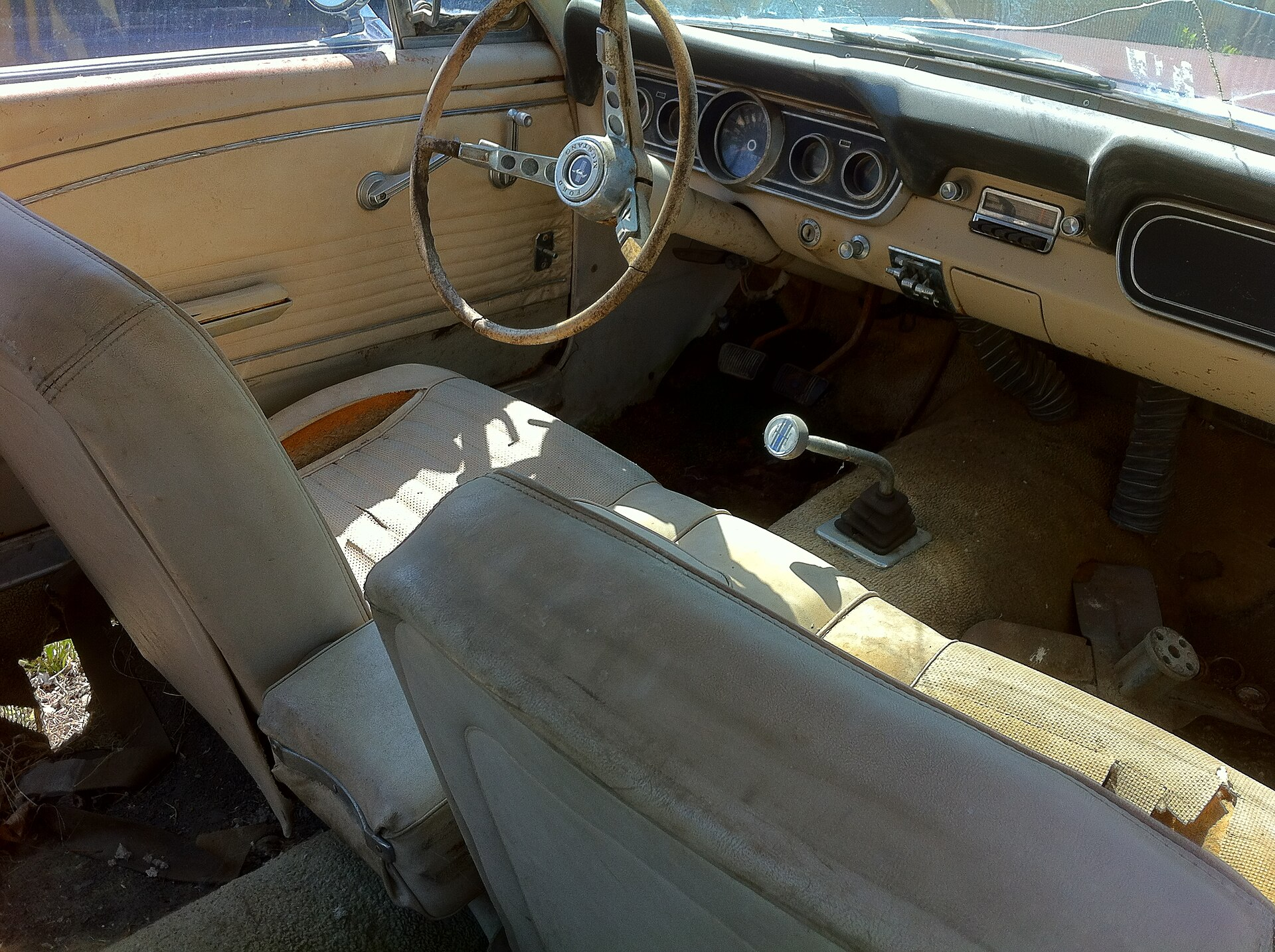
A wide front bench seat let multiple passengers sit shoulder to shoulder. Only a single lap belt, if any, covered the entire seat.
A wide front bench seat let three people sit shoulder to shoulder, including a child squeezed in the middle, with often just a single lap belt, or no belt at all, meant to cover the entire width of the seat. Bench seats fitting three across with no individual restraints are now heavily restricted, since modern vehicle safety standards require individual, properly positioned restraints for every seating position. Shared, minimal restraints across a wide bench seat are a genuinely significant safety gap of the era now firmly regulated, a design that individual seatbelt requirements have since closed considerably.
3. Metal Dashboards With No Padding or Airbags (Now Banned)
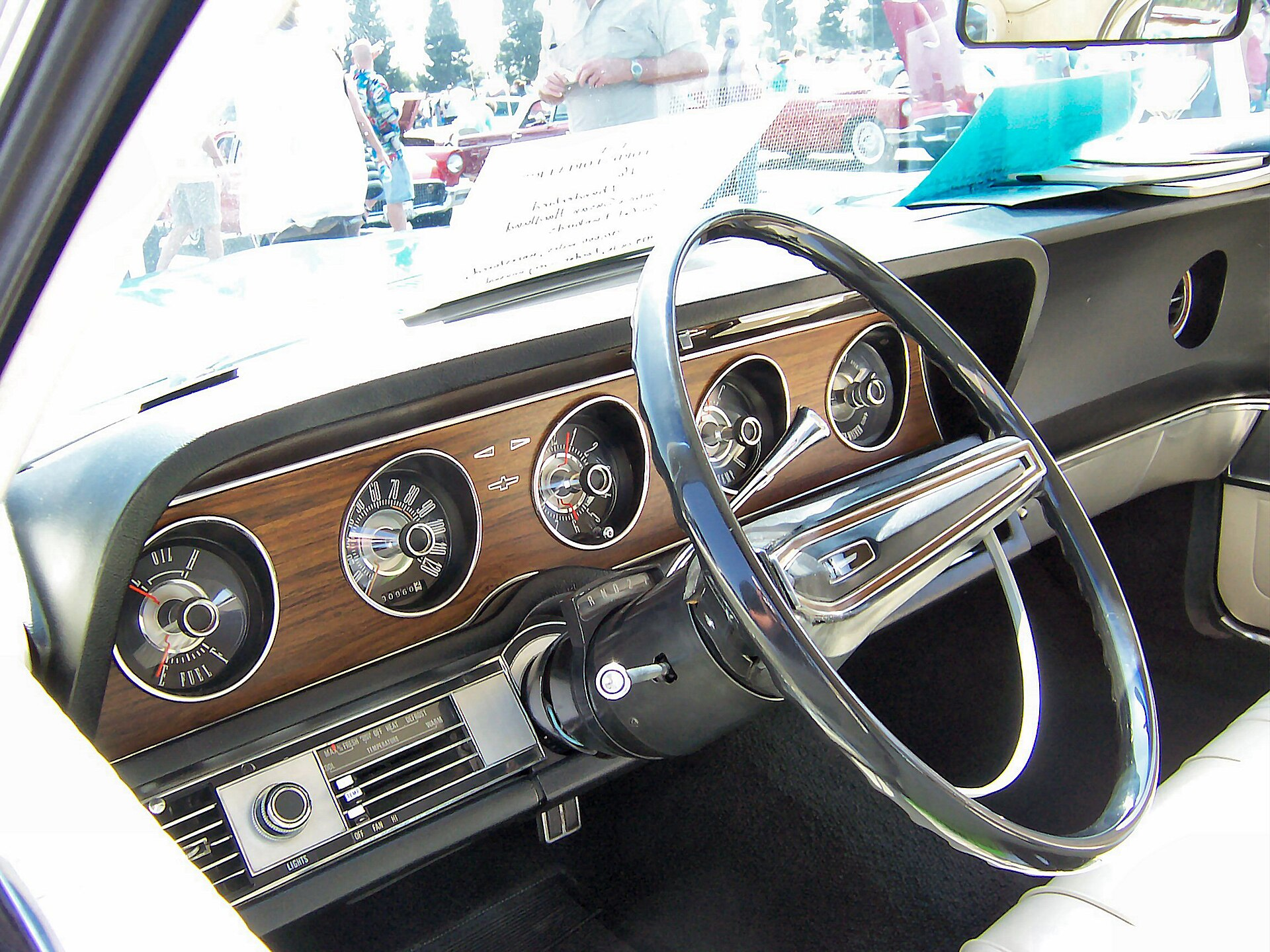
A rigid metal dashboard sat directly in front of every passenger. No cushioning or crash protection existed to absorb impact.
The dashboard of a 1975 family car was often solid, unpadded metal, offering no cushioning whatsoever to absorb impact in a collision, and airbags simply didn’t exist as standard, or even optional, equipment in mainstream family vehicles. Metal dashboards with no padding or airbags are now banned under modern federal vehicle safety standards, which require both padded interior surfaces and airbag systems in every new car sold in the United States. Unpadded metal dashboards with no airbag protection are a genuinely dangerous detail of the era now firmly regulated, a design that decades of federal safety mandates have since eliminated entirely from new vehicles.
4. Kids Standing Up in the Front Seat While the Car Was Moving (Now Banned)
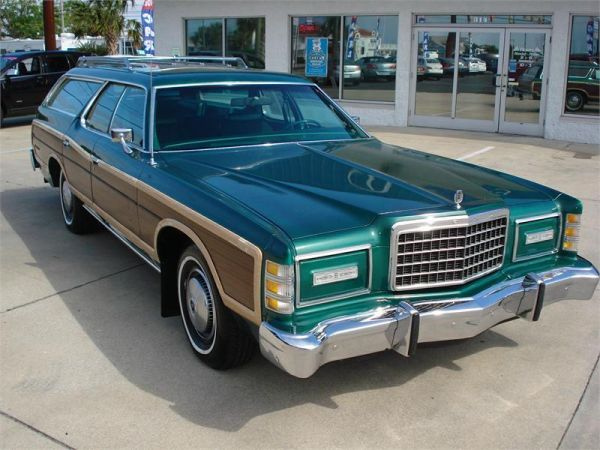
Young children commonly stood on the front seat during a drive. No restraint law existed to prevent this common practice.
Young children commonly stood on the front seat while the car was moving, sometimes holding onto the dashboard or a parent’s shoulder for balance, a genuinely common sight with no restraint law in place to prevent it. Kids standing up in the front seat while the car was moving is now banned under universal child passenger safety and seatbelt laws enacted across every state beginning in the 1980s. A standing child in a moving vehicle is a genuinely alarming detail of the era now firmly banned, a practice that state seatbelt and child-restraint laws have since eliminated entirely.
5. Cigarette Lighters and Ashtrays Built Into Every Armrest (Now Redesigned)

Smoking inside the family car was considered entirely normal. Every armrest included a dedicated ashtray as standard equipment.
Smoking inside the family car was considered entirely normal, and every armrest included a dedicated ashtray as standard factory equipment, alongside a dashboard cigarette lighter used constantly regardless of which family members were riding along. Cigarette lighters and ashtrays built into every armrest have since been effectively redesigned out of most modern vehicles, replaced by USB ports and device chargers as smoking rates declined and cultural norms shifted considerably. Built-in ashtrays in every armrest are a genuinely dated detail of the era now largely phased out, a design choice that changing smoking habits have since made an increasingly rare factory feature.
6. No Federal Requirement for Rear Shoulder Belts (Now Mandatory)
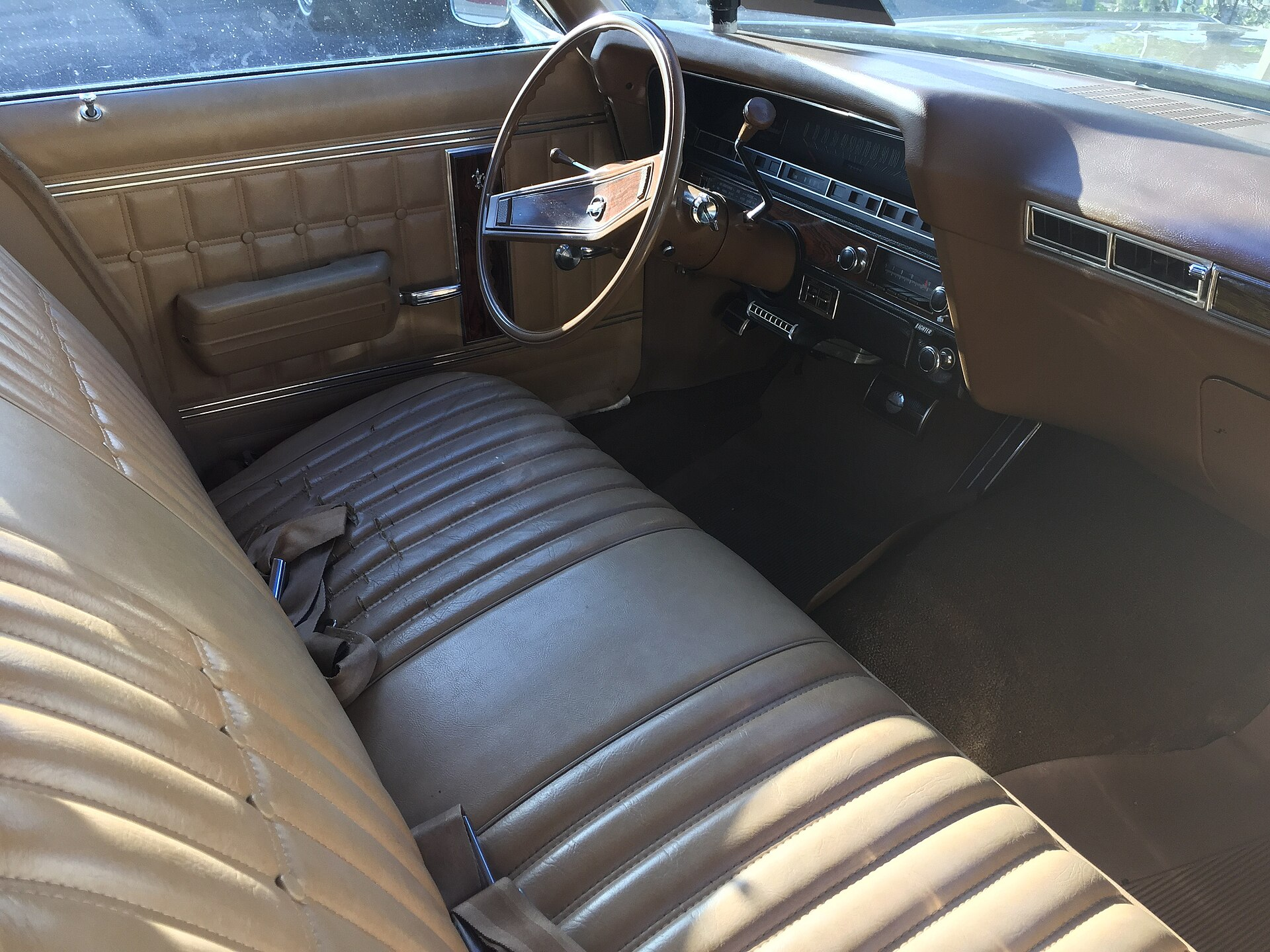
Rear seat passengers often had only a lap belt available, if any belt at all. Shoulder restraints in back seats weren’t yet required.
Rear seat passengers in 1975 often had access only to a simple lap belt, if a belt existed in that position at all, since federal regulations didn’t yet require the combination lap-and-shoulder restraints now standard in every seating position. No federal requirement for rear shoulder belts is now firmly mandatory under updated federal motor vehicle safety standards, which require full three-point restraints in nearly every seating position in modern vehicles. The absence of rear shoulder belt requirements is a genuinely significant safety gap of the era now firmly closed, a regulatory gap that decades of crash-injury research have since addressed comprehensively.
7. A Genuine Skill for Navigating Without Any GPS or Map App
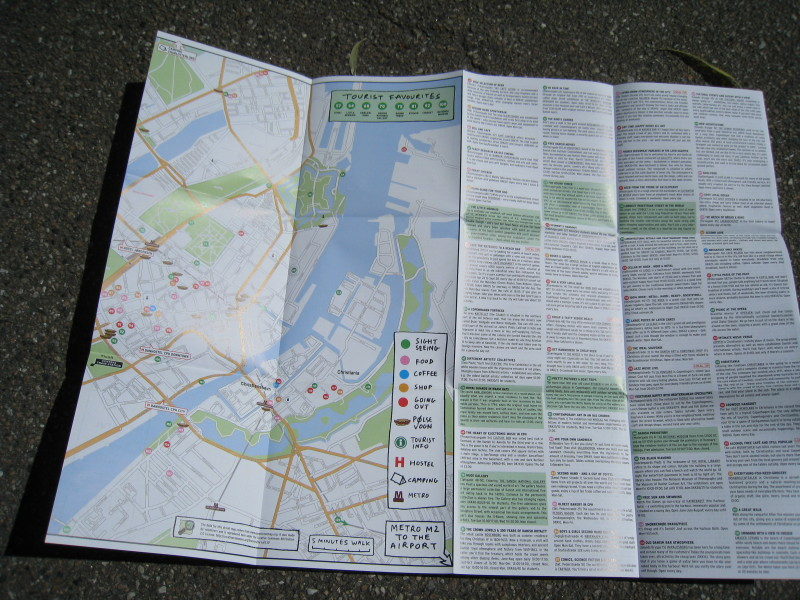
Getting somewhere unfamiliar required a paper map and real navigation skill. Wrong turns meant pulling over to reorient manually.
Navigating to an unfamiliar destination required a genuine paper map, careful advance route planning, and real navigational skill, since a wrong turn meant pulling over to reorient manually rather than simply following spoken turn-by-turn directions. A genuine skill for navigating without any GPS or map app reflects the real, practical competence drivers of the era developed, expertise that GPS and smartphone navigation apps have since made almost entirely unnecessary for most modern drivers.
8. An AM Radio as the Primary, and Often Only, Entertainment Option
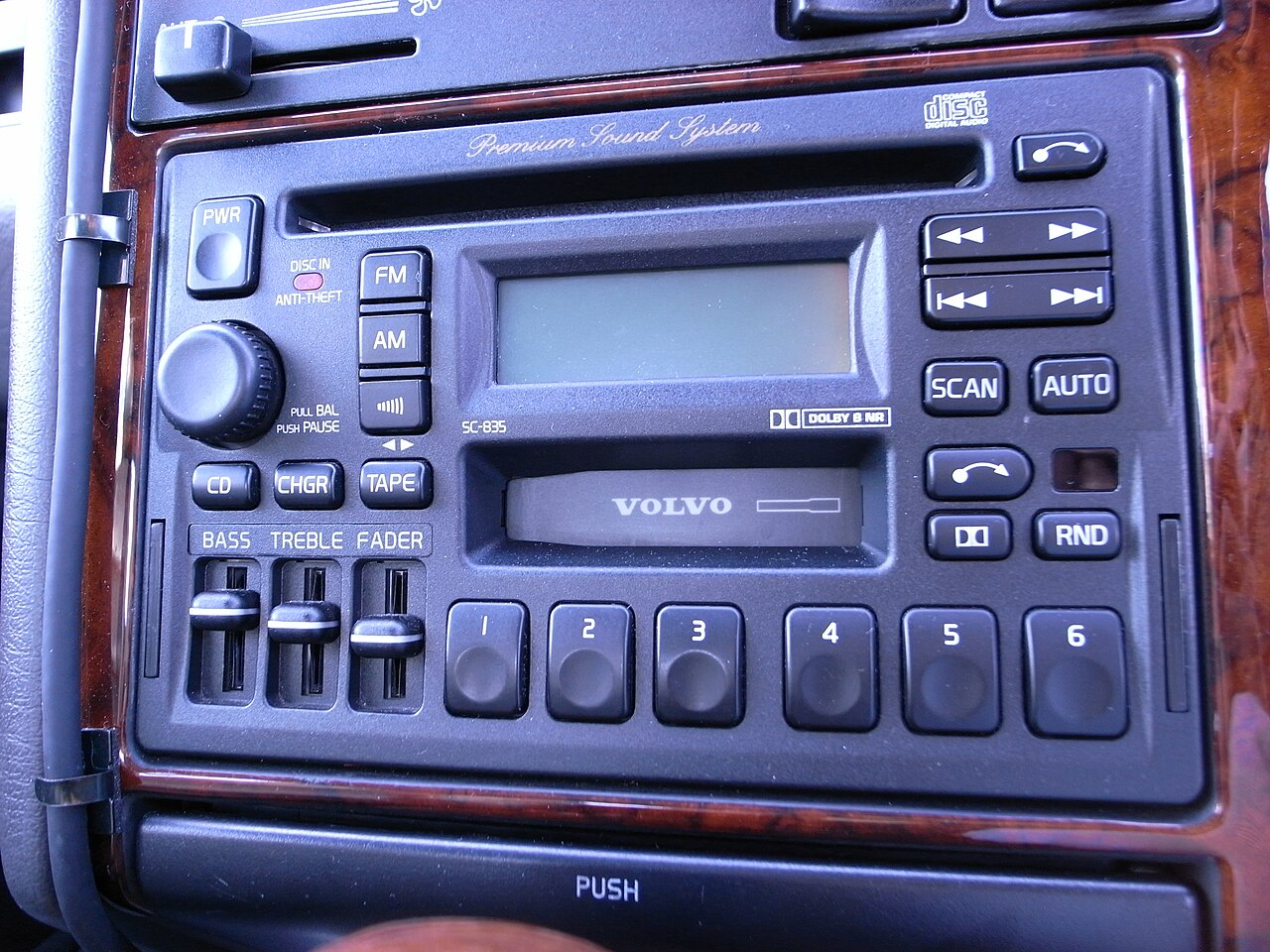
Music and news came exclusively through a basic AM radio. There was no cassette deck, CD player, or streaming option yet available.
A basic AM radio served as the primary, and often only, entertainment option during a drive, with FM radio still relatively uncommon in family vehicles and cassette decks only beginning to appear as an upgrade on newer models. An AM radio as the primary, and often only, entertainment option reflects the genuinely limited in-car entertainment landscape of the era, a single audio source that streaming services and satellite radio have since expanded into an almost limitless range of options.
9. A Genuine Family Ritual Around Washing the Car Together
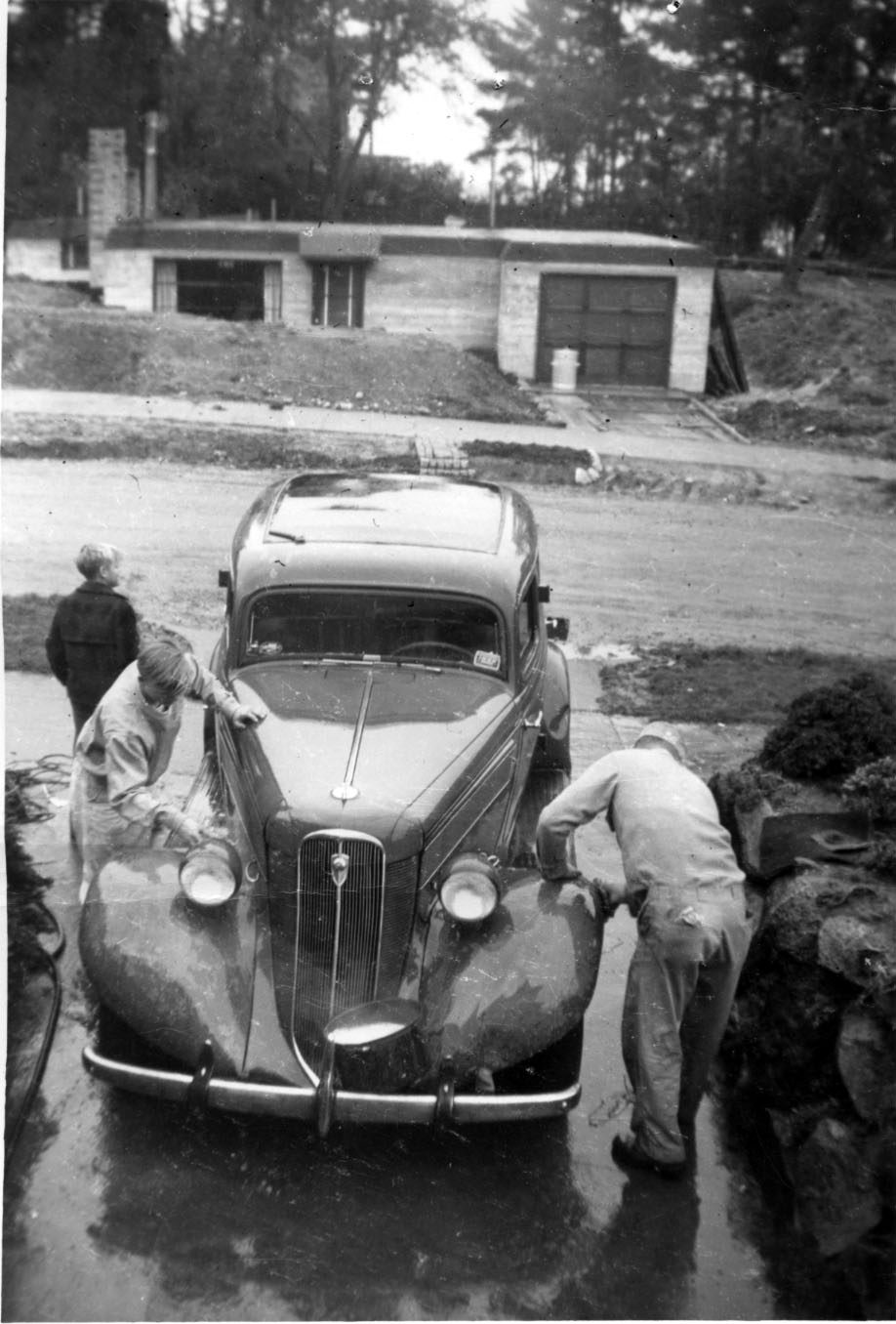
Cleaning the family car on a weekend was a shared household activity. Kids often participated as a genuine family bonding activity.
Washing the family car on a weekend afternoon was often a genuine shared household activity, kids helping with soapy sponges and hoses alongside parents, a small but meaningful family ritual that turned a routine chore into quality time together. A genuine family ritual around washing the car together reflects the car’s broader role as a shared family responsibility, a weekend activity that many former kids specifically remember as a warm, simple family bonding experience.
10. A Genuine Trust in a Single Family Vehicle for Everything
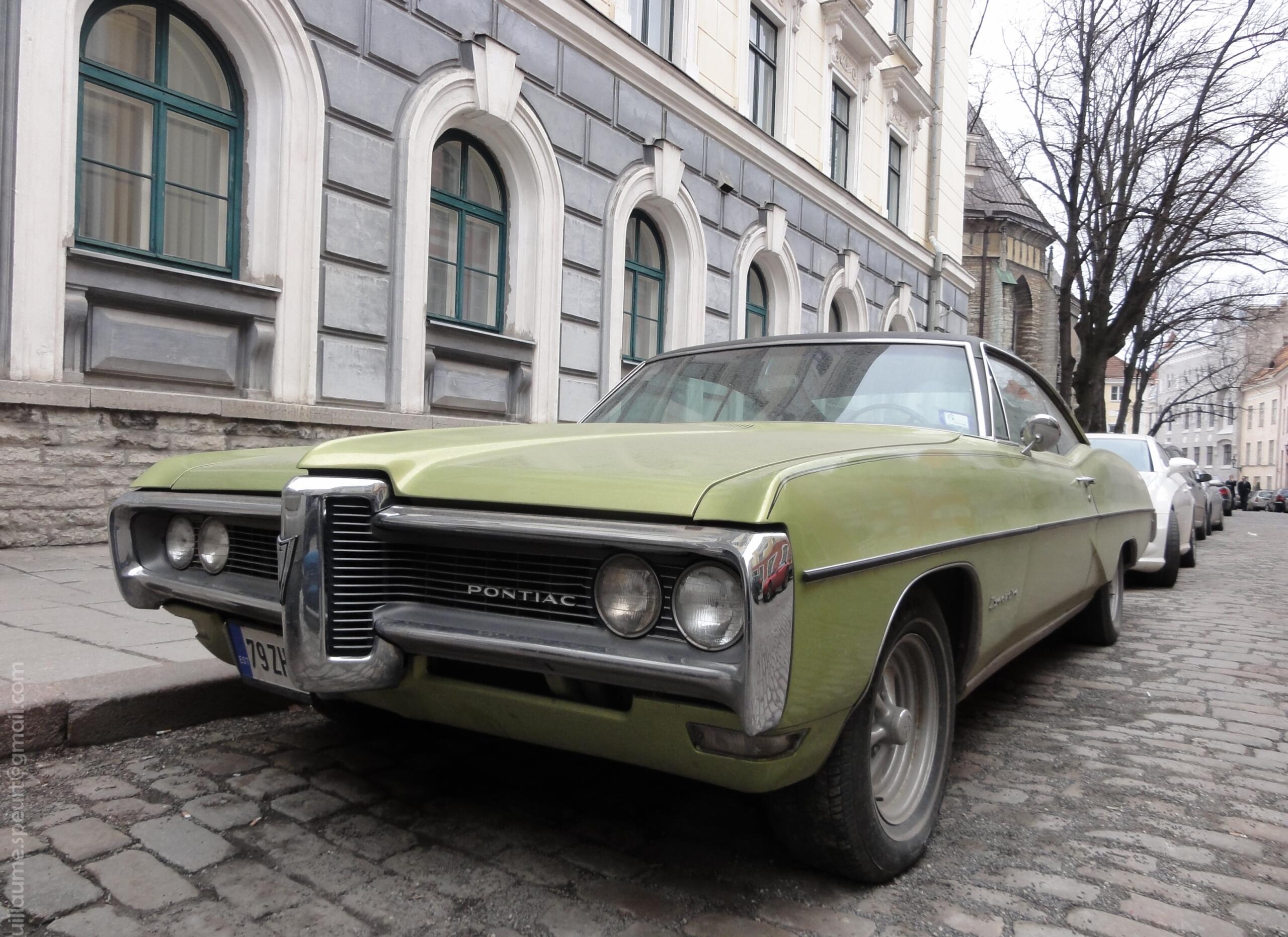
Most households relied on just one car for every need. Scheduling around its availability required real household coordination.
Many households relied on just a single family vehicle to cover every need, work commutes, grocery runs, school pickups, and weekend outings, requiring genuine coordination among family members to schedule around the car’s availability throughout the week. A genuine trust in a single family vehicle for everything reflects the real practical constraints many families navigated, coordination that multi-car households have since made considerably less necessary for most modern American families.
11. A Genuine Sense of Freedom for Teenagers Getting Their License
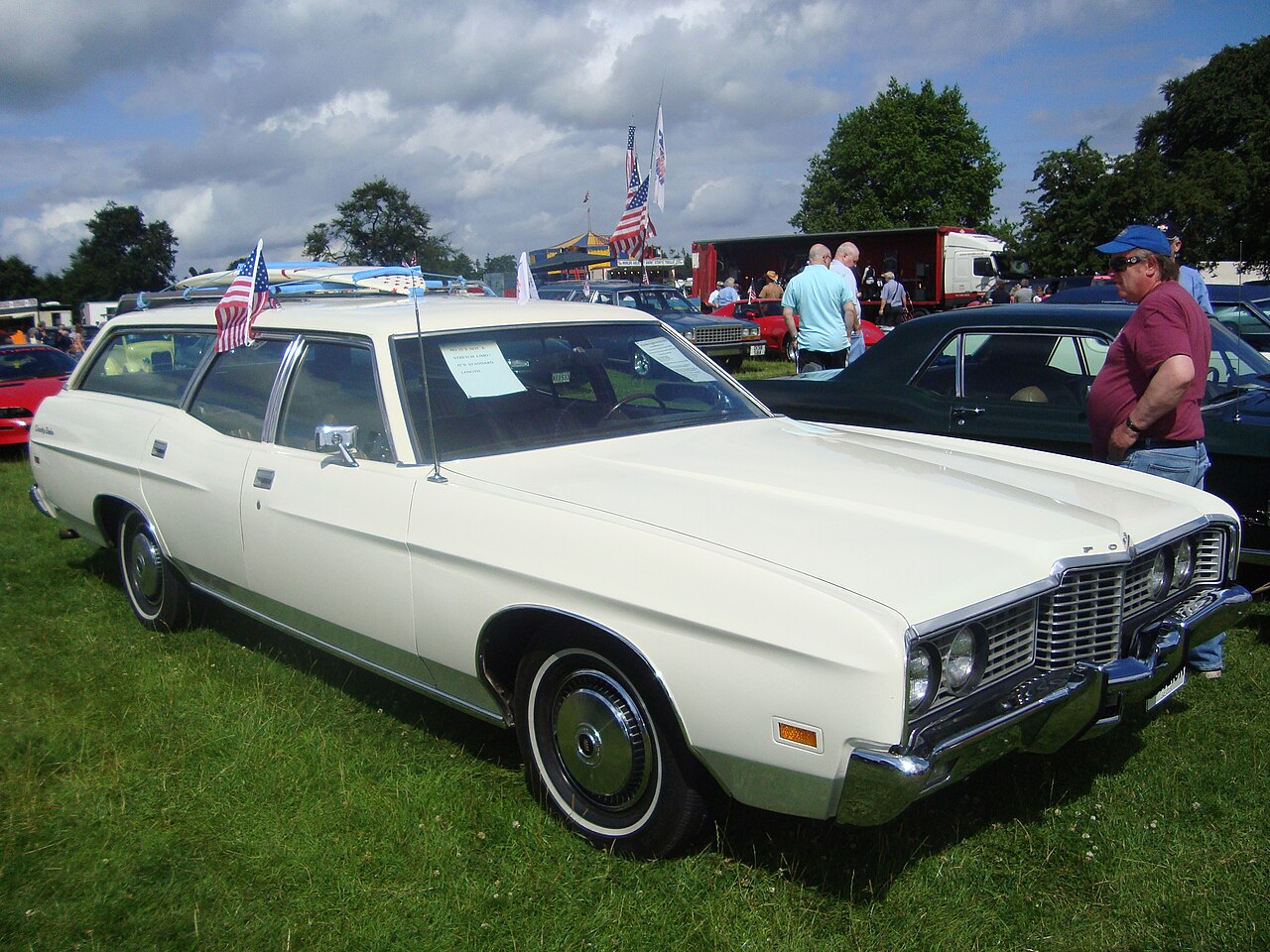
Earning a driver’s license felt like a significant milestone. Access to the family car represented real, meaningful independence.
Earning a driver’s license at sixteen felt like a genuinely significant milestone, and access to the family car represented real, meaningful independence for teenagers eager to drive themselves and friends without a parent along for the ride. A genuine sense of freedom for teenagers getting their license reflects just how significant this rite of passage felt during the era, independence that many former teenagers specifically remember as one of the most exciting achievements of their adolescence.
12. A Genuine Pride Taken in Keeping the Family Car Well-Maintained
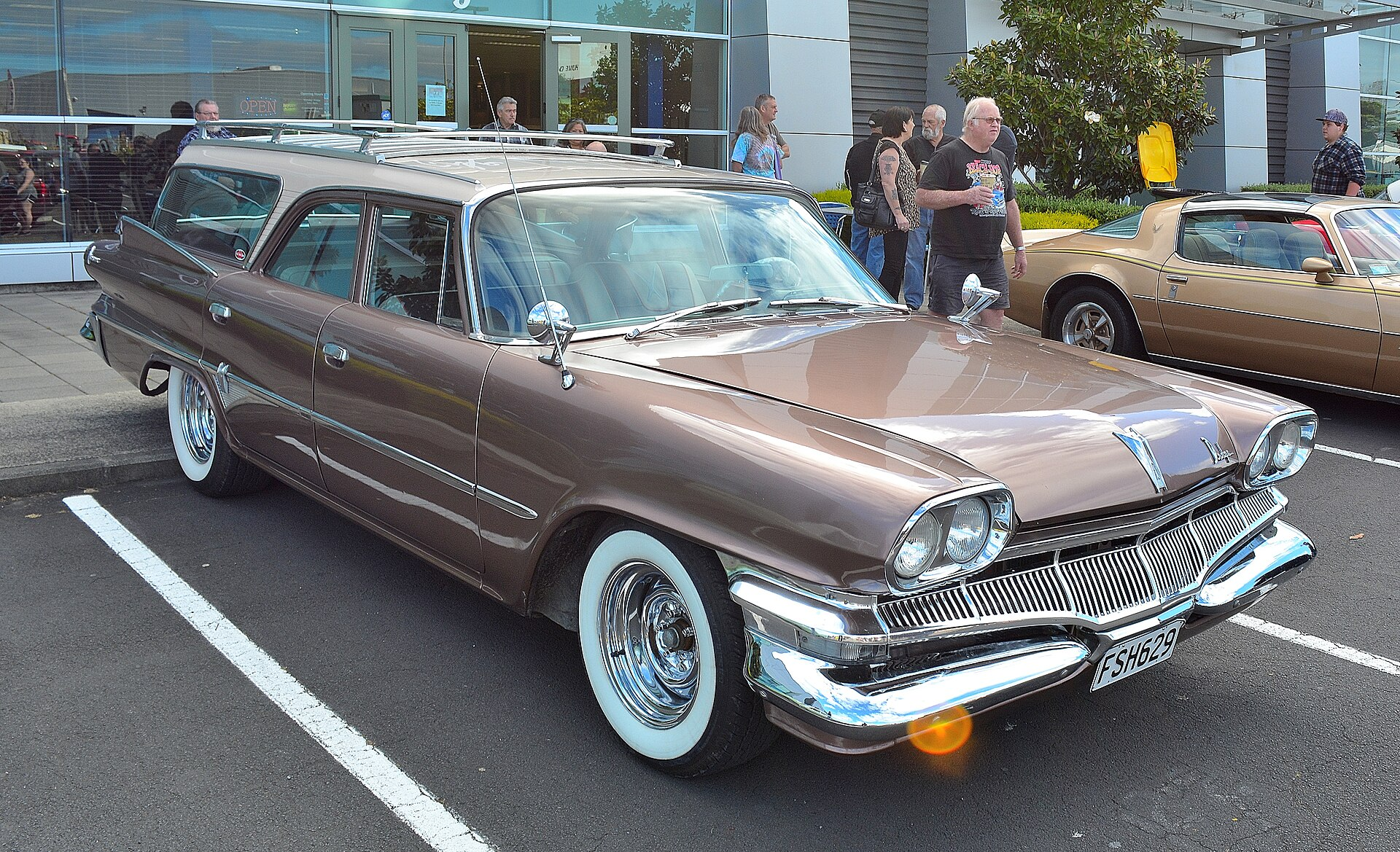
Regular maintenance was treated as a genuine household responsibility. Many fathers specifically took pride in handling repairs themselves.
Regular maintenance, oil changes, tune-ups, tire rotations, was treated as a genuine household responsibility, and many fathers specifically took real pride in handling basic repairs themselves rather than relying entirely on a mechanic for every issue. A genuine pride taken in keeping the family car well-maintained reflects the hands-on, self-sufficient approach many families brought to vehicle ownership, a DIY sensibility that increasingly complex modern vehicle technology has since made considerably less common.
Six Now Banned or Restricted, Six Familiar Memories
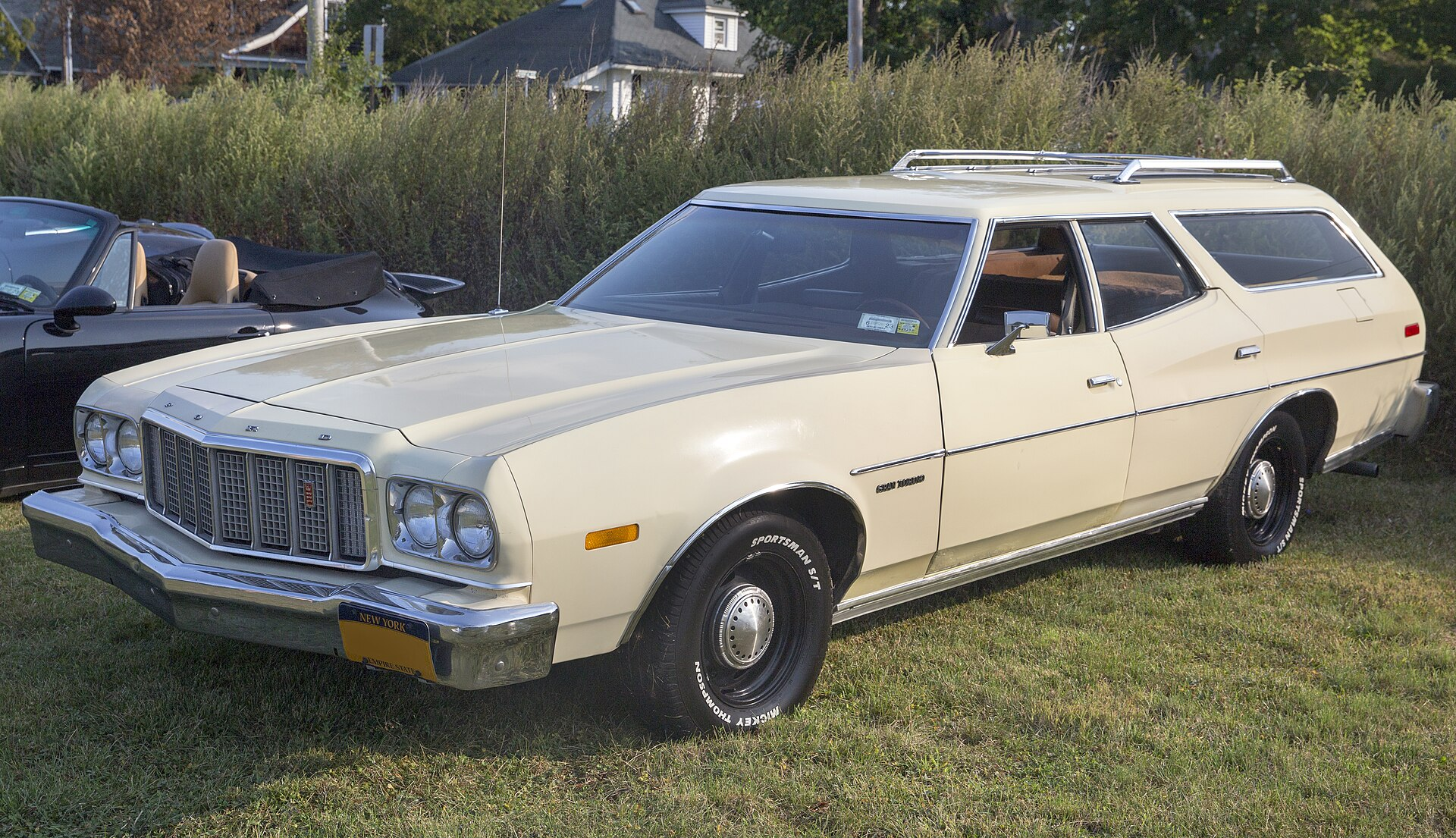
Taken together, these twelve things capture what the family car looked like in 1975, from the unrestrained way-back seating and the unpadded metal dashboard to the shared car-washing ritual and the genuine pride taken in keeping it well-maintained. Six of them, the unrestrained cargo-area seating, the shared bench-seat restraints, the unpadded dashboards without airbags, kids standing in moving vehicles, and the absent rear shoulder belt requirements, are now banned or heavily regulated under modern vehicle and passenger safety standards, while the rest remain recognizable, if considerably updated, parts of family car ownership today.
Federal vehicle safety standards, universal seatbelt laws, and child passenger safety requirements have all transformed considerably since 1975, driven by decades of crash data that led to genuinely significant safety improvements across the entire American auto industry. The changes reflect real, well-documented safety improvements rather than simple regulatory overreach. Yet for those who remember riding in the way-back or standing on the front seat during a family drive, these details bring it all back: the AM radio, the shared car-washing ritual, the genuine thrill of finally earning a driver’s license. Looking back at the family car of 1975 is a nostalgic tribute to a considerably riskier, but fondly remembered, chapter of American family life.
Like our content? Follow us for more.