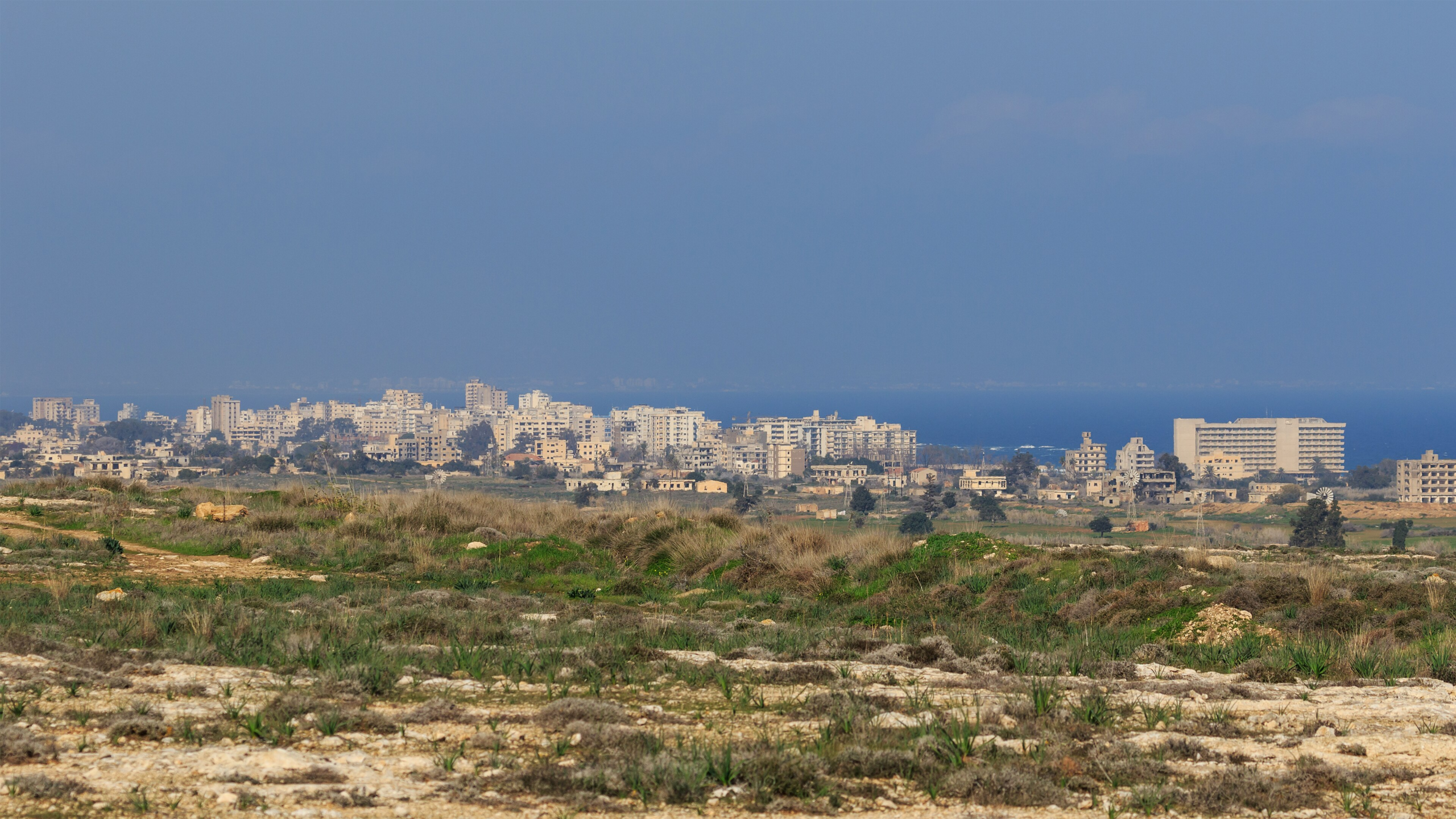
Along a golden stretch of sand on the eastern coast of Cyprus stands a sight that stops every visitor: a full skyline of high-rise beach hotels, dozens of them, lined up along one of the Mediterranean’s most beautiful beaches, all of them empty. Their windows are dark, their balconies crumbling, their signs faded to ghosts of 1970s typefaces. This is Varosha, the resort quarter of the city of Famagusta, and it has stood essentially frozen since the summer of 1974.
The Mediterranean’s Most Fashionable Beach
In its heyday, Varosha was genuinely glamorous. Through the 1960s and early 1970s it grew into one of the Mediterranean’s premier resort destinations, its beachfront lined with modern hotels, its streets filled with boutiques, cinemas, and restaurants, and its guest lists studded with the era’s film stars. Photographs from the period show a confident, fashionable place, a Riviera-style boomtown on an island positioned perfectly between Europe and the Middle East.
Like our content? Follow us for more.
The Summer Everyone Left
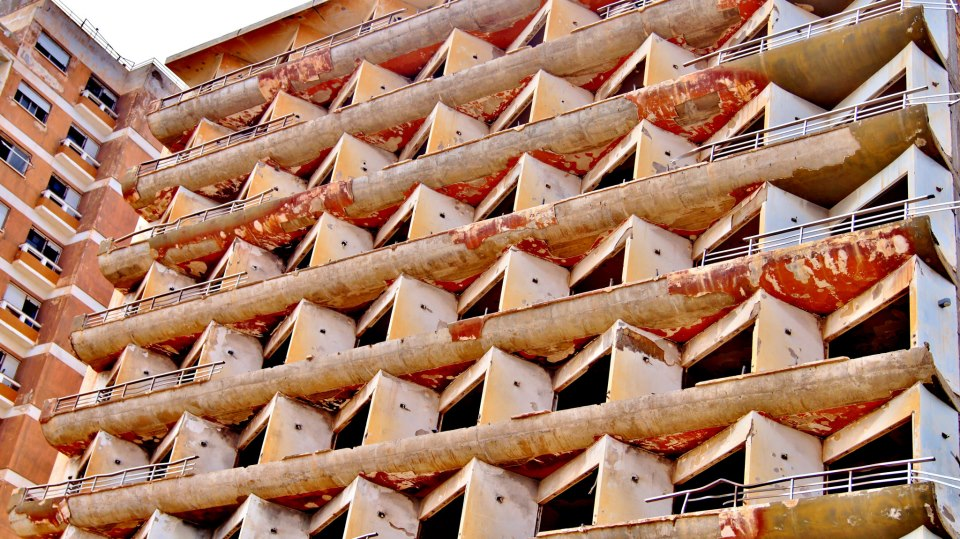
That world ended abruptly in 1974, when war divided Cyprus. As fighting reached Famagusta that August, Varosha’s roughly 15,000 residents, most of them Greek Cypriots, fled the advancing conflict, expecting, as people fleeing conflict often do, to return within days or weeks. Instead, the quarter was fenced off by the Turkish military and closed to everyone, including its former residents. United Nations resolutions have since called for the area to be transferred to UN administration and for its inhabitants to be allowed to return, but the underlying dispute remains unresolved to this day, part of the island’s larger and still-divided political reality.
A City Preserved in 1974
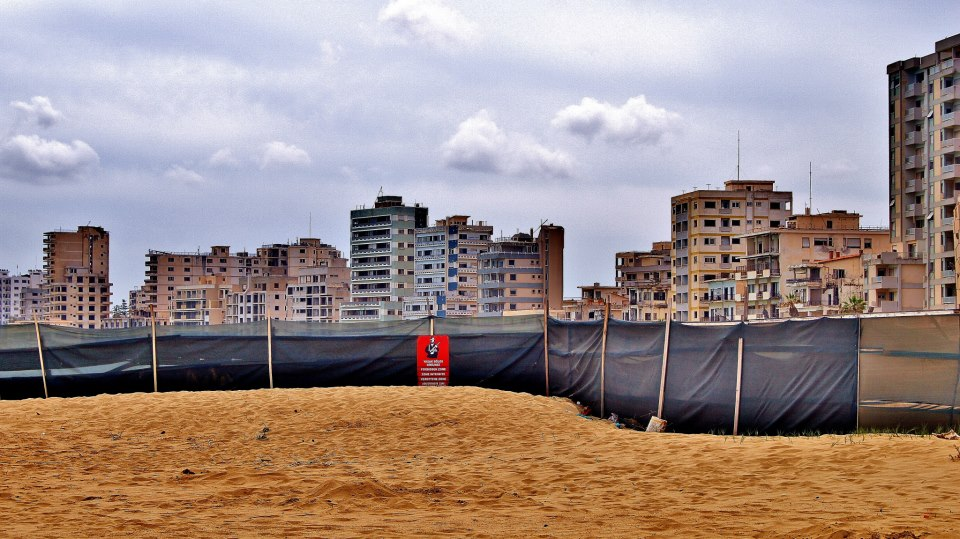
Behind the fence, time simply stopped. Accounts and photographs from over the decades show a city preserved in 1974: car dealerships with that year’s models still inside, shop windows dressed for a season that never ended, hotel towers left mid-renovation. Nature moved in where people couldn’t, with trees growing through floors and sea turtles nesting undisturbed on the closed beaches. For nearly half a century, Varosha was visible only from a distance, photographed through fencing by travelers who could hardly believe what they were looking at.
The Partial Reopening That Changed Access
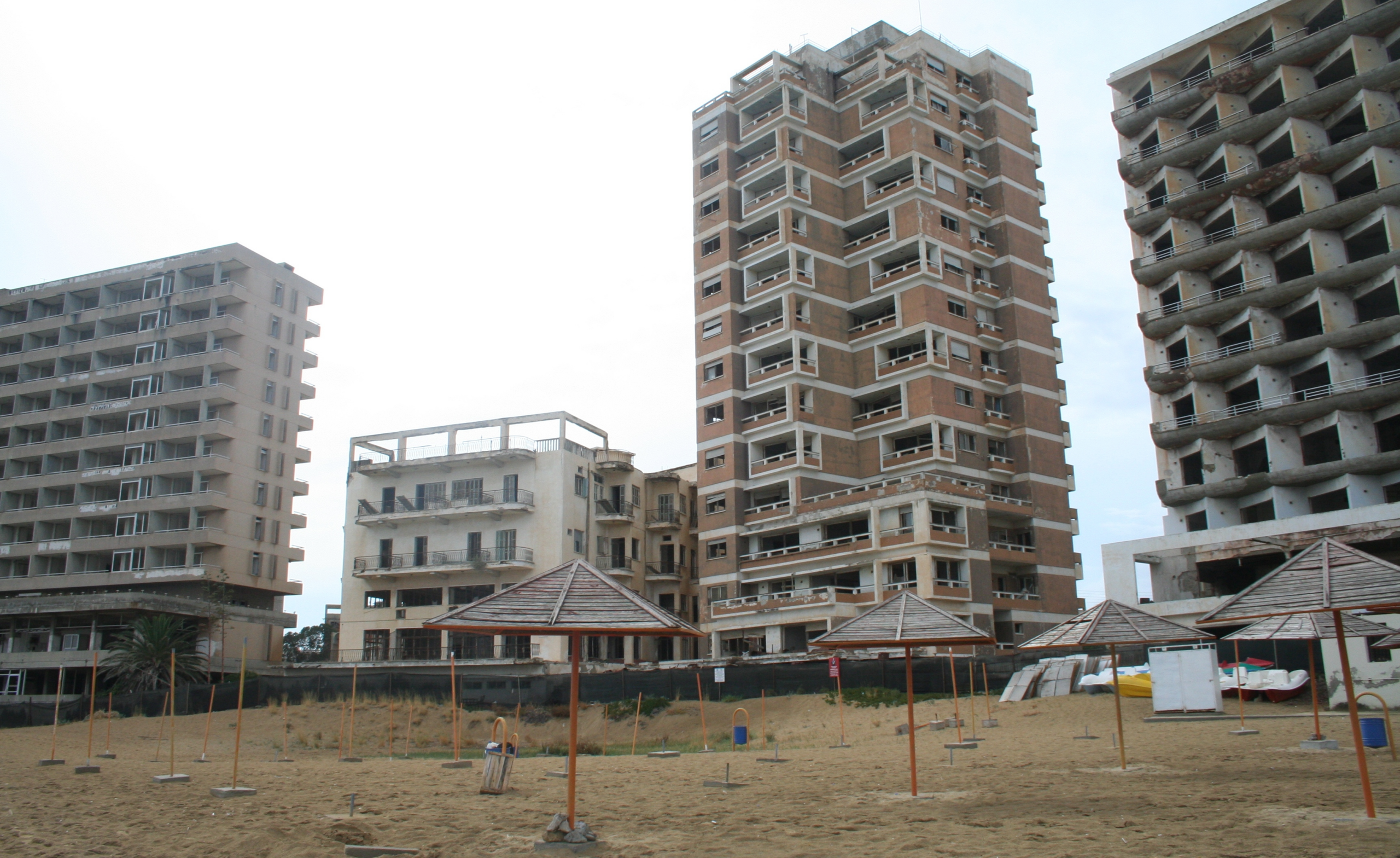
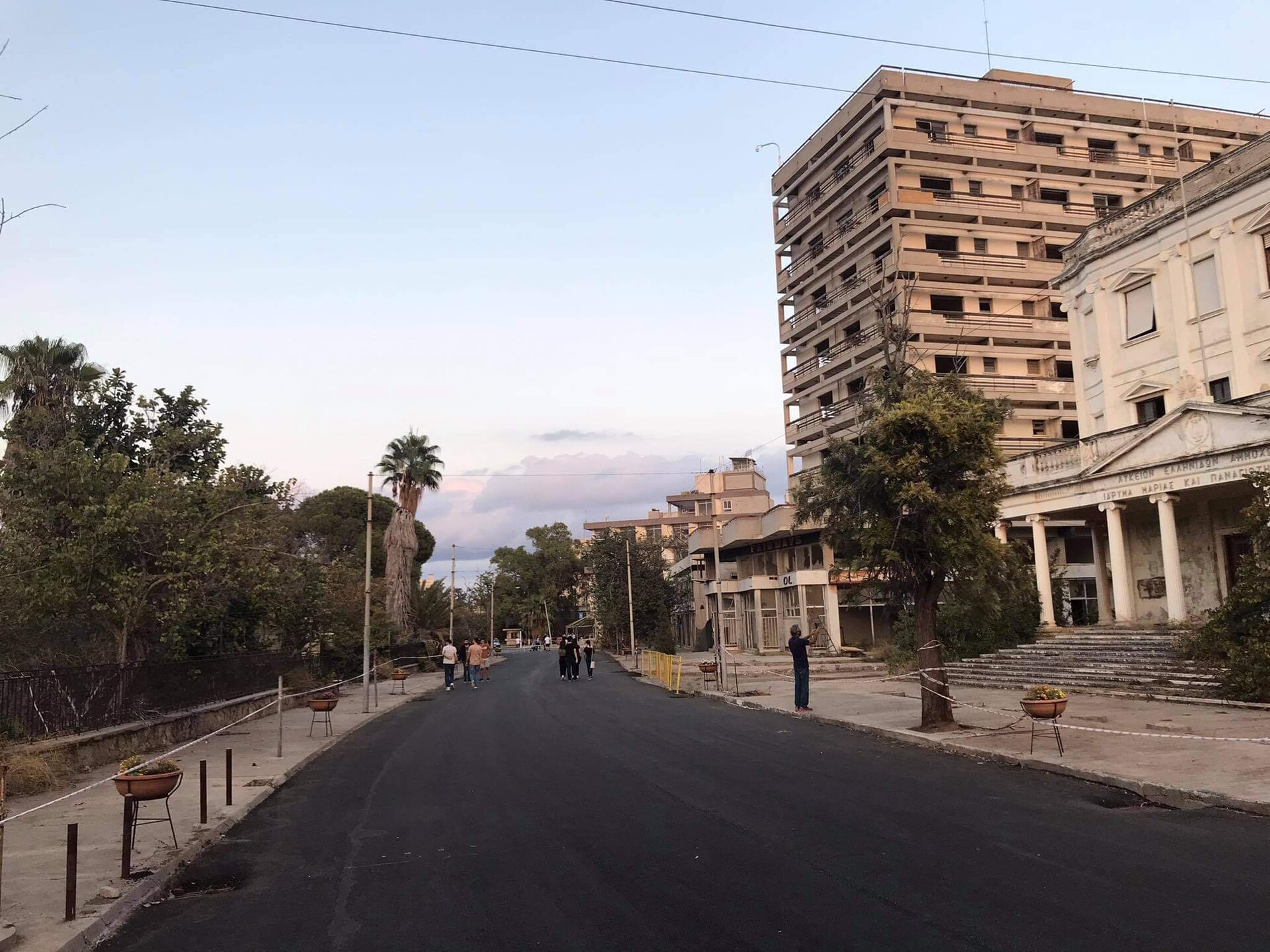
That changed partially in 2020, when a section of Varosha was controversially reopened for visits, a move that drew international criticism and renewed UN attention, but which has since allowed tourists to walk or cycle along cleared routes past the abandoned hotels and shopfronts. Visitors today describe an experience unlike any other destination: bicycle rentals and a beach café operating in the shadow of ruined towers, swimmers in the sea in front of hotels that last took a booking in 1974. The buildings themselves remain off-limits and dangerously unstable, and access is restricted to the designated routes.
Why Visiting Varosha Feels Different
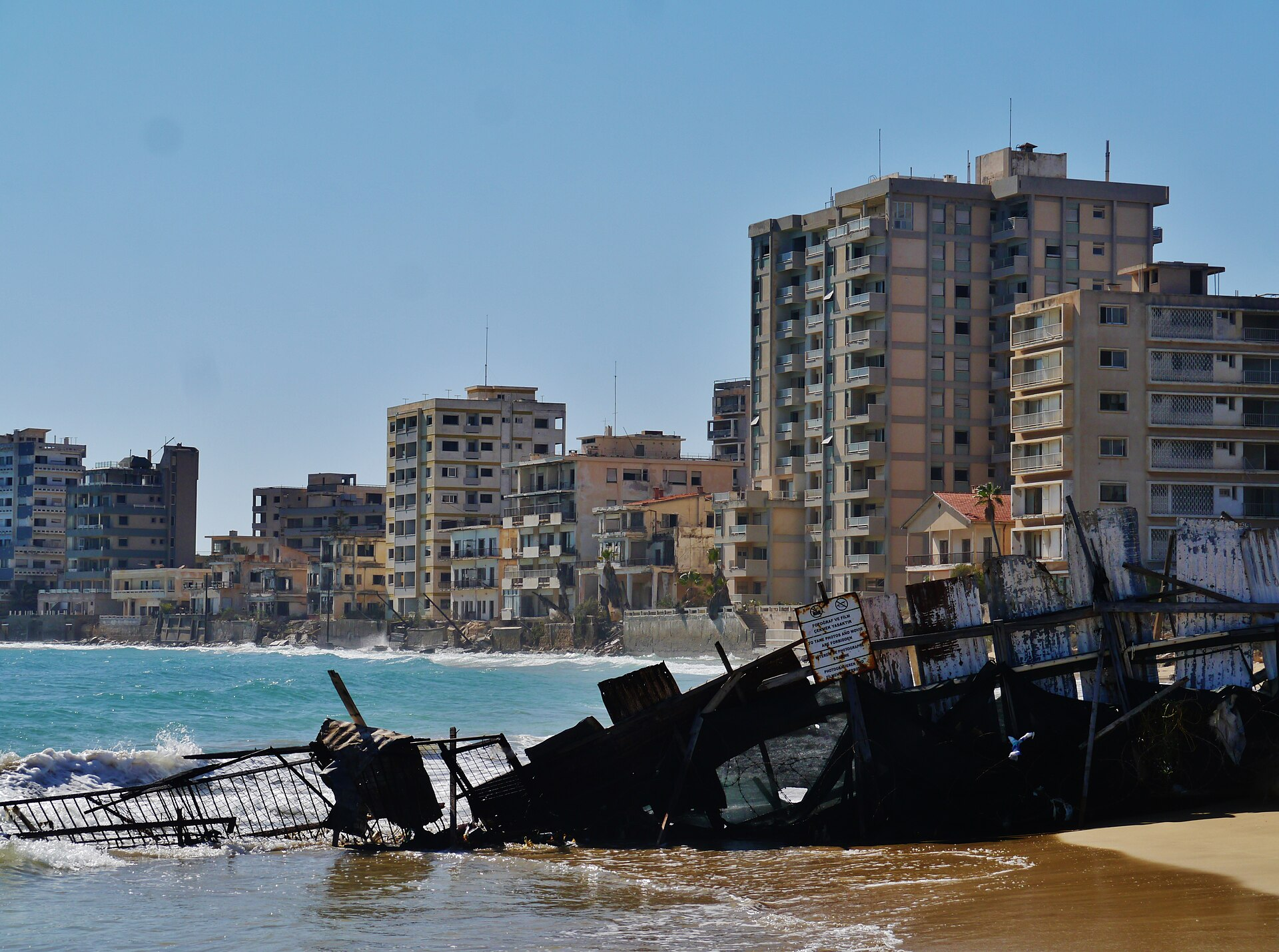
It is, by any measure, a complicated place to visit. Varosha is not an ordinary ghost town emptied by economics or disaster; its former residents are still alive, many still hoping to return, and the area’s status remains one of the most sensitive questions in the Cyprus dispute. Travelers who go tend to describe the experience less as sightseeing than as witnessing, walking through the physical evidence of lives interrupted mid-sentence.
How to See Varosha, and What Else Is There
For those who make the trip, Varosha is reached through the city of Famagusta in the island’s north, and it pairs naturally with the city’s remarkable older layers, Venetian walls, a medieval old town, and the cathedral-turned-mosque at its heart. The contrast is the point: seven centuries of Mediterranean history in one city, with its strangest chapter, the resort where 1974 never ended, waiting behind the fence at the edge of the sand.
Varosha remains what it has been for fifty years: the Mediterranean’s most glamorous resort, paused indefinitely, a place where the sea is as beautiful as it ever was and the hotels still wait for guests who had to leave.
Like our content? Follow us for more.