
Paid vacation is one of the sharpest dividing lines in how the world works, with most developed countries guaranteeing every worker weeks of paid leave by law, plus paid public holidays on top, and the gap between the most generous nations and the United States wider than most Americans realize. Here are the countries that get the most paid vacation, and where America actually ranks, counted down one by one.
1. France: Five Weeks by Law, and Then Some

French law guarantees five weeks of paid leave. Many workers add extra days on top through reduced-hour rules.
France guarantees essentially five weeks of paid vacation, roughly 25 working days, to every employee by law, and many workers add still more days off through the country’s reduced-working-time arrangements, which is how the famously extended French summer holiday became a national institution. France, with five weeks by law and then some, anchors the top of the world’s vacation tables, and August in France, when much of the country slows down at once, is the tradition that proves it.
Like our content? Follow us for more.
2. Spain: A Month Off, Plus a Long List of Holidays

Spanish workers are guaranteed roughly 22 working days. Around a dozen public holidays stack on top.
Spain guarantees workers roughly 22 working days of paid vacation, about a month off, and layers on one of Europe’s longest public-holiday calendars, typically around a dozen or more national and regional dates a year. Spain, with a month off plus a long list of holidays, is a fixture near the top of the global rankings, and its packed August coastlines show the entitlement being used to the fullest.
3. Austria: Five Weeks, Rising With Seniority

Austrian law starts workers at five weeks. Long-tenured employees earn a sixth.
Austria guarantees 25 working days of paid leave from the start, rising to 30 for long-tenured employees, and adds roughly 13 paid public holidays, giving Austrian workers one of the most generous total packages measured anywhere. Austria, with five weeks rising with seniority, regularly lands at or near the very top when leave and holidays are counted together.
4. Finland and the Nordics: Weeks of Leave, Taken Seriously
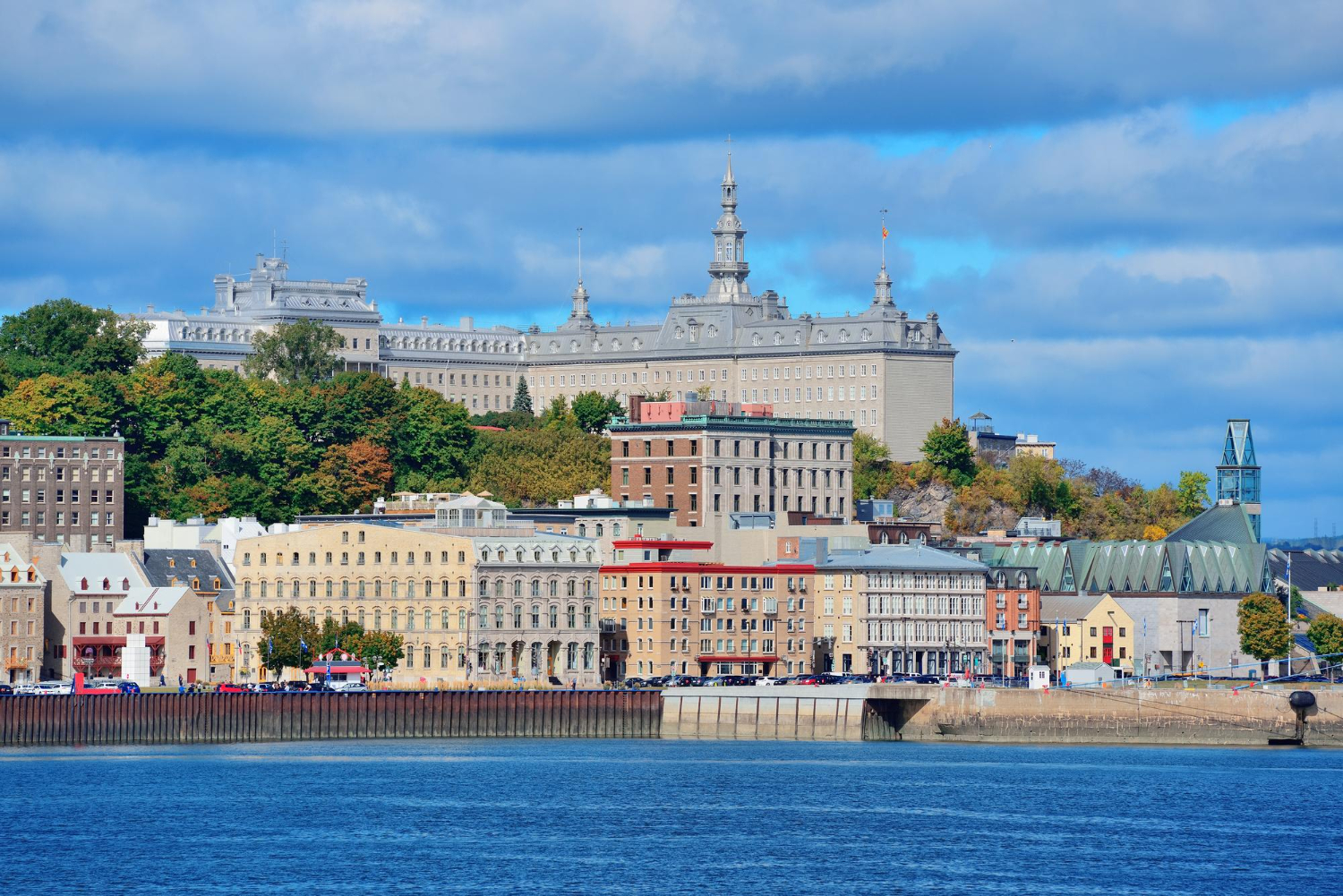
Nordic laws guarantee roughly five weeks. Culture ensures the time actually gets used.
Finland, Denmark, Sweden, and Norway all guarantee roughly 25 working days of paid vacation, and Nordic workplace culture treats the summer break, often several consecutive weeks at a lake cottage or cabin, as close to sacred, with entire industries scheduling around it. Finland and the Nordics, with weeks of leave taken seriously, stand out not just for the law but for the near-universal expectation that every day of it gets used.
5. The United Kingdom: 28 Days, All In

British law guarantees 5.6 weeks of paid leave. Employers may fold public holidays into the total.
The United Kingdom guarantees workers 5.6 weeks of paid leave a year, 28 days for full-timers, one of the highest statutory minimums in the world, though employers are allowed to count the country’s bank holidays within that total. The United Kingdom, with 28 days all in, gives nearly every British worker close to six weeks of combined time off as a legal floor, not a perk.
6. Brazil: Thirty Days, Often Taken in One Glorious Block

Brazilian workers earn 30 days after a year. Many take an entire month at once.
Brazil guarantees workers 30 days of paid vacation after each year of service, plus a cash vacation bonus on top, and it remains common to take the entitlement as one uninterrupted month, a rhythm of working life that astonishes visitors from less generous systems. Brazil, with thirty days often taken in one glorious block, proves the world’s most generous vacation laws aren’t confined to Europe.
7. Germany: Four Weeks by Law, Six by Custom

The legal minimum is 20 working days. Collective agreements push most workers to 28-30.
Germany’s statutory minimum is a comparatively modest 20 working days, but collective agreements and standard contracts push the real-world norm to 28-30 days for most employees, plus public holidays, and German workplace culture strongly expects the time to be taken. Germany, with four weeks by law and six by custom, shows how the legal floor often understates how much vacation workers in these countries actually receive.
8. Australia and New Zealand: Four Weeks, Plus Long Service

Both countries guarantee four weeks of paid leave. Australia adds extra long-service leave after years on the job.
Australia and New Zealand each guarantee four weeks of paid annual leave, with public holidays on top, and Australia layers on a distinctive extra, long-service leave, additional paid weeks that accrue after many years with the same employer. Australia and New Zealand, with four weeks plus long service, carry the generous-leave tradition across the Southern Hemisphere’s other corner.
9. Japan and South Korea: Generous on Paper, Complicated in Practice

Statutory leave rises with tenure in both countries. Cultural pressure long kept usage rates low.
Japan and South Korea guarantee paid leave that grows with tenure, into the high teens and twenties of days, yet both are famous for low usage rates, with workplace culture historically discouraging employees from taking what the law provides, something both governments have actively worked to change. Japan and South Korea, generous on paper and complicated in practice, are the reminder that vacation is a cultural fact as much as a legal one.
10. And the United States: The Only Rich Country With No Guarantee at All

No federal law requires a single paid vacation day. The average American gets what an employer chooses to give.
Here is where America ranks: last, and it isn’t close, because the United States is the only advanced economy with no federal law guaranteeing a single day of paid vacation or a single paid holiday, leaving time off entirely to employers, who give private-sector workers roughly 10 to 15 days on average, and give some workers none at all. The United States, the only rich country with no guarantee at all, sits alone at the bottom of every international vacation table, a fact that surprises Americans far more than it surprises anyone else.
The Five-Week World and the No-Week Exception

Taken together, these rankings sketch two different philosophies of working life, a broad international norm in which four to six weeks of paid rest is a legal right, and an American system in which vacation is a benefit some workers negotiate and others never see. The gap isn’t small, and it isn’t closing on its own.
The generous-leave countries built their systems over a century of labor law, and their economies function with entire industries pausing each summer, evidence that the five-week norm is workable rather than utopian. The American exception has its own logic, flexibility for employers and, defenders argue, for high-performing workers who prefer pay to time. Wherever you land on that debate, the numbers themselves aren’t in dispute: in most of the developed world, the summer holiday is a right, and in America, it’s a line item in an offer letter.
Like our content? Follow us for more.