The casserole is the great American translation of care into food, one dish, one oven, one pan carried to a potluck, a new neighbor, or a grieving family, and like everything America cooks, it split into fiercely regional traditions that answer to different names and defend different rules. Here are eight distinct American casserole traditions and what makes each one different, counted down one by one.
1. Minnesota Hot Dish: Never Call It a Casserole
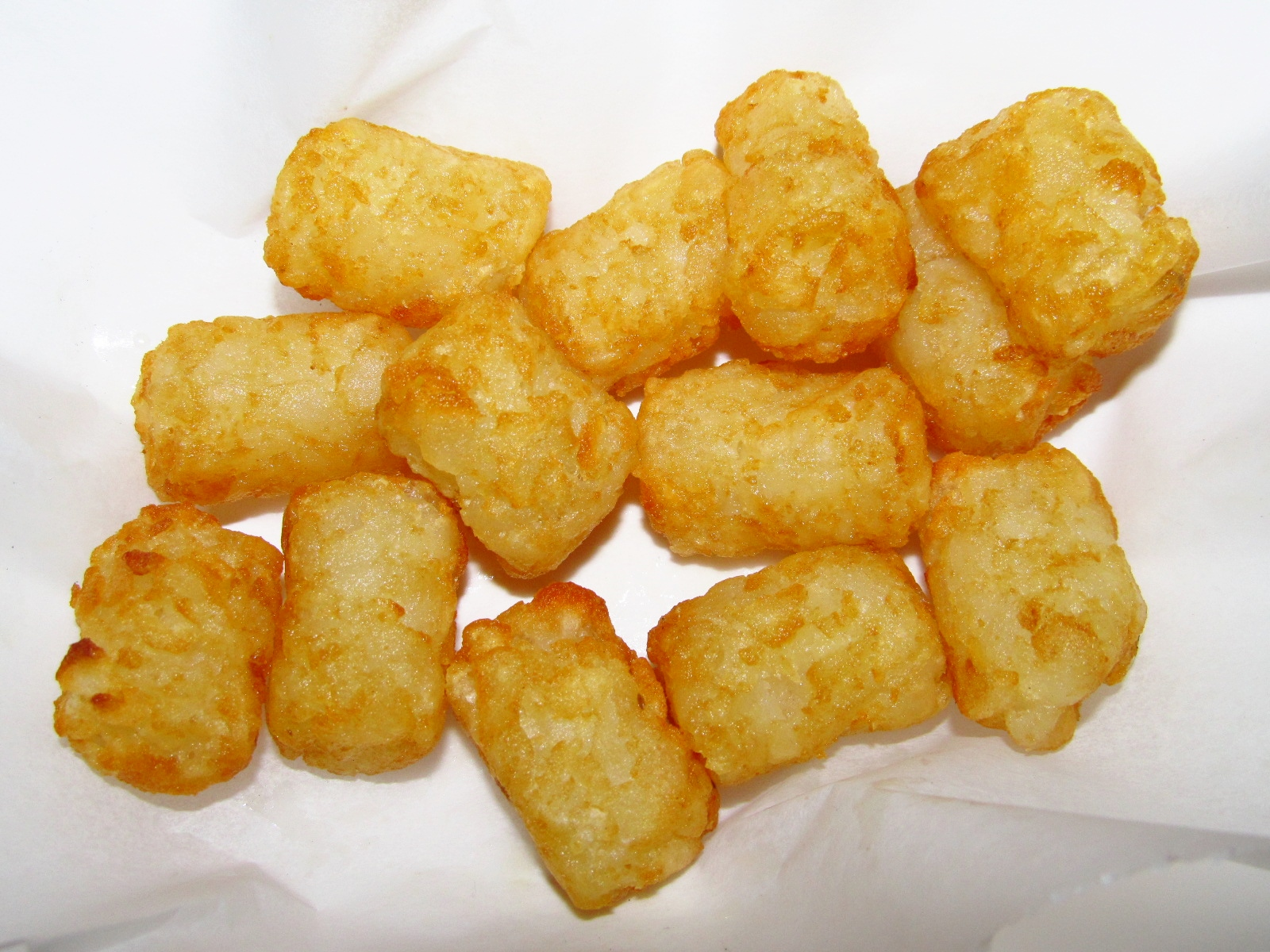
Ground beef, vegetables, creamy binder, tater tots on top. In Minnesota, the name itself is the tradition.
Minnesota’s hot dish, ground beef, a vegetable, a creamy binder, and a shingled roof of tater tots, is so central to Upper Midwest identity that the word “casserole” itself marks an outsider, and church basements, family reunions, and even the state’s congressional delegation hold hot dish competitions with genuine stakes. Minnesota hot dish, never call it a casserole, leads the countdown because nowhere else does one pan carry so much regional pride.
Like our content? Follow us for more.
2. Green Bean Casserole: The Test-Kitchen Invention That Conquered Thanksgiving
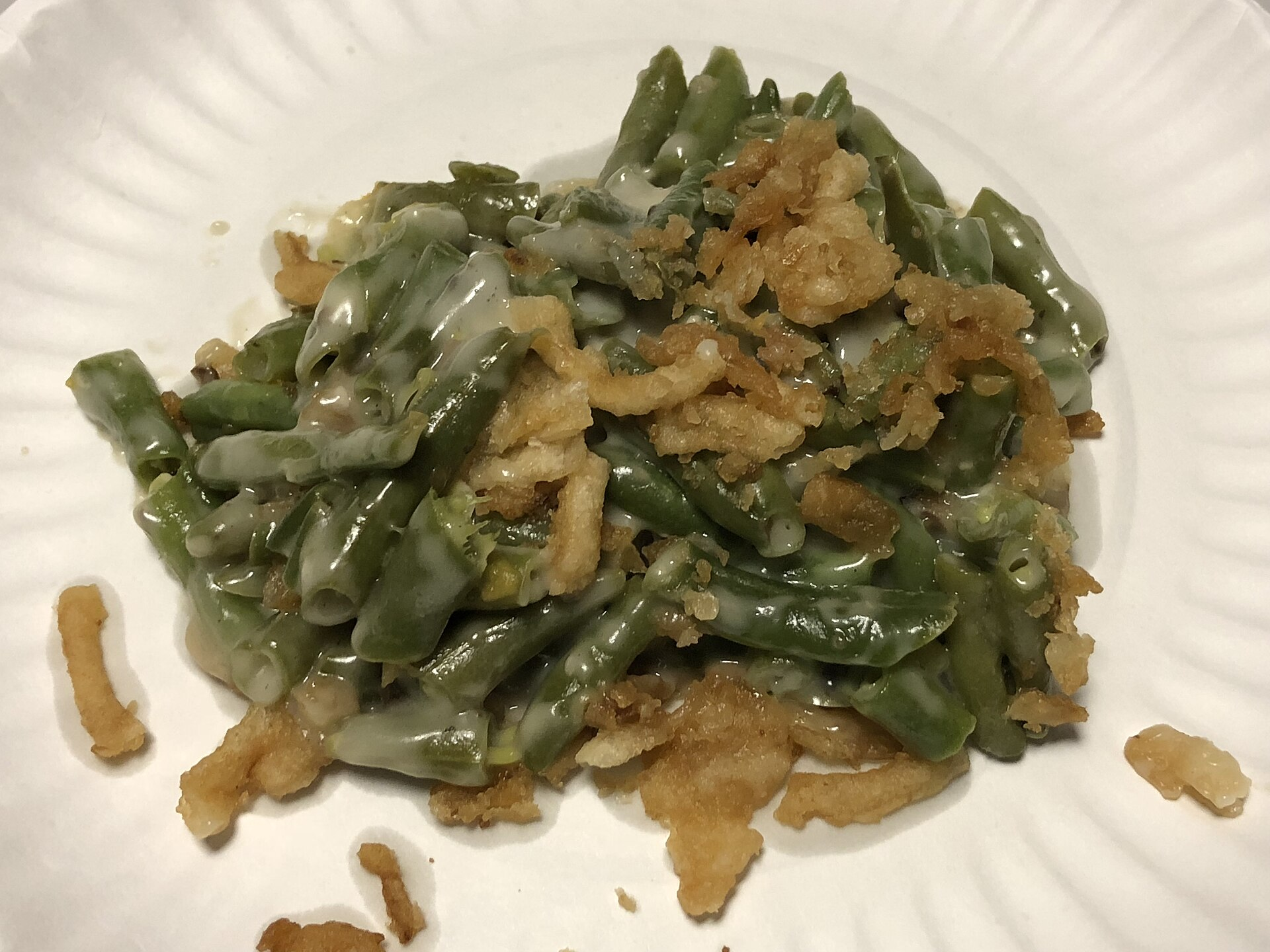
Created by a soup company’s test kitchen in 1955. It now appears on tens of millions of holiday tables.
The green bean casserole, green beans, cream of mushroom soup, and crispy fried onions, was invented in a soup company’s test kitchen in 1955 as a recipe to move product, and it succeeded beyond any marketing dream, becoming a permanent fixture of the American Thanksgiving that tens of millions of households prepare every November. Green bean casserole, the test-kitchen invention that conquered Thanksgiving, is the countdown’s great corporate Cinderella story, a recipe that became a tradition.
3. Tuna Noodle Casserole: The Weeknight Workhorse of the Midcentury
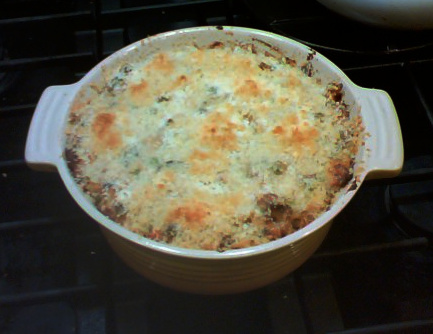
Canned tuna, egg noodles, and a creamy binder. A crushed-cracker or chip topping finished the classic.
The tuna noodle casserole, canned tuna, egg noodles, peas, and a creamy binder under a topping of crushed crackers or potato chips, was the midcentury weeknight workhorse, built entirely from the pantry and stretched to feed any number the evening required. Tuna noodle casserole, the weeknight workhorse of the midcentury, is the tradition most Americans over a certain age can taste from memory, for better and, they’ll admit fondly, occasionally for worse.
4. King Ranch Chicken: The Casserole Texas Claims
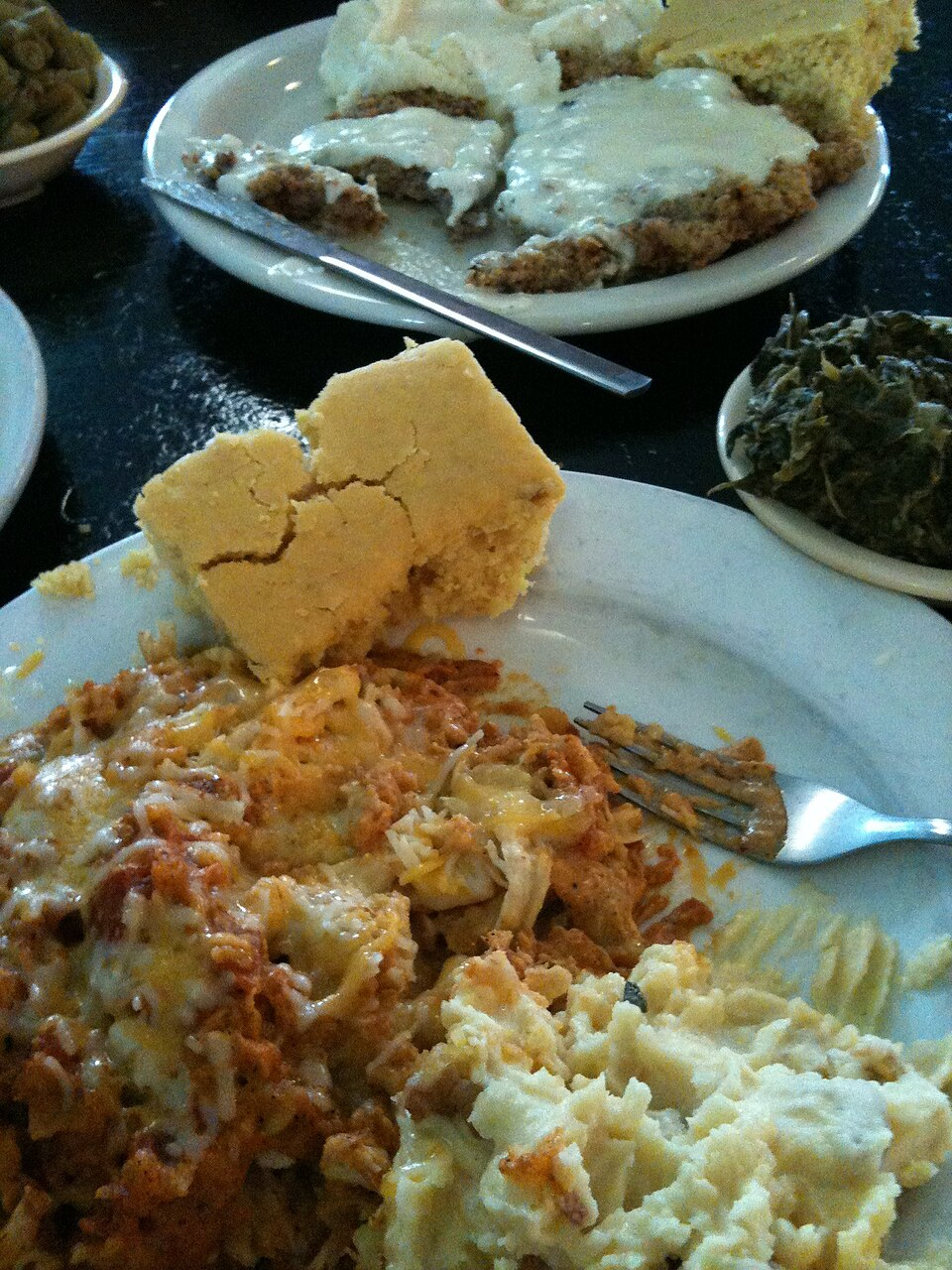
Layers of tortillas, chicken, and a spiced creamy sauce. Its name honors a ranch that denies inventing it.
Texas’s King Ranch chicken layers corn tortillas, shredded chicken, and a creamy, tomato-and-chile-spiked sauce into the state’s most beloved potluck pan, named after the famous ranch that has long denied inventing it, a mystery that only deepens the dish’s Lone Star mythology. King Ranch chicken, the casserole Texas claims, is the countdown’s border-kitchen crossover, Tex-Mex flavor built on Midwest casserole logic.
5. Funeral Potatoes: The Mountain West’s Dish of Condolence
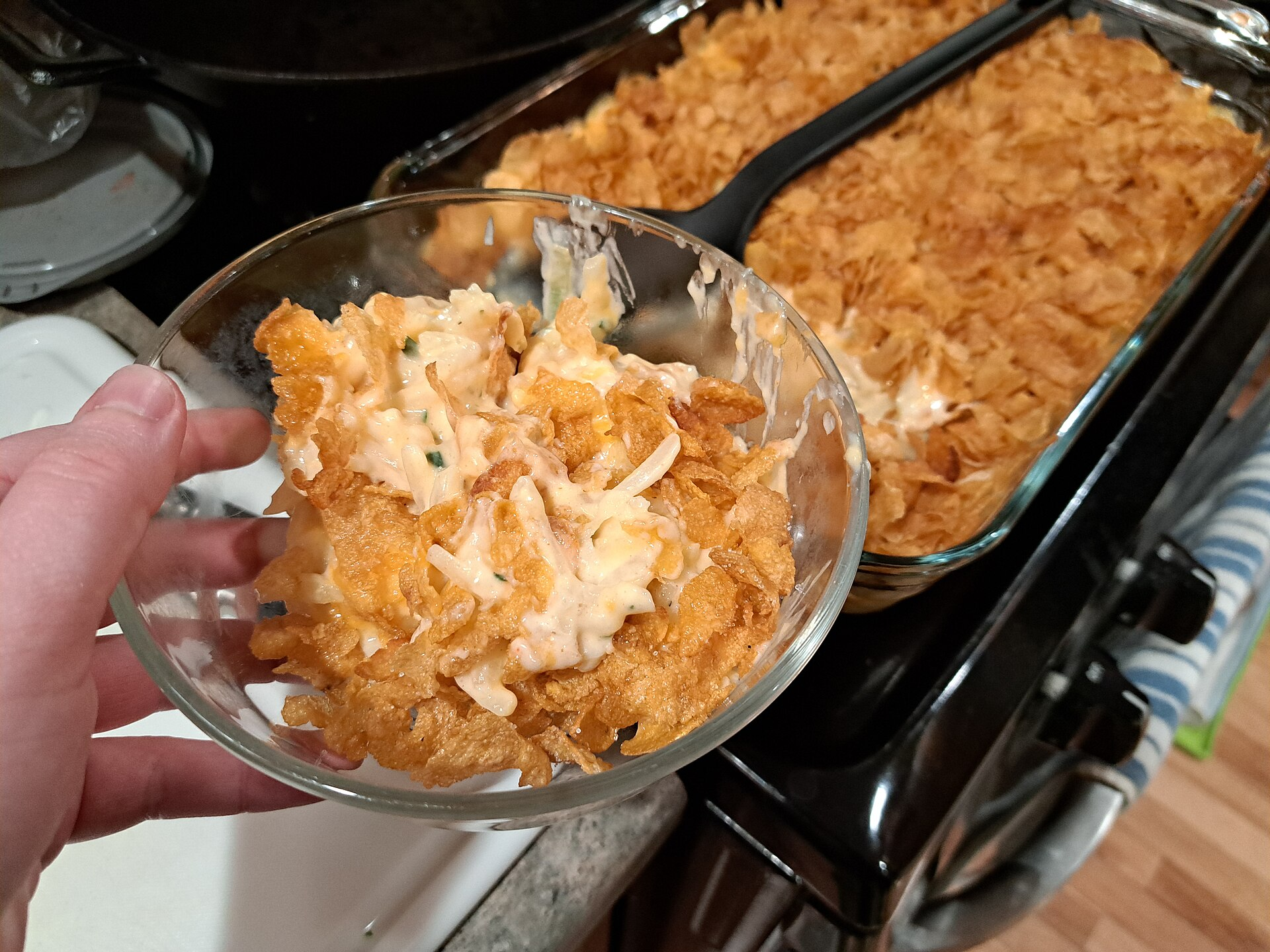
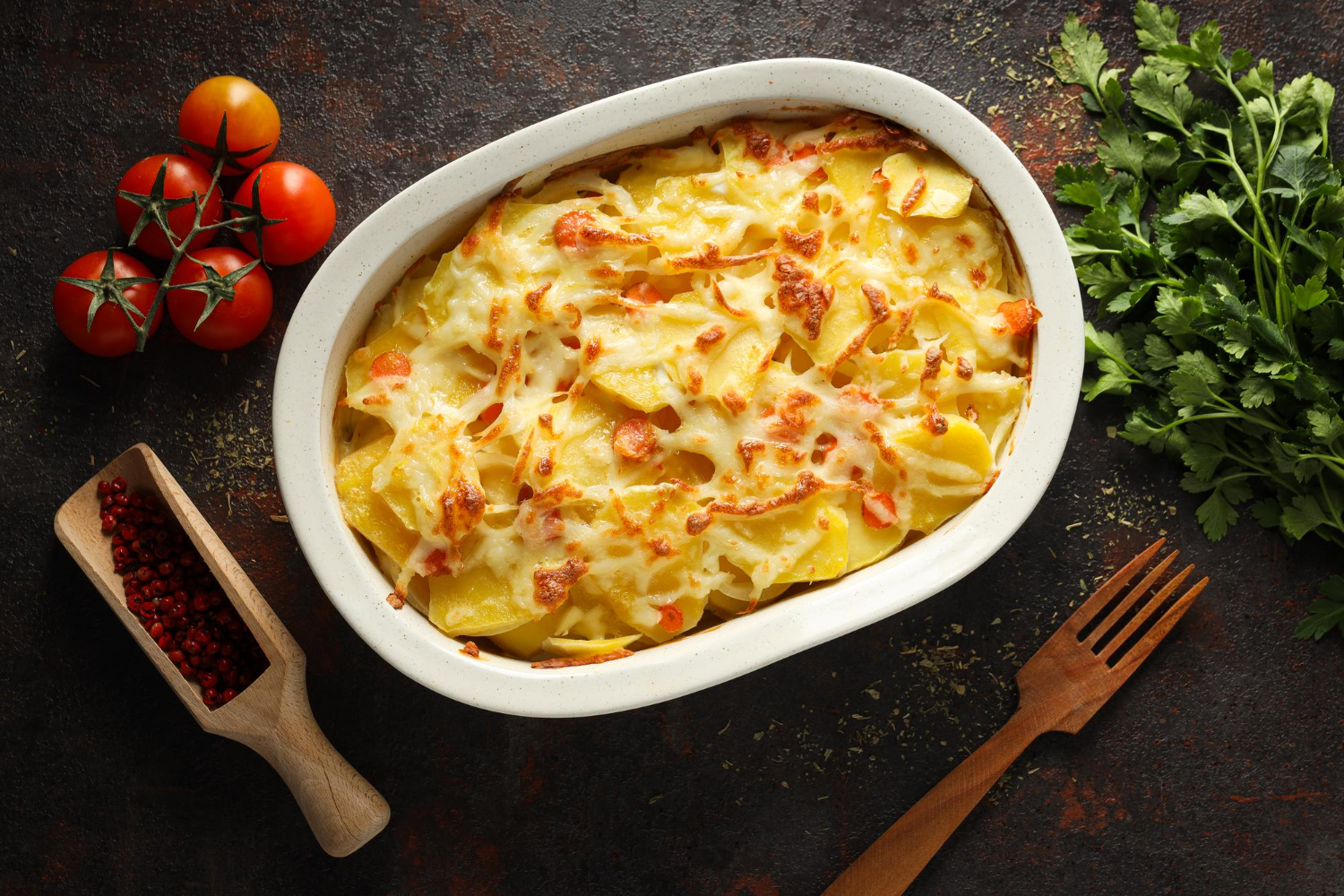
Cheesy hash-brown casserole with a cornflake top. It appears wherever a neighbor needs feeding.
The Mountain West’s funeral potatoes, a cheesy hash-brown casserole crowned with buttered cornflakes or crackers, earned their unflinching name honestly, as the dish carried to grieving families and served at post-funeral lunches across Utah and its neighbors, though the pan now appears at every gathering from ski weekends to holiday dinners. Funeral potatoes, the Mountain West’s dish of condolence, are the countdown’s most tender tradition, comfort food in the most literal sense the term allows.
6. Johnny Marzetti: Ohio’s Ground-Beef Legend
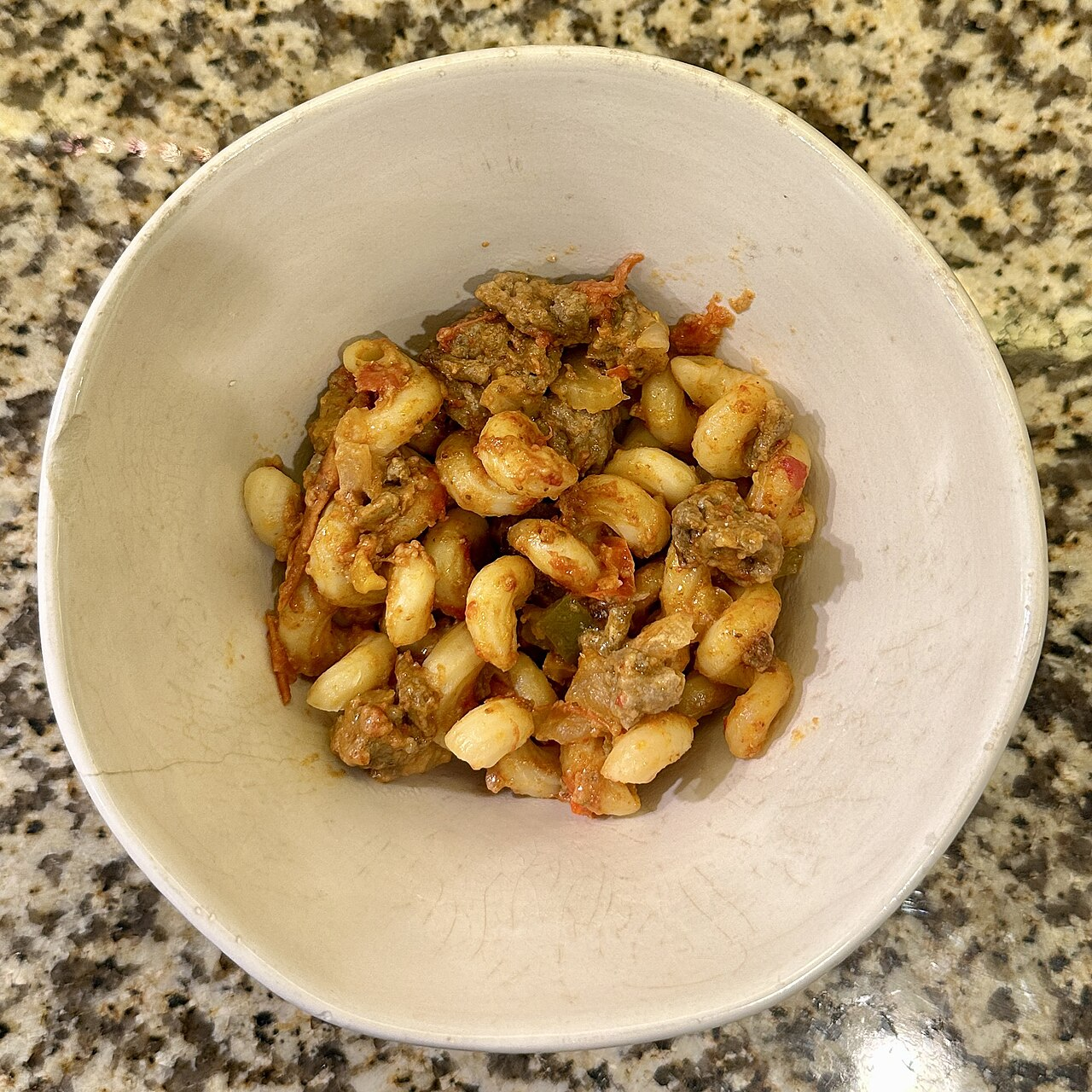
Ground beef, tomato sauce, cheese, and noodles. A Columbus restaurant gave the dish its name a century ago.
Ohio’s Johnny Marzetti, ground beef, tomato sauce, cheese, and noodles baked into one bubbling pan, traces to a Columbus restaurant a century ago and spread through Midwest school cafeterias and church suppers until generations of Ohioans assumed the whole country knew the name. Johnny Marzetti, Ohio’s ground-beef legend, is the countdown’s proof that a casserole can be a hometown hero, famous within its borders and a delicious secret beyond them.
7. Sweet Potato Casserole: The South’s Dessert at the Dinner Table
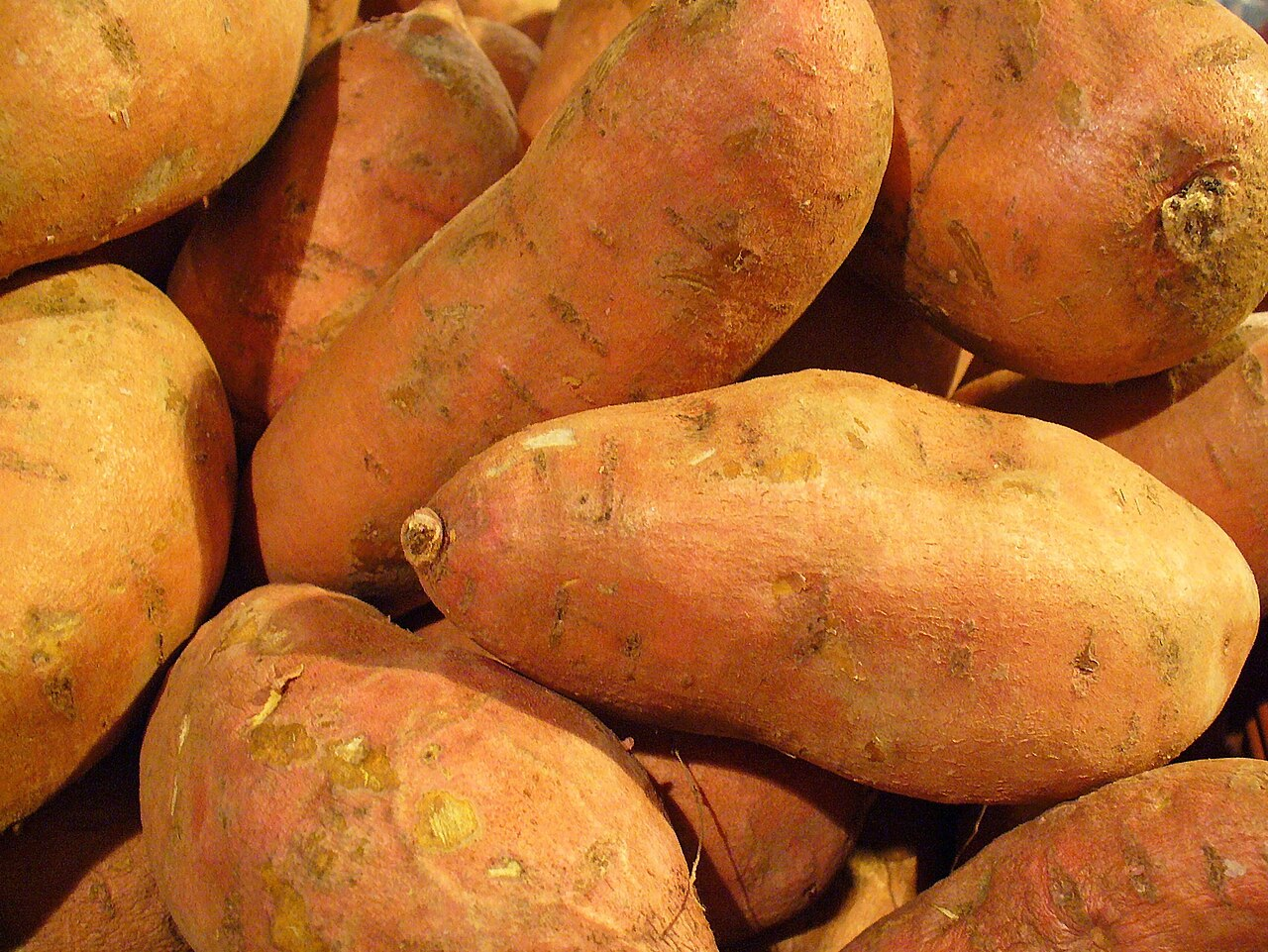
Mashed sweet potatoes under marshmallows or pecans. The topping question divides Southern families.
The South’s sweet potato casserole, mashed sweet potatoes enriched with butter and sugar beneath a topping of toasted marshmallows or brown-sugar pecan streusel, functions as dessert served boldly beside the turkey, and the marshmallow-versus-pecan question divides Southern families more reliably than any other item on the holiday table. Sweet potato casserole, the South’s dessert at the dinner table, is the countdown’s sweetest tradition and its most contested square footage.
8. Broccoli Rice Cheese Casserole: The Potluck That Never Misses
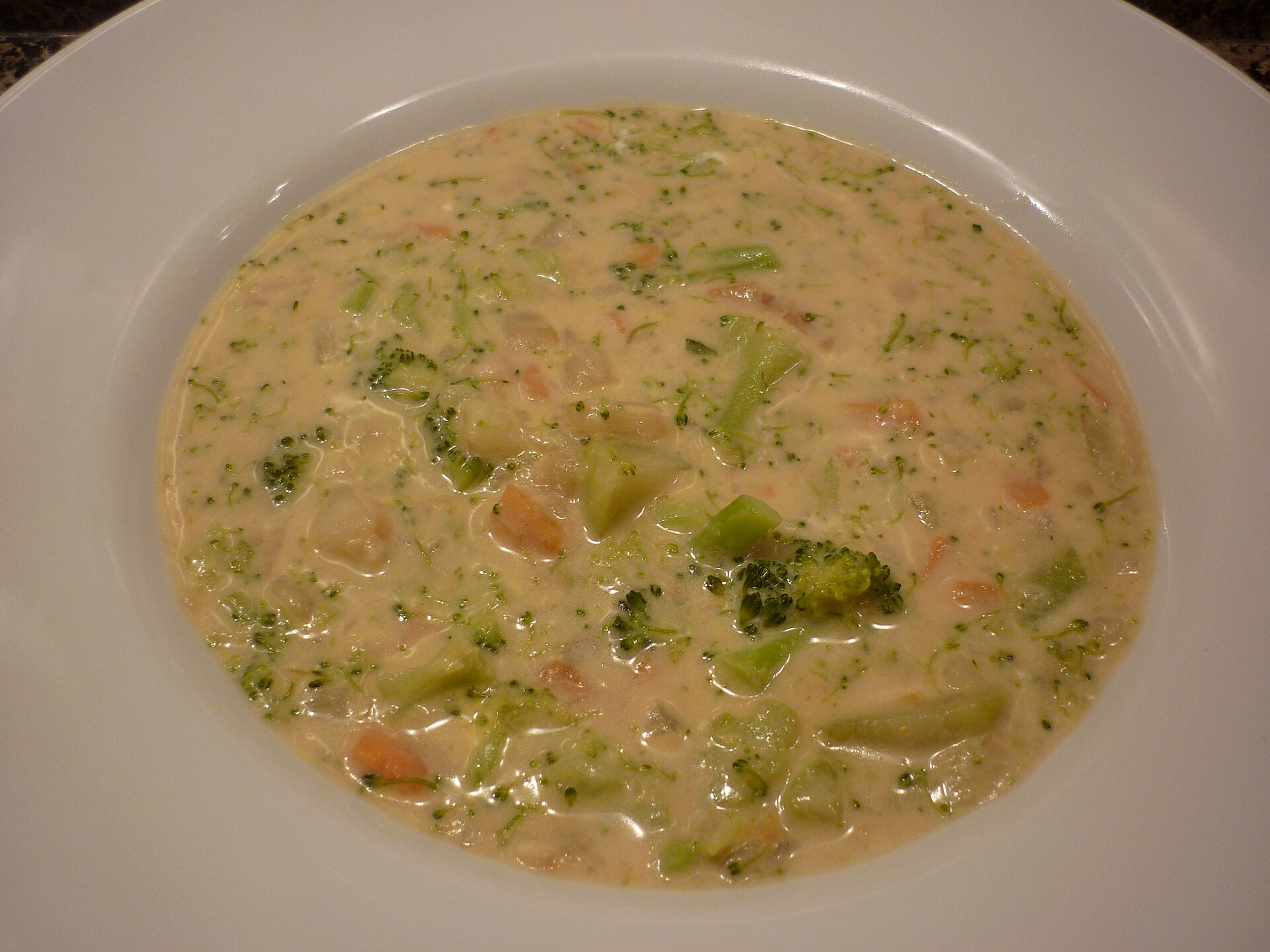
Broccoli, rice, and a cheesy binder. It appears at every Southern gathering without being assigned.
The broccoli rice cheese casserole, broccoli, rice, and a rich cheese binder baked until the edges brown, is the South’s dependable everywhere-dish, materializing at potlucks, holidays, and covered-dish suppers without ever being assigned, because someone always brings it and it is always finished. Broccoli rice cheese casserole, the potluck that never misses, closes the countdown as the genre’s ultimate team player, never the star, never left over.
One Pan, Eight Regional Loyalties
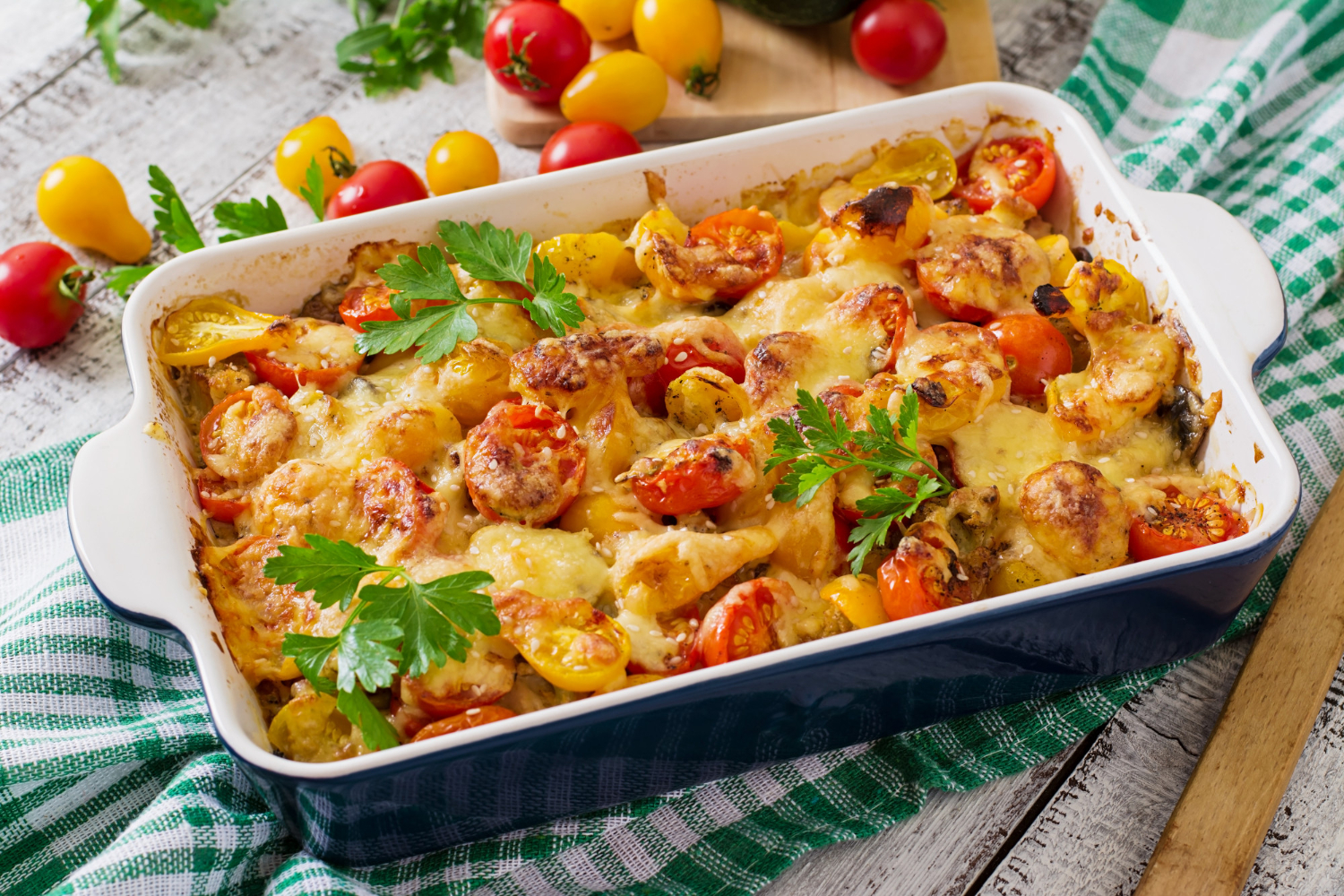
Taken together, these eight traditions show the casserole for what it is, America’s most regional comfort, a hot dish in Minnesota, funeral potatoes in Utah, King Ranch in Texas, and a Marzetti in Ohio, each one carried warm to a table where it means something particular. The pan is the same everywhere; what it says is not.
The casserole’s regional borders were drawn by pantry and purpose, midcentury convenience foods meeting church-supper culture, ranch-country tortillas meeting Midwest binders, condolence customs meeting cornflakes, and every tradition endures because it’s tied to gathering rather than to any single recipe card. The dish rose in the era of canned soup, weathered decades of food fashion, and has lately been rediscovered by a generation that grew up on it. Wherever you’re handed a warm pan with a dish towel over it, you’re being told the same thing in a local accent: somebody thought you should be fed.
Like our content? Follow us for more.