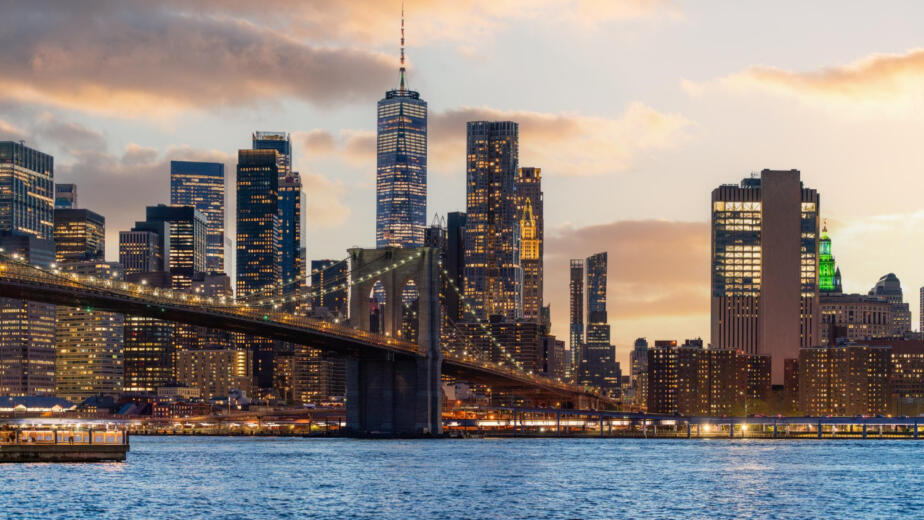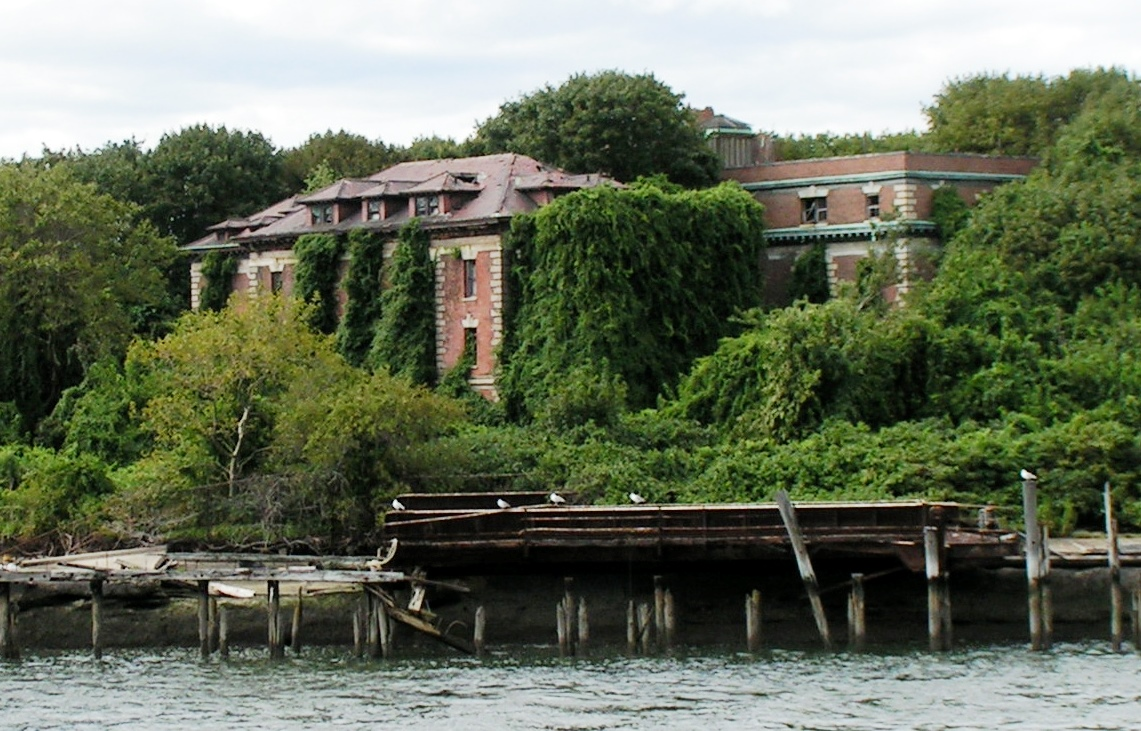
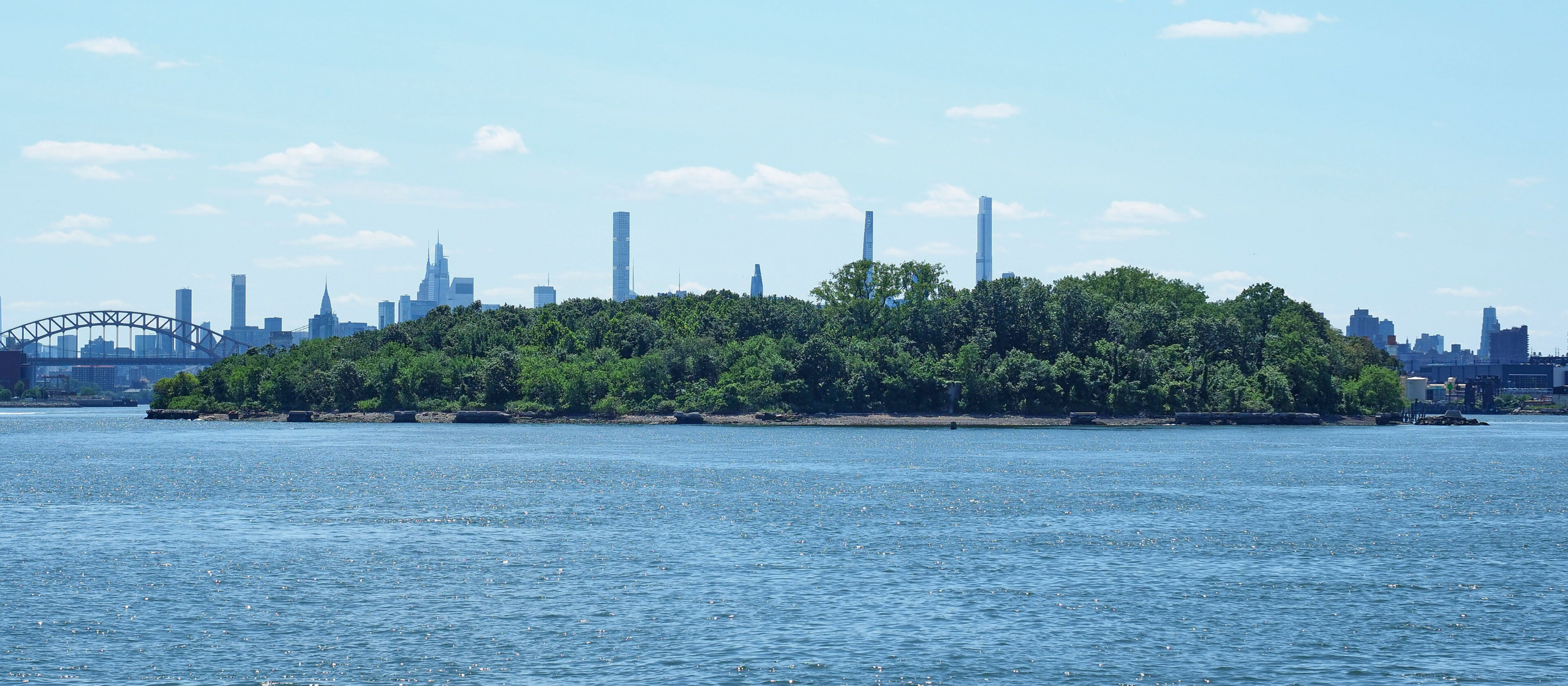
New York City hides its strangest place in plain sight. Riding the ferry or crossing a Bronx bridge, you can look out at the East River and see it: a low, green island crowded with trees, a brick smokestack and the shells of institutional buildings rising through the canopy. It has no dock in service, no tours, no residents, and no legal way for the public to set foot on it. This is North Brother Island, and it has been closed for more than sixty years.
The Quarantine Island
North Brother’s story begins in the 1880s, when New York moved Riverside Hospital to the island to isolate patients with contagious diseases, smallpox, typhus, tuberculosis, in an era when quarantine meant water between the sick and the city. For decades the island functioned as a small medical settlement, with wards, staff housing, a chapel, a morgue, and its own services, all reachable only by boat, treating the city’s most feared illnesses at a safe remove from its crowded tenements.
Like our content? Follow us for more.
The Island’s Most Famous Resident
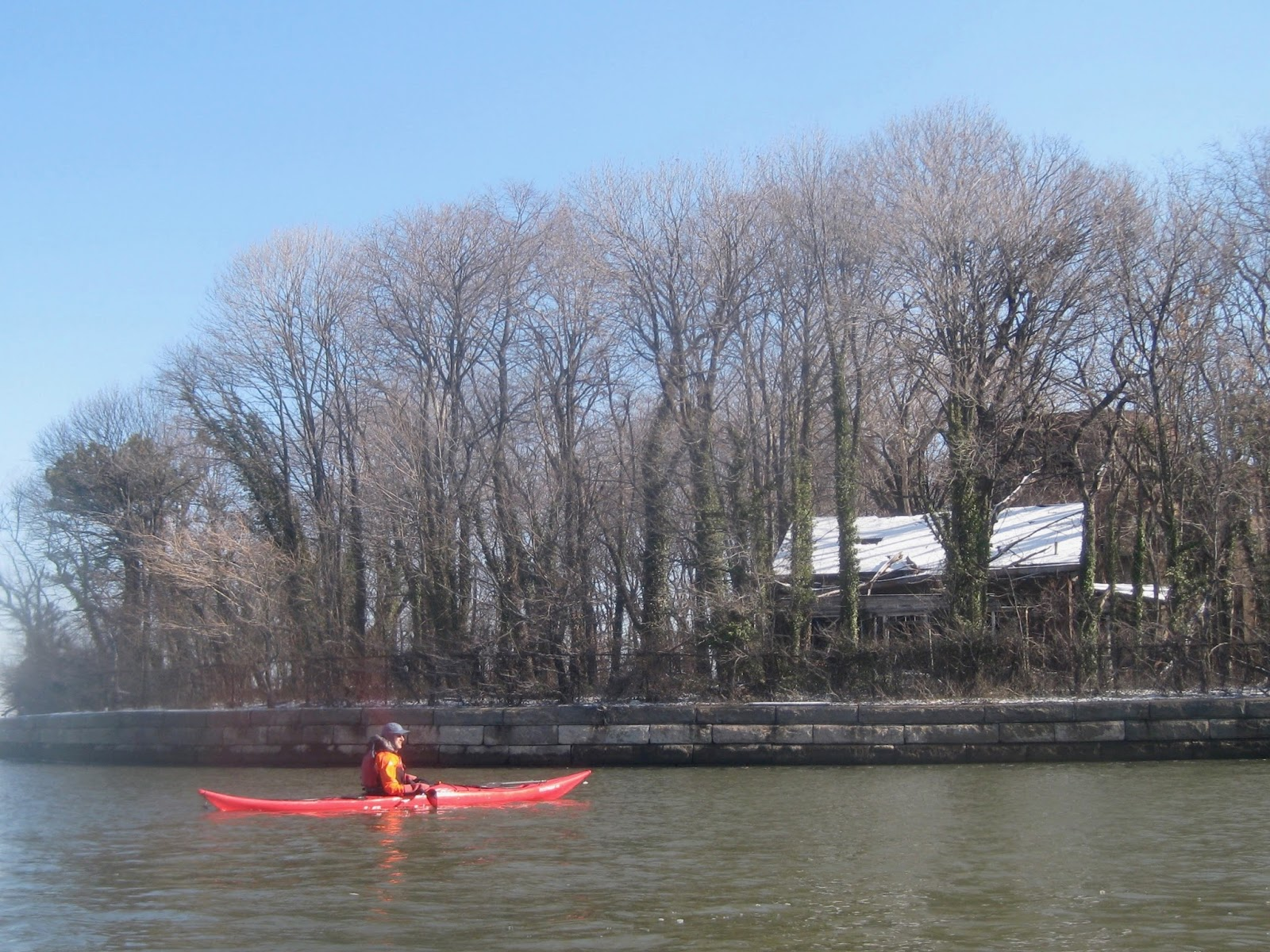
The island’s history is inseparable from Mary Mallon, the Irish-born cook known to history as “Typhoid Mary,” the first person in the United States identified as a healthy carrier of typhoid fever. Connected to outbreaks in the households where she cooked, Mallon was confined to North Brother Island in 1907, released in 1910 on a promise to stop cooking, and returned in 1915 after new infections were traced to a kitchen where she’d worked under an assumed name. She spent roughly 26 years in total on the island, living in a small cottage until her death in 1938, and her case remains a foundational, still-debated chapter in public health, the collision of individual liberty and collective safety argued in one woman’s life.
A Disaster Remembered Offshore
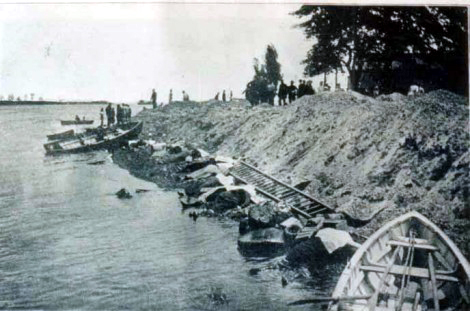
The island also holds a solemn place in the city’s memory for what happened just off its shore. In June 1904, the excursion steamboat General Slocum caught fire in the East River with more than a thousand people aboard, most of them women and children from a German-American church community, and burned near North Brother Island, where hospital staff and patients joined desperate rescue efforts. More than a thousand lives were lost, New York City’s deadliest single day until September 11, 2001, and the island’s shoreline was where much of the rescue and recovery unfolded.
Second Acts and Abandonment
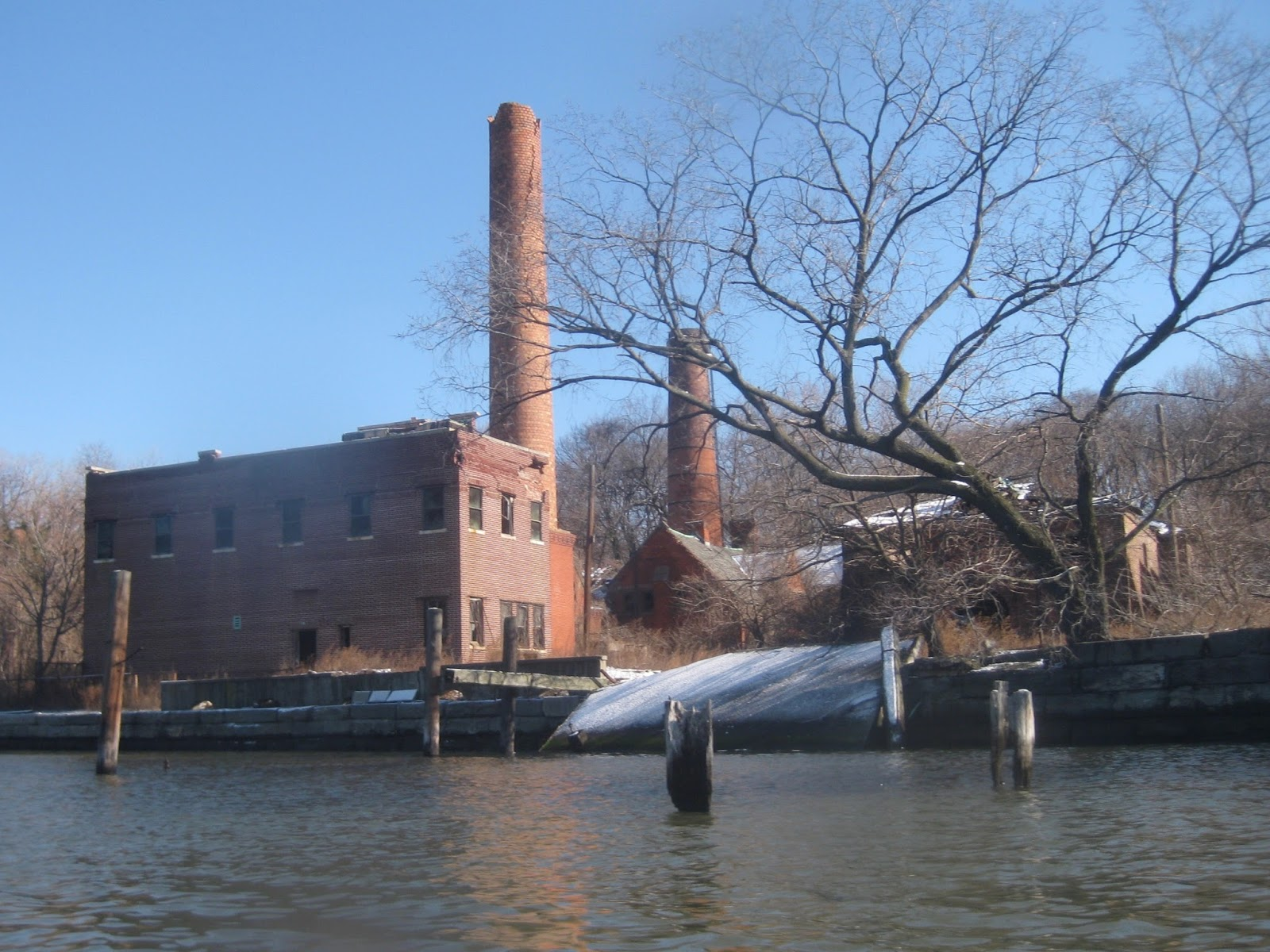
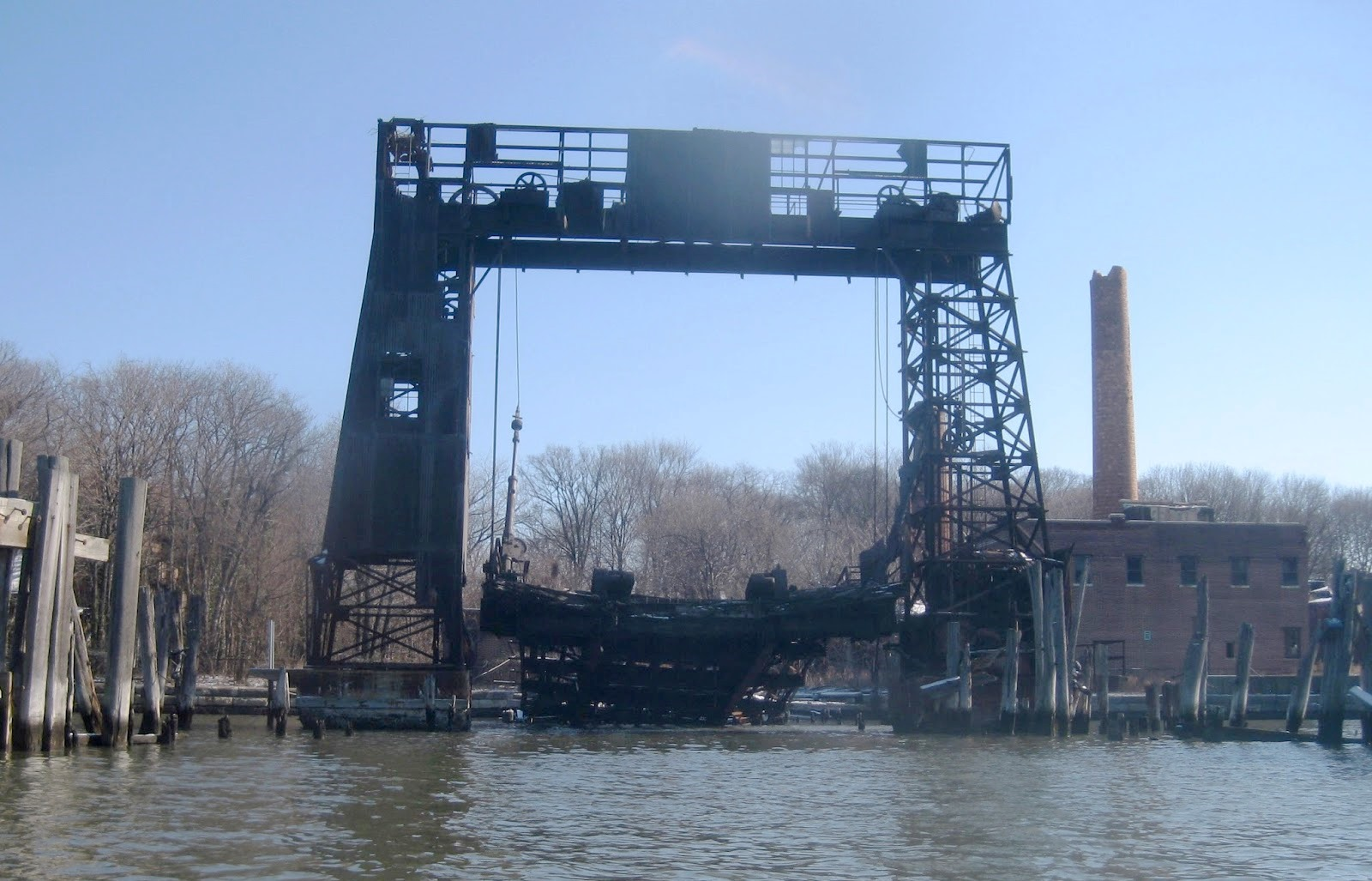
After World War II the island briefly housed veterans and their families during the housing shortage, and in the 1950s Riverside Hospital was repurposed as a treatment facility for adolescent drug addiction, a program whose troubled record ended with the island’s closure in 1963. When the last boat left, the buildings were simply locked and abandoned, the hospital, the doctors’ cottages, the school, and the towering gantry of the ferry slip, and the forest began a takeover that is now nearly complete, with roots splitting floors and vines pulling down walls that once held wards.
Why No One May Visit
Today North Brother Island belongs to New York City’s parks department and is managed as a bird sanctuary, long known as a nesting ground for herons and other colonial waterbirds, and it is closed to the public both for the wildlife’s protection and because the ruins themselves are genuinely dangerous, six decades past their last repair. Access is granted only rarely, by special permission, typically for research, and the occasional photographers allowed ashore have returned with images, collapsing wards swallowed by vines, an empty library, the silent smokestack, that made the island unexpectedly famous online as New York’s forbidden ruin.
Seeing It Anyway
For everyone else, North Brother is a destination to be seen rather than visited, and it can be seen: from the Bronx waterfront at Barretto Point Park, from certain harbor and river boat tours that pass nearby, and from flights descending over the East River, a green anomaly between the boroughs. Pair the view with the story, the quarantine wards, the confined cook, the burning steamboat, the vanished treatment program, and the island becomes one of the most haunting sights in the city precisely because the city rushes past it every day without looking.
New York tears down and rebuilds itself relentlessly, which makes North Brother Island its great exception: a piece of the city where history was simply left standing, and where, for over sixty years, no one has been allowed to disturb it.
Like our content? Follow us for more.