Few foods tell the story of American immigration and regional pride as directly as sausage, German butchers in the Midwest, Cajun smokehouses in Louisiana, Italian markets in the Northeast, and Czech meat markets in Texas each planted a tradition that its home region still defends by name. Here are eight distinct American sausage traditions and what makes each one different, counted down one by one.
1. Southern Breakfast Sausage: Sage, Patties, and a Hot Skillet
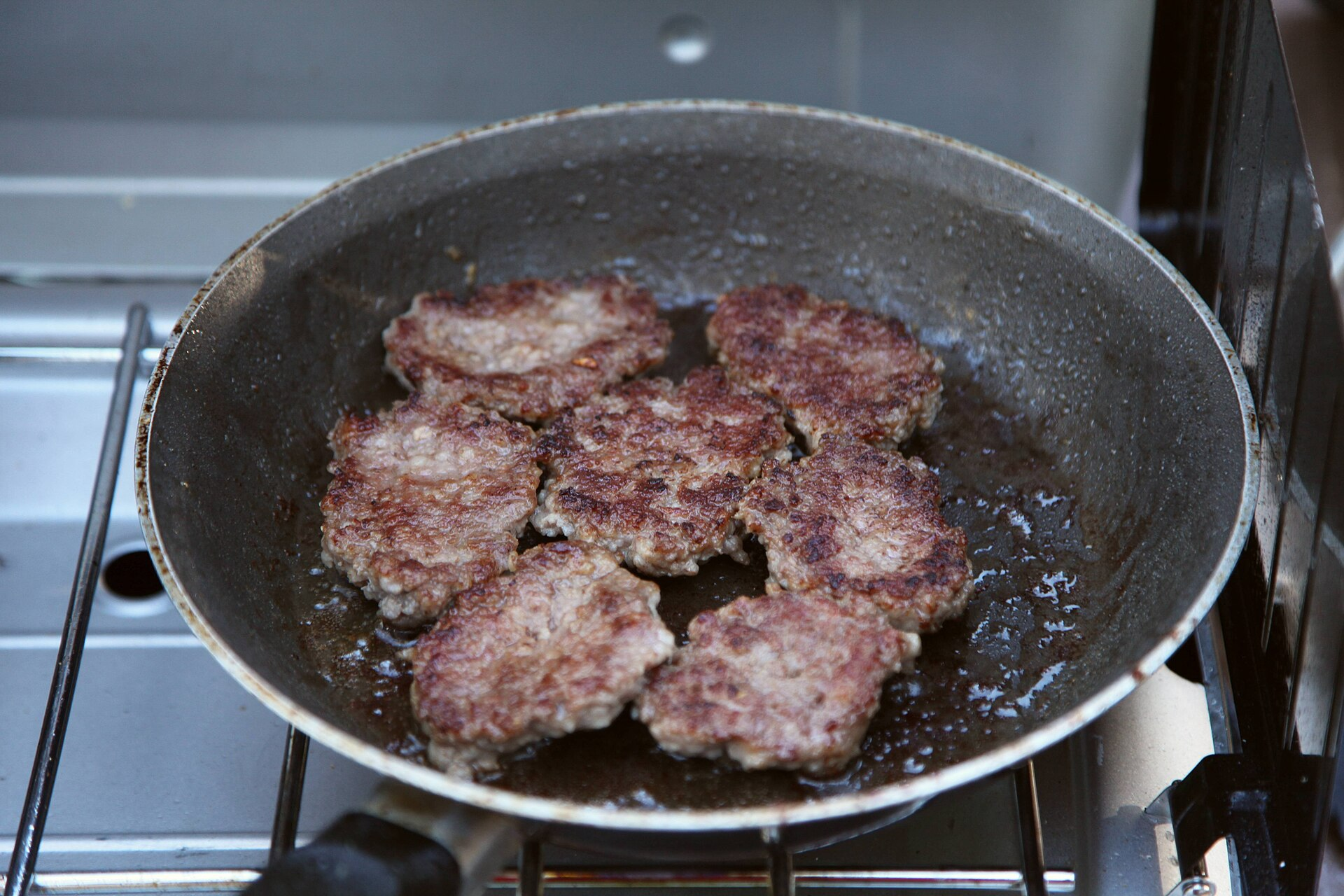
Fresh pork seasoned with sage and black pepper. The patty, not the link, rules the Southern morning.
The American breakfast sausage is a fresh pork sausage seasoned with sage, black pepper, and often a whisper of red pepper or maple, shaped into patties and fried in the same skillet that will make the gravy, a farm tradition the South turned into the national morning standard. Southern breakfast sausage, with its sage, patties, and hot skillet, is the tradition most Americans meet first, usually beside eggs and under gravy.
Like our content? Follow us for more.
2. Wisconsin Bratwurst: The Backyard Religion of the Upper Midwest
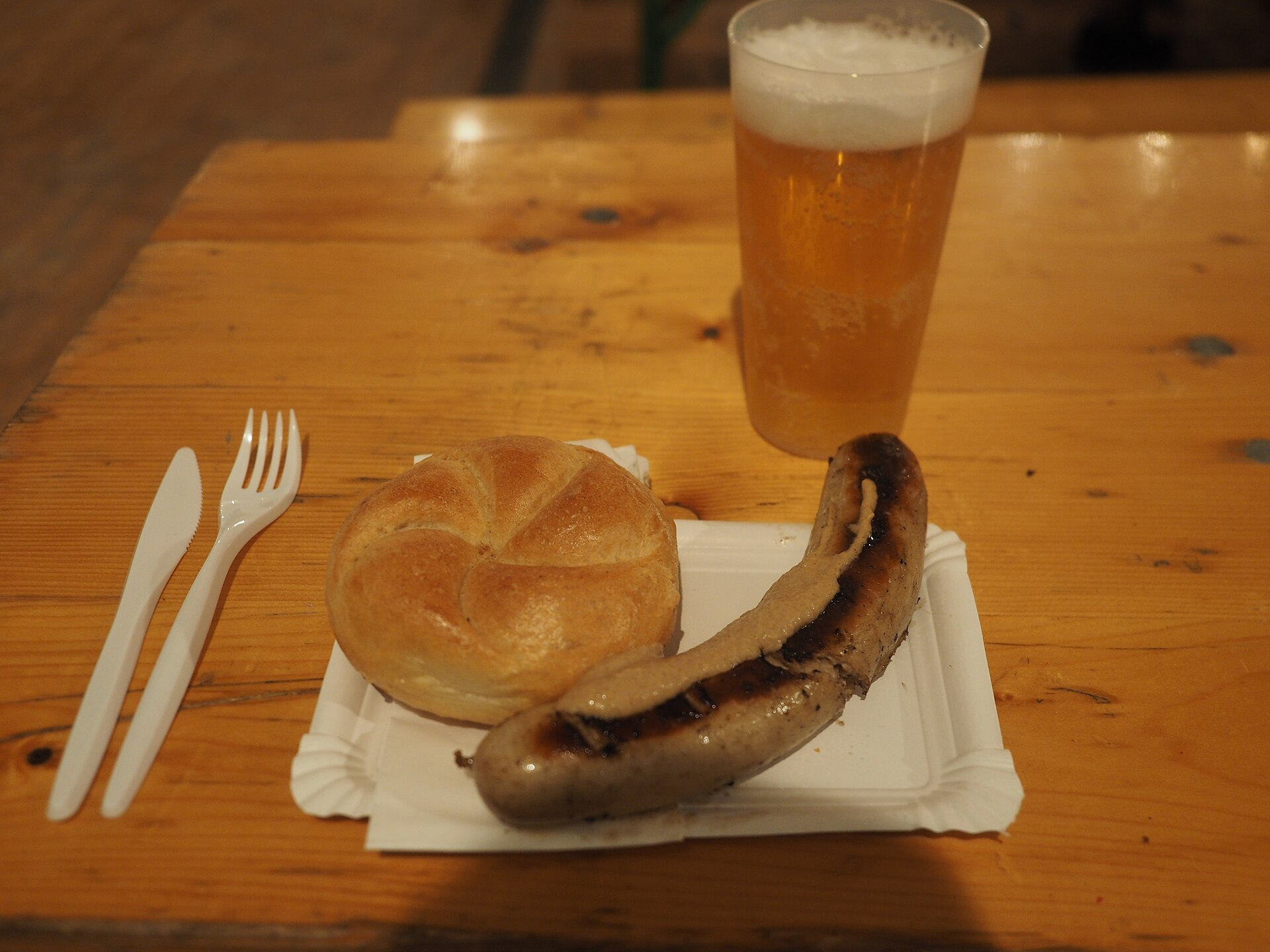
German settlers made the brat a civic institution. Simmering in butter and onions before grilling is doctrine.
German immigrants planted the bratwurst so deep in Wisconsin that it became civic identity, celebrated at legendary brat frys, simmered in a bath of butter and onions before or after the grill according to local doctrine, and served on a hard roll with brown mustard, never ketchup, in its most devout precincts. Wisconsin bratwurst, the backyard religion of the Upper Midwest, is proof that a sausage can become a hometown.
3. Cajun Andouille: The Smoked Backbone of Louisiana Cooking
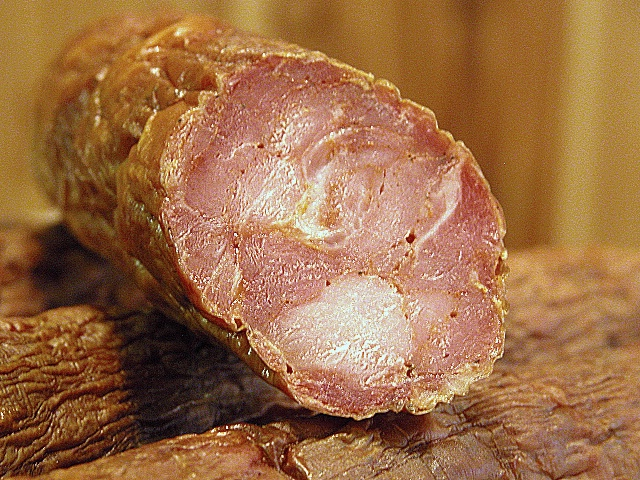
Double-smoked, coarse, and garlicky. Gumbo and jambalaya are built on it.
Louisiana’s andouille is a coarse-ground, heavily smoked pork sausage, garlicky and assertive, descended from French roots but transformed by Cajun smokehouses into something entirely its own, and it functions less as a dish than as an ingredient, the smoky backbone flavoring gumbo, jambalaya, and red beans across the state. Cajun andouille, the smoked backbone of Louisiana cooking, may be the hardest-working sausage in America.
4. Boudin: Louisiana’s Rice-Filled Original
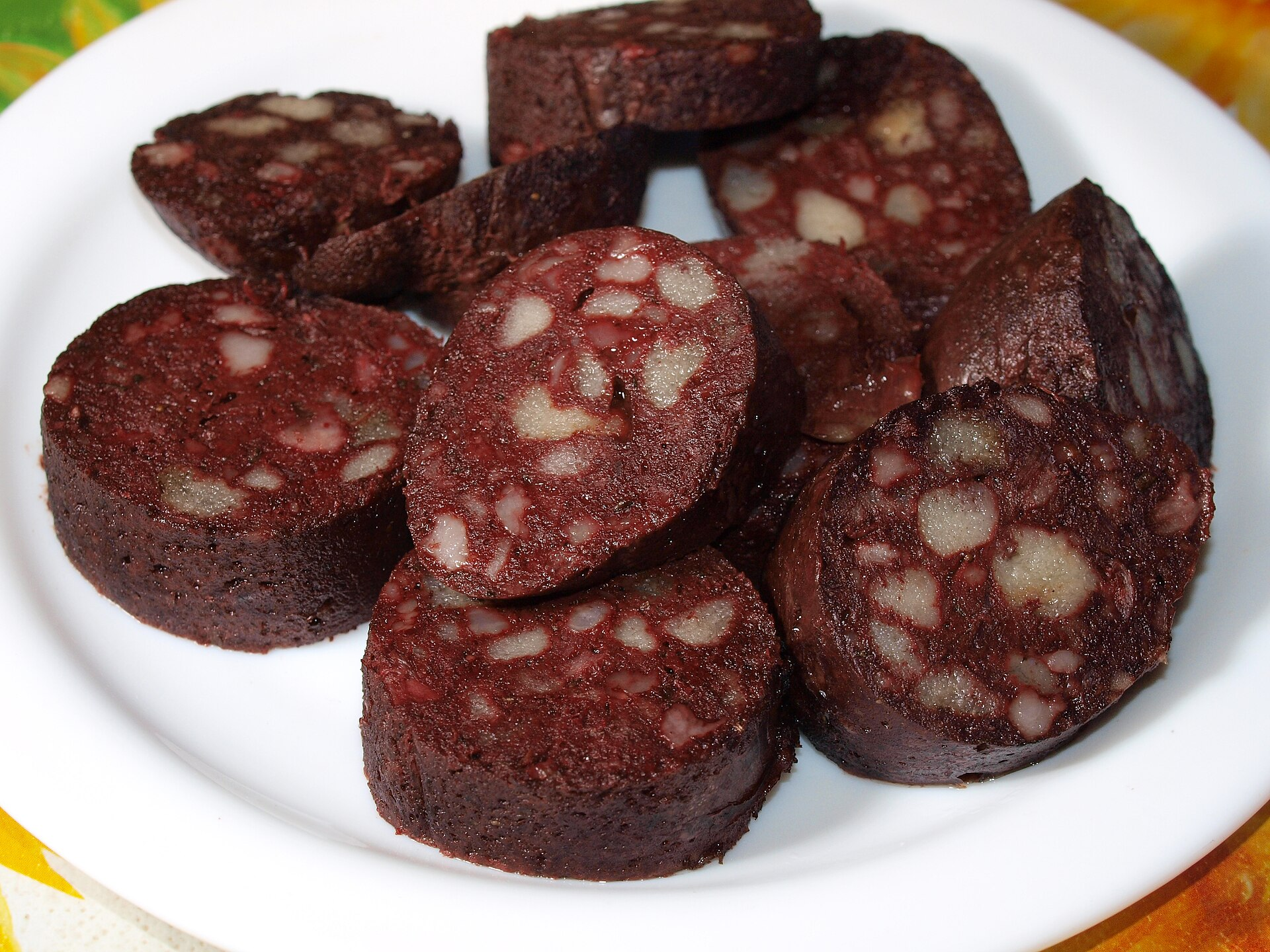
Pork, liver, rice, and seasonings in a soft link. It’s eaten from the casing in gas-station parking lots.
Boudin, Cajun country’s beloved soft link of pork, liver, rice, and green onion, barely counts as sausage to outsiders and counts as a food group to locals, sold hot at meat markets and gas stations across Acadiana and eaten straight from the casing in the parking lot, often with a squeeze of the link and no apology. Boudin, Louisiana’s rice-filled original, is the countdown’s most regional entry, nearly impossible to find far from home and unforgettable once found.
5. Texas Hill Country Hot Links: The Meat-Market Smokehouse Tradition
German and Czech butchers built Texas sausage. Coarse beef-and-pork links come smoked, no fork provided.
The German and Czech meat markets of the Texas Hill Country built a sausage tradition inseparable from Texas barbecue, coarse beef-and-pork links seasoned simply, smoked over post oak, and historically served on butcher paper with crackers and no fork, a tradition whose old market towns still draw pilgrims. Texas Hill Country hot links, the meat-market smokehouse tradition, are where the sausage map and the barbecue map become the same map.
6. Italian-American Sausage: Sweet or Hot, Fennel Either Way
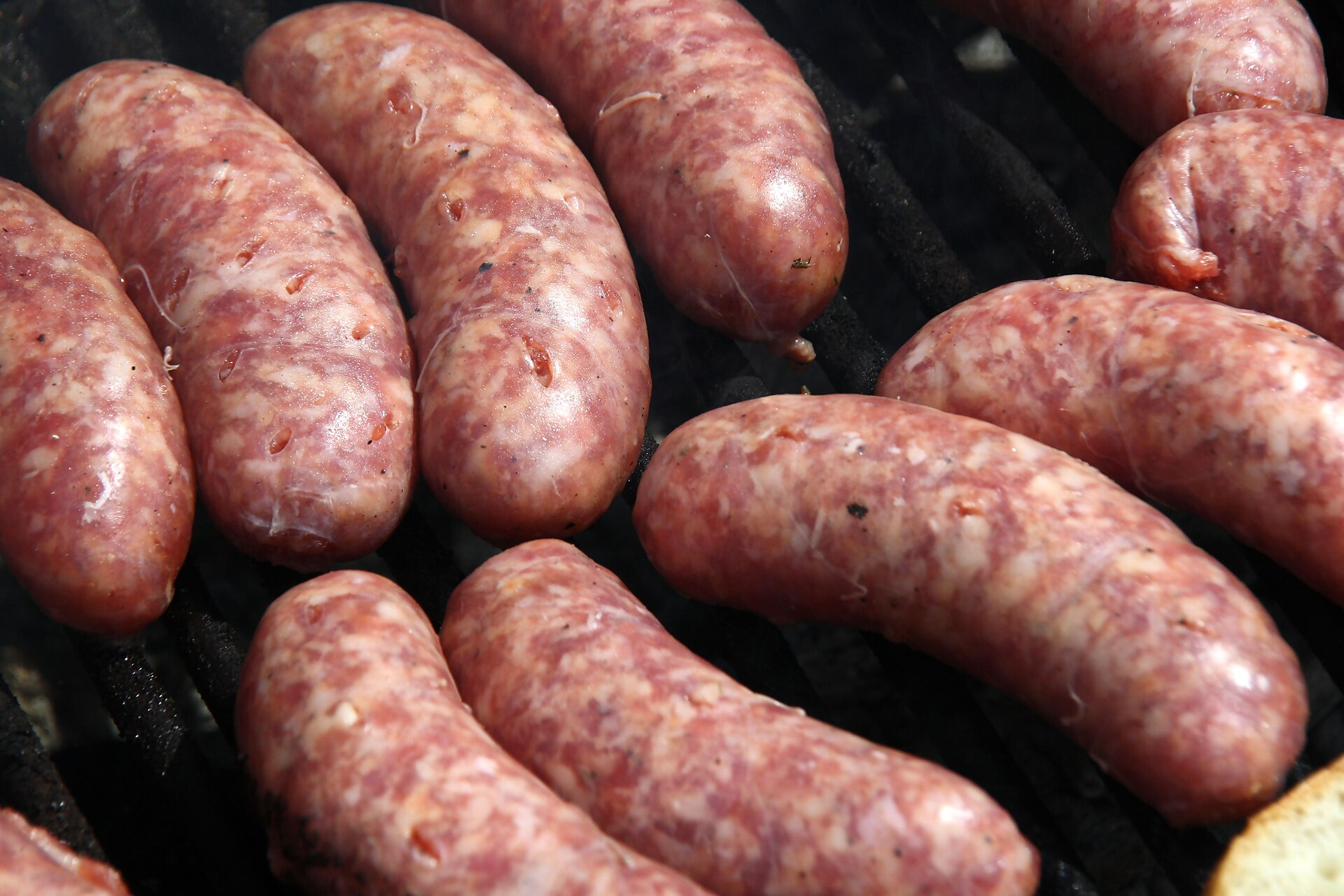
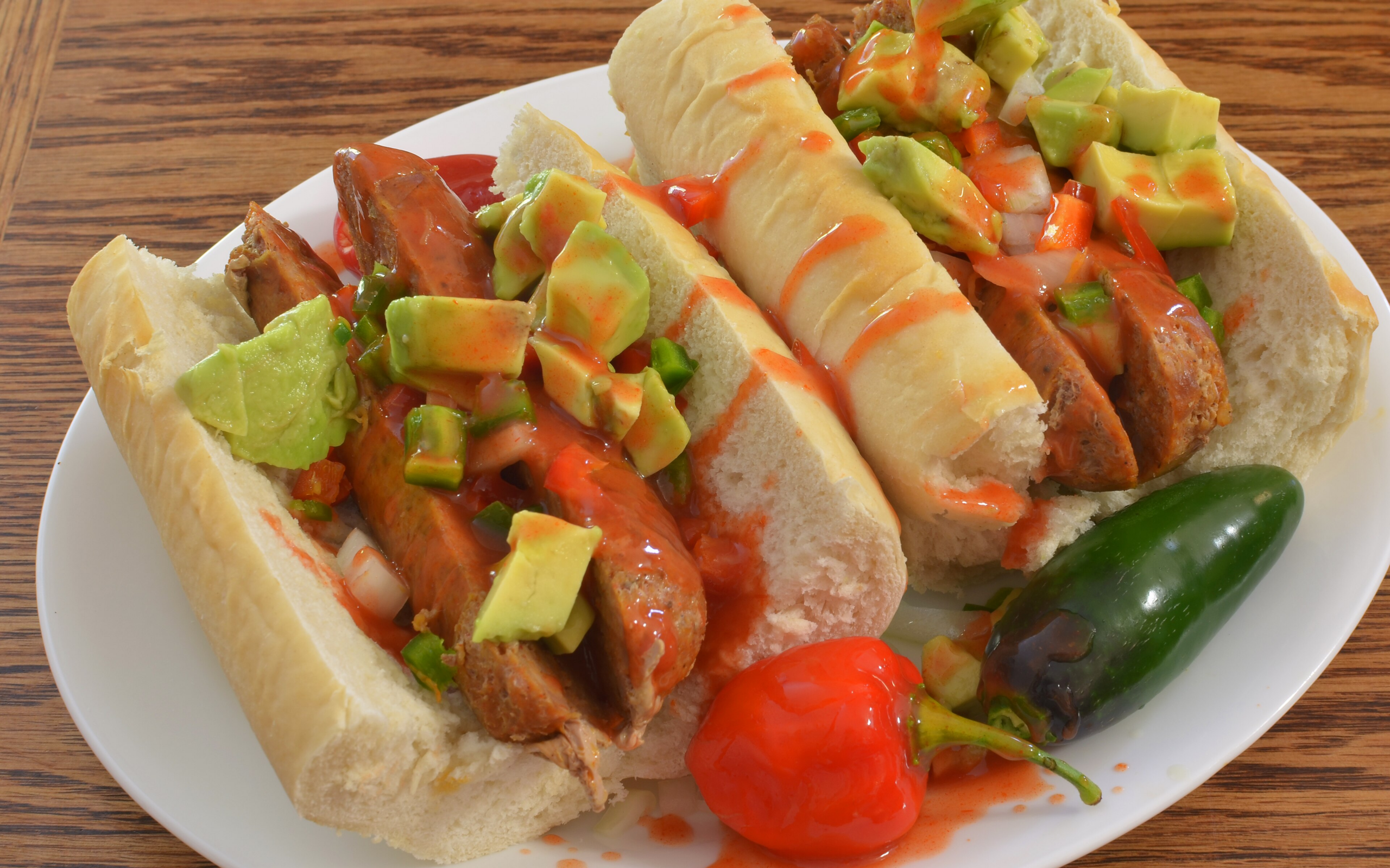
Fennel seed defines the flavor. Peppers and onions define the setting.
The Italian-American sausage, fresh pork seasoned with fennel seed and sold in the eternal binary of sweet or hot, was built in the immigrant markets of the Northeast and became the sausage of street fairs and ballparks, griddled with peppers and onions and folded into a roll, when it isn’t crumbled into Sunday sauce. Italian-American sausage, sweet or hot with fennel either way, is the tradition that conquered the country one festival at a time.
7. Polish-American Kielbasa: From Chicago Corner Stores to the Holiday Table
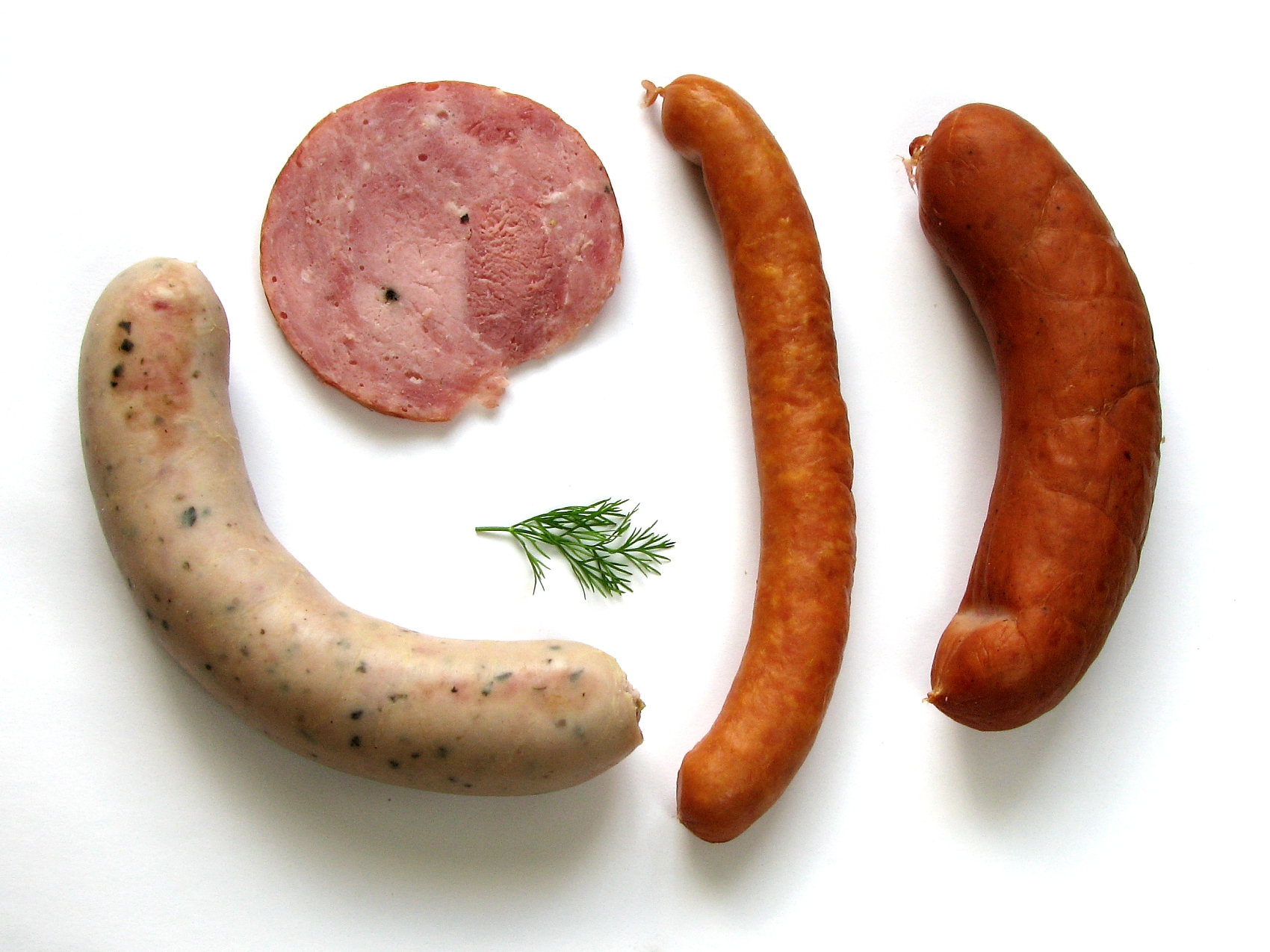
Smoked, garlicky U-shaped links anchor the tradition. Easter and Christmas tables depend on it.
Polish immigrants gave the industrial Midwest and Northeast their garlicky, smoked kielbasa, the U-shaped links hanging in corner-store delis from Chicago to Buffalo, simmered with sauerkraut on ordinary days and anchoring Easter and Christmas tables on the extraordinary ones, with family loyalty to particular neighborhood makers running generations deep. Polish-American kielbasa, from corner stores to the holiday table, is the countdown’s great heirloom, a sausage bound to the calendar itself.
8. The D.C. Half-Smoke: The Capital’s Only Native Dish
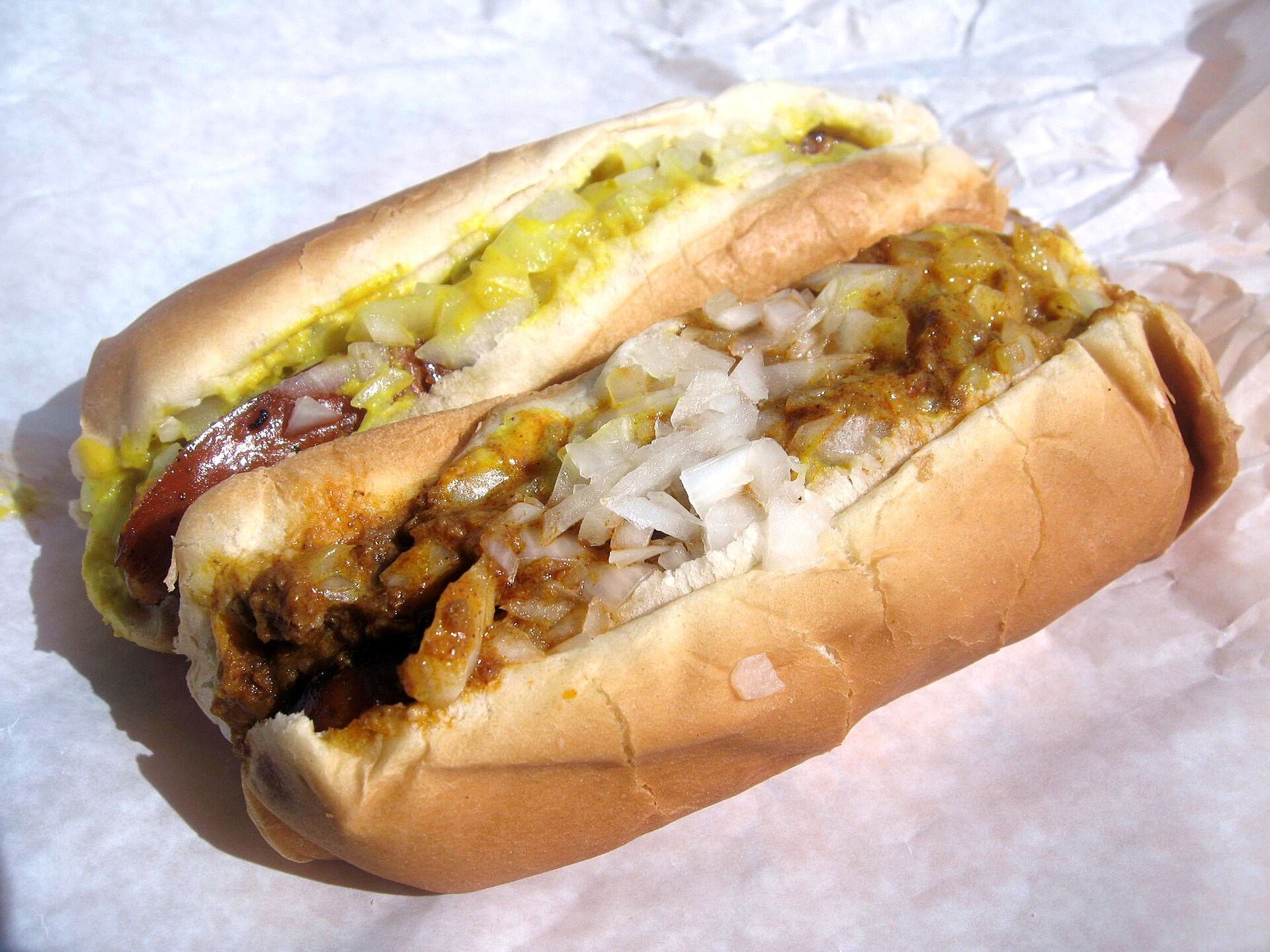
Half beef, half pork, coarse and smoky. Washington claims it fiercely, chili and onions included.
Washington, D.C.’s half-smoke, a coarse, smoky link traditionally half beef and half pork, larger and spicier than a hot dog and served split on a bun under chili, mustard, and onions, is defended by the capital as its only true native dish, a claim rooted in the city’s historic lunch counters. The D.C. half-smoke, the capital’s only native dish, closes the countdown with America’s most political sausage, beloved across every party line.
One Country, Eight Smokehouses
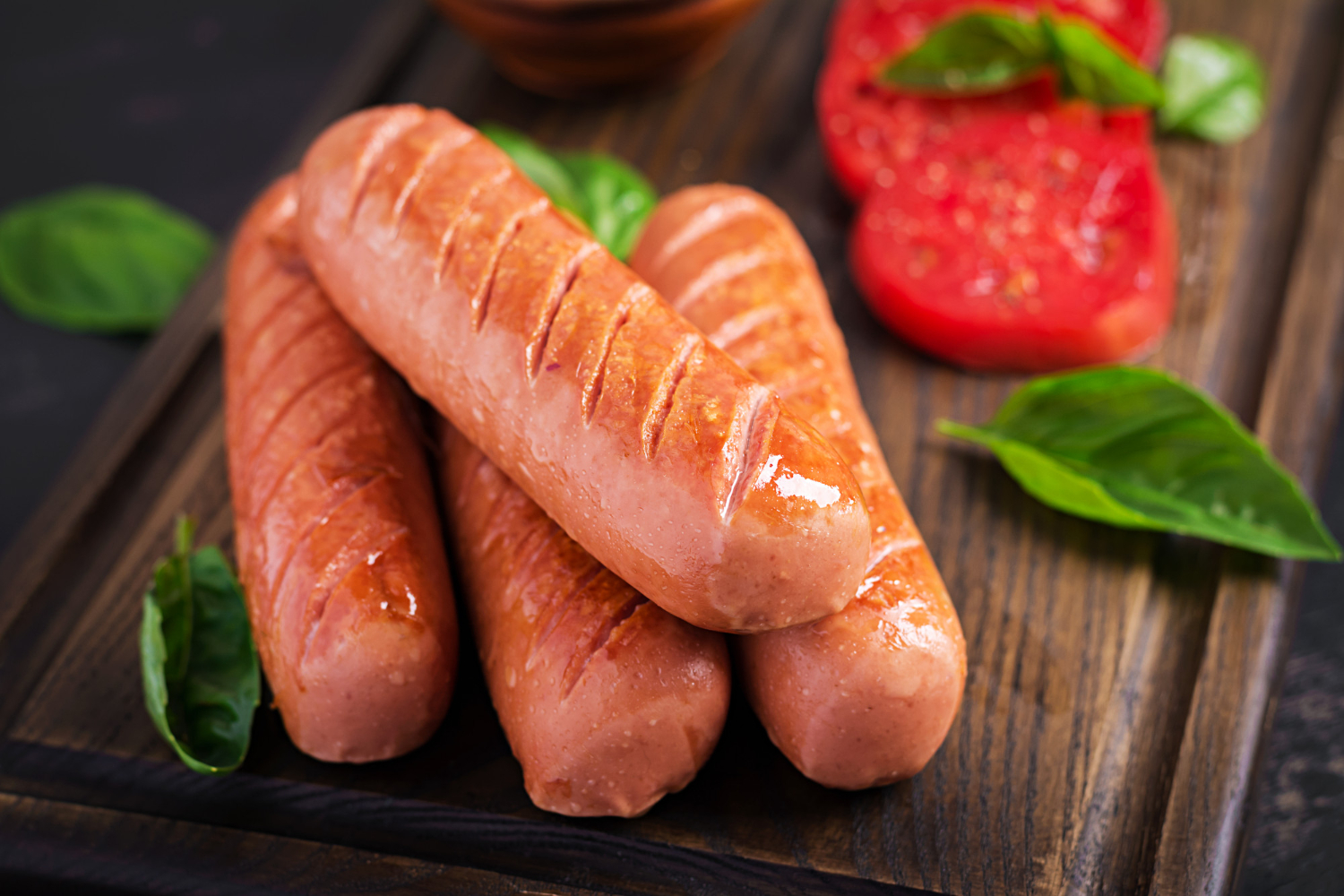
Taken together, these eight traditions draw the American story in casings, German brats in Wisconsin, Czech smokehouses in Texas, Cajun links in Louisiana, Italian fennel in the Northeast, Polish garlic in the industrial Midwest, and a half-smoke holding the capital. Every one arrived from somewhere else, and every one is now defended as fiercely local.
The map was drawn the way America’s best food maps always were, by immigrants who brought a butcher’s craft, adapted it to local meat and local wood, and fed their neighbors until the neighbors claimed it as their own. The traditions persist because they never centralized: the brat belongs to Wisconsin, the boudin to Acadiana, the half-smoke to D.C., and no national brand has ever managed to talk any of them out of it. Follow the smoke from region to region and you’re not just eating well, you’re reading the country’s immigration history one link at a time.
Like our content? Follow us for more.