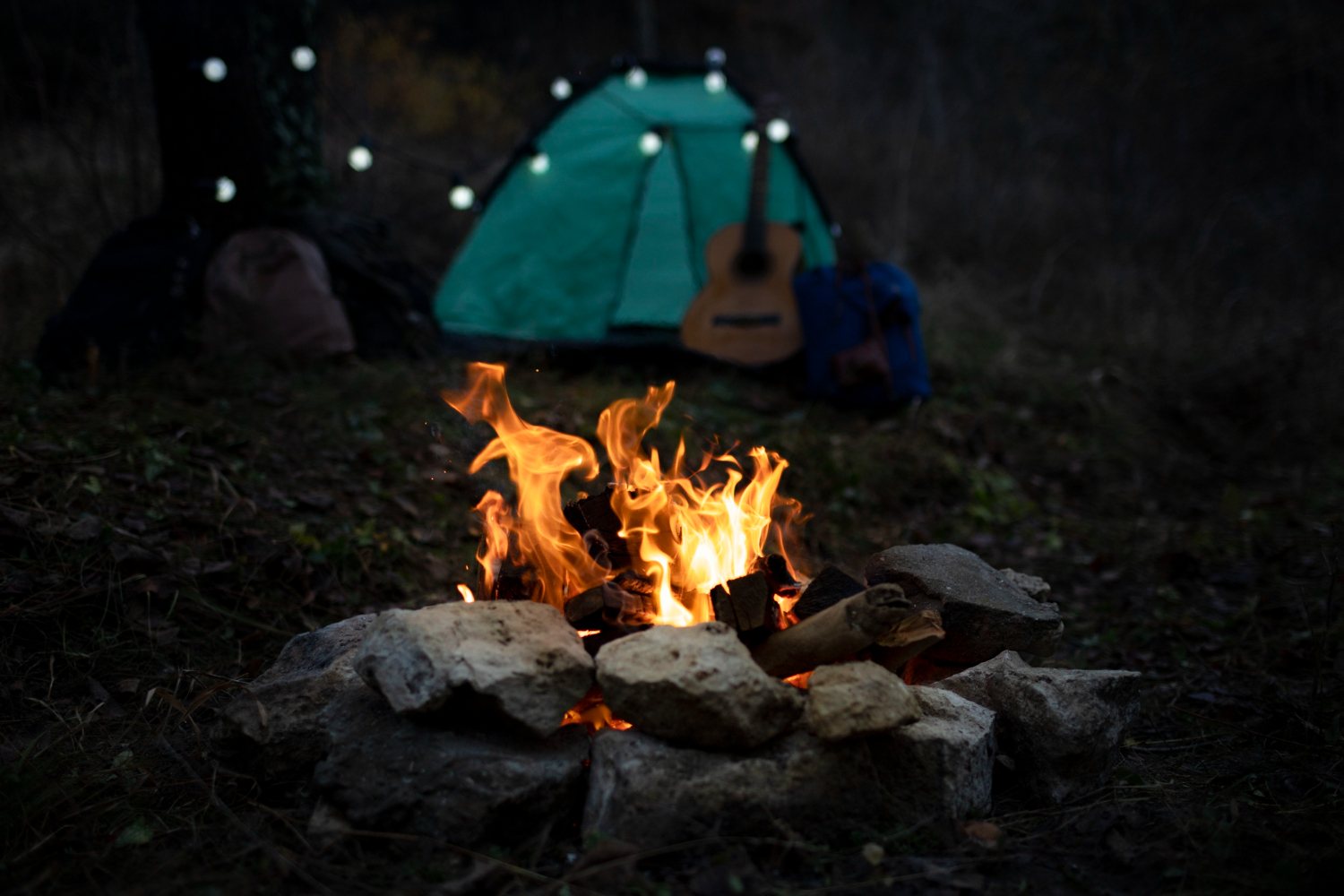
Every summer night, America’s campgrounds become instant villages — a few dozen households arranged around a loop road, sharing a water spigot, a bathhouse, and exactly one layer of nylon privacy — and the villages govern themselves through a code passed down at picnic tables for generations. Here are ten unwritten rules of the campground, whether the rig is a backpacking tent or a forty-foot fifth wheel.
1. A Campsite Is a Home — Walk Around It, Never Through It
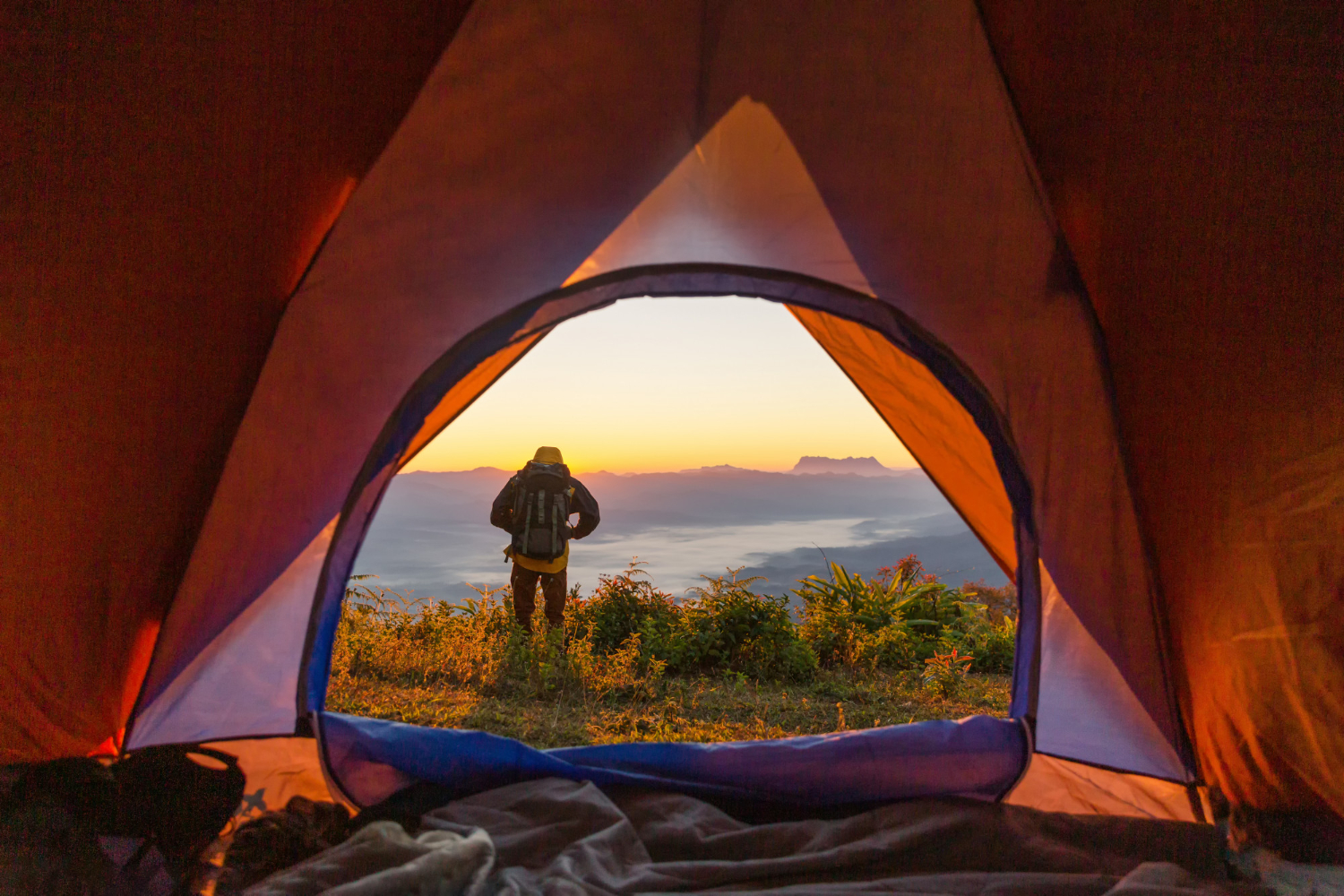
The site’s edges are walls only courtesy can see. The loop road exists for a reason.
[IMAGE SUGGESTION] Wikimedia Commons “campsite tent picnic table forest site” — CC-licensed image of a campsite.
The campground’s first law: an occupied site is a residence, and cutting through one — even empty, even as a shortcut to the bathhouse the long way around — is walking through a stranger’s living room. The code’s geometry is absolute for adults and taught early to kids on bikes: the loop road and marked paths are public; everything inside a site’s edges, from the fire ring to the clothesline, is private ground. Veteran campers can spot first-timers by dusk on this rule alone, and the polite correction (“the trail’s just over there!”) is a campground tradition delivered ten thousand times a summer.
Like our content? Follow us for more.
2. Quiet Hours Are Sacred, and Sound Carries Like Water
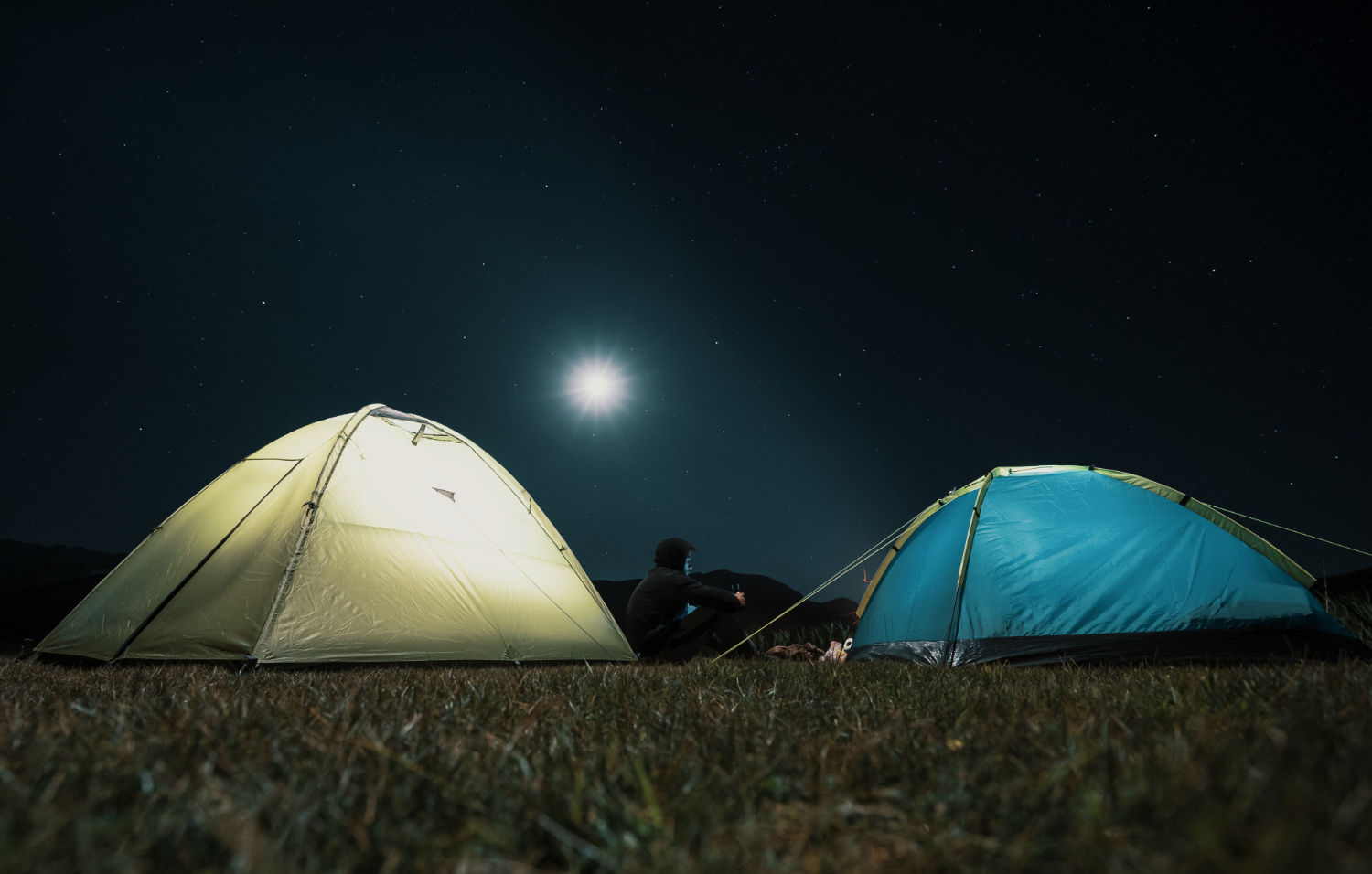
Ten to seven belongs to everyone’s sleep. Nylon walls stop nothing.
Whatever the posted hours — ten to seven is the classic — the code’s version is stricter than the sign, because campers learn fast what tent walls actually muffle: nothing. Conversations at a fire carry three sites in every direction; a car door at midnight is a gunshot; the phone call taken on speaker travels the whole loop. The considerate camp drops to murmur volume when the neighbors’ lanterns go dark, handles late arrivals with headlights off and voices down, and remembers the corollary at dawn: the 6 a.m. coffee grinder has fans nowhere.
3. Buy Your Firewood Where You Burn It
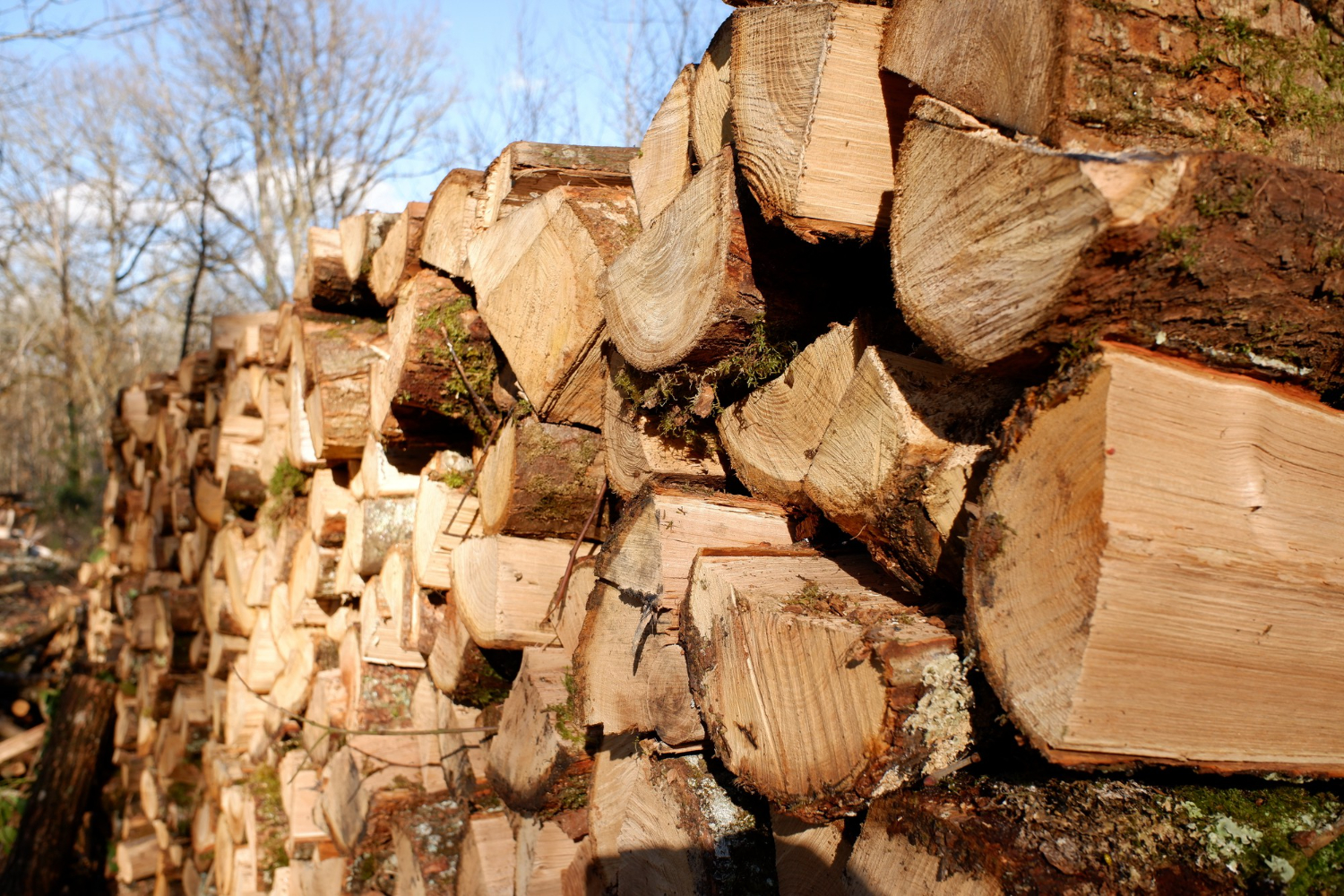
Hauling wood from home moves invisible pests. “Buy it where you burn it” is law in half the country.
The trunk full of firewood from home feels thrifty and reads, to rangers, like a biohazard: transported wood is the express lane for invasive insects and tree diseases — the emerald ash borer’s march across America traveled substantially by bundled logs — which is why “buy it where you burn it” has graduated from slogan to actual regulation in many states and parks. The code’s version is simple: source wood locally (the camp store’s bundles fund the place anyway), burn what you buy, and leave the leftovers for the next site rather than trucking them onward. The forests you’re camping in are the ones at stake.
4. The Fire Is a Responsibility With a Bedtime
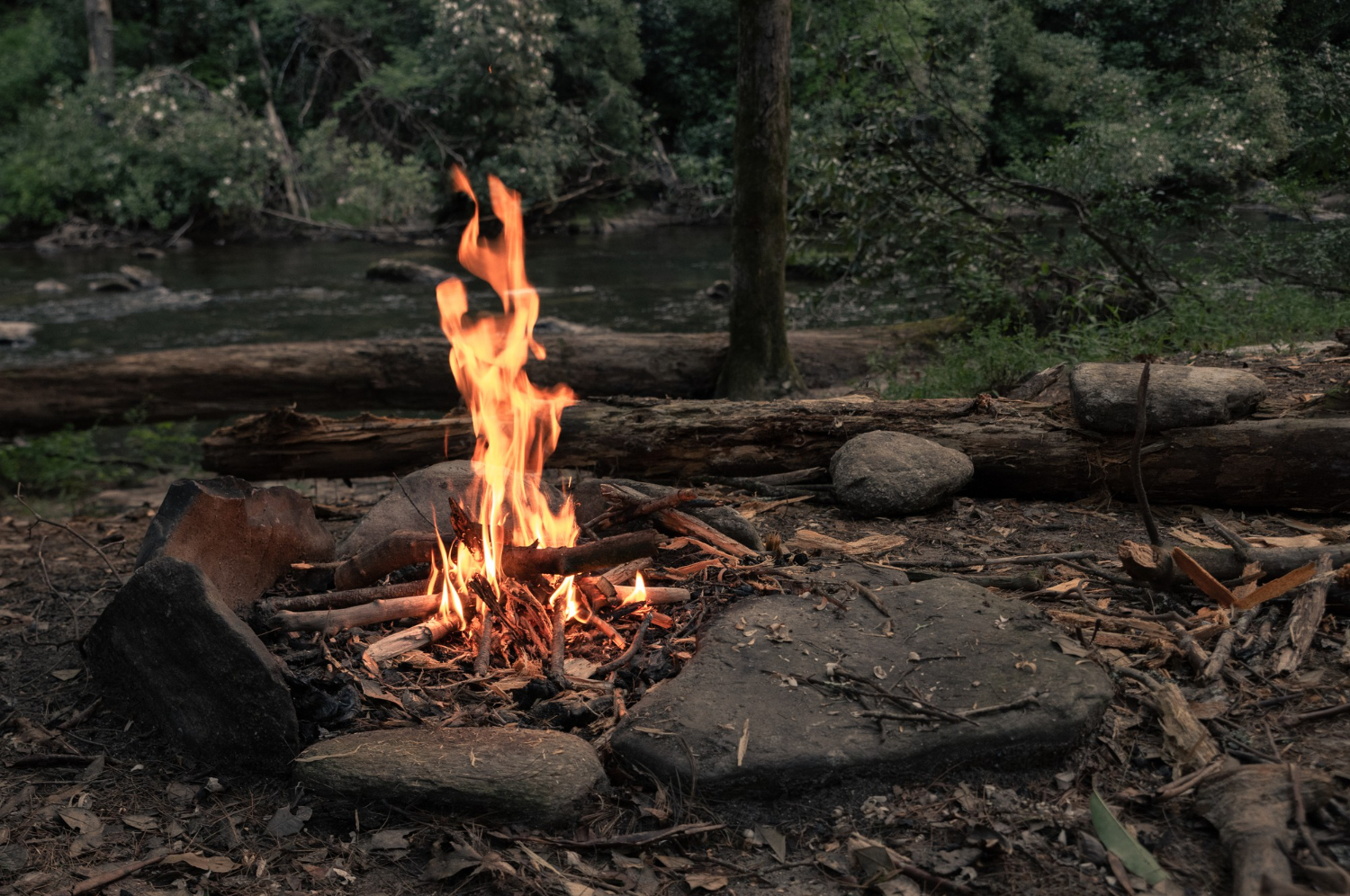
Attended while burning, dead out before sleep. “Mostly out” has burned down forests.
Fire rules blend etiquette and survival: flames stay inside the ring, sized to cook and gather rather than signal aircraft, attended every minute, and — the non-negotiable — drowned dead out before bed or departure, stirred and doused until the ashes are cold to the touch, because “mostly out” plus one night wind is how forest fires start, and abandoned smoldering pits are how the next family’s toddler meets hot coals at ten a.m. Respect burn bans without litigating them at the ranger station; the ranger didn’t cause the drought. The reward for fire discipline is the campground’s best institution: the invitation over to somebody else’s.
5. Generators Run on Borrowed Tolerance
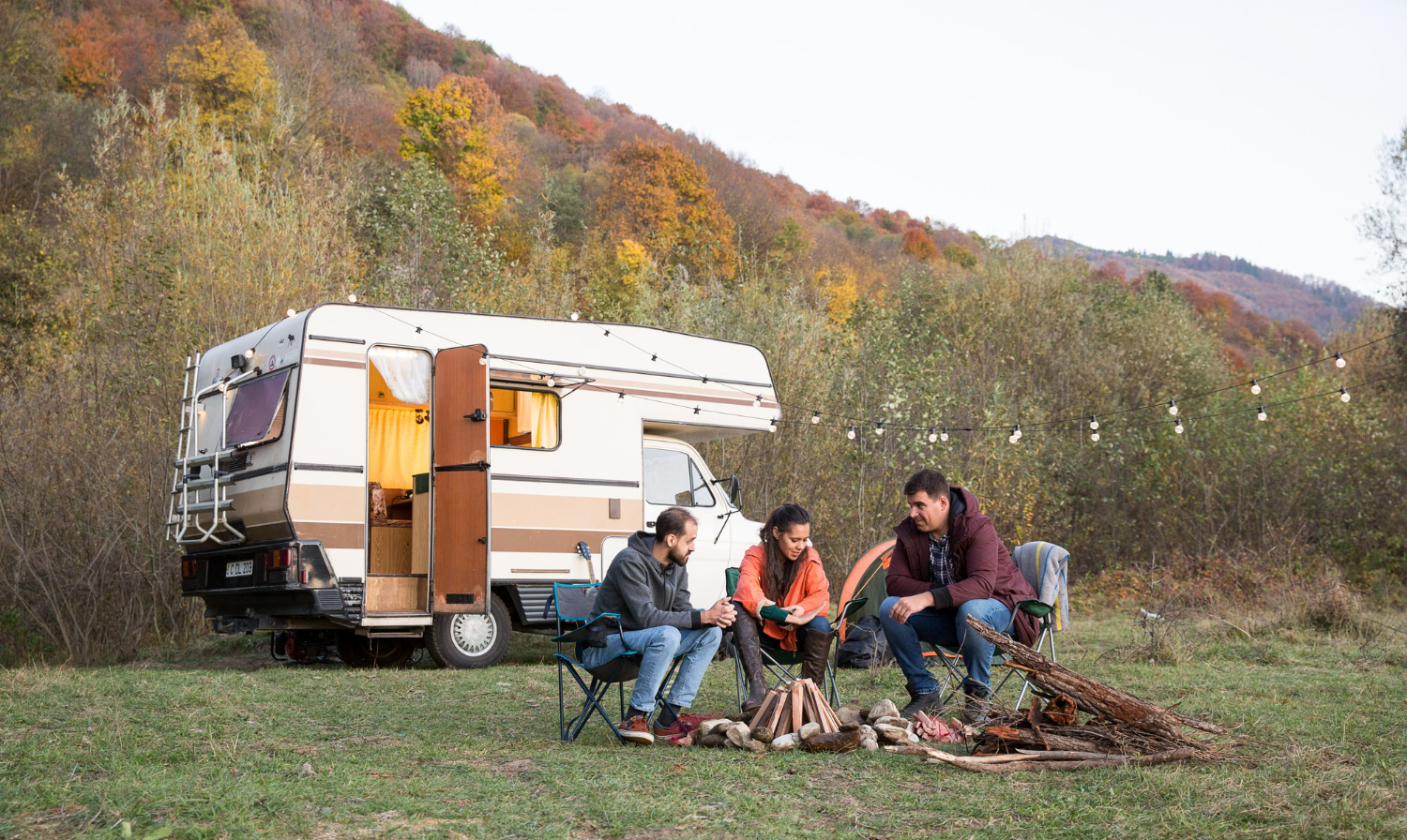
Run it in the window, muffle it, and know your campground’s culture. Silence is the amenity.
Nothing divides a campground like a generator, and the code brokers the peace: run it inside posted generator hours only, never at night, pointed away from neighbors, and no longer than the batteries actually need — because the tent side of the loop came specifically for the sound the generator replaces. Rig campers who master the quiet arts (solar, batteries, midday charging runs) earn a respect in tent country that money can’t buy, and the reverse courtesy applies too: tenters don’t begrudge the medical-necessity fridge or the heat-wave AC its window. The word is tolerance, and it’s rationed by the decibel.
6. The Spigot, the Bathhouse, and the Dish Line Are Shared Ground

Fill and step aside, keep it cleaner than you found it, and never wash dishes at the drinking tap.
The shared utilities run on speed and consideration: fill containers at the spigot and step aside for conversation, don’t wash dishes (or children, or dogs) at the drinking-water tap — the dish sink or a basin at your site exists for exactly this — and treat the bathhouse to the leave-it-better standard, including the shower’s famous rule of reasonable duration when a line forms in July. Strain food scraps out of gray water and pack them out; scattered noodles at the spigot feed the exact raccoons the next rule discusses. Small courtesies, high visibility: the whole loop knows within a day who’s a good neighbor at the water line.
7. Feed Nothing, Secure Everything — the Raccoons Have a Union

Coolers in the car, food in the locker, trash to the dumpster nightly. The wildlife is more organized than you.
[IMAGE SUGGESTION] Wikimedia Commons “raccoon campground picnic table night” — CC-licensed image of a raccoon at a campsite.
Campground wildlife runs a nightly audit, and the code’s food-storage rules protect everyone downstream: coolers locked in vehicles or bear boxes where provided, no food or scented anything in tents (a lesson learned exactly once), trash run to the dumpster before dark rather than bagged hopefully at the site, and absolutely no feeding — the chipmunk begging at your table is adorable precisely because previous violators trained it. In bear country the stakes escalate from raided chips to euthanized bears, which is what rangers mean by “a fed bear is a dead bear.” The animals were here first; the code keeps them wild and your cooler yours.
8. Dogs Camp on Leashes, and Their Voices Count as Yours
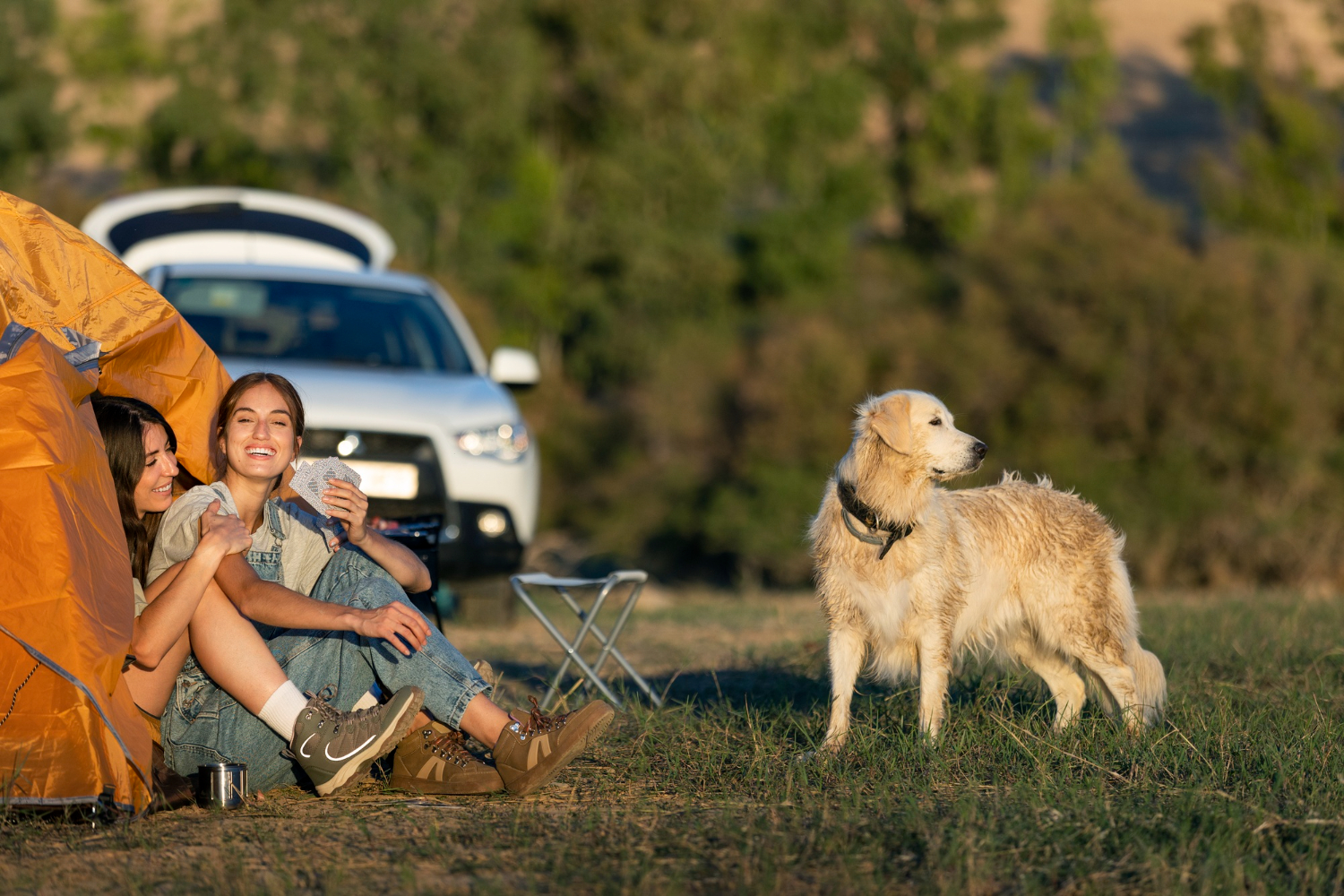
The leash rule is universal. Barking at every passing camper breaks quiet hours all day long.
Camp dogs are beloved institutions right up until they aren’t, and the line is the code’s plainest: leashed always (the posted six feet, not the fifty-foot retractable frontier), never left tied and crying at an empty site, waste bagged including on the trails, and barking treated as what it is — your household’s noise, subject to the same rules as your radio. The loop’s dogs meet, sniff, and settle into the community by day two; so do their owners, usually at the same moment. A calm dog at a campfire is the whole aesthetic. The code just asks that calm be mandatory equipment.
9. Checkout Is a Handoff, Not an Escape
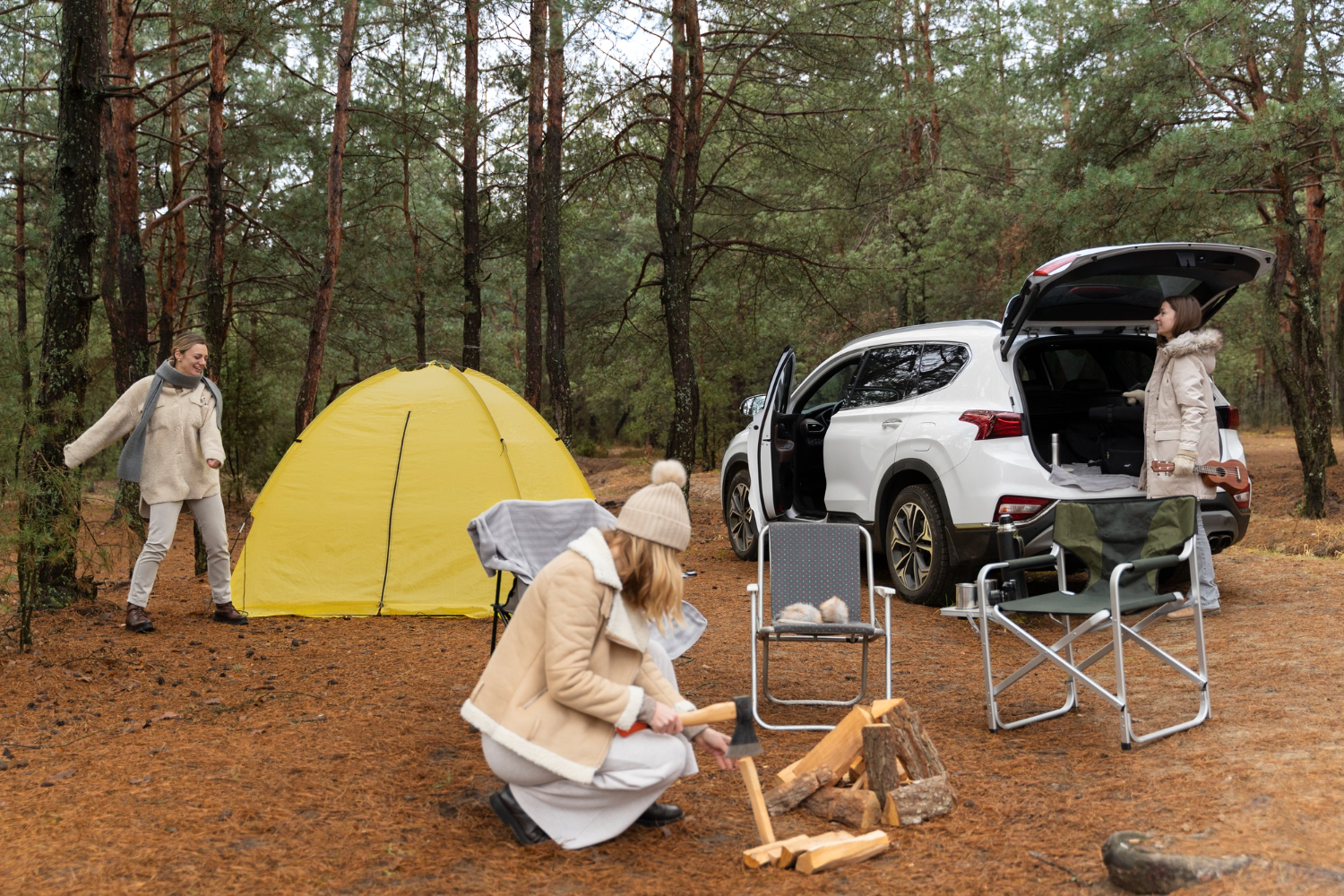
Leave the site ready for strangers arriving at two. Firewood left behind is the campground’s tip jar.
The departing camper’s duties mirror a house sale: micro-trash policed down to twist ties and tent stakes (run a final sweep where the tent stood — orphaned stakes ambush the next family’s tires and toes), the fire ring cold and clean of foil and cans, the picnic table wiped, and checkout honored on time because the two o’clock arrivals are circling the loop with tired kids. The tradition that crowns it: unburned firewood stacked by the ring as a gift to the incoming site — the campground’s version of a tip, and the single act most likely to make strangers speak well of someone they’ll never meet.
10. The Wave, the Weather Report, and the Cup of Sugar Still Work Here
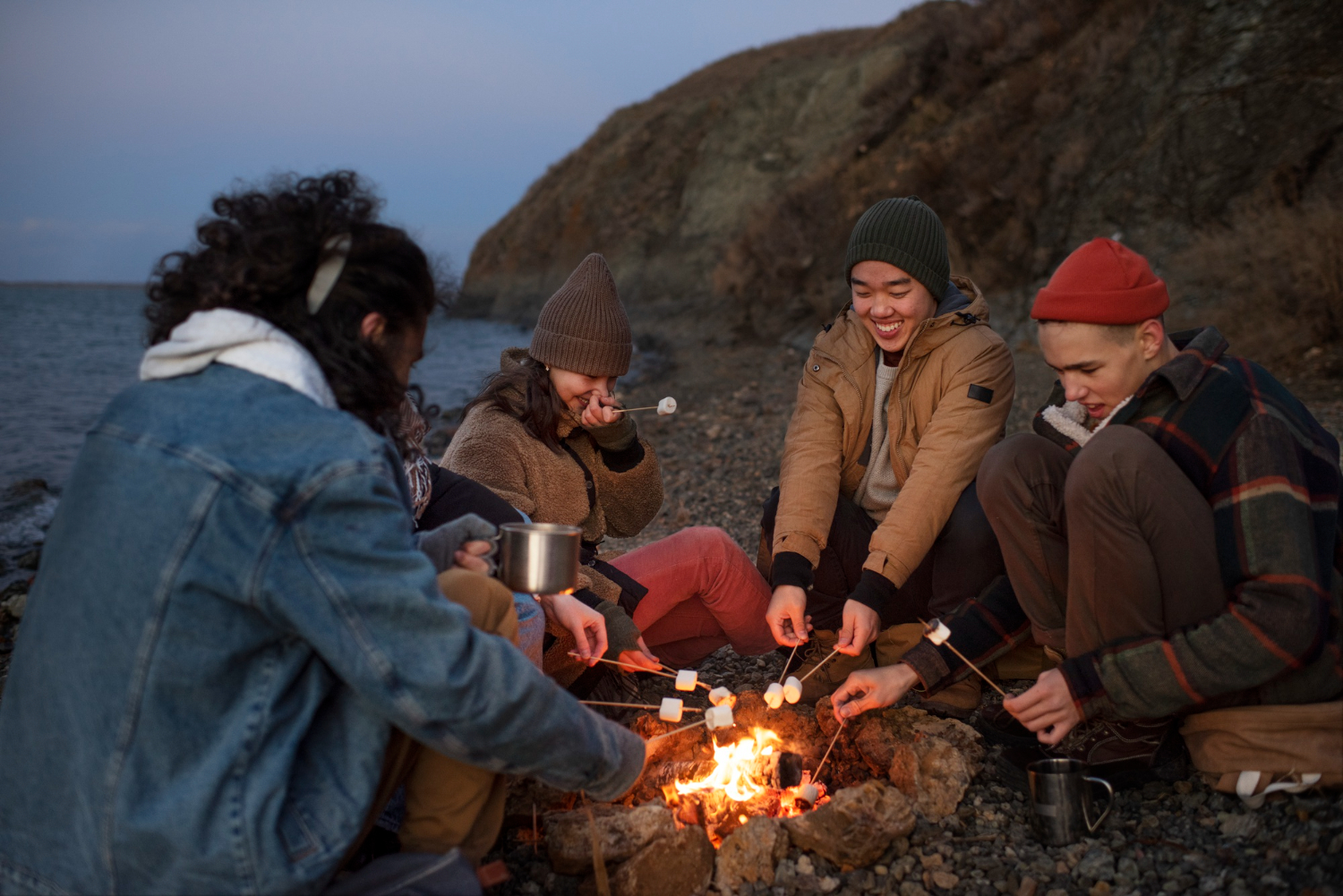
Campgrounds run on borrowed lighter fluid and passed-along forecasts. Be the neighbor the loop remembers.
The code’s final rule is the campground’s whole personality: this is one of the last places where strangers wave from lawn chairs, forecasts travel site to site like news of the front, and the request to borrow a lighter, a mallet, or two eggs is a social event rather than an imposition. Offer the jump-start, share the fish, warn the new arrivals about the raccoon with the specific skills, invite the solo camper to the fire. The infrastructure is spigots and gravel; the actual campground is this — a one-night town that works because everyone briefly agrees to be the best version of a neighbor. People drive hundreds of miles and sleep on the ground for it, every summer, on purpose.
One Loop Road, One Borrowed Village
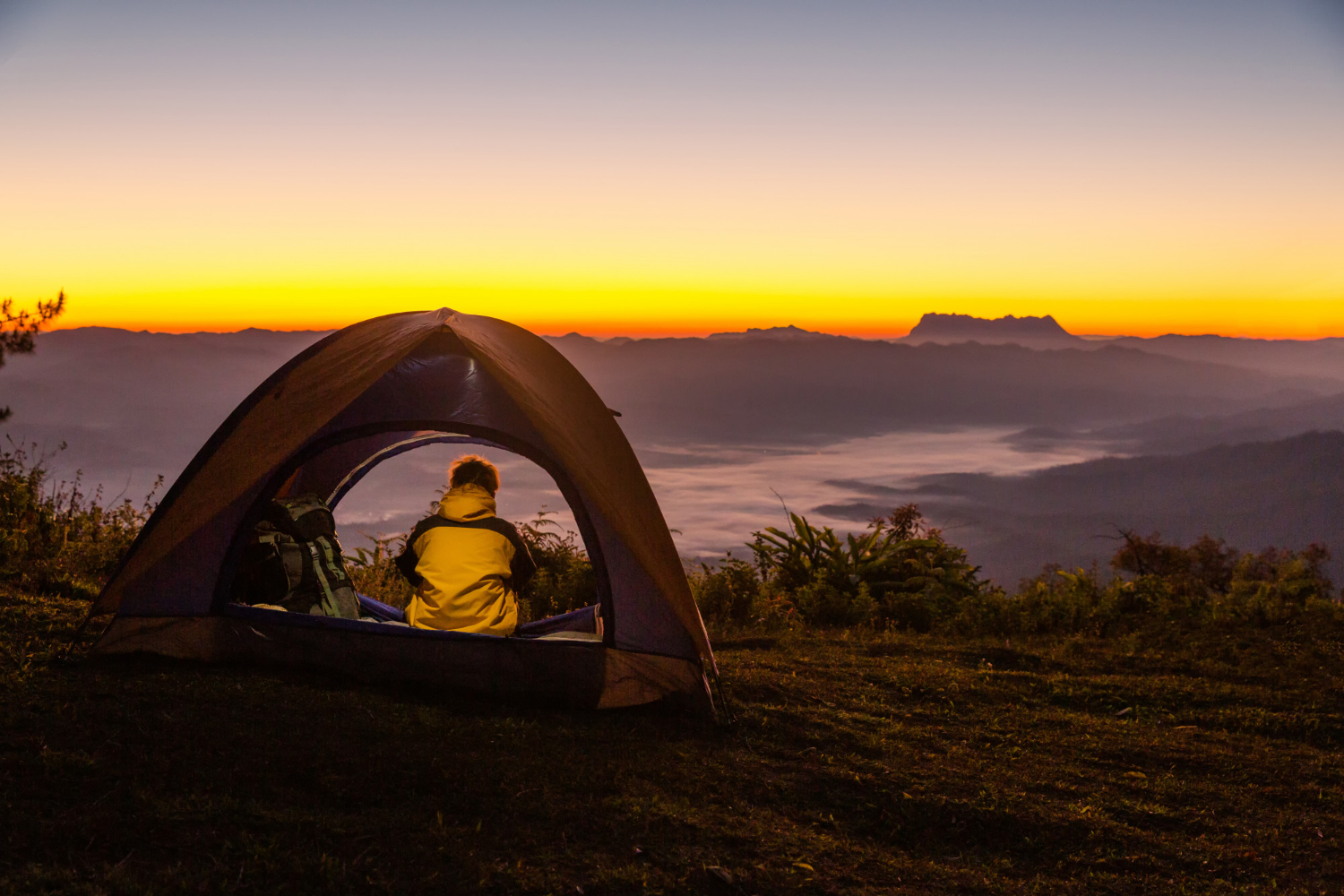
Ten rules, one spirit: the campground is a village that assembles at check-in and dissolves at checkout, and the code exists so that strangers can live fifty feet apart in nylon and leave as something like neighbors. Honor it and the loop takes care of the rest — including, usually, the weather report and the extra marshmallows.
Campground veterans will tell you the code is why they keep coming back — not despite the shared spigot and the thin walls but because of what those things require of everyone, one weekend at a time. Master the ten and any loop in America is home ground: fire out, dog calm, wood stacked for the next arrivals, and the neighbors two sites down already waving you over. That’s the whole secret of the one-night town. Bring your own chair.
Like our content? Follow us for more.