

Every July 22, World Brain Day invites the planet to appreciate the organ doing the appreciating — a globe of tissue that generates every thought, memory, and daydream you’ve ever had, and understands itself only barely. The facts that emerge from a century of studying it are, reliably, stranger than fiction. Here are ten of the best, offered in the spirit of the day: not a medical lecture, just ten reasons to be impressed by what you’re carrying around.
1. It Runs on About 20 Watts — a Dim Light Bulb’s Worth
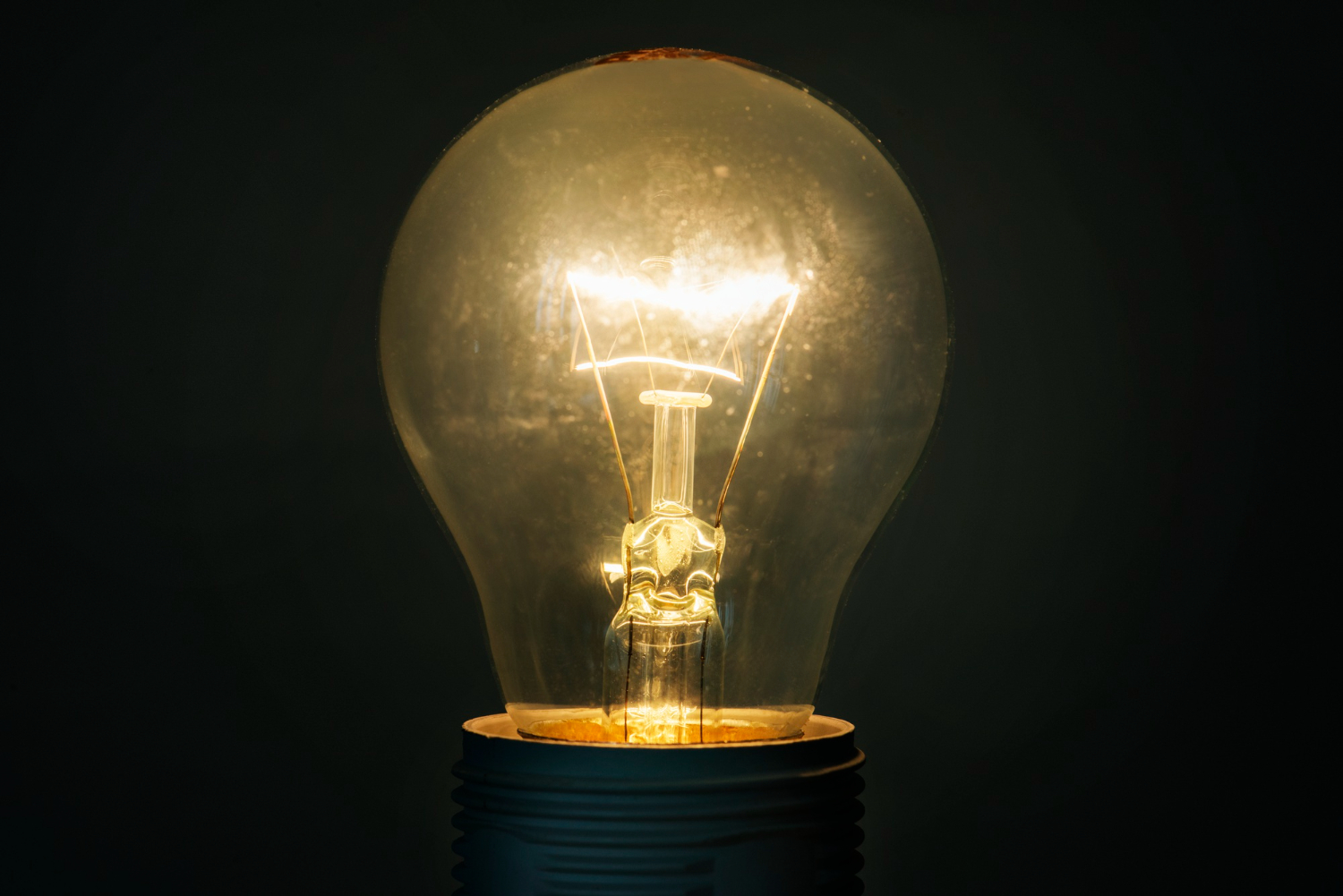
Your brain powers your entire mental life on roughly the energy of a night light.
The brain is an energy hog by body standards — around 2 percent of your weight burning roughly 20 percent of your calories — but in absolute terms the number is humbling: neuroscientists commonly estimate the running brain draws about 20 watts, less than most light bulbs and a rounding error next to the megawatts a supercomputer needs to fake a fraction of what it does. It does language, vision, memory, and consciousness on the power budget of a bedside lamp. No engineer has come remotely close to that efficiency, and many suspect no one will.
Like our content? Follow us for more.
2. The Brain Itself Can’t Feel Pain

Surgeons operate on awake patients because the brain has no pain receptors of its own.
Here’s the paradox at the center of every headache: the organ that processes all pain feels none itself, having no pain receptors in its own tissue. This is why neurosurgeons can perform “awake brain surgery,” operating while the patient talks, sings, or plays guitar — gently stimulating regions to map them in real time and avoid damaging speech or movement, all painlessly, because the brain literally cannot register a scalpel in itself. The headache you blame on your brain is coming from blood vessels, muscles, and membranes around it. The brain just files the report.
3. It Rewires Itself Your Whole Life
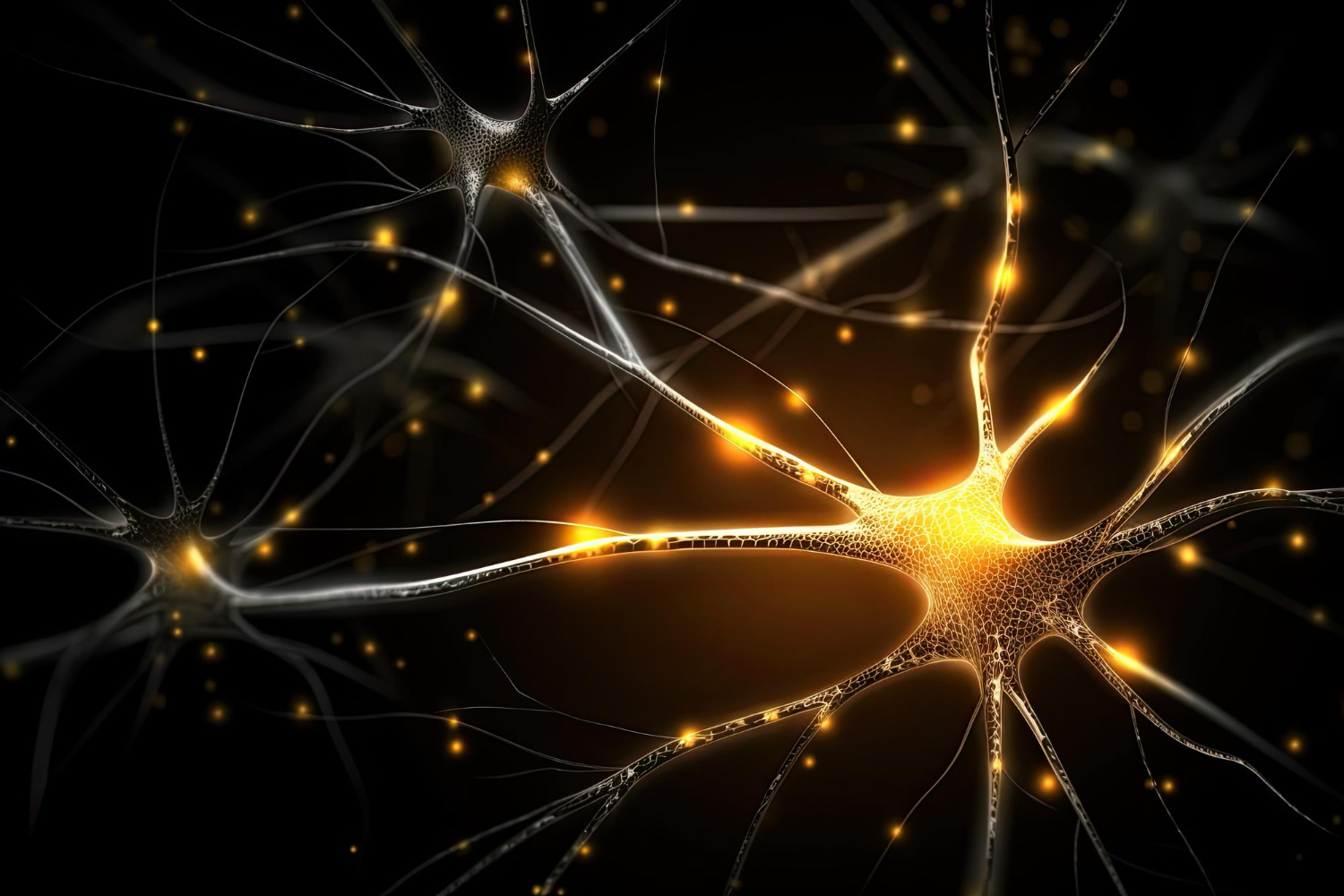
The old “no new brain cells” rule was wrong. Your brain reshapes itself constantly — including today.
For most of the twentieth century, science held that the adult brain was essentially fixed. It was wrong. Research on neuroplasticity has shown the brain reorganizes itself throughout life — forming new connections, reassigning regions, strengthening what’s used and pruning what isn’t — in response to learning, experience, and even injury. The famous demonstration: London taxi drivers who memorized the city’s streets developed measurably larger spatial-memory regions. Every skill you’ve ever picked up, every language and instrument and route, physically altered the tissue. You are, in a real sense, remodeling the house while living in it.
4. It Generates Enough Electricity to Power a Small Light
The brain’s cells fire on electricity — collectively, a low but continuous current.
The brain runs on electricity, its roughly 86 billion neurons signaling by tiny voltage spikes, and the collective output is real if modest — commonly described as around 20 watts of electrical activity, enough, the popular comparison goes, to dimly power a small bulb. Those signals travel between neurons across gaps called synapses at speeds that can exceed 250 miles per hour, which is how a hand yanks off a hot stove before the mind consciously decides anything. You are, at the cellular level, an electrical storm that thinks.
5. Roughly 86 Billion Neurons, Wired Past Counting

The connection count in a single brain dwarfs the stars in the galaxy.
The old textbook figure of “100 billion neurons” was revised down to about 86 billion when a researcher finally dissolved a brain and counted properly — but the humbling number isn’t the neurons, it’s the connections. Each neuron may link to thousands of others, yielding an estimated hundred trillion or more synaptic connections, a tally that comfortably exceeds the number of stars in the Milky Way. The wiring diagram of one human brain is among the most complex structures known anywhere in the universe, and mapping it fully remains beyond current science.
6. It’s About 60 Percent Fat
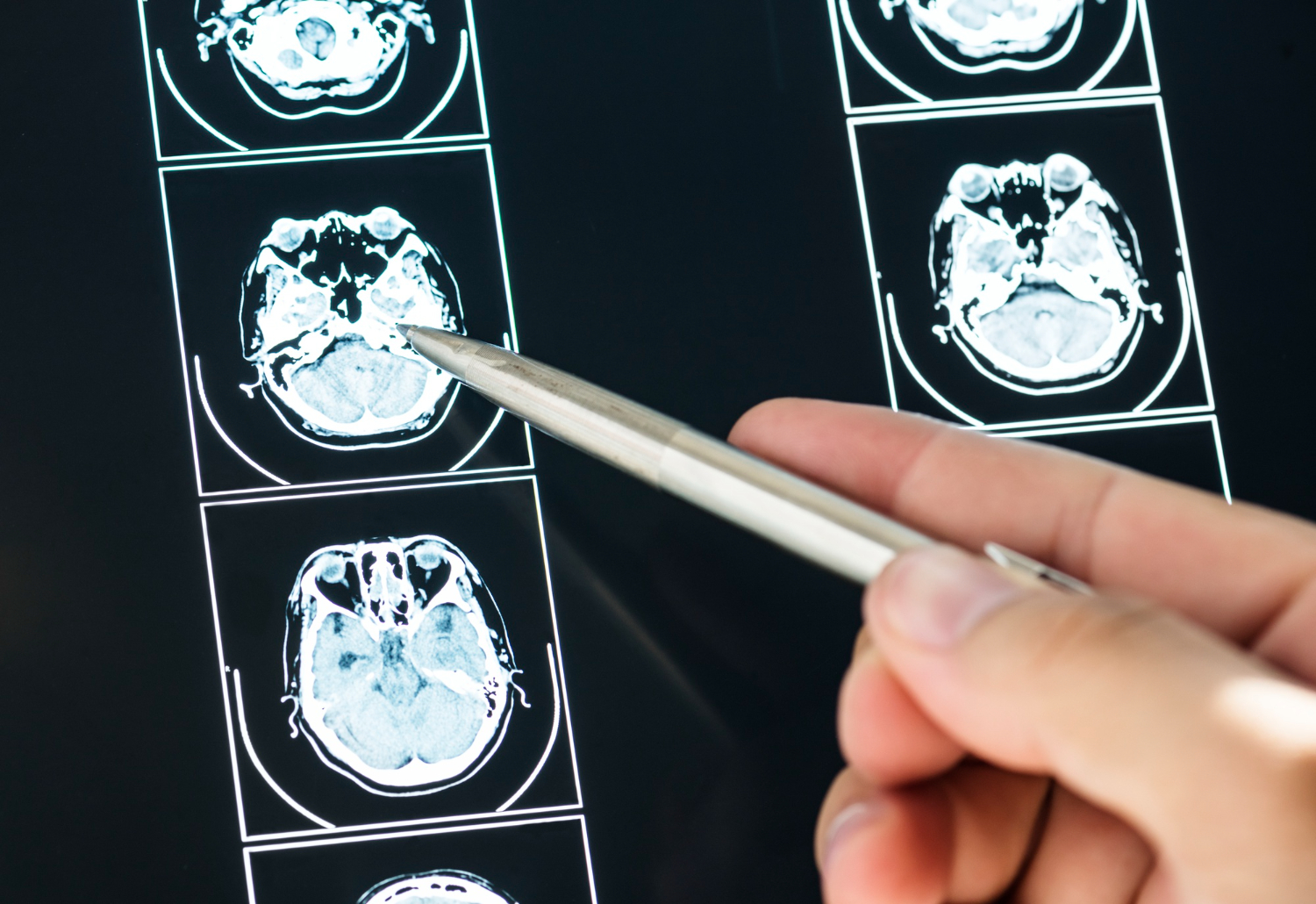
The organ behind your sharpest thoughts is the fattiest in your body.
The most sophisticated object in the known universe is, by dry weight, roughly 60 percent fat — the fattiest organ you own. Far from an insult, the fat is the point: the insulating sheaths that let signals race along neurons are fatty, and the cell membranes doing the brain’s business are built from lipids. The phrase “fathead” turns out to be a compliment to the whole species. It’s also why nutrition researchers pay close attention to certain fats in the diet — the brain is, structurally, mostly the stuff.
7. Your Memory Isn’t a Recording — It’s a Rebuild

Every time you recall something, your brain reconstructs it, and can steadily rewrite it.
The most unsettling fact on the list: memory is not playback. Research shows that recalling a memory reconstructs it from pieces, and the act of remembering can alter the memory before it’s re-stored — meaning a memory recalled often is, in a sense, a memory of the last time you recalled it. This is why confident eyewitnesses can be sincerely wrong and why family stories drift over decades of retelling. Your most treasured memories are less like photographs than like a story the brain re-tells itself, editing gently each time. It feels like a recording. It’s a living document.
8. It Does Enormous Work While You Sleep

Sleep isn’t downtime — the brain runs a night shift of cleaning and filing.
Sleep looks like the brain switching off; it’s closer to switching tasks. Research indicates the sleeping brain consolidates the day’s memories — replaying and filing experiences into long-term storage — and studies of the brain’s glymphatic system suggest sleep is when it clears metabolic waste, essentially running a rinse cycle it can’t perform as well while awake. This is the science beneath every “sleep on it”: the night brain sorts, files, and takes out the trash, which is why a problem impossible at midnight sometimes solves itself by breakfast. You do some of your best thinking unconscious.
9. The “Left-Brain vs. Right-Brain Personality” Idea Is a Myth
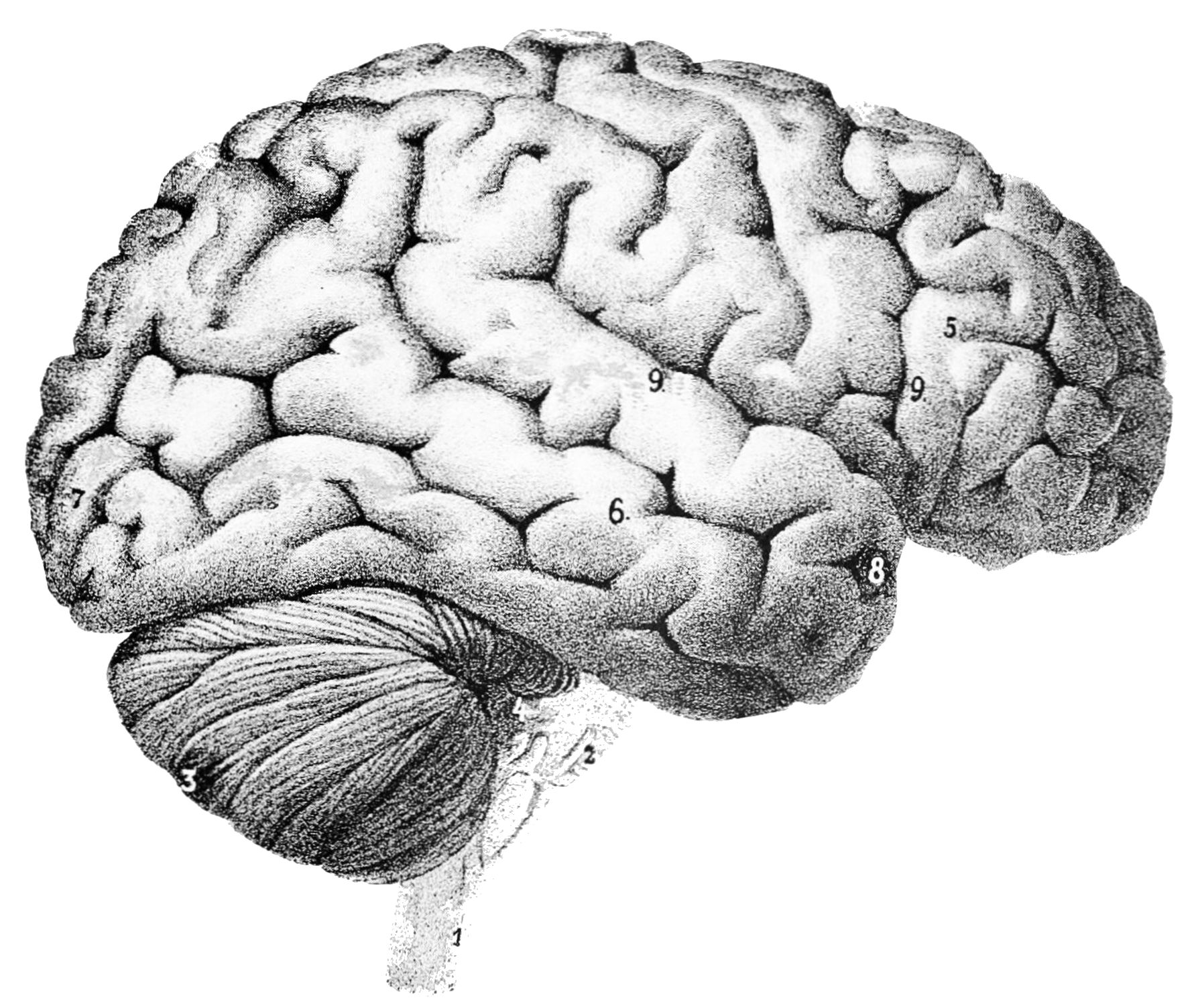
Image source: Wikimedia
One of pop psychology’s favorite ideas — that logical people are “left-brained” and artistic people “right-brained” — is, brain scientists agree, essentially a myth. It’s true that certain functions lean toward one hemisphere (language often leans left, some spatial processing right), but large brain-imaging studies have found no evidence that individuals are dominated by one hemisphere as a personality type; everyone uses both, extensively, in constant conversation across the bundle of fibers joining them. The catchy framework belongs on the shelf beside “you only use 10 percent of your brain” — another beloved myth, equally false, since you use virtually all of it.
10. No One Knows How It Produces Consciousness
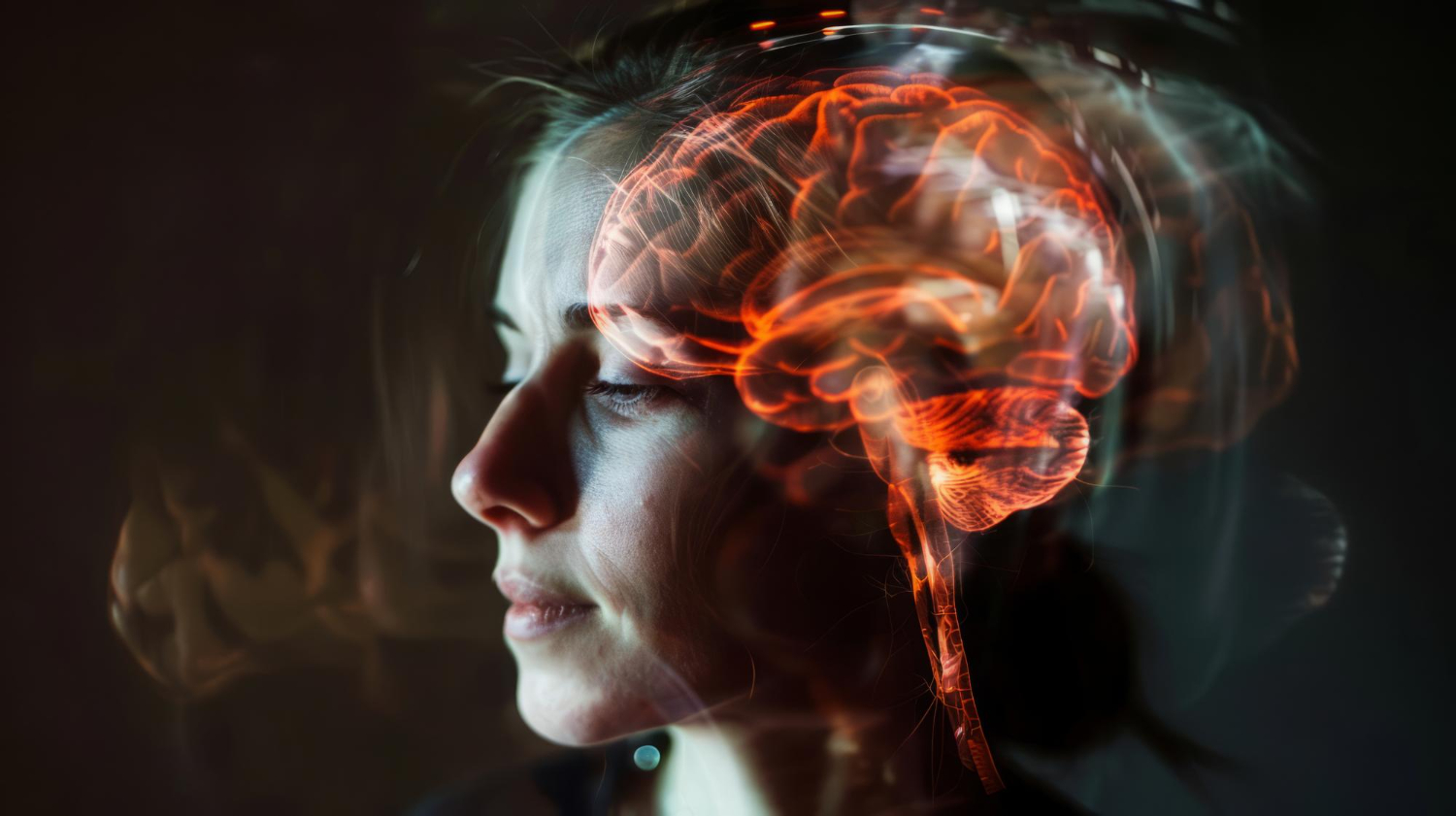
Science has mapped the brain in extraordinary detail — and still can’t explain how it makes “you.”
The final fact is the biggest: after a century of dazzling progress, science still cannot explain how three pounds of electrified fat produce the felt experience of being someone — the redness of red, the taste of coffee, the sense of a self behind your eyes. Philosophers call it the “hard problem of consciousness,” and it remains truly unsolved; we can map which regions light up during an experience without explaining why there’s any experience at all. The most remarkable thing about your brain is that it’s the one object in the universe still profoundly mysterious to itself. On World Brain Day, that might be the fact worth raising a glass to.
Three Pounds of Wonder

Twenty watts, no pain sensors, more connections than the galaxy has stars, and a mystery at its center that science hasn’t cracked — the brain is the strangest thing most people will ever own, and World Brain Day is the once-a-year nudge to notice it. Every fact on this list was produced by the very organ it describes, studying itself, which is the whole marvel in miniature.
The organizers of World Brain Day devote the date to brain health worldwide, a serious and worthy cause. But the day leaves plenty of room to simply be amazed — to spend a moment aware of the electrical storm reading these words, filing them, and steadily deciding which ones you’ll still remember next week. It’s been running the whole show your entire life on a light bulb’s worth of power. July 22 is a fine day to be impressed.
Like our content? Follow us for more.

