The official rulebook at a national park covers the essentials — permits, campfires, speed limits, where you can and can’t go. What it doesn’t cover is the etiquette, the accumulated common sense of people who spend a lot of time in these places and would appreciate it if you did too. Most bad visitor behavior isn’t malicious; it’s just not knowing. Here are ten unwritten rules that make you a good presence in a park, and keep the place intact for whoever arrives after you.
1. Stay on the Trail, Even When the Shortcut Is Obvious
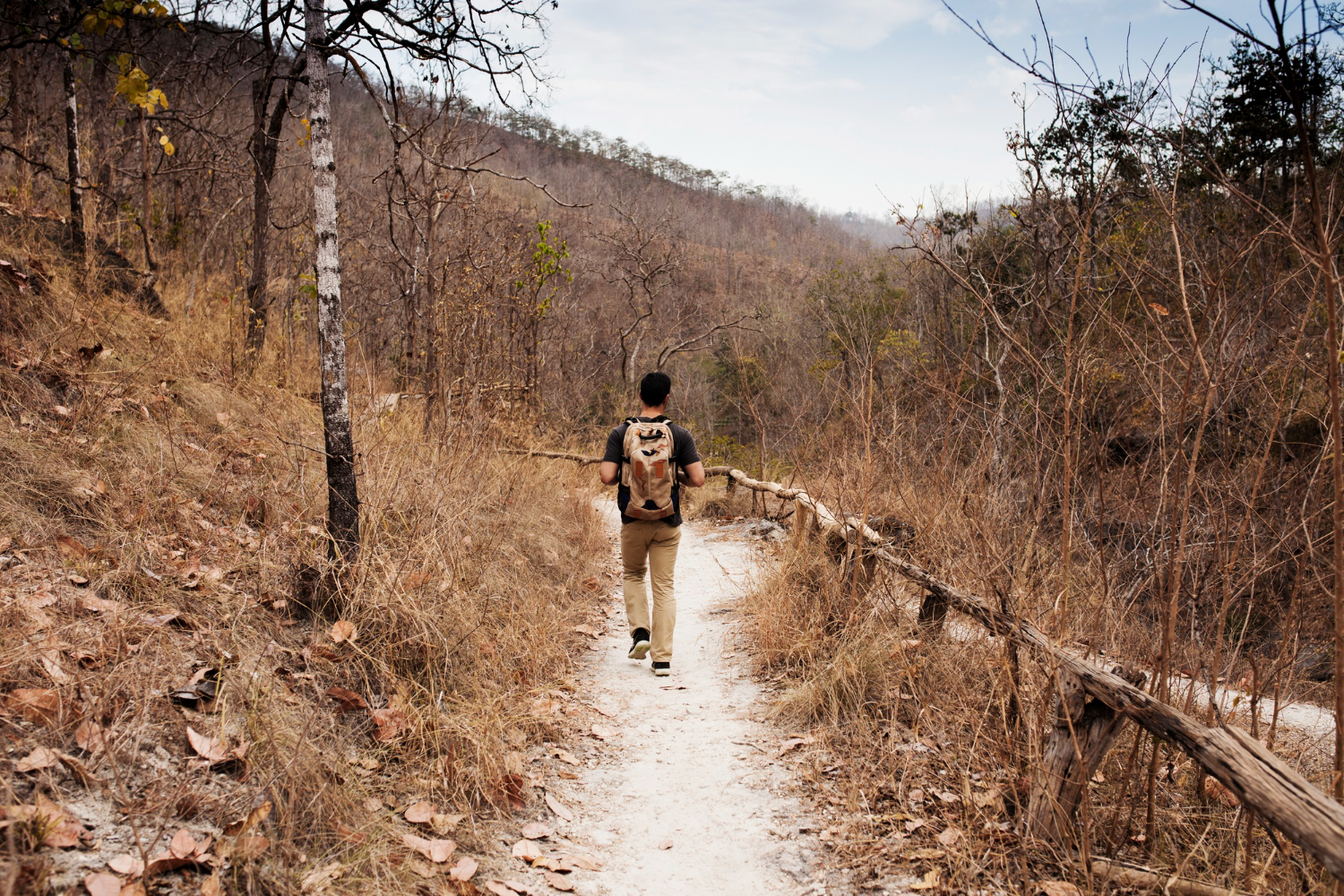
The worn path exists to protect everything beside it. Cutting corners does real damage.
The single most important unwritten rule is also the easiest to break without thinking: stay on the established trail. Cutting switchbacks, stepping off to get a better angle, or making your own path tramples fragile vegetation, compacts soil, and starts erosion channels that widen with every rainstorm and every subsequent hiker who follows your shortcut. In desert parks the stakes are higher still, where a living soil crust that took decades to form can be destroyed by a single boot print. Walk through puddles rather than around them — widening a trail is worse than muddy shoes.
Like our content? Follow us for more.
2. Keep Your Distance From Wildlife, Especially the Calm-Looking Ones
Animals that ignore you are not tame. Distance protects them as much as you.
Park wildlife often appears indifferent to people, which fools visitors into approaching for photos — and this is how most park injuries happen. Large animals like bison, elk, and moose are far faster and more dangerous than they look, and the guidance in most parks is to stay well back, typically at least 25 yards from large animals and 100 yards from bears and wolves, with local rules varying. Use zoom rather than proximity. The rule protects animals too: those that grow habituated to people frequently end up relocated or worse, so the distance you keep is truly in their interest.
3. Never Feed Anything, Including the Cute Small Stuff
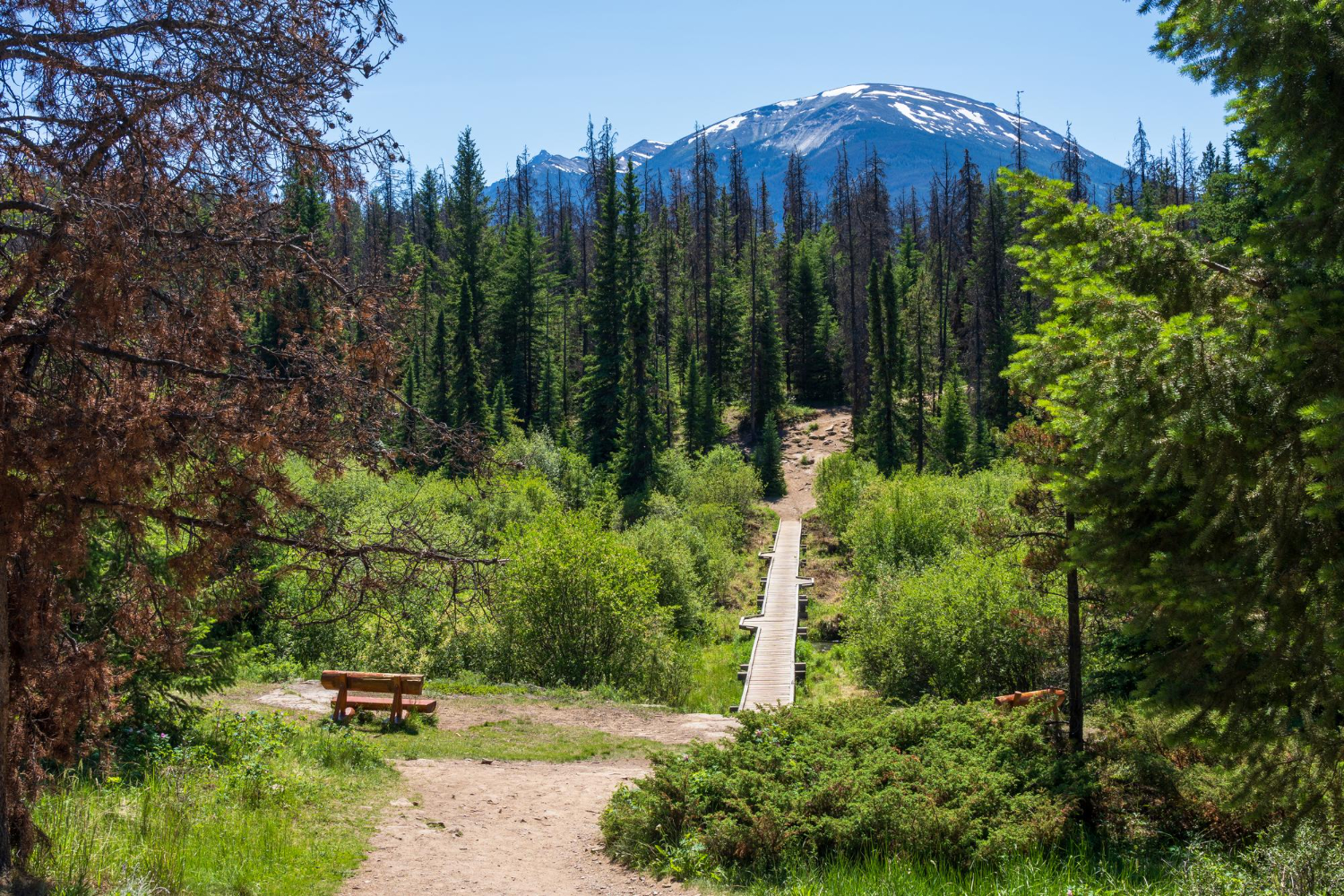
A fed animal becomes a problem animal. Even crumbs left behind count.
Everyone knows not to feed bears. Fewer people extend the rule to the chipmunk begging at the picnic table, the jay at the overlook, or the deer by the roadside — but it’s the same rule and the same outcome. Fed animals lose their natural foraging behavior, become aggressive toward visitors, congregate near roads where they get hit, and can suffer real health consequences from human food. This includes passive feeding: crumbs on the table, an unattended pack, apple cores tossed into the brush. Pack out every scrap, and let the wildlife stay wild.
4. Take the Trash With You, and Then Some
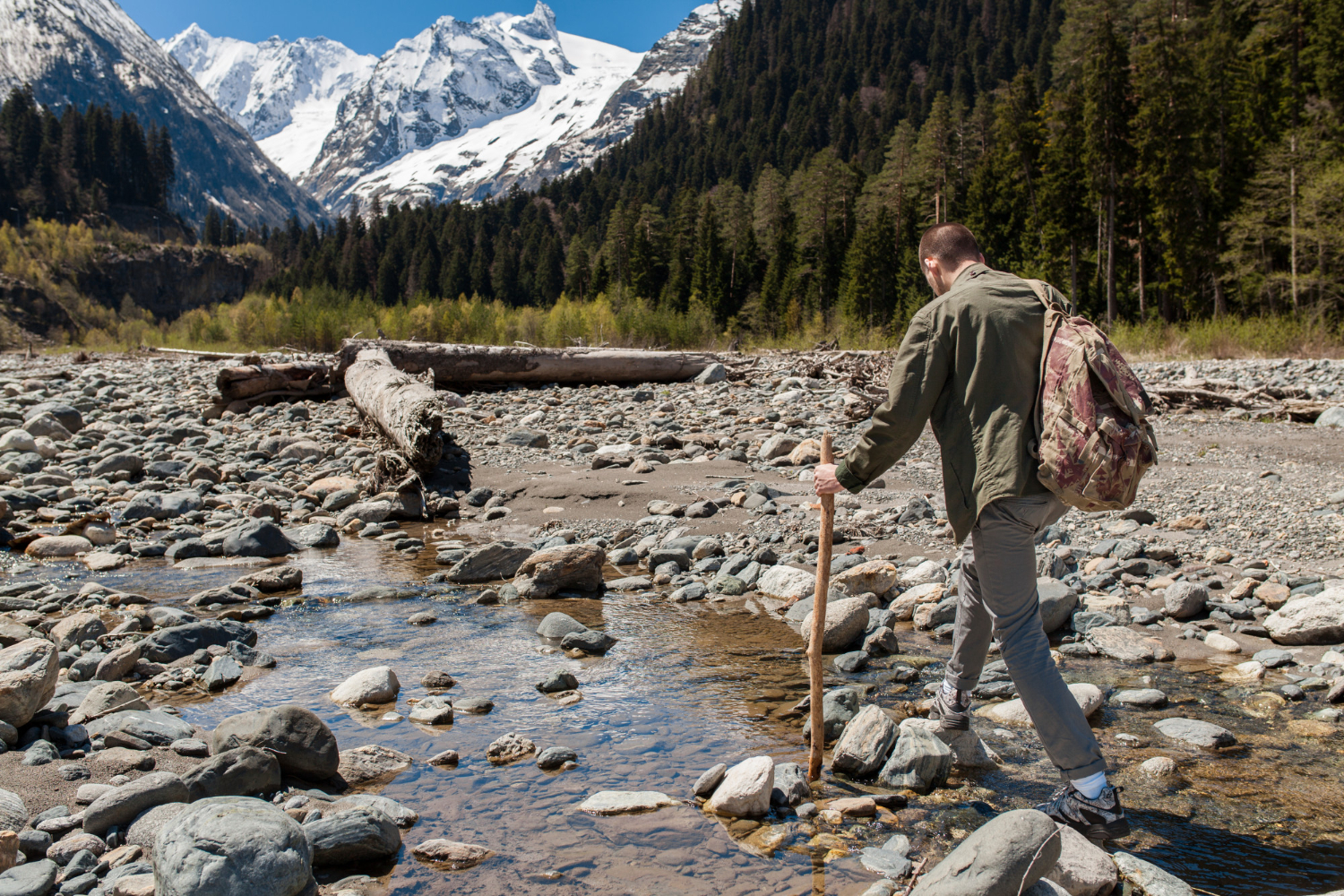
Pack out everything you brought — and it’s good form to carry out a bit more.
Pack-it-in, pack-it-out is official policy in most backcountry areas and unofficial expectation everywhere else. That means everything: wrappers, bottles, tissue, cigarette butts, and the food scraps people assume are fine because they’re “natural” — an orange peel or a pistachio shell can take years to break down and teaches wildlife that people mean food. Regulars go a step further and carry out a piece or two of litter they didn’t leave. Bring a small bag for it. Nobody has ever regretted leaving a place cleaner than they found it.
5. Leave the Rocks, Flowers, Antlers, and Everything Else
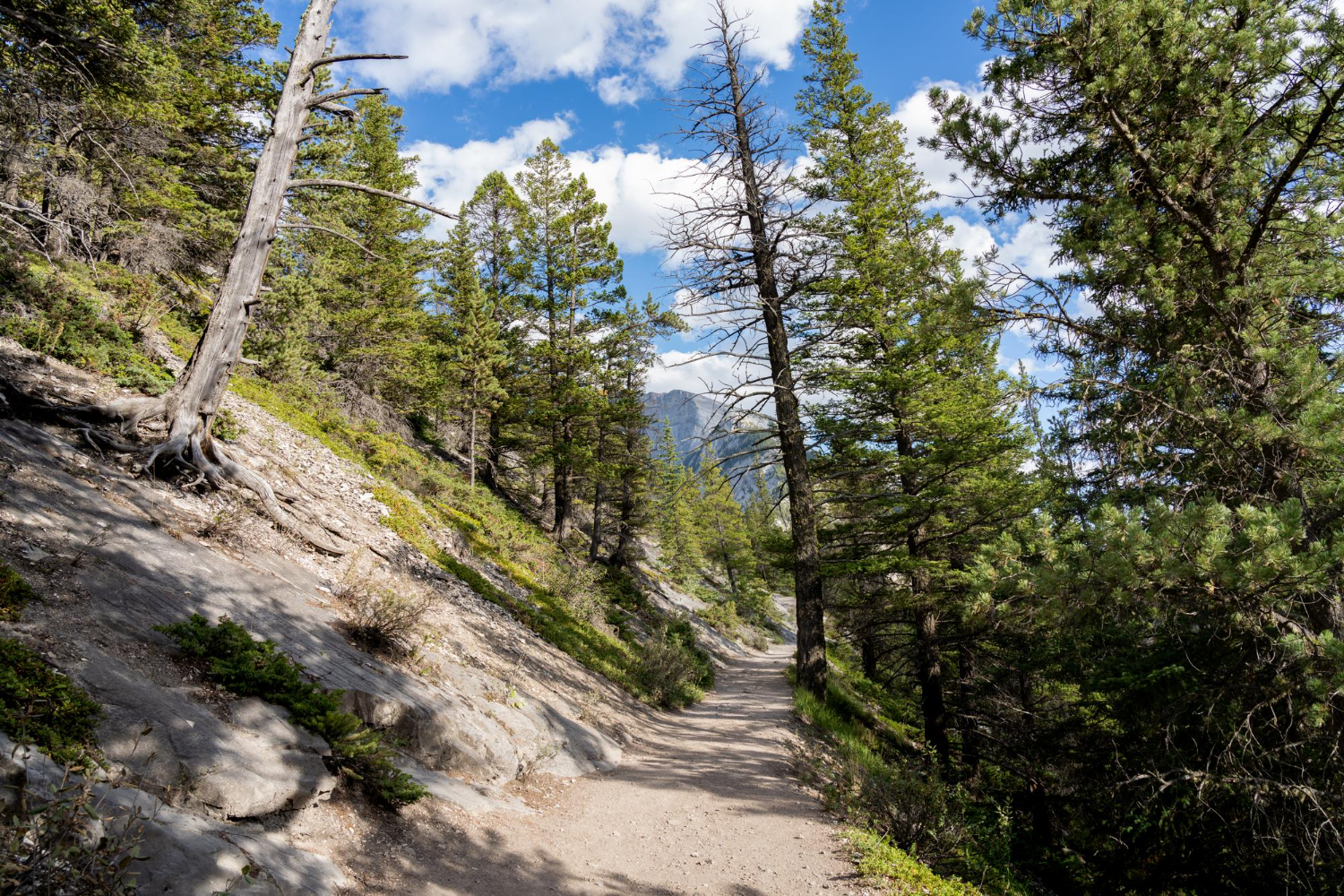
Take nothing. It’s both the ethic and, in national parks, the law.
Collecting is off-limits in national parks — rocks, plants, wildflowers, shed antlers, artifacts, petrified wood, all of it — and the reasoning scales in a way people underestimate. One pocketed stone is trivial; a park receiving millions of visitors a year, each taking one small souvenir, is being dismantled. Historic and cultural artifacts carry additional legal protection and lose their meaning entirely once removed from context. Photograph it, and leave it exactly where it sits.
6. Don’t Build Rock Stacks
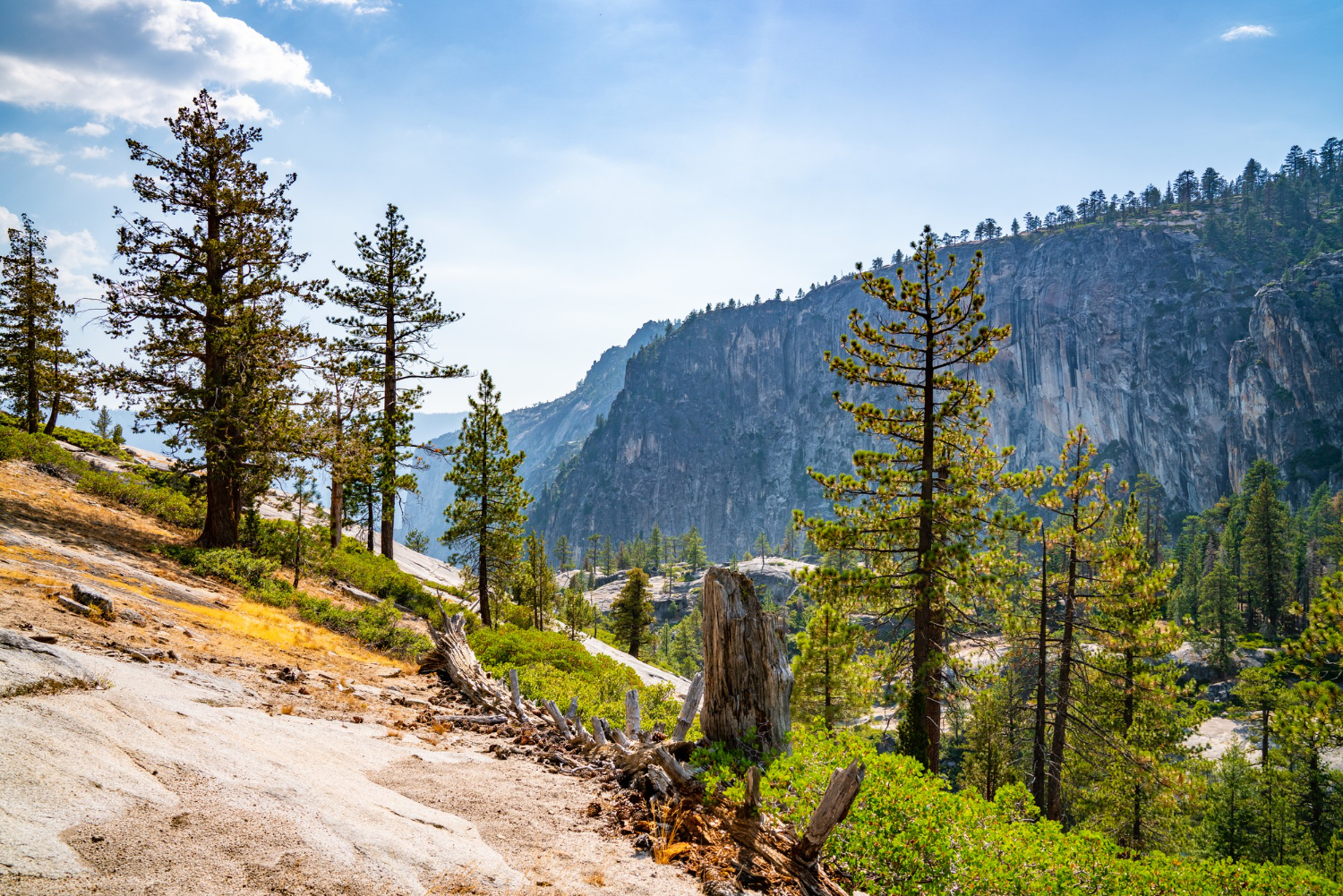
Cairns are navigation tools, not art projects. Extra ones are actively harmful.
Stacking rocks has become a widespread habit, and parks would very much like it to stop. Official cairns are deliberately placed navigation markers, sometimes the only route-finding aid above treeline or across slickrock, and a landscape littered with decorative stacks can truly mislead hikers into dangerous terrain. Moving rocks also disturbs the small creatures living beneath them and, along waterways, damages aquatic habitat. If you find a stack that isn’t an official marker, the accepted practice is to disperse the stones rather than add to them.
7. Keep the Noise Down — Especially at Viewpoints
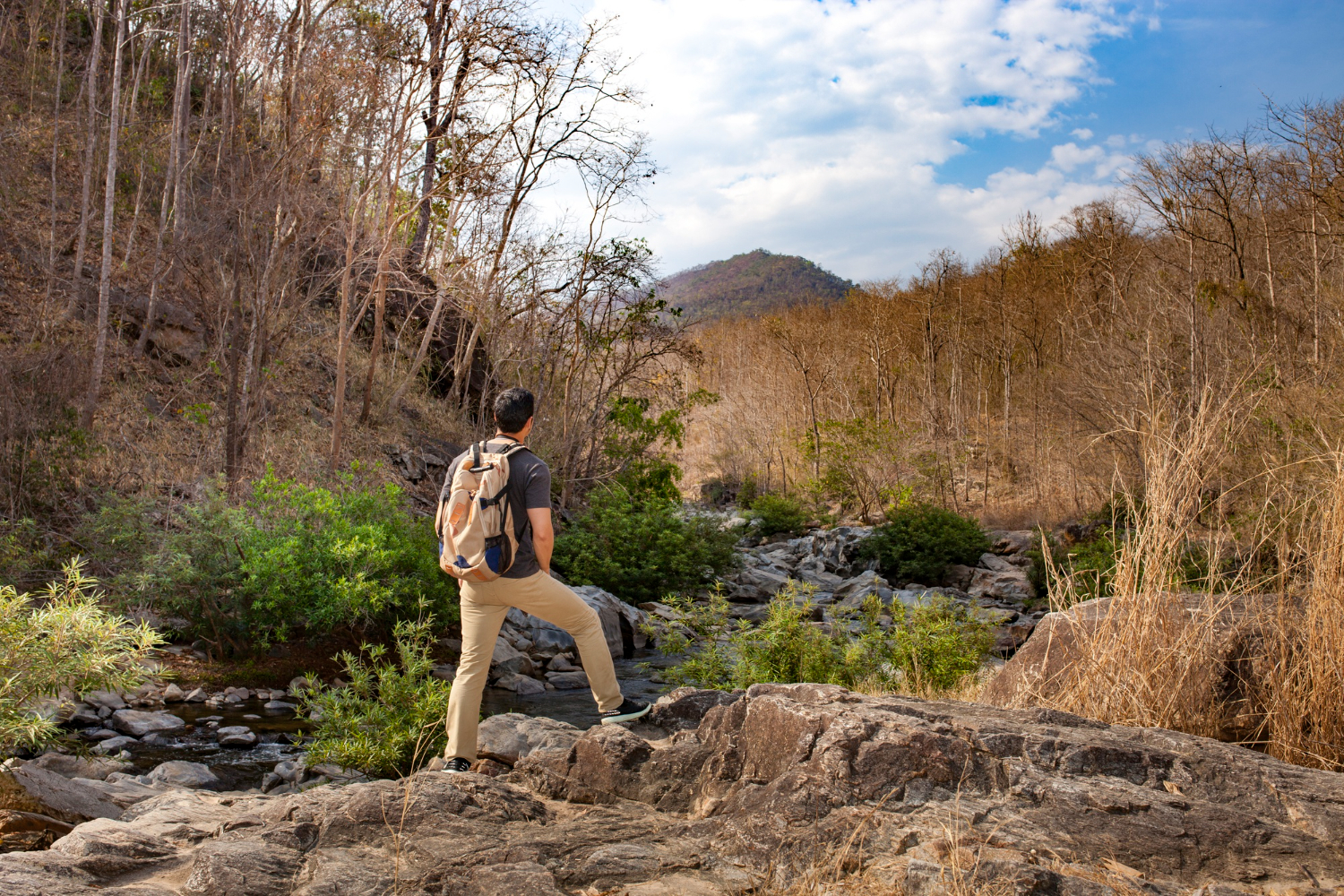
Quiet is part of the experience. Playing music through a speaker ruins it for everyone.
A large share of why people come to these places is the sound of them: wind, water, birds, and the particular silence of open country. Portable speakers, shouting across canyons, and phone calls on speaker at an overlook all take that away from everyone within earshot. The unwritten standard is simple — use headphones, keep conversation at a normal volume, and mind that sound carries extraordinarily far in canyons and above treeline. Wildlife is affected too, particularly during nesting and breeding seasons. Give the place its quiet.
8. Yield Correctly on the Trail
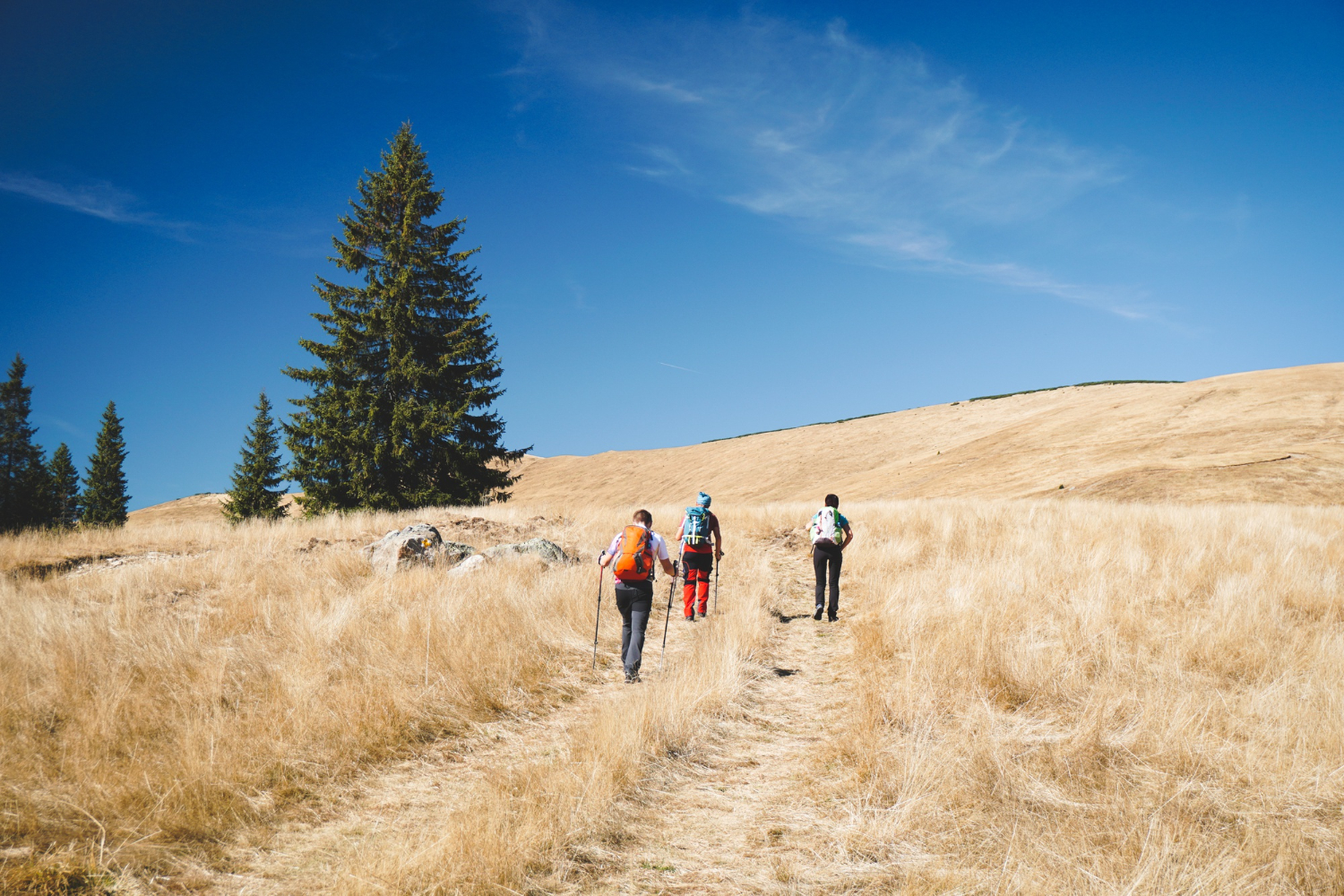
Uphill hikers have the right of way, and everyone yields to horses.
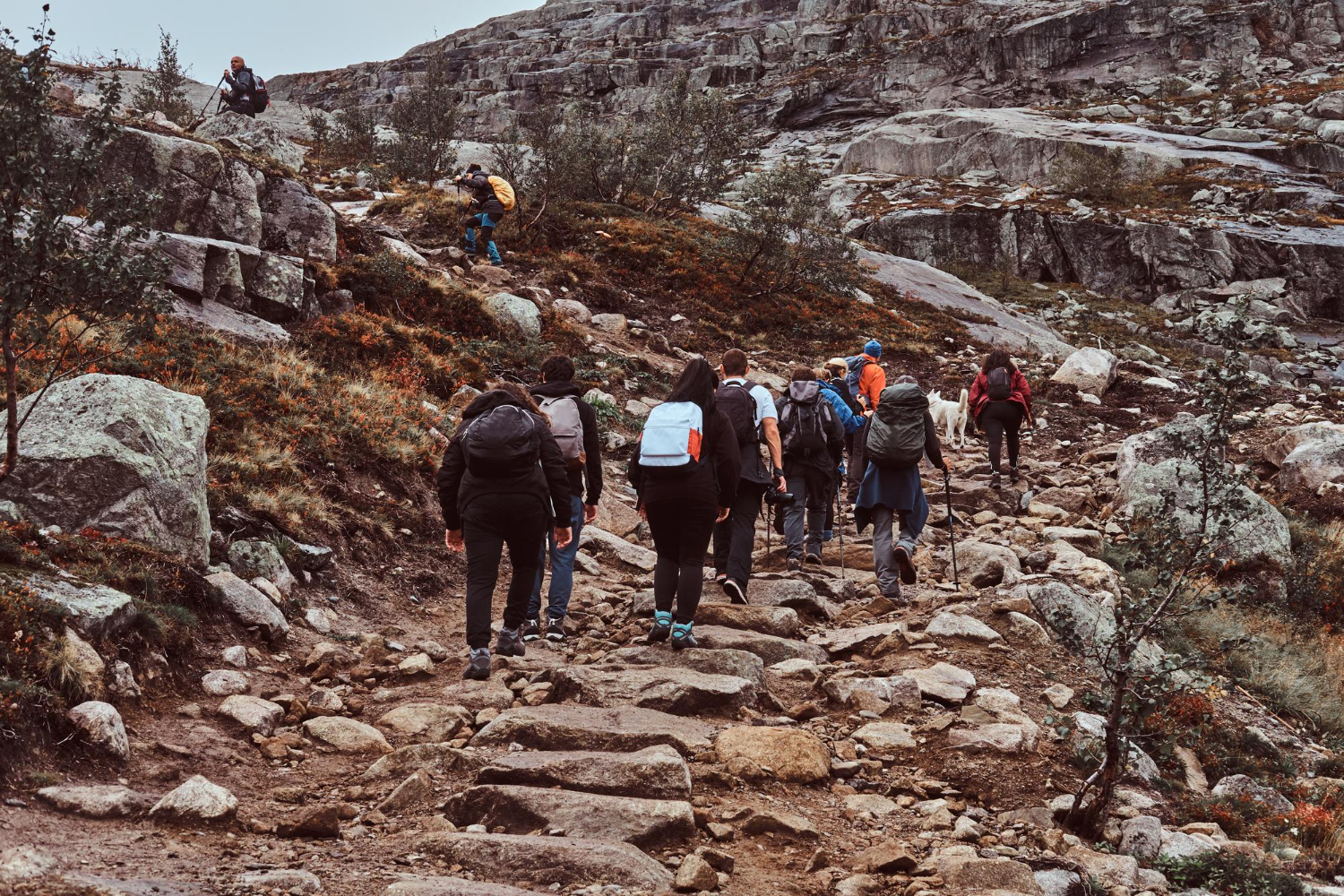
Trail traffic has a hierarchy that regulars follow automatically. Hikers going uphill have the right of way — they’re working harder and have a narrower field of view — so downhill hikers step aside. Bikers yield to hikers. Everyone yields to horses and pack animals, stepping to the downhill side and speaking calmly so the animals aren’t startled. When you stop for a break or a photo, step fully off the trail rather than blocking it. And on narrow paths, the faster group passes with a friendly word rather than looming silently behind someone for half a mile.
9. Don’t Hog the Viewpoint or Photobomb Someone’s Shot
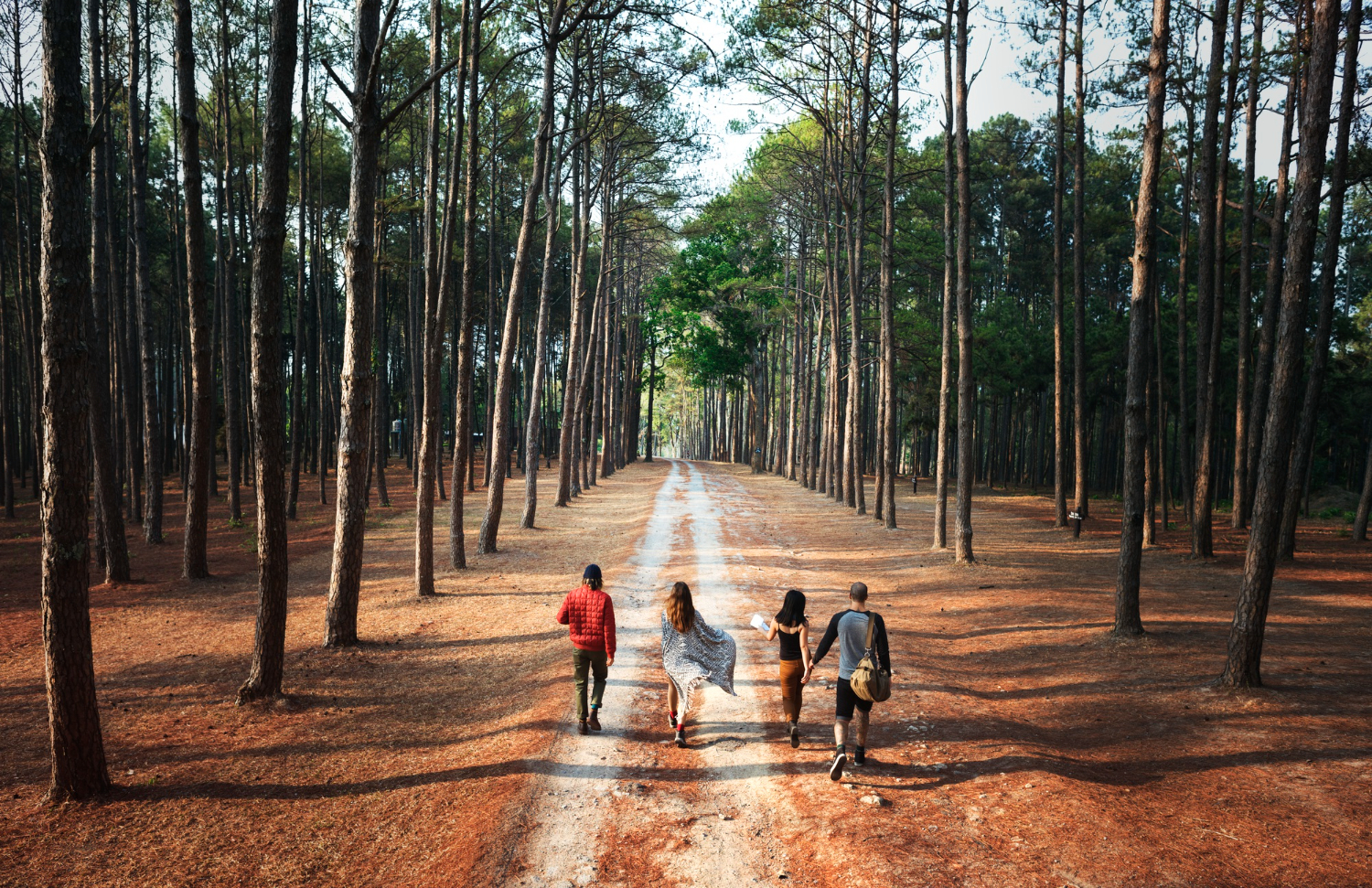
Take your photo, then move. Everyone drove a long way for the same view.
At popular overlooks, especially at sunrise and sunset, the crowd is sharing a limited amount of railing. The etiquette is to take your photos, enjoy the view, and then step back so others can get in — rather than setting up a lengthy photo session in the prime spot while a line forms behind you. Watch for people composing a shot and wait a moment rather than walking through it; they’ll do the same for you. Photographers with tripods should claim only the space they need. It costs nothing to be aware of the twenty other people who came for the same thing.
10. Plan Ahead So You’re Not a Rescue Call
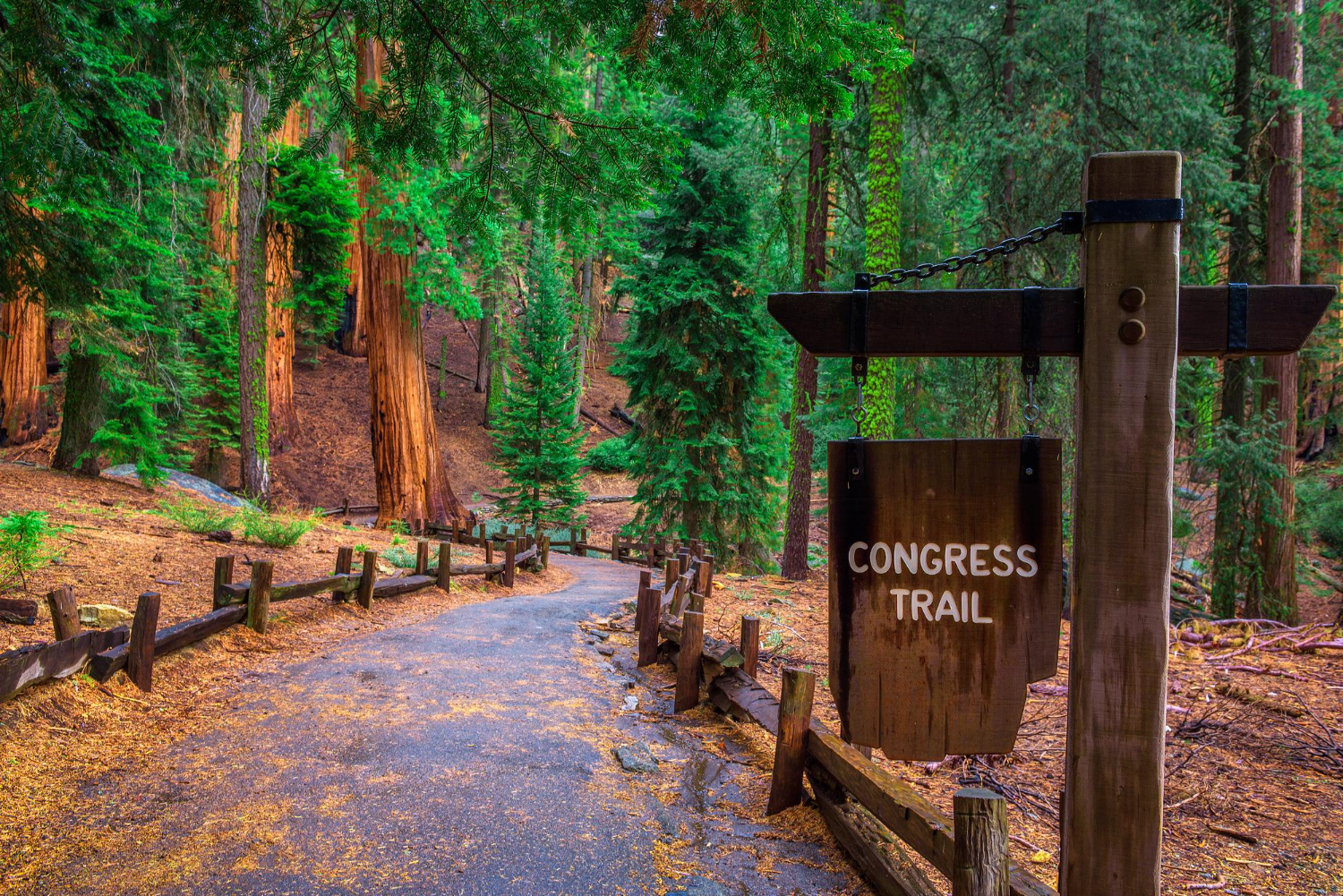
Know the conditions, carry water, and turn back when you should.
The unwritten rule underneath all the others is to arrive prepared, because search and rescue operations pull rangers away from everything else and put responders at risk. That means checking conditions and closures before you go, carrying far more water than feels necessary in desert and summer conditions, bringing layers for weather that changes fast at elevation, telling someone your plan, and not relying on a phone for navigation in places with no signal. It also means being willing to turn around — the summit will be there next year. Knowing your limits is a courtesy to the people who would otherwise come find you.
Leave It Better Than You Found It
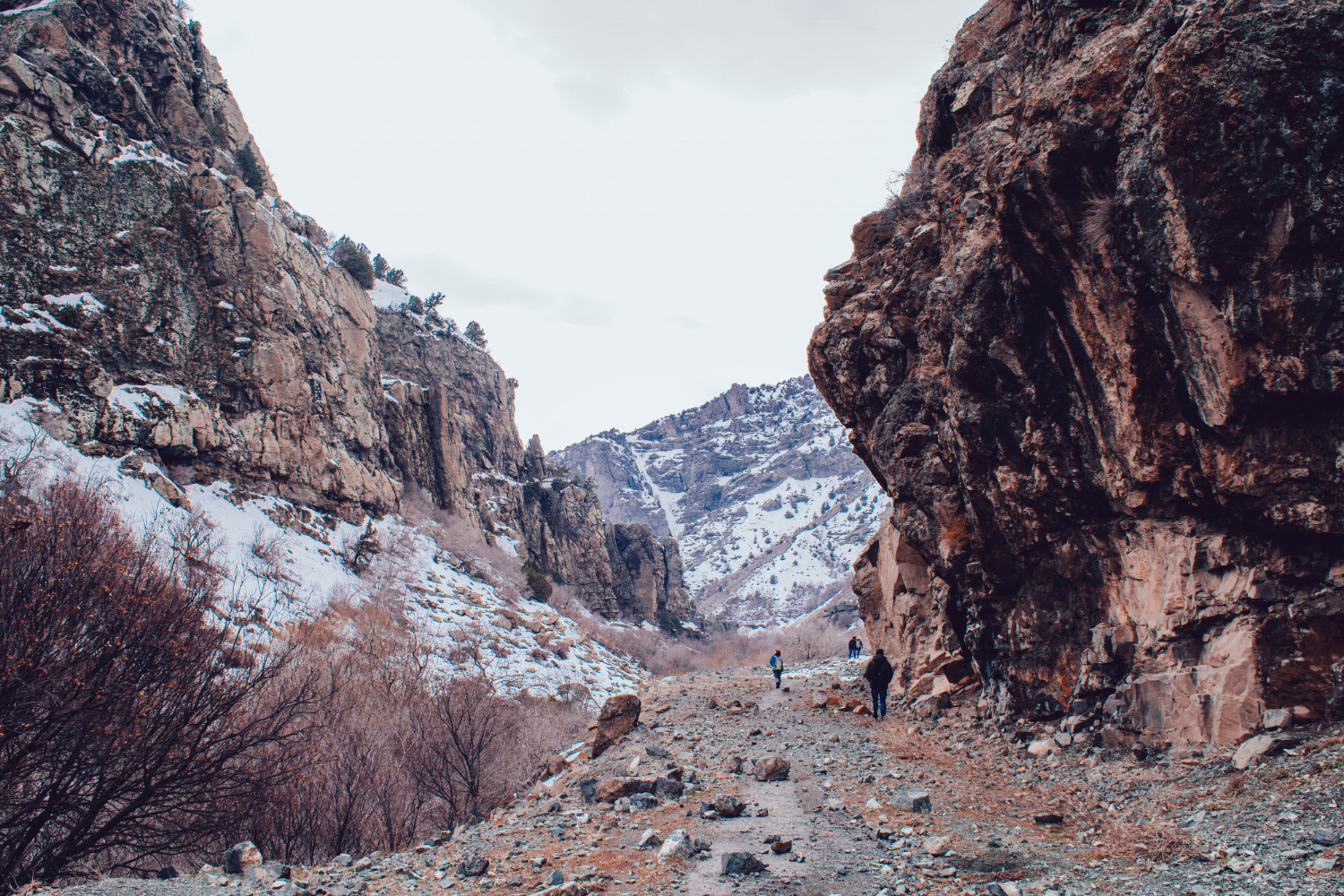
Stay on the path, keep your distance, feed nothing, take nothing, stack nothing, keep it quiet, yield properly, share the view, and come prepared — the unwritten rules of a national park all serve the same purpose, which is making sure the place survives being loved by this many people.
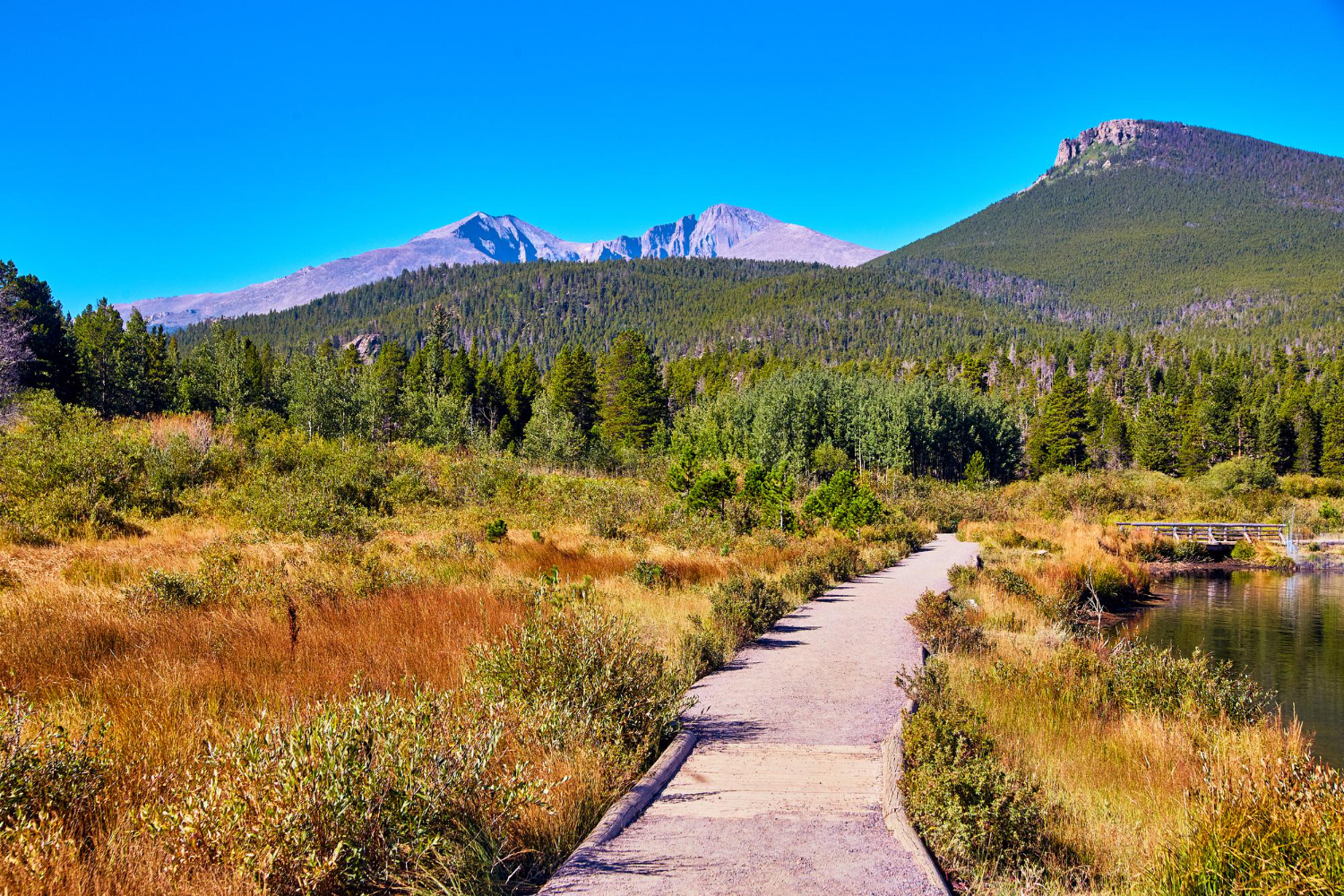
Visitation numbers keep climbing, and the parks are feeling it — the damage that matters isn’t done by vandals but by enormous numbers of well-meaning people each doing one small thoughtless thing. That’s the good news, though, because it means the fix is equally distributed: every visitor who follows the unwritten rules is meaningfully part of the reason the place still looks like this. Go, see it, take the photograph, and leave nothing behind but the trail you walked in on.
Like our content? Follow us for more.