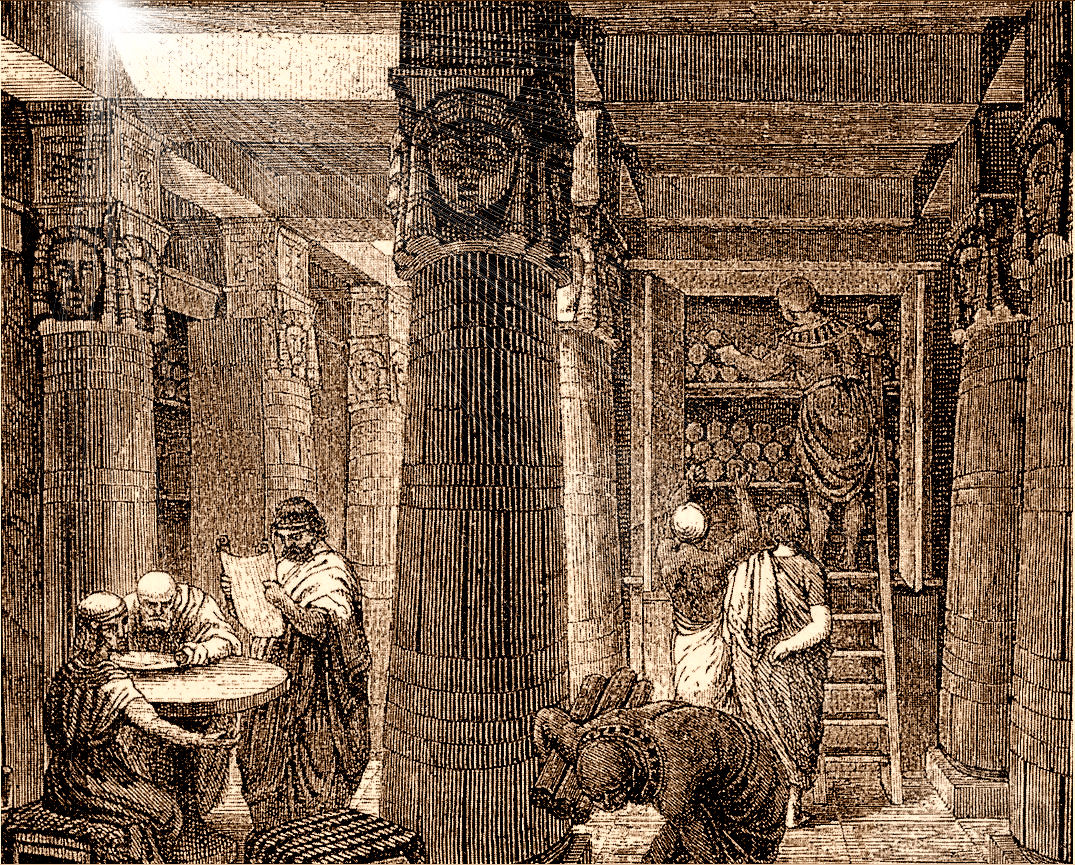
The burning of the Library of Alexandria is one of history’s most powerful images: a single night of fire consuming the accumulated wisdom of the ancient world, irreplaceable scrolls going up in flames, centuries of knowledge lost in hours, humanity set back by generations. It appears constantly as shorthand for catastrophic loss, invoked whenever anyone wants to evoke the destruction of knowledge. It is vivid, tragic, and cinematic.
It is also, in almost every particular, a myth. The Library of Alexandria was not destroyed in a single fire. It did not contain all the knowledge of the ancient world in a form that vanished overnight. And there was no single villain who burned it down. What actually happened to the greatest library of antiquity is a slower, murkier, and in some ways more disquieting story — a tale of gradual decline through neglect, funding cuts, brain drain, and the accumulated damage of centuries, in which the library didn’t so much die as fade. Understanding what really happened matters, because the real story carries a warning the myth obscures.
What the Library Actually Was
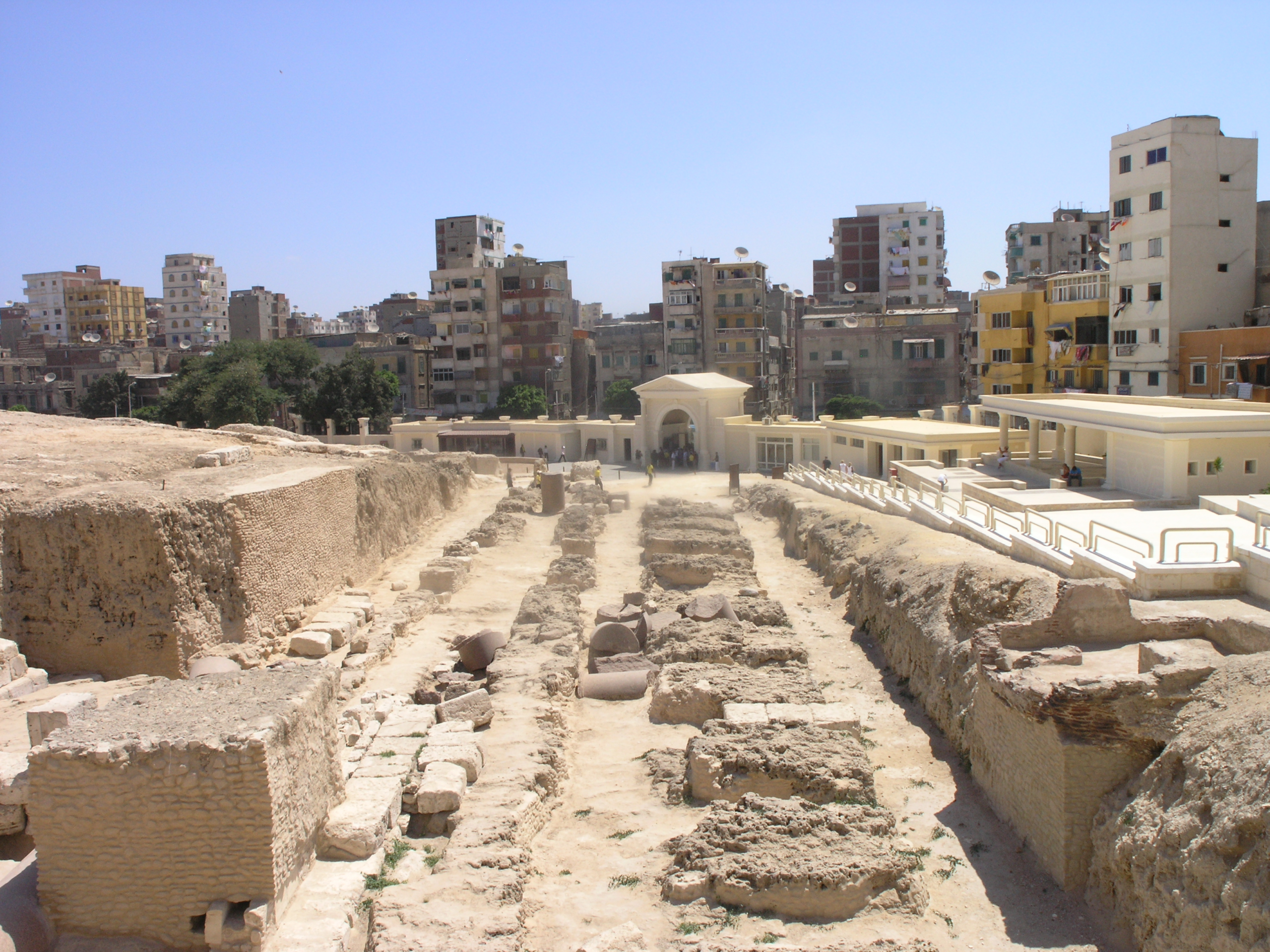
The Library of Alexandria was founded in the Egyptian city of Alexandria in roughly the third century BC, under the Ptolemaic dynasty that ruled Egypt after the death of Alexander the Great. It was part of a larger institution — a research center often called the Mouseion, or “shrine of the Muses,” from which we get the word “museum” — that functioned as something like a state-funded think tank and university, attracting leading scholars from across the Greek-speaking world.
Its ambition was staggering for its time: to collect all the knowledge in the world, to gather copies of every worthwhile text in existence. The Ptolemies pursued this aggressively, acquiring scrolls by purchase, by copying, and by methods that shaded into confiscation — ships arriving in Alexandria’s harbor were reportedly searched for books, which were copied, with the copies sometimes returned and the originals kept. At its height the library held an enormous collection of scrolls, and it was home to some of the greatest scholars of antiquity, who did foundational work in mathematics, astronomy, geography, medicine, and literary scholarship.
It was, truly, one of the great intellectual institutions in human history. That part of the reputation is entirely earned. It’s the destruction that got mythologized.
Like our content? Follow us for more.
The Fire That Gets All the Blame
The most famous version of the library’s end pins it on a single event: a fire during Julius Caesar’s involvement in an Alexandrian civil war around 48 BC. Caesar, besieged in the city, set fire to ships in the harbor, and the fire spread to parts of the shoreline. Ancient sources do record that this fire damaged or destroyed a quantity of books or a storage area near the docks.
But this was not the destruction of the library, for a straightforward reason: the library demonstrably continued to exist and function for a long time afterward. Scholars kept working there. The institution persisted. Whatever burned in Caesar’s fire — and it may have been a warehouse of scrolls near the harbor rather than the main library — it did not end the institution, which is documented as operating for centuries more. The single-fire story takes a real but limited event and inflates it into the total destruction of the library, which is simply not what the evidence shows.
Other dramatic destruction stories exist and get attached to the library too, involving later religious and political conflicts in the city across subsequent centuries. Some of these events were real and damaging; others are poorly documented or have been exaggerated. But the crucial point is that no single one of them was “the” destruction, because there was no single destruction to be had.
The Real Cause: Slow Decline
What actually happened to the Library of Alexandria is that it declined gradually over a very long period — likely several centuries — through a combination of unglamorous causes that add up to something more sobering than any fire.
Funding and political support ebbed. The library depended on the patronage of Egypt’s rulers, and as the Ptolemaic dynasty weakened and Egypt’s fortunes shifted, the resources that sustained the institution became less reliable. At one point, political turmoil led to the expulsion or departure of scholars from Alexandria — a brain drain that struck at the library’s real value, which was never just the scrolls but the community of experts who used, copied, and added to them. A library is only as alive as the people working in it, and when the scholars scatter, the institution hollows out regardless of how many scrolls remain on the shelves.
Then there is the mundane, relentless problem of preservation. The library’s holdings were papyrus scrolls, an organic material that decays, especially in a coastal climate. Scrolls had to be constantly recopied to survive, and recopying required money, scribes, and institutional will. As the institution’s resources and attention declined, the ordinary work of maintaining and reproducing the collection would have faltered, and holdings would have been lost simply to time, damp, insects, and neglect — the quiet enemies that destroy far more of the written record than fire ever has. Across centuries of reduced support, political disruption, and the departure of the scholarly community, the great library gradually ceased to be what it had been, until at some point there was effectively nothing left to destroy.
Why the Myth Is So Appealing

The single-fire story survives because it satisfies needs that the true story doesn’t. It offers a clear, dramatic, emotionally legible event — a catastrophe with a date, a villain, and a visible cause. It makes the loss comprehensible and assigns blame. And it delivers a satisfying, terrible image: the flames, the burning scrolls, knowledge itself on fire. Slow institutional decline over centuries offers none of that. It has no single villain, no dramatic night, no clean lesson — just the grinding, undramatic erosion of an institution through neglect.
The myth also flatters a certain view of history, in which progress is fragile and can be destroyed in an instant by barbarism or malice. There’s emotional truth in that fear, which is part of why the image is so durable. But the real history teaches a different and arguably more important lesson.
The Warning the Real Story Carries
Here is why getting this right matters. If you believe the Library of Alexandria was destroyed by a single fire, the lesson is about catastrophe — guard against the dramatic disaster, the malicious act, the sudden blaze. That’s a real danger, but it’s not the one that actually took the library.
The true story teaches something less obvious and more broadly useful: that the great repositories of knowledge are most often lost not to spectacular destruction but to slow neglect. The library died because the money dried up, the experts left, the copying stopped, and the institutional will to maintain it faded across generations. No one decided to destroy it. It was allowed to decay. That is a quieter and more insidious threat, and it is one that applies with uncomfortable force to every archive, library, and body of accumulated knowledge since — including our own. Knowledge is not lost only when someone burns it. It is lost, far more often, when people simply stop taking care of it.
That’s the version worth carrying, because it’s actionable in a way the fire is not. The lesson of Alexandria is not merely “beware those who burn books.” It is “beware the slow withdrawal of the resources, attention, and expertise that keep knowledge alive” — because that, and not a single dramatic night, is what actually destroyed the greatest library the ancient world ever built.
What Survives
There is a small, hopeful coda. While the physical library and the overwhelming majority of its specific scrolls are gone, the ancient world’s knowledge was not entirely lost with it. A great deal of what mattered was copied, transmitted, and preserved elsewhere — carried into other libraries and traditions, translated and recopied by later scholars across the Mediterranean and the Islamic world, and eventually passed down to us. The loss was real and enormous; countless works are gone forever, known only by their titles or by references in surviving texts. But the idea that all ancient knowledge vanished in Alexandria’s flames is as false as the flames themselves.
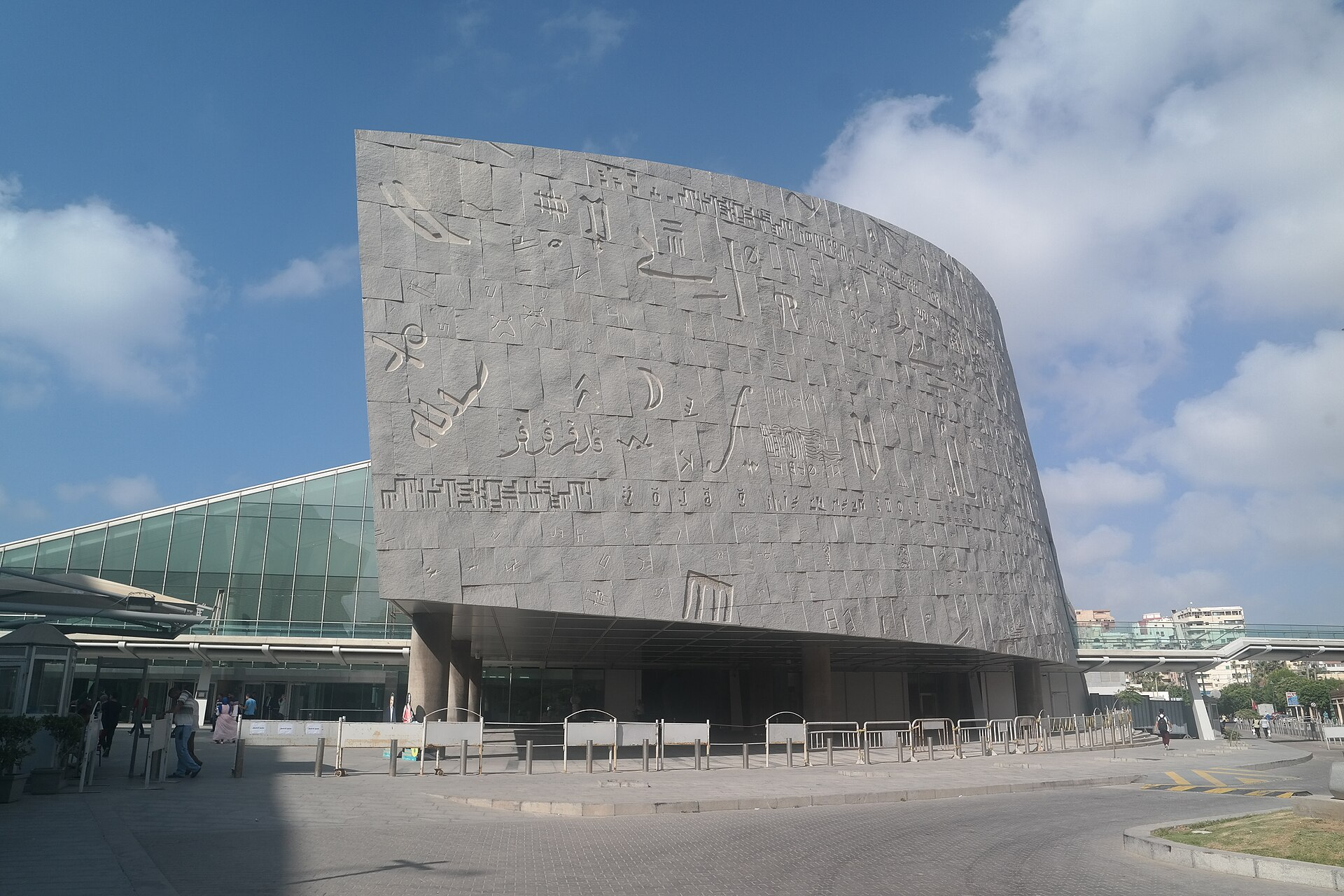
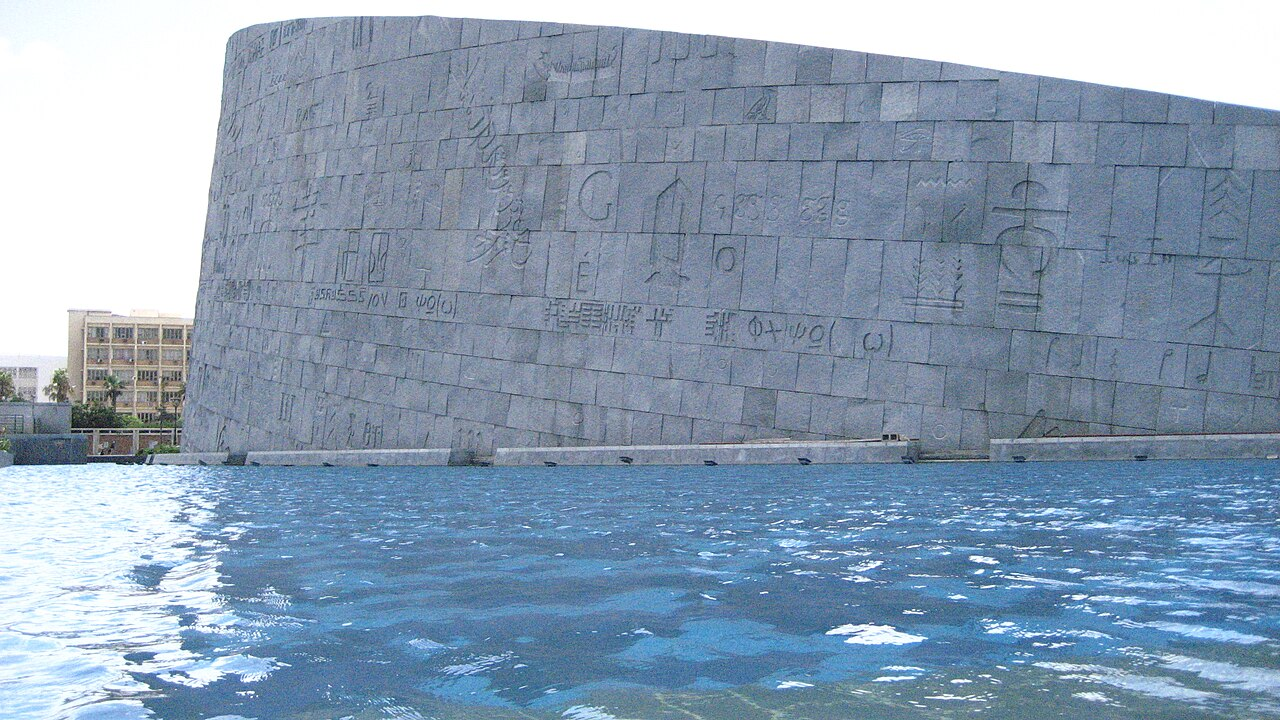
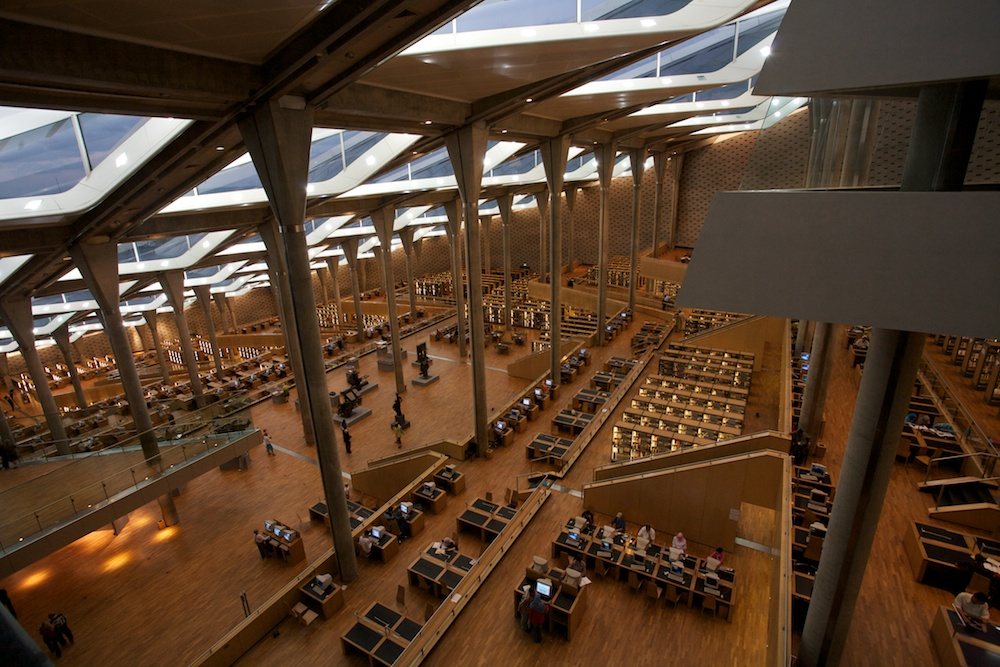
Modern Alexandria honors the memory with a striking contemporary library built in recent decades, a deliberate echo of the ancient institution and a place worth visiting for anyone drawn to the story. It cannot recover what was lost, but it stands as a reminder of what the original represented — and, perhaps, of the real lesson its predecessor teaches: that the survival of knowledge depends less on protecting it from fire than on the unglamorous, continuous, easily abandoned work of maintaining it.
Like our content? Follow us for more.