Value, when it comes to food, is a remarkably slippery thing. What one century treats as a delicacy fit for kings, another dismisses as cheap and common — and sometimes the reverse. Shifts in supply, transport, fashion, and technology have repeatedly turned luxuries into staples and staples into luxuries. Here are twelve foods whose status has dramatically flipped over time, most of them tumbling from the heights of prestige down to the everyday.
1. Lobster
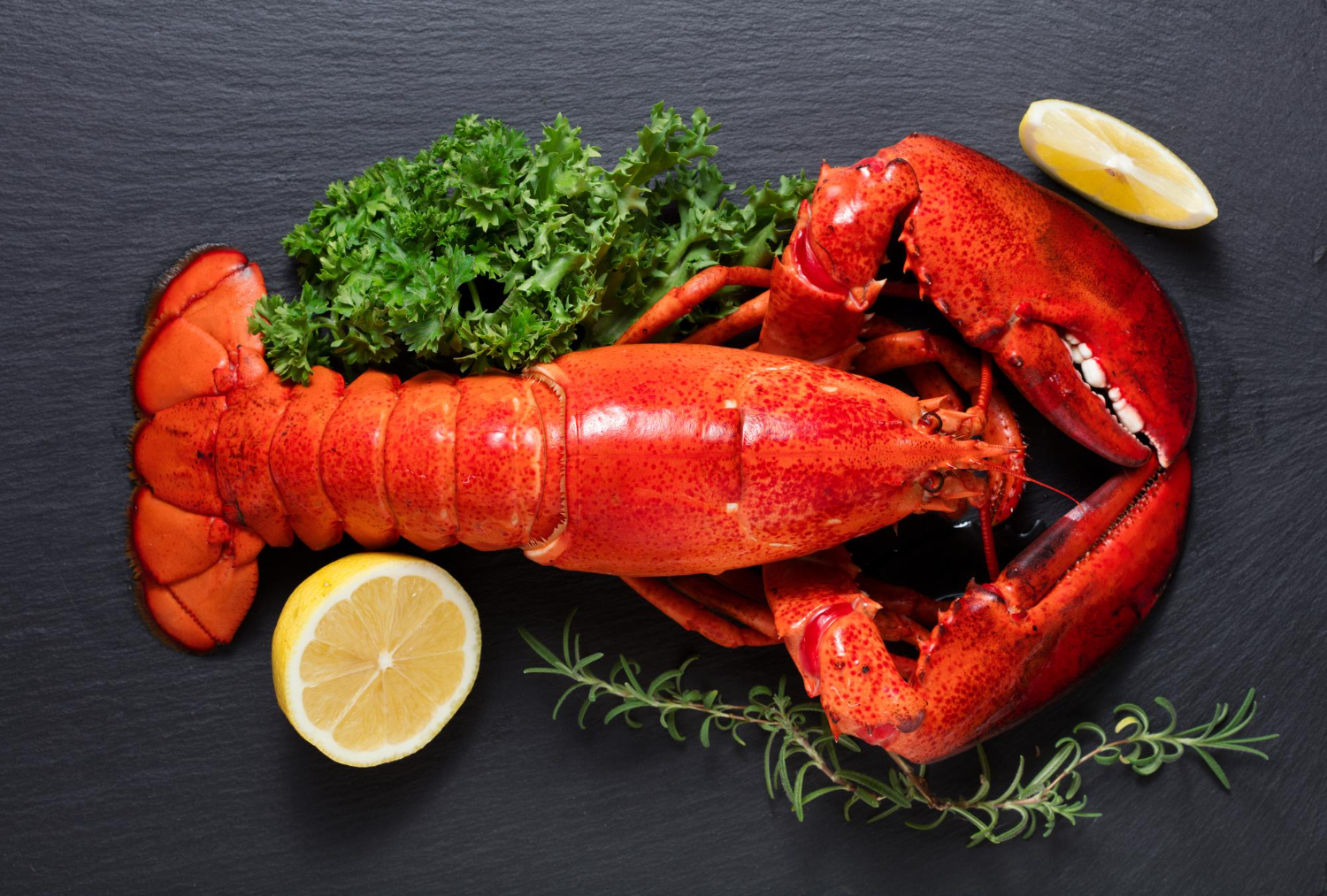
Once considered food fit only for prisoners and the poor.
Today lobster is one of the priciest items on any menu, but for a long stretch of early American history it was the opposite of a delicacy. Lobsters were so abundant along the northeastern coast that they washed up in heaps, and they were seen as a cheap, low-status food, fed to prisoners, servants, and the poor, and even used as fertilizer and bait. There are stories of servants negotiating limits on how often they could be made to eat it. It was only later, with the rise of rail transport and clever marketing, that this once-lowly crustacean was reinvented as the expensive luxury we know today.
Like our content? Follow us for more.
2. Oysters
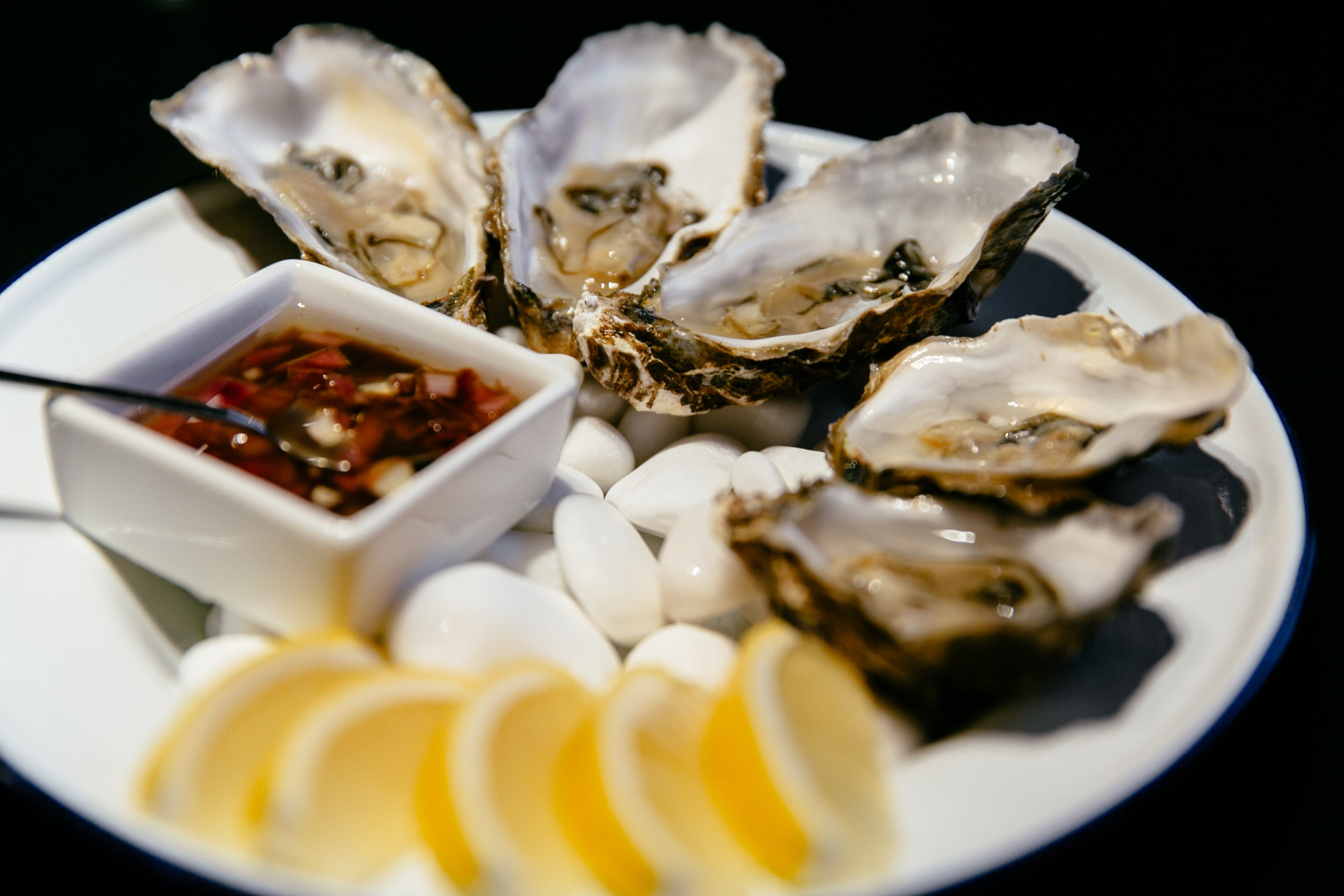
The working-class fast food of the nineteenth century.
Oysters now suggest fine dining and special occasions, but for much of history they were cheap, plentiful, and thoroughly working-class. In the nineteenth century, oysters were harvested in vast quantities and sold cheaply on street corners and in saloons, a common snack for ordinary people rather than a delicacy. They were the fast food of their era, eaten by the dozen by people of modest means. Overharvesting eventually depleted the great oyster beds, supply collapsed, prices climbed, and the humble oyster was transformed into the upscale treat it is considered today.
3. Caviar
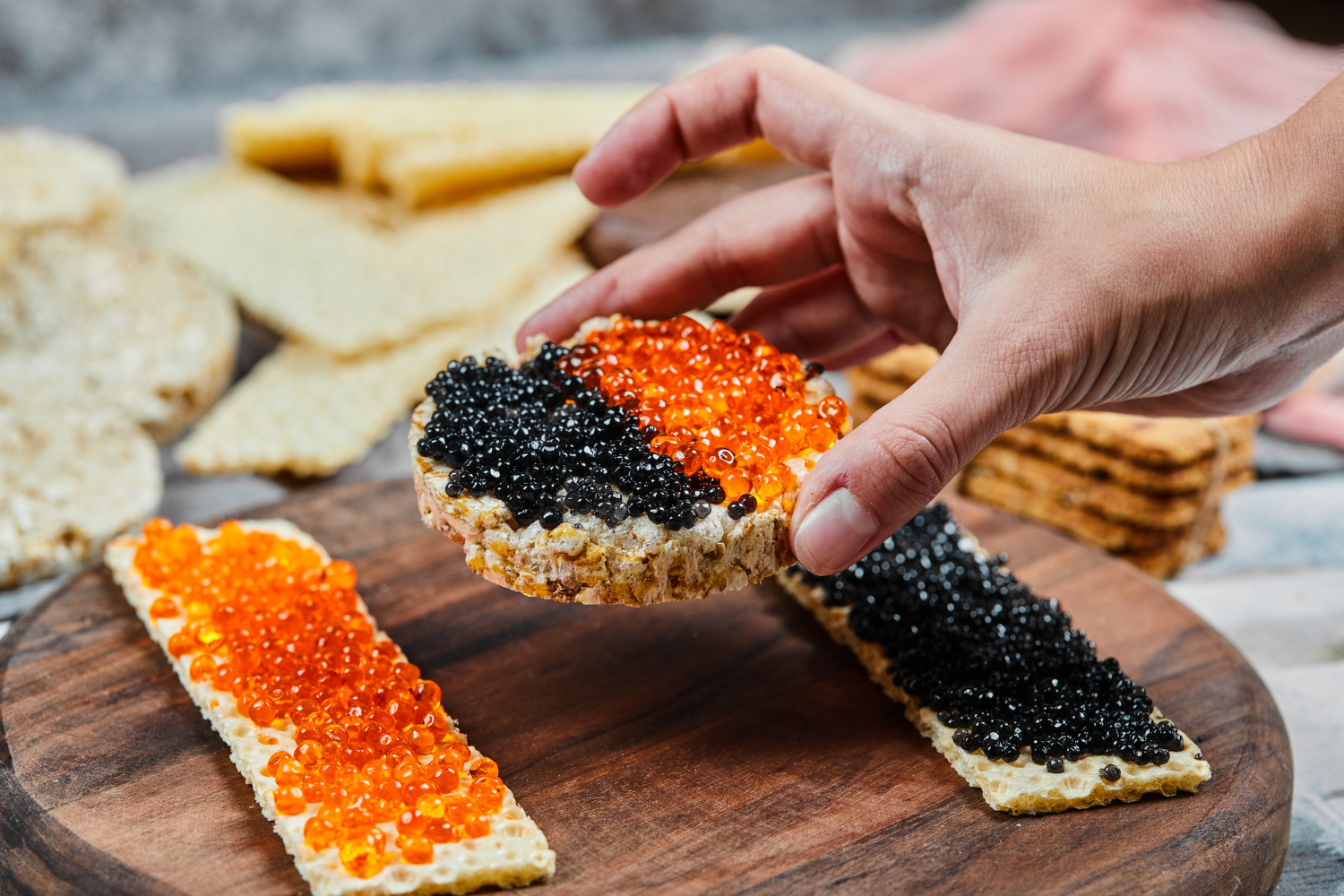
Free bar snacks meant to make patrons thirsty.
The ultimate luxury food had surprisingly humble uses in the past. In parts of nineteenth-century America, sturgeon were so abundant that their roe — caviar — was extremely cheap, and it was reportedly served free in saloons as a salty snack, much like peanuts or pretzels today, precisely because the saltiness encouraged patrons to buy more drinks. Sturgeon were even considered a nuisance fish by some. Overfishing decimated the sturgeon populations, the supply of caviar dwindled dramatically, and the roe that was once given away to sell beer became one of the most expensive foods on Earth.
4. Salmon
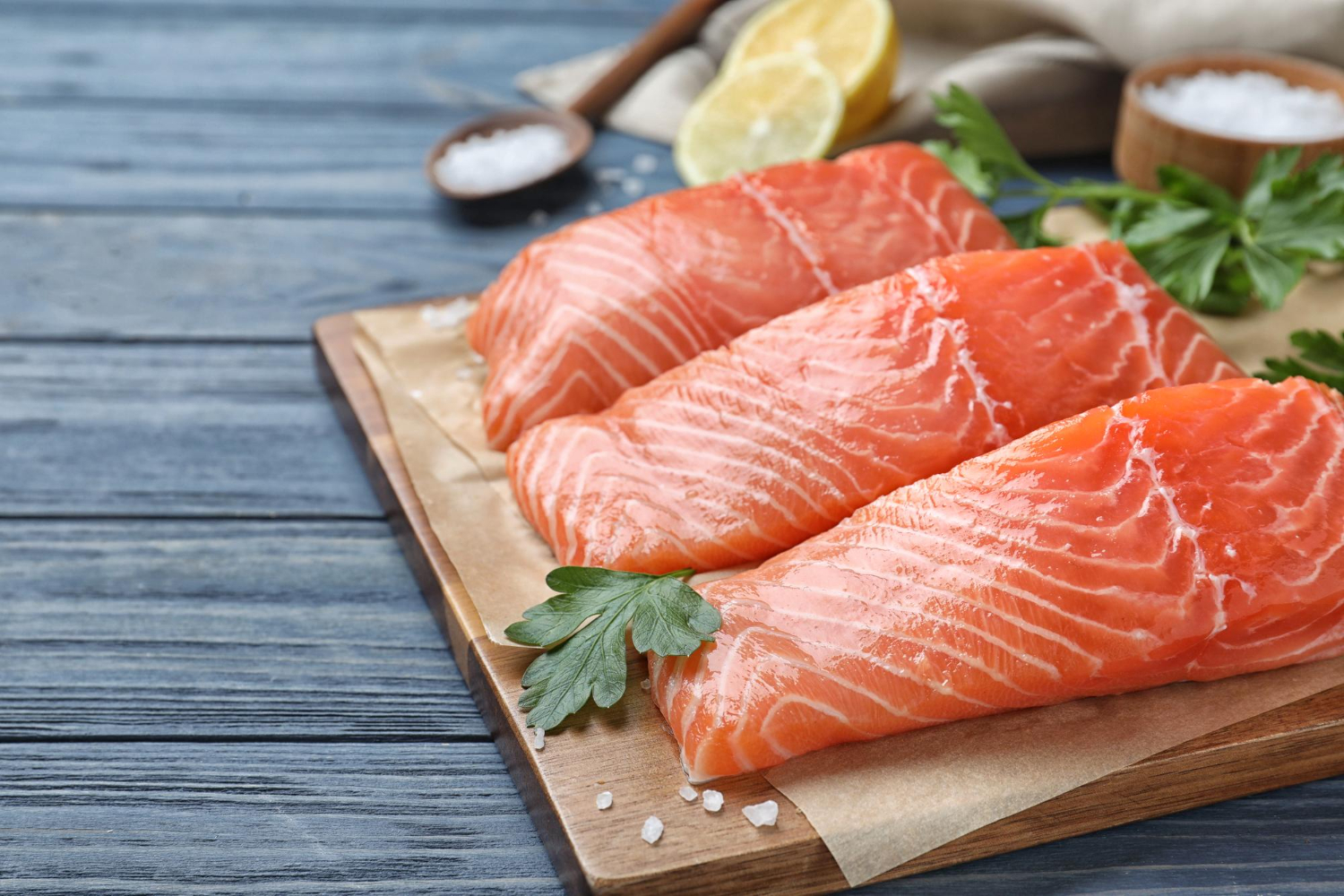
So common that workers pushed back against eating it.
Salmon commands premium prices today, but in earlier centuries, in regions where wild salmon ran thick in the rivers, it was so abundant that it was considered a cheap, ordinary food. As with lobster, there are accounts of servants and apprentices objecting to being fed salmon too frequently, regarding it as monotonous poor-people’s fare. The decline of wild salmon runs and the fish’s later reinvention as a prized, healthy food turned its fortunes around completely, and salmon is now firmly established as a desirable and relatively pricey choice.
5. White Bread
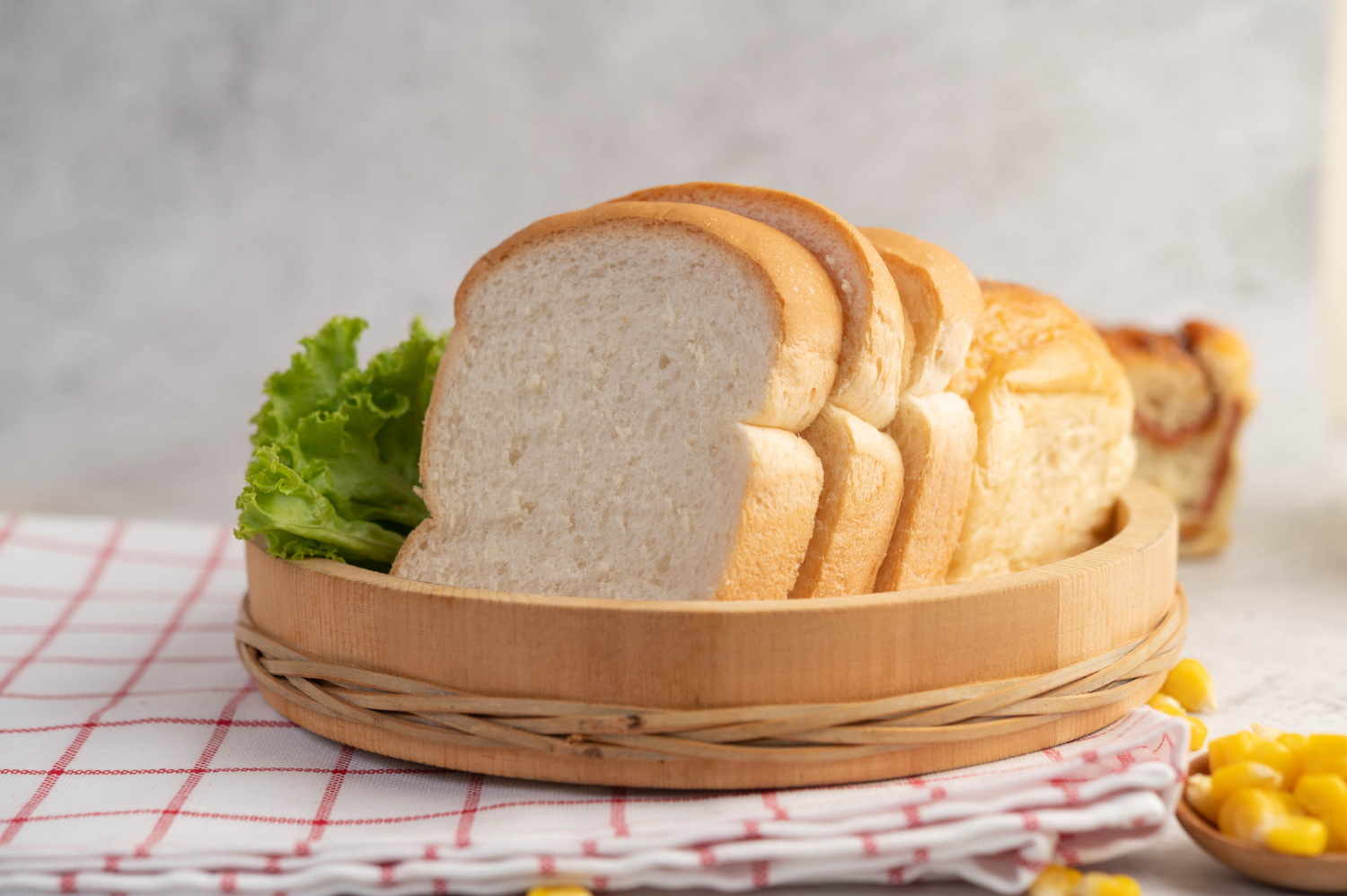
Once the exclusive privilege of the wealthy.
Here’s a status flip that went in a full circle. For centuries, soft white bread was a luxury reserved for the rich, because the refined white flour needed to make it was expensive and difficult to produce, while the poor ate coarse, dark, whole-grain breads. White bread was a marker of wealth and refinement. Industrial milling eventually made white flour cheap and universal, and white bread became the cheap, mass-produced everyday loaf — even as darker whole-grain breads, once the food of the poor, came to be seen as the healthier, more premium choice.
6. Chicken
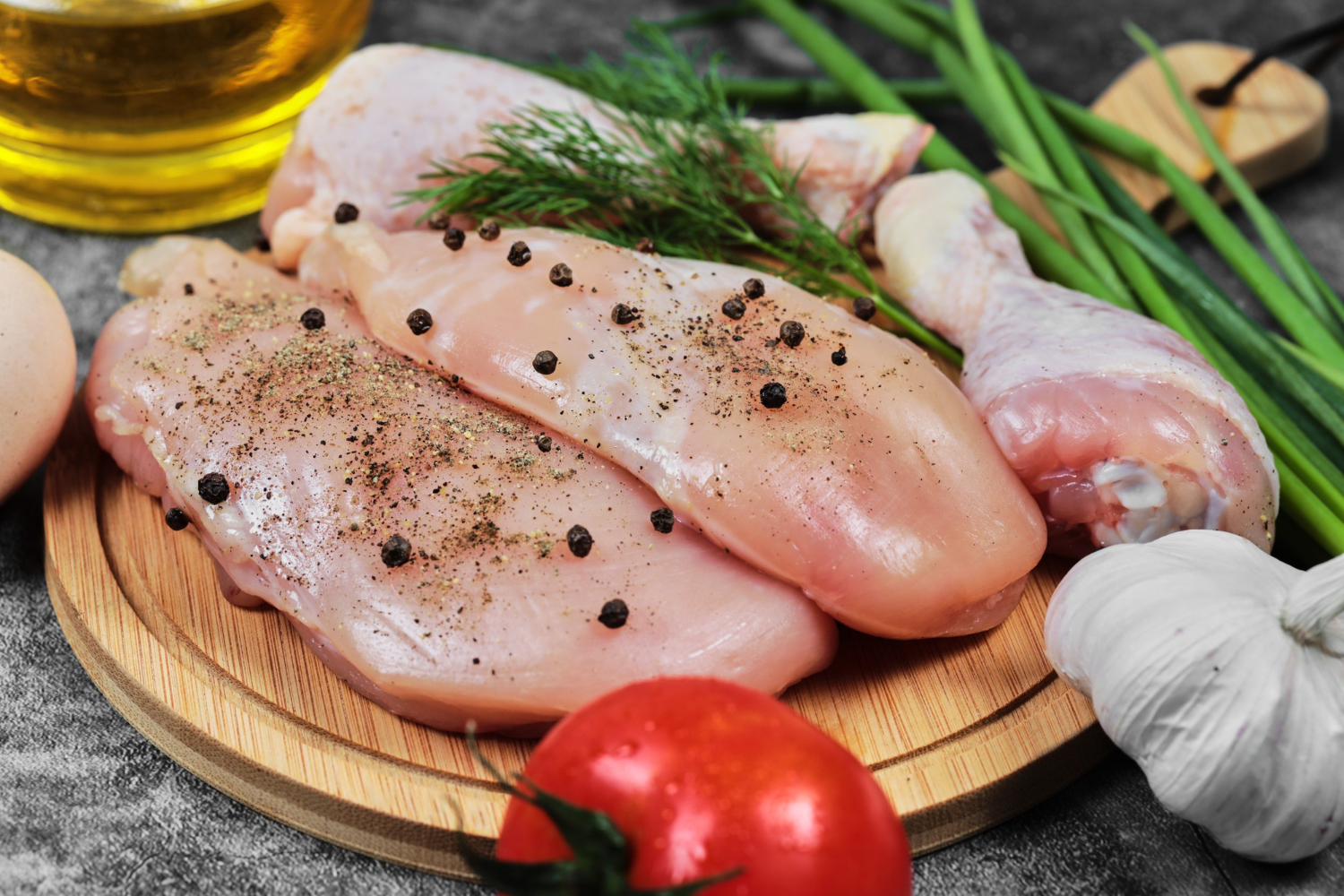
A special-occasion meal within living memory.
It’s hard to imagine now, when chicken is among the cheapest meats available, but not so long ago chicken was a relative luxury, saved for Sundays and special occasions. Before the rise of industrial poultry farming in the twentieth century, chickens were more valuable alive, for their eggs, and a whole chicken for dinner was a treat rather than a routine meal. The famous political promise of “a chicken in every pot” reflected an era when a chicken dinner signified prosperity. Modern intensive farming made chicken astonishingly cheap and abundant, transforming it into the everyday staple protein it is now.
7. Sugar
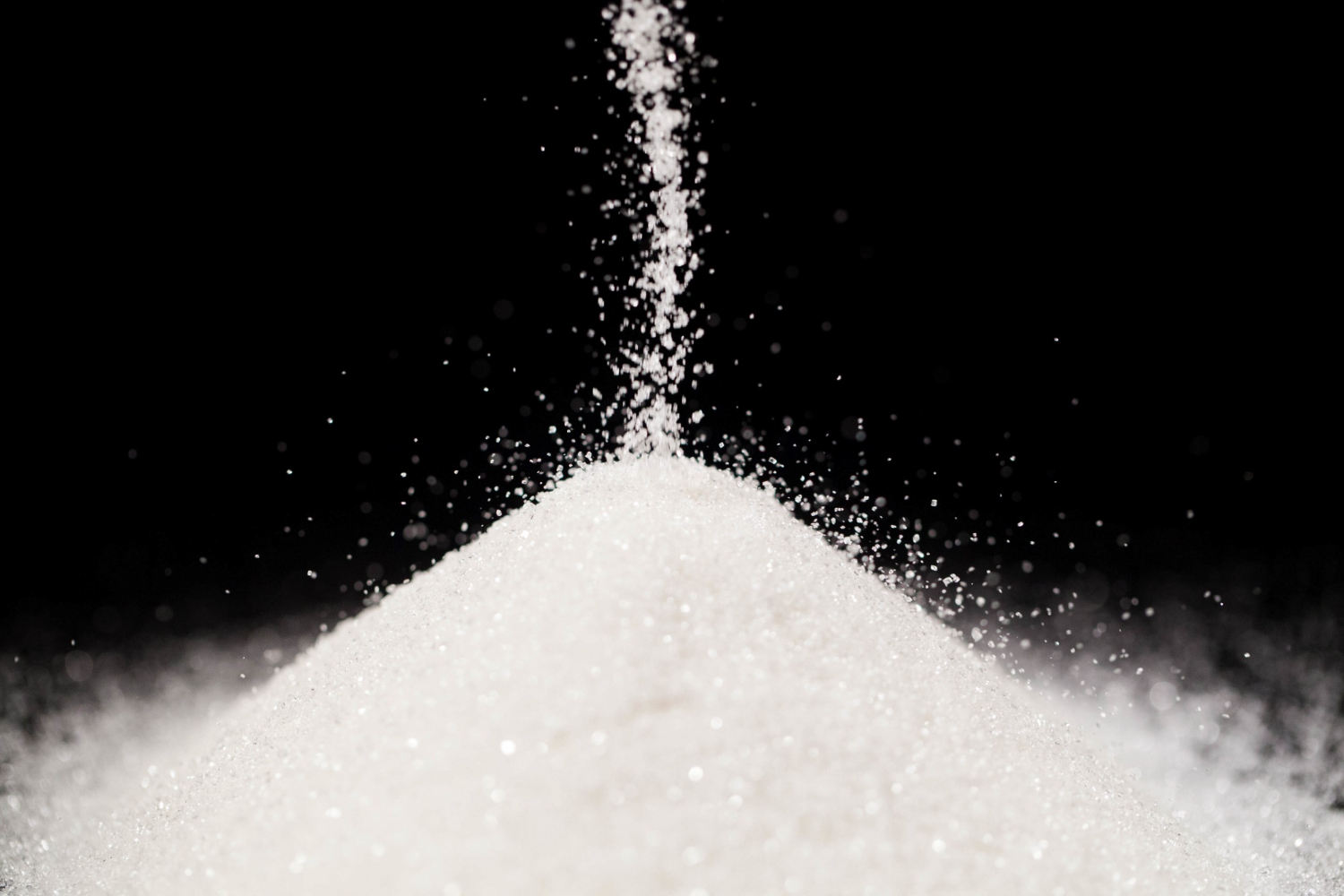
Once locked away as a precious treasure.
Sugar today is so cheap and ubiquitous that it’s practically free, added to nearly everything and consumed in enormous quantities. But in medieval and early modern Europe, sugar was a rare and precious luxury, sold in small amounts by apothecaries almost like a medicine or a spice, and affordable only to the wealthy, who sometimes displayed elaborate sugar sculptures to flaunt their riches. The expansion of sugar production over the following centuries drove prices steadily down until sugar became one of the cheapest and most abundant food ingredients in the world.
8. Spices Like Pepper
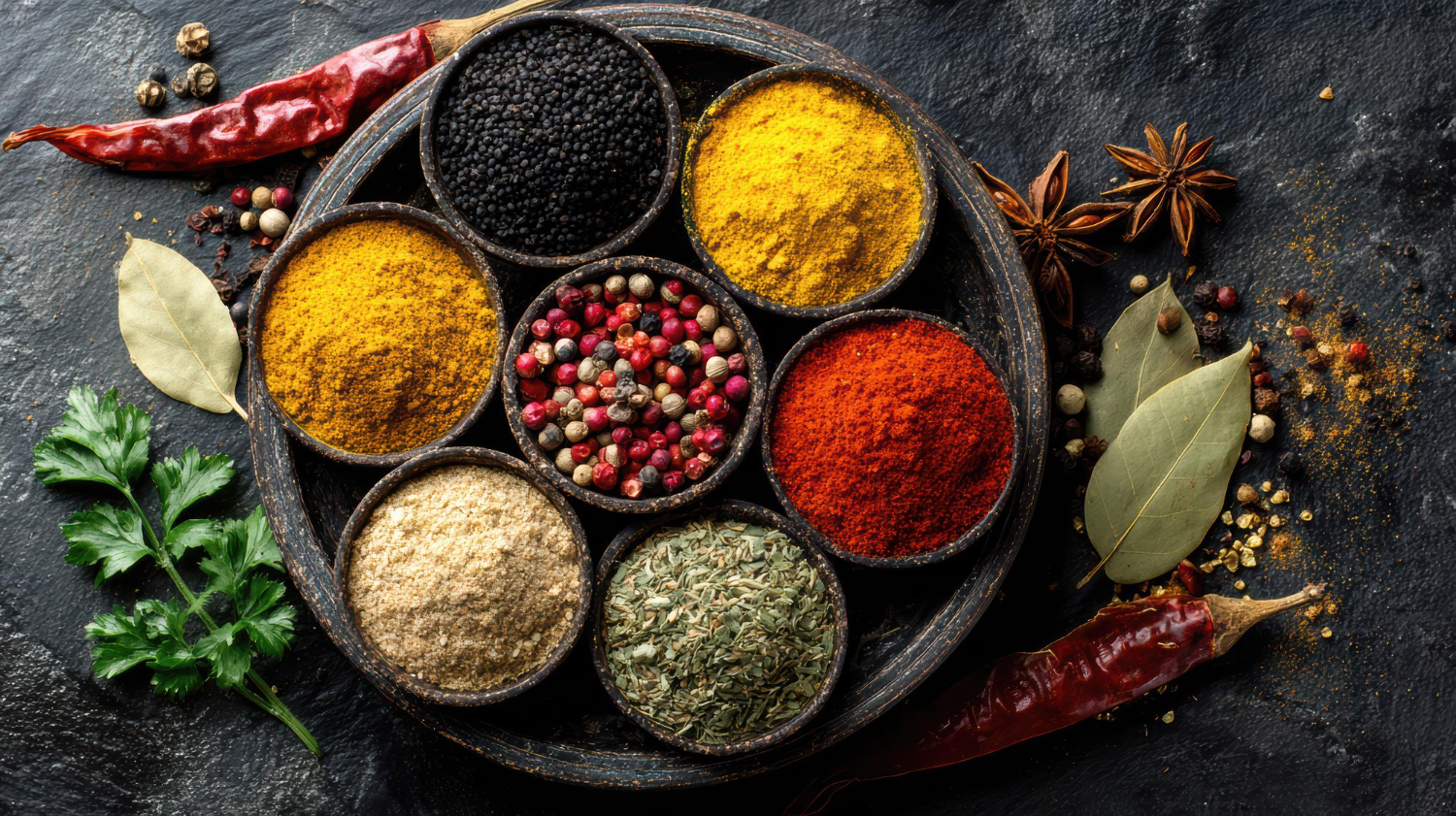
Worth their weight in silver in the Middle Ages.
The black pepper sitting in every restaurant shaker was once so valuable it functioned almost as currency. In the Middle Ages, pepper and other spices from the distant East were spectacularly expensive luxuries in Europe, symbols of wealth and status that were sometimes counted out peppercorn by peppercorn and even used to pay rents and debts. The enormous value of the spice trade helped drive the age of exploration. As trade routes opened and supply expanded, spices that had once been treasures became cheap pantry commodities that we now take entirely for granted.
9. Pineapple
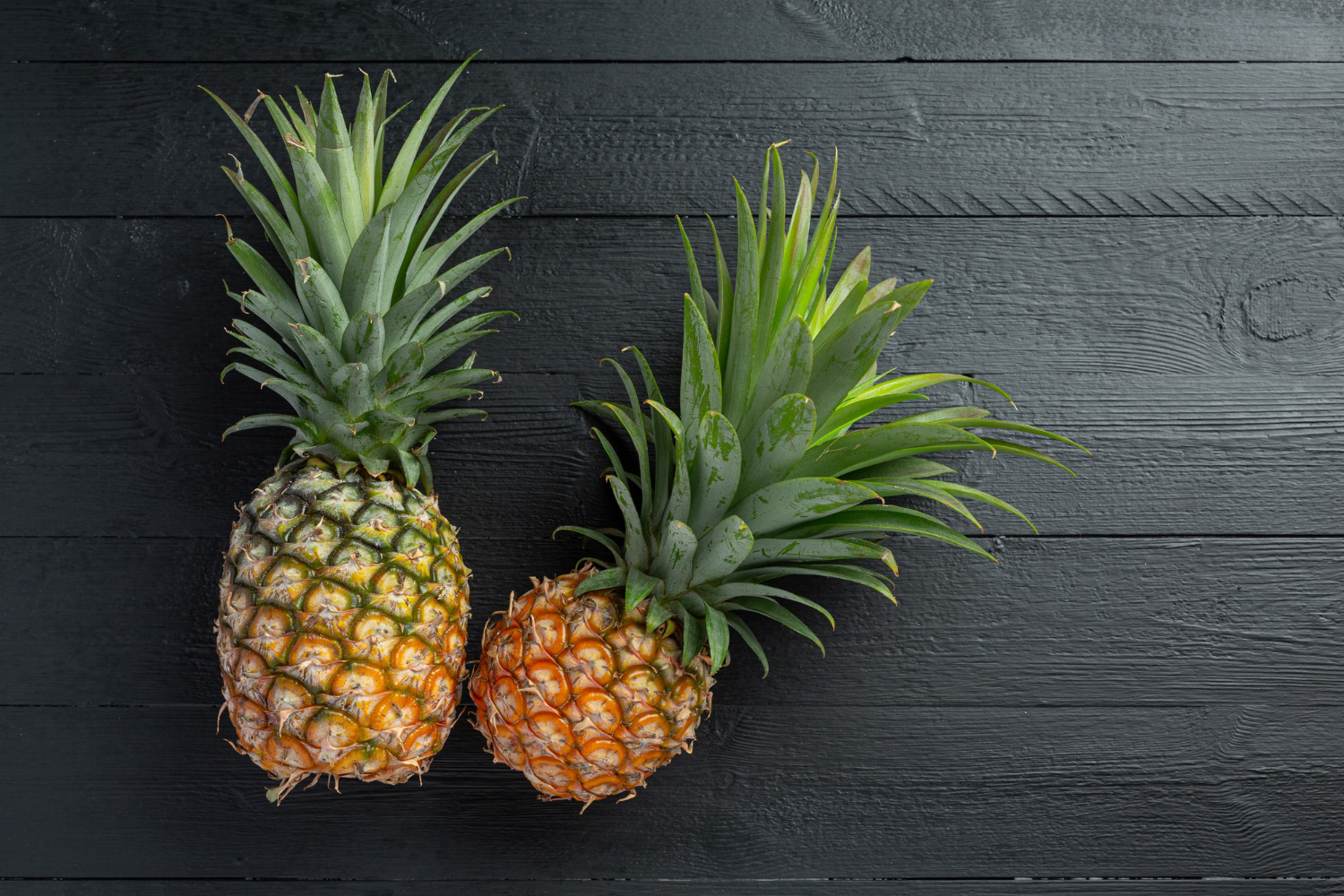
The rentable centerpiece of the ultra-rich.
Perhaps the most dramatic food status-flip of all, the pineapple was, in the seventeenth and eighteenth centuries, an almost unbelievably expensive luxury and status symbol, a single fruit costing the equivalent of thousands of dollars. The wealthy displayed pineapples as centerpieces rather than eating them, and those who couldn’t afford one could rent a pineapple to show off at a party. Faster shipping, greenhouse cultivation, and eventually commercial plantations and canning collapsed the price, turning the king of luxury fruits into the cheap supermarket staple it is today.
10. Turkey
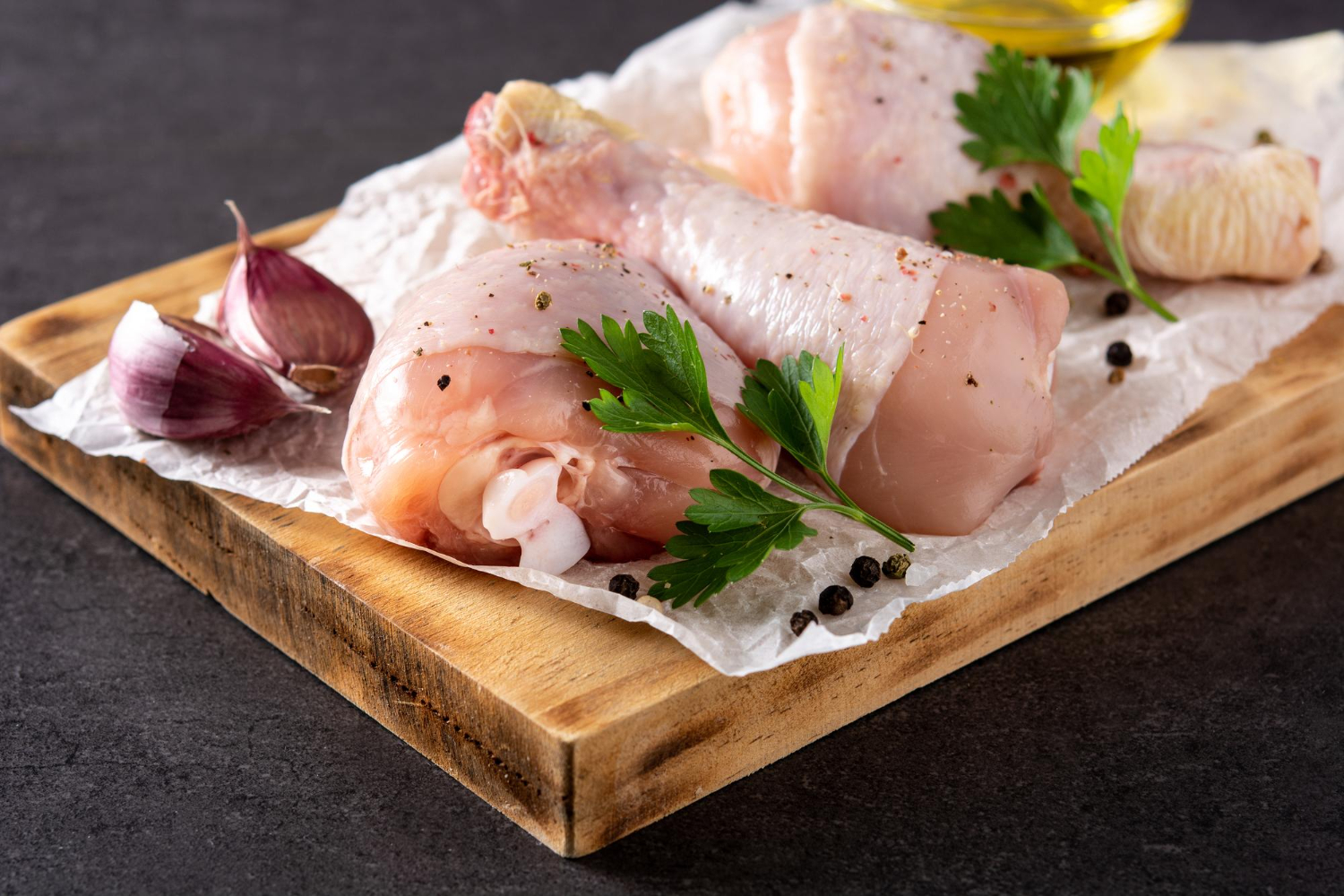
From prestige bird to affordable holiday standard.
Turkey has a more moderate story, but it too was once a more prestigious food than it is now. In earlier centuries, a large turkey was an impressive and relatively costly centerpiece for a feast, a bird associated with celebration and abundance that not everyone could afford to serve. Widespread commercial farming made turkey far cheaper and more accessible, and while it retains its ceremonial role at holiday tables, it’s now an affordable, everyday poultry available year-round rather than the special luxury it once represented.
11. Cod
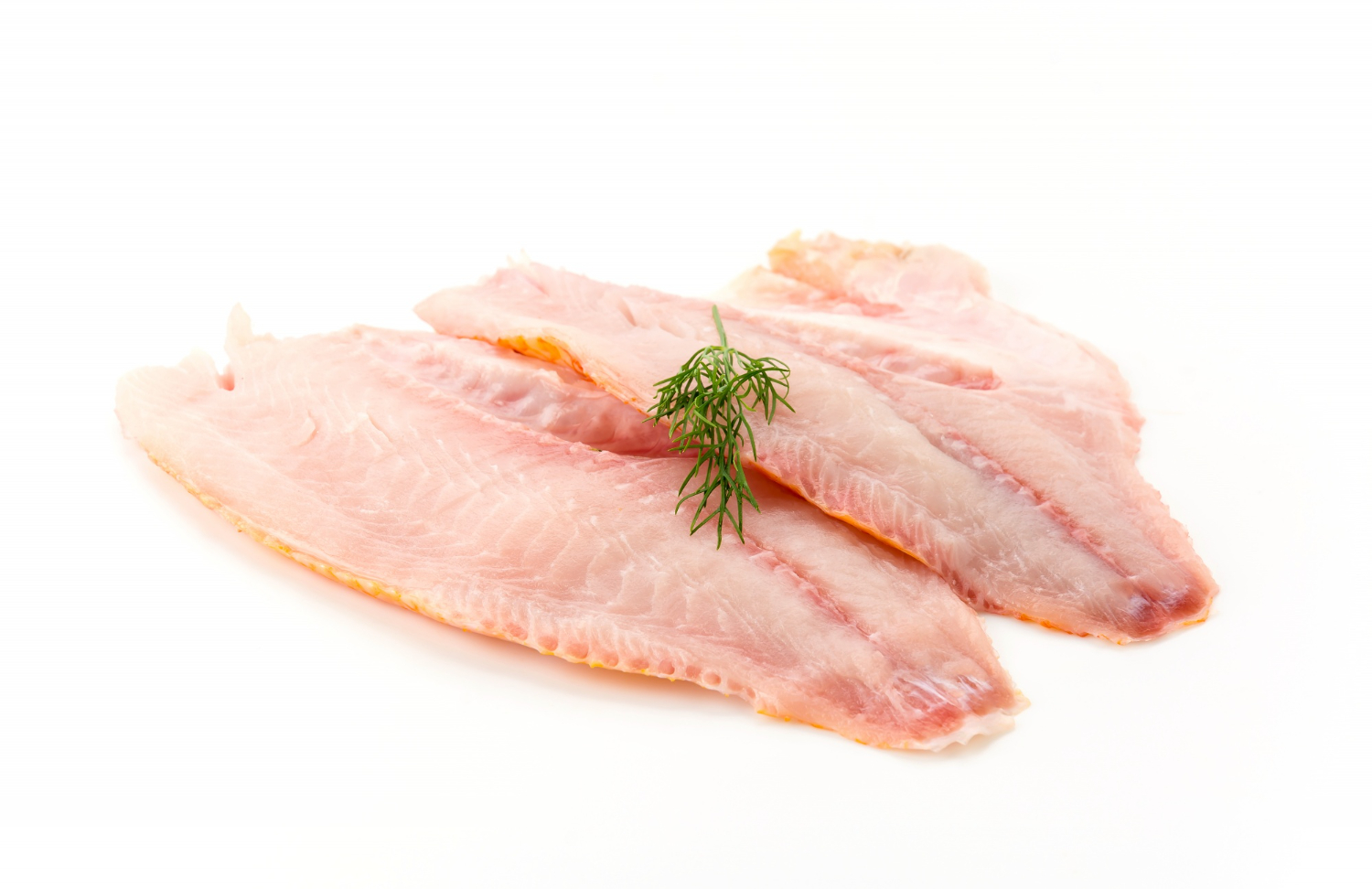
The everyday fish that built economies.
Cod was for centuries one of the most abundant and important cheap foods in the Atlantic world, a plentiful, affordable fish, often dried and salted, that fed vast numbers of people and underpinned major fishing economies. It was the definition of humble, everyday sustenance. Decades of overfishing, however, caused catastrophic collapses in cod populations, and the once-endless supply became scarce. As a result, this historically cheap and common fish has become notably more expensive and, in some places, a more premium product than it ever was in its heyday.
12. Game Meats Like Venison
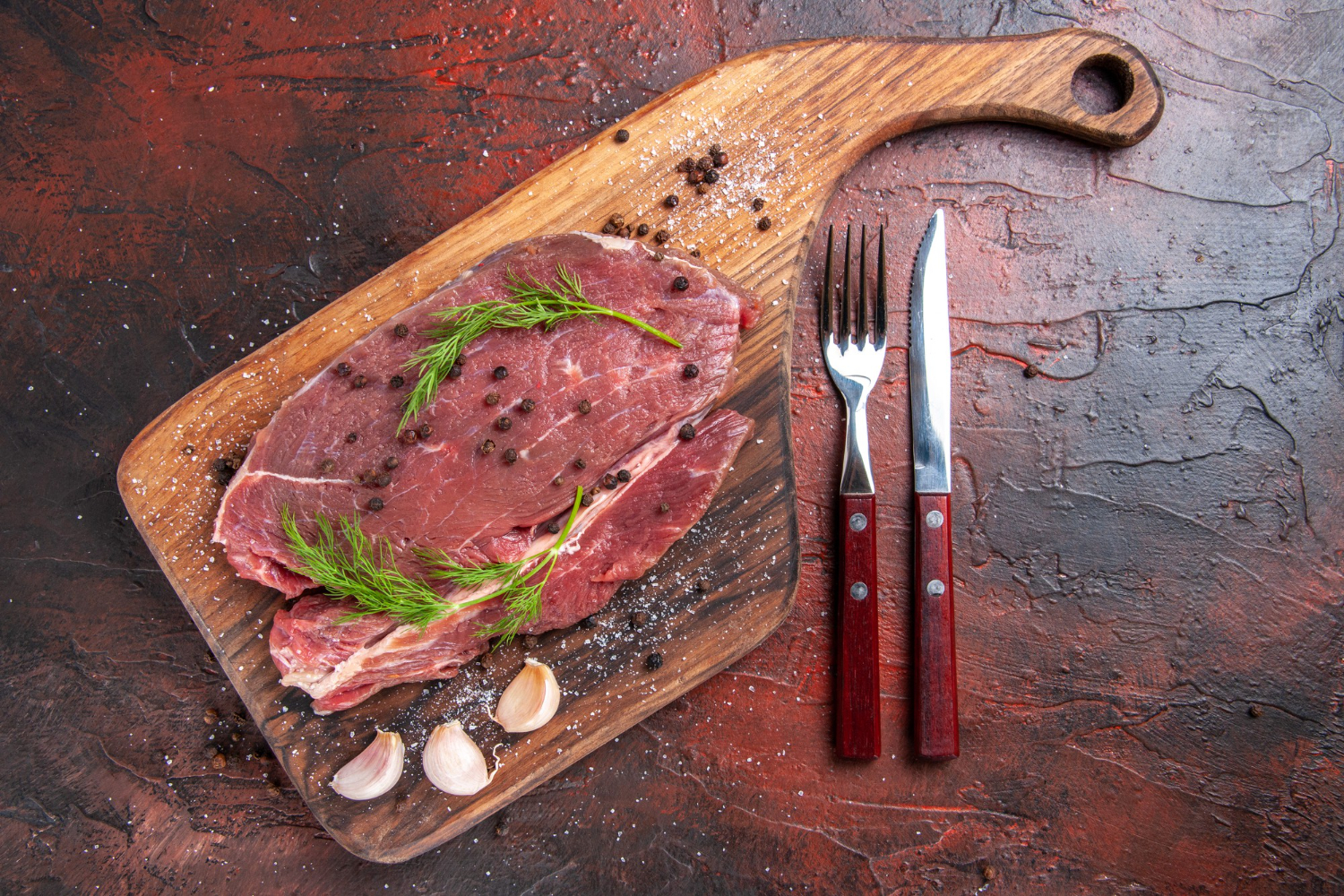
From poacher’s prize to specialty item.
Wild game such as venison has had a complicated status history. In some eras and places it was a food of the common people and hunters, while in others, particularly where hunting rights on land were restricted to the aristocracy, venison became an exclusive luxury that ordinary people could obtain only by poaching. Today, venison and other game meats occupy a specialty niche, generally more expensive and less common than farmed meats, sold as premium or gourmet products. It’s a reminder that a food’s status can depend as much on who is allowed to obtain it as on how plentiful it actually is.
The Ever-Shifting Menu
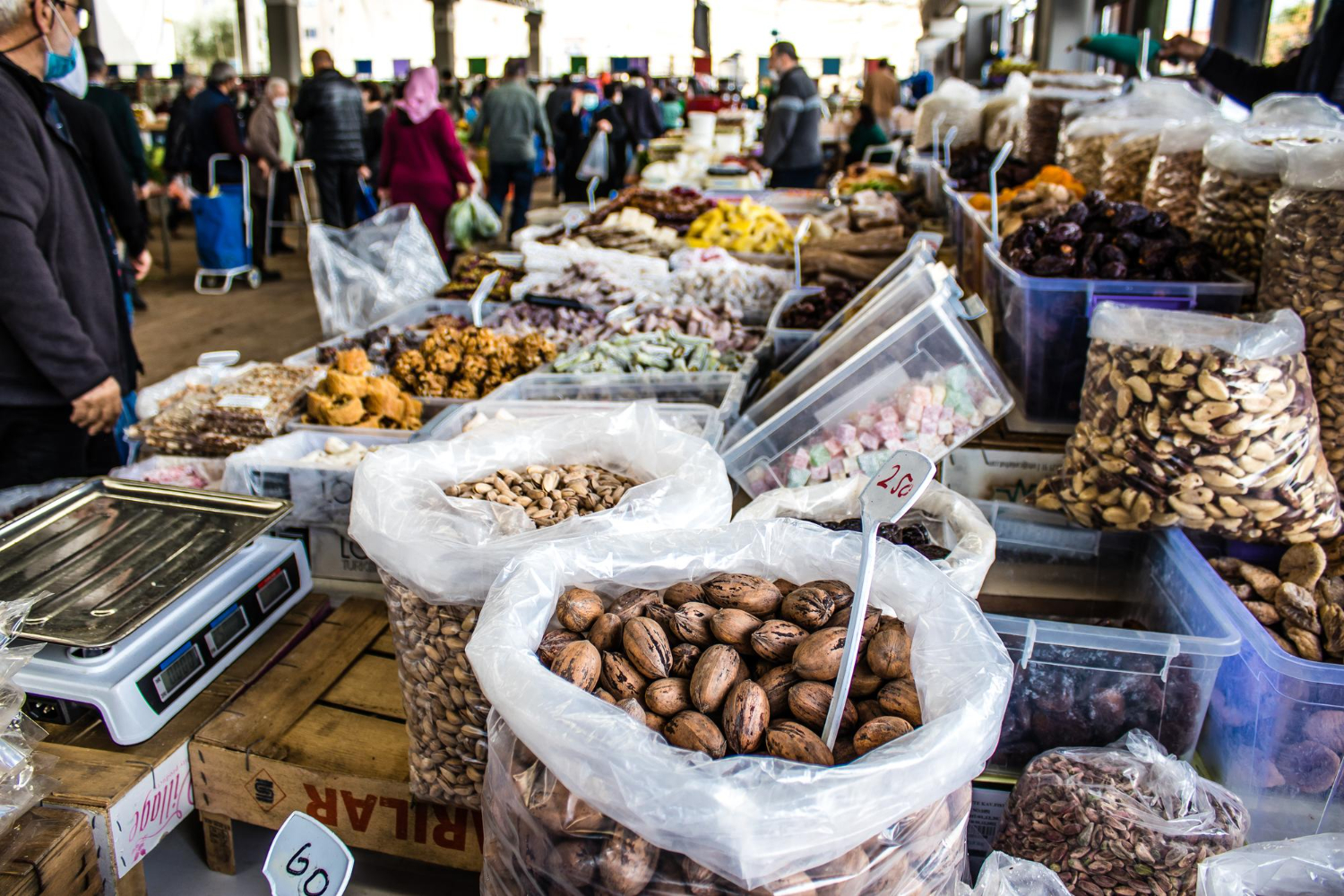
The lesson of these reversals is that there’s nothing permanent about which foods are “fancy” and which are “cheap.”
Supply, transport, technology, fashion, and even law have repeatedly reshuffled the prestige of what we eat, sending prisoner’s lobster to the top of the menu and the aristocrat’s pineapple to the bargain bin. It’s worth remembering the next time you splurge on something expensive or reach for something cheap: today’s luxury may be tomorrow’s staple, and today’s humble bite may once have graced a king’s table. The menu of status is always being rewritten, and the foods on our plates carry more history than we usually taste.
Like our content? Follow us for more.