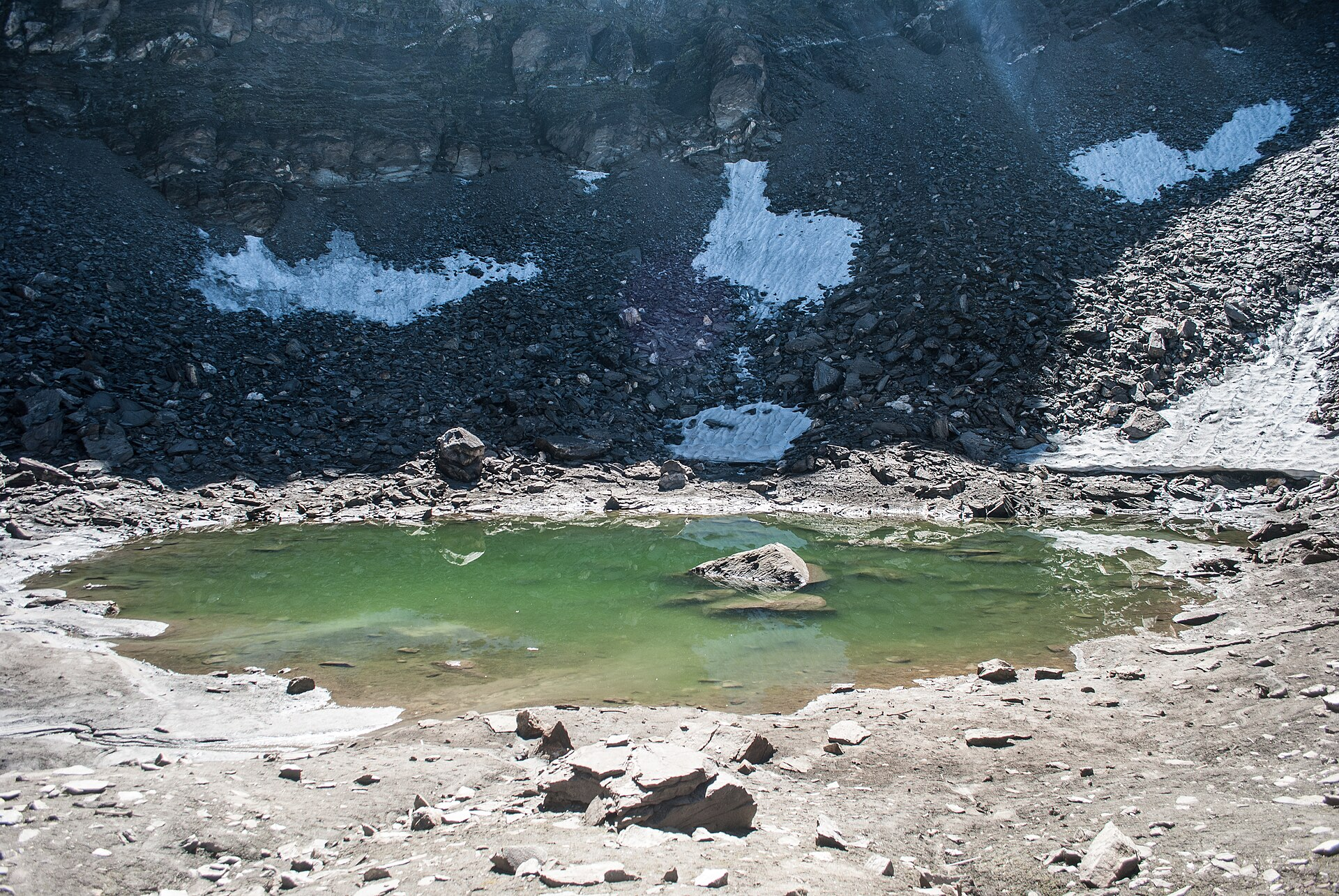
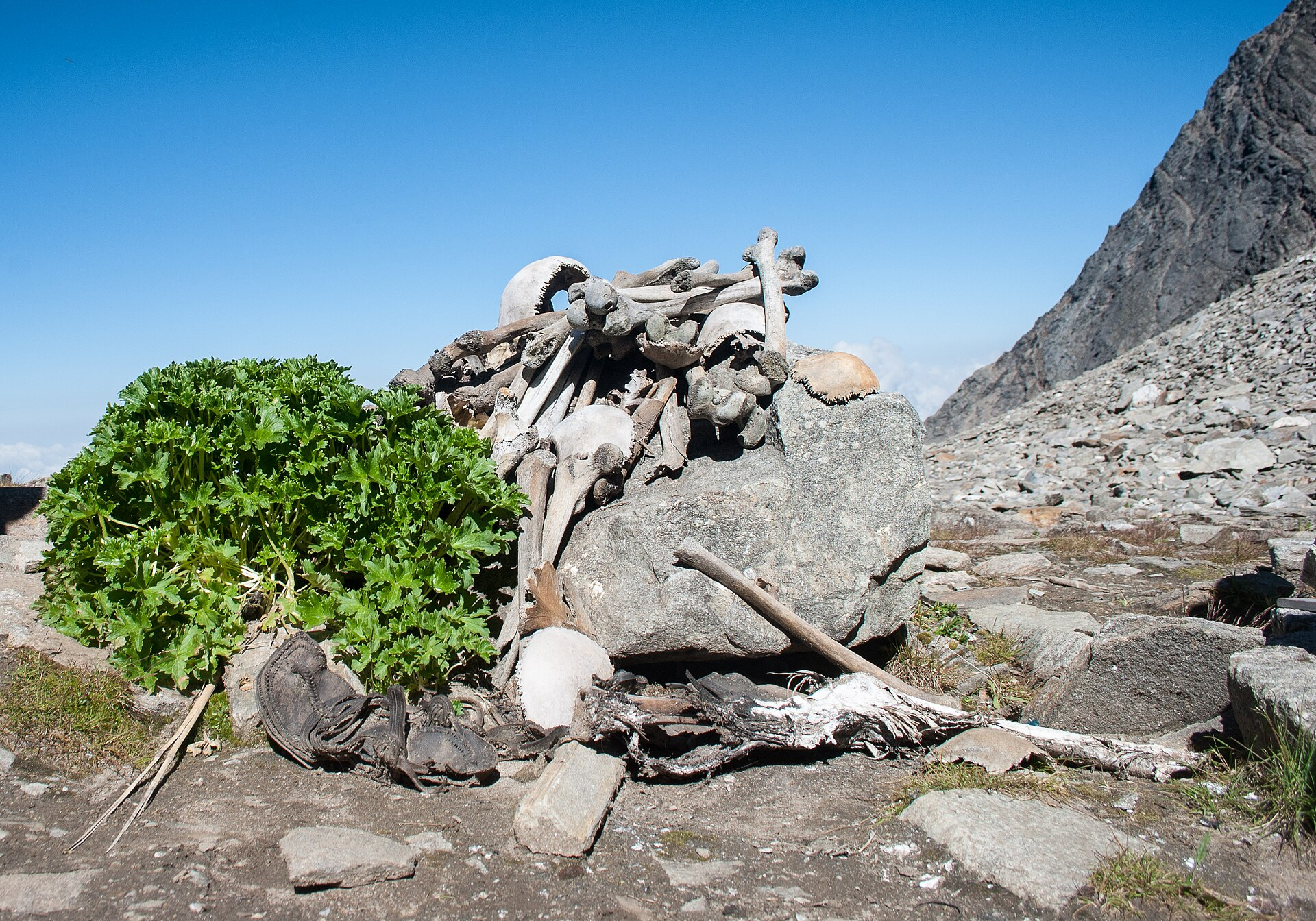
High in the Indian Himalayas, at an altitude of more than sixteen thousand feet, sits a small glacial lake that holds one of the eeriest and most enduring mysteries in all of archaeology. When the ice and snow that cover it melt away each year, they reveal a chilling sight: human bones, hundreds upon hundreds of them, scattered across the shore and resting on the lake bottom. This is Roopkund Lake, better known by the name it has earned for its grim contents: Skeleton Lake.
The remains of an estimated several hundred people lie at this remote, high-altitude spot, and for the better part of a century, their presence there has puzzled and fascinated everyone who has learned of them. Who were these people? How did so many of them come to die at a frozen lake in one of the most inhospitable corners of the planet? For a long time, the leading explanation seemed reasonably settled. But then modern science, in the form of cutting-edge DNA analysis, was brought to bear on the bones, and instead of solving the mystery, it deepened it in the most astonishing way imaginable. Here is the strange and haunting story of Skeleton Lake, and how the latest science made its riddle more baffling than ever.
The Discovery
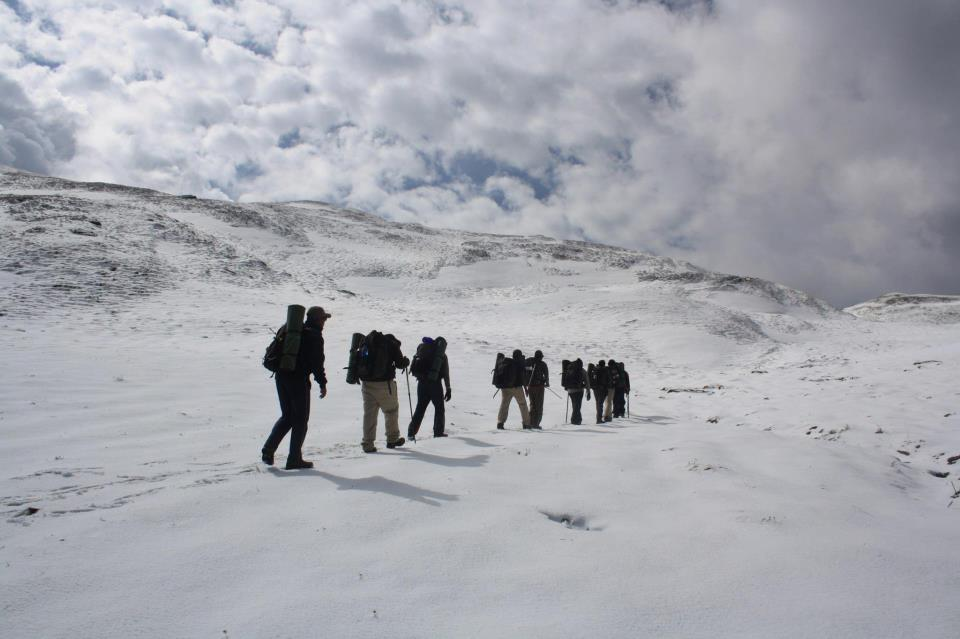
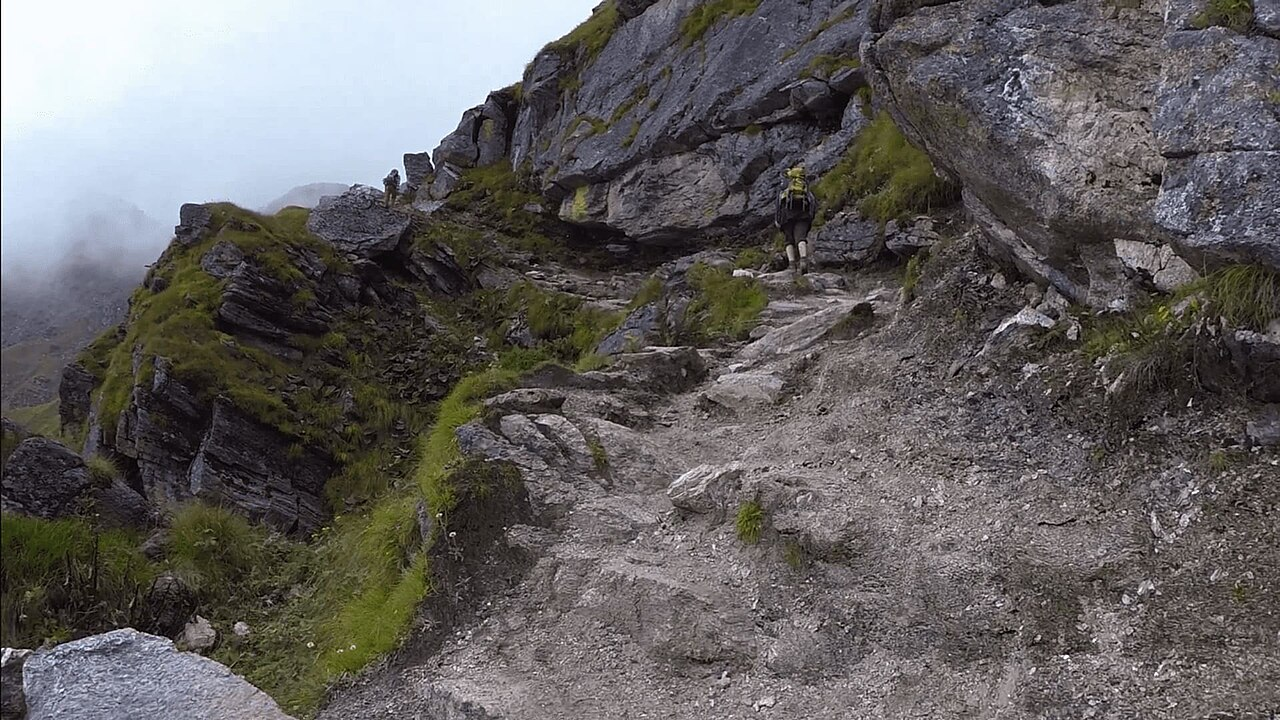
Roopkund Lake sits in a remote, high region of the Himalayas in the Indian state of Uttarakhand, far from any settlement, reachable only by a difficult trek through rugged mountain terrain. The lake itself is small and shallow, and for much of the year it is frozen over and blanketed in snow, hiding what lies within and around it.
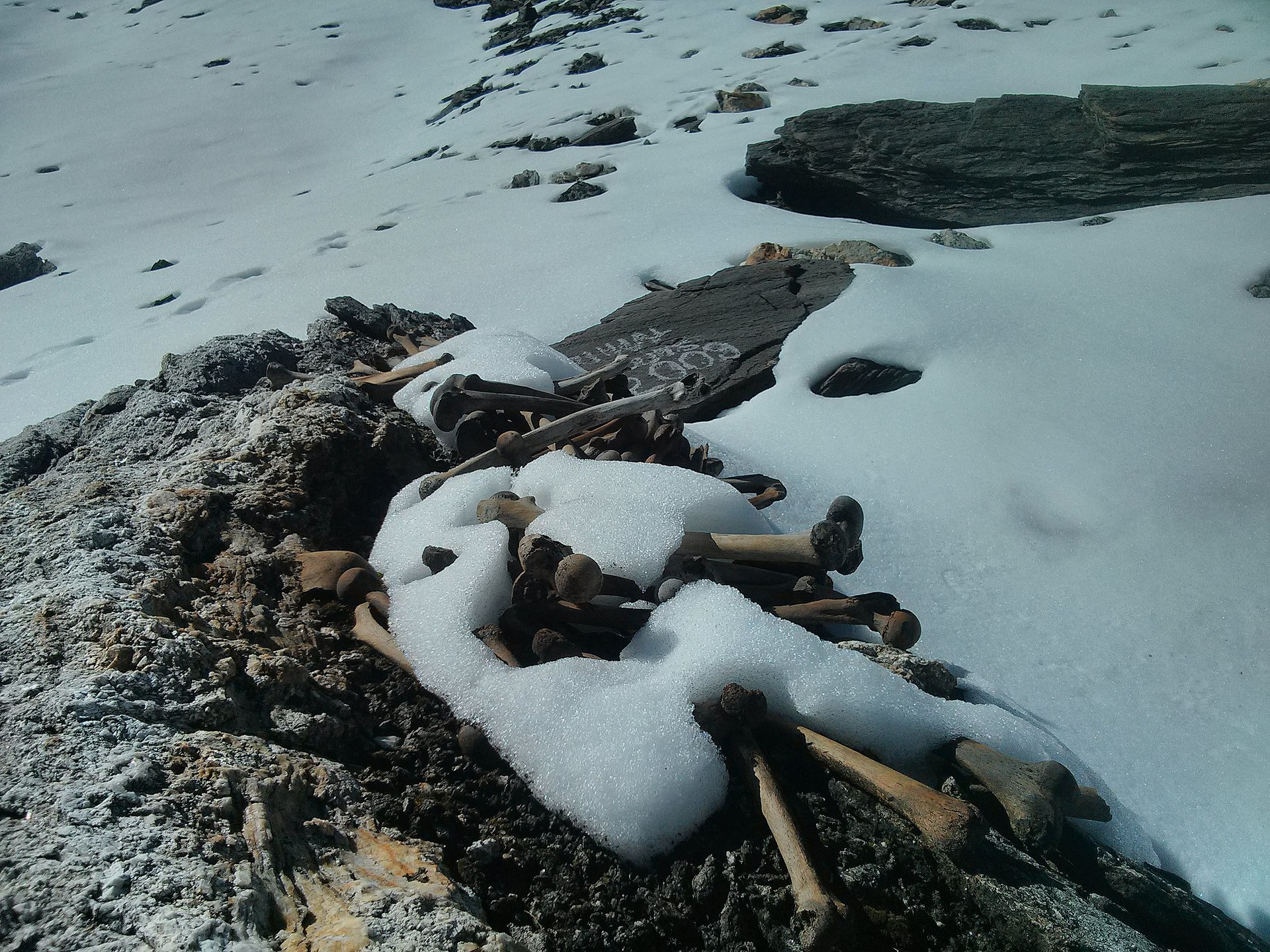
The world became widely aware of the lake’s macabre secret in the twentieth century, when a forest ranger came upon the site and found it strewn with human skeletons. When the seasonal melt exposes the bones, the scene is truly startling: skulls, ribs, limbs, and other remains belonging to a great many individuals, littering the shore and visible beneath the surface of the shallow water. Estimates of the number of dead have ranged into the several hundreds, a staggering figure for such a remote and forbidding place. The preservation of the remains, aided by the cold, dry, high-altitude environment, meant that even after centuries, the bones, and in some cases preserved tissue, remained remarkably intact. From the moment the site became known, it posed an obvious and haunting question: what could have brought hundreds of people to their deaths at this frozen lake high in the mountains?
Like our content? Follow us for more.
The Hailstorm Theory
For decades, the most widely accepted explanation for the deaths at Roopkund centered on a single catastrophic event. The prevailing theory held that the victims were a group of travelers, perhaps pilgrims making a religious journey through the mountains, who were caught at the exposed, high-altitude lake by a sudden and violent disaster and killed all at once.
The leading candidate for that disaster was a severe hailstorm. This idea drew support from an intriguing piece of evidence: examination of some of the skulls revealed unhealed fractures, injuries to the top of the head and shoulders consistent with being struck from above by heavy blows. Researchers proposed that these injuries could have been caused by large hailstones, the kind that can fall in ferocious mountain storms, raining down on a group of people trapped in the open with no shelter. Adding a layer of cultural resonance, a traditional local folk song was said to describe a goddess, angered by the intrusion of travelers into her sacred mountain realm, who struck them down with hard objects as hard as iron falling from the sky, an eerie echo of a deadly hailstorm. For a long time, this scenario, a single group of pilgrims killed by a catastrophic storm, seemed to offer a satisfying and coherent answer to the mystery of Skeleton Lake.
Enter Modern Science
In an effort to test the hailstorm theory and learn more about who the victims actually were, an international team of researchers eventually applied the powerful tools of modern genetics to the remains. In a major study published in 2019, scientists analyzed genome-wide ancient DNA extracted from dozens of the Roopkund skeletons, combining this genetic analysis with radiocarbon dating and other techniques to build a detailed picture of the dead.
The expectation, presumably, was that the science would confirm the long-standing story: a single population of people who died together in one event. Instead, the results were completely unexpected and turned the established narrative on its head. The DNA revealed that the people whose bones lay at Roopkund did not all belong to a single group at all. They fell into genetically distinct populations with strikingly different ancestries. And the radiocarbon dating delivered an even bigger shock: the remains had not been deposited at the lake all at once, in a single tragic afternoon, but rather over a span of roughly a thousand years. The tidy theory of one group killed in one disaster simply could not be true. Whatever had happened at Skeleton Lake had happened more than once, to different people, across many centuries.
The Mediterranean Mystery
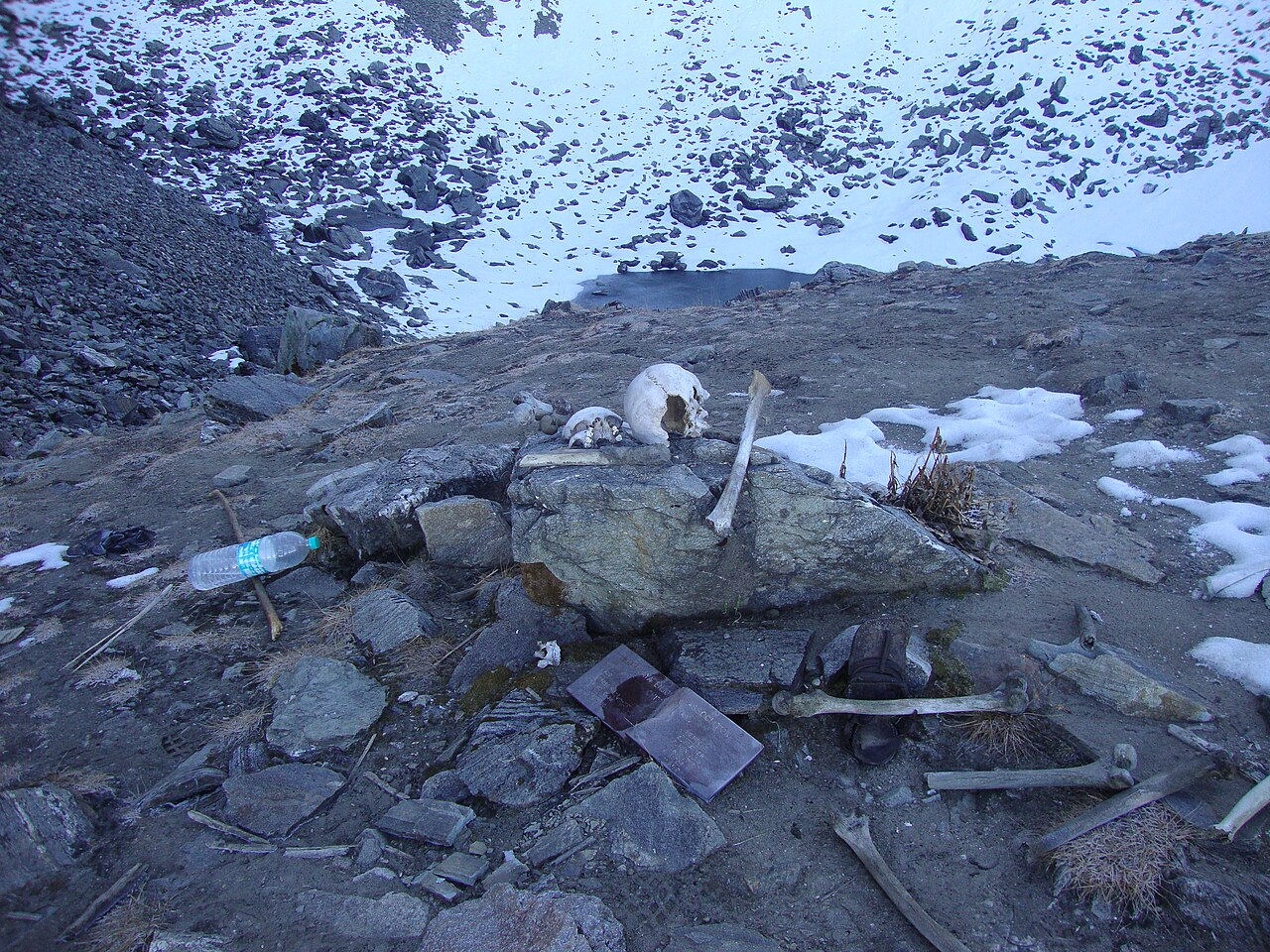
Of all the study’s surprising findings, one stood out as almost unbelievable. Among the genetically distinct groups identified at Roopkund, the largest consisted of people whose ancestry was consistent with the populations of South Asia, which made a certain sense for a lake in the Indian Himalayas, plausibly connected to the region’s pilgrimage traditions. But another substantial group of the dead had an ancestry that was profoundly out of place: their closest genetic relatives were people from the eastern Mediterranean, from the region around Greece and the island of Crete.
This was an extraordinary and deeply puzzling result. How had a group of people with eastern Mediterranean ancestry come to die at a remote lake high in the Indian Himalayas, thousands of miles from their ancestral home? And the dating showed that this Mediterranean-linked group had died at the lake much more recently than the South Asian group, likely only a couple of centuries ago, rather than a thousand years earlier. There was, and is, no clear historical record explaining their presence. What were they doing there? A trading party, an expedition, a group of travelers who lost their way in the mountains? No one knows for certain. The discovery of eastern Mediterranean people among the dead at Skeleton Lake added a truly inexplicable layer to a mystery that scientists had hoped to solve, leaving experts frankly baffled as to how these individuals ended up in such an unlikely place.
More Questions Than Answers
The 2019 study was a triumph of scientific technique, extracting remarkable information from ancient bones that had lain exposed to the elements for centuries. And yet, for all it revealed, it left the central mystery of Roopkund more tangled than before. The science definitively ruled out the simple, satisfying explanation, the single group killed in a single storm, that had held sway for so long. But it did not replace that explanation with a new, complete answer. Instead, it revealed a far more complex and puzzling reality.
We now know that Skeleton Lake is not the site of one ancient tragedy but of multiple death events, separated by many centuries, involving people of dramatically different origins. The hailstorm theory may still hold for some of the victims, particularly the older group with the skull injuries, whose deaths could indeed reflect a catastrophic storm striking a pilgrimage party. But it cannot account for the whole grim assemblage, and it certainly cannot explain what a group of eastern Mediterranean travelers was doing dying at the lake centuries later. The truth is that we still do not know exactly who all these people were, why they came to this desolate spot, or precisely how each of them met their end. The lake keeps most of its secrets still, and each answer that science has pried loose has only revealed deeper questions beneath.
The Lake That Keeps Its Secrets
Roopkund Lake endures as one of the world’s most compelling unsolved mysteries, a place where the modern power of genetic science has illuminated the past without fully explaining it. The image is unforgettable: a frozen lake high in the Himalayas, its shores littered with the bones of hundreds of people from different lands and different centuries, all somehow drawn to the same lonely spot to die.
The story of Skeleton Lake is a humbling reminder that even our most advanced tools cannot always resolve the puzzles left behind by the past. Science took a mystery that seemed settled and revealed it to be far stranger and more complex than anyone had imagined, and in doing so, it deepened rather than dispelled the sense of wonder and unease that the lake inspires. Who were the travelers from the Mediterranean? What drew wave after wave of people to their deaths at this remote and hostile place across a thousand years? Roopkund is not done being studied, and future research may yet yield more answers. But for now, the bones at Skeleton Lake remain a haunting testament to how much of the human story lies beyond our reach, frozen in a high mountain lake, guarding a mystery that has outlasted the centuries.
Like our content? Follow us for more.