

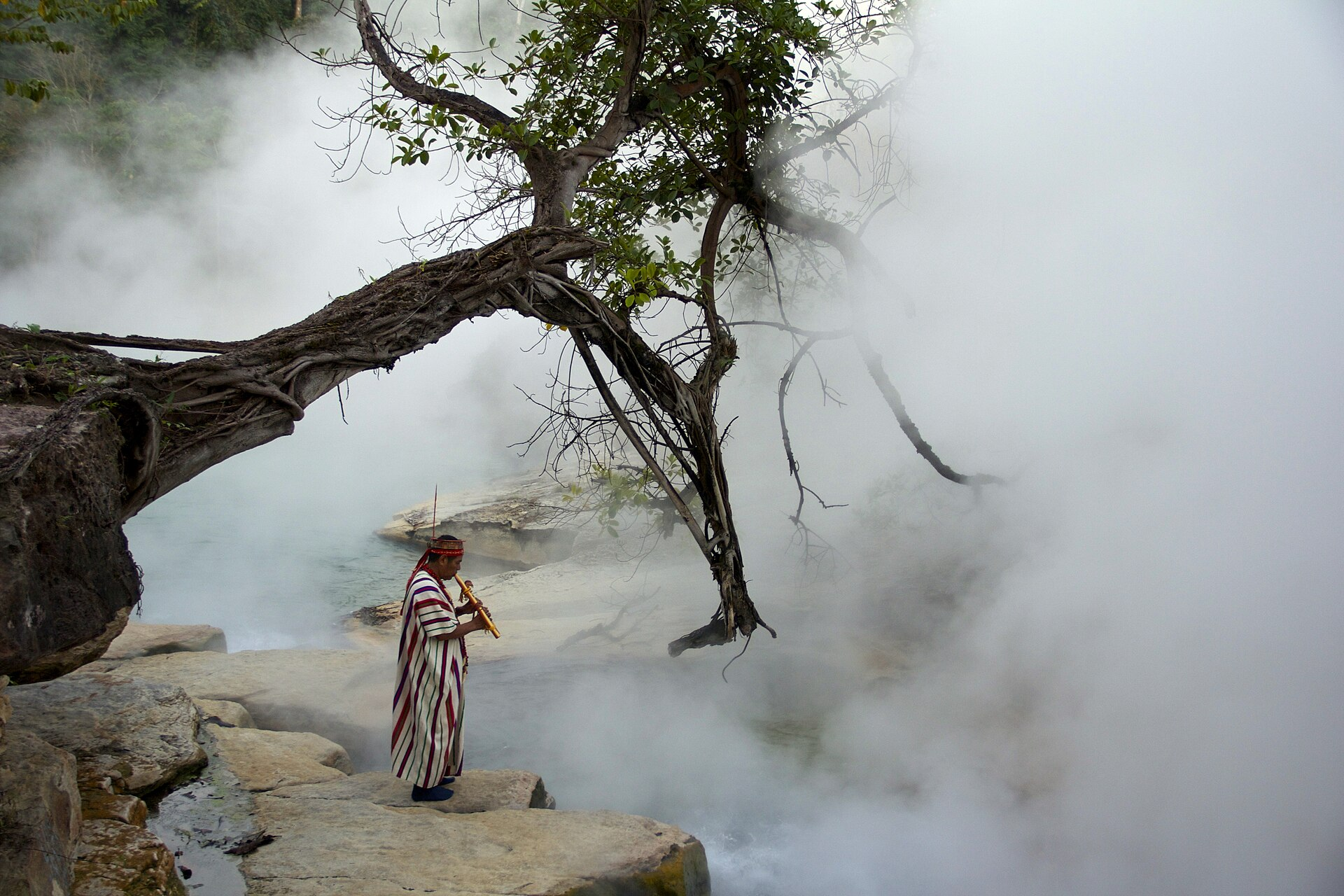
Deep in the dense green heart of the Peruvian Amazon, far from any road, there is a river that steams. Along parts of its course, the water is not just warm but truly hot, hot enough to send plumes of vapor rising into the jungle canopy, hot enough to scald a hand dipped carelessly into it, and in some stretches hot enough to approach boiling. Animals that fall into the hottest sections do not survive; the river can cook them. Locals have long revered this extraordinary place, weaving it into legend and treating its waters as sacred and powerful. And for a long time, to the outside scientific world, it seemed almost too strange to be real.
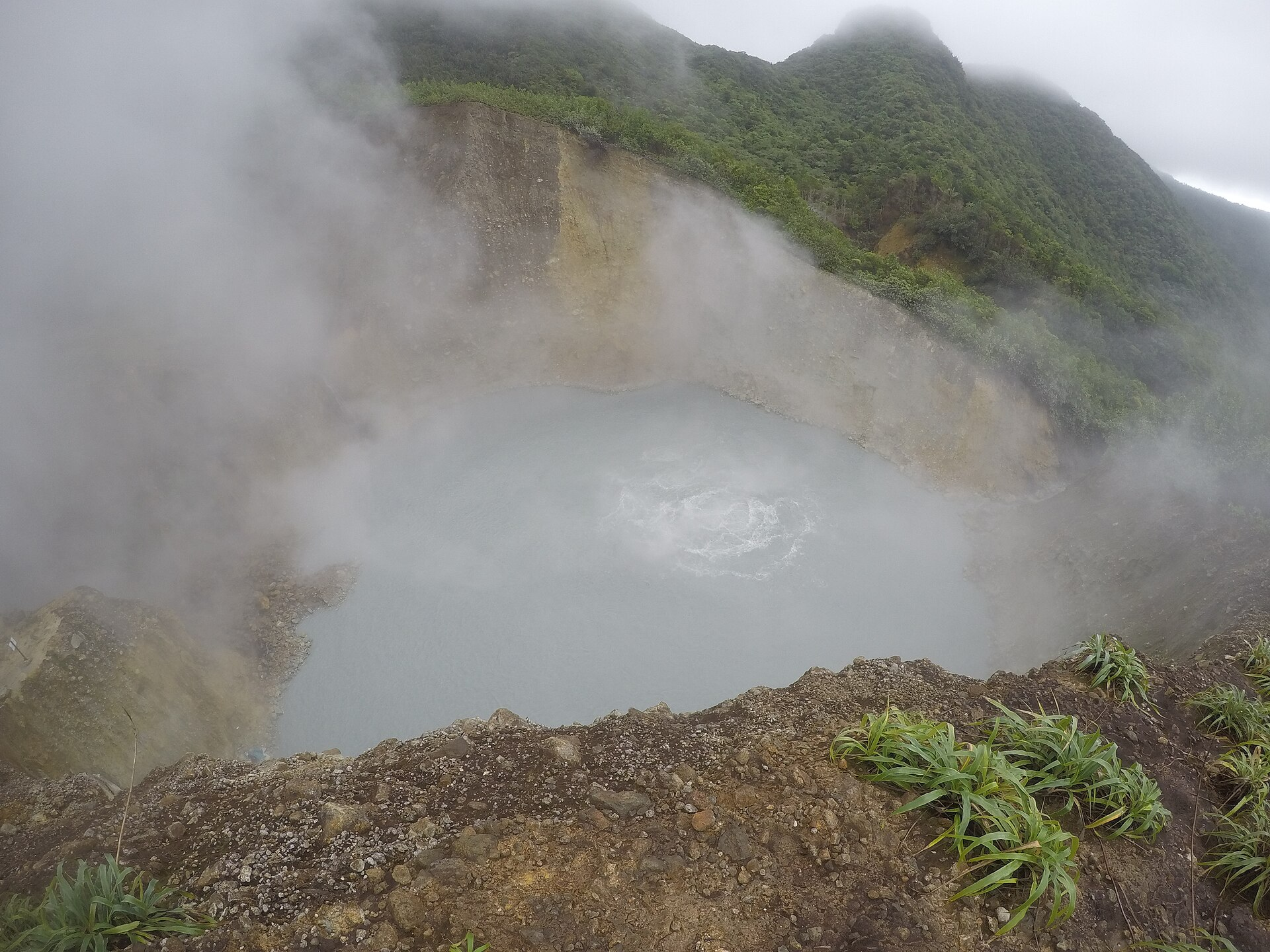
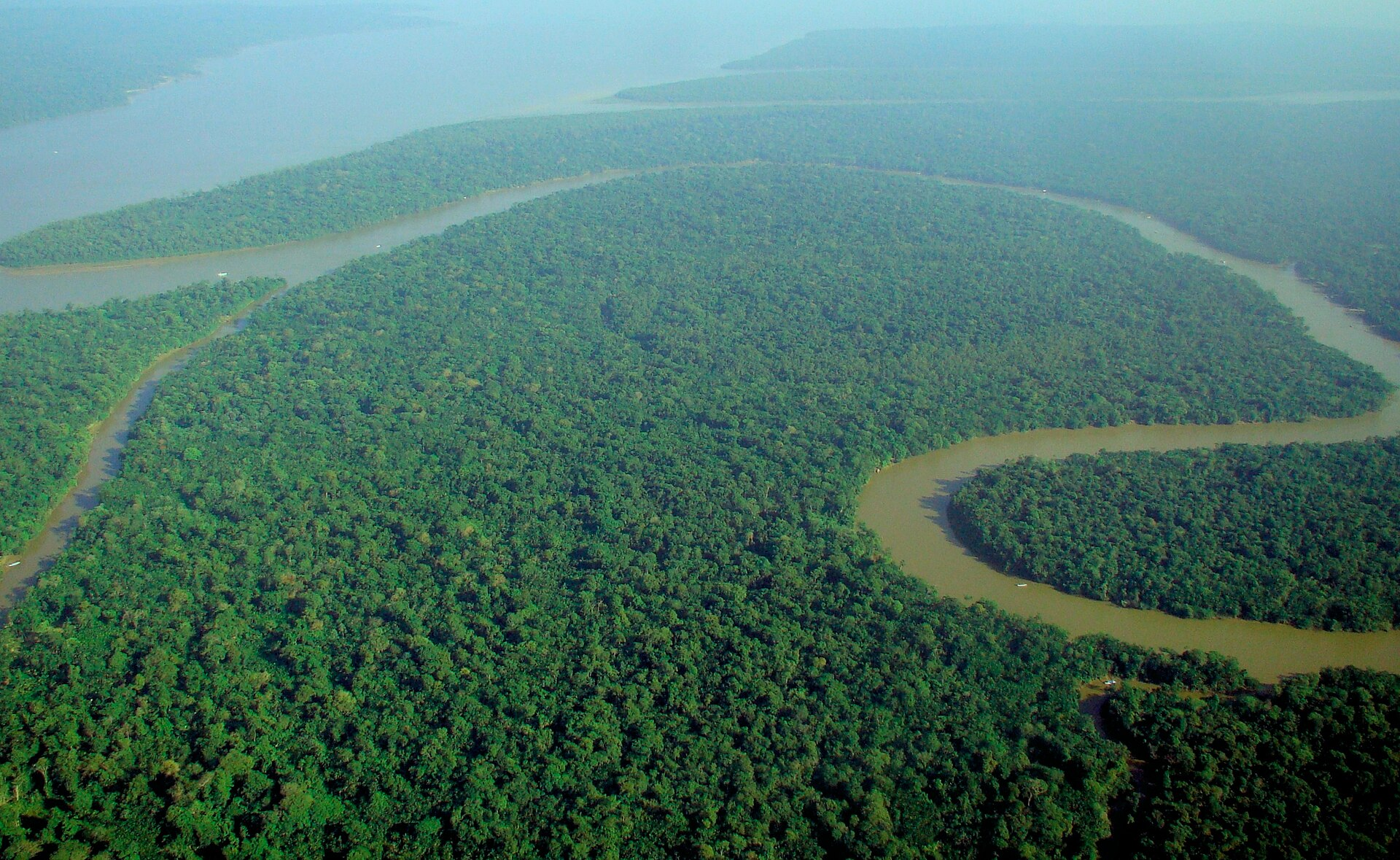
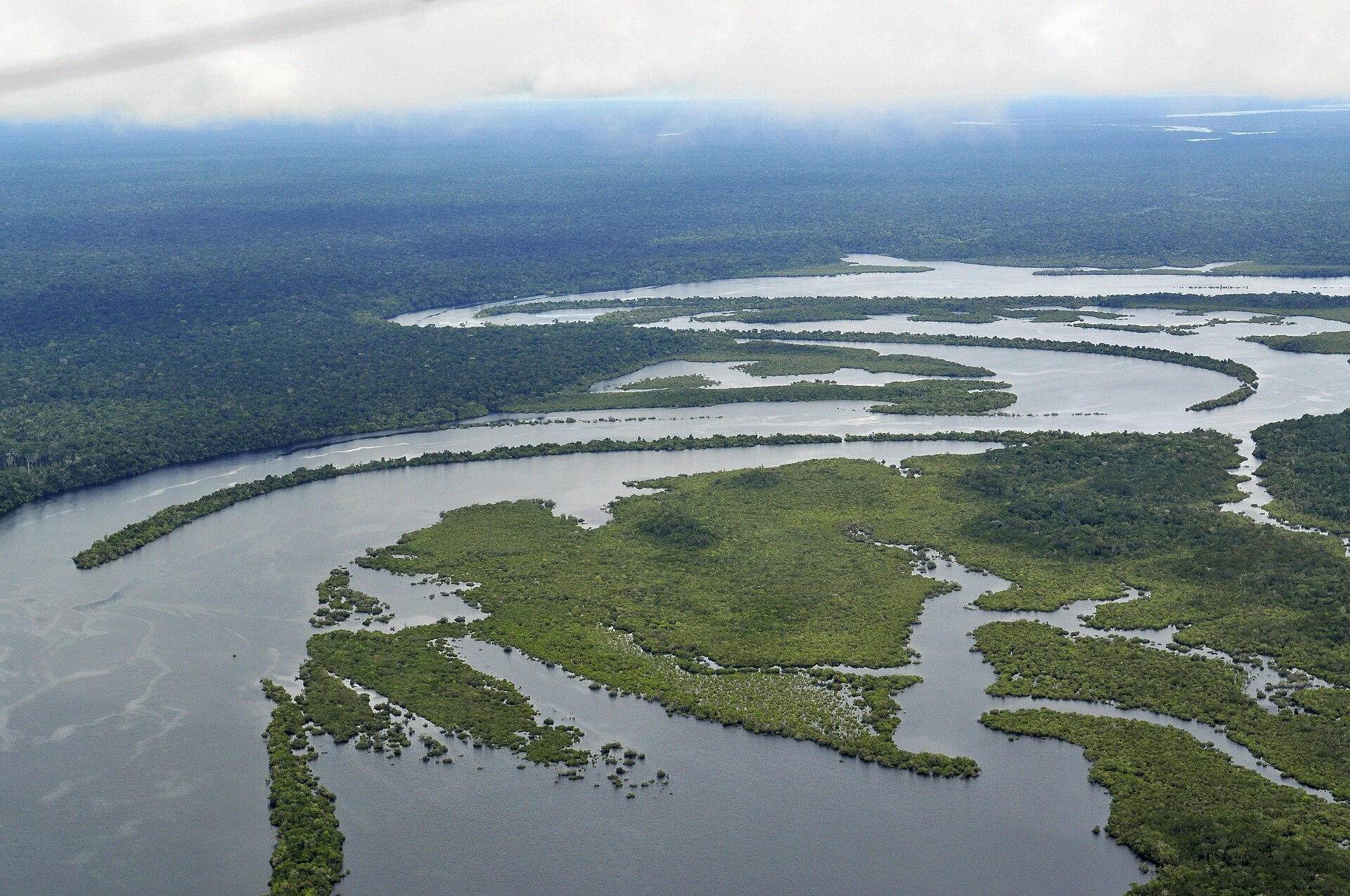
This is the Boiling River, known by a local name that translates roughly to “boiled with the heat of the sun.” It is a real natural wonder, a river running hot through the rainforest, and its existence poses a fascinating scientific puzzle. Boiling and near-boiling water in nature is usually found near volcanoes, in places like geysers and hot springs, where underground heat from magma warms the water. But the Boiling River is located hundreds of miles from the nearest active volcano, deep in the Amazon basin where there are no volcanoes at all. So how can a river out there be so hot? For years, experts insisted such a thing shouldn’t be possible, until a determined scientist set out to find the river and unravel its mystery. Here is the story of the Amazon’s Boiling River.
A River of Legend
For the indigenous people who have long lived along its banks, the Boiling River was never a mystery to be solved but a sacred place to be revered. It features in local legend and spiritual tradition, its scalding waters attributed to powerful forces of nature. According to the lore, a great spirit, sometimes described as a giant serpent and known as a “Mother of the Waters,” presides over the river and is responsible for its heat. The site has been used by local shamans and healers, who regard the waters as sacred and imbue them with spiritual and healing significance.
The river’s very name, in the local language, evokes its most striking feature, referring to water that boils as if heated by the sun. Communities near the river have known about it and revered it for generations, long before any outside scientist arrived with a thermometer to measure its temperatures. This deep well of local knowledge and reverence is an important part of the river’s story. The Boiling River was not “discovered” by science so much as it was already well known to the people who lived alongside it; what science added was an explanation for the natural forces behind the legend. It’s a reminder that indigenous knowledge often holds truths about the natural world that the wider scientific community has yet to catch up with, and that legends can contain a real kernel of fact.
Like our content? Follow us for more.
The Scientist Who Went Looking
The person who would bring the Boiling River to wider scientific and public attention was a geoscientist who had first heard about it as a child, through a family story told by his grandfather about a mysterious river in the Amazon so hot it could boil. For years, he assumed the tale was just a legend, an exaggeration or a myth with no basis in reality. As he pursued his scientific career, studying the heat within the Earth, he became curious about whether such a river could actually exist.
When he asked colleagues and experts whether a boiling river was possible in the Amazon, far from any volcano, the answer he received was essentially unanimous: no. Boiling rivers exist, they told him, but only near volcanoes, and there are no volcanoes in the Amazon. The consensus was that a river like the one in the legend simply could not exist in that location. But then a family member insisted the river was real, having seen it firsthand, and the scientist resolved to go and find out for himself. In 2011, he traveled deep into the Peruvian Amazon, guided to the remote site, and there he found it: a real river, wide and hot, steaming in the jungle, with stretches of water hot enough to be truly dangerous. The legend was true. The river that experts had said couldn’t exist was there, flowing hot through the rainforest, and now the challenge was to explain how.
How Hot Is It, Really?
The temperatures of the Boiling River are remarkable. While it is not literally boiling along its entire length, portions of it reach very high temperatures, in some places approaching the boiling point of water. Measurements have found water temperatures ranging from pleasantly warm in some areas up to scaldingly hot, near boiling, in others, easily hot enough to cause severe burns almost instantly.
The heat is dangerous enough that animals which fall into the hottest stretches do not survive; the river can, in effect, cook them, a sobering illustration of just how hot the water gets. Steam rises visibly from the surface in the hottest sections, and the mud along the banks in places can be too hot to touch comfortably. The river runs for a considerable distance through the jungle and is substantial in size, wide and deep enough in places that this is no trickle but a real, sizable river carrying a large volume of hot water. This combination of high temperature and significant size is part of what makes the Boiling River so scientifically striking. Heating a small hot spring is one thing, but heating a whole river’s worth of flowing water to near-boiling temperatures requires a substantial and sustained source of heat, which brings us to the central question: where does all that heat come from, in a place with no volcano to provide it?
Solving the Mystery
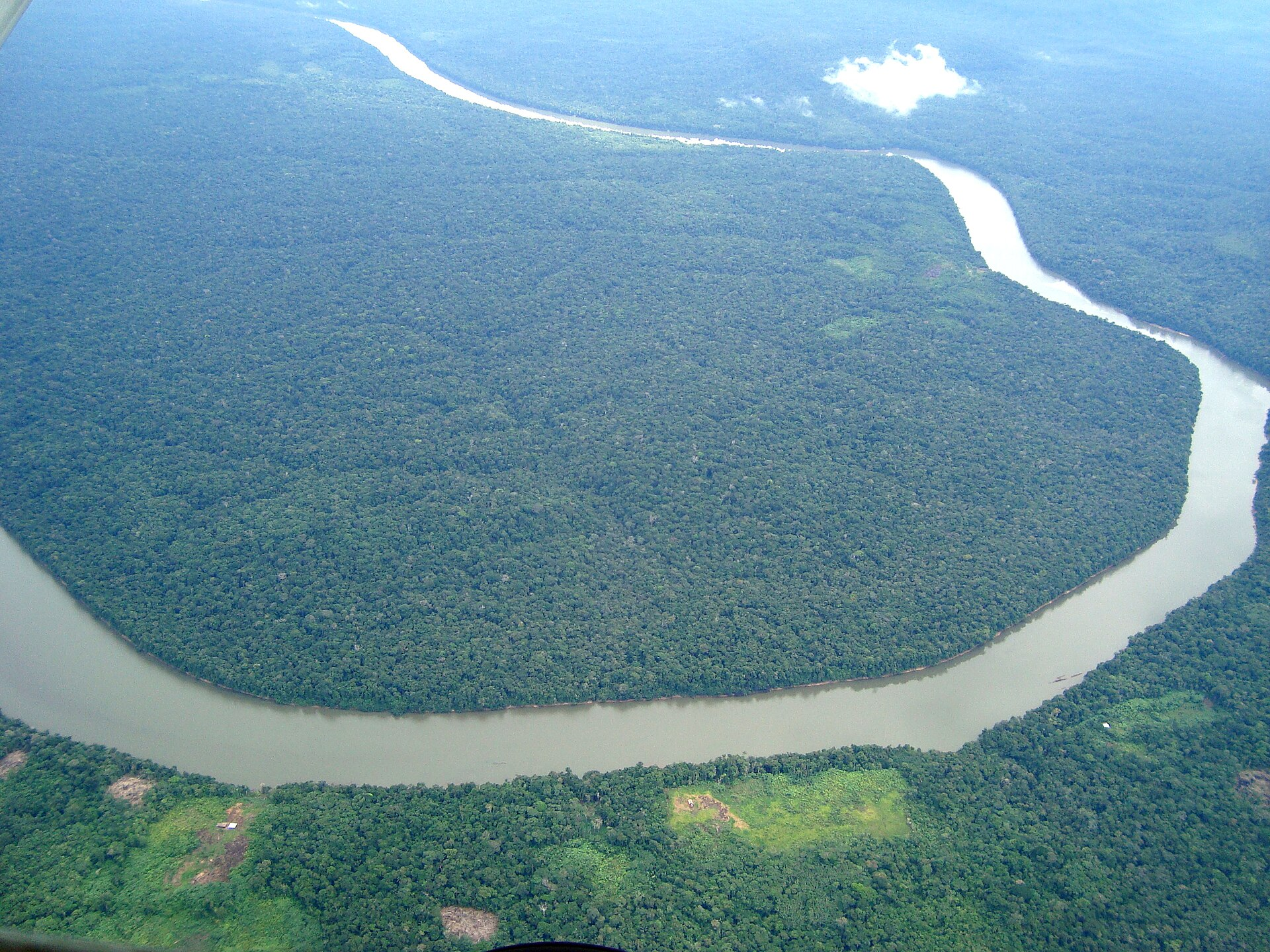
The explanation for the Boiling River, as pieced together through scientific investigation, lies not in volcanic activity but in the natural circulation of water deep within the Earth, a geothermal system driven by the planet’s internal heat rather than by magma. The Earth gets hotter as you go deeper below the surface, and this heat can warm groundwater that circulates through the rock, even in places far from any volcano.
The leading explanation works something like this. Rainwater and other surface water seep down into the ground and penetrate deep into the Earth through faults and porous rock. Down there, the water is heated by the natural warmth of the Earth’s interior. Then, driven by heat and pressure, this hot water rises back up to the surface along fault lines and cracks, emerging as hot springs that feed the river and give it its extraordinary temperatures. In essence, the Boiling River is fed by a large, fault-controlled geothermal system, a natural hot-water plumbing network within the Earth, that channels heated groundwater up into the river. This is why the river can be so hot without any volcano nearby: the heat comes from the Earth’s own internal warmth, tapped by circulating water, rather than from molten rock. It’s a striking example of a non-volcanic geothermal feature on an unusually large scale, and while scientists continue to study the details of the system, this fault-fed hydrothermal explanation accounts for how a river deep in the volcano-free Amazon can run hot enough to boil.
A Wonder Worth Protecting
Beyond its scientific fascination, the Boiling River is a natural treasure that faces real threats, and efforts have been made to study and protect it. The remote Amazon region where the river flows is vulnerable to pressures like deforestation and development, which can endanger the river and its surrounding ecosystem. Recognizing both its scientific value and its cultural and spiritual significance to local communities, conservation efforts have been undertaken to preserve this unique place and study it responsibly.
The Boiling River stands as a wonderful example of how much there still is to discover and understand about our planet, even in an age when it can feel as though everything has already been mapped and explained. Here was a real natural wonder, known to local people for generations but dismissed or unknown by the wider world, that turned out to be real and to hold a fascinating scientific story. It bridges worlds, connecting indigenous knowledge and legend with modern geoscience, and reminding us that the two can illuminate each other. And it carries a gentle lesson about humility and curiosity: that we should be careful about declaring what can and cannot exist, that legends sometimes point toward real and remarkable truths, and that the natural world still holds surprises capable of overturning the confident assumptions of experts. The Boiling River flows on, hot and steaming, deep in the Amazon, a sacred place, a scientific marvel, and a reminder that our planet is far stranger and more wonderful than we sometimes remember.
Like our content? Follow us for more.
