For a long time, the story of how human civilization began seemed relatively settled. First, so the thinking went, people learned to farm; agriculture allowed them to settle down, form villages and towns, accumulate surplus food, and eventually build the complex societies that produced monuments, temples, and organized religion. Farming came first, and everything else, including grand religious architecture, followed. It was a tidy, logical sequence, and for generations it was the accepted wisdom about the dawn of civilization.
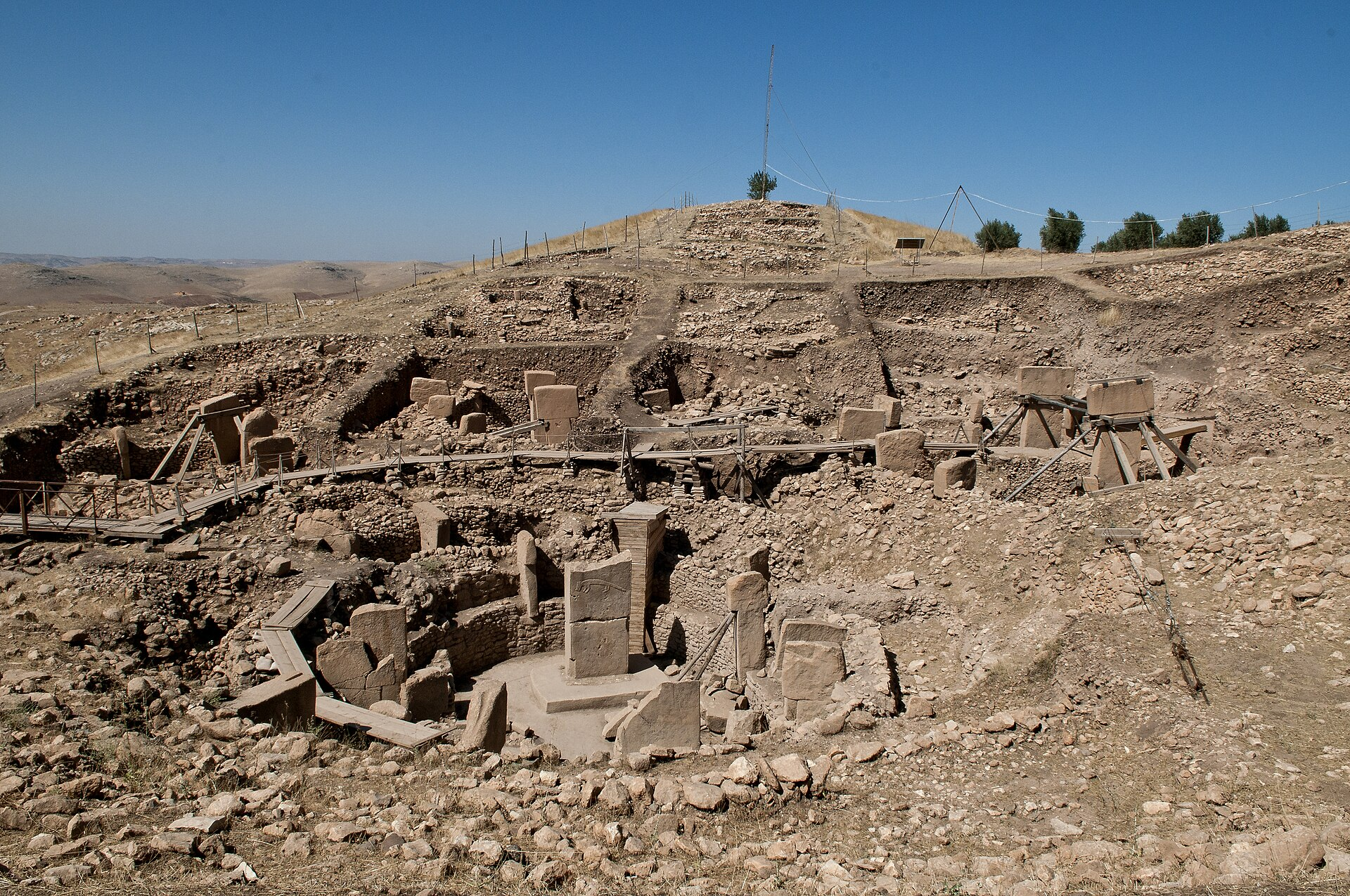
Then archaeologists dug into a hill in southeastern Turkey and found something that turned that story on its head. Beneath a mound called Göbekli Tepe lay the remains of a monumental complex of enormous, elaborately carved stone pillars, arranged in great circles, that was staggeringly old, older than the pyramids of Egypt, older than Stonehenge, older than the invention of writing, pottery, metal tools, or the wheel. And most astonishing of all, it appeared to have been built not by a settled, farming society, but by hunter-gatherers. This single discovery has forced historians and archaeologists to fundamentally rethink the origins of civilization itself. Here is the remarkable story of Göbekli Tepe, the temple that rewrote human history.
The Hill of Secrets
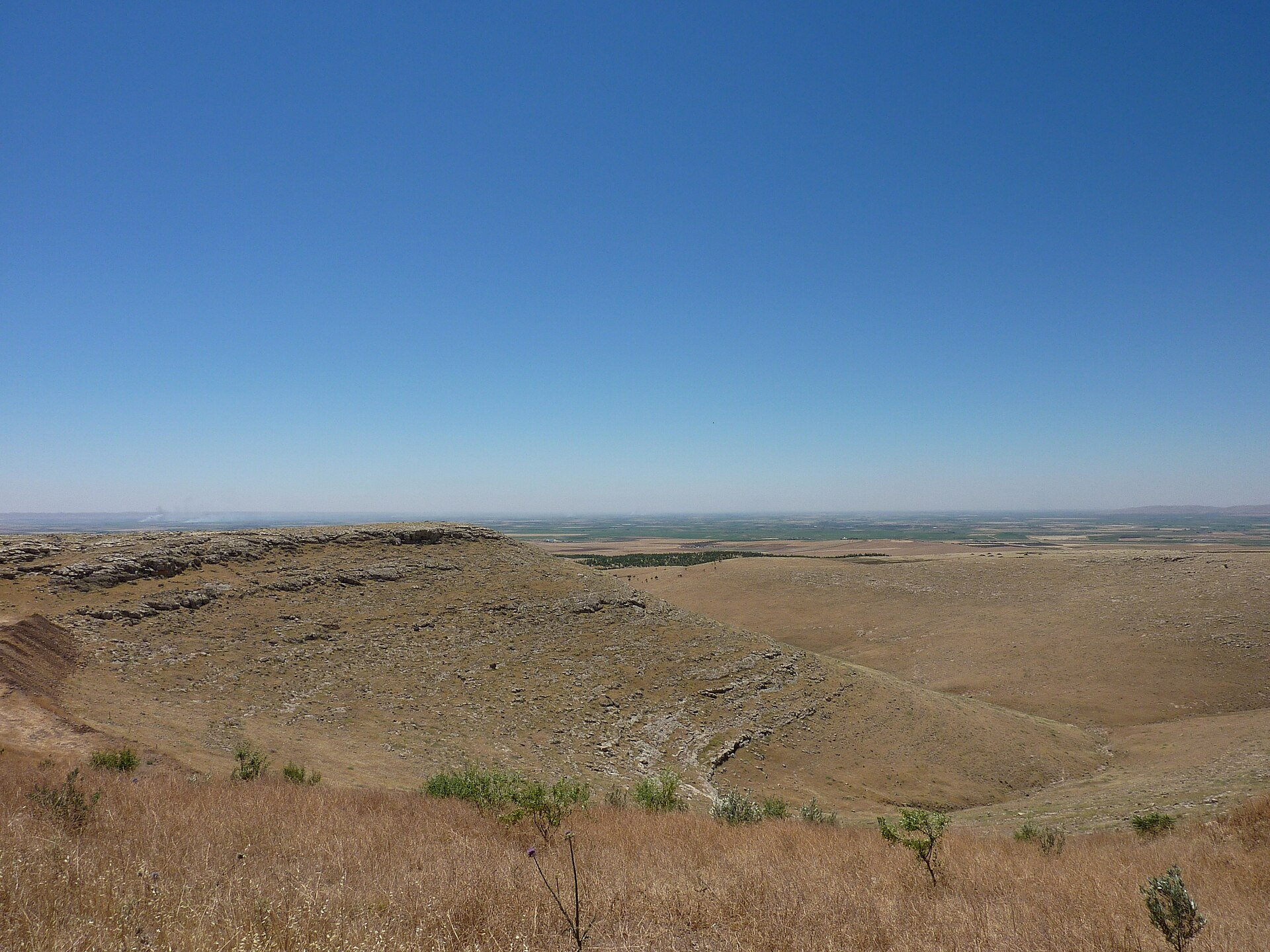
Göbekli Tepe, whose name refers to a “belly-shaped hill,” sits on a ridge in the Germuş mountains of southeastern Turkey, in the region of Upper Mesopotamia that forms part of the Fertile Crescent, the arc of land where many of humanity’s most important developments first took place. For centuries, the site was nothing more than an unremarkable hill, its incredible secret buried beneath the earth, unsuspected by the people who passed over it.
The true significance of the site went unrecognized for a long time. It was only when archaeologists began serious excavations, most notably under the leadership of German archaeologist Klaus Schmidt beginning in the 1990s, that the astonishing nature of what lay beneath the hill started to become clear. As the digging progressed, the excavators uncovered a series of large circular and oval enclosures, formed by massive stone pillars, buried deep in the mound. This was no ordinary archaeological site. The scale, the sophistication, and above all the age of what they were uncovering would soon make Göbekli Tepe one of the most important and talked-about discoveries in the history of archaeology, a find that would challenge everything experts thought they knew about the capabilities of ancient peoples and the origins of complex society.
Like our content? Follow us for more.
Monuments Older Than Time
The most staggering thing about Göbekli Tepe is its age. The site is thought to date back roughly 11,000 to 12,000 years, with construction beginning around 9600 BCE, during the period known as the Pre-Pottery Neolithic. To put that almost unimaginable antiquity in perspective, Göbekli Tepe predates Stonehenge by approximately 6,000 years and the great pyramids of Egypt by around 7,000 years. When the first stones of Stonehenge were being raised, Göbekli Tepe had already been ancient for thousands of years.
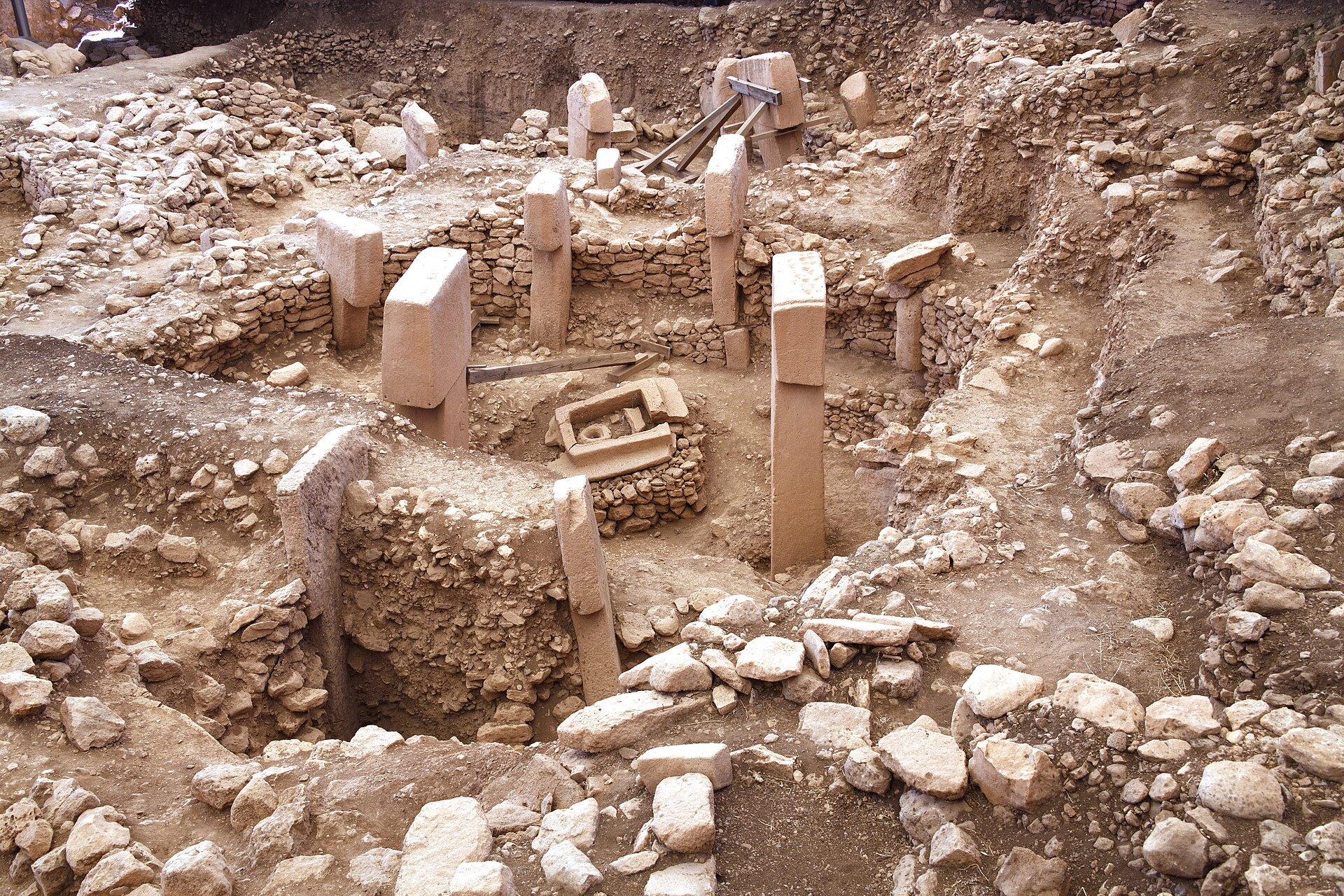
And this was not some crude arrangement of rough stones. The complex consists of massive T-shaped limestone pillars, some standing many feet tall and weighing many tons, arranged carefully into circular enclosures. Many of the pillars are decorated with intricate and skillful carvings of wild animals, including creatures like foxes, snakes, boars, and birds, along with abstract symbols. The craftsmanship and planning evident in the site are extraordinary, especially considering the era in which it was built. These were people working without metal tools, without the wheel, without draft animals to haul the enormous stones, and yet they quarried, shaped, carved, transported, and erected these massive pillars into a monumental complex. The sheer ambition and skill on display at Göbekli Tepe are, frankly, mind-bending for a site of such age, and they speak to a level of sophistication and social organization that no one had thought possible for people of that time.
Built by Hunter-Gatherers
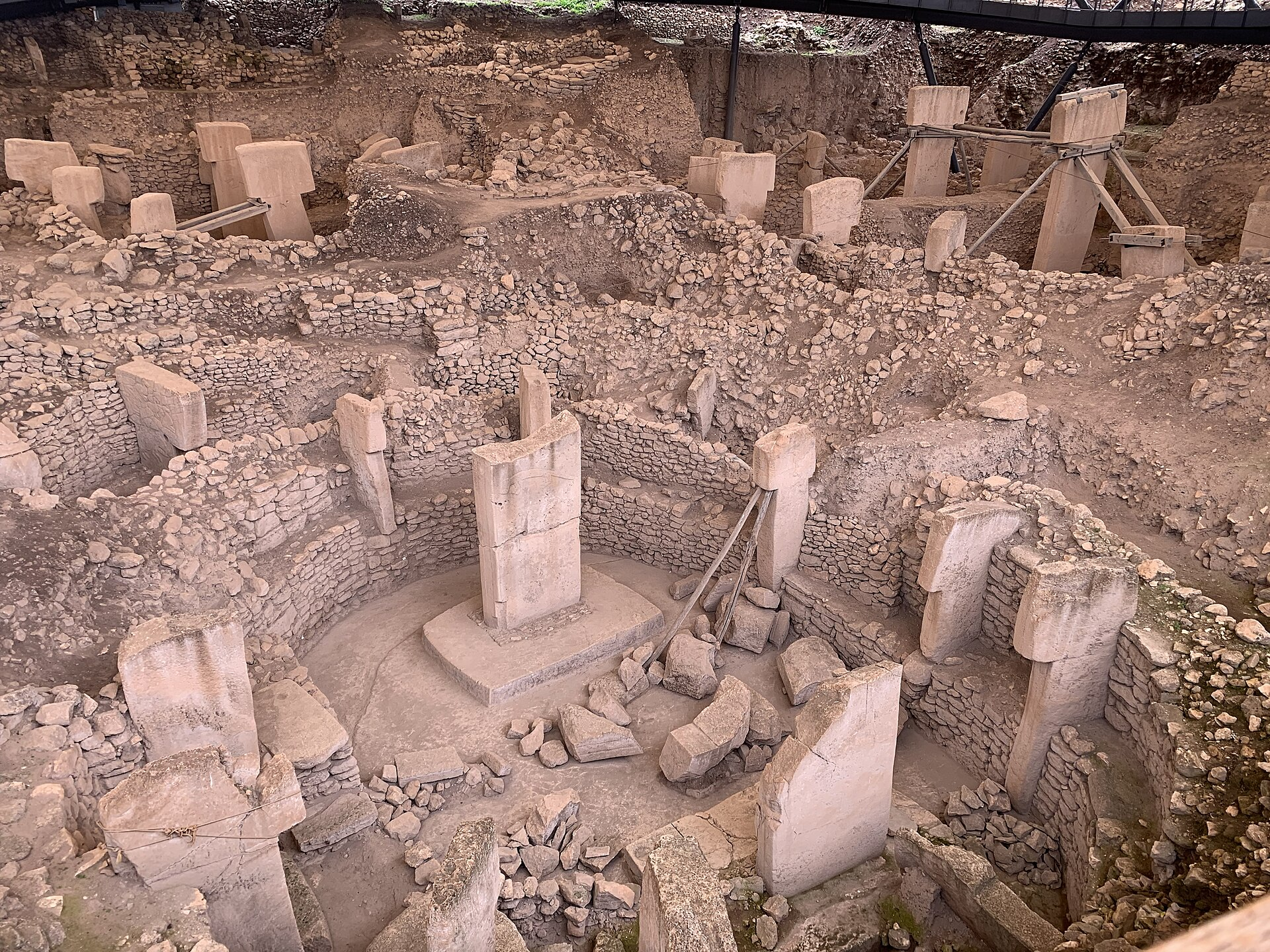
Here is the detail that truly rewrote the history books: Göbekli Tepe was built by hunter-gatherers. At the time of its construction, human beings had not yet developed agriculture in the region; they still lived by hunting wild animals and gathering wild plants, roaming the landscape rather than settling in permanent farming villages. And yet these supposedly “simple” hunter-gatherers came together to create one of the most sophisticated monumental structures of the ancient world.
This flew directly in the face of the accepted understanding of how civilization developed. According to the old model, only a settled, agricultural society, with its surplus food and organized labor, could possibly have mustered the resources and coordination to build something like Göbekli Tepe. Monumental architecture was supposed to be a product of advanced, farming-based civilization, not something that hunter-gatherers could achieve. But Göbekli Tepe showed that mobile hunter-gatherers were capable of extraordinary feats of construction, organization, and artistry. The people who built it must have been able to gather large numbers of workers, coordinate complex projects over long periods, and sustain those workers, all without the settled agricultural base that experts had assumed was a prerequisite. This realization forced a profound reassessment of the abilities and social complexity of pre-agricultural peoples, revealing them to be far more capable and sophisticated than the traditional picture had allowed.
Which Came First, the Temple or the Farm?
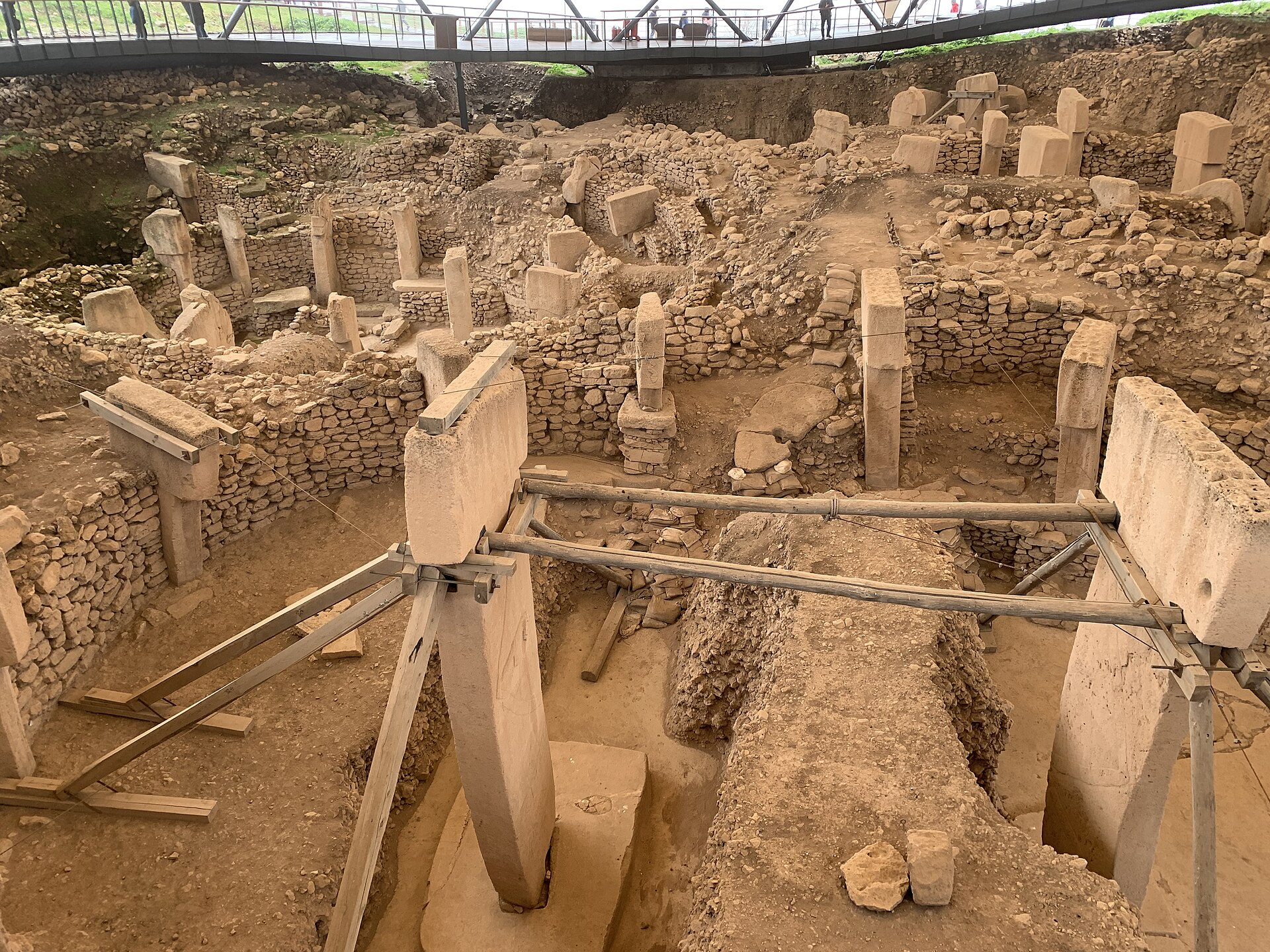
The most revolutionary implication of Göbekli Tepe concerns the very sequence of how civilization arose. The site suggests a startling possibility: that instead of farming coming first and religion following, it may have been the other way around. Perhaps the desire to build monumental gathering places, likely for religious or ceremonial purposes, came first, and that impulse actually helped drive the development of agriculture and settled life.
The reasoning goes like this. If large numbers of hunter-gatherers were periodically coming together at Göbekli Tepe to build and use these monumental enclosures, they would have needed to be fed. Feeding a substantial gathering of people in one place, repeatedly, could have created pressure to find more reliable and abundant food sources, potentially spurring the domestication of wild plants and animals, in other words, the birth of agriculture. In this view, the human drive to gather for shared ritual and belief may have been a catalyst for the agricultural revolution, rather than a result of it. The temple, in a sense, may have come before the farm. It’s important to note that scholars continue to debate the precise purpose and interpretation of Göbekli Tepe, and researchers are appropriately cautious about drawing overly firm conclusions. But the mere fact that the site raises this possibility, that religion and communal gathering might have been a driving force behind the transition to agriculture and settled civilization, represents a dramatic reversal of long-held assumptions, and it is why Göbekli Tepe is so revolutionary.
The Mystery of the Burial
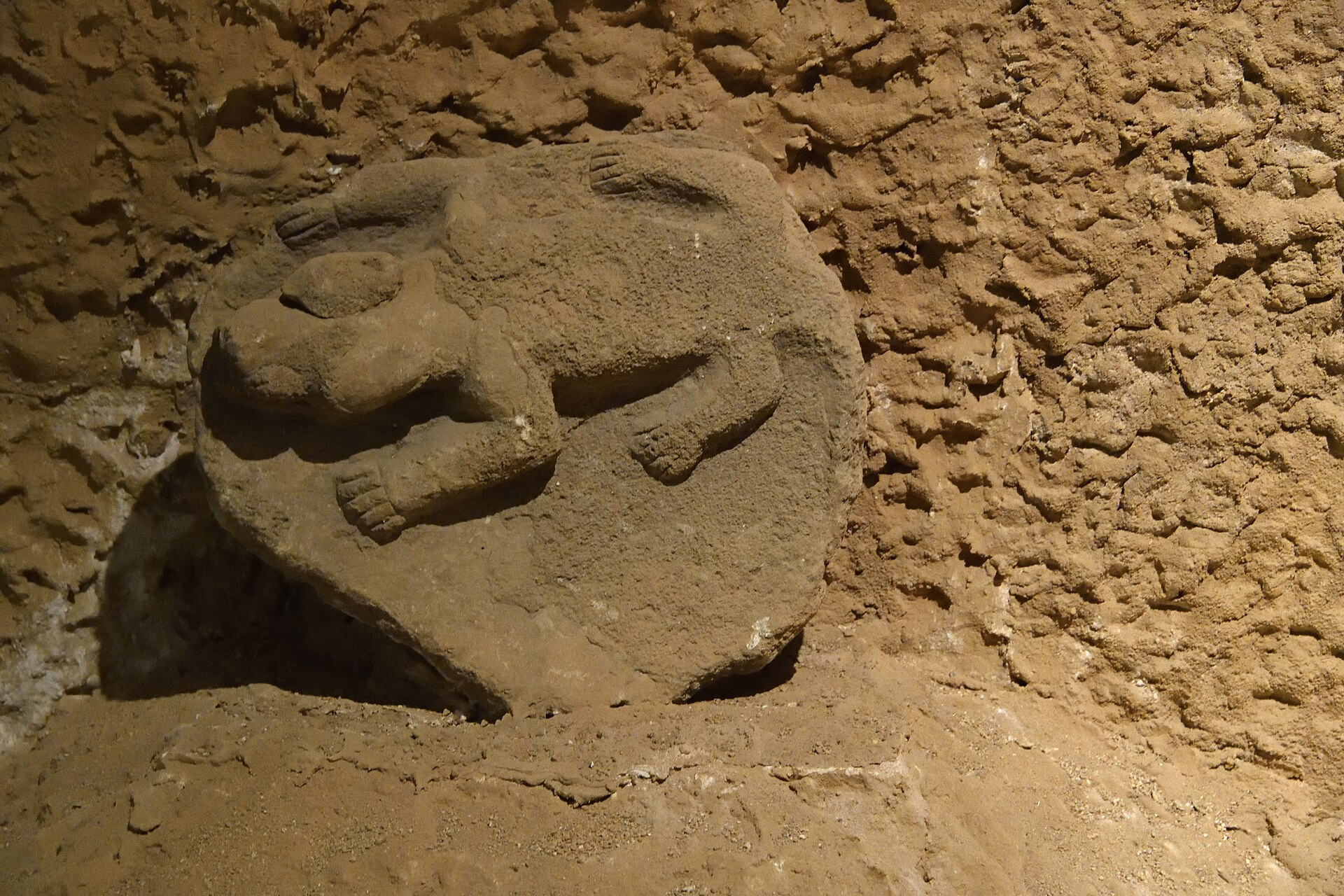
Adding to the intrigue of Göbekli Tepe is a real mystery: at some point in antiquity, the complex was deliberately buried. Rather than simply being abandoned and left to decay or collapse over time, the enclosures appear to have been intentionally filled in and covered over with earth and debris by the people who used them. This deliberate burial is part of why the site was so remarkably preserved, and why it remained hidden and unsuspected for so many thousands of years.
But why would the builders go to the enormous effort of burying their own monumental creation? This remains an open question, one of the many puzzles that Göbekli Tepe presents. Various ideas have been proposed, but there is no definitive answer, and the reasons behind the burial are still a subject of speculation and study. It’s one of several enduring mysteries surrounding the site: questions about exactly how it was built, precisely what it was used for, what the carvings and symbols meant to their creators, and how the whole enterprise was organized. Each answer that excavation provides seems to raise new questions, and Göbekli Tepe continues to be an active and endlessly fascinating focus of archaeological research, with ongoing excavations and studies steadily revealing more about this astonishing place and the people who created it.
A Window Into Our Distant Past
Göbekli Tepe has rightly been hailed as one of the most important archaeological discoveries ever made, and its significance is hard to overstate. Recognized as a site of profound global importance, it offers an unprecedented window into a pivotal moment in the human story, the threshold between the ancient world of mobile hunter-gatherers and the settled, agricultural civilizations that would follow. It stands as a monument not just of stone, but to the sophistication, ambition, and spiritual life of our distant ancestors.
Perhaps the deepest lesson of Göbekli Tepe is a humbling one about how much we still have to learn, and how readily our confident assumptions about the past can be overturned by a single discovery. For generations, experts were sure they understood the basic sequence of how civilization began, only to have that certainty upended by what lay beneath a Turkish hill. It’s a powerful reminder that the human story is far richer, older, and more surprising than we often imagine, and that the people of the deep past were capable of wonders we are only beginning to appreciate. Göbekli Tepe reaches across more than ten thousand years to tell us that the drive to build, to gather, to create meaning and beauty, and to reach for something greater than mere survival, is far more ancient than we ever knew. It is, quite literally, a temple that rewrote history, and it continues to reshape our understanding of who we are and where we came from.
Like our content? Follow us for more.