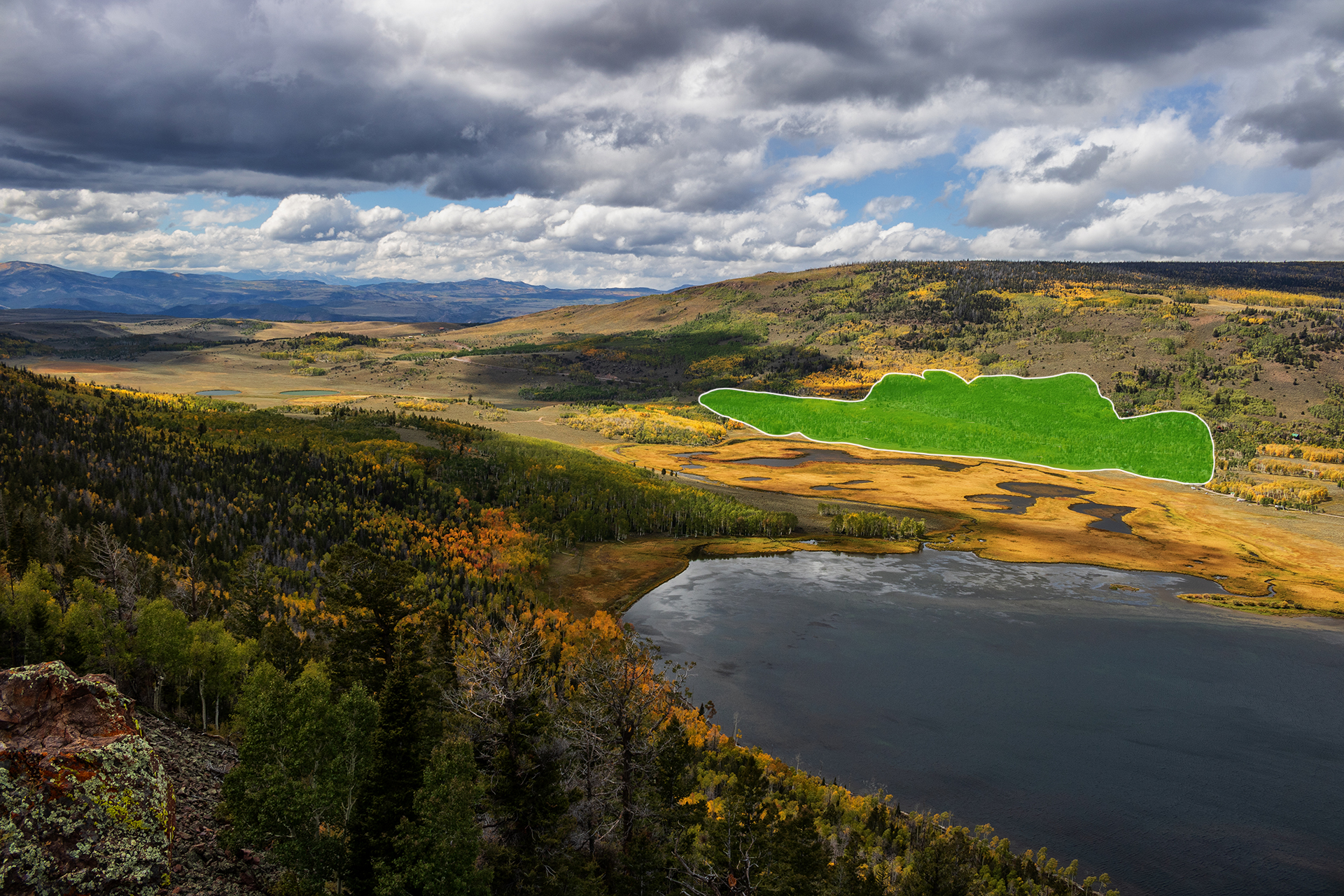
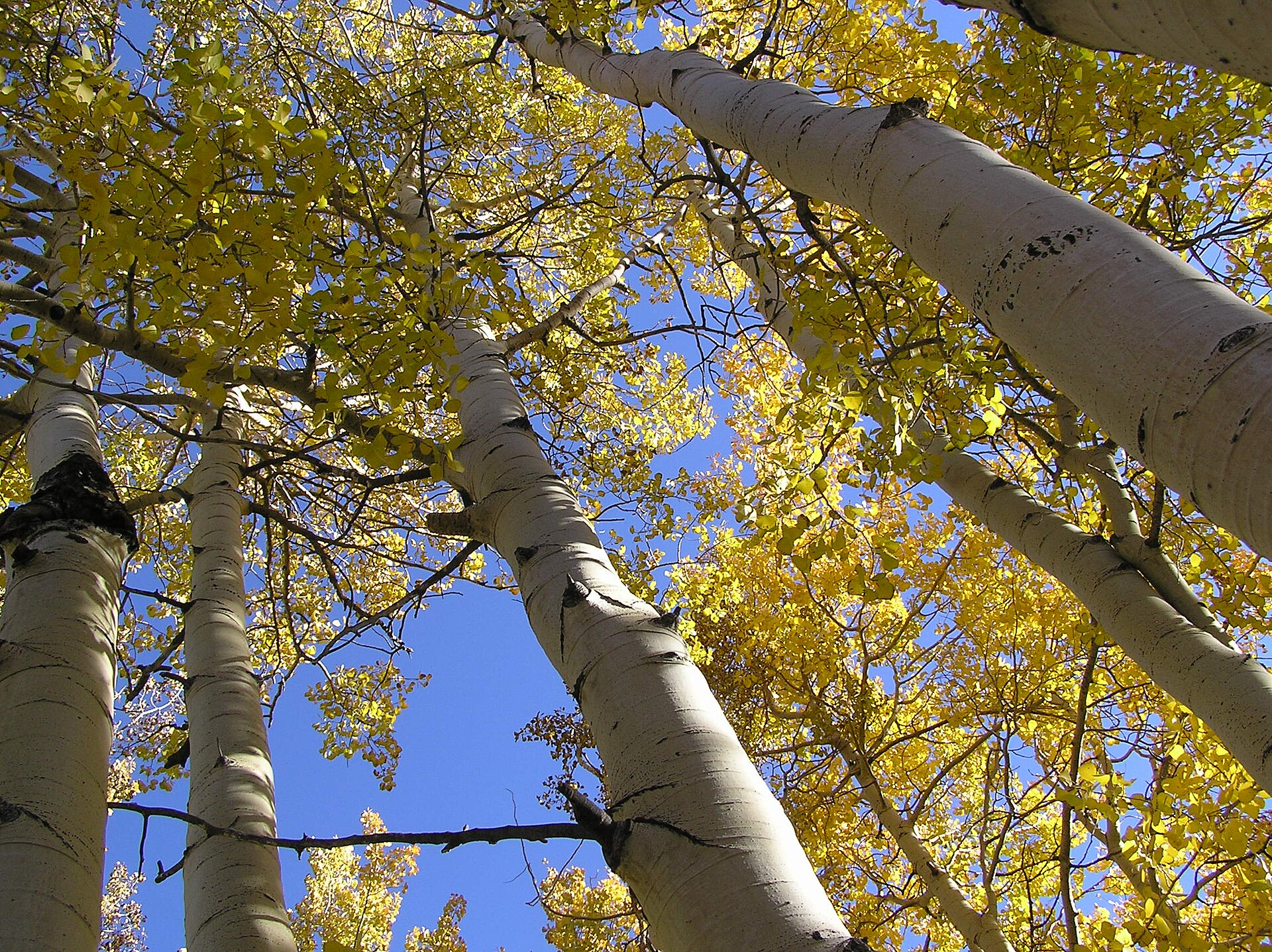
Imagine walking through a forest of aspen trees, tens of thousands of slender white trunks rising all around you, their leaves shimmering and trembling in the breeze. It looks like exactly what you’d expect: a large grove made up of many individual trees. But in one particular forest in Utah, appearances are deceiving in the most astonishing way. What looks like a vast collection of separate trees is, in reality, a single living organism. Every one of those tens of thousands of trunks is genetically identical to all the others, and they are all connected beneath the ground by one enormous, shared root system. They are not many trees; they are one.
This remarkable organism has a name: Pando, from the Latin for “I spread.” It is a single, giant quaking aspen that has cloned itself over and over across the landscape, sending up new trunks from its spreading roots until it became a forest unto itself. By the measure of sheer mass, Pando is the heaviest known living thing on the entire planet, outweighing even the largest individual trees. It is also thought to be one of the oldest living organisms on Earth, having persisted for a span of time that beggars belief. And yet, after all those millennia, this extraordinary being is now in decline, facing threats that have scientists worried about its future. Here is the story of Pando, the trembling giant.
One Tree, Many Trunks
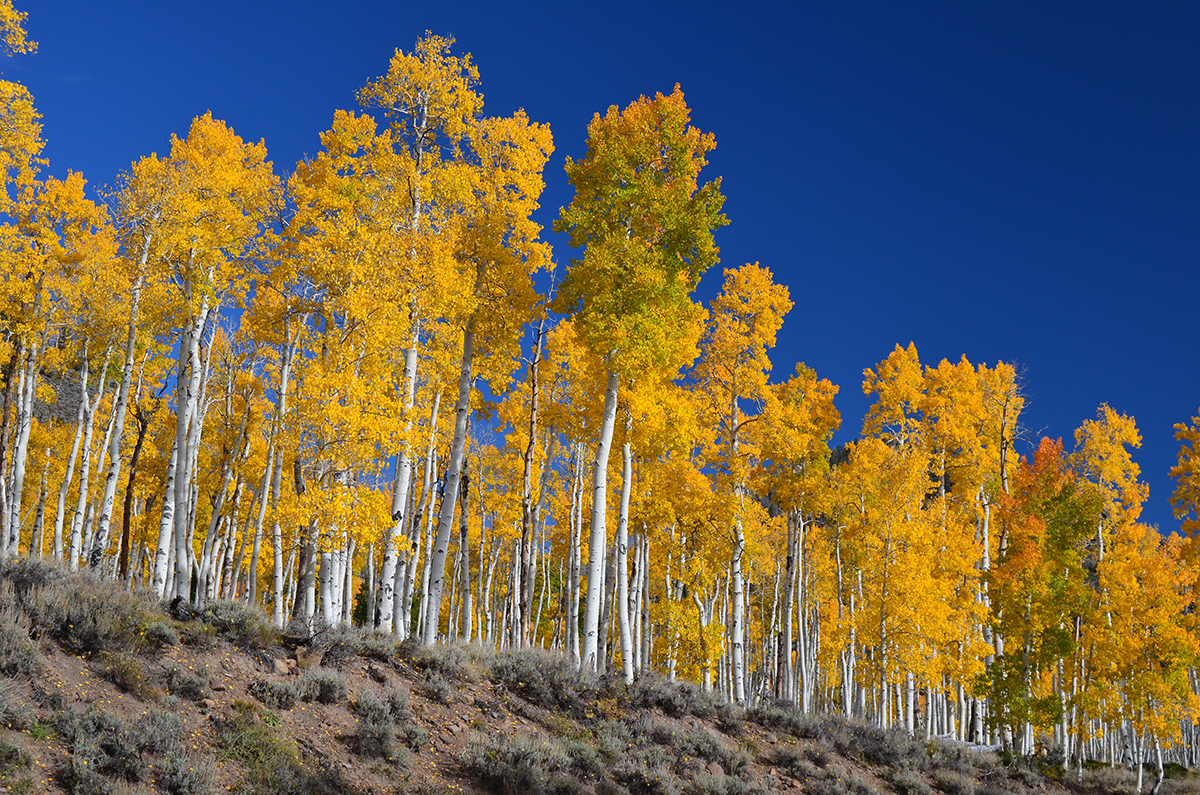
To understand Pando, you have to understand something surprising about aspen trees. Quaking aspens have a special ability: they can reproduce not just by seeds, but by cloning themselves. An aspen can send up new shoots, or suckers, from its root system, and these grow into new trunks that are genetically identical to the parent and to each other, all connected by the same roots. Over time, a single aspen can spread across a large area this way, forming what looks like a grove of separate trees but is actually one interconnected organism, a single genetic individual with many trunks.
Pando is the most spectacular example of this phenomenon known to exist. It consists of an estimated 47,000 individual trunks, or stems, all sharing one massive underground root system and all genetically identical, the clones of a single original aspen. Spread across roughly a hundred acres of Utah forest, Pando appears to the casual eye as an ordinary aspen woodland. But it is, biologically speaking, a single living thing, “a forest of one tree,” as it has been aptly described. Each individual trunk lives and dies over the course of a normal aspen lifespan, but the organism as a whole endures, continually sending up new trunks to replace the old ones, so that Pando persists across timescales far longer than any single trunk. When you stand among its trees, you are standing not in a forest of many, but within one gigantic, ancient being.
Like our content? Follow us for more.
The Heaviest Living Thing on Earth
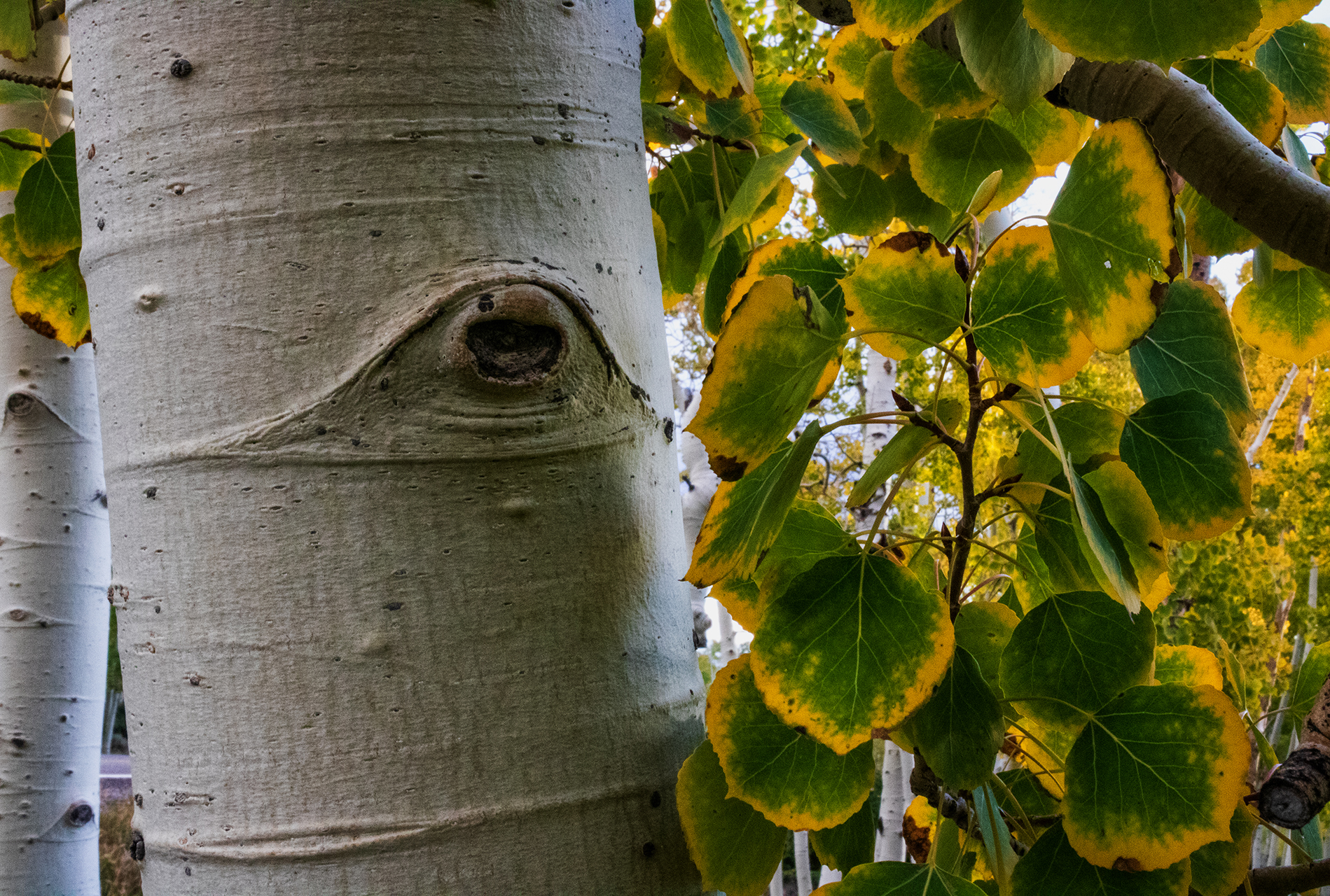
Pando holds a truly remarkable distinction: by mass, it is considered the heaviest known living organism on the planet. Its enormous collective weight, the combined mass of all those tens of thousands of trunks plus the vast root system connecting them, is estimated to be many millions of pounds, a staggering total that makes Pando more massive than any other single living thing we know of. To put its heft in perspective, it is estimated to outweigh even the largest individual trees on Earth, such as the giant sequoias, by a wide margin.
It’s worth being precise about what “largest” means here, since the superlative can be measured in different ways. Pando is the heaviest, or most massive, living organism, holding the record for sheer weight. Other organisms can claim other records: certain fungi, for instance, spread across a greater total area, and there are enormous underwater plant colonies as well. But when it comes to pure mass, the crown belongs to Pando, this single aspen that weighs as much as many blue whales combined. It’s a mind-bending fact: the heaviest living thing on Earth is not a great whale or a towering tree, but a humble-looking grove of quaking aspens in Utah that happens to be a single, colossal organism. Standing among Pando’s shimmering trunks, it’s hard to grasp that you are looking at one of the true giants of the living world.
An Ancient Giant
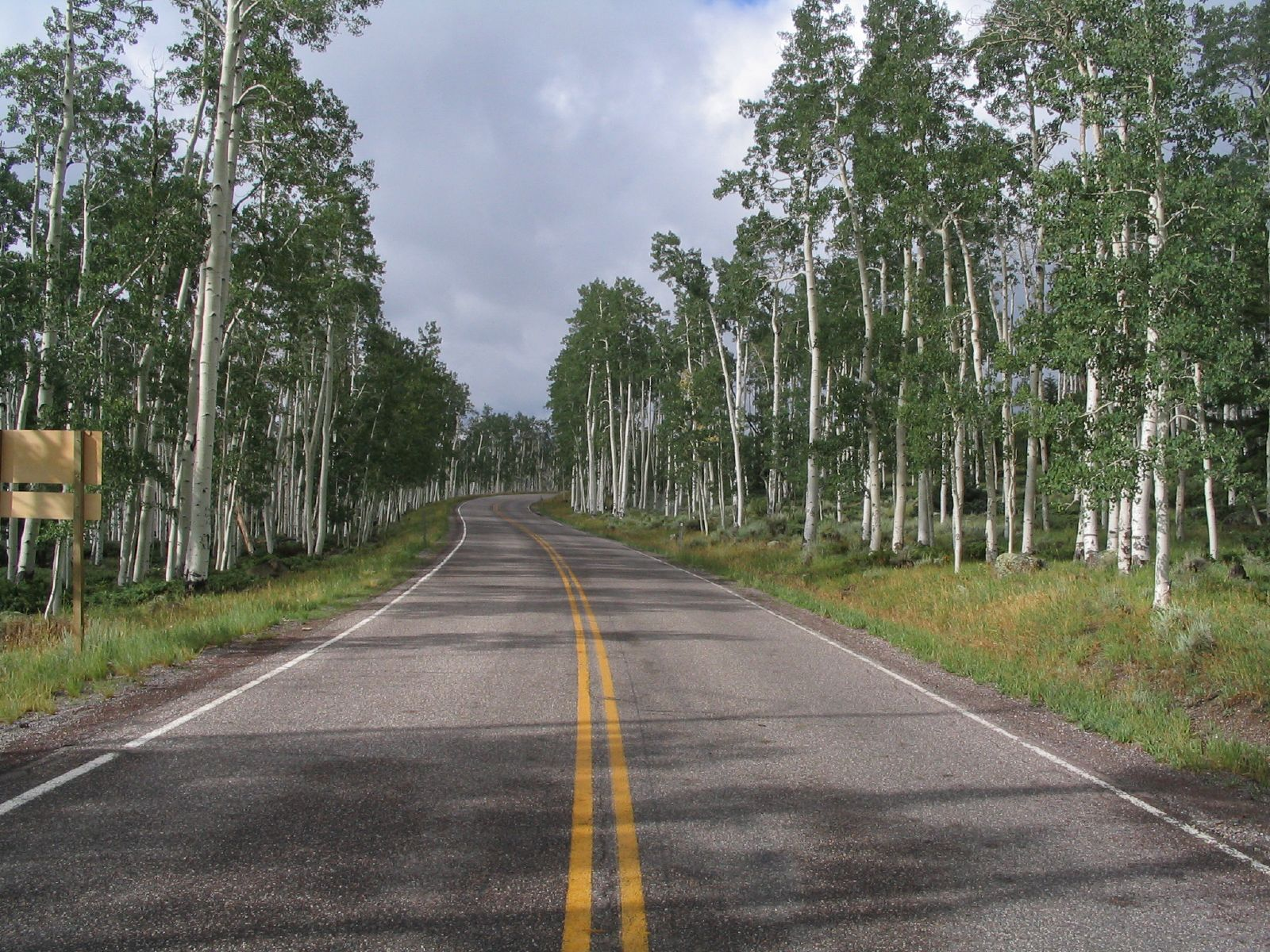
If Pando’s size is astonishing, its age may be even more so. Because the organism continually renews itself, sending up fresh trunks as old ones die, while the underlying root system lives on, Pando as a whole is thought to be extraordinarily old, with estimates of its age reaching into the tens of thousands of years. Some estimates suggest the organism may have been growing and cloning itself for something on the order of 80,000 years, which would make it one of the oldest living organisms on Earth.
It’s important to note that dating an organism like Pando is very difficult, and the age estimates are imprecise and uncertain; scientists caution that no one can say for sure exactly how old it is. But even conservative estimates place its age far beyond that of any individual tree, and the possibility that it has persisted for many thousands of years is widely entertained. Consider what that means: while individual aspen trunks in Pando live perhaps a century or so before dying and being replaced, the organism itself may have been continuously alive, spreading and renewing, since long before the dawn of human civilization, since the last Ice Age or even earlier. Through all the vast changes the world has seen over those millennia, Pando has steadily persisted in its corner of Utah, sending up trunk after trunk, generation after generation, a living link to the deep past. It is, in a real sense, an ancient monument, not of stone, but of life itself.
A Giant in Decline
For all its endurance, Pando is now facing serious trouble, and scientists have grown concerned that this ancient giant is in decline. Research in recent years has found that Pando is not regenerating the way it should. In healthy conditions, as older trunks die, the organism sends up plenty of new young shoots to replace them, keeping the forest renewed across the generations. But studies have found that in much of Pando, this renewal is failing; there are too few young and middle-aged trunks coming up to replace the aging older ones. In effect, the organism has become dominated by old trunks, with insufficient young growth to sustain it into the future, an imbalance likened to a community made up almost entirely of the elderly.
A major culprit appears to be grazing animals. Deer and other animals feed on the tender young aspen shoots as they emerge, eating them before they can grow into mature trunks. With its new growth being continually nibbled away, Pando struggles to replace its dying trunks, and the organism slowly thins and shrinks. Other pressures, including drought, disease, and human development in and around the area, may also be contributing to the decline. Researchers have found that where sections of Pando have been fenced off to keep grazing animals out, young aspens are able to grow and thrive, suggesting that protecting the new shoots is key to the organism’s survival. This has pointed the way toward conservation efforts aimed at preserving Pando, but the challenge is significant, and the fate of this ancient living wonder is not assured. After tens of thousands of years, the trembling giant needs help to keep going.
Why Pando Matters
Pando is far more than a botanical curiosity or a record-holder; it is a source of real wonder and a poignant reminder of the marvels and fragility of the natural world. The very idea of it, a single organism that has lived for tens of thousands of years, that weighs millions of pounds, and that presents itself as an entire forest, expands our sense of what life can be and how long it can endure. It challenges our everyday assumptions about individuality and identity in the living world, showing us a being that is simultaneously one and many, ancient and ever-renewing.
At the same time, Pando’s plight carries an important message. Here is an organism that survived for an almost unimaginable span of time, weathering ice ages and countless changes, only to falter in the present day under a combination of pressures. Its decline is a reminder that even the most robust and ancient forms of life can be vulnerable, and that the natural wonders we are lucky to share the planet with may need our care and protection to endure. There is something moving about the effort to save Pando, to ensure that this trembling giant, which has stood through so much for so long, continues to send up its shimmering trunks for generations to come. Pando invites us to marvel at the astonishing creativity and persistence of life, and to remember our responsibility to protect the irreplaceable wonders of the world we live in. It is a single tree, a whole forest, an ancient giant, and a living treasure well worth cherishing.
Like our content? Follow us for more.