

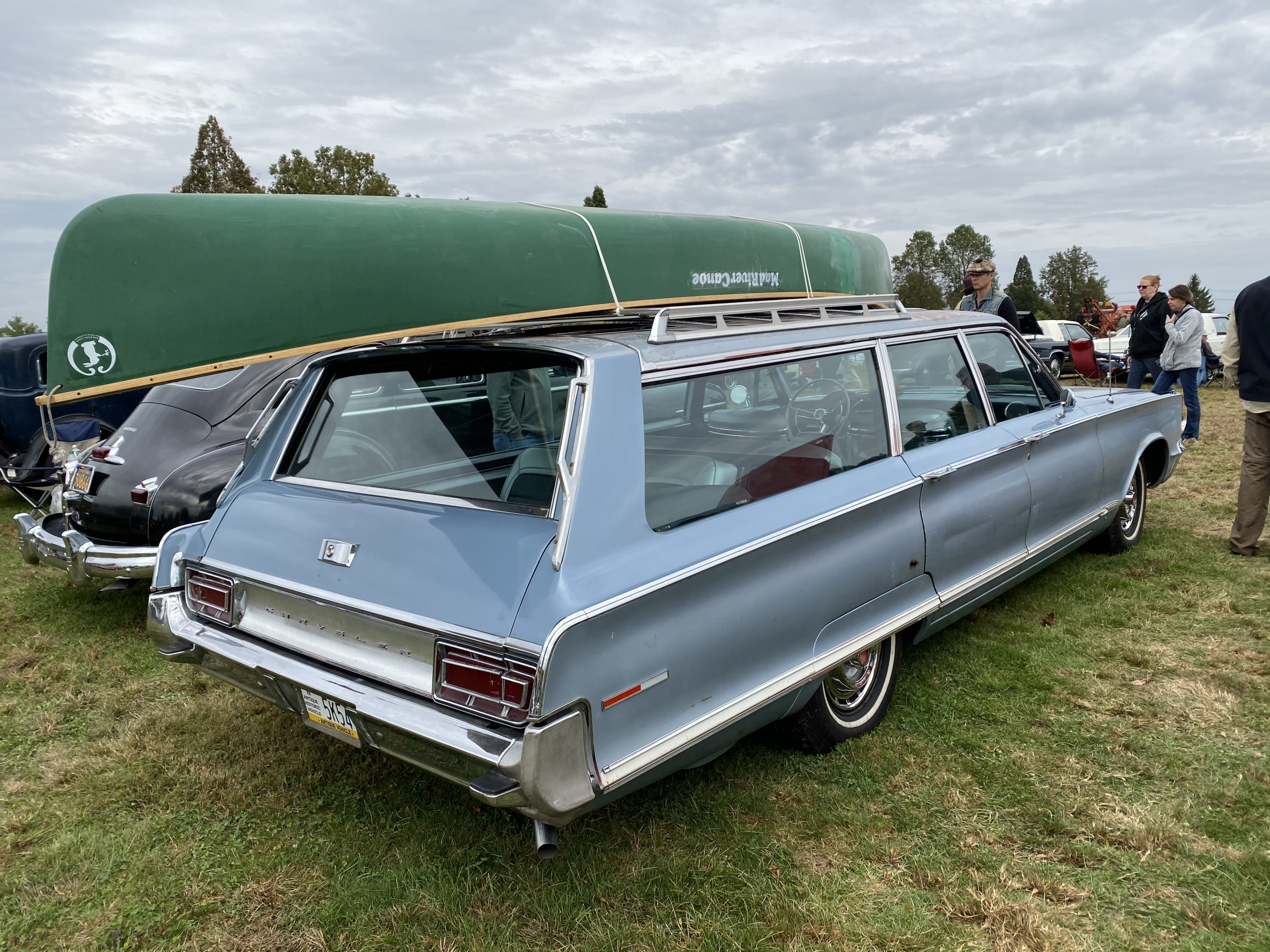
For families in 1975, summer meant loading up the car and hitting the open road, and the experience bore almost no resemblance to a modern family road trip. There were no screens to keep the kids quiet, no GPS to find the way, and no climate-controlled comfort at the touch of a button. There was also, frankly, very little of what we would now consider basic safety. The road trip of the 1970s was an adventure of freedom, boredom, and improvisation, and for those who lived it, the memories are golden. Here is a look back at what defined the classic American family road trip of 1975, and why so much of it would be unthinkable now.
Riding Loose in the Back of the Station Wagon
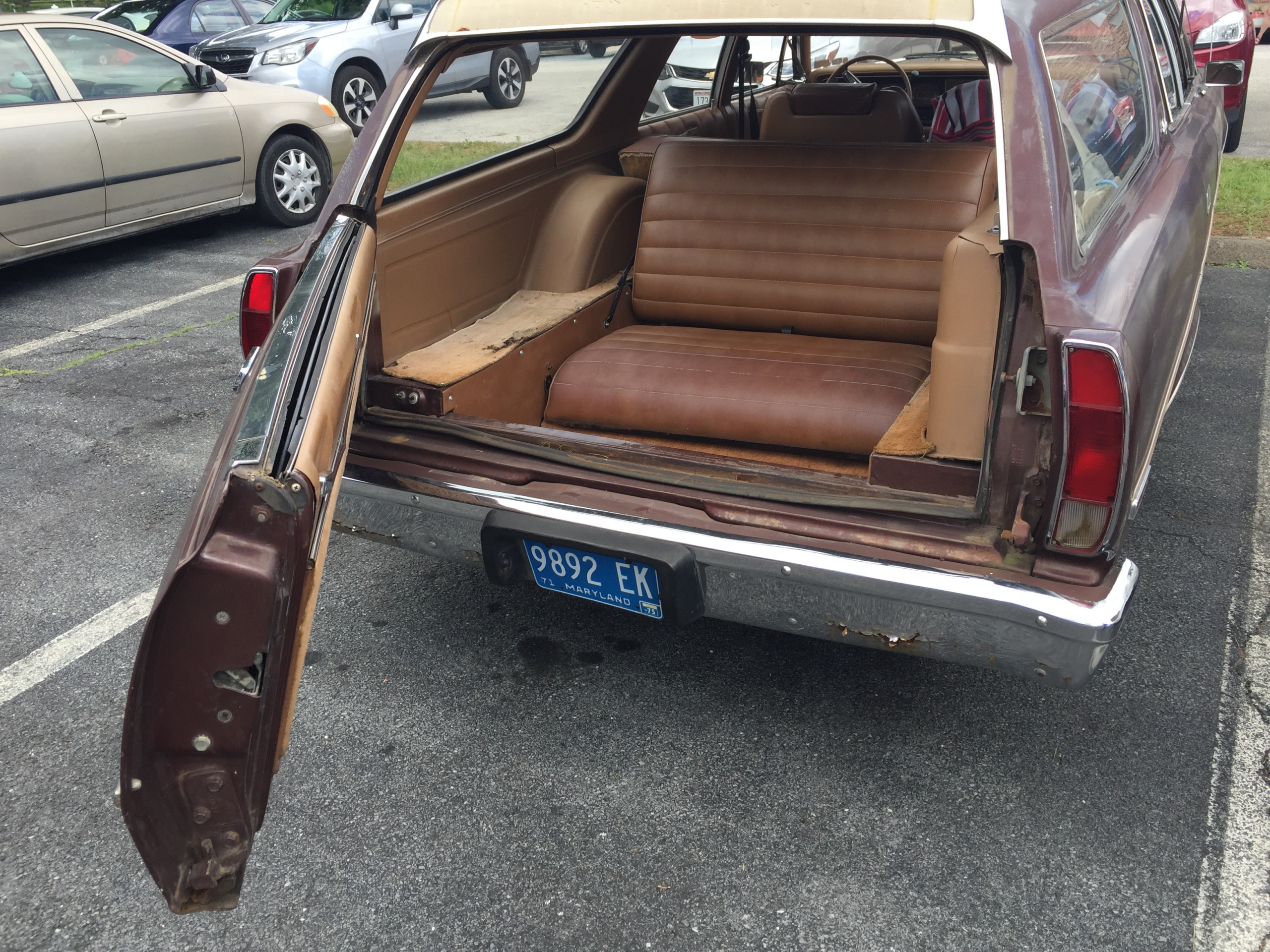
The iconic family vehicle of the era was the station wagon, and its most beloved feature was the rear cargo area, where kids would sprawl out for the journey. Children rode in the very back, often facing out the rear window, with no seats and certainly no restraints, treating the space like a rolling playroom.
The idea of children rolling around loose in the back of a moving vehicle is genuinely shocking by today’s standards, and modern child-restraint laws make it flatly illegal. But in 1975, it was simply how families traveled, and kids treasured the freedom of the wayback. It is perhaps the single starkest example of how dramatically road-trip safety has changed.
Like our content? Follow us for more.
No Seatbelts, No Car Seats
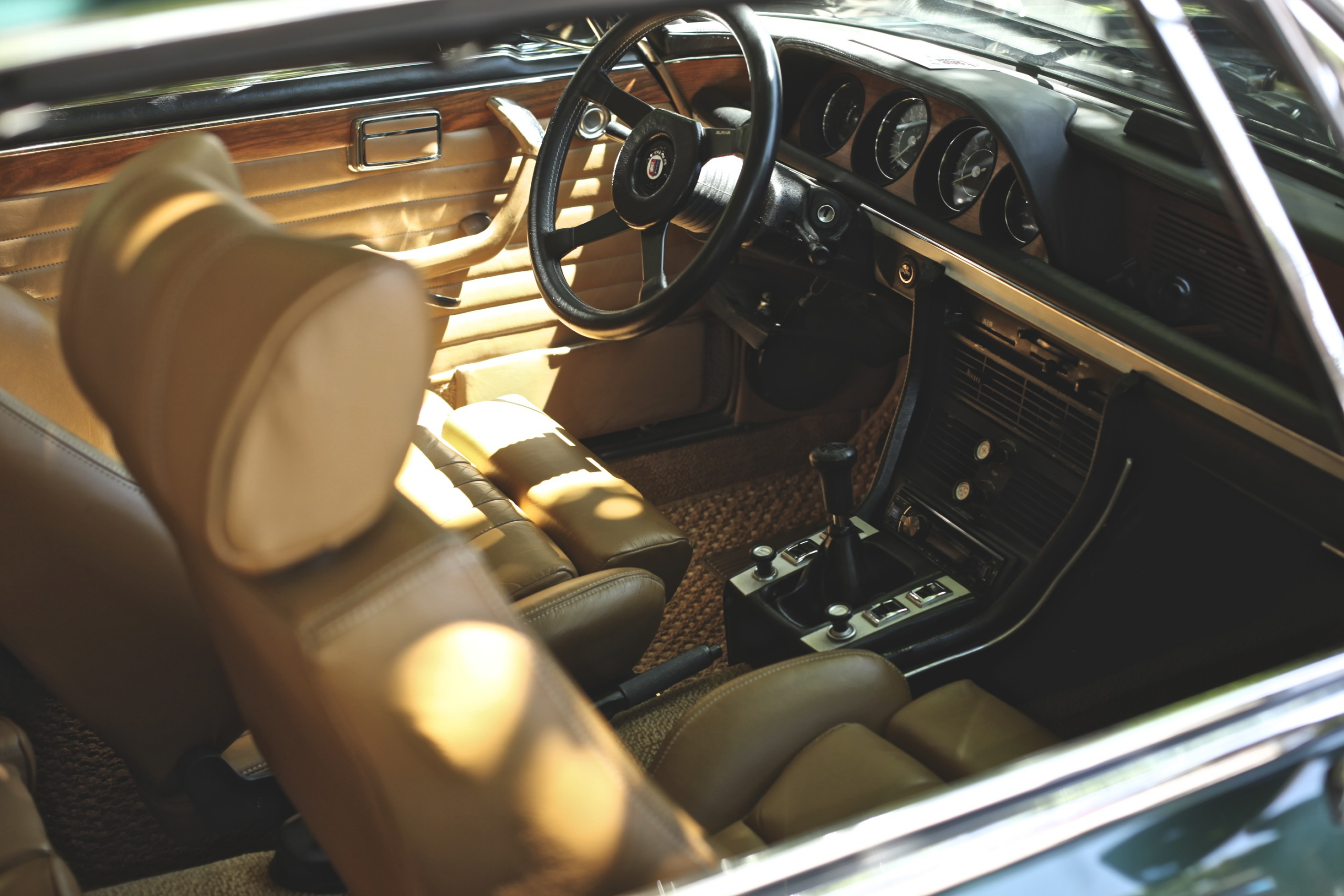
Beyond the station wagon’s cargo area, the broader absence of restraints defined the era. Seatbelt use was minimal even where belts existed, and the modern car seat for infants and toddlers was not the rigorously engineered, legally required fixture it is today. Small children often simply sat on a parent’s lap or bounced freely across the bench seats.
Today, child-safety seats and seatbelts are mandatory, backed by decades of research and strict laws, and the casual approach of 1975 would result in tickets and genuine danger. The transformation in vehicle safety is one of the great public-health success stories of the past half-century, and the freewheeling road trips of the ’70s are a vivid reminder of how far things have come.
Navigating by Paper Map and Atlas

With no GPS or smartphones, finding the way meant relying on paper maps, the well-worn road atlas in the glove box, and the foldable state maps often available free at gas stations. The family navigator, usually a parent in the passenger seat, wrestled with enormous, impossible-to-refold maps while calling out directions.
Getting lost was a routine part of the adventure, as were arguments over directions and the occasional stop to ask a local for help. The skill of reading a map, once essential for any road trip, has largely faded in the age of turn-by-turn navigation. The paper map, with all its frustrations and charm, was the indispensable tool of the 1975 road trip.
A Cooler Full of Homemade Snacks
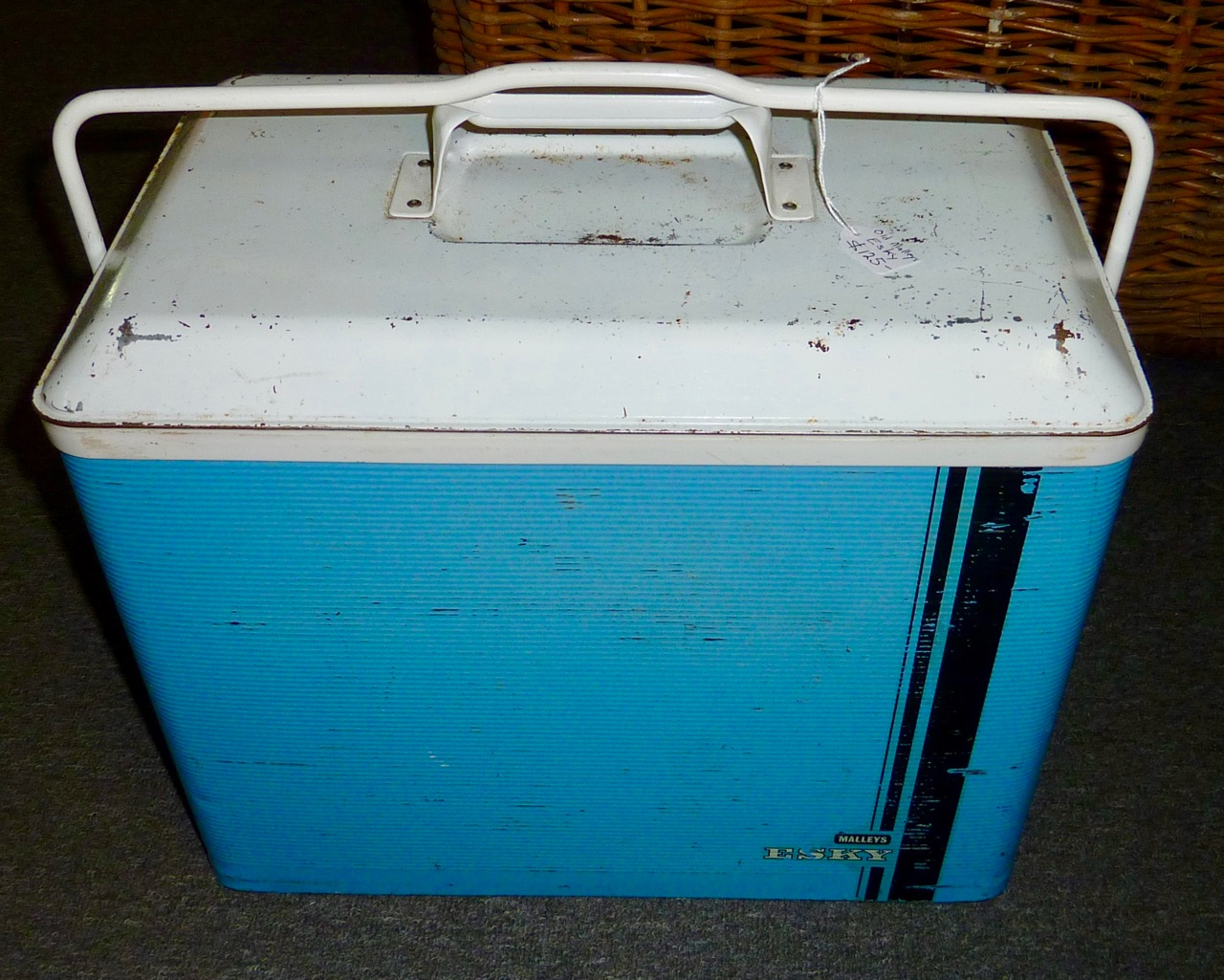
Long before the era of constant drive-throughs and convenience stores at every exit, the road-trip cooler was essential. Families packed sandwiches, hard-boiled eggs, fruit, and homemade treats, along with a thermos of coffee and bottles of soda, to sustain them between stops.
Roadside picnics at rest areas and scenic pullouts were a beloved ritual, breaking up the drive and saving money. While road snacks endure, the self-sufficient, home-packed cooler reflected an era with fewer convenient options and a more frugal, prepared approach to travel. The roadside picnic table, spread with a homemade lunch, is a quintessential image of the 1970s family vacation.
Smoking in the Closed-Up Car

One detail that startles modern sensibilities: parents frequently smoked in the car, windows often rolled up, with the kids in the back breathing it all in. Cigarette smoking was woven into daily life, and the family car was no exception, ashtrays built right into the dashboard and armrests.
As understanding of the dangers of secondhand smoke grew, this practice became unthinkable, and many places now ban smoking in cars carrying children entirely. The built-in ashtray, once a standard car feature, has vanished from modern vehicles. It is one of the clearest markers of how thoroughly attitudes toward smoking, and children’s health, have changed.
No Air Conditioning, Just Open Windows
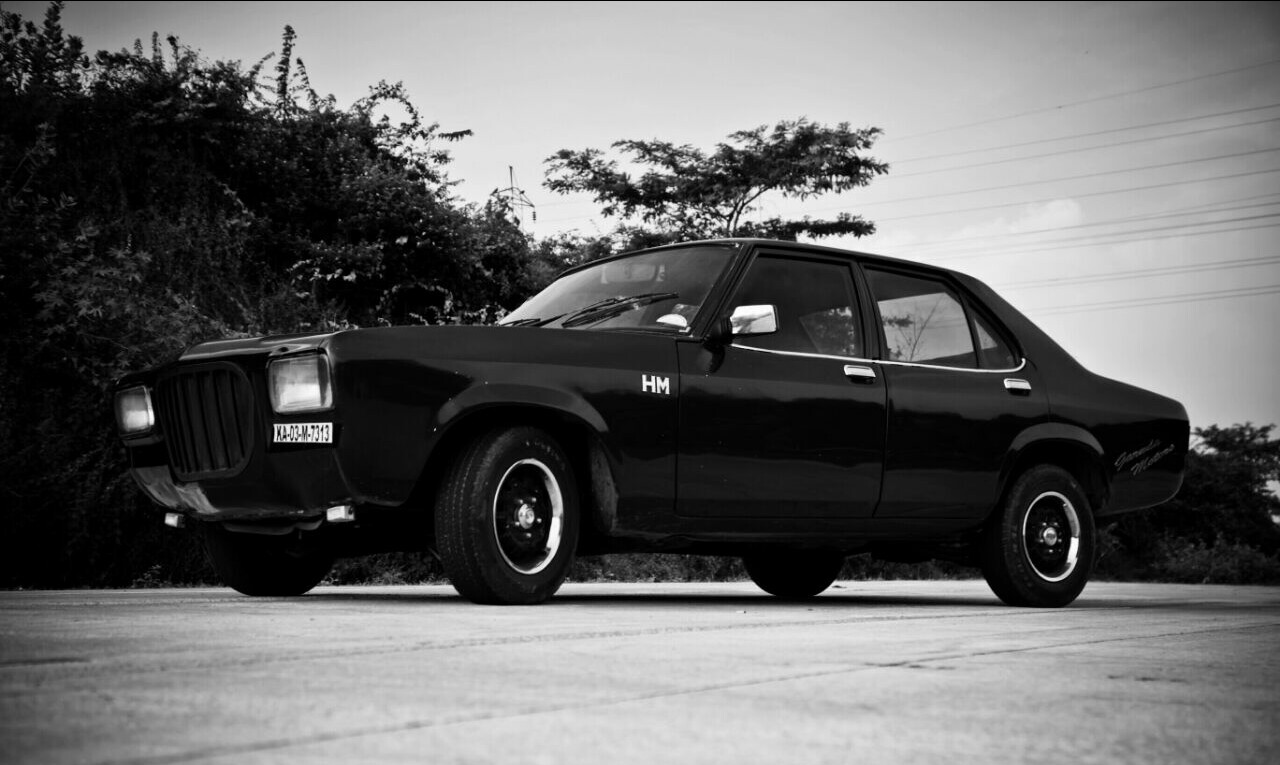
Many cars in 1975 lacked air conditioning, or had units that struggled in real heat, so summer road trips meant rolling down the windows and enduring the warm air rushing in. Families crossed sweltering states with the windows down, hair whipping, conversation shouted over the wind.
The arrival of reliable, universal air conditioning transformed the road-trip experience, sealing families into cool, quiet comfort. The sweaty, windblown drives of 1975, with everyone sticky and squinting against the sun, are a sensory memory for a whole generation. Modern climate-controlled travel is undeniably more comfortable, but something of the visceral feel of the open-window road trip was lost.
Keeping Kids Entertained Without Screens
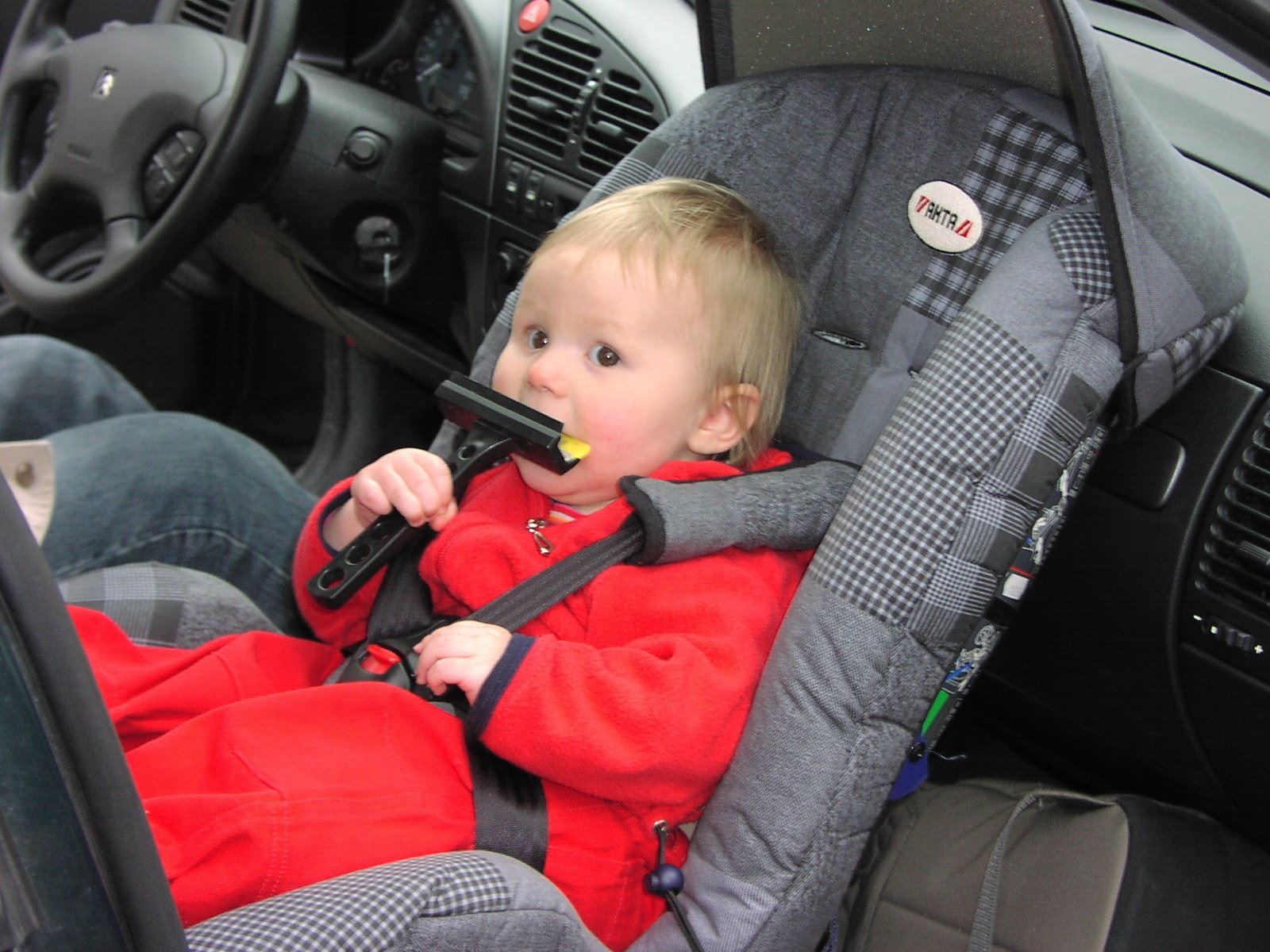
With no tablets, phones, or in-car video, kids in 1975 had to entertain themselves on long drives, and they developed a whole repertoire of road-trip games. The license-plate game, counting cars, spotting landmarks, sing-alongs, and the endless chorus of “are we there yet?” filled the hours.
Boredom was a constant companion, and learning to cope with it, to look out the window, daydream, and invent games, was simply part of the journey. Today’s screen-equipped road trips keep children occupied but have largely ended the era of collective car games and window-gazing. The screen-free road trip demanded imagination, and it produced a particular kind of shared family experience.
The Roadside Motel and the Vacation Itself
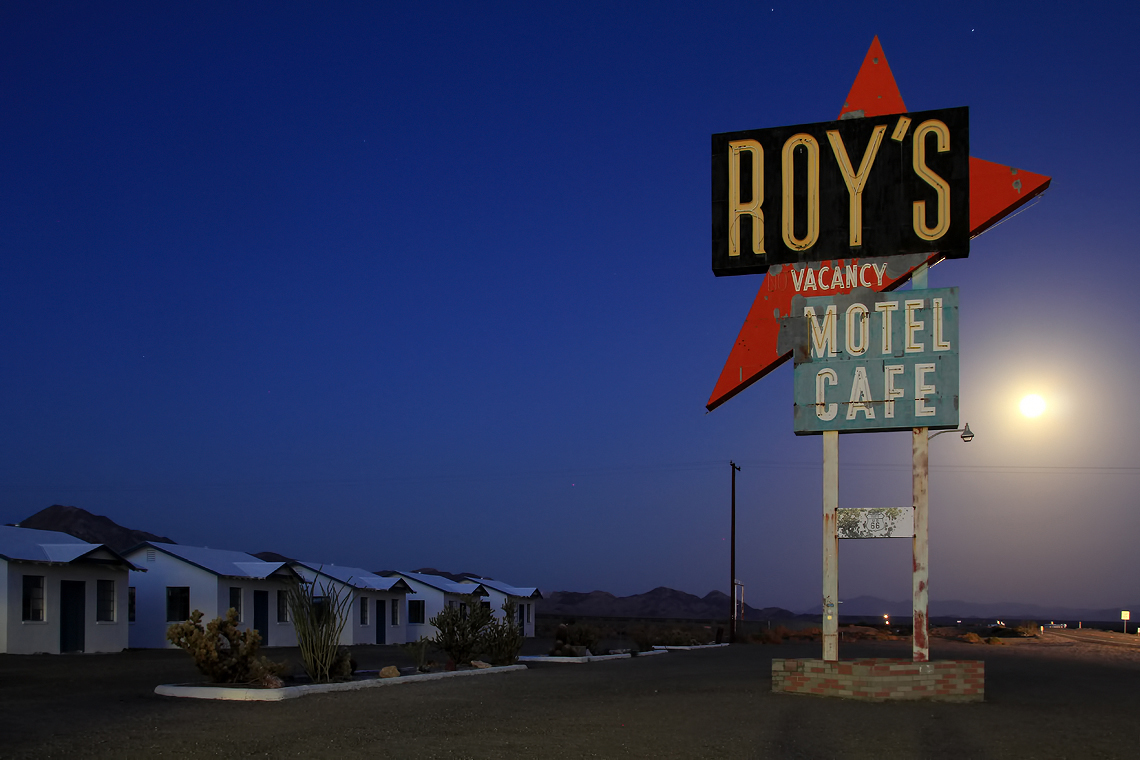
The 1975 road trip was punctuated by classic roadside motels, with their neon signs, drive-up rooms, and swimming pools that thrilled tired kids. Travel was slower and more spontaneous, with families often stopping when they were tired rather than booking everything in advance.
The whole rhythm of the trip, the roadside attractions, the diners, the unplanned detours, reflected a more leisurely, improvisational style of travel. The classic American road trip of 1975 was as much about the journey as the destination, an adventure defined by freedom, simplicity, and a degree of risk that modern families would never accept. For all its dangers and discomforts, it remains one of the most cherished memories of a generation, a reminder of a time when hitting the road meant truly setting out into the unknown.
Why the Road Trip Changed Forever

The transformation of the family road trip was driven by the same forces that reshaped so much of modern life: dramatically improved safety standards, new technology, and changing attitudes. Mandatory seatbelts and car seats, smoking restrictions, GPS navigation, universal air conditioning, and in-car entertainment have made road trips safer and more comfortable than ever.
Something was gained, and something was lost. Today’s road trips are immeasurably safer, and few would seriously wish to return to loose kids in the wayback and smoke-filled cars. Yet the freedom, spontaneity, and shared experience of the 1975 road trip hold a powerful nostalgic pull. The memories of those windblown, mapless, screen-free adventures endure precisely because they belonged to a different world, one that, for better and worse, has driven off into the past.
Like our content? Follow us for more.
