


The 1960s were a decade of enormous change, but for most ordinary families, daily life followed rhythms and customs that look strikingly different from today. From the cost of living and the structure of the household to how people worked, shopped, and spent their evenings, the texture of everyday life in the ’60s reflected a very different era. It was a time of single-income families, tight-knit neighborhoods, and simpler routines, with both charms and limitations we rarely think about now. Here’s a look at what normal, everyday life was actually like in the 1960s, the economics, the social norms, and the daily routines that shaped how ordinary people lived through this transformative decade.
The Cost of Living
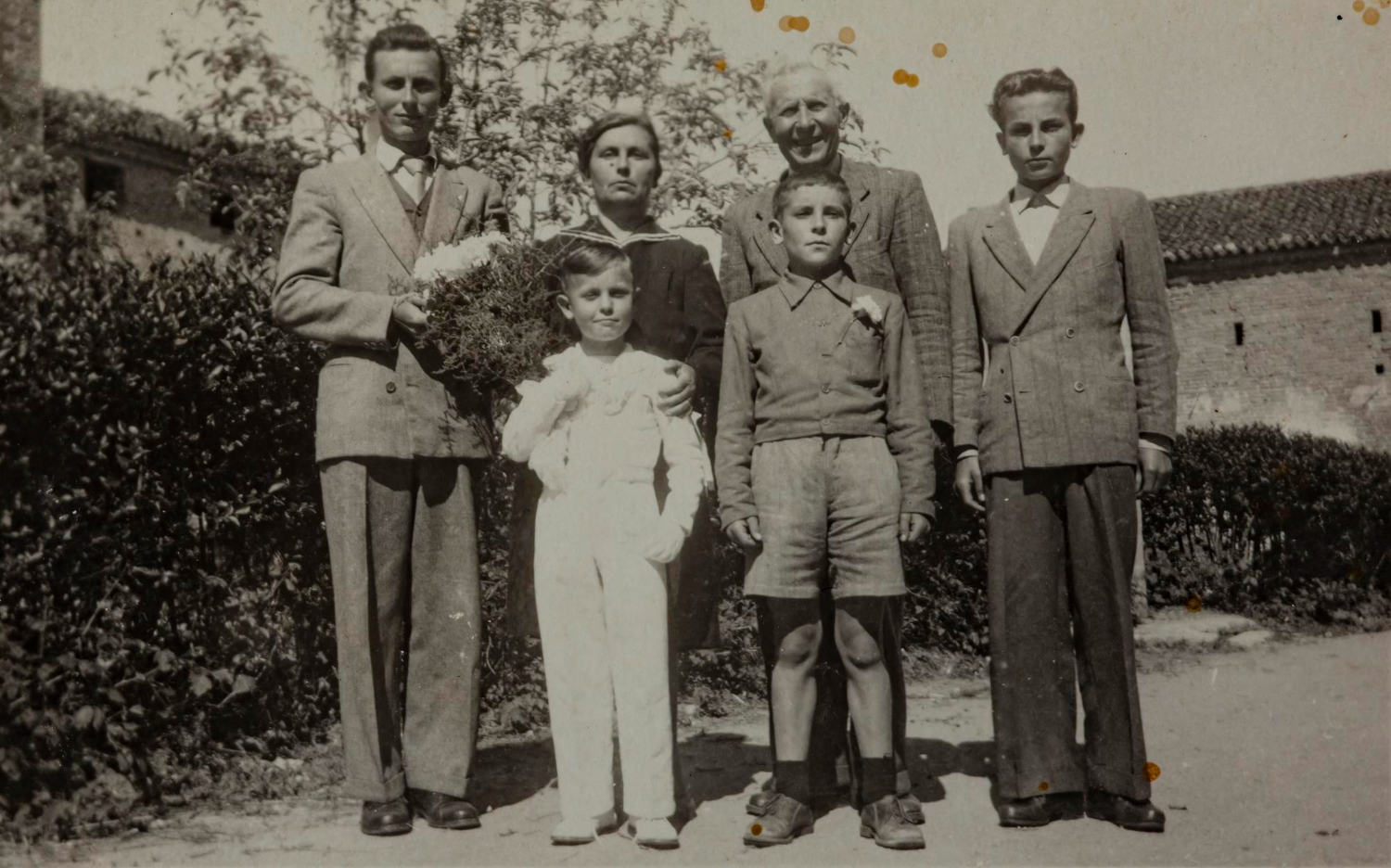
One of the most striking differences was the cost of everyday life. In the 1960s, prices for housing, cars, groceries, and gas were dramatically lower than today, even accounting for inflation, the math of daily life looked very different. A modest house, a new car, a tank of gas, or a week’s groceries cost a fraction of what they do now in raw dollars. While wages were correspondingly lower, many families found that a single paycheck could stretch to cover a home, a car, and raising children. This affordability shaped the era’s optimism and its vision of an attainable middle-class life, a defining feature of how people experienced the decade.
Like our content? Follow us for more.
The Single-Income Household
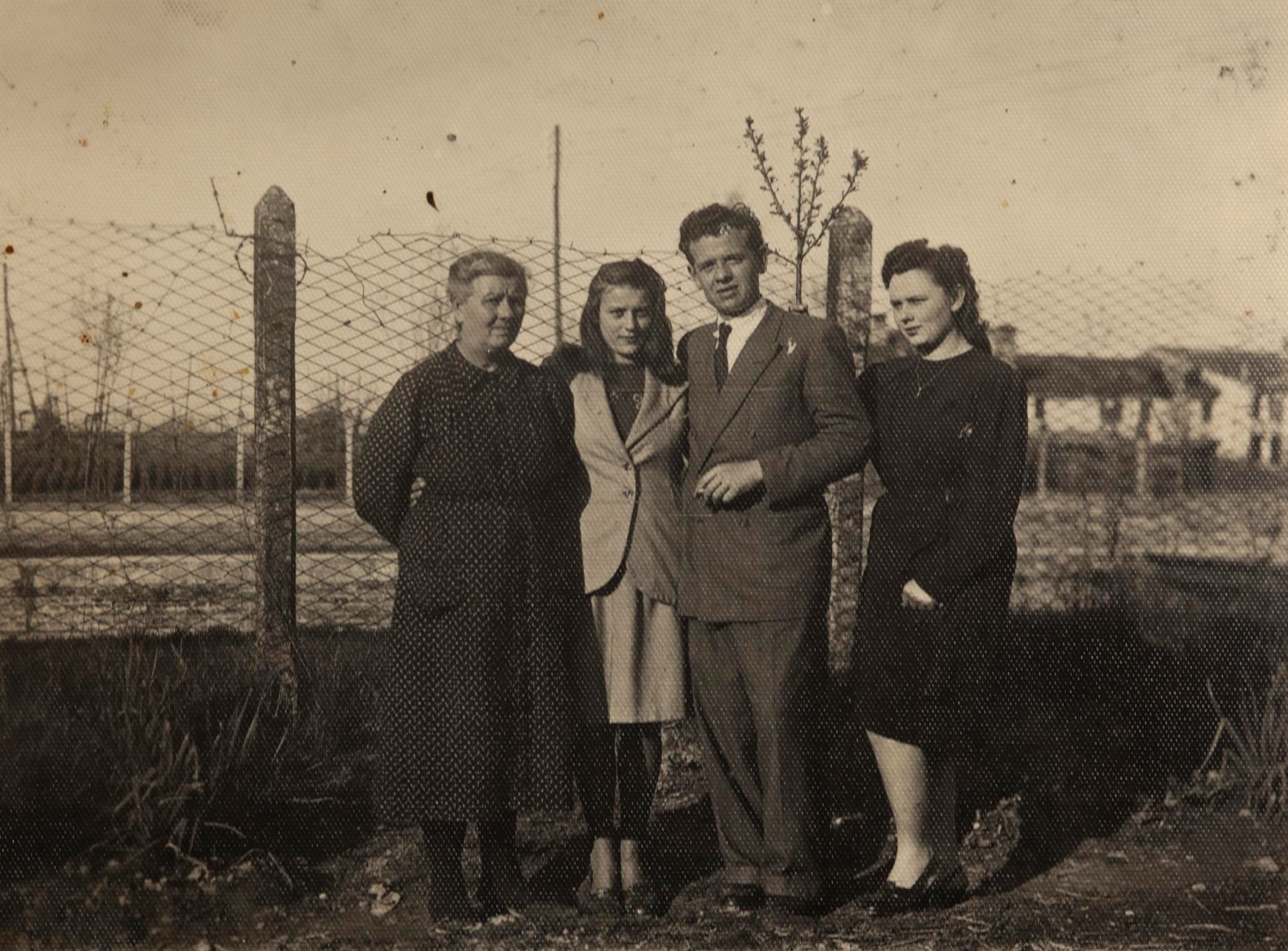
For many families, the 1960s household ran on a single income, typically the father’s, while the mother managed the home and children. This arrangement, though far from universal and increasingly questioned as the decade went on, was a widespread cultural norm. A single working parent could often support a whole family, buy a home, and maintain a middle-class lifestyle, something far harder to imagine for many today. Traditional gender roles structured daily life, with distinct expectations for men and women. While the era’s rigid roles were limiting in significant ways, and would be challenged dramatically in the years that followed, this single-income family model was central to how ’60s domestic life was organized.
A Tight-Knit Neighborhood Life
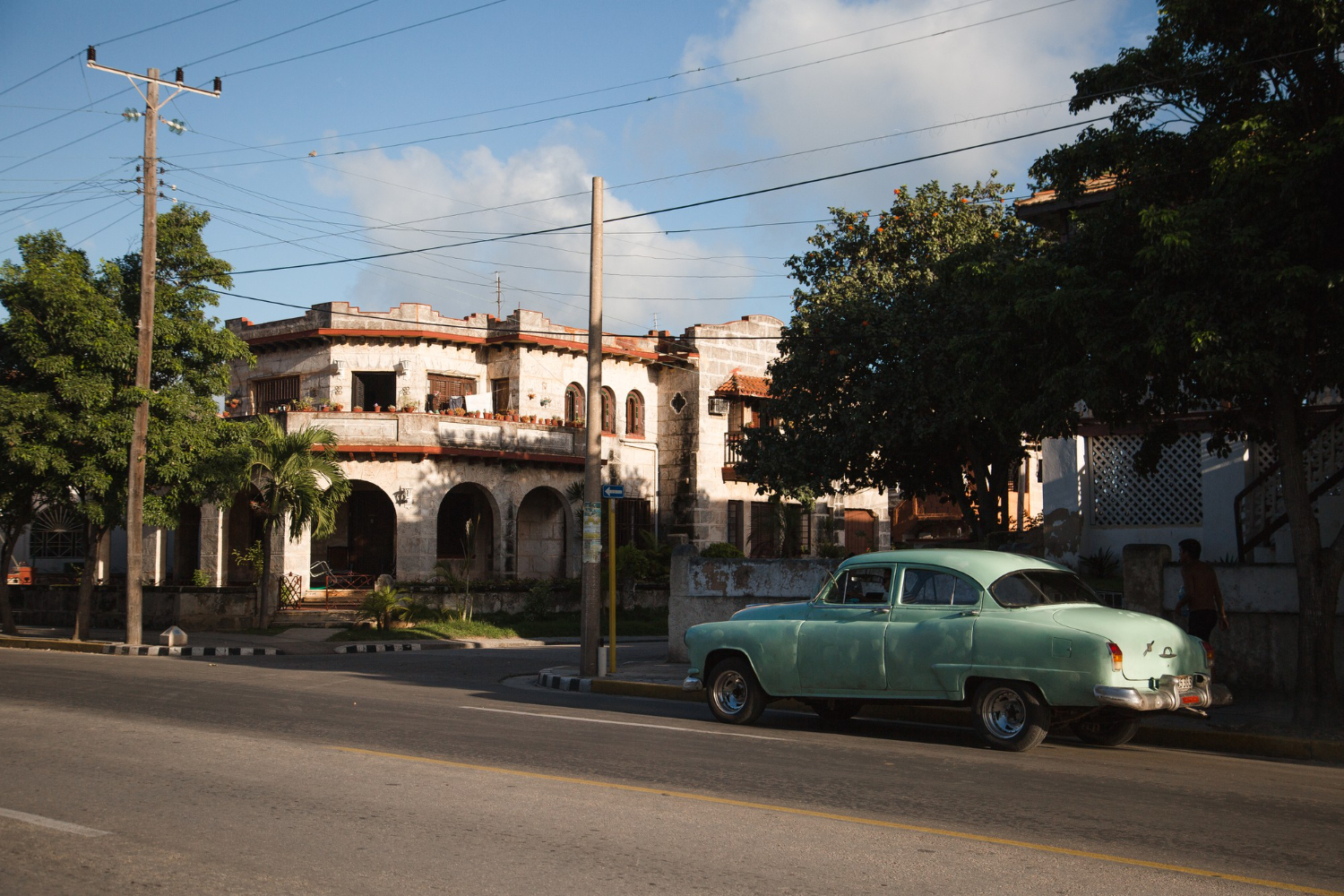
Community life in the 1960s was often local and close-knit. Neighbors knew one another, children played together up and down the street, and front porches, backyards, and local gathering spots were hubs of social activity. Without today’s digital distractions, socializing happened face-to-face: people visited one another, chatted over fences, and relied on their immediate community for support and friendship. There was a strong sense of neighborhood identity and mutual familiarity. This in-person, locally rooted social life fostered tight bonds, though it could also mean less privacy. For many who lived it, the warm, connected feeling of ’60s neighborhood life is among the most fondly remembered aspects of the era.
Shopping and Daily Errands
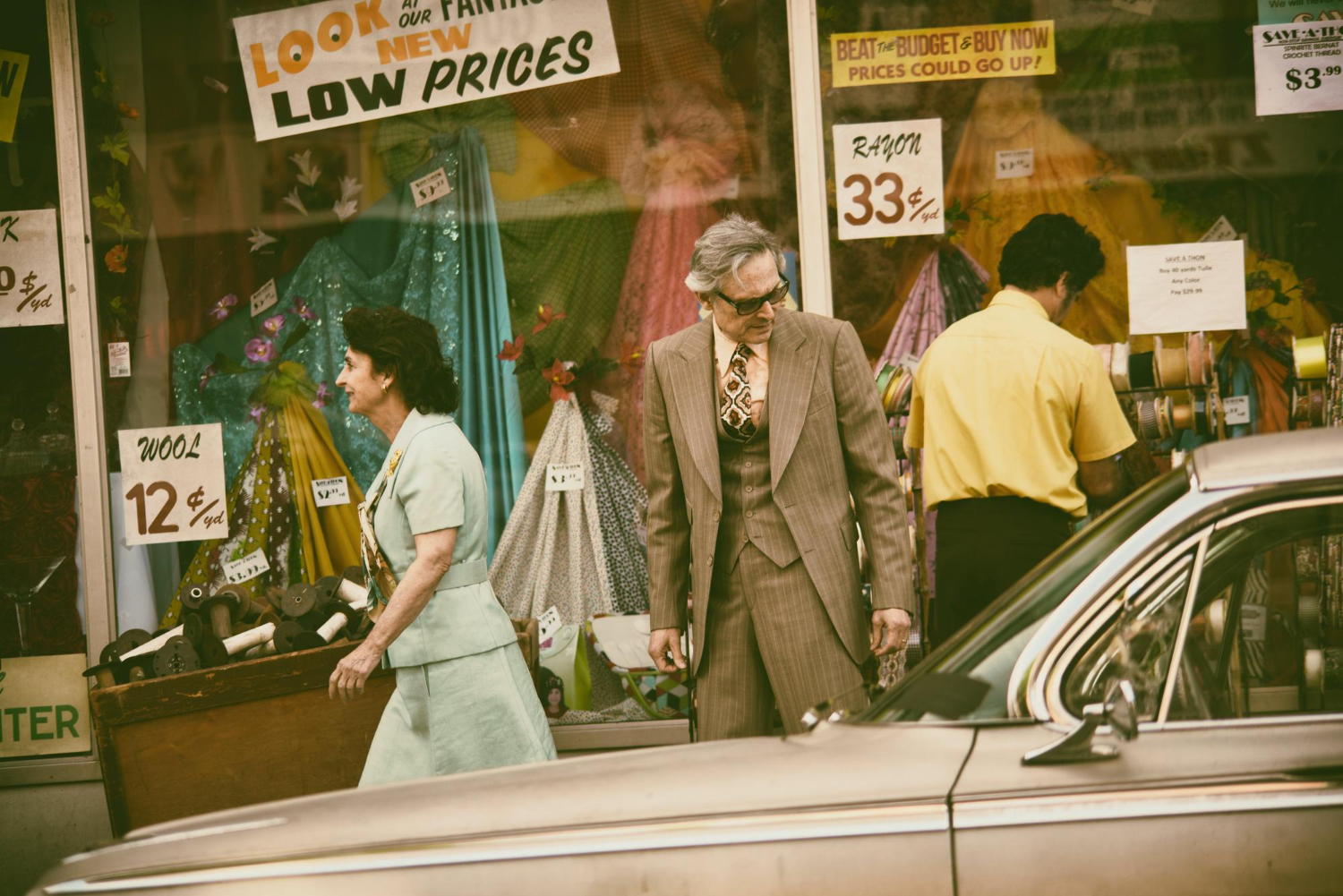
Shopping in the 1960s was a more local, personal, and frequent affair. People often shopped at smaller neighborhood stores, butchers, bakers, and local grocers, where shopkeepers knew them by name, though larger supermarkets were rising in prominence. Home delivery was common: the milkman brought milk to the doorstep, and other goods might be delivered too. There were no big-box megastores or online shopping, so errands meant trips around town and more regular visits to replenish perishables. Paying was done in cash or by check, with credit cards still uncommon. This slower, more personal style of shopping, woven into the fabric of community life, was a routine part of the ’60s everyday experience.
Work and the Office
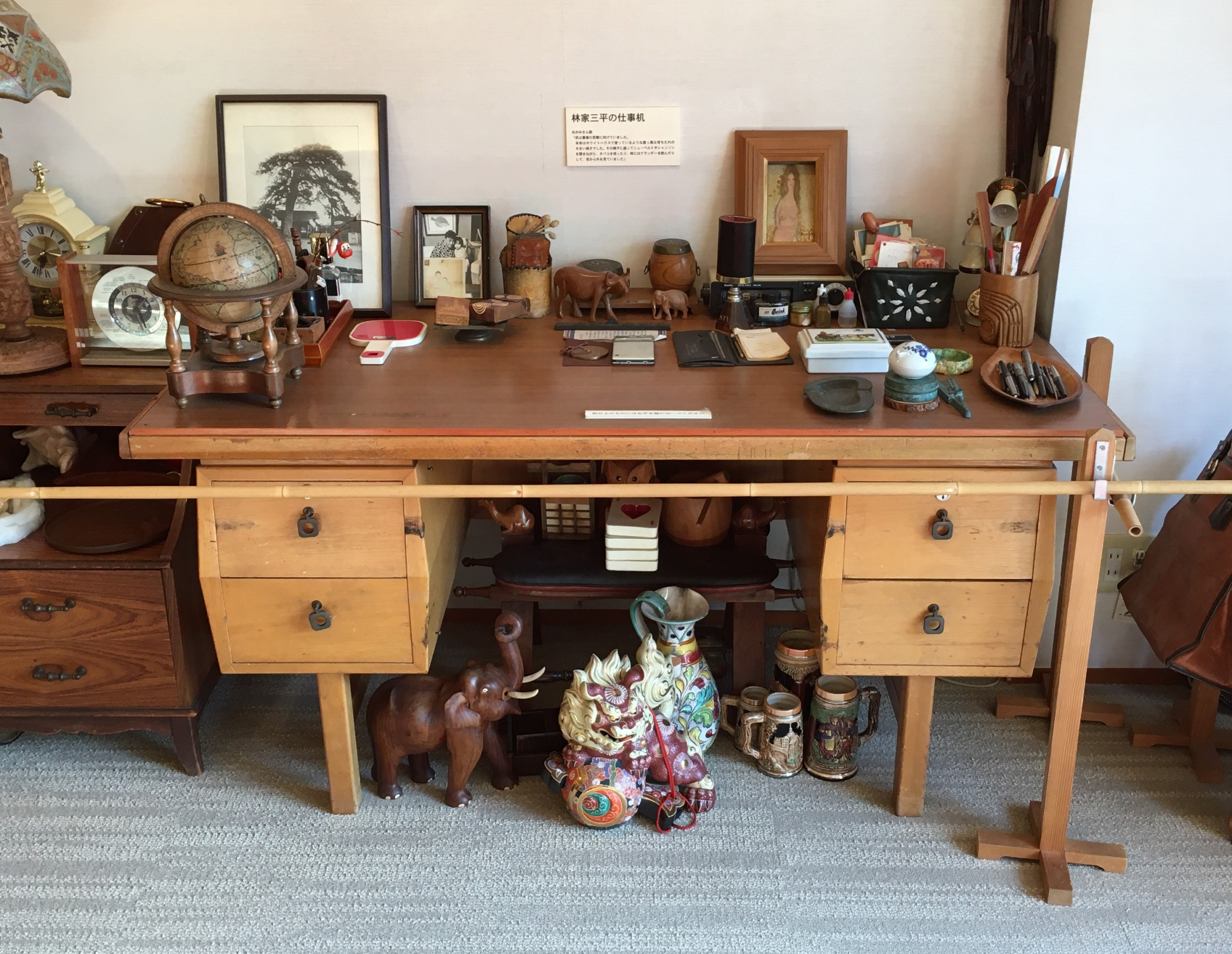
Working life in the 1960s had its own distinct character. Many jobs were stable, long-term positions, and it was common to work for the same company for decades, with the expectation of a pension at the end. Offices ran on typewriters, carbon paper, rotary phones, and paper files, with no computers or email. The work culture was more formal in dress and hierarchy, and the pace, by today’s always-connected standards, was less frenetic. For factory and manual workers, labor was physically demanding but often unionized and stable. The structured, loyal, paper-based world of ’60s work reflected an economy and culture very different from today’s fast-moving, digital, and far less predictable job market.
Evenings at Home
Home entertainment in the 1960s centered on the family television, typically a single set that the whole household gathered around in the evening. With only a few channels available and no way to record or stream, watching TV was a shared, scheduled event built around the evening lineup. Families also listened to the radio and records, read newspapers and magazines, played board games and cards, and simply talked. Children often played outside until dark. Evenings were generally slower and more communal, anchored in the home and family rather than individual screens. This shared, low-tech approach to leisure created a different rhythm to daily life, one centered on togetherness and a handful of common pastimes.
Getting Around
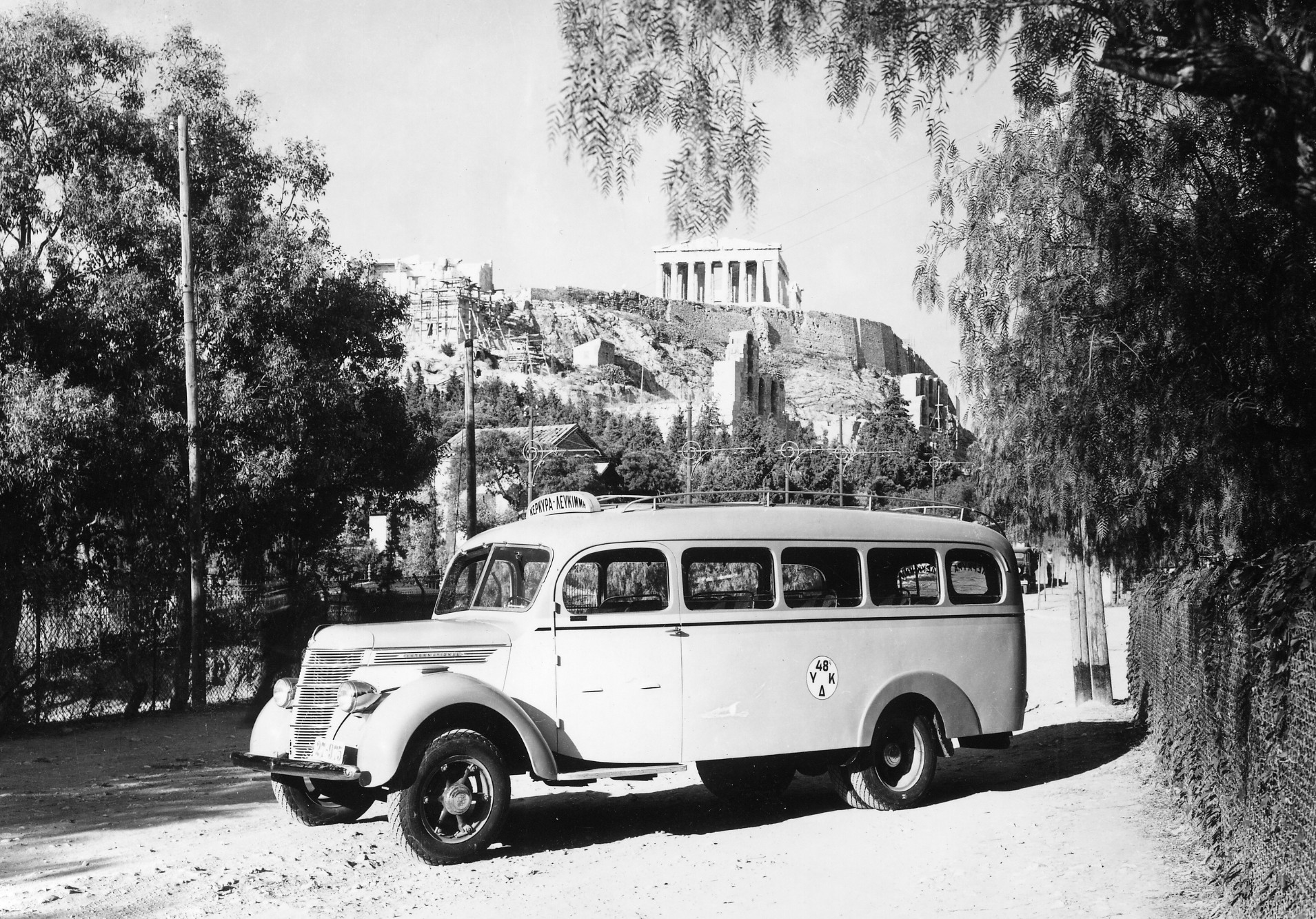
Transportation in the 1960s revolved increasingly around the automobile, as car ownership expanded and suburbs grew, making the family car central to daily life. Big, distinctive American cars cruised the roads, gas was cheap, and the open road symbolized freedom and the era’s optimism. At the same time, many families still relied on public transit, walking, and local services within their communities. Air travel existed but was glamorous and expensive, a luxury rather than a routine. The growing car culture reshaped how people lived, worked, and shopped, fueling suburban expansion. The automobile’s central, aspirational role in daily life was a defining feature of the decade’s lifestyle and landscape.
Communication and Staying in Touch

Staying in touch in the 1960s required patience by modern standards. The household telephone, often a single shared landline, sometimes on a party line with neighbors, was the main way to reach people instantly, and long-distance calls were expensive and used sparingly. For most correspondence, people wrote letters by hand and waited days for replies. There were no mobile phones, texts, or emails, so being out of the house meant being unreachable. News came from newspapers, radio, and the evening television broadcast. This slower, more deliberate pace of communication shaped social life and relationships, and stands in stark contrast to today’s instant, always-on connectivity, requiring a patience few would recognize now.
The Bigger Picture

It’s worth remembering that the 1960s were also a decade of profound social change and upheaval, even as everyday domestic life followed familiar routines. Sweeping movements for civil rights and social change, dramatic cultural shifts, technological leaps like the space race, and major world events all unfolded against the backdrop of ordinary family life. For many people, daily routines of work, home, and community continued steadily even as the wider world transformed around them. This contrast, between the steady rhythms of everyday life and the era’s turbulent, history-making events, is part of what makes the decade so fascinating to look back on, a time of both continuity and remarkable change.
A Vanished Way of Life
Looking back at everyday life in the 1960s reveals a world that, in many ways, has largely disappeared, one of single-income families, tight-knit neighborhoods, local shopping, stable lifelong jobs, and slow, deliberate communication. It was a simpler, more locally rooted, and more affordable way of life in some respects, though one with real limitations and inequities that later decades would work to address. For those who lived it, these everyday rhythms evoke powerful nostalgia; for younger generations, they offer a fascinating window into how dramatically ordinary life has changed in just a few decades. The 1960s everyday world is a vivid reminder of how much, and how quickly, daily life can transform.
Like our content? Follow us for more.
