

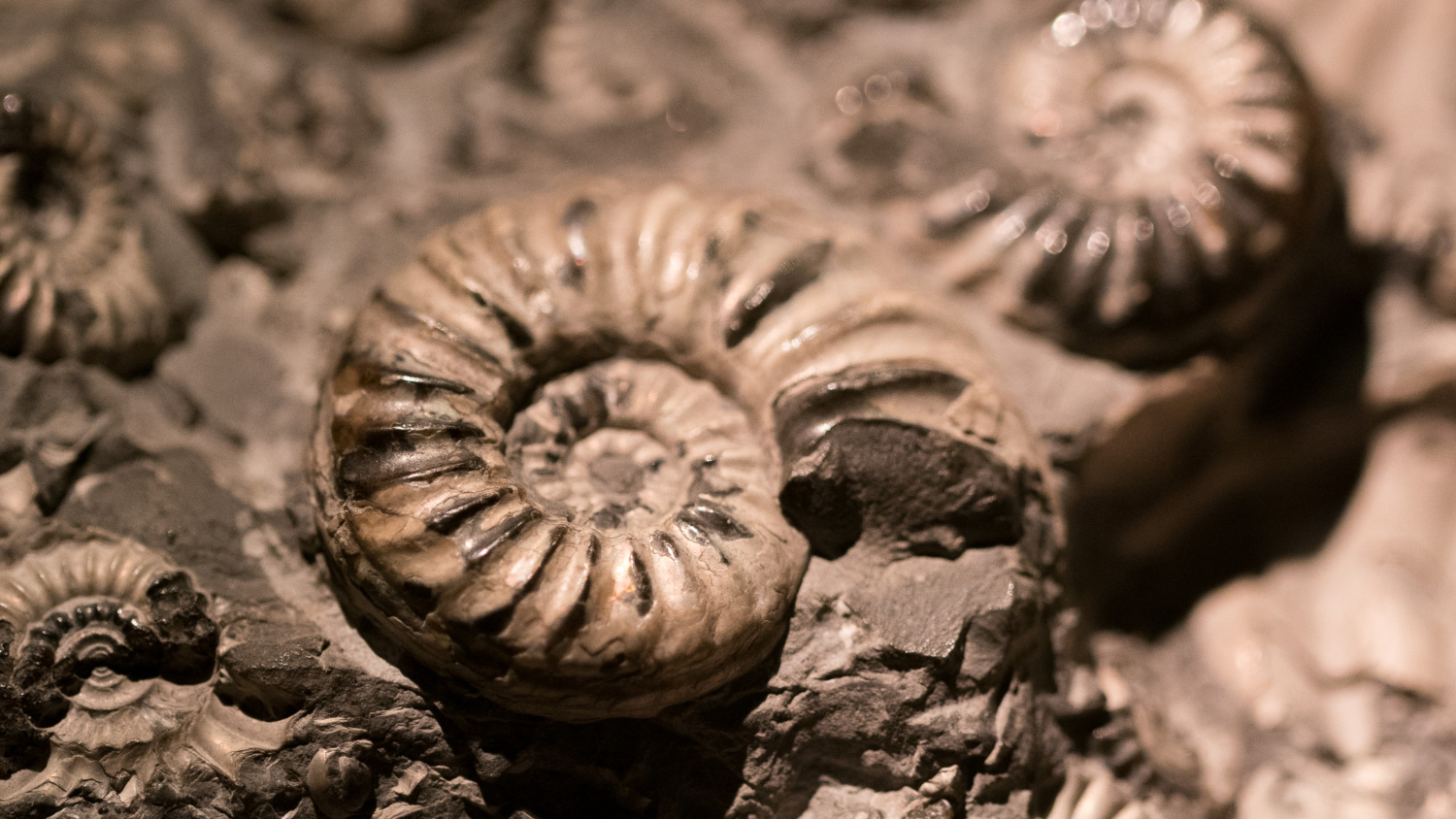
The fossil record is overwhelmingly a record of hard parts.
Bones, teeth and shells survive because they are mineral to begin with. Everything else — muscle, skin, fur, feathers, gut contents, the contents of an eye — decays within days, and the fossil is what remains after that decay is complete.
Which means the standard picture of prehistoric life is assembled from skeletons, with everything about the living animal inferred rather than observed.
There are exceptions, and palaeontologists have a name for them: a site preserving exceptional detail is called a Lagerstätte, a German term meaning roughly a storage place. A handful exist worldwide, and each one is a window rather than a keyhole.
One of the finest is a disused pit in Hesse, in Germany, which very nearly became a hole full of household waste. Here is what it contains and how it survived.
What Makes a Pit Special
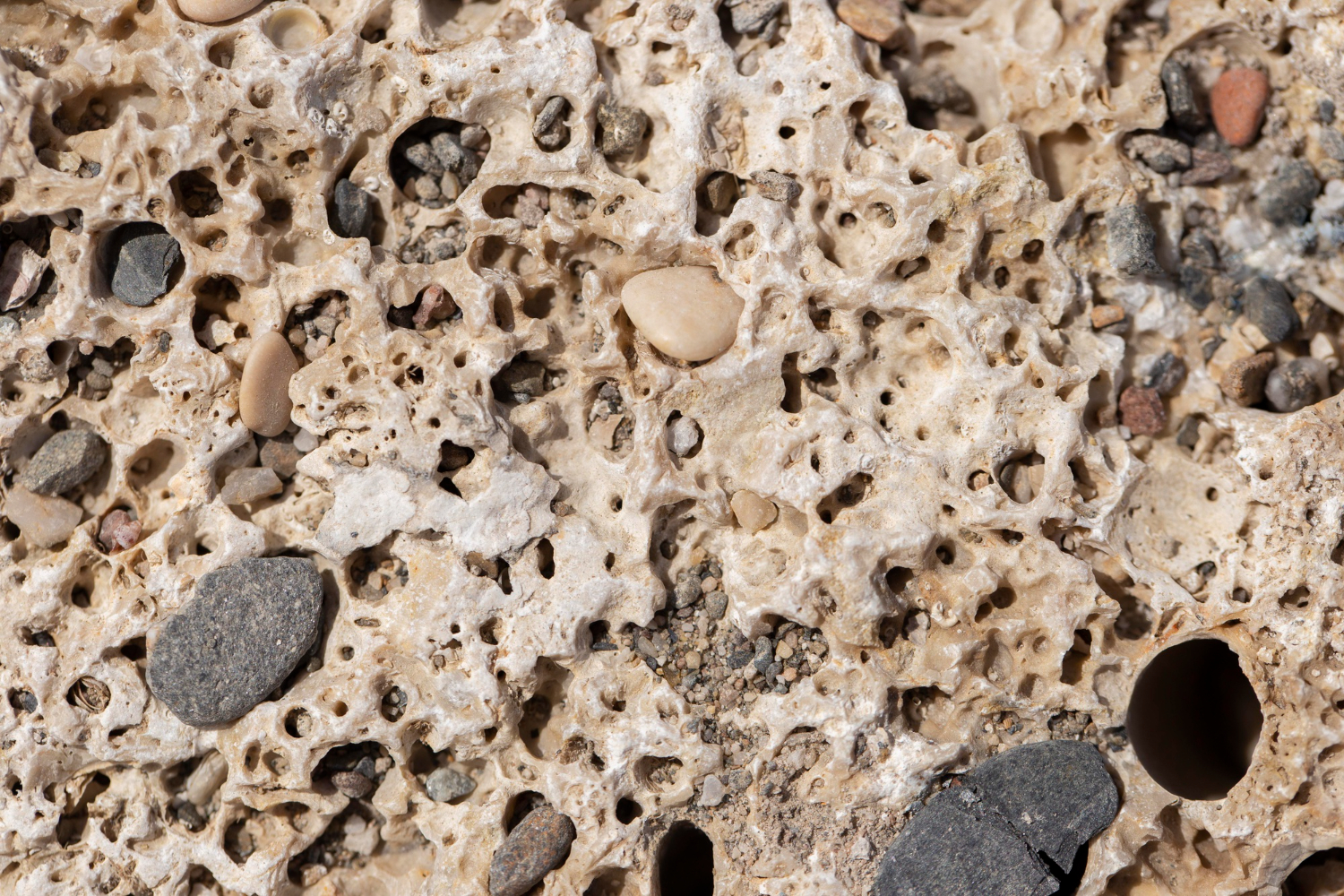
The site is an old quarry where oil shale was extracted, and the shale itself is the reason for everything that follows.
Roughly forty-seven million years ago the location was a deep lake, formed in a volcanic setting, and its particular characteristics did the preserving.
The water column was stratified, meaning the deep water did not mix with the surface. That deep layer was oxygen-free, and an oxygen-free environment is hostile to the bacteria and scavengers that would ordinarily consume a carcass.
Fine sediment settled continuously into that still, anoxic bottom water. Anything that sank was covered gently, quickly and completely, and then left undisturbed.
The result is preservation of a kind that is truly rare: not merely bones, but the outlines of soft tissue, preserved as a dark film against the pale shale.
Like our content? Follow us for more.
What Has Come Out of It
The specimens are the reason the site is famous, and the level of detail is difficult to overstate.
Mammals are preserved with fur outlines visible around the skeleton. Birds retain feather impressions. Insects survive in enormous numbers, in some cases with the microscopic structures that produce iridescent colour still intact, so the original colour can be reconstructed rather than guessed at.
Stomach contents are preserved in numerous specimens, which means the diet of an individual animal can be established directly — what it ate, and in some cases when. That is an extraordinary thing to know about a creature dead for tens of millions of years.
There are specimens preserving pregnancy, with young inside the adult. There are pairs preserved together. There is material showing the last meal of one animal inside the body of another that ate it.
The period matters too. Forty-seven million years ago sits in an epoch when mammals were diversifying rapidly after the extinction that removed the large dinosaurs, and the site captures that expansion at close range — early relatives of horses no larger than a dog, early primates, bats, and a great many things with no obvious modern descendant.
Reading a Stomach
One category of specimen deserves its own explanation, because it does something no skeleton can.
Preserved gut contents turn a fossil from a description of an animal into a record of an afternoon. The specimen shows not only what species existed but what one individual ate, in what quantity, and how recently before it died.
That has consequences beyond the single animal. Identifying plant material in a herbivore establishes which plants were growing there, whether they were fruiting, and therefore what season it was, from a specimen with no other seasonal indicator.
Where the gut contains another animal, the fossil records a food web directly rather than by inference. Palaeontologists ordinarily reconstruct who ate whom from tooth shape and body proportions, which is educated guesswork; a stomach removes the guessing.
Occasionally the preservation extends further, to specimens where an animal that had eaten something was itself eaten, producing two links of a chain established at once.
There are also specimens preserving pregnancy, supplying information about reproduction and development that would otherwise be entirely unavailable for an extinct group.
None of that is recoverable from bone. It exists because a lake happened to have no oxygen at the bottom.
Why the Fossils Look Like That
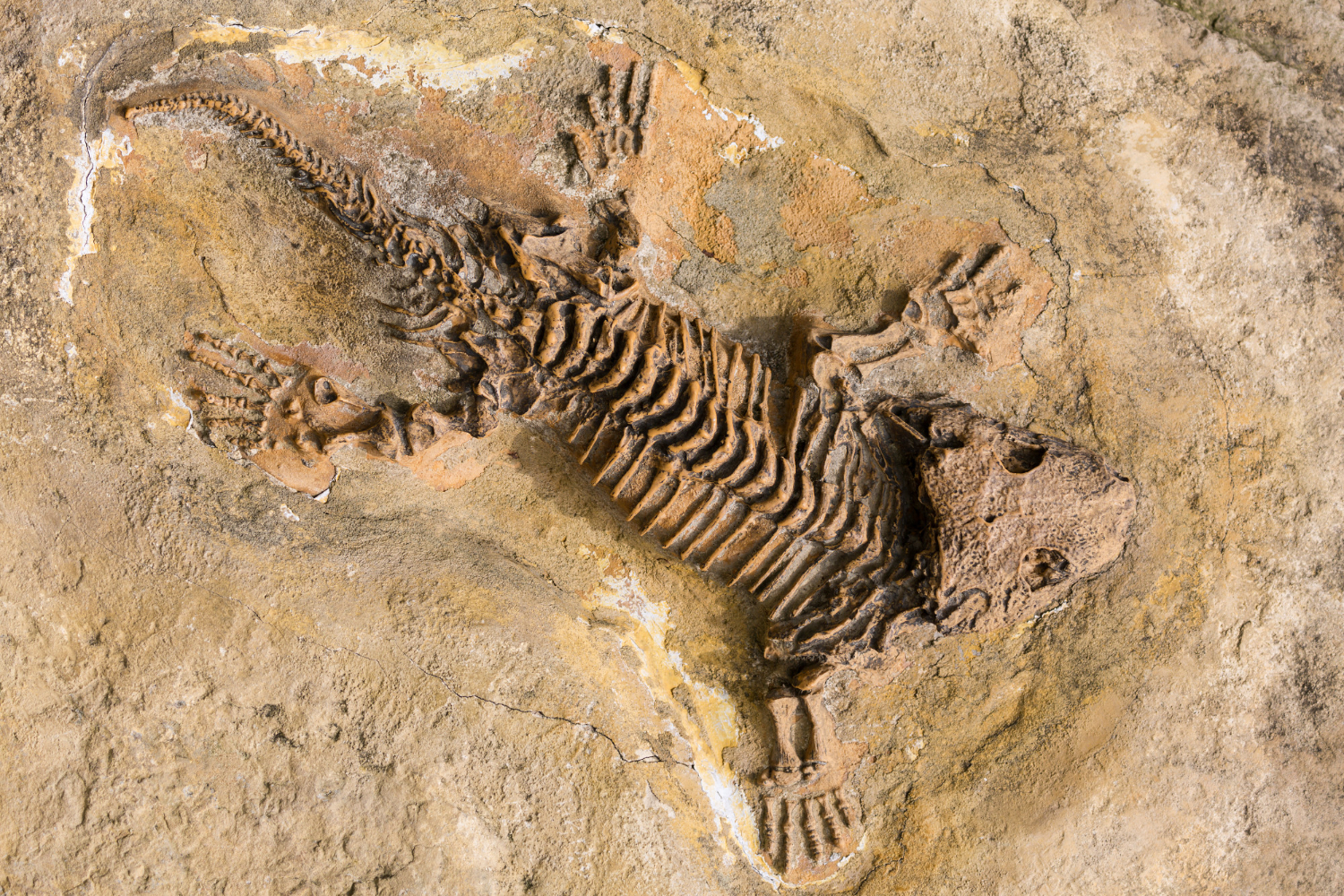
The characteristic appearance is worth explaining, because it is unusual.
Specimens are typically split out of the shale as a dark impression on a lighter background, with the soft-tissue outline formed by a film of bacterial residue rather than by the original tissue itself.
The bacteria that consumed the carcass left their own mineralised remains in the shape of what they were consuming, which is a strange and rather beautiful mechanism: the animal is visible because of the organisms that ate it.
The shale itself creates a practical problem. It contains a very high proportion of water, and when it dries it cracks and disintegrates, taking the fossil with it.
The solution developed for this involves transferring the specimen onto a stable resin backing while the shale is still wet, so that the fossil survives after the surrounding rock is removed. It is painstaking and it is the only reason the specimens exist as displayable objects.
The Landfill That Nearly Happened
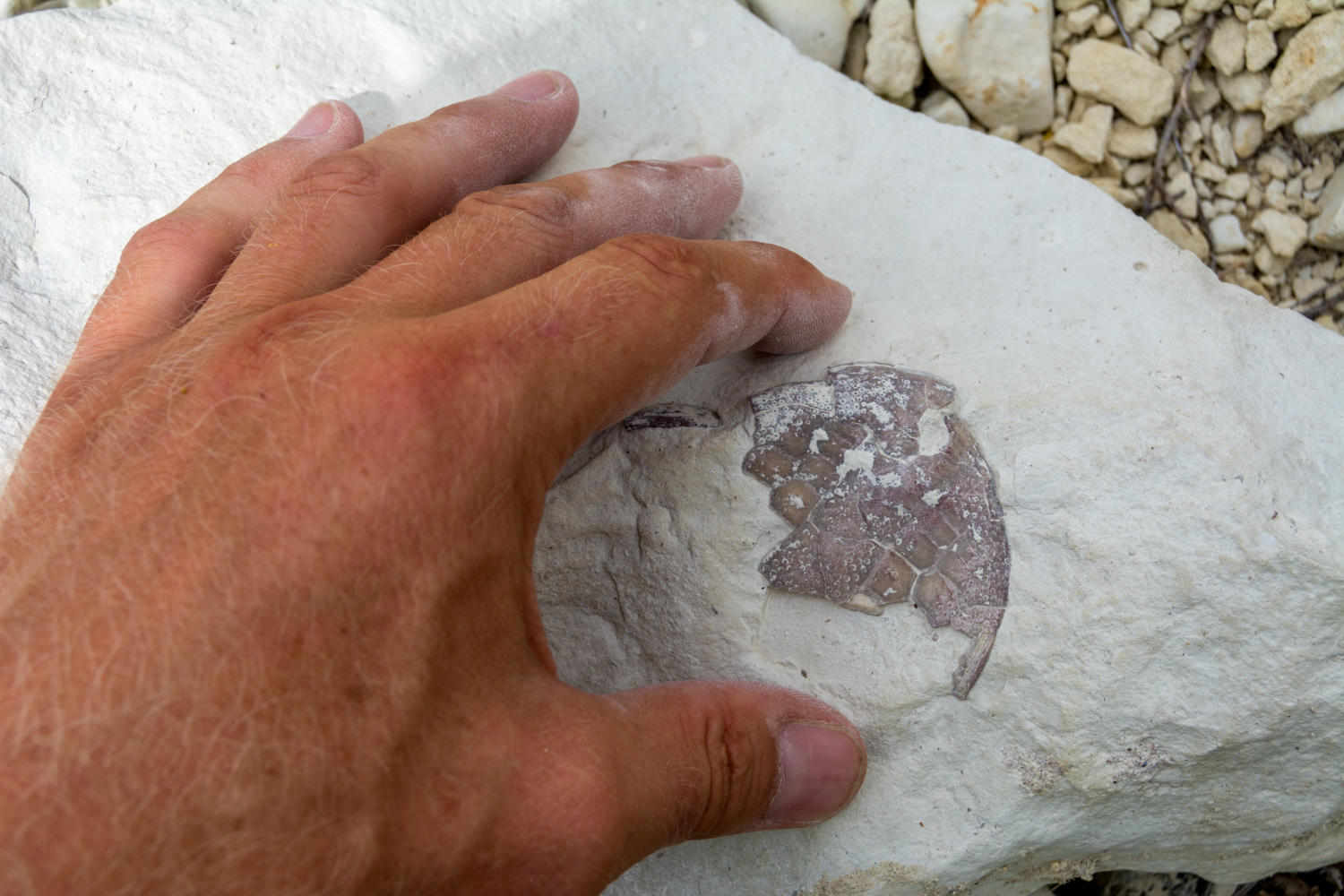
The history of the site as a site is the part most people find remarkable.
Oil shale extraction ceased, leaving a large hole in the ground of no obvious economic value. The plan, decided in the 1970s, was to fill it with waste.
Fossils had been recovered from the pit since the nineteenth century and its scientific value was known, but a known scientific value and a large empty hole near a city are not evenly matched arguments.
What stopped it was sustained local opposition, combined with campaigning by scientists and by amateur collectors who had been working the site for years. The dispute ran for a long period.
The landfill plan was eventually abandoned, the site was purchased by the state, and in 1995 it became a UNESCO World Heritage Site — the first in Germany designated for natural rather than cultural reasons.
That sequence is worth sitting with. One of the most scientifically significant fossil sites in the world was saved by people from the surrounding area objecting loudly enough, over a long enough period, to change a decision that had already been made.
The pit is open to visitors, with a visitor centre and guided tours down into the excavation, which is the only way to enter the pit itself.
Fossils are on display there and in museums in the region, and the active excavation continues, so material is still being recovered.
Collecting is not permitted for visitors, for obvious reasons — the specimens require immediate specialist treatment or they disintegrate, and the site is protected.
A few practical realities: the pit is an active scientific excavation rather than a theme park, tours run to a schedule and should be booked, and the terrain underfoot is a quarry rather than a path.
The Other Windows
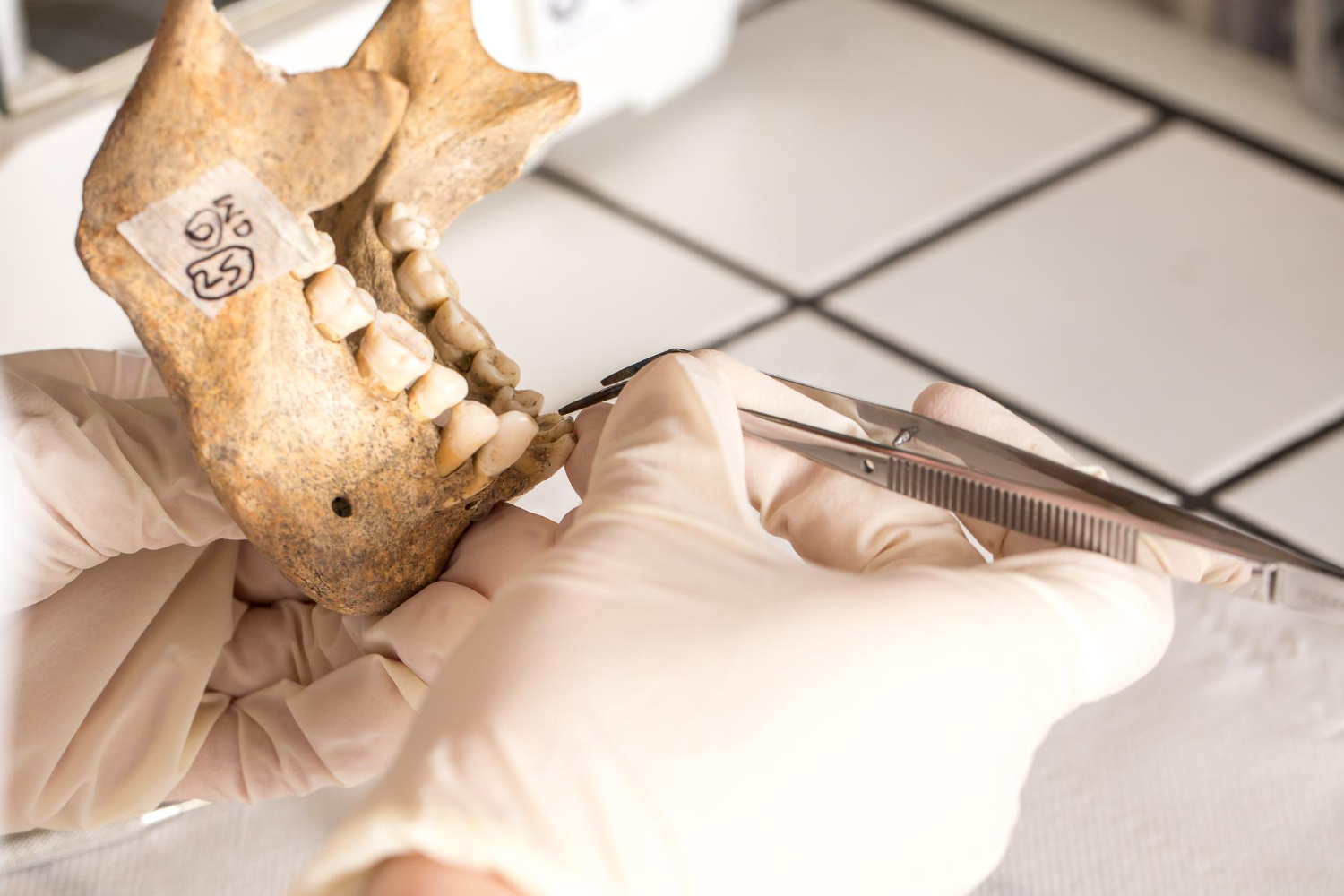
Messel is not unique, and the small set of comparable sites is worth knowing about, because each preserves a different moment.
The Burgess Shale in Canada preserves soft-bodied marine animals from a period very early in the history of complex life, capturing body plans that have no modern equivalent at all — creatures that would be entirely unknown from hard parts, because they had none.
Solnhofen in Germany preserves fine-grained limestone from a lagoon environment, and produced the specimens that connected feathered animals to the origin of birds.
The Green River Formation in the western United States, roughly contemporary with Messel, preserves fish, insects and plants from a lake system in enormous numbers.
Liaoning in China has produced feathered dinosaurs with the feathers preserved, which settled arguments that skeletal material alone could not.
The recurring ingredients are the same in every case: still water, no oxygen at the bottom, fine sediment, and rapid burial. Whenever those four conditions coincide, the fossil record briefly stops being a record of bones and becomes a record of animals.
Between them these sites supply the calibration points for everything else — and they are rare enough that each one is a substantial fraction of what is known about its period.
What a Window Is Worth
The value of a site like this is not the individual specimens, remarkable as they are.
It is that a Lagerstätte lets you check your assumptions. The rest of the fossil record is bones, from which everything else has to be inferred — and a site preserving fur, feathers, gut contents and colour tells you whether those inferences were right.
Sometimes they were. Sometimes the soft tissue reveals something nobody would have predicted from a skeleton, and the reconstruction of an entire group of animals shifts.
Which makes an abandoned shale pit in Hesse one of the more consequential holes in the ground anywhere — and it is only still there because a group of local people spent years refusing to let it be filled with rubbish.
Like our content? Follow us for more.
