

The last day has a particular property: you now know the place, which you did not on any previous day, and you will not be back tomorrow. That combination is available exactly once. Here are ten ways to use it.
1. Go Back to the One Place You Liked Most

You now have information you did not have on arrival – which of everything you saw was actually the best – and the last day is the only opportunity to act on it.
First visits are exploratory and second visits are informed. Returning deliberately is the thing only the last day makes possible.
Like our content? Follow us for more.
2. Do the Ordinary Thing You Kept Meaning To

Every trip accumulates small intentions that were postponed – a particular street, a market, a walk, a shop – and the last day is when they expire.
They take twenty minutes and are consistently the things people regret. Clearing the small intentions is the use of a morning that prevents most regret.
3. Buy the Thing You Have Been Thinking About

Anything considered repeatedly over several days is not an impulse, and the last day is the point at which not buying it becomes permanent.
The reverse is also true: anything you have not thought about since seeing it can be left. Deciding at the end is the filter that improves what comes home.
4. Photograph the Ordinary Rather Than the Famous

The monuments are photographed and the street you walked down daily is not, and it is the second one you will want in ten years.
It takes five minutes and nobody does it. Photographing the ordinary is the correction that improves the whole record.
5. Write Down What You Would Tell Somebody

Ten minutes writing what worked, what did not and what you would do differently is worth more than any amount of remembering, because the detail is gone within a fortnight.
It also makes you useful to the next person who asks. Recording it is the step that converts a trip into something reusable.
6. Thank Whoever Made It Work

Somewhere on any trip there is a person who helped substantially – at the accommodation, in a shop, on a route – and saying so directly costs nothing and is remembered.
Local practice on anything beyond that varies and is worth establishing rather than assuming. Acknowledging somebody is the courtesy that requires only attention.
7. Leave the Room Properly

Stripping what should be stripped, gathering what should be gathered and leaving a space in a reasonable condition is a small kindness to somebody you will never meet.
It takes three minutes and is visible in the room. Leaving it well is the effort that only somebody else benefits from.
8. Check the Places Things Hide

Behind the door, under the bed, in the bathroom, in a drawer you used once, and the charger in the socket behind the furniture – the standard losses are entirely predictable.
A systematic sweep beats a glance. Checking properly is the two-minute habit that prevents the commonest travel annoyance.
9. Repack Rather Than Cram
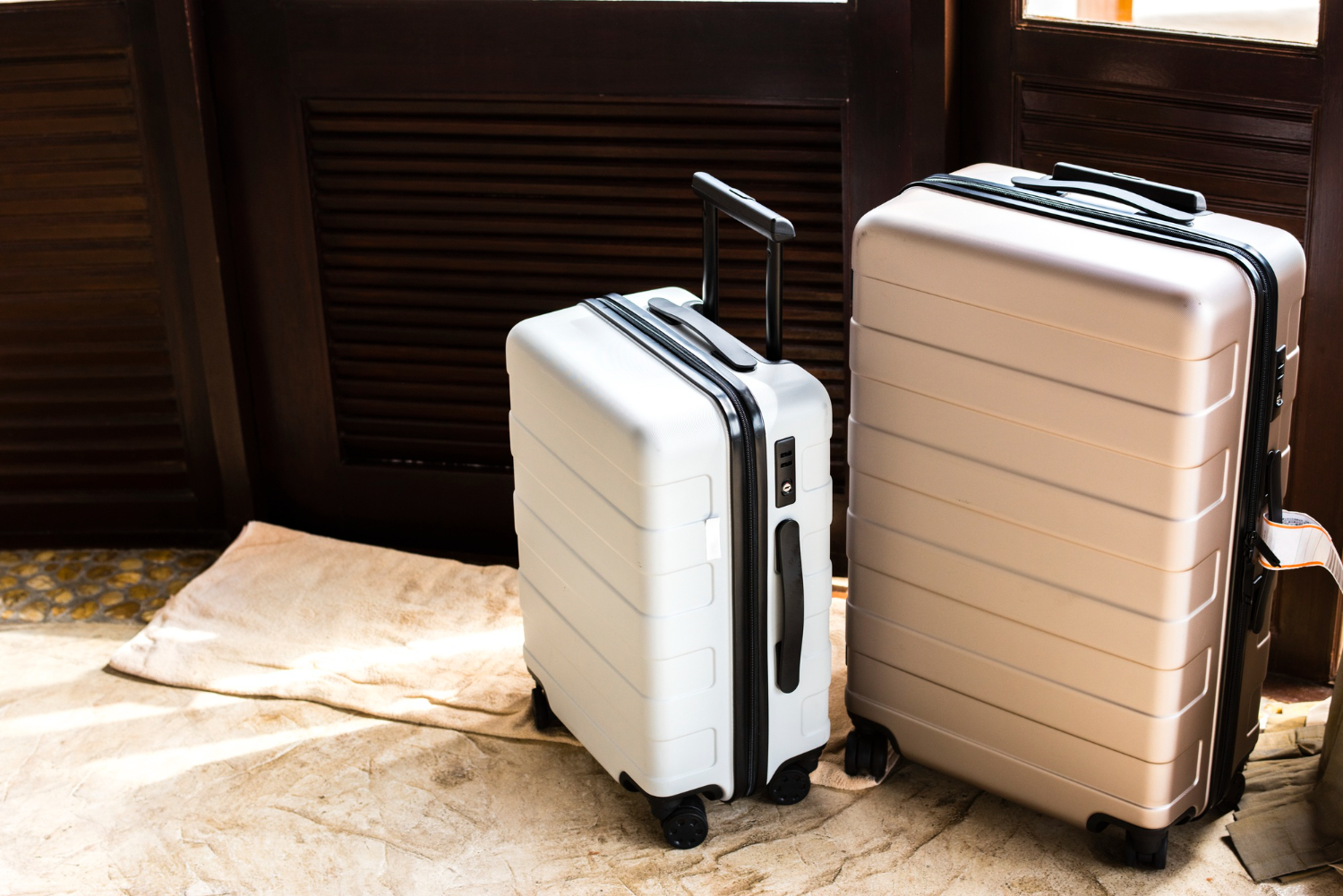
The return packing is done tired and in a hurry, which is why things break, spill and go missing, and ten minutes of doing it properly prevents all of it.
Anything fragile bought on the trip is the thing at risk. Repacking deliberately is the step that protects what you are bringing home.
10. Build In More Time Than You Need

The last morning is when the trip is most likely to go wrong, because everything is unfamiliar and the deadline is fixed, and a margin removes almost all of that.
It also converts a rushed departure into an unhurried one. Leaving early is the decision that determines how the whole trip is remembered.
The Only Day You Already Know the Place
The last day is the one on which you have full information and no time left, which makes it the right day for returning, for the postponed small things, and for the decisions you were not ready to make earlier.
The item that matters most is the fourth. Everybody photographs the famous things on the first day and nobody photographs the ordinary street they walked down every morning – and a decade later it is the ordinary street that brings the trip back, because it was the part you actually lived in.
Like our content? Follow us for more.

