The useful frame is that milk is holding itself together rather than being a stable liquid. Almost everything below is either that arrangement breaking or somebody breaking it on purpose. Here are fifteen.
1. It Is a Suspension Rather Than a Solution
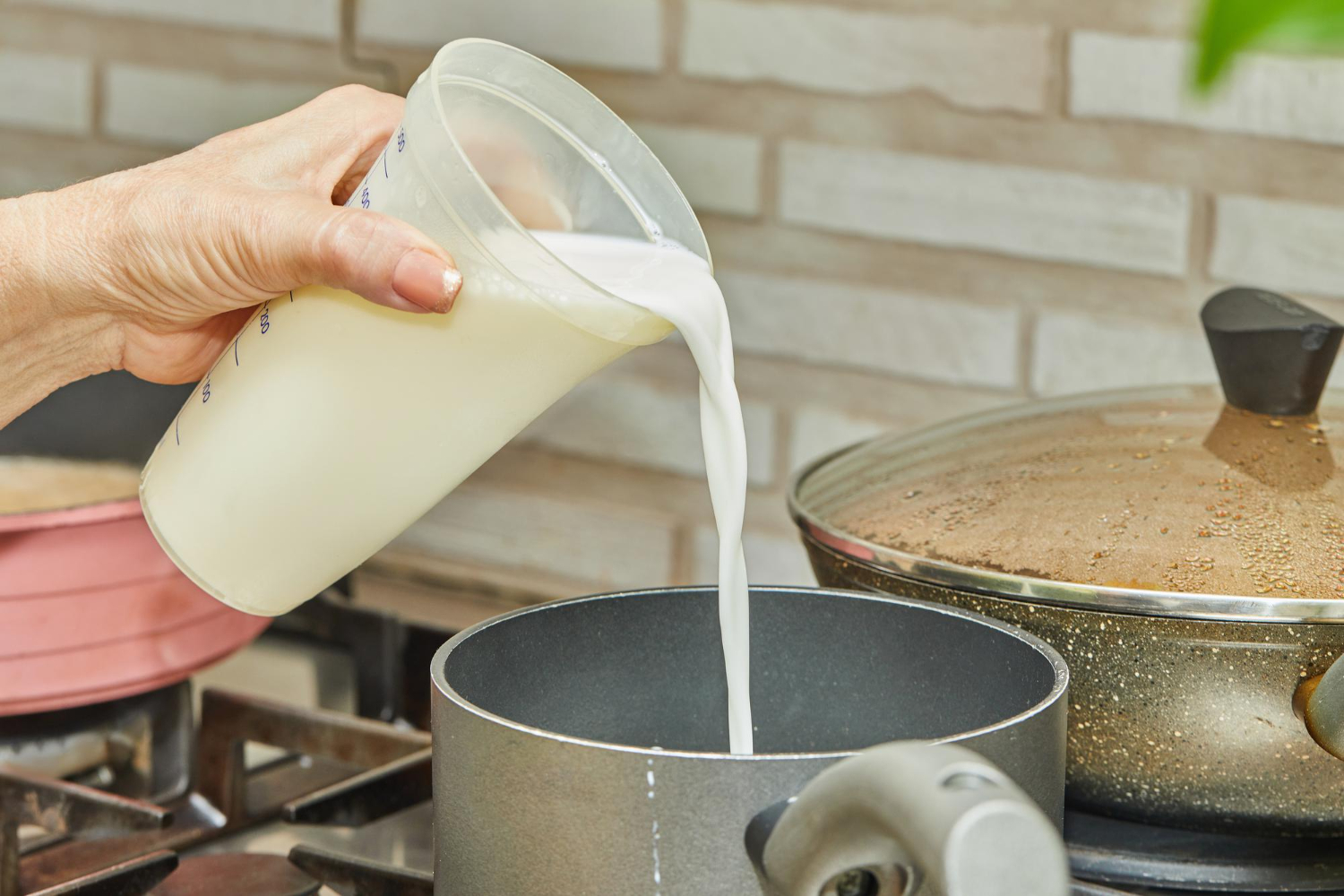
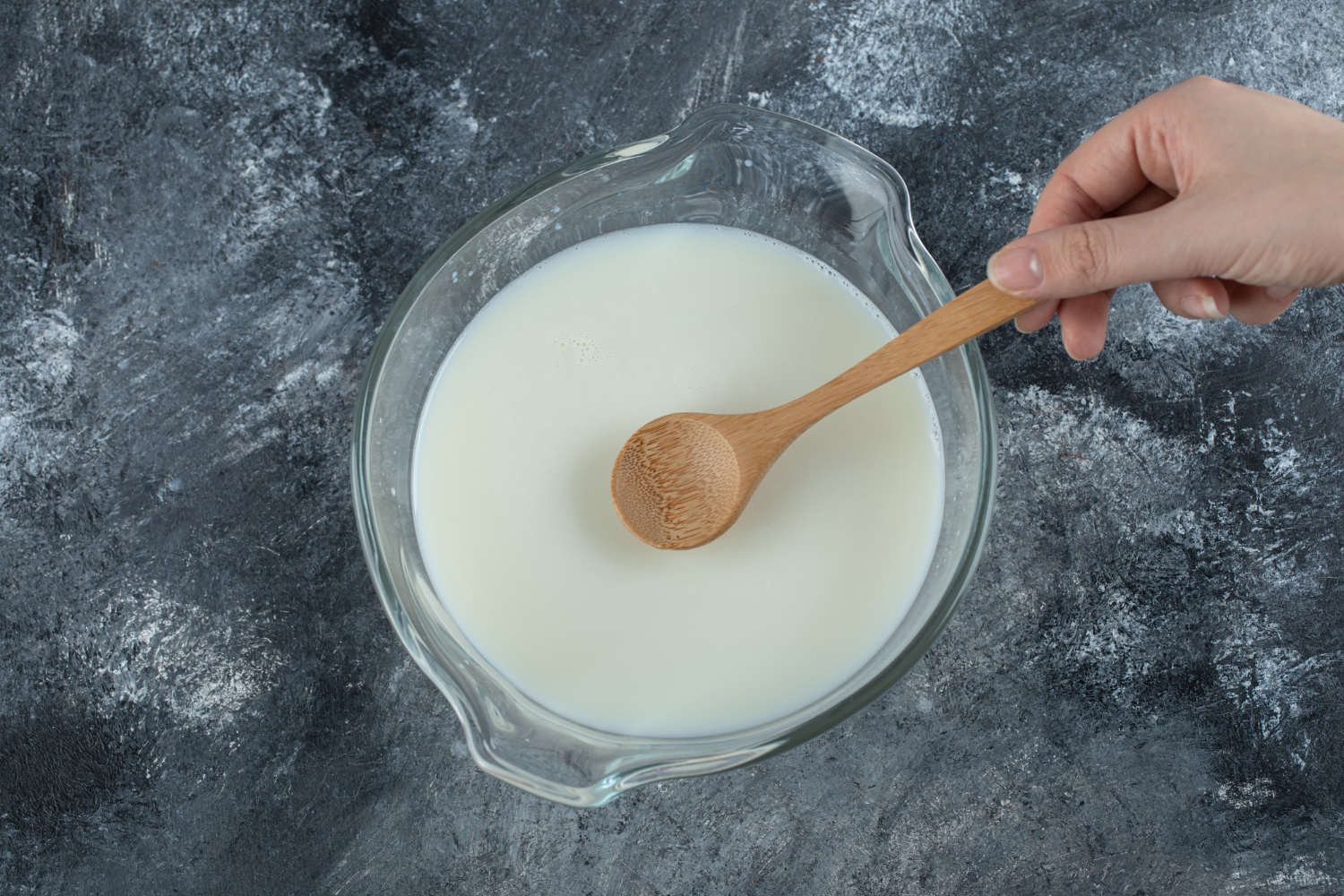
Milk contains fat droplets and protein clusters dispersed through water rather than dissolved in it, which is why it is opaque and why it can separate.
Nothing in it is truly mixed at the molecular level. Suspension structure is the fact behind every other item here.
Like our content? Follow us for more.
2. Heat Destabilises the Proteins
Warming milk unfolds its proteins, exposing parts that were tucked away, and those exposed regions bind to each other and clump together.
That is the beginning of every curdling problem. Protein denaturation is what heat is actually doing to milk.
3. Acid Does the Same Thing Faster
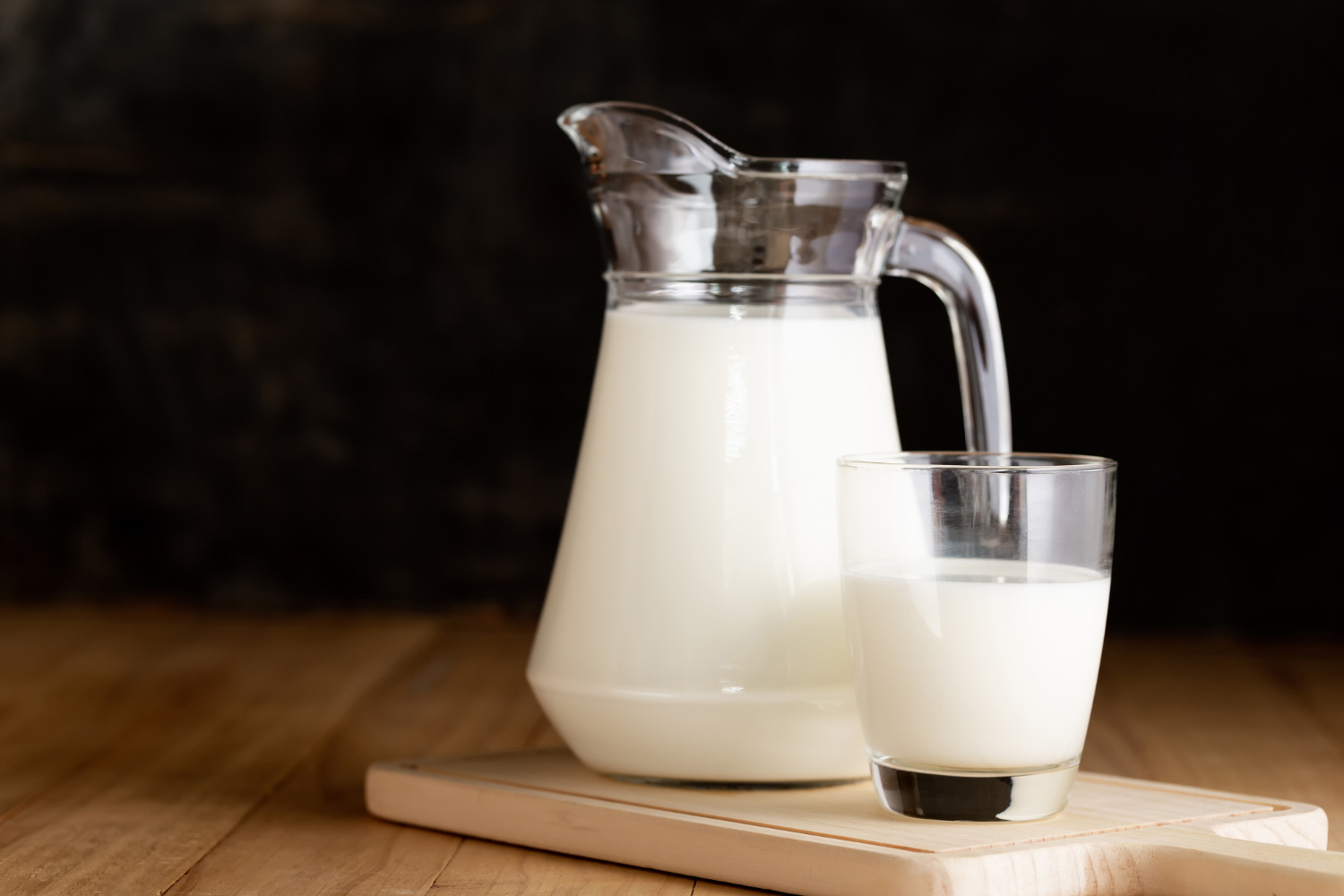
Lowering the pH neutralises the charges keeping protein clusters apart, so they aggregate immediately – which is why adding something sour to hot milk curdles it at once.
Several cuisines do this deliberately to produce a fresh curd. Acid coagulation is the same reaction used as a technique rather than avoided as a fault.
4. Enzymes Do It Selectively
Certain enzymes cut a specific protein at a specific point, causing coagulation without acidity, which produces a completely different curd structure from the acid route.
That distinction underpins two entirely separate families of dairy product. Enzymatic coagulation is the version that works by cutting rather than by charge.
5. The Solids Sink and Then Burn
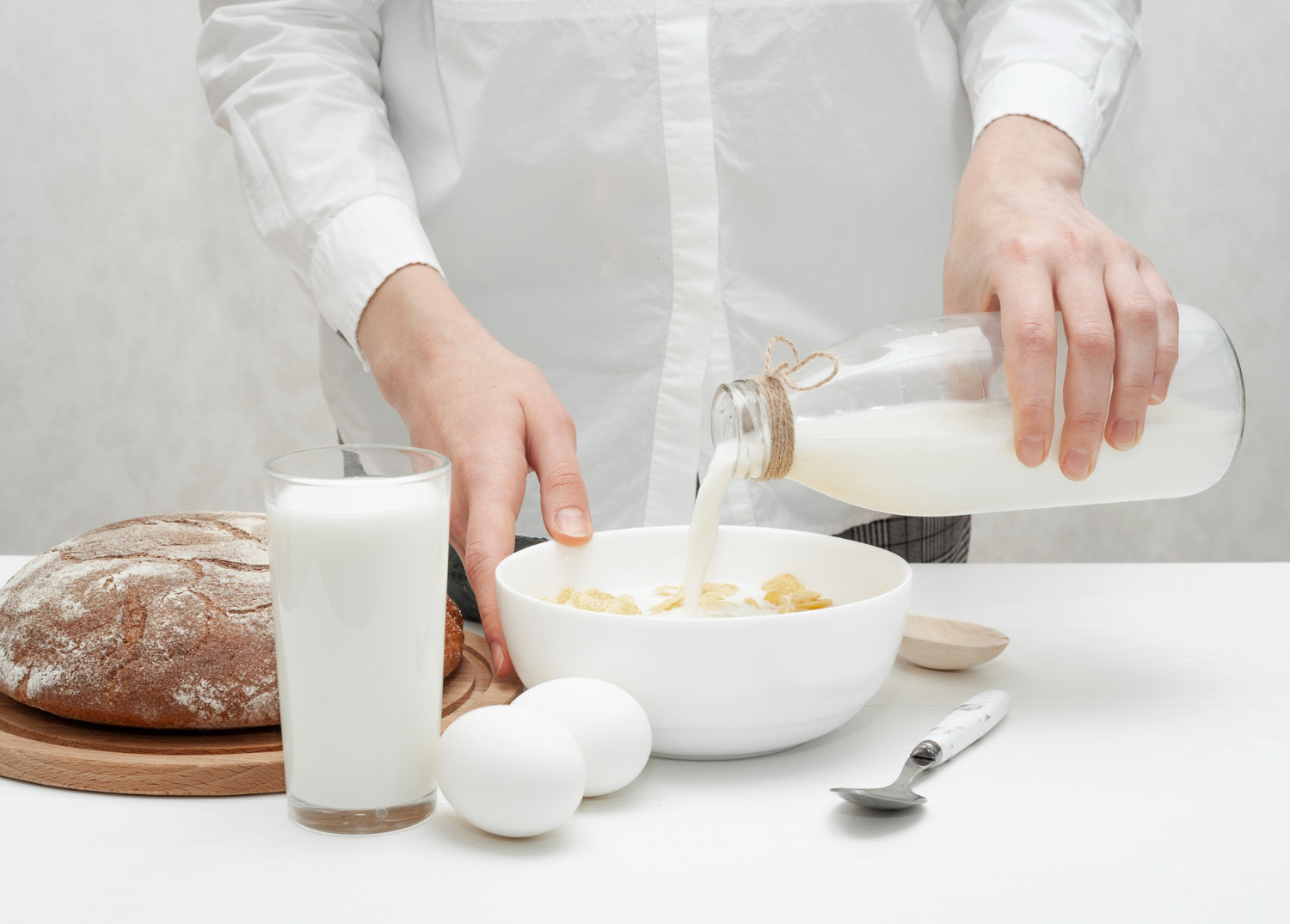
Milk solids settle to the base of a pan, where they are in contact with the heat source and nothing else, so they scorch long before the liquid is in any trouble.
Once scorched, the flavour is in the whole batch. Base scorching is the failure that cannot be recovered from.
6. Which Is Why the Pan Matters
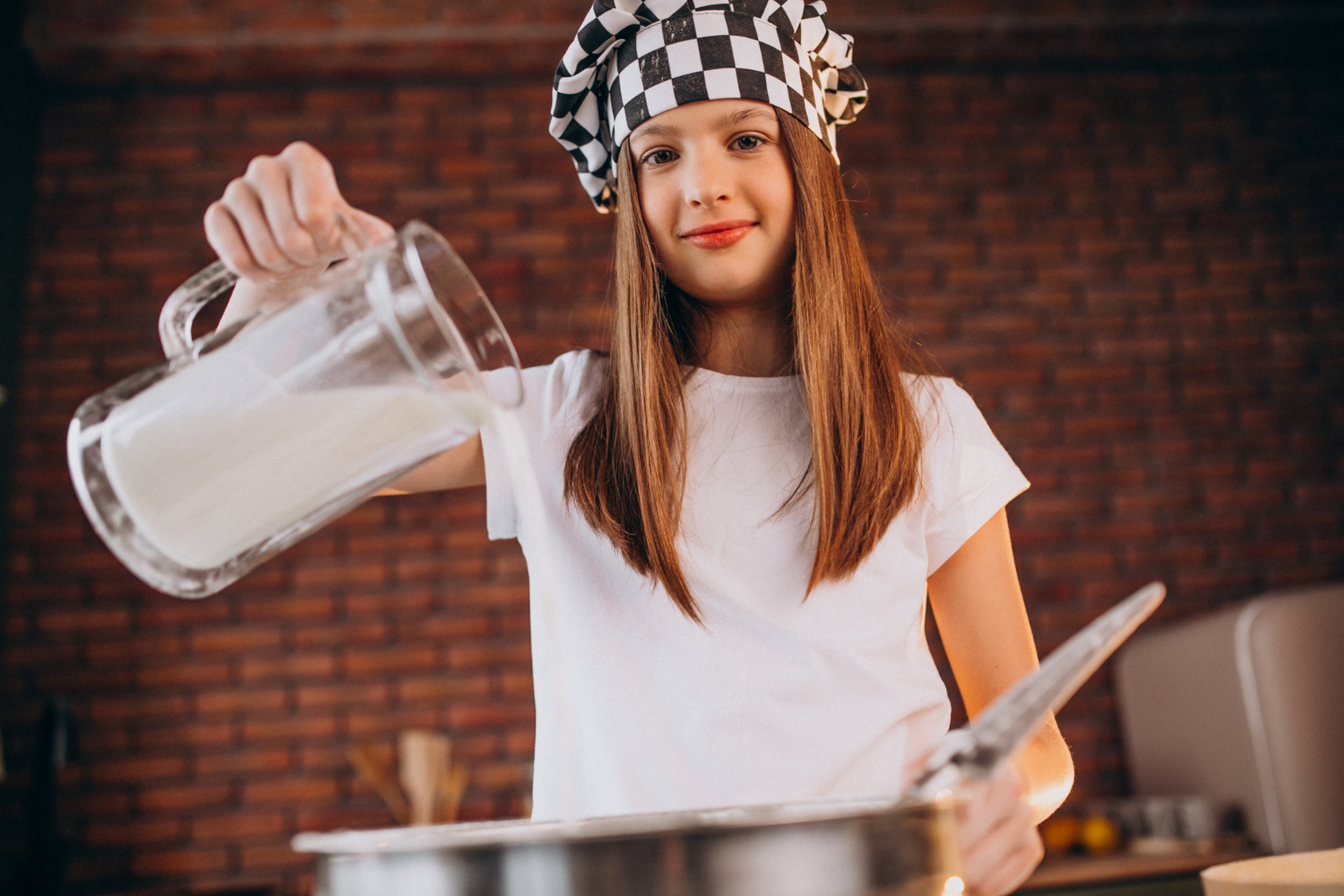
A heavy base spreads heat rather than concentrating it, and constant movement keeps solids from settling, and both are addressing the same problem.
A thin pan makes it nearly unavoidable. Pan choice is the equipment decision that determines whether the technique works at all.
7. The Skin Is Concentration
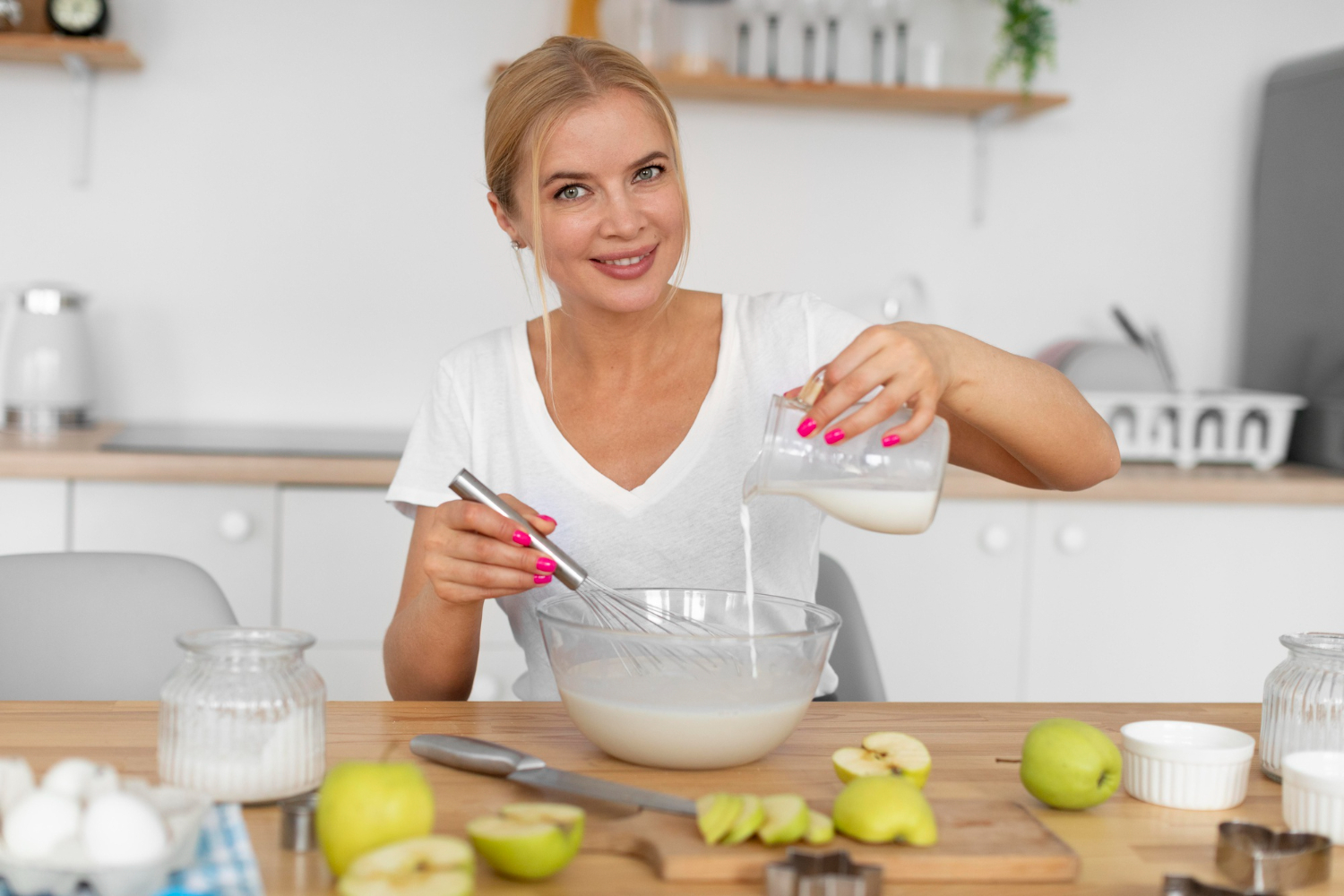
Evaporation from the surface concentrates proteins and fat there until they form a continuous film, which then thickens and traps steam beneath it.
Covering the pan prevents it by stopping evaporation. Skin formation is a surface effect rather than something separating out.
8. Boiling Is Almost Always Wrong
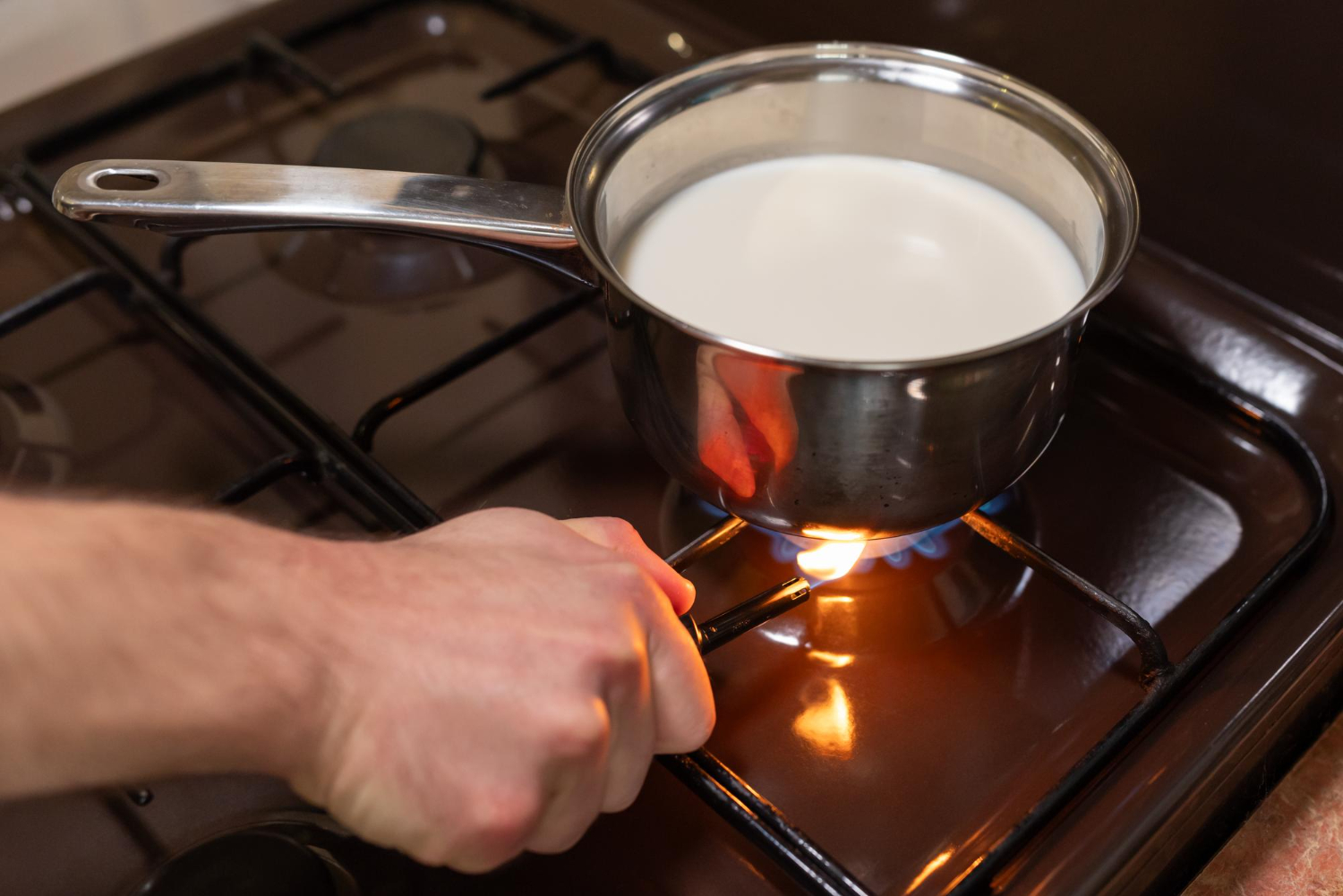
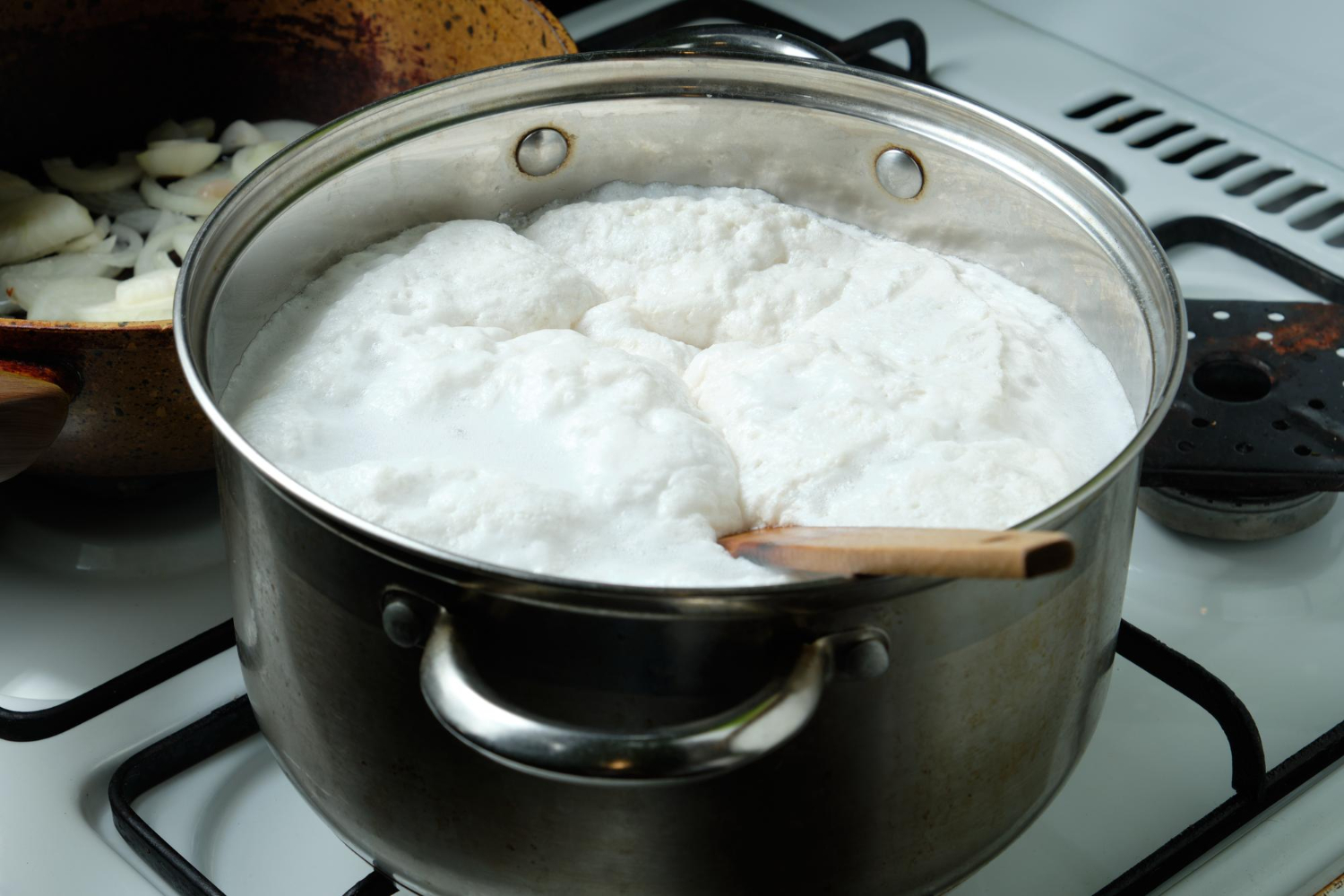
Vigorous heat accelerates denaturation, drives evaporation, promotes scorching and produces the sudden rise as trapped steam pushes the skin upward.
Almost every dairy technique specifies gentle heat for these reasons together. Simmering rather than boiling is the rule with four separate justifications.
9. Starch Protects It
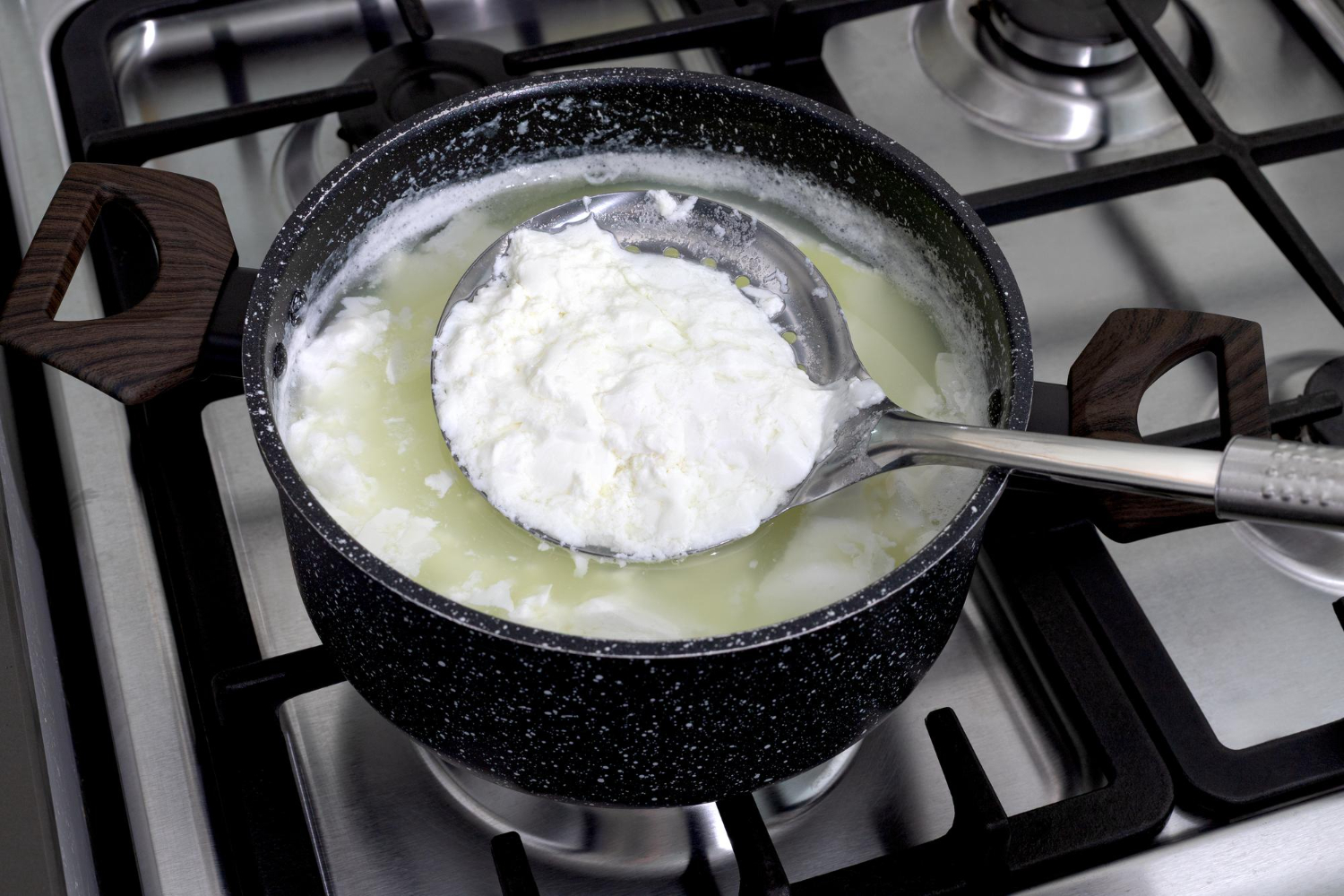
The presence of starch stabilises milk against curdling, which is why milk-based sauces thickened with flour tolerate treatment that would ruin plain milk.
The starch physically interferes with proteins finding each other. Starch stabilisation is the reason a thickened sauce is more robust than the milk it was made from.
10. Fat Content Changes the Stability
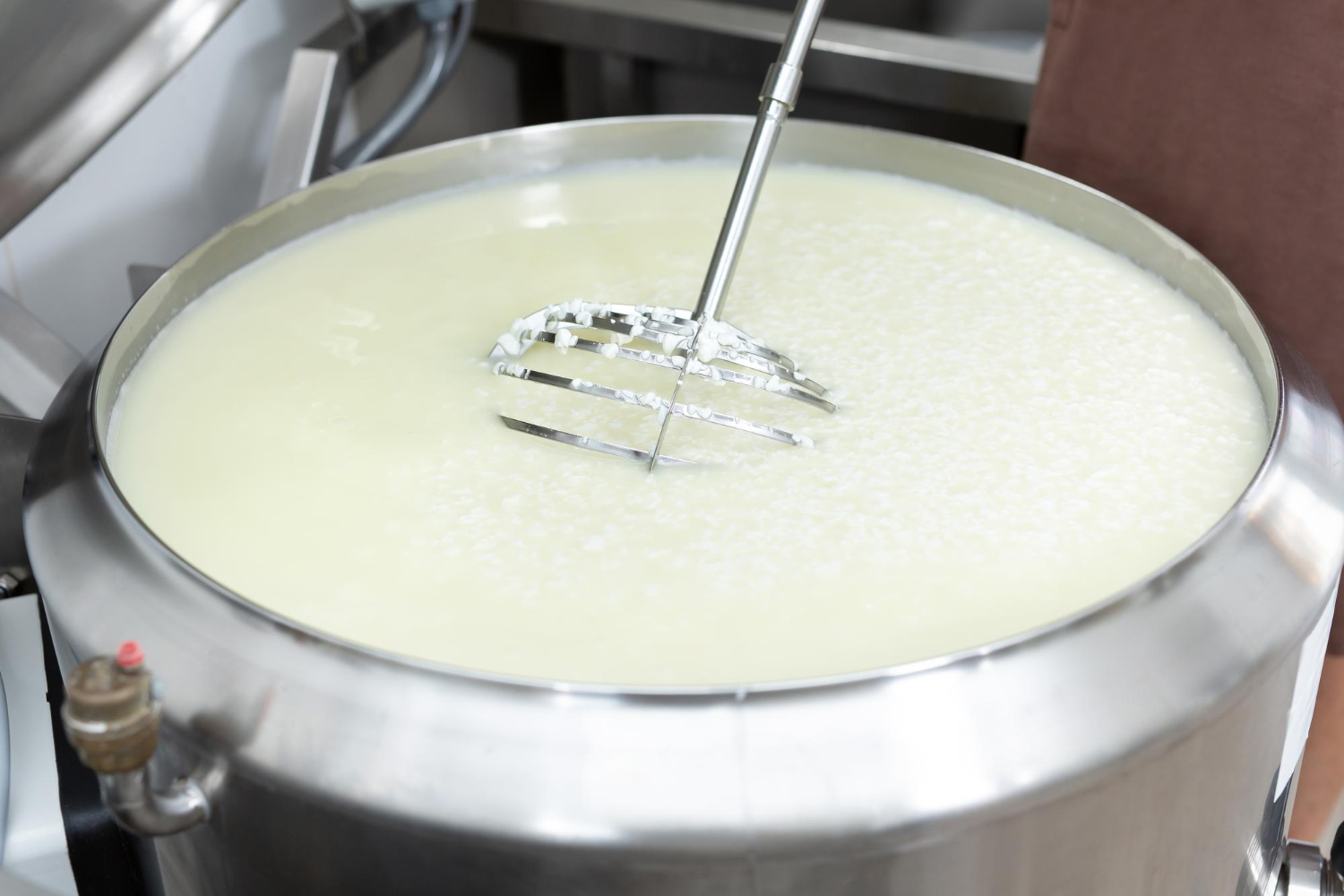
Higher fat content makes a mixture more tolerant of heat and acid and produces a different texture, which is why traditional versions of some dishes fail with reduced-fat substitutes.
It is a structural difference rather than a richness preference. Fat proportion is the variable that determines whether a technique still works.
11. Grains Cooked in Milk Behave Differently
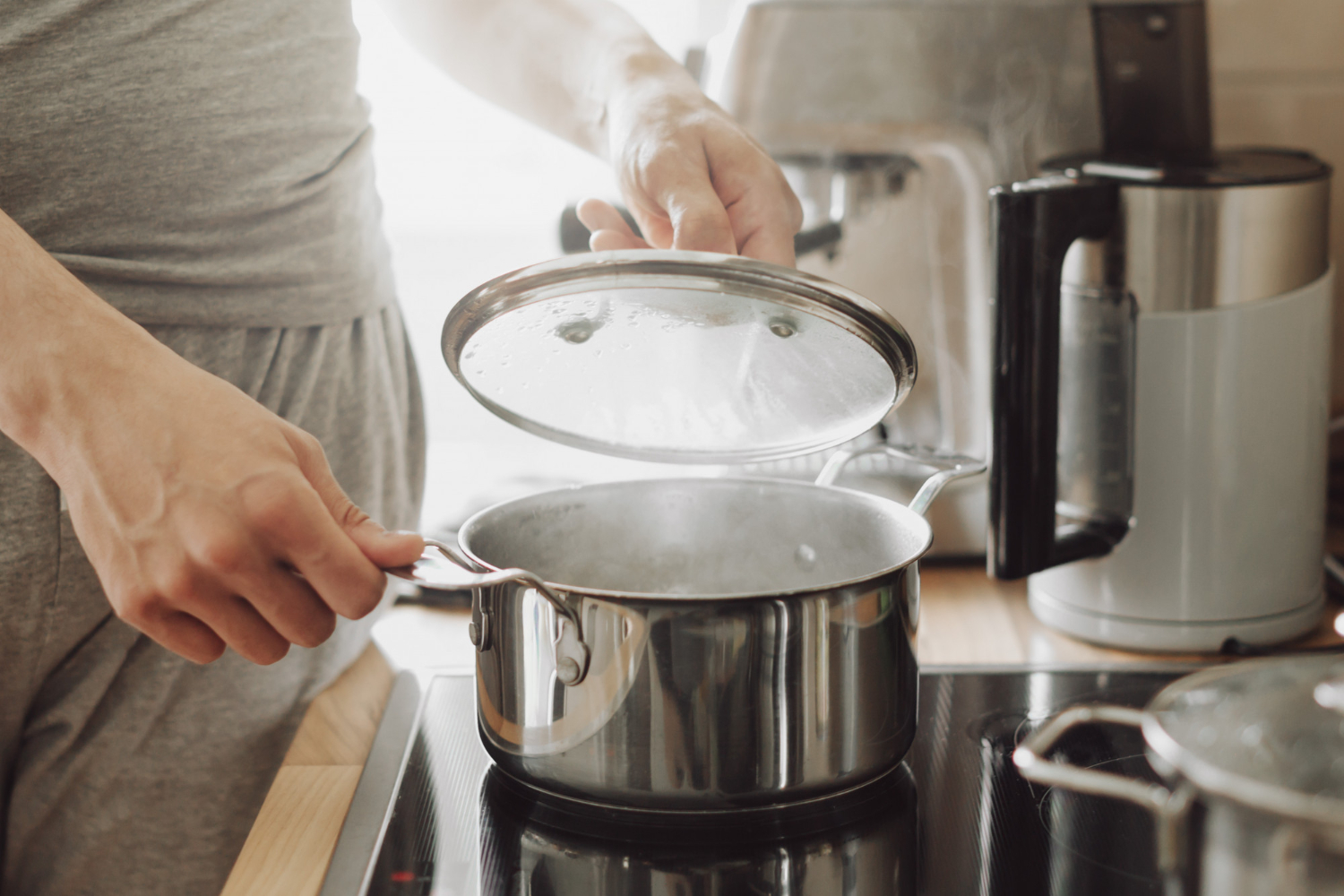
Starch swelling in milk rather than in water produces a different texture, because the proteins and fat interfere with the starch and the milk sugars contribute their own effects.
It is not simply water with flavour added. Milk as a cooking liquid is a different medium rather than an enriched one.
12. Reduction Makes It Sweet and Brown
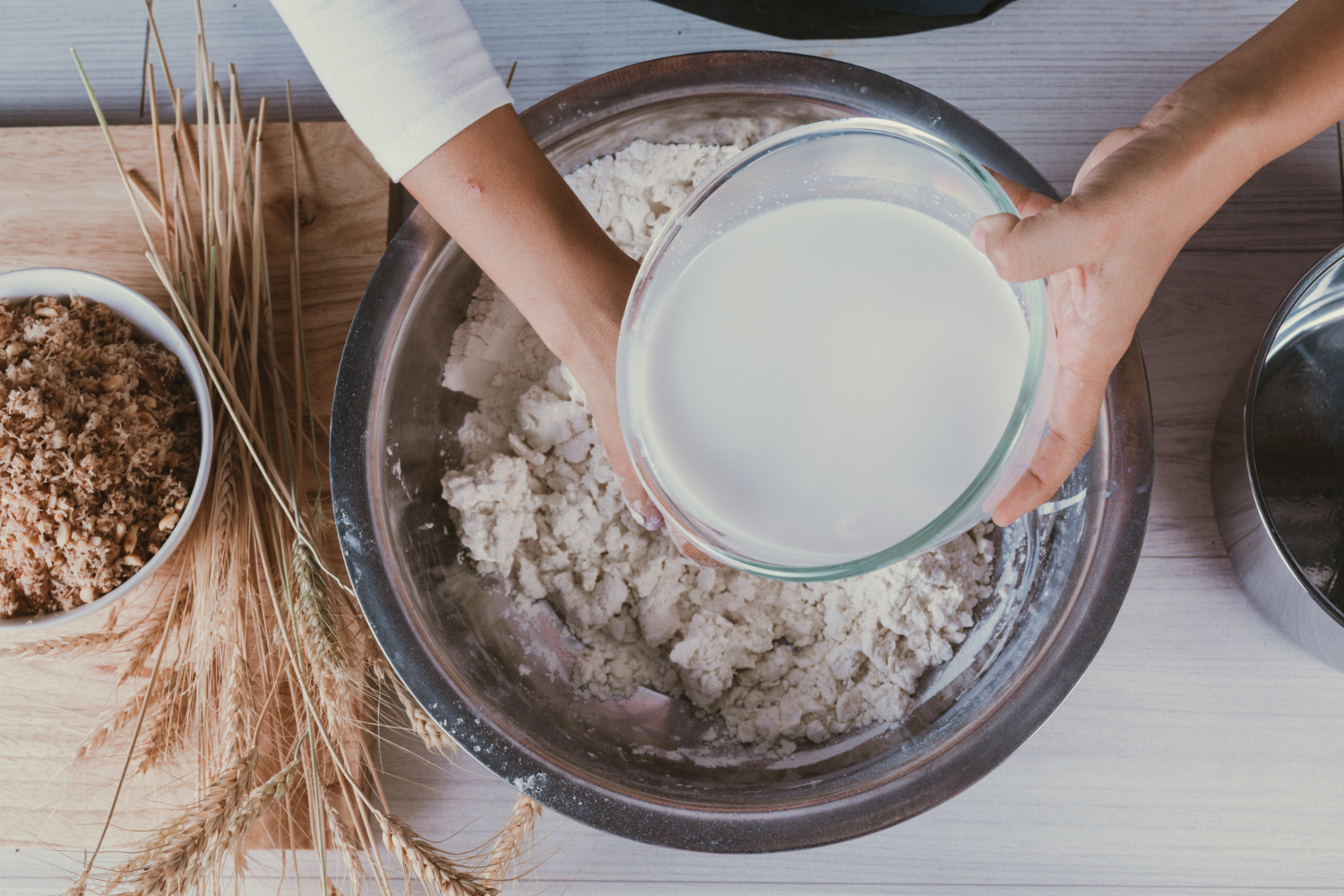
Cooking milk down concentrates its sugars and proteins, which then react together at temperature to produce browning, deep colour and a pronounced caramel character.
Nothing has been added. Milk reduction is the technique that produces sweetness from something that barely tastes sweet.
13. Salt Encourages Curdling Too
Salt affects the charges keeping proteins apart, so a heavily salted dish can curdle milk even without acid or excessive heat.
It is a third route to the same result. Salt destabilisation is the cause people rarely suspect.
14. Cooking Meat in Milk Tenderises It
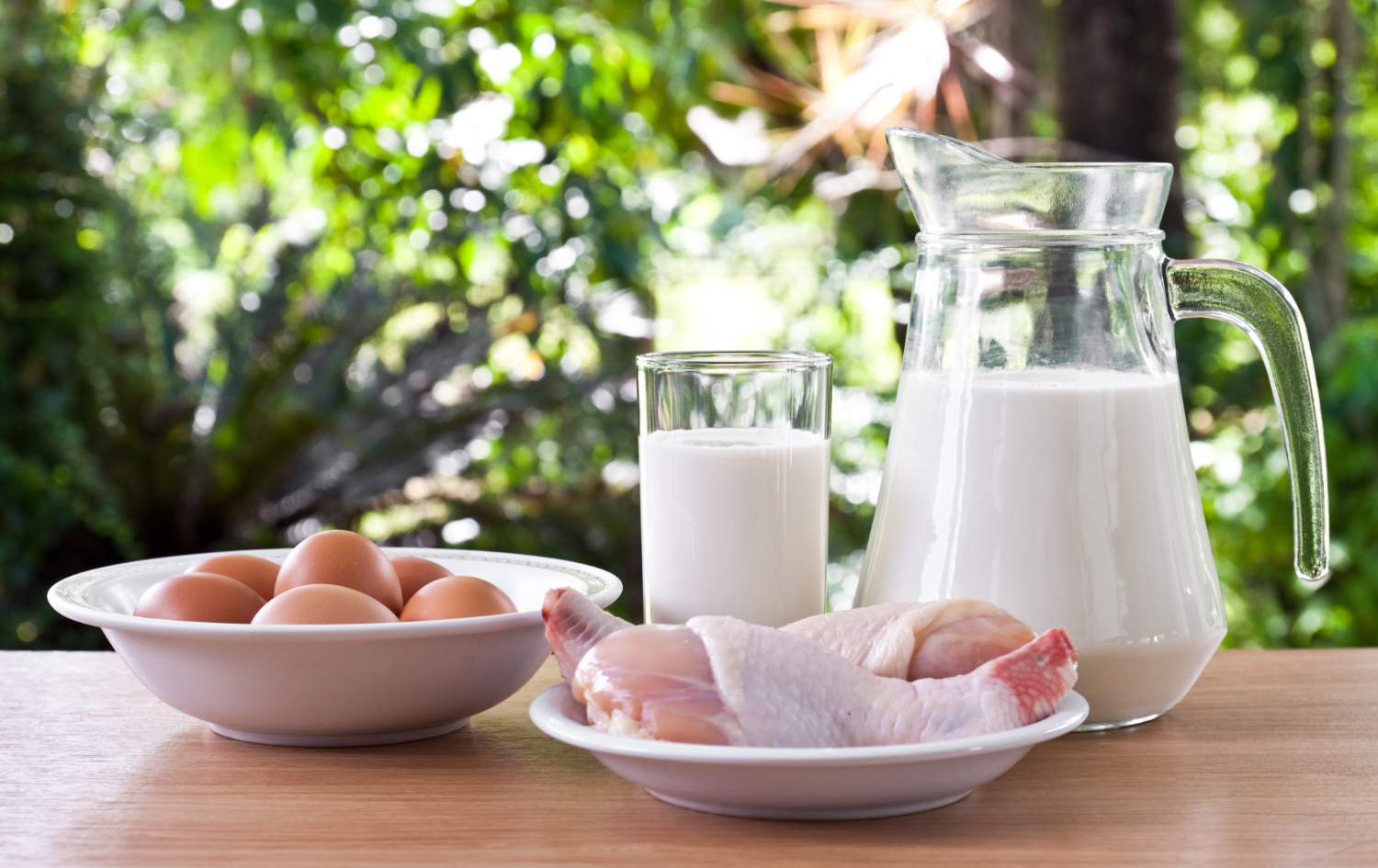
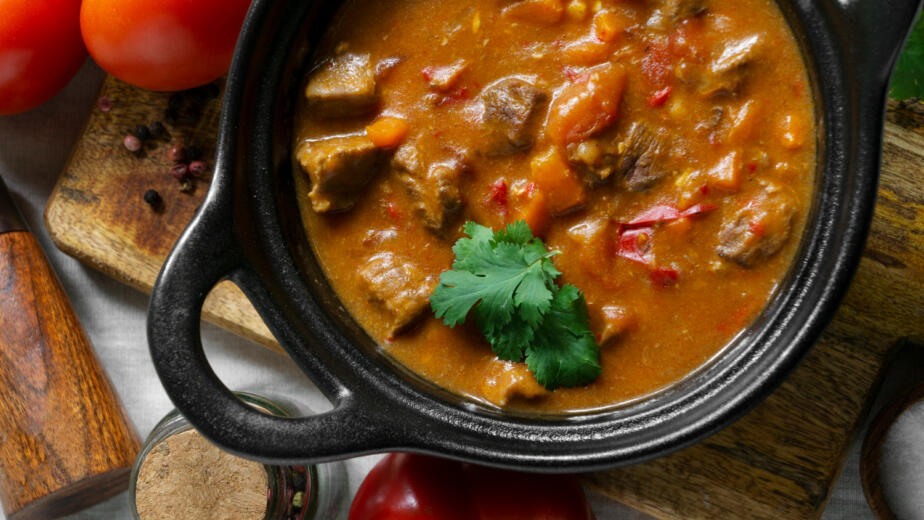
Several traditions braise meat in milk over long periods, which softens the texture while the milk itself breaks into soft curds that form the sauce.
The curdling is the intended outcome rather than a failure. Milk braising is the case where the fault is the recipe.
15. Almost Every Failure Is the Same Failure
Curdling, catching, skinning and boiling over are four appearances of two underlying causes – proteins clumping and solids settling – both driven by too much heat too fast.
Slower heat and more attention address all four. The common cause is the reason one adjustment fixes so many different problems.
An Unstable Mixture Doing Its Best
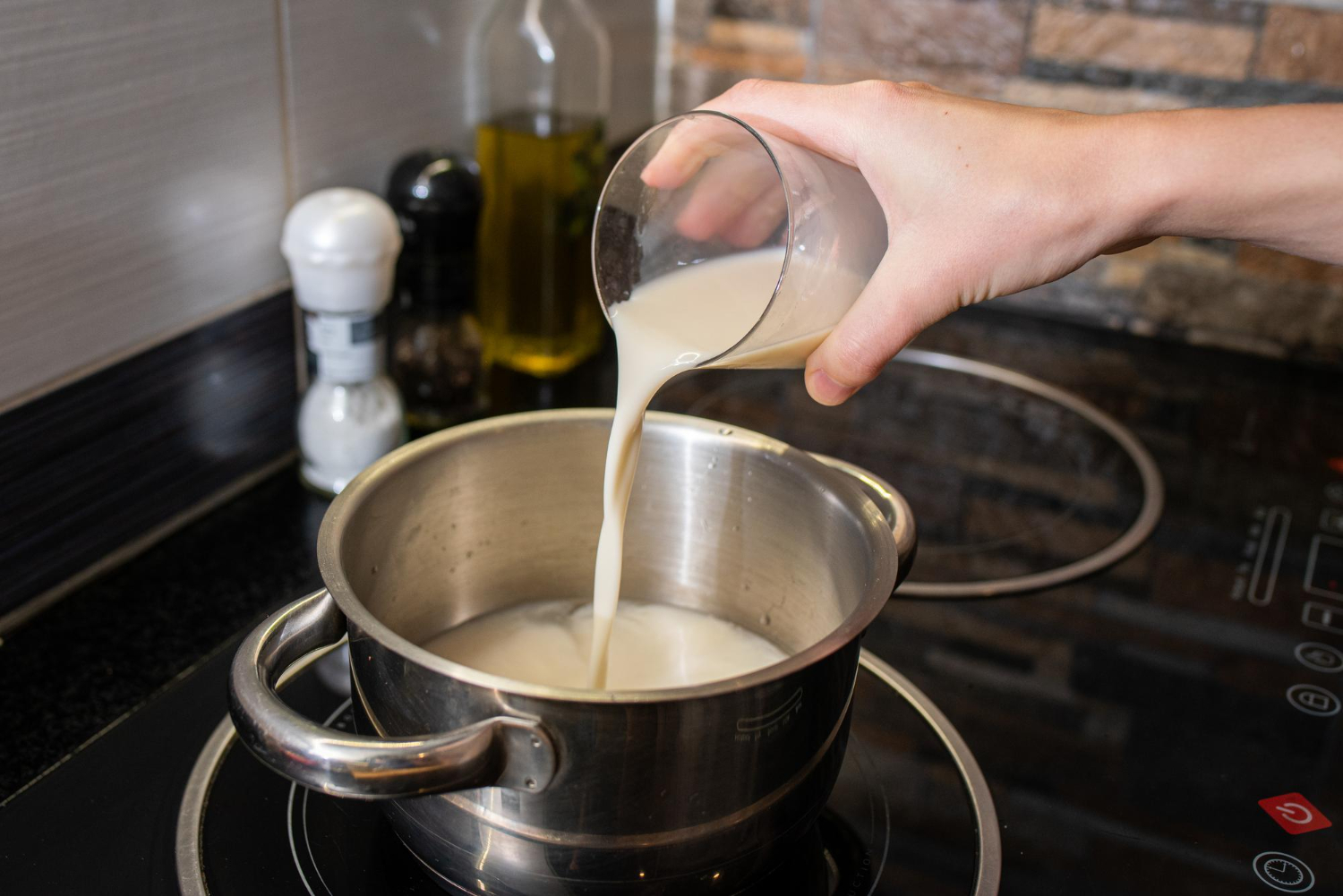
Fat and protein suspended in water, held apart by charges that heat, acid and salt all disrupt – and every technique here is either preventing that or causing it deliberately.
The last item is the practical one. Milk curdling, catching on the base, forming a skin and climbing out of the pan look like four separate problems and are two, and both are answered by lower heat and staying in the room – which is the least sophisticated advice available and the only one that addresses all of them.
Like our content? Follow us for more.